
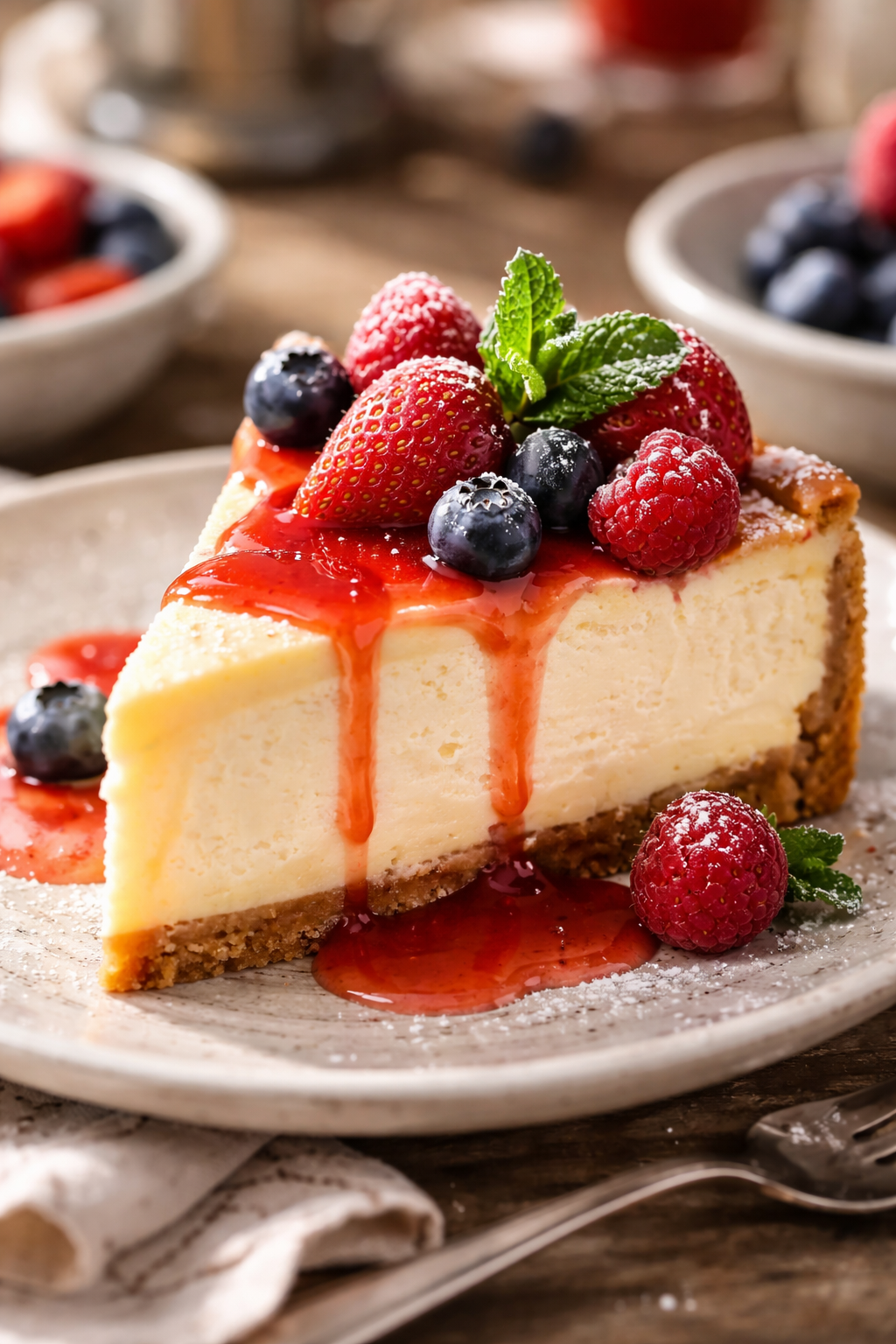
Welcome to the World of French Style Cheesecake
Last summer, I bit into a slice of cheesecake at a small bakery in Paris, and my entire understanding of this dessert changed forever. It wasn’t dense or heavy like the cheesecakes I grew up eating. Instead, it felt like biting into a sweet cloud that melted on my tongue within seconds. That moment sparked my obsession with french style cheesecake, and I haven’t looked back since.
Welcome to my little corner of the internet where we explore the delightful world of French style cheesecake. I’m excited to share with you not only the traditional recipes but also some unique variations and comparisons that will make your taste buds dance. Whether you’re a seasoned baker or someone who just discovered their passion for desserts, this guide will walk you through everything you need to know about this elegant treat.
Let’s dive in and discover why this dessert is a must-try for any cheesecake lover. Trust me, once you understand what makes French style cheesecake so special, you’ll want to make it part of your regular baking rotation.
What is a French Style Cheesecake?
A french style cheesecake is basically the sophisticated cousin of the classic American cheesecake. While both desserts share similar base ingredients, the French version takes a completely different approach to texture and preparation. The result is something truly magical.
The most striking feature of a French style cheesecake is its incredibly light and airy texture. When I first made one at home, I was amazed at how it practically floated off my fork. This ethereal quality comes from a specific technique that sets it apart from every other cheesecake you’ve tried.
Here are the key characteristics that define a French style cheesecake:
- Ultra-light texture: The dessert feels almost mousse-like in your mouth
- Delicate flavor: More subtle and less tangy than American versions
- Smooth consistency: No dense or heavy feeling after eating
- Elegant presentation: Often served without heavy toppings or crusts
The secret behind this incredible texture lies in how the ingredients come together. French style cheesecake typically uses less cream cheese than its American counterpart. Instead, it relies heavily on whipped cream and sometimes beaten egg whites to create that signature fluffiness. Some versions even skip the baking process entirely, which brings us to the popular french style cheesecake no bake variations.
The Key Ingredients That Make It Special
When I make my french style cheesecake, I focus on quality over quantity. You don’t need a long list of ingredients, but each one plays a critical role in achieving that perfect texture.
The foundation usually includes cream cheese, but in smaller amounts than a regular cheesecake. Heavy whipping cream becomes your best friend here. I whip it until it forms soft peaks, and this single step transforms the entire dessert. Some bakers add gelatin to help the french style cheesecake mousse hold its shape, especially for no-bake versions.
Eggs work differently in French style recipes too. Instead of mixing whole eggs directly into the batter, many recipes call for separating the yolks and whites. The whites get whipped into stiff peaks and folded in gently. This technique adds even more air to the mixture.
Sugar appears in moderate amounts. The goal isn’t to create an intensely sweet dessert but rather a balanced flavor that lets the cream cheese shine through without overwhelming your palate.
French Style Cheesecake vs Regular Cheesecake
People always ask me about the difference between French style cheesecake and regular cheesecake. The contrast is actually quite dramatic once you know what to look for.
A regular cheesecake, especially the New York style that many Americans love, is dense and rich. When you cut into it, the knife meets some resistance. Each bite feels substantial and fills you up quickly. The flavor is bold and tangy, with cream cheese taking center stage.
French style cheesecake goes in the opposite direction. The knife glides through it effortlessly. Each spoonful dissolves almost immediately on your tongue. The flavor is gentler and more refined. You can easily eat a full slice without feeling weighed down.
Here’s a quick comparison table to show the main differences:
| Feature | French Style Cheesecake | Regular Cheesecake |
|---|---|---|
| Texture | Light, airy, mousse-like | Dense, firm, creamy |
| Weight | Feels almost weightless | Heavy and substantial |
| Cream Cheese Amount | Less cream cheese | High cream cheese content |
| Whipped Cream | Essential ingredient | Optional or used as topping |
| Flavor Intensity | Subtle and delicate | Bold and tangy |
| Baking Time | Shorter or no baking needed | Longer baking time required |
The french style cheesecake vs new york debate often comes down to personal preference. Some people love the hearty, filling nature of New York cheesecake. Others prefer the elegant lightness of the French version. I keep both recipes in my collection because they serve different purposes.
When I’m hosting a fancy dinner party, I always reach for my French style recipe. It works perfectly as a light ending to a multi-course meal. For casual family gatherings where people want a satisfying dessert, the denser American style wins every time.
The marketside french style cheesecake recipe and walmart french style cheesecake recipe have gained popularity because they make this dessert accessible to home bakers. Many people discovered French style cheesecake through these store-bought versions and then wanted to recreate the magic at home.
I’ve tasted the walmart french style cheesecake mousse myself, and while it’s convenient, nothing beats making your own from scratch. You control the sweetness level, the texture, and the quality of ingredients. Plus, your kitchen will smell absolutely amazing while you prepare it.
The beauty of french style cheesecake recipes is their versatility. You can make them in individual serving cups, as a full cake, or even as a trifle-style dessert layered with fruit. The no bake french style cheesecake mousse versions are perfect for hot summer days when turning on the oven feels unbearable.
Traditional French Style Cheesecake Recipe
Now that you understand what makes this dessert so unique, let me walk you through making your first authentic french style cheesecake. I’ll be honest—the first time I attempted this, I was nervous about getting the texture right. But after a few tries, I realized it’s actually more forgiving than the dense American versions.
The trick lies in patience and gentle handling. You’re essentially creating something between a traditional cheesecake and a cloud, which means every step matters. I remember my grandmother once told me that French desserts are about finesse, not force, and that advice has stuck with me through countless batches.
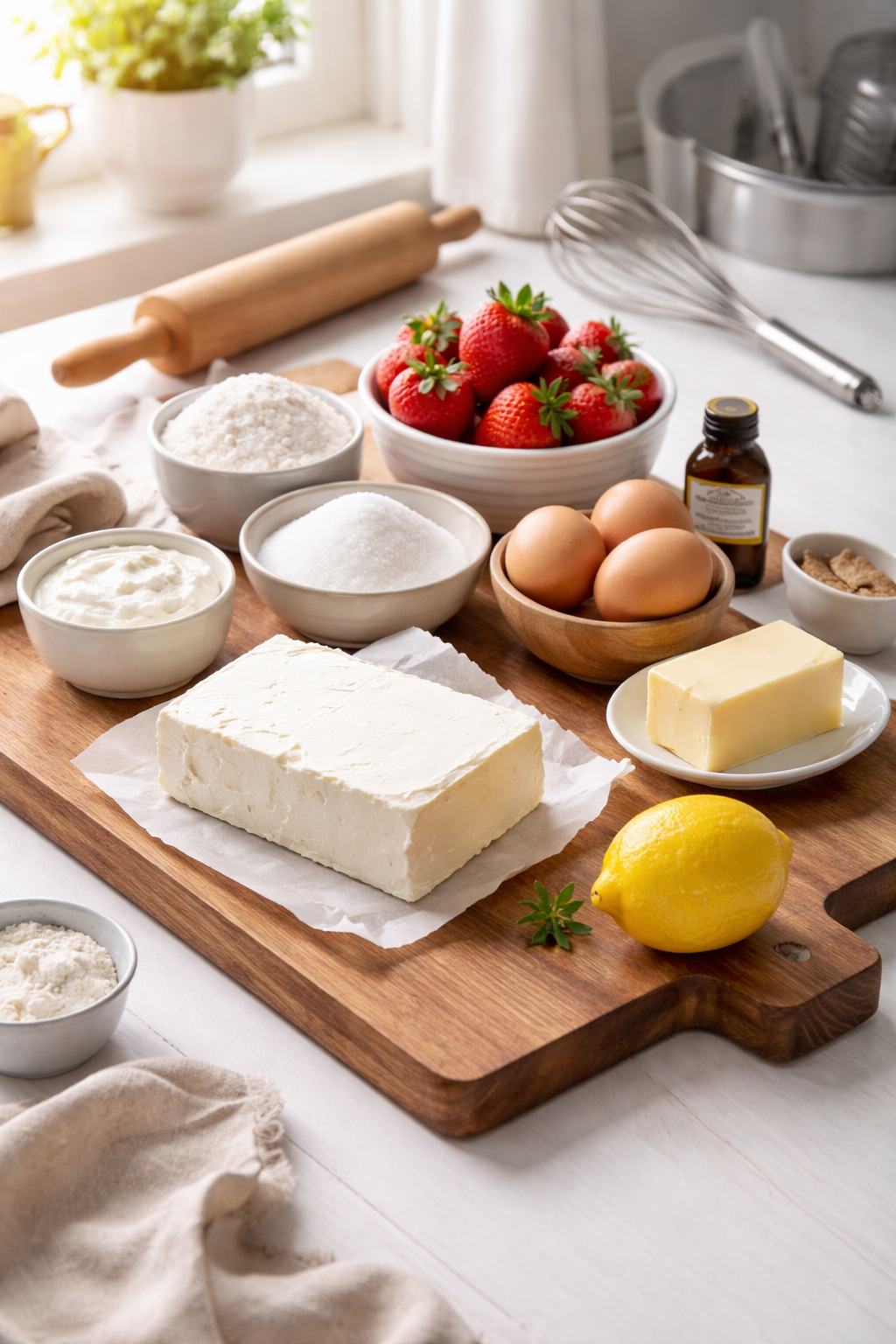
Here’s what you’ll need for a basic French style version: 16 ounces of cream cheese (softened at room temperature), three-quarters cup of granulated sugar, three large eggs (separated), one cup of heavy whipping cream, two teaspoons of vanilla extract, and a tablespoon of lemon juice. Some recipes call for a crust, but I actually prefer mine without one to keep things truly light.
Start by preheating your oven to 325°F. While it heats up, beat your cream cheese with half the sugar until it becomes smooth and creamy. This should take about three minutes with an electric mixer. Add the egg yolks one at a time, beating after each addition. The mixture should look pale and fluffy at this point.
Here’s where things get interesting. In a separate bowl, whip your heavy cream until soft peaks form. I usually do this by hand because it gives me better control, though an electric mixer works fine if you’re careful not to overbeat. Fold this whipped cream into your cream cheese mixture using a spatula. The motion should be gentle—like you’re tucking a blanket around the ingredients rather than stirring them aggressively.
Now comes the part that really makes this a french style cheesecake. In another clean bowl, beat those egg whites until they’re foamy. Gradually add the remaining sugar while continuing to beat until stiff peaks form. These whites are what give the dessert its signature airiness. I learned this technique from watching videos of Parisian bakers, and it completely transformed my results.
Fold the egg whites into your cream cheese mixture in three separate additions. The first third can be mixed a bit more thoroughly to lighten the batter. The second and third additions need that same gentle folding motion. You’ll see ribbons of white running through the batter at first, and that’s fine. Stop folding once you can no longer see distinct streaks—any more mixing will deflate those precious air bubbles you worked so hard to create.
Pour everything into a greased 9-inch springform pan. Bake for about 35 to 40 minutes. The center should still jiggle slightly when you shake the pan. This feels wrong if you’re used to making dense cheesecakes, but trust the process. The cheesecake will firm up as it cools. Let it cool in the oven with the door cracked open for an hour, then refrigerate for at least four hours.
By the way, if you want to understand how different cheesecake styles compare, you might find my guide to New York cheesecake helpful for seeing the contrast in techniques.
No-Bake French Style Cheesecake
Funny enough, the french style cheesecake no bake version is actually how I got most of my friends hooked on this dessert. During a particularly hot August, I refused to turn on my oven but still wanted to bring something impressive to a potluck. That’s when I discovered the magic of no-bake versions.
The beauty of a no bake french style cheesecake mousse is that it takes all the best qualities of the baked version and makes them even easier to achieve. You get that same light, airy texture without worrying about oven temperatures or cracking surfaces.
For this method, you’ll need 12 ounces of cream cheese (softened), half a cup of powdered sugar, one and a half cups of heavy whipping cream, one tablespoon of unflavored gelatin, a quarter cup of cold water, and two teaspoons of vanilla extract. The gelatin replaces the structure that baking would normally provide.
First, bloom your gelatin by sprinkling it over cold water in a small bowl. Let it sit for about five minutes until it looks spongy. Then microwave it for about 15 seconds until it becomes liquid again. Don’t let it boil—just warm enough to melt completely.
Beat the cream cheese with powdered sugar until smooth. This is easier than you’d think because powdered sugar incorporates more quickly than granulated. Add your vanilla extract and mix well. In a separate bowl, whip the heavy cream until stiff peaks form. I cannot stress enough how important it is to whip the cream properly here—it’s doing all the heavy lifting in terms of texture.
Here’s a little trick I learned the hard way: let the gelatin cool for a minute or two before adding it to your cream cheese mixture. If it’s too hot, it can cook the eggs or melt your whipped cream. I add it slowly while beating the cream cheese mixture on low speed. Then immediately fold in your whipped cream before the gelatin has a chance to set.
Pour this into a springform pan or individual serving glasses. Refrigerate for at least four hours, though overnight is better. The first time I made this, I got impatient and tried to serve it after three hours. It was still delicious but didn’t hold its shape as well. If you’re looking for other no-bake dessert ideas that play with similar techniques, my Easter mini cheesecakes use comparable methods in individual portions.
The walmart french style cheesecake mousse that many people discover in stores is essentially a version of this recipe. Making it at home means you control everything—the sweetness level, the vanilla intensity, and even the firmness of the final product.
French Style Cheesecake Mousse
Now we’re getting into my absolute favorite territory. A french style cheesecake mousse takes everything one step further into cloud territory. This version uses even less cream cheese and more whipped cream, creating something that’s almost spoonable rather than sliceable.
The proportions shift dramatically here. You’ll use just 8 ounces of cream cheese, two cups of heavy whipping cream, half a cup of powdered sugar, one tablespoon of gelatin, a quarter cup of water, and whatever flavoring you prefer. I usually go with vanilla, but I’ve done lemon, chocolate, and even Earl Grey tea versions with great success.
The technique resembles what we did for the no-bake version, but the ratios create something entirely different. With twice as much whipped cream relative to cream cheese, you end up with a dessert that’s closer to a traditional French mousse but with that distinctive cheesecake flavor.
Start by blooming and melting your gelatin just like before. Beat your cream cheese with the powdered sugar until it’s completely smooth—no lumps whatsoever. This takes longer than you’d think, maybe five full minutes of beating. The cream cheese needs to be absolutely silky because there’s less of it, so any lumps will be more noticeable.
Whip your cream to medium-stiff peaks. Not as firm as for the no-bake version, because we want this to stay super soft and moussey. Add your melted (but cooled) gelatin to the cream cheese, mixing quickly to incorporate it evenly. Then fold in that gorgeous whipped cream in several additions.
I like to serve this version in individual glasses or ramekins. It looks elegant, and people can dive right in with a spoon. The texture is so light that it practically dissolves on your tongue. My cousin once described it as “eating a cheesecake-flavored cloud,” which is probably the most accurate description I’ve heard.
Here’s the thing about french style cheesecake recipes—they’re incredibly versatile once you understand the basic ratios. You can add fruit purees, chocolate, coffee, or any flavor that appeals to you. I once made a version with butterscotch sauce swirled through it, inspired by my experiments with butterscotch-based desserts, and it was absolutely divine.
The mousse version keeps well in the refrigerator for up to three days, though it never lasts that long in my house. You can also freeze it for up to a month, which makes it perfect for making ahead when you’re planning a special dinner. Just move it to the fridge about two hours before serving to let it soften slightly.
One note about gelatin—some people worry about getting the amount exactly right. Too little and your mousse won’t hold its shape. Too much and it becomes rubbery. The tablespoon measurement I’ve given works perfectly for the recipe size listed, but if you’re doubling or halving, adjust proportionally. And if you want to explore other variations of this classic dessert, check out my comprehensive French cheesecake guide for more inspiration.
Whether you choose the traditional baked version, the convenient no-bake style, or the ultra-light mousse variation, you’re creating something that celebrates the elegance of French pastry techniques while keeping things accessible for home bakers. Each version has its place, and I encourage you to try all three to see which one becomes your favorite.
French Style Cheesecake vs. New York Style Cheesecake
This is where things get really interesting because people have strong feelings about the french style cheesecake vs new york debate. I’ve served both at the same dinner party before, and you’d be surprised how divided guests become. It’s almost like asking someone if they prefer coffee or tea—there’s rarely a middle ground.
New York style cheesecake is the heavyweight champion of the dessert world. When you make one, you’re using somewhere between two to three pounds of cream cheese. That’s a lot of dairy going into one cake. The texture is incredibly dense and creamy, almost like a savory cheese spread transformed into dessert form. Every bite coats your mouth and leaves you feeling satisfied—maybe even a little too satisfied if I’m being honest.
The preparation methods tell you everything about the philosophical differences between these two styles. For New York cheesecake, you’re looking at mixing everything together fairly straightforwardly, then baking it low and slow, often in a water bath. The goal is to create an evenly dense texture throughout. No air pockets, no lightness, just pure creamy consistency from edge to center.
French style cheesecake takes the opposite approach entirely. You’re working with less cream cheese and introducing air at every possible opportunity. The egg whites get whipped, the cream gets whipped, and everything gets folded together like you’re assembling a delicate soufflé. Where New York style takes pride in its density, French style celebrates its ability to practically float off the plate.
Here’s something I noticed after making both styles dozens of times: New York cheesecake tastes more of the cream cheese itself. The tang is pronounced, the dairy flavor is front and center. French style lets other flavors shine through more easily. When I add vanilla to a New York cheesecake, it plays a supporting role. In a French version, that same amount of vanilla becomes much more noticeable because the cream cheese isn’t dominating the stage.
Temperature matters differently for each style too. New York cheesecake is at its absolute best when it’s thoroughly chilled, almost cold. The firmness enhances that dense, satisfying quality. French style cheesecake actually tastes better when it’s just slightly cool rather than straight-from-the-fridge cold. The lighter texture becomes even more apparent when it’s not completely chilled.
I’ll be real with you—New York cheesecake is harder to mess up in some ways. The dense batter is forgiving. If you overmix slightly, no big deal. The texture is supposed to be consistent anyway. French style requires more attention and a gentler hand. Overmix your whipped cream or egg whites, and you’ve lost the airiness that makes the whole thing special.
But here’s the flip side: French style cheesecake is more forgiving when it comes to serving. New York cheesecake can crack on top if your oven temperature fluctuates or if you don’t cool it properly. Those cracks drive some bakers absolutely crazy. French style, with its lighter structure, doesn’t develop those dramatic surface cracks. Any imperfections in the top layer just add to its rustic charm.
My personal preference shifts depending on the situation. After a heavy meal with multiple courses, I absolutely want French style. Something about ending a rich dinner with an equally rich dessert just feels like too much. But for a casual Sunday afternoon when cheesecake is the main event? Give me a thick slice of New York style with maybe some berry compote on top.
Calorie-wise, there’s no getting around the fact that New York style is heavier. You’re packing more cream cheese, more eggs, often more sugar into the same size pan. A typical slice runs somewhere between 400 to 500 calories. French style comes in lighter, usually in the 250 to 350 range for a similar portion size, though this depends heavily on how much whipped cream you’ve incorporated.
One thing that surprised me: French style cheesecake actually keeps better in some ways. Because it’s lighter and has more air incorporated, it doesn’t develop that super-firm, almost rubbery texture that New York cheesecake can get after sitting in the fridge for several days. Both will last about five days refrigerated, but the French version maintains its original texture more consistently throughout that time.
Where to Find French Style Cheesecake Near You
Finding a good french style cheesecake near me used to be nearly impossible unless you lived in a major city with French bakeries. I remember driving nearly an hour to a specific patisserie just to try an authentic version. Thankfully, things have changed quite a bit in recent years.
Your best bet for authentic French style cheesecake is still going to be specialty bakeries or French patisseries. These places understand the technique and usually train their bakers in traditional methods. Call ahead and ask specifically about their cheesecake offerings. Not every bakery labels them clearly, so you might need to describe what you’re looking for—light texture, mousse-like consistency, less dense than American style.
Here’s a tip I learned from a bakery owner: ask when they make their fresh batches. Most specialty bakeries prep their French style desserts early in the morning for same-day sale. If you show up late in the afternoon, you might miss out entirely. I now call my local French bakery on Friday mornings to reserve a cheesecake for weekend gatherings.
Now, let’s talk about the more accessible options. Walmart and their Marketside brand have honestly revolutionized access to French style cheesecake for everyday shoppers. The marketside french style cheesecake recipe has become something of a phenomenon among home bakers trying to recreate what they’ve tasted from the store version.
I’ve personally bought the walmart french style cheesecake mousse more times than I’d like to admit. It’s surprisingly good for a mass-produced dessert. The texture isn’t quite as airy as what you’d get from a French bakery or what you’d make at home, but it captures the general concept beautifully. They sell it in the refrigerated dessert section, usually near the fresh fruit and premium baked goods.
The convenience factor here is huge. You can grab one while doing your regular grocery shopping without making a special trip or placing advance orders. At around eight to ten dollars for a decent-sized container, the price point makes it accessible for trying the style before committing to making your own.
What I really appreciate about these store versions is how they’ve introduced so many people to French style cheesecake who might never have encountered it otherwise. My neighbor had never heard of it until she randomly picked up a Walmart version on sale. Now she’s obsessed and has started making her own variations at home. That kind of gateway experience is valuable for spreading appreciation of different dessert styles.
That said, making your own version gives you control over ingredient quality. Store-bought versions use stabilizers and preservatives to extend shelf life, which is necessary for retail but isn’t ideal for flavor. When checking any store-bought option, look at ingredient lists and pay attention to food freshness dates to ensure you’re getting the best quality available.
For those in smaller towns without French bakeries, I’ve had luck at upscale grocery stores like Whole Foods or local co-ops. They sometimes carry French style desserts in their bakery sections. Italian bakeries occasionally offer similar light-textured cheesecakes too, though they might call them something different like “ricotta cheesecake” or “Italian cheesecake.”
Online ordering has opened up possibilities too. Several specialty dessert companies ship French style cheesecakes nationwide. They arrive frozen with dry ice and detailed thawing instructions. I’ve ordered from three different companies over the years, and the quality has been consistently impressive. Expect to pay premium prices—usually thirty to fifty dollars once shipping is included—but for special occasions, it’s worth considering.
Restaurant dessert menus occasionally feature French style cheesecake, though they might not label it specifically as such. Look for descriptions mentioning “light,” “airy,” “mousse-like,” or “soufflé-style” when scanning dessert menus. French restaurants obviously are your best bet, but I’ve found excellent versions at upscale American bistros and even some fusion restaurants.
If you’re exploring different styles and want to expand your cheesecake horizons even further, browsing through various cheesecake recipes and techniques can give you ideas for what to look for in bakeries or how to adapt recipes at home.
Social media has become an unexpected resource for finding local options. Search Instagram or Facebook for hashtags combining your city name with “French bakery” or “French cheesecake.” Local food bloggers often highlight hidden gems that don’t show up in standard Google searches. I discovered my favorite local source through an Instagram post from someone I didn’t even follow—it just appeared in my explore feed.
Farmers markets sometimes have vendors selling French style desserts too. The small-batch nature of market baking actually lends itself well to French techniques. I’ve met several home bakers who’ve turned their French cheesecake hobby into a weekend side business selling at local markets. The prices are usually reasonable, and you’re supporting small businesses while getting something truly handmade.
Frequently Asked Questions
What is the difference between French style cheesecake and regular cheesecake?
The main difference comes down to texture and preparation technique. French style cheesecake is incredibly light and airy, almost mousse-like, while regular American cheesecake is dense and firm. French versions use less cream cheese and incorporate whipped cream and beaten egg whites to create that signature fluffiness. Regular cheesecake relies on large amounts of cream cheese mixed with whole eggs for a heavier, more substantial dessert. The flavor profile differs too—French style is more delicate and subtle, while regular cheesecake has a pronounced tangy cream cheese taste.
Is cheesecake good for heart patients?
Traditional cheesecake isn’t ideal for heart patients due to its high saturated fat content from cream cheese, butter, and heavy cream. A typical slice contains significant amounts of cholesterol and calories that can impact heart health negatively. However, French style cheesecake uses less cream cheese than regular versions, making it slightly lighter. Heart patients should treat any cheesecake as an occasional indulgence rather than a regular dessert. Modified recipes using low-fat cream cheese, Greek yogurt, or reduced portions can make cheesecake more heart-friendly, though it’s always best to consult with a doctor about dietary restrictions.
What is a Dolly Parton cheesecake?
Dolly Parton cheesecake is a specific recipe that combines layers of crust, cream cheese filling, and pudding topping. It’s named after the country music legend, though whether she created it or simply inspired the name remains unclear. The dessert typically features a pecan crust, a cream cheese and powdered sugar layer, vanilla or chocolate pudding mixed with Cool Whip, and another Cool Whip topping. It’s quite different from French style cheesecake because it’s much sweeter and doesn’t involve any baking. The Dolly Parton version is more of a casual, crowd-pleasing dessert popular at potlucks and family gatherings throughout the American South.
What are the three types of cheesecake?
The three main types of cheesecake are New York style, Italian style, and French style, though many other regional variations exist. New York style is dense and creamy, made with large amounts of cream cheese and eggs, often featuring a graham cracker crust. Italian cheesecake uses ricotta cheese instead of cream cheese, creating a slightly grainier but lighter texture with less tanginess. French style is the lightest of the three, incorporating whipped cream and beaten egg whites for an airy, mousse-like consistency. Each style reflects different baking traditions and ingredient preferences from its region of origin.
Can I make French style cheesecake ahead of time?
Absolutely, and it’s actually better when made ahead because it needs several hours to set properly in the refrigerator. I recommend making it at least six hours before serving, though overnight is ideal. The flavors meld together beautifully during the chilling time, and the texture stabilizes perfectly. French style cheesecake can be made up to two days in advance and stored covered in the refrigerator. For longer storage, you can freeze it for up to a month wrapped tightly in plastic wrap and aluminum foil. Just thaw it slowly in the refrigerator for several hours before serving to maintain that wonderful light texture.
Do I need special equipment to make French style cheesecake?
You don’t need anything fancy, but a few basic tools make the process much easier. An electric mixer really helps when whipping egg whites and cream to the proper consistency, though you can do it by hand with a whisk if you’re patient. A springform pan is useful for easy removal, especially for baked versions, but you can use regular cake pans or even individual serving dishes. A rubber spatula is essential for proper folding technique without deflating your whipped ingredients. Beyond that, standard mixing bowls and measuring cups are all you need—no specialized pastry equipment required.
Why did my French style cheesecake turn out dense instead of light?
This usually happens when the whipped ingredients get deflated during mixing or when the egg whites or cream weren’t whipped enough initially. The key is whipping your cream and egg whites to proper stiff peaks before folding them in. Another common issue is overmixing—once you add the whipped components, you need to fold gently rather than stirring aggressively. Using warm eggs or cream cheese that’s too cold can also cause problems because temperature differences make smooth incorporation harder. Make sure all your dairy ingredients are at room temperature before starting, and handle everything with a light touch during the folding process.
Can I add fruit to French style cheesecake?
Yes, fruit works beautifully with French style cheesecake because the light texture pairs wonderfully with fresh flavors. I prefer adding fruit as a topping or layer rather than mixing it into the batter, which can add excess moisture and affect the texture. Fresh berries, sliced peaches, or even a light fruit compote spooned over individual servings work perfectly. You can also create layers by adding a thin fruit puree between two layers of mousse in clear serving glasses. Just avoid overly watery fruits or fruit packed in heavy syrup, as too much liquid can make the delicate texture weepy and unstable.
How long does French style cheesecake last in the refrigerator?
Properly stored French style cheesecake keeps well for four to five days in the refrigerator. Cover it tightly with plastic wrap or store it in an airtight container to prevent it from absorbing odors from other foods. The texture holds up remarkably well compared to denser cheesecakes, maintaining that light consistency throughout storage. I’ve noticed that no-bake versions sometimes last slightly longer than baked ones because they have a bit more structural stability from the gelatin. If you notice any off smells or if liquid starts separating from the mousse, those are signs it’s past its prime and should be discarded.
What can I substitute if I don’t want to use gelatin?
Agar-agar is the best gelatin substitute, especially for vegetarian or vegan adaptations. Use it in roughly the same proportions as gelatin, though it sets firmer so you might want to reduce the amount slightly. Cornstarch mixed with a bit of liquid can provide some structure, though it won’t give you the same clean, light set that gelatin provides. Some recipes skip stabilizers entirely for baked versions, relying only on the eggs and baking process to set the cheesecake. For no-bake versions, you really need some kind of setting agent, so gelatin or agar-agar becomes pretty essential to achieve the right consistency without turning into soup.
Making or finding the perfect French style cheesecake doesn’t have to be complicated. Whether you bake one from scratch, whip up a no-bake version on a warm afternoon, or grab one from your local store, you’re treating yourself to something special. The light, elegant nature of this dessert makes it perfect for so many occasions, and once you’ve experienced that cloud-like texture, you’ll understand why it deserves a place in your dessert rotation.
Equipment
- Electric mixer
- 9-inch springform pan
- Mixing bowls
- Rubber spatula
- Oven
Ingredients
- 16 oz cream cheese softened at room temperature
- 3/4 cup granulated sugar divided
- 3 large eggs separated
- 1 cup heavy whipping cream
- 2 tsp vanilla extract
- 1 tbsp lemon juice
Instructions
- Preheat your oven to 325°F.
- Beat the cream cheese with half of the sugar until smooth and creamy (about 3 minutes).
- Add the egg yolks one at a time, beating after each addition until pale and fluffy.
- In a separate bowl, whip the heavy cream until soft peaks form.
- Gently fold the whipped cream into the cream cheese mixture using a spatula.
- In another clean bowl, beat the egg whites until foamy; gradually add the remaining sugar and continue beating until stiff peaks form.
- Fold the egg whites into the cream cheese mixture in three separate additions, gently mixing to incorporate.
- Pour the batter into a greased 9-inch springform pan.
- Bake for 35 to 40 minutes until the center jiggles slightly.
- Let it cool in the oven with the door cracked open for 1 hour, then refrigerate for at least 4 hours before serving.
Notes
Nutrition

Hello! I’m Sarah Mitchell, and I’m passionate about bringing creativity and innovation to baking. My love for baking started in high school when I first tried my hand at decorating cupcakes for a class project. What began as a fun hobby quickly became a full-time passion. I’ve spent the past decade working in bakeries and dessert shops, honing my skills in everything from simple cookies to intricate wedding cakes.
After working in some of the top bakeries across the country, I realized that baking was about more than just following recipes — it was about infusing your personality into each creation. At BakingSecret.com, I love creating recipes that push boundaries while staying true to the heart of classic baking. I specialize in creating delicious and visually stunning pastries that will wow your guests.
When I’m not baking, I enjoy teaching baking classes, trying out new cake decoration techniques, and traveling to find inspiration in global dessert traditions. I’m so excited to share my tips and tricks with you to help elevate your baking game!