
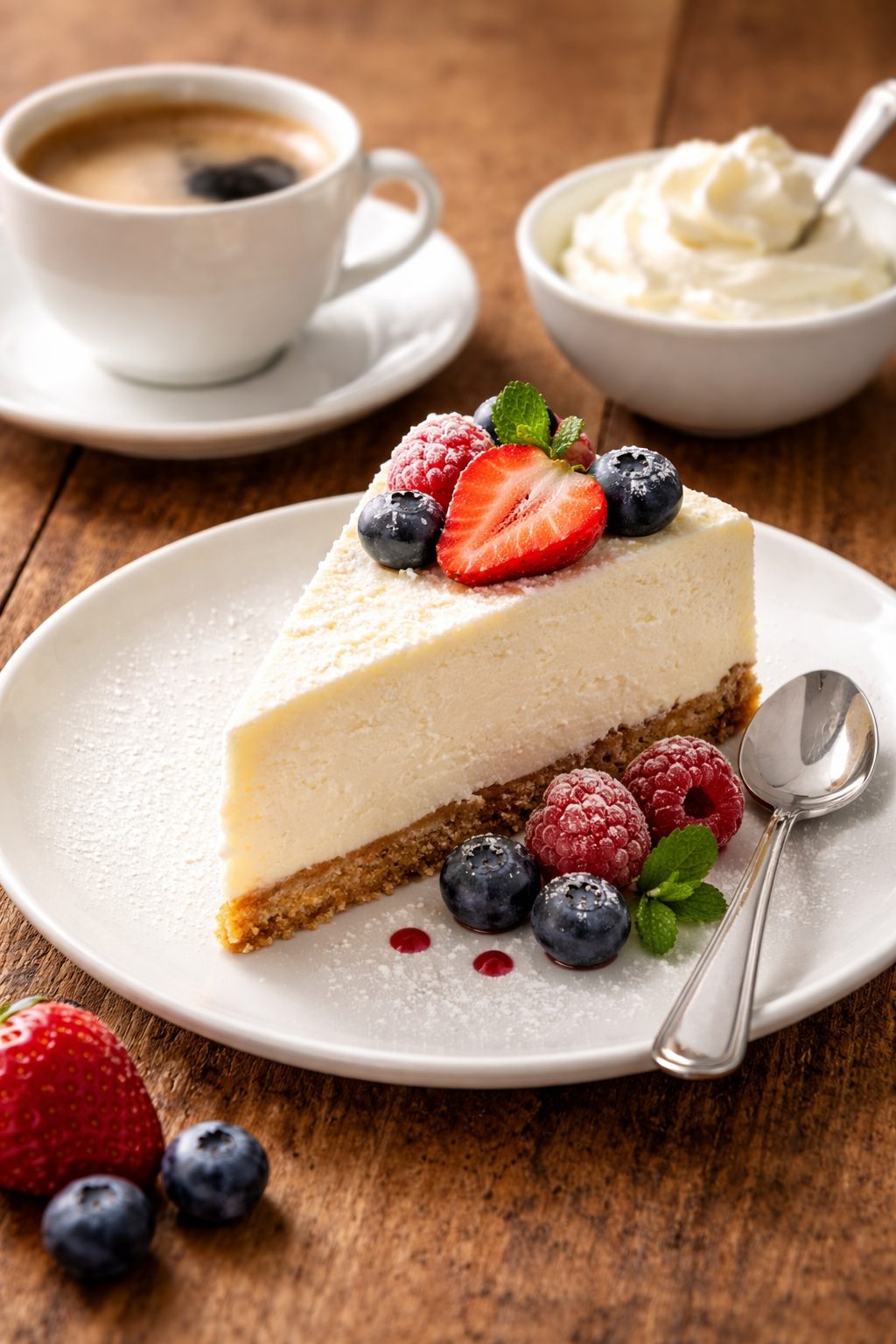
Last summer, I opened my freezer at 9 PM and found a frozen cheesecake I’d completely forgotten about. My sister was visiting with her kids, and I needed dessert fast. That cheesecake saved the night. The kids loved it, my sister asked for the brand name, and I realized something important. Frozen cheesecake isn’t just a backup plan. It’s a smart choice that can make any day feel special.
Welcome to my guide about frozen cheesecake, where I’ll share everything I’ve learned about this amazing dessert. Whether you’re looking for no bake frozen cheesecake recipes, wondering about Sara Lee frozen cheesecake, or curious about fun options like frozen cheesecake on a stick, I’ve got you covered. This dessert works for birthday parties, weeknight treats, or those moments when unexpected guests show up.
What is Frozen Cheesecake?
Frozen cheesecake is exactly what it sounds like, but it’s so much more than regular cheesecake that’s been frozen. This dessert is made to be served cold, straight from the freezer. The texture stays creamy and smooth, not icy or hard like you might expect.
Think of it as ice cream’s sophisticated cousin. The base usually contains cream cheese, sugar, and cream, mixed until it’s silky and rich. Some versions include graham cracker crusts, while others skip the crust entirely. You can find it in many forms, from frozen cheesecake squares perfect for party serving to frozen cheesecake bites that make portion control easy.
I’ve tried dozens of varieties over the years, and each one brings something different to the table. Some are dense and rich, while others feel light and airy. The beauty of frozen cheesecake is how it melts slightly on your tongue, creating this perfect balance between frozen treat and creamy dessert.
Store-bought options like frozen cheesecake Costco carries or the classic frozen cheesecake Sara Lee makes are convenient and delicious. But homemade versions let you control the flavors and ingredients. Both choices have their place in my kitchen.
No Bake Frozen Cheesecake
Here’s where things get really exciting. No bake frozen cheesecake changed my life as someone who isn’t great with ovens. You don’t need to worry about water baths, cracked tops, or precise baking temperatures. Mix your ingredients, pour them into a pan, and freeze. That’s it.
My first attempt at no bake frozen cheesecake happened during a heat wave. I refused to turn on my oven when it was 95 degrees outside. I mixed cream cheese with condensed milk, added some lemon juice, and poured it over a simple graham cracker crust. Six hours later, I had a dessert that tasted like I’d spent all day in the kitchen.
The process is straightforward and forgiving. You start with softened cream cheese, which is important because lumpy cream cheese makes lumpy cheesecake. Beat it until it’s smooth, then add your sweetener. Most recipes use condensed milk or powdered sugar because regular sugar can feel grainy in no bake versions.
Next comes the fun part where you add flavors. Vanilla extract is classic, but I’ve used almond extract, lemon zest, and even instant coffee. Fold in some whipped cream or whipped topping to make the mixture lighter and fluffier. The whipped cream adds air, which keeps your cheesecake from becoming too dense.
For the crust, crushed graham crackers mixed with melted butter work perfectly. Press this mixture into your pan, making sure it’s firmly packed. Some people skip the crust entirely and make crustless frozen cheesecake. Both options work great.
The frozen cheesecake thaw time matters more than you might think. Take it out about 10 to 15 minutes before serving. This slight softening makes it easier to cut and enhances the creamy texture. If you serve it too frozen, it’s hard to slice. If you wait too long, it gets too soft.
I keep a no bake frozen cheesecake in my freezer most of the time now. It lasts for weeks when wrapped properly, and I can slice off pieces whenever I want dessert. My teenagers have learned to cut their own slices, which means I’m not constantly making dessert from scratch.
The best frozen cheesecake recipes I’ve found use a combination of cream cheese and mascarpone. The mascarpone adds extra richness without making it too heavy. If you can’t find mascarpone, regular cream cheese works fine. I’ve made dozens of batches with just cream cheese, and nobody ever complained.
Temperature is your biggest friend when making no bake versions. Everything should be at room temperature when you mix it. Cold cream cheese won’t blend smoothly, and cold heavy cream won’t whip properly. I leave my ingredients out for about 30 minutes before I start.
You can make this dessert in a regular pan, a springform pan, or even in individual portions. I’ve used muffin tins to make frozen cheesecake bites for parties. Each person gets their own perfect serving, and cleanup is easier.
The frozen cheesecake recipe UK versions often include slightly different measurements since they use metric, but the method stays the same. I’ve adapted several British recipes and found they tend to use more lemon, which adds a nice brightness to the rich cream cheese.
One trick I learned the hard way: line your pan with parchment paper. Leave some hanging over the edges so you can lift the whole cheesecake out after it freezes. This makes cutting so much easier, and your presentation looks professional.
For flavoring options, the sky’s the limit. I’ve added crushed cookies, fresh fruit, chocolate chips, and caramel swirls. My most popular version includes strawberry puree swirled through the cream cheese mixture. The pink and white pattern looks beautiful when you slice it.
No bake frozen cheesecake also works great for dietary restrictions. You can use reduced-fat cream cheese, sugar substitutes, or dairy-free alternatives. I’ve made versions with coconut cream that were completely dairy-free, and they turned out surprisingly good.

Popular Brands and Varieties of Frozen Cheesecake
Once you know how easy homemade versions can be, you’ll probably want to explore what’s already out there in stores. I still buy frozen cheesecake from stores even though I make my own, because sometimes convenience wins. Plus, certain brands have mastered specific flavors that are honestly hard to beat at home.
Walking through the freezer aisle at any grocery store, you’ll notice several brands competing for your attention. Some have been around for decades, while others are newer companies trying innovative approaches. The variety has exploded in recent years. Ten years ago, you’d find maybe two or three options. Now entire freezer sections are dedicated to frozen desserts, and cheesecake takes up a good chunk of that space.
My local grocery store carries at least eight different brands, not counting the fancy options at specialty stores. Each brand brings something different, whether it’s price point, flavor variety, or portion size. I’ve developed favorites over time, but I still experiment with new brands when they appear.
Sara Lee Frozen Cheesecake
Let me tell you about Sara Lee frozen cheesecake, which basically introduced frozen cheesecake to mainstream America. My mom bought these in the 1990s for special occasions, and I thought they were the height of sophistication. That distinctive red box in the freezer meant something good was coming.
The frozen cheesecake Sara Lee makes comes in several varieties now, though the original New York style remains their bestseller. It’s denser than no bake versions, with that classic cream cheese tang. The graham cracker crust stays crispy even after freezing, which is harder to achieve than you’d think. I’ve tried replicating it at home with mixed success.
Here’s the thing about Sara Lee that impressed me when I researched their process: they actually bake their cheesecakes before freezing them. This gives a different texture compared to no bake versions. The freezing process locks in freshness, so when you thaw it, you’re essentially getting a freshly baked cheesecake. Smart, right?
The frozen cheesecake thaw time for Sara Lee products is about four to six hours in the refrigerator. I know that sounds like forever when you’re craving dessert, but planning ahead pays off. The texture becomes perfectly creamy, not too soft and not too firm. Some people cheat and use the microwave on defrost, but I don’t recommend it because you risk melting the edges while the center stays frozen.
Sara Lee offers flavors beyond plain cheesecake now. They’ve got strawberry, cherry, chocolate, and seasonal varieties that show up around holidays. Last Thanksgiving, I found a pumpkin version that my family devoured. My nephew, who claims he hates pumpkin, had three slices. If you’re looking for inspiration similar to what Sara Lee does with fruit toppings, you might enjoy trying a cherry cheesecake recipe no bake at home.
One thing I appreciate about this brand is consistency. You know exactly what you’re getting every time. The cheesecake won’t be too sweet or too tangy. It occupies this perfect middle ground that pleases most people. When I’m bringing dessert to a gathering where I don’t know everyone’s preferences, Sara Lee is my safe choice.
The price point sits in the middle range. It’s not the cheapest option, but it’s not premium priced either. You’re paying for reliability and a brand that’s been perfecting this product for decades. I’ve seen it on sale frequently, and I stock up when it’s marked down. In my freezer right now, I have two backup Sara Lee cheesecakes waiting for emergency dessert situations.
If you’re in the UK, finding Sara Lee can be trickier since distribution isn’t as widespread there. That’s where a good frozen cheesecake recipe UK comes in handy. British home bakers have developed their own versions that match or exceed what Sara Lee offers, often with more interesting flavors like elderflower or rhubarb.
Frozen Cheesecake at Costco
Funny enough, frozen cheesecake Costco carries might be my actual favorite for value and quality combined. Costco sells both branded options and their Kirkland Signature house brand. The portions are massive, naturally, because this is Costco we’re talking about.
Their Kirkland cheesecake weighs about four and a half pounds. That’s not a typo. Four and a half pounds of cheesecake for roughly the same price as a regular-sized Sara Lee. I’ve served this at parties with twenty people, and we still had leftovers. The texture rivals premium brands, with that smooth, dense consistency that makes New York cheesecake famous.
Costco also rotates special varieties throughout the year. I’ve seen versions with caramel drizzle, chocolate ganache, and fresh berry toppings. They sometimes carry premium brands like The Cheesecake Factory’s frozen line, which brings restaurant-quality dessert to your home freezer. Those flavors get creative, everything from coffee cheesecake inspired varieties to tropical coconut versions.
The downside? You need to commit to a lot of cheesecake. Unless you’re feeding a crowd or have serious freezer space, that massive cake can be challenging. I’ve cut mine into smaller portions, wrapped them individually, and restocked my freezer that way. Then I have single servings ready whenever I want them.
Frozen Cheesecake Bites and Squares
Now we’re getting into my favorite territory for practical snacking. Frozen cheesecake bites changed how I think about portion control. These little morsels, usually about one or two inches across, give you the cheesecake experience without committing to a full slice.
I discovered these at a party where the host served them on toothpicks. Each bite was perfectly balanced with crust on bottom, creamy filling, and sometimes a chocolate coating. You could pop one in your mouth and get the complete cheesecake flavor profile. My kids love them because they feel like eating candy, not dessert.
Several brands make these now. Some coat them in chocolate, turning them into something closer to a candy bar. Others keep them plain or add fruit swirls. Trader Joe’s makes a version with dark chocolate coating that I’m slightly obsessed with. The chocolate adds richness without overwhelming the cream cheese flavor.
Making frozen cheesecake squares at home is actually easier than making a full cheesecake. You pour your mixture into a square or rectangular pan, freeze it, and cut it into portions. No worrying about perfect slices or clean cuts through a round cake. I use a pan with straight sides, line it with parchment paper, and the squares pop right out.
By the way, these smaller formats work brilliantly for trying new flavors without committing to a full cake. I’ve experimented with coconut cheesecake bites using shredded coconut in the mixture and toasted coconut on top. If one flavor doesn’t work out, you haven’t wasted much time or ingredients.
Store-bought bites usually come in resealable bags, which I love. Take out what you want, seal the bag, and return it to the freezer. No worrying about the rest of the dessert drying out or getting freezer burn. The individual portions also make calculating servings easier when you’re tracking what you eat.
The best frozen cheesecake bites I’ve tried came from a small local bakery that sold them at farmers markets. They made them with a graham cracker base, classic cheesecake filling, and drizzled caramel on top before freezing. Each bite was an experience. Sometimes small local producers create products that beat national brands hands down.
For parties, I arrange different varieties on a platter. Some chocolate-covered, some plain, maybe some with fruit toppings. It looks impressive, and guests can try multiple flavors. This approach works better than serving one big cheesecake where everyone gets the same thing. People appreciate having choices.
The texture of frozen bites differs slightly from full cheesecakes because they freeze faster due to their smaller size. This means they often feel a bit firmer, which some people prefer. They also thaw faster, usually just five to ten minutes at room temperature compared to the longer wait time for full cakes.
If you want to try making your own version at home with a lighter texture, consider using cool whip cheesecake as your base recipe. The whipped topping creates an airier consistency that works perfectly in bite-sized portions, and they feel less heavy when you’re eating several pieces.
Storage becomes simpler with bites and squares too. They stack nicely in containers, taking up less awkward space than round cakes. I can fit three containers of cheesecake bites in the space one round cake would occupy. For someone who likes variety in their freezer, this efficiency matters.
Creative Variations and Serving Ideas
Let’s talk about getting creative with how you serve and enjoy frozen cheesecake, because honestly, there’s so much more to explore beyond just slicing and plating. Once you understand the basics, you can transform this dessert into something truly memorable.
One summer afternoon, I was at a street fair and saw someone selling frozen cheesecake on a stick. My first thought was, “That’s ridiculous.” My second thought, after tasting it, was, “That’s genius.” Picture this: a thick wedge of cheesecake, dipped in chocolate, rolled in toppings, and mounted on a popsicle stick. You walk around eating it like an ice cream bar, except it’s creamy cheesecake that melts in your mouth.
Making these at home became my summer project last year. I cut my frozen cheesecake into triangular wedges about two inches thick. Insert sturdy popsicle sticks into the crust end, making sure they’re secure. Freeze them solid again, which takes about an hour. Then comes the fun part where you dip them in melted chocolate. I’ve used dark chocolate, milk chocolate, and even white chocolate. Each one creates a different flavor combination.
While the chocolate coating is still wet, roll your cheesecake stick in toppings. Crushed cookies, chopped nuts, sprinkles, coconut flakes, or crushed candy bars all work beautifully. My kids request different toppings each time, so I set up a little assembly line with various options. They feel like they’re at an ice cream shop, customizing their own treats.
The chocolate shell hardens almost immediately once it hits the frozen cheesecake, creating this satisfying snap when you bite into it. That texture contrast between the crunchy chocolate coating and smooth cheesecake filling is what makes this variation special. I’ve brought these to cookouts and watched adults get as excited as kids when they see them.
Another creative approach involves layering different flavors in clear cups or jars. Start with a crumbled graham cracker base, add a layer of plain frozen cheesecake mixture, then maybe a fruit puree layer, followed by chocolate cheesecake, and top with whipped cream. You’re essentially making a parfait, but with frozen cheesecake as the star ingredient. These look impressive when you’re serving them at dinner parties, and the individual portions mean no messy slicing.
I’ve also experimented with mixing frozen cheesecake into milkshakes. Blend a slice with milk and ice cream, and you’ve got this ridiculously rich dessert drink. My teenagers discovered this combination by accident when they threw leftover cheesecake into the blender with vanilla ice cream. Now it’s their go-to afternoon snack. Sometimes the best recipes come from happy accidents.
Speaking of creativity, frozen cheesecake works surprisingly well as a component in other desserts. I’ve crumbled it over fresh berries with a drizzle of balsamic reduction. The sweet, tangy, and slightly tart combination creates something restaurant-worthy. I’ve also sandwiched thin slices between cookies to make ice cream sandwiches that are fancier than the store-bought versions.
For holiday gatherings, I’ve made frozen cheesecake pops shaped like ornaments or other festive designs using silicone molds. Pour your no bake mixture into the molds, insert sticks, freeze, and you’ve got themed desserts that look like you spent hours on them. The reality? Maybe twenty minutes of actual work, then just waiting for them to freeze.
Here’s something I learned while exploring balance in desserts: while frozen cheesecake is definitely an indulgence, you can make it part of a reasonable approach to eating by being mindful about portions and frequency. The National Institutes of Health emphasizes the importance of dietary balance, which means enjoying treats like cheesecake while maintaining overall nutritious eating habits throughout your week. I don’t stress about having dessert, I just make sure it’s not the only thing I’m eating.
You can lighten up frozen cheesecake recipes without sacrificing too much flavor. I’ve used Greek yogurt to replace some of the cream cheese, which adds protein and reduces fat. Reduced-fat cream cheese works fine in most recipes, though the texture becomes slightly less rich. Sugar substitutes like stevia or monk fruit sweetener can replace regular sugar if you’re watching carbohydrate intake. These modifications won’t create exactly the same dessert, but they come pretty close.
When I’m feeling ambitious, I make frozen cheesecake tarts in muffin tins using different flavors for each one. Chocolate in some cups, lemon in others, maybe strawberry or vanilla. This gives everyone options and makes serving at parties effortless. Just pop them out of the tin, arrange on a platter, and watch people get excited about choosing their flavor.
Thawing and Serving Tips
Understanding proper thawing makes the difference between okay cheesecake and excellent cheesecake. I’ve rushed this process before and ended up with dessert that was frozen solid in the middle and too soft around the edges. Not ideal when you’re trying to impress guests.
The ideal frozen cheesecake thaw time depends on several factors: size, thickness, and where you’re thawing it. A full-size cheesecake from your freezer needs about four to six hours in the refrigerator. I usually move mine from freezer to fridge the night before I plan to serve it. This slow, steady thawing preserves the texture better than any quick method.
For individual slices or frozen cheesecake bites, the timing drops significantly. They might only need thirty minutes to an hour in the fridge, or about fifteen minutes at room temperature. I test them by gently pressing the center. If it has a little give but still feels cold and firm, that’s perfect. If your finger sinks in too easily, you’ve waited too long and it’s getting soft.
Room temperature thawing works when you’re in a hurry, but it requires attention. Leave your cheesecake on the counter for about thirty to forty-five minutes for a full cake, checking periodically. The edges will thaw before the center, which is normal. Once you can slice through it cleanly without the knife dragging, you’re ready to serve. Some people actually prefer eating frozen cheesecake slightly frozen in the middle, which creates an almost ice cream-like experience.
Here’s a trick for clean slices: dip your knife in hot water, wipe it dry, then make your cut. The warm blade glides through the cold cheesecake without dragging or crumbling the crust. After each slice, rinse the knife in hot water again. This takes an extra minute but makes your presentation look professional. I learned this working at a bakery one summer during college, and it’s stuck with me ever since.
Never thaw frozen cheesecake in the microwave unless you enjoy soupy edges and frozen centers. I tried this exactly once because I was desperate, and it was a disaster. The microwave heats unevenly, and cream cheese becomes runny fast. Just don’t do it. Plan ahead instead, or serve it slightly frozen, which is perfectly acceptable and often preferable.
When serving, temperature matters more than you’d think. Cheesecake served too cold tastes muted because cold dulls your taste buds. Those beautiful flavors you worked to create get suppressed by freezing temperatures. Letting it sit for even ten minutes brings out the vanilla, the tang from the cream cheese, and any other flavors you’ve added. This small wait time dramatically improves the eating experience.
Presentation-wise, I like adding fresh garnishes right before serving. A few fresh berries, a mint leaf, or a drizzle of sauce transforms a plain slice into something special. These additions also add moisture and complementary flavors. A raspberry sauce cuts through the richness of cream cheese beautifully. Caramel sauce adds depth and sweetness that plays well with the tanginess.
For gatherings where dessert sits out for a while, keep your frozen cheesecake in the refrigerator and bring out slices as needed. This prevents the whole cake from sitting at room temperature too long and getting too soft. I’ve hosted parties where I kept the main cake cold and replenished the serving plate every thirty minutes or so. A little extra work, but worth it for maintaining quality.
By the way, if you find yourself really getting into frozen cheesecake making and want to explore even more varieties and techniques, you’ll find tons of inspiration when you browse through different cheesecake recipes that you can adapt to frozen versions. The possibilities truly are endless once you understand the basic principles.
Storage after thawing is another consideration. Once you’ve thawed frozen cheesecake, it’s best eaten within two to three days. Keep it covered in the refrigerator. You can refreeze it if absolutely necessary, but the texture won’t be quite as good. Ice crystals form during the second freezing, creating a slightly grainy texture. I try to avoid this by only thawing what I plan to eat.
For travel situations where you’re bringing frozen cheesecake somewhere, transport it frozen in a cooler with ice packs. It’ll thaw gradually during your drive, and hopefully arrive at the perfect consistency. I’ve brought frozen cheesecake to family gatherings this way dozens of times. Just make sure you have a level surface in your vehicle so it doesn’t slide around and get damaged.
One last serving tip that elevated my cheesecake game: serve it on chilled plates. Pop your serving plates in the freezer for ten minutes before plating dessert. This keeps the cheesecake at the ideal temperature longer, especially important during summer months when everything melts too fast. Small details like this show care and attention that people notice, even if they don’t consciously realize what you’ve done.
Remember that frozen cheesecake is forgiving and versatile. Whether you’re serving the best frozen cheesecake from a fancy bakery or your own no bake creation, proper handling and serving technique will make it shine. Don’t stress about perfection. Focus on enjoying the process and sharing something delicious with people you care about.
FAQ
What is the best frozen cheesecake?
The best frozen cheesecake really depends on your personal preferences and what you value most. If you want reliability and classic flavor, Sara Lee consistently delivers quality at a reasonable price. For value and feeding crowds, Costco’s Kirkland Signature cheesecake offers premium taste at an unbeatable size-to-price ratio. For convenience and portion control, brands making frozen cheesecake bites like those from Trader Joe’s provide excellent quality. Homemade no bake versions win if you want control over ingredients and flavors. Try several options to discover your personal favorite.
How long does it take to thaw a frozen cheesecake?
The frozen cheesecake thaw time varies based on size and method. A full-sized cheesecake needs four to six hours in the refrigerator for proper, even thawing. At room temperature, expect thirty to forty-five minutes, though you’ll need to watch it carefully to avoid over-softening. Individual slices thaw much faster, usually thirty minutes in the fridge or fifteen minutes at room temperature. For best results and texture, always choose refrigerator thawing overnight when possible. The slower method preserves the creamy consistency better than rushing it.
Can I find frozen cheesecake at Costco?
Yes, frozen cheesecake Costco locations carry several varieties, including their Kirkland Signature brand which offers exceptional value. Their standard plain cheesecake weighs about four and a half pounds and costs roughly the same as smaller grocery store versions. Costco also rotates specialty flavors seasonally and sometimes carries premium brands like The Cheesecake Factory frozen line. Availability varies by location and season, so it’s worth checking your local warehouse regularly. The massive size means you’re committing to plenty of cheesecake, but you can always slice and portion it for long-term freezer storage.
Is there a no bake frozen cheesecake recipe?
Absolutely, no bake frozen cheesecake recipes are actually easier than traditional baked versions. The basic method involves beating cream cheese until smooth, adding sweetener like condensed milk or powdered sugar, mixing in flavorings, and folding in whipped cream for lightness. Pour this mixture over a graham cracker crust and freeze for at least six hours. No oven required, no water bath to worry about, and no risk of cracks. These recipes are extremely forgiving and perfect for beginners or anyone who wants delicious cheesecake without the fuss of baking.
Are there any frozen cheesecake recipes for the UK?
Yes, plenty of frozen cheesecake recipe UK versions exist, often with slight variations to accommodate metric measurements and local ingredient preferences. British recipes tend to use digestive biscuits instead of graham crackers for the crust, which actually works wonderfully. Many UK versions incorporate more lemon or other bright flavors to balance the richness. You’ll find British recipes using double cream instead of heavy cream, and they sometimes include mascarpone for extra richness. The basic technique remains the same regardless of where the recipe originates, so adapting between US and UK versions is straightforward.
Can I make frozen cheesecake without a crust?
Yes, crustless frozen cheesecake works perfectly and actually simplifies the process. Simply pour your cheesecake mixture into a lined pan and freeze without worrying about making and pressing a crust. The result is pure creamy cheesecake that some people prefer because every bite is consistent filling without the texture change of crust. I make crustless versions in silicone molds to create fun shapes. You can also serve crustless cheesecake with cookies on the side, letting people add their own crunchy element. It’s an excellent option for anyone who doesn’t like crusts or wants to reduce carbohydrates.
How long can I store frozen cheesecake in the freezer?
Properly wrapped frozen cheesecake stays good in the freezer for two to three months, though I’ve stretched this to four months without noticing quality loss. The key is protecting it from freezer burn by wrapping it tightly in plastic wrap, then covering with aluminum foil or placing in an airtight container. Label it with the date so you remember when you made or bought it. Store-bought frozen cheesecake often has preservatives that extend shelf life even longer, sometimes up to six months. Always check for ice crystals or off smells before serving older frozen cheesecake, though problems are rare if stored correctly.
What’s the difference between frozen cheesecake and regular cheesecake?
Frozen cheesecake is specifically designed to be served cold directly from the freezer, with a texture that stays creamy when frozen rather than becoming icy or hard. Regular cheesecake is typically baked, served at room temperature or slightly chilled, and has a denser, more traditional texture. No bake frozen cheesecake often incorporates whipped cream or whipped topping to create an airier consistency that freezes well. The flavor profiles can be similar, but frozen versions often taste lighter and feel more refreshing, almost like a hybrid between traditional cheesecake and ice cream.
Can I turn regular cheesecake into frozen cheesecake?
You can freeze regular baked cheesecake, and it works surprisingly well for storage, but it won’t have quite the same texture as cheesecake made specifically to be frozen. Baked cheesecake becomes denser and firmer when frozen, and some people find the texture slightly grainy after thawing. If you want to freeze leftover baked cheesecake, wrap individual slices tightly in plastic wrap and store in airtight containers. Let it thaw in the refrigerator before serving for best results. While it’s not identical to purpose-made frozen cheesecake, it’s still delicious and prevents waste.
What toppings work best with frozen cheesecake?
Fresh berries, chocolate sauce, caramel drizzle, and fruit compotes all complement frozen cheesecake beautifully. I love adding toppings right before serving so they stay fresh and don’t freeze into the cheesecake. Whipped cream adds a nice textural contrast, and crushed cookies or nuts provide crunch. For chocolate lovers, try hot fudge sauce over frozen cheesecake, the temperature contrast is amazing. Fruit purees swirled into the cheesecake before freezing create beautiful patterns and built-in flavoring. Cookie butter, peanut butter sauce, and even fresh mint have all worked well in my experiments. Choose toppings that add moisture or contrasting texture to balance the dense creaminess.
Frozen cheesecake really does deserve more credit than it gets. It’s not just a convenience food or backup dessert. It’s a legitimate, delicious option that can shine at any occasion. Whether you make your own or buy from trusted brands, you now have the knowledge to handle, serve, and enjoy it perfectly. So grab a slice, let it thaw just right, and savor every creamy, cold bite.
Equipment
- Mixing bowl
- Electric mixer
- Spatula
- Pan
- Parchment paper
Ingredients
- 8 oz cream cheese, softened
- 1 cup sweetened condensed milk
- 2 tbsp lemon juice
- 1 cup graham cracker crumbs
- 1/4 cup melted butter
- 1 tsp vanilla extract
Instructions
- In a mixing bowl, beat softened cream cheese until smooth.
- Slowly add sweetened condensed milk and mix until well combined.
- Stir in lemon juice and vanilla extract.
- (Optional) Fold in whipped cream to lighten the mixture.
- In another bowl, combine graham cracker crumbs and melted butter, then mix well.
- Press the graham cracker mixture into the bottom of a lined pan to form the crust.
- Pour the cream cheese mixture over the crust and smooth the top.
- Freeze for at least six hours or until solid.
- Before serving, thaw in the fridge for 10-15 minutes for easier slicing.
Notes
Nutrition

Hello! I’m Sarah Mitchell, and I’m passionate about bringing creativity and innovation to baking. My love for baking started in high school when I first tried my hand at decorating cupcakes for a class project. What began as a fun hobby quickly became a full-time passion. I’ve spent the past decade working in bakeries and dessert shops, honing my skills in everything from simple cookies to intricate wedding cakes.
After working in some of the top bakeries across the country, I realized that baking was about more than just following recipes — it was about infusing your personality into each creation. At BakingSecret.com, I love creating recipes that push boundaries while staying true to the heart of classic baking. I specialize in creating delicious and visually stunning pastries that will wow your guests.
When I’m not baking, I enjoy teaching baking classes, trying out new cake decoration techniques, and traveling to find inspiration in global dessert traditions. I’m so excited to share my tips and tricks with you to help elevate your baking game!