
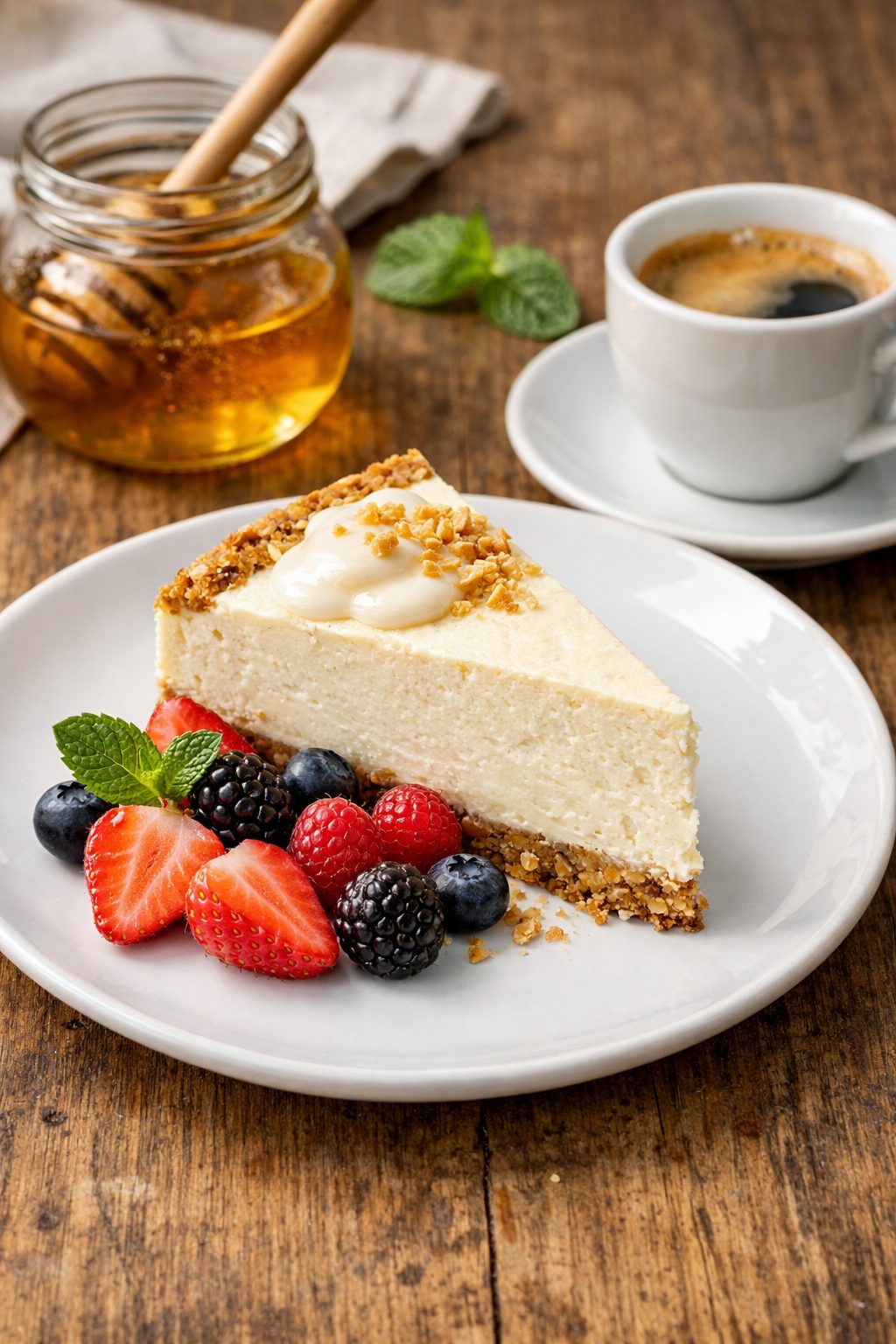
Welcome to My Protein Cheesecake Kitchen
Last Saturday night, I stood in front of my fridge at 9 PM with a serious problem. I wanted something sweet, but I’d just finished a tough workout and didn’t want to throw away all that hard work. That’s when I remembered my protein cheesecake recipe that I’d been perfecting for months. Twenty minutes later, I was eating the creamiest, most satisfying dessert that actually helped me hit my protein goals for the day.
Here’s the thing about traditional cheesecake. It’s loaded with sugar and fat, and while it tastes amazing, you feel guilty with every bite. But what if I told you there’s a way to enjoy that same rich, creamy texture without derailing your health goals? That’s exactly what this recipe does.
I’ve spent countless hours testing different versions of this protein powder cheesecake. Some turned out grainy. Others tasted like I was eating a protein shake with a spoon. But after lots of trial and error, I finally cracked the code. This recipe delivers real cheesecake flavor and texture while packing in the protein your muscles need.
The best part? You can make this recipe work for almost any diet. Following keto? I’ve got you covered with a keto protein cheesecake version. Plant-based? The vegan protein cheesecake option is just as delicious. Want just one serving instead of a whole cake? The single serve protein cheesecake variation is perfect for portion control.
Why Choose a Protein Cheesecake Recipe?
Let me share why this dessert changed my relationship with sweets. Regular cheesecake gives you mostly empty calories. You get a sugar rush, then a crash, and you’re hungry again in an hour. My protein cheesecake works completely different.
Each slice contains 15 to 20 grams of protein, depending on which variation you make. That’s about the same as eating three eggs or a chicken breast. Your body uses this protein to repair muscles after workouts, keep you feeling full, and support your metabolism. So you’re not just eating dessert. You’re actually feeding your body something useful.
I noticed something interesting after I started making these regularly. My late-night sugar cravings basically disappeared. The combination of protein and healthy fats keeps me satisfied for hours. No more raiding the pantry at midnight looking for chips or cookies.
The best protein cheesecake recipe should taste like a treat, not like health food. That’s my main rule. I’ve tried recipes from protein cheesecake Reddit threads and watched videos from fitness channels like the protein cheesecake Buff Dudes version. Some were good, but many sacrificed taste for macros. Mine doesn’t make you choose.
This recipe also saves you time and money. Think about how much you’d pay for a high-protein dessert at a health food store. Probably $6 to $8 for a small serving. Making it yourself costs maybe $2 per serving, and you control exactly what goes in it.
The Flexibility Factor
One reason I love this recipe is how adaptable it is. Want a strawberry protein cheesecake recipe? Just add fresh strawberries to the mix. Prefer chocolate? Swap in chocolate protein powder. The base recipe stays the same, but you can customize the flavors endlessly.
The protein cheesecake no bake version is my go-to during summer. Who wants to turn on the oven when it’s 90 degrees outside? The no-bake method takes even less time and still delivers that creamy texture you want.
For my keto friends, the premier protein cheesecake recipe using Premier Protein shakes works beautifully. Those shakes blend smoothly and add extra creaminess. Plus, they come in flavors like vanilla and caramel that give your cheesecake depth without added sugar.
Ingredients You’ll Need for This Protein Cheesecake Recipe
Let me break down what you need to make this magic happen. I’m listing the basic version first, then I’ll show you the swaps for different diets.
Base Ingredients:
- 16 oz cream cheese, softened (or vegan cream cheese)
- 2 scoops vanilla protein powder (about 60g)
- 2 large eggs (or flax eggs for vegan)
- 1/3 cup sweetener of choice (monk fruit, erythritol, or stevia)
- 1 tsp vanilla extract
- 1/4 cup Greek yogurt or sour cream
- Pinch of salt
For the Crust:
- 1 cup almond flour
- 3 tbsp melted butter (or coconut oil for vegan)
- 2 tbsp sweetener
- 1/2 tsp cinnamon
Now let’s talk about the protein powder, because this matters more than you might think. I’ve tested this recipe with at least ten different brands. Some clump up, some leave a chalky taste, and some just don’t blend well.
My top picks are whey protein isolate for regular versions and pea protein for vegan options. Whey isolate dissolves smoothly and doesn’t affect the texture. If you’re using a premier protein cheesecake recipe method, you can substitute one scoop of powder with half a Premier Protein shake.
For the keto protein cheesecake, stick with the almond flour crust and use erythritol or monk fruit as your sweetener. These don’t spike blood sugar and keep the carb count low. The whole cheesecake stays under 10g net carbs per slice.
The vegan protein cheesecake needs a few swaps. Use vegan cream cheese (Kite Hill or Miyoko’s work great), replace eggs with flax eggs (1 tbsp ground flaxseed plus 3 tbsp water per egg), and choose a plant-based protein powder. I like pea protein or brown rice protein best.
For a single serve protein cheesecake, just divide all ingredients by 6. Mix everything in a small ramekin or mug, and bake for 15 to 18 minutes at 325°F. Perfect for when you want dessert but don’t want leftovers tempting you all week.
If you’re making the strawberry protein cheesecake recipe, add 1 cup of diced fresh strawberries to the filling. You can also swirl in sugar-free strawberry jam for extra flavor. The fruit adds natural sweetness and vitamin C.
One ingredient tip that made a huge difference for me: always use room temperature cream cheese. Cold cream cheese creates lumps that are impossible to smooth out. Leave it on the counter for about an hour before you start. Trust me on this one.

Step-by-Step Protein Cheesecake Recipe
Now that you’ve got all your ingredients measured and ready, it’s time to actually make this thing. I’m going to walk you through exactly how I do it, and honestly, the process is way easier than you’d think for something that turns out looking bakery-quality.
First things first, preheat your oven to 325°F. I know it seems low compared to most baking, but cheesecake needs gentle heat. Too hot and you’ll end up with cracks on top and a texture that’s more scrambled than creamy. While the oven’s warming up, grab a 9-inch springform pan and line the bottom with parchment paper. This little step saves you so much frustration later when you’re trying to get slices out cleanly.
Let’s tackle the crust. Throw your almond flour, melted butter, sweetener, and cinnamon into a bowl. Mix it with a fork until it looks like wet sand. That’s the texture you’re after. Press this mixture into the bottom of your pan, making sure it’s even all the way across. I use the bottom of a measuring cup to really pack it down. Pop this in the oven for about 10 minutes until it just starts to turn golden. Then take it out and let it cool while you make the filling.
Here’s where the magic happens. In a large bowl or stand mixer, beat that softened cream cheese until it’s completely smooth. This takes maybe two minutes. You don’t want any lumps at all because they won’t go away once you add the other stuff. Scrape down the sides of the bowl at least once during this.
Add your protein powder and sweetener next. Beat on low speed at first because protein powder will fly everywhere if you go too fast. Ask me how I know. Once it’s incorporated, you can increase the speed to medium and beat for another minute. The mixture should look fluffy and light.
Now add your eggs one at a time, beating just until each one is mixed in. Here’s something I learned the hard way: don’t overmix once the eggs are in. Overmixing incorporates too much air, and those air bubbles expand in the oven and then collapse, giving you cracks. Just mix until you can’t see any more egg streaks.
Stir in the Greek yogurt, vanilla extract, and that pinch of salt. The yogurt adds extra creaminess and a slight tang that balances the sweetness. Mix everything just until combined and smooth. Pour this gorgeous filling over your cooled crust.
Before it goes in the oven, tap the pan gently on the counter a few times. This releases any air bubbles trapped in the batter. Then smooth the top with a spatula. Bake for 45 to 50 minutes. The edges should be set, but the center should still have a slight jiggle when you shake the pan. It looks underdone, but it’s not. It’ll firm up as it cools.
Turn off the oven but leave the cheesecake inside with the door cracked open for an hour. This gradual temperature change prevents cracking. Then move it to the counter to cool completely before refrigerating for at least 4 hours, though overnight is even better.
For the protein cheesecake no bake version, skip the oven entirely. Make the crust the same way but bake it alone for 12 minutes. Let it cool completely. For the filling, you’ll need to add 2 tablespoons of unflavored gelatin dissolved in 1/4 cup warm water. Mix this into your filling after everything else is combined. Pour over the crust and refrigerate for at least 6 hours. This method works brilliantly in summer, and honestly, the texture comes out just as good. If you’ve ever made a frozen cheesecake, you know that no-bake versions can be incredibly satisfying.
By the way, if you’re going for a single serve protein cheesecake, the method changes slightly. Mix everything in portions, pour into a ramekin, and bake at the same temperature for just 15 to 18 minutes. The smaller size means it cooks faster. You can even make these in muffin tins for individual portions that are perfect for meal prep.
Variations and Customizations
This is where things get really fun. Once you’ve mastered the basic protein cheesecake recipe, you can go wild with flavors and add-ins.
For a strawberry protein cheesecake recipe, I have two methods. The first is mixing 1 cup of diced fresh strawberries directly into the filling before baking. They release juice during baking that creates these beautiful pink swirls throughout. The second method is making a strawberry topping by cooking down 2 cups of strawberries with 2 tablespoons of sweetener until thick, then spreading it over the cooled cheesecake. Both ways are incredible, just different vibes.
If you’re into coffee flavors, try dissolving 2 tablespoons of instant espresso powder into the filling. The combination of protein and caffeine makes this perfect for a pre-workout snack. It reminds me of my coffee cheesecake but with way more protein per slice.
Funny enough, I discovered my favorite variation completely by accident. I was making a batch late one night and realized I didn’t have enough cream cheese. I substituted 4 ounces of it with Cool Whip, and the result was this incredibly light, mousse-like texture. Now I make it that way on purpose sometimes when I want something less dense.
For the keto protein cheesecake fans, you’re already most of the way there with the base recipe. But here’s how to push it even further into keto territory. Use full-fat cream cheese, add 2 tablespoons of heavy cream to the filling, and make sure your protein powder is specifically labeled keto-friendly. Some protein powders sneak in maltodextrin or other carb fillers. The ones using whey isolate are usually your safest bet.
The vegan protein cheesecake needs a bit more attention to detail. Beyond the ingredient swaps I mentioned earlier, the texture challenge is real. Vegan cream cheese tends to be softer than dairy versions, so I add an extra tablespoon of coconut flour to the filling to help it set. Also, use full-fat coconut milk in place of the Greek yogurt for richness. And here’s a pro tip: add 1/2 teaspoon of lemon juice to brighten the flavors since vegan cream cheese can taste a bit flat.
Want chocolate? Use chocolate protein powder and add 2 tablespoons of unsweetened cocoa powder. For extra richness, fold in sugar-free chocolate chips. They’ll melt slightly during baking and create pockets of gooey chocolate.
Coconut lovers should try adding 1/2 cup of unsweetened shredded coconut to the filling and another 1/4 cup pressed into the crust. Toast the coconut first for five minutes in a dry pan to intensify the flavor. The result tastes like a tropical vacation, similar to my coconut cheesecake but with added protein power.
For peanut butter protein cheesecake, swirl 1/4 cup of natural peanut butter through the filling before baking. Don’t mix it in completely. Those ribbons of peanut butter create amazing flavor pockets. Use chocolate protein powder for a peanut butter cup experience.
Here’s the thing about the best protein cheesecake recipe. It’s subjective. What works for me might not be exactly what you want. That’s why I’ve given you this flexible base that you can tweak endlessly. Some people on protein cheesecake Reddit threads swear by adding sugar-free pudding mix for extra flavor. Others love the protein cheesecake Buff Dudes approach with tons of chocolate. Experiment and find your version.
One customization I haven’t tried yet but keep thinking about: swirling in some sugar-free caramel sauce. If you make that work, let me know how it turns out.
Tips for Perfecting Your Protein Cheesecake
Alright, so you’ve got the recipe down, but let me share some hard-earned wisdom that’ll take your protein cheesecake recipe from good to absolutely phenomenal. These are the little things I figured out through plenty of trial and error, some of which involved cheesecakes that cracked like the Grand Canyon or had the texture of rubber.
First thing: temperature is everything. I mean everything. Your cream cheese needs to be properly softened, which means leaving it out for at least an hour, maybe two if your kitchen’s cold. I used to try microwaving it to speed things up, and let me tell you, that was a disaster. Microwaving creates hot spots that cook parts of the cream cheese while leaving other parts cold. You end up with lumps that absolutely refuse to blend out, no matter how long you beat the mixture.
Here’s something nobody tells you about protein powder. Different brands absorb liquid differently. Some are super thirsty and will make your batter thick and difficult to work with. Others barely affect the consistency. When you’re trying a new protein powder for the first time, add it gradually and watch how the texture changes. If things get too thick, add a tablespoon of milk or cream to loosen it up. Too thin? Add another half scoop of protein powder or a tablespoon of coconut flour.
Water baths are controversial in the cheesecake world. Some people swear by them, others think they’re unnecessary. I’m in the middle. For a protein powder cheesecake, I don’t usually bother because the protein powder actually helps stabilize the structure. But if you’re making a version with less protein powder or you live in a super dry climate, wrapping your springform pan in foil and setting it in a larger pan with an inch of water can prevent cracking and create a creamier texture.
The jiggle test confuses everyone at first. When I say the center should jiggle, I mean it should move like jello, not like liquid. Think of it this way: if you gently shake the pan and the whole center ripples in waves, it needs more time. If just the middle wobbles slightly while the edges stay firm, it’s perfect. That center will set completely as it cools.
Let’s talk about the cooling process because this is where people mess up most often. Never, and I mean never, take a hot cheesecake straight from the oven to the fridge. The temperature shock will crack it for sure. I leave mine in the turned-off oven with the door cracked for an hour. Then it sits on the counter until it reaches room temperature. Only then does it go in the fridge. Yeah, it takes patience, but that patience pays off in a crack-free surface.
By the way, if your cheesecake does crack, don’t panic. First off, it’ll still taste amazing. Second, you can hide cracks with toppings. A layer of Greek yogurt mixed with a bit of sweetener and vanilla looks intentional and adds protein. Fresh berries arranged artfully work too. Or go full indulgent with sugar-free whipped cream.
For those following healthy food patterns recommended by nutrition experts, this dessert fits surprisingly well since it provides substantial protein while keeping added sugars minimal. The key is balancing your overall daily intake so you’re getting nutrients from varied sources throughout the day.
The protein cheesecake Buff Dudes approach taught me something valuable about layering flavors. They’re not afraid to go bold with multiple flavor elements in one cheesecake. I tried their method of adding both chocolate protein powder and peanut butter, then topping with crushed peanuts. It works because each element has a distinct role: the chocolate provides depth, the peanut butter adds creaminess, and the nuts give textural contrast. Don’t be scared to combine flavors that seem like they might be too much. Often, they balance each other out.
Storage matters more than you’d think. Always cover your cheesecake tightly. I use plastic wrap pressed directly onto the surface, then foil over the whole pan. This prevents it from absorbing fridge odors and keeps the surface from drying out. Properly stored, a protein cheesecake lasts about five days in the fridge. You can also freeze individual slices wrapped tightly in plastic wrap and foil for up to three months. Thaw them overnight in the fridge, and they’re almost as good as fresh.
Here’s a trick I learned from protein cheesecake Reddit discussions that actually works. If you want an extra smooth texture, strain your cream cheese mixture through a fine-mesh sieve before pouring it into the pan. This removes any tiny lumps from the protein powder that you might have missed. It’s an extra step that takes maybe two minutes but makes a noticeable difference in the final texture.
For the best protein cheesecake recipe results, invest in a kitchen scale. Measuring protein powder by scoops is wildly inconsistent. One “scoop” can vary by 10 to 15 grams depending on how densely you pack it. That difference affects both the texture and the nutrition facts. Weighing everything ensures you get the same results every time.
Temperature variations in different ovens can throw everything off. My oven runs about 15 degrees hotter than the dial says. Yours might run cool. An oven thermometer costs like eight bucks and eliminates so much guesswork. Once you know your oven’s actual temperature, you can adjust accordingly.
If you’re making a keto protein cheesecake and find the almond flour crust too crumbly, try adding an extra tablespoon of melted butter or a beaten egg white. The extra binding helps it hold together when you’re cutting slices. Some people skip the crust entirely and just make the filling, which obviously works fine but loses some of that textural contrast that makes cheesecake so satisfying.
Funny enough, the single best tip I can give you is to make your cheesecake the day before you need it. Not only does this give it plenty of time to set properly, but the flavors actually develop and meld overnight. A cheesecake eaten the day it’s made versus one eaten the next day are two different experiences. The second day, everything tastes more cohesive and balanced.
For anyone working on a vegan protein cheesecake, adding a tiny bit of turmeric gives it that slightly yellow color that makes it look more like traditional cheesecake. We’re talking maybe 1/8 teaspoon, just enough to tint it without tasting the turmeric. It’s purely aesthetic, but presentation matters when you’re serving dessert to skeptical friends who think vegan means it can’t taste good.
If you’ve been enjoying experimenting with this recipe, you might want to explore more cheesecake recipes that offer different flavor profiles and techniques to expand your dessert repertoire even further.
One last thing about protein powder selection. Whey isolate dissolves the smoothest, but casein protein creates an incredibly dense, creamy texture that some people prefer. It does take longer to set though. Egg white protein works beautifully if you can find it, though it’s pricier than most options. For plant-based versions, pea protein isolate beats every other vegan option I’ve tested in terms of texture and neutral flavor.
The bottom line is this: making the perfect protein cheesecake takes a bit of practice, but once you nail it, you’ve got a go-to dessert that actually supports your goals instead of sabotaging them. Don’t get discouraged if your first attempt isn’t Instagram-worthy. Mine sure wasn’t. Just keep at it, adjust based on what you learn each time, and pretty soon you’ll be the person everyone asks to bring dessert.
Frequently Asked Questions About Protein Cheesecake
Can I use any type of protein powder in this recipe?
Not all protein powders work equally well in baking. Whey protein isolate is your best bet because it dissolves smoothly and has a neutral flavor that won’t overpower the cheesecake. Casein works too but creates a denser texture. For plant-based options, pea protein isolate gives the best results, while rice or hemp protein can sometimes taste gritty. Avoid protein powders with lots of added fiber or thickeners, as these can make your cheesecake rubbery. Always check that your protein powder is low in added sugars if you’re watching carbs.
How do I make a keto protein cheesecake?
The base recipe is already pretty keto-friendly, but you can optimize it further. Use full-fat cream cheese and add two tablespoons of heavy cream to boost the fat content. Stick with almond flour for the crust and use erythritol or monk fruit as your sweetener since these don’t impact blood sugar. Make sure your protein powder is labeled keto-friendly, as some sneak in maltodextrin or other hidden carbs. The whole cheesecake should stay under 8 to 10 grams of net carbs per slice. You can also skip the crust entirely to reduce carbs even more.
Is there a no-bake option for this protein cheesecake?
Absolutely, and it’s actually easier during hot weather. Make the crust as directed and bake it alone for 12 minutes, then let it cool completely. For the filling, dissolve two tablespoons of unflavored gelatin in a quarter cup of warm water, then mix it into your filling after all other ingredients are combined. Pour this over your cooled crust and refrigerate for at least six hours or overnight. The texture is slightly different from baked cheesecake, more mousse-like, but it’s just as delicious. This method is perfect for the protein cheesecake no bake version.
What’s the best way to store a protein cheesecake?
Always store your cheesecake covered tightly in the refrigerator. I press plastic wrap directly onto the surface, then cover the whole pan with foil to prevent it from absorbing fridge smells. Properly stored, it’ll last about five to six days in the fridge. For longer storage, you can freeze individual slices wrapped tightly in plastic wrap and then foil for up to three months. When you’re ready to eat a frozen slice, thaw it overnight in the refrigerator rather than at room temperature. Never leave cheesecake out at room temperature for more than two hours.
Are there any vegan options for a protein cheesecake?
Yes, you can make an excellent vegan protein cheesecake with a few simple swaps. Replace regular cream cheese with vegan cream cheese from brands like Kite Hill or Miyoko’s. Use flax eggs instead of regular eggs by mixing one tablespoon of ground flaxseed with three tablespoons of water per egg and letting it sit for five minutes. Swap the butter in the crust for coconut oil, and use a plant-based protein powder like pea or brown rice protein. Replace Greek yogurt with full-fat coconut milk or coconut yogurt. Add a tablespoon of coconut flour to help it set since vegan cream cheese is softer.
Can I make a single-serve protein cheesecake?
Definitely, and it’s perfect for portion control. Divide all the ingredients by six or eight depending on how big you want your portion. Mix everything together in a small ramekin or oven-safe mug. Bake at 325°F for just 15 to 18 minutes since the smaller size cooks faster. You can also make several single serve protein cheesecake portions in a muffin tin, which is great for meal prep. These individual servings are perfect for grabbing one serving without being tempted by a whole cheesecake sitting in your fridge all week.
How does the Buff Dudes’ protein cheesecake differ from this one?
The protein cheesecake Buff Dudes version tends to be more bodybuilder-focused with higher protein content per serving, sometimes using up to four scoops of protein powder. They often go for bolder flavor combinations like chocolate peanut butter or cookies and cream, and they’re less concerned about texture perfection than hitting specific macro targets. Their approach works great if your main goal is maximizing protein, but the texture can be a bit denser. My recipe balances protein content with traditional cheesecake texture, making it taste more like a regular dessert that happens to be high in protein.
Where can I find more protein cheesecake recipes?
There are tons of great resources out there. YouTube has hundreds of videos from fitness channels showing different variations. Instagram is full of recipe creators sharing their versions with gorgeous photos. Pinterest has endless variations if you search for terms like best protein cheesecake recipe or specific types like strawberry or chocolate versions. Fitness blogs often have sections dedicated to high-protein desserts. Many protein powder companies also share recipes on their websites that are specifically formulated for their products, which can be really helpful if you’re using a specific brand.
Is there a Reddit community for protein cheesecake enthusiasts?
Yes, protein cheesecake Reddit discussions pop up frequently in subreddits like r/fitmeals, r/EatCheapAndHealthy, r/MealPrepSunday, and r/ketorecipes. These communities are super helpful because real people share what actually worked for them, including their mistakes and fixes. You’ll find discussions about which protein powders work best, how to fix common problems, and creative flavor ideas you won’t see anywhere else. The bodybuilding and fitness subreddits also have threads about high-protein desserts where cheesecake variations come up regularly. It’s a great place to ask specific questions and get answers from people who’ve actually made these recipes.
How many grams of protein are in each slice?
This depends on how many slices you cut and which variation you make, but typically each slice contains between 15 to 22 grams of protein. If you cut the cheesecake into eight slices using the base recipe with two scoops of protein powder, you’re looking at about 18 grams per slice. Adding Greek yogurt boosts this a bit, and using a premier protein cheesecake recipe method with Premier Protein shakes can push it even higher. For comparison, that’s roughly the same protein as three eggs or a small chicken breast, which makes this dessert genuinely useful for hitting your daily protein goals while satisfying your sweet tooth.
Making this protein cheesecake has honestly changed how I think about dessert. It’s proof that you don’t have to choose between enjoying what you eat and reaching your health goals. Give it a try, experiment with the flavors that excite you, and don’t stress if it’s not perfect the first time. Every cheesecake teaches you something, and before you know it, you’ll have your own signature version that your friends will be begging you to make.
Equipment
- Mixing Bowls
- Mixer
- Spatula
- Springform Pan
- Parchment Paper
Ingredients
- 16 oz cream cheese, softened (or vegan cream cheese)
- 60 g vanilla protein powder (about 2 scoops)
- 2 large eggs (or flax eggs for vegan)
- 1/3 cup sweetener of choice (monk fruit, erythritol, or stevia)
- 1 tsp vanilla extract
- 1/4 cup Greek yogurt or sour cream
- a pinch salt
- 1 cup almond flour
- 3 tbsp melted butter (or coconut oil for vegan)
- 2 tbsp sweetener
- 1/2 tsp cinnamon
Instructions
- Preheat the oven to 325°F (160°C).
- Line the bottom of a 9-inch springform pan with parchment paper.
- In a bowl, mix almond flour, melted butter, sweetener, and cinnamon until it resembles wet sand.
- Press the mixture into the bottom of the pan evenly and bake for 10 minutes.
- In a large bowl, beat softened cream cheese until smooth.
- Gradually add protein powder and sweetener; mix on low, then medium until fluffy.
- Beat in eggs one at a time, mixing until just incorporated.
- Stir in Greek yogurt, vanilla extract, and salt until smooth.
- Pour filling over the cooled crust and tap the pan to release air bubbles.
- Bake for 45 to 50 minutes until edges are set but the center jiggles slightly.
- Turn off the oven, crack the door, and let the cheesecake sit inside for 1 hour.
- Allow cheesecake to cool completely at room temperature, then refrigerate for at least 4 hours, preferably overnight.
Notes
Nutrition

Hello! I’m Sarah Mitchell, and I’m passionate about bringing creativity and innovation to baking. My love for baking started in high school when I first tried my hand at decorating cupcakes for a class project. What began as a fun hobby quickly became a full-time passion. I’ve spent the past decade working in bakeries and dessert shops, honing my skills in everything from simple cookies to intricate wedding cakes.
After working in some of the top bakeries across the country, I realized that baking was about more than just following recipes — it was about infusing your personality into each creation. At BakingSecret.com, I love creating recipes that push boundaries while staying true to the heart of classic baking. I specialize in creating delicious and visually stunning pastries that will wow your guests.
When I’m not baking, I enjoy teaching baking classes, trying out new cake decoration techniques, and traveling to find inspiration in global dessert traditions. I’m so excited to share my tips and tricks with you to help elevate your baking game!