
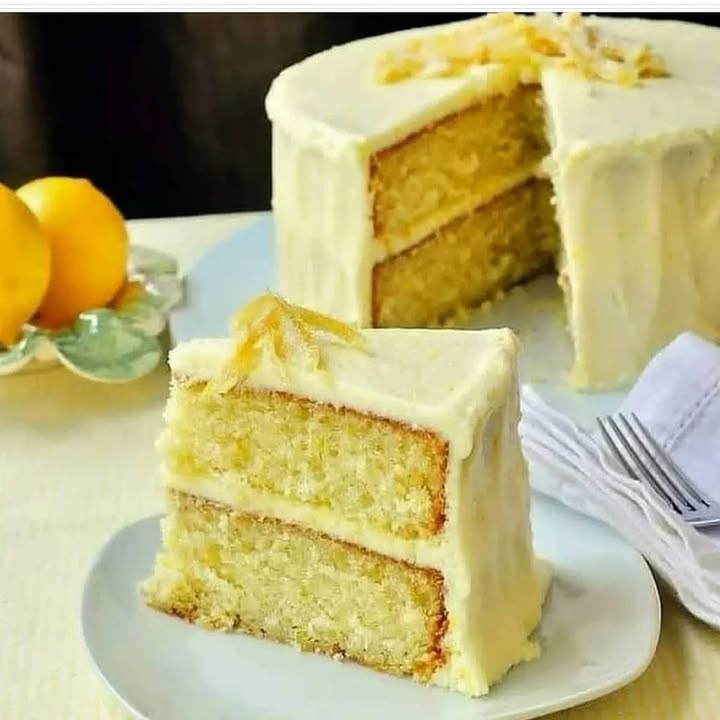
A Zesty Delight: Soft and Fluffy Lemon Yogurt Cake
Imagine a warm, sunny day, a light breeze, and the aroma of freshly baked lemon yogurt cake wafting through your kitchen. This recipe is not just a dessert; it’s a little slice of happiness that brings a smile to everyone’s face. I’ve made this cake countless times for family gatherings and friends’ get-togethers, and it always wins hearts. The secret? A perfect balance of tangy lemon and creamy yogurt, creating a soft, fluffy texture that melts in your mouth.
History or Background of the Lemon Yogurt Cake
Lemon yogurt cake is a delightful twist on traditional lemon cakes. It combines the zesty freshness of lemons with the creamy richness of yogurt, making it a modern favorite. While lemons have been used in baking for centuries, the addition of yogurt is a more recent innovation. This combo adds moisture and a subtle tang, making the cake incredibly moist and flavorful. In my family, we started making this cake a few years ago, and it has quickly become a cherished tradition.
Why You’ll Love This Recipe
This Lemon Yogurt Cake is a true crowd-pleaser. The combination of lemon and yogurt creates a unique, refreshing flavor that’s both zesty and comforting. Plus, it’s incredibly easy to make, even for beginners. The simple ingredients and straightforward steps mean you can whip up this delicious treat without any fuss. The best part? It’s versatile enough to be enjoyed as a dessert, a snack, or even a breakfast treat.
Perfect Occasions to Prepare This Recipe
Whether you’re hosting a summer barbecue, a cozy dinner party, or a casual brunch, this Lemon Yogurt Cake is the perfect choice. Its light, refreshing flavor makes it an ideal dessert for hot days, while its comfortingly sweet taste is perfect for cooler evenings. I’ve served it at birthday parties, family reunions, and even as a special treat on a lazy Sunday afternoon. No matter the occasion, it’s sure to be a hit.
Ingredients
- Sugar: 200 gr.
- Natural yogurt: 200 gr.
- Wheat flour: 240 gr.
- Eggs: 3 u.
- Baking powder: 2 tsp.
- Salt: 1 pinch
- Oil (sunflower or neutral coconut): 50 ml.
- Zest of 1 medium lemon
Substitution Options
If you don’t have all the ingredients or want to experiment, here are some substitution options:
– Sugar: You can use honey or maple syrup, but adjust the amount to taste.
– Natural yogurt: Greek yogurt or sour cream works well too.
– Wheat flour: For a gluten-free option, try using almond flour or a gluten-free flour blend.
– Oil: Melted butter or olive oil can be used instead of sunflower or coconut oil.
Preparation
Step 1: Preheat the Oven
Start by preheating your oven to 180 degrees moderate. This ensures the oven is at the right temperature when you’re ready to bake. It’s a small step, but it makes a big difference in getting the perfect fluffy texture.
Step 2: Mix Wet Ingredients
In a large bowl, beat together the natural yogurt, eggs, and sugar until they are well combined. The mixture should be smooth and slightly thick. You’ll love the creamy texture and the way the sugar dissolves into the yogurt and eggs. Pro tip: Use a whisk or an electric mixer for the best results.
Step 3: Add Dry Ingredients
To the wet mixture, add the wheat flour, baking powder, salt, and lemon zest. Mix everything well until the batter is smooth and free of lumps. The lemon zest will release a burst of fragrance, and the batter will start to look light and airy. Pro tip: Sift the flour and baking powder before adding them to the bowl to avoid lumps.
Step 4: Add Oil and Combine
Finally, add the oil (sunflower or neutral coconut) and mix all the ingredients until they are well incorporated. The oil will help to keep the cake moist and fluffy. The batter should be smooth and slightly runny, perfect for pouring into the mold.
Step 5: Bake the Cake
Pour the batter into a 22 cm mold, previously greased and floured. Place the mold in the preheated oven and bake for about 40 minutes. The cake will rise and turn a beautiful golden color. To check if it’s done, insert a toothpick into the center; if it comes out clean, the cake is ready. Pro tip: If the top of the cake starts to brown too quickly, cover it loosely with aluminum foil.
Step 6: Make the Frosting
While the cake is cooling, prepare the frosting. Melt the butter and let it cool slightly. In a mixing bowl, beat the cream cheese until it’s smooth. Add the melted butter, powdered sugar, lemon zest, and vanilla extract. Mix until the frosting is smooth and creamy. The frosting should be thick enough to spread easily but still runny enough to drizzle over the cake.
Step 7: Assemble and Decorate
Once the cake is completely cool, remove it from the mold. Spread the frosting generously over the top of the cake. You can also drizzle some extra frosting for a more indulgent look. Decorate with additional lemon zest on top for a pop of color and extra flavor. Pro tip: For a professional touch, use a piping bag to create decorative swirls on the cake.
Timing
Here’s a quick breakdown of the timing for this Lemon Yogurt Cake:
– Prep time: 20 minutes
– Baking time: 40 minutes
– Cooling time: 30 minutes
– Total time: 90 minutes
Chef’s Secret
To enhance the flavor and texture of the cake, use room-temperature ingredients. This helps them mix more evenly and results in a smoother, more homogenous batter. Also, don’t skip the lemon zest; it adds a burst of fresh, zesty flavor that elevates the entire cake.
Extra Info
Did you know that lemons are not just for flavor? They are packed with vitamin C and antioxidants, making them a nutritious addition to your diet. The yogurt in this cake provides a good source of calcium and protein, adding to its health benefits. So, you can enjoy this delicious Lemon Yogurt Cake knowing it’s not just tasty but also good for you!
Necessary Equipment
- Mixing bowls
- Whisk or electric mixer
- 22 cm cake mold
- Toothpick
- Piping bag (optional)
Storage
To keep your Lemon Yogurt Cake fresh, store it in an airtight container at room temperature for up to 3 days. If you live in a warmer climate, it’s best to refrigerate the cake. For longer storage, you can freeze the cake (without the frosting) for up to 2 months. Wrap it tightly in plastic wrap and place it in a freezer bag. When you’re ready to serve, thaw it at room temperature and add the frosting.
Keep in mind that the frosting can be stored separately in the refrigerator for up to a week. Before using, let it come to room temperature and give it a good stir to restore its creamy texture. This way, you can prepare the cake and frosting ahead of time and assemble them just before serving for the best results.
Tips and Advice
- Use fresh, high-quality lemons for the best flavor.
- Don’t overmix the batter; this can lead to a dense, tough cake.
- For a lighter frosting, use less powdered sugar and more cream cheese.
- Let the cake cool completely before adding the frosting to avoid melting.
Presentation Tips
- Add a sprinkle of powdered sugar over the top for a elegant touch.
- Garnish with fresh berries like blueberries or strawberries for a pop of color.
- Create a layered cake by slicing it horizontally and adding a layer of frosting in between.
Healthier Alternative Recipes
For those looking to make this delicious Lemon Yogurt Cake a bit healthier, here are some variations you can try:
- Low-Sugar Version: Reduce the sugar by half and add a ripe mashed banana for natural sweetness. The banana also adds a lovely, subtle flavor.
- Gluten-Free Version: Substitute the wheat flour with a gluten-free flour blend. Almond flour or coconut flour work well and add a nutty flavor.
- Vegan Version: Use plant-based yogurt and replace the eggs with applesauce or a vegan egg substitute. This keeps the cake moist and fluffy.
- Reduced-Fat Version: Replace the oil with unsweetened applesauce or mashed avocado. These substitutes add moisture without the extra fat.
- No-Bake Cheesecake Variation: Blend the cake batter with cream cheese and gelatin, then pour it into a crust and chill until set. This creates a no-bake cheesecake that’s equally delicious.
- Mini Cupcakes: Pour the batter into mini cupcake liners and bake for 15-20 minutes. Perfect for a bite-sized treat or a kids’ party.
Related Posts
If you love this Lemon Yogurt Cake, you might also enjoy these other delectable cakes from our collection:
– Try our Hawaiian Coconut Cake for a tropical twist.
– For another incredibly soft and fluffy option, check out our World’s Softest Cake.
– If you’re a fan of fruit-flavored cakes, our Tropical Pineapple Cake is a must-try.
– For a unique and delicious experience, try our Guava Bliss Cake.
Common Mistakes to Avoid
Mistake 1: Overmixing the Batter
One of the most common mistakes is overmixing the batter. This can lead to a dense, tough cake. To avoid this, mix the ingredients just until they are combined. Overmixing activates the gluten in the flour, which can make the cake heavy and chewy. Pro tip: Use a spatula to fold in the dry ingredients gently, stopping as soon as the batter is smooth.
Mistake 2: Not Using Room-Temperature Ingredients
Using cold ingredients can result in a lumpy, uneven batter. Room-temperature ingredients mix more smoothly and evenly, leading to a better texture. Take the eggs, yogurt, and butter out of the fridge at least 30 minutes before you start baking. This small step makes a big difference in the final result.
Mistake 3: Overcooking the Cake
Overbaking the cake can make it dry and crumbly. To check if the cake is done, insert a toothpick into the center. If it comes out clean, the cake is ready. If the top of the cake starts to brown too quickly, cover it loosely with aluminum foil. This will prevent the top from burning while the inside continues to bake.
Mistake 4: Adding Too Much Sugar to the Frosting
Adding too much powdered sugar to the frosting can make it overly sweet and thick. Start with a smaller amount and gradually add more until you reach the desired consistency and sweetness. The frosting should be creamy and easy to spread. Pro tip: Taste the frosting as you go and adjust the sweetness to your preference.
Mistake 5: Not Letting the Cake Cool Completely
If you add the frosting to a warm cake, it will melt and slide off. Let the cake cool completely on a wire rack before adding the frosting. This ensures the frosting stays in place and doesn’t become runny. Pro tip: If you’re in a hurry, you can place the cake in the refrigerator for 10-15 minutes to cool it faster.
FAQ
Can I use a different type of yogurt?
Yes, you can use Greek yogurt or sour cream instead of natural yogurt. These alternatives will give the cake a similar creamy texture and a tangy flavor. Just make sure to adjust the amount of sugar if the yogurt is pre-sweetened.
Is there a way to make this cake gluten-free?
Absolutely! You can use a gluten-free flour blend, such as almond flour or a 1:1 gluten-free baking mix. These alternatives will provide a similar texture and taste. Just follow the rest of the recipe as written, and you’ll have a delicious gluten-free version.
Can I make this cake without eggs?
Yes, you can make this cake without eggs. Replace each egg with 1/4 cup of unsweetened applesauce or a vegan egg replacer. These substitutes will help to bind the ingredients and maintain the cake’s structure. The texture may be slightly different, but it will still be delicious.
How long does the cake need to cool before adding the frosting?
It’s important to let the cake cool completely before adding the frosting. This usually takes about 30-40 minutes. If the cake is still warm, the frosting will melt and slide off. You can speed up the cooling process by placing the cake in the refrigerator for 10-15 minutes.
Can I use a different type of oil?
Yes, you can use different types of oil, such as melted butter, olive oil, or vegetable oil. Each type will add a slightly different flavor, but the cake will still be moist and fluffy. Melted butter, for example, will give the cake a rich, buttery flavor, while olive oil will add a subtle, fruity note.
What is the best way to store the cake?
To keep the cake fresh, store it in an airtight container at room temperature for up to 3 days. If you live in a warmer climate, it’s best to refrigerate the cake. For longer storage, you can freeze the cake (without the frosting) for up to 2 months. Wrap it tightly in plastic wrap and place it in a freezer bag. Thaw it at room temperature and add the frosting before serving.
Can I add other flavors to the cake?
Definitely! Feel free to experiment with different flavors. You can add a teaspoon of vanilla extract, a splash of orange juice, or even a handful of fresh berries. Just make sure to adjust the liquid content if you add more than a small amount of additional ingredients.
How do I prevent the cake from sticking to the mold?
To prevent the cake from sticking to the mold, grease the mold with butter or cooking spray, and then dust it with a little flour. This creates a non-stick surface that makes it easy to remove the cake once it’s baked. You can also use a non-stick baking spray with flour for added convenience.
Can I make this cake in a different size pan?
Yes, you can make the cake in a different size pan. Just adjust the baking time accordingly. For example, if you use a smaller pan, the cake will be thicker and will take longer to bake. Conversely, if you use a larger pan, the cake will be thinner and will bake more quickly. Keep an eye on the cake and check for doneness with a toothpick.
How do I make the frosting creamy and smooth?
To make the frosting creamy and smooth, start by beating the cream cheese until it’s smooth and creamy. Gradually add the melted butter, powdered sugar, lemon zest, and vanilla extract, mixing well after each addition. The frosting should be thick enough to spread easily but still runny enough to drizzle. If it’s too thick, add a little milk or cream to thin it out. If it’s too runny, add more powdered sugar to thicken it.
Final Thoughts
This Lemon Yogurt Cake is a delightful and versatile dessert that’s sure to become a favorite in your kitchen. Its zesty lemon flavor and fluffy texture make it a perfect treat for any occasion. Whether you’re baking for a special event or just treating yourself, this cake is a winner. Don’t forget to explore more delicious recipes in our Cakes and Desserts category. Happy baking!
Equipment
- Mixing bowls
- Whisk or electric mixer
- 22 cm cake mold
- Toothpick
- Piping bag (optional)
Ingredients
- 200 gr Sugar
- 200 gr Natural yogurt
- 240 gr Wheat flour
- 3 u Eggs
- 2 tsp Baking powder
- 1 pinch Salt
- 50 ml Oil (sunflower or neutral coconut)
- 1 medium Zest of lemon
Instructions
- Preheat your oven to 180 degrees Celsius.
- In a large bowl, beat together the natural yogurt, eggs, and sugar until the mixture is smooth and thick.
- Add the wheat flour, baking powder, salt, and lemon zest to the wet mixture and mix until smooth and free of lumps.
- Incorporate the oil into the batter and mix until smooth.
- Pour the batter into a greased and floured 22 cm mold and bake for about 40 minutes. Check for doneness with a toothpick.
- While the cake is cooling, prepare the frosting by beating cream cheese, then adding melted butter, powdered sugar, lemon zest, and vanilla extract.
- Once the cake is completely cool, spread the frosting generously over the top and decorate with additional lemon zest.
Notes
Nutrition

Hi, I’m Olivia Parker, the founder of BakingSecret.com and a lifelong lover of all things sweet and homemade. I grew up in a small town in Oregon, where the smell of fresh cookies in my family’s kitchen sparked my passion for baking. Over the years, I turned that passion into a mission: to help home bakers feel confident, inspired, and creative.
After studying food science and working in several artisan bakeries across the U.S., I decided to create a space where everyone from beginners to seasoned bakers can find reliable recipes, expert tips, and a warm, welcoming community. BakingSecret.com is my way of sharing the magic of baking with the world. When I’m not testing new recipes, you’ll find me exploring farmers’ markets, collecting vintage cookbooks, or perfecting my sourdough technique.