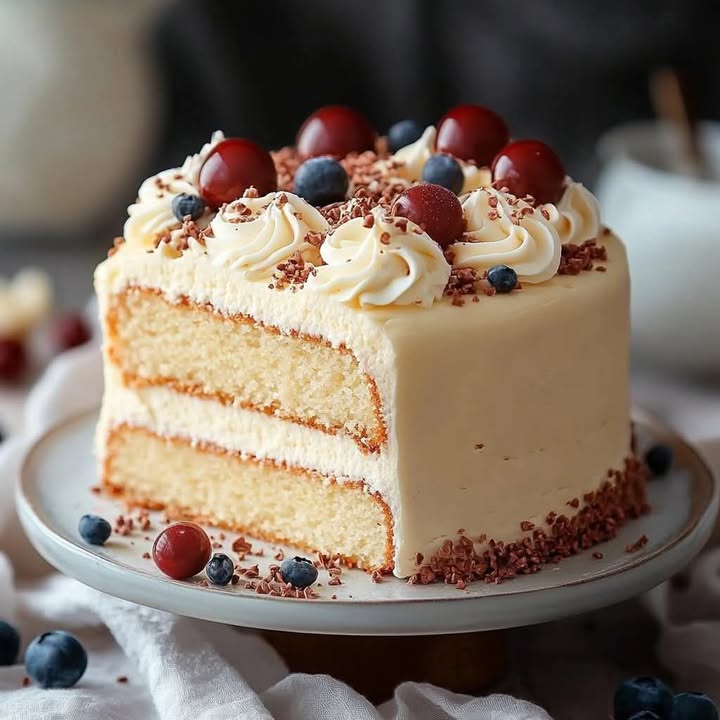
Why This Fluffy Vanilla Delight Will Steal Your Heart
There’s something magical about the smell of vanilla wafting through the kitchen. It’s like a warm hug in dessert form! I remember the first time I baked a vanilla cake—it was for my son’s fifth birthday. He wanted “the best cake ever,” and after several tries, I nailed it. The secret? A perfect balance of lightness, sweetness, and that rich vanilla flavor. Today, I’m sharing two of my favorite recipes: a Classic Vanilla Cake and a Vanilla Buttermilk Cake. Both are easy to make, versatile, and oh-so-delicious. Let’s dive into this fluffy vanilla delight together!
A Little History of Vanilla Cakes
Vanilla cakes have been a staple at celebrations for centuries. Did you know vanilla itself comes from orchids? Yep, those fancy flowers we admire in gardens are the source of this beloved flavor. Vanilla beans were once so rare they were considered a luxury item. Fast forward to today, and vanilla is everywhere—but that doesn’t make it any less special. Whether it’s a birthday, wedding, or just a Tuesday night craving, a fluffy vanilla delight always hits the spot.
Why You’ll Love These Recipes
These cakes are the definition of crowd-pleasers. They’re moist, airy, and packed with that unmistakable vanilla aroma. Plus, they’re beginner-friendly! If you’ve ever been intimidated by baking, these recipes will change your mind. The buttermilk version adds a slight tang that balances the sweetness beautifully, while the classic recipe is timeless and foolproof. Trust me, your friends and family will be begging for seconds.
Perfect Occasions for a Fluffy Vanilla Delight
Need a dessert for a baby shower? Check. A last-minute bake sale contribution? Done. Or maybe you just want to treat yourself because… why not? These cakes work for everything from casual coffee dates to formal gatherings. Top them with fresh berries, sprinkles, or even a drizzle of caramel sauce to match the vibe of your event.
Ingredients for the Perfect Vanilla Cake
Classic Vanilla Cake
- 2 cups (310g) all-purpose flour
- 2 teaspoons baking powder
- ½ teaspoon salt
- ¾ cup (170g) unsalted butter, softened
- 1½ cups (350g) granulated sugar
- 4 large eggs at room temperature
- 2 teaspoons pure vanilla extract
- 1 cup (240ml) whole milk at room temperature
Vanilla Buttermilk Cake
- 2 cups (345g) cake flour or sifted all-purpose flour
- 2 teaspoons baking powder
- ½ teaspoon baking soda
- ½ teaspoon salt
- 1 cup (227g) unsalted butter, softened
- 2 cups (400g) granulated sugar
- 4 large eggs at room temperature
- 1 tablespoon pure vanilla extract
- 1 cup (240ml) buttermilk at room temperature
Substitution Options
No buttermilk? No problem! Mix 1 cup of milk with 1 tablespoon of lemon juice or vinegar and let it sit for 5 minutes. For a dairy-free option, swap the butter with margarine and use almond or oat milk instead of regular milk. If you don’t have cake flour, make your own by replacing 2 tablespoons of all-purpose flour with cornstarch per cup.
Step-by-Step Preparation
Step 1: Preheat Oven and Prepare Pans
Before diving in, preheat your oven to 350°F (175°C). Grease your pans generously—trust me, no one likes a stuck cake! Line them with parchment paper for extra insurance. Pro tip: Dusting the pans with flour helps the cakes slide out effortlessly.
Step 2: Mix Dry Ingredients
In a medium bowl, whisk together the flour, baking powder, and salt. This step ensures even distribution of leavening agents. Imagine sifting flour as giving your cake a little spa treatment—it makes the texture smoother and lighter.
Step 3: Cream Butter and Sugar
Now comes the fun part! Beat the butter and sugar until they’re light and fluffy—about 3-4 minutes. You’ll notice the color turning pale yellow, almost like sunshine. This process incorporates air, which gives your fluffy vanilla delight its signature lift.
Step 4: Add Eggs and Vanilla
Crack those eggs one at a time, mixing well after each addition. Then, pour in the vanilla extract. Ah, the sweet scent of vanilla filling your kitchen—it’s pure bliss. Chef’s tip: Use pure vanilla extract, not imitation, for the best flavor.
Step 5: Combine Wet and Dry Ingredients
Alternate adding the dry ingredients and milk, starting and ending with the dry mix. Mix gently—overmixing can lead to a dense cake. Think of it like folding dough; handle it with care.
Step 6: Bake
Pour the batter into your prepared pans and pop them in the oven. After 25-30 minutes, check with a toothpick. When it comes out clean, your cakes are ready! Let them cool before frosting.
Step 7: Make the Frosting
Beat softened butter until creamy, then gradually add powdered sugar, vanilla, and cream. Whip it up until it’s smooth and fluffy. Spread it generously between layers and all over the cake. Yum!
Timing Breakdown
- Prep Time: 20 minutes
- Cooking Time: 25-30 minutes
- Resting/Cooling Time: 1 hour
- Total Time: Approximately 1 hour 50 minutes
Chef’s Secret
To enhance the vanilla flavor, scrape the seeds from a vanilla bean pod into your batter. It’s a small touch that makes a big difference!
Extra Info
Did you know vanilla is the second most expensive spice in the world, after saffron? That’s why using high-quality vanilla extract really pays off in baking.
Necessary Equipment
- Mixing bowls
- Hand or stand mixer
- Measuring cups and spoons
- Cake pans
- Parchment paper
Storage Tips
Store your fluffy vanilla delight in an airtight container at room temperature for up to 2 days. For longer storage, refrigerate it for up to a week. Just bring it back to room temperature before serving for optimal taste.
If freezing, wrap individual slices tightly in plastic wrap and place them in a freezer-safe bag. They’ll stay fresh for up to 3 months.
Pro tip: Place a slice of bread on top of the frosted cake when storing—it keeps the frosting soft and prevents it from drying out.
Tips and Advice
- Always use room-temperature ingredients for a smooth batter.
- Sift powdered sugar for lump-free frosting.
- Chill the frosted cake for 30 minutes before slicing for cleaner cuts.
Presentation Ideas
- Garnish with fresh berries or edible flowers.
- Dust with powdered sugar for a rustic look.
- Add colorful sprinkles for a playful touch.
Healthier Alternatives
Want to lighten things up? Here are six variations:
- Gluten-Free Option: Swap all-purpose flour with a gluten-free blend.
- Lower Sugar: Reduce sugar by ¼ cup and add a mashed banana for natural sweetness.
- Dairy-Free: Use plant-based butter and milk.
- Egg-Free: Replace eggs with flax eggs (1 tablespoon ground flaxseed + 2.5 tablespoons water per egg).
- Whole Grain: Substitute half the flour with whole wheat flour.
- Low-Fat Frosting: Use Greek yogurt instead of heavy cream in the frosting.
Common Mistakes to Avoid
Mistake 1: Overmixing the Batter
Overmixing leads to a tough, dense cake. Mix just until the ingredients come together. Remember, gentle hands make happy cakes!
Mistake 2: Skipping Room-Temperature Ingredients
Cold eggs or milk can cause curdling. Take the extra time to let everything sit out—it’s worth it.
Mistake 3: Opening the Oven Door Too Early
Peeking too soon can cause your cake to sink. Be patient and trust the process.
FAQs
Can I use self-rising flour?
Self-rising flour already contains leavening agents, so skip the baking powder if using it. However, cake flour yields a lighter texture.
How do I know when the cake is done?
Insert a toothpick into the center. If it comes out clean or with a few crumbs, it’s ready. Avoid overbaking, as it dries out the cake.
Can I freeze the cake?
Absolutely! Wrap it tightly and freeze for up to 3 months. Thaw overnight in the fridge before serving.
What’s the difference between vanilla extract and vanilla bean paste?
Vanilla extract is liquid, while paste includes tiny vanilla seeds for a more intense flavor and visual appeal.
Why does my cake taste eggy?
This happens if the eggs aren’t fully incorporated. Beat them thoroughly before adding other ingredients.
Can I make cupcakes instead?
Yes! Fill cupcake liners ⅔ full and bake for 18-20 minutes.
What if I don’t have buttermilk?
Make a substitute by mixing 1 cup of milk with 1 tablespoon of lemon juice or vinegar.
How do I prevent my frosting from being too sweet?
Add a pinch of salt to balance the sweetness, or use less powdered sugar.
Can I double the recipe?
Of course! Just ensure your bowls and pans are large enough to accommodate the increased volume.
Why did my cake sink in the middle?
This could be due to underbaking, overmixing, or opening the oven door too early. Follow the recipe closely to avoid mishaps.
Final Thoughts
Baking a fluffy vanilla delight is more than just following a recipe—it’s about creating memories. Whether you’re celebrating a special occasion or simply craving something sweet, these cakes are sure to impress. So grab your apron, turn on some music, and let the magic happen. Happy baking!
Equipment
- Mixing bowls
- Hand or stand mixer
- Measuring cups and spoons
- Cake pans
- Parchment paper
Ingredients
- 310 g all-purpose flour
- 2 tsp baking powder
- 0.5 tsp salt
- 170 g unsalted butter, softened
- 350 g granulated sugar
- 4 large eggs at room temperature
- 2 tsp pure vanilla extract
- 240 ml whole milk at room temperature
Instructions
- Preheat your oven to 350°F (175°C) and prepare your pans by greasing them and lining with parchment paper.
- In a medium bowl, whisk together the flour, baking powder, and salt.
- Beat the butter and sugar until light and fluffy, about 3-4 minutes.
- Add the eggs one at a time, mixing well after each addition, then pour in the vanilla extract.
- Alternate adding the dry ingredients and milk, starting and ending with the dry mix, mixing gently.
- Pour the batter into the prepared pans and bake for 25-30 minutes, checking for doneness with a toothpick.
- Make the frosting by beating softened butter until creamy, then gradually add powdered sugar, vanilla, and cream, whipping until smooth and fluffy.
Notes
Nutrition

Hi, I’m Olivia Parker, the founder of BakingSecret.com and a lifelong lover of all things sweet and homemade. I grew up in a small town in Oregon, where the smell of fresh cookies in my family’s kitchen sparked my passion for baking. Over the years, I turned that passion into a mission: to help home bakers feel confident, inspired, and creative.
After studying food science and working in several artisan bakeries across the U.S., I decided to create a space where everyone from beginners to seasoned bakers can find reliable recipes, expert tips, and a warm, welcoming community. BakingSecret.com is my way of sharing the magic of baking with the world. When I’m not testing new recipes, you’ll find me exploring farmers’ markets, collecting vintage cookbooks, or perfecting my sourdough technique.