
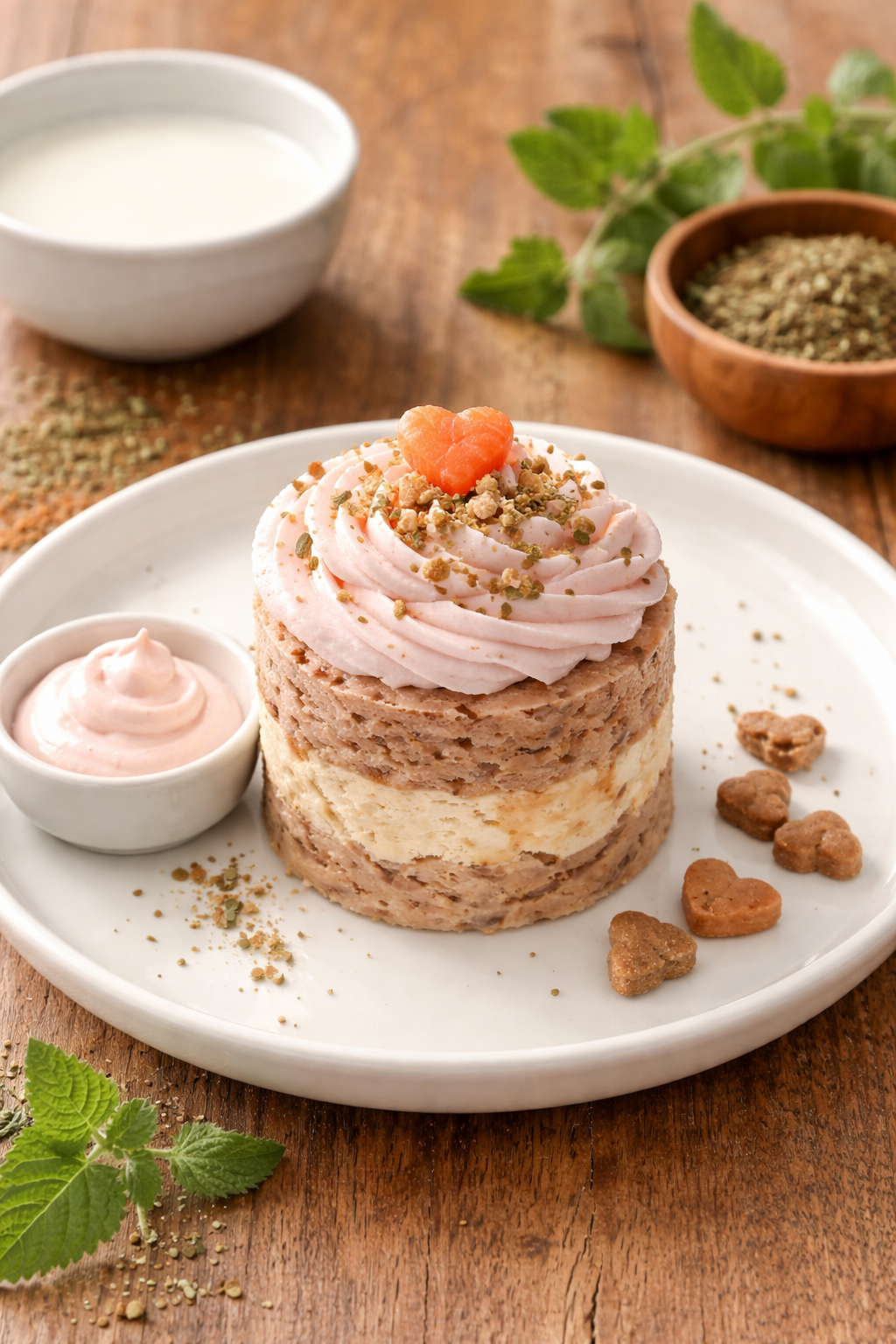
Making Your Cat’s Special Day Extra Sweet
Last year, my tabby cat Whiskers turned five, and I wanted to do something different. I watched her purr contentedly on the windowsill and thought, why not celebrate with a special treat? That’s when I discovered the wonderful world of cake for cats. I’ll be honest – my first attempt was a disaster. I almost grabbed my own birthday cake from the fridge before I realized chocolate and cats don’t mix. That mistake taught me everything I needed to know about making safe, delicious treats for our feline friends.
Celebrating your cat’s birthday or special moments doesn’t have to be complicated. You just need the right knowledge and safe ingredients. In this article, I’ll share everything I’ve learned about creating or buying the perfect birthday cake for cats. We’ll explore safe recipes you can make at home, discuss what ingredients to avoid, and even talk about where to find ready-made options if baking isn’t your thing. Whether you’re looking for a simple wet food cake for cats or an elaborate cat theme birthday cake for your party, I’ve got you covered.
I remember feeling overwhelmed when I started researching cat cake recipes for cats. There’s so much information out there, and some of it contradicts itself. Should you use tuna or chicken? Is cream cheese okay? What about those fancy frostings? Through trial and error (and a few vet visits for advice), I figured out what works and what doesn’t. Now I want to save you that trouble.
Understanding What Cake is Safe for Cats
Here’s the thing about cats and cake – they’re not meant to go together in the traditional sense. Human cakes contain ingredients that can seriously harm your furry friend. Sugar, chocolate, artificial sweeteners like xylitol, and certain dairy products can make your cat sick or worse. I learned this the hard way when Whiskers sneaked a lick of my vanilla frosting and spent the next few hours with an upset stomach.
Cats are obligate carnivores. Their bodies are designed to process protein and fat, not the carbs and sugars we love. When you think about cakes for cats with icing, you need to completely rethink what “cake” means. A cat-safe cake looks nothing like the triple-layer chocolate masterpiece you’d get from a bakery. Instead, it’s built around ingredients your cat already eats and enjoys.
What cake is safe for cats? This is the most important question to answer before you start any celebration planning. A safe cake for cats contains only cat-friendly ingredients. Think protein-based items like cooked chicken, tuna, or salmon. You can add safe binding agents like eggs or a tiny bit of plain yogurt if your cat tolerates dairy. The “frosting” might be pureed meat or a special cat-safe cream cheese mixture.
I’ve seen some beautiful birthday cakes for cats to eat that were essentially molded wet food decorated with treats. They looked amazing and were completely safe. The key is understanding that you’re creating something that looks like a traditional cake but functions as a special meal for your cat. It’s more about the presentation and celebration than replicating human desserts.
Let me break down the ingredients you should never include in a cake for cats:
- Chocolate in any form – it’s toxic to cats
- Sugar and artificial sweeteners – especially xylitol which is deadly
- Raisins and grapes – can cause kidney failure
- Onions and garlic – damage red blood cells
- Most human cake mixes – contain too many additives and sugars
- Buttercream frosting – way too much sugar and fat
- Alcohol or coffee flavoring – extremely dangerous
- Nutmeg and other baking spices – toxic in certain amounts
On the flip side, here are ingredients that can work well for cat-safe treats:
- Cooked chicken, turkey, or fish (no bones)
- Plain cooked eggs
- Small amounts of plain yogurt (if your cat tolerates dairy)
- Cat-safe cream cheese in tiny amounts
- Pureed pumpkin (not pumpkin pie filling)
- Cooked sweet potato in moderation
- Cat treats as decorations
- Bonito flakes for garnish
Before you start looking up birthday cakes for cats to eat UK or searching for a cake for cats Bangalore bakery, you need to know your own cat’s dietary needs. Every cat is different. Some cats have food allergies or sensitivities. Others have health conditions that require specific diets. What works perfectly for my Whiskers might upset your cat’s stomach.
This is where your vet becomes your best friend. I always recommend consulting with a veterinarian before introducing any new foods to your cat’s diet. This is especially important if you’re planning to make or buy a special wet food cake for cats. Your vet knows your cat’s medical history and can tell you which ingredients are safe and which to avoid.
When I planned Whiskers’ first birthday celebration, I called my vet’s office and asked about safe ingredients. The vet tech was super helpful and even suggested a few ideas I hadn’t thought of. She reminded me that even safe ingredients should be given in moderation. A birthday cake should be a small treat, not a full meal replacement.
Some cats have sensitive stomachs. Even if an ingredient is technically safe, it might cause digestive upset if your cat isn’t used to it. Start small if you’re testing new recipes. Give your cat a tiny taste before committing to a full cat birthday cake for girl or boy celebrations. Watch for any signs of stomach trouble like vomiting, diarrhea, or loss of appetite.
Another consideration is your cat’s age and health status. Kittens have different nutritional needs than adult cats. Senior cats might have dental issues that make certain textures difficult to eat. Cats with diabetes can’t have any sugar or carbs. Cats with kidney disease need low-protein options. Your vet can guide you through these specific situations.
I’ve also learned that some cats simply don’t care about special treats. My friend made an elaborate cat theme birthday cake for her Persian, and the cat completely ignored it. She preferred her regular kibble. Don’t feel bad if your cat isn’t impressed by your efforts. The celebration is really more for us than for them anyway.
The concept of cat-safe baking is about creativity within boundaries. You’re working with a limited ingredient list, but that doesn’t mean the results have to be boring. I’ve seen gorgeous Christmas cake for cats made entirely from shaped tuna and decorated with catnip. The presentation can be just as impressive as any human cake.

How to Make a Cat-Safe Cake at Home
Now that you understand which ingredients won’t land you in the emergency vet’s office, let’s get into the fun part – actually making a cat cake recipe for cats that your furball will actually enjoy. I promise this is easier than it sounds, and you definitely don’t need any fancy baking skills. When I made my first homemade cat cake, I was expecting a disaster, but it turned out surprisingly well. My kitchen looked like a crime scene afterward, but Whiskers loved every bite.
The beauty of making a cake for your cat at home is that you have complete control over what goes into it. Plus, it’s usually cheaper than buying specialty birthday cake for cats near me from boutique pet bakeries. You probably have most of the ingredients sitting in your fridge right now. The basic formula is simple: protein base, binding agent, and optional mix-ins for flavor.
Here’s my go-to simple recipe that’s never failed me. You’ll need a can of tuna or salmon packed in water (drain it well), one egg, and a tablespoon of plain flour or oat flour. That’s seriously it for the basic version. Mix the drained fish with the beaten egg, then stir in the flour until you get a thick batter. Pour this into a small silicone mold or a ramekin lined with parchment paper. Bake at 350°F for about 20 minutes until it’s firm to the touch. Let it cool completely before serving – cats have sensitive mouths and won’t appreciate a hot cake any more than you would.
I learned the hard way that presentation matters even for cats. Well, not to the cats themselves, but for those Instagram photos we all want to take. My first attempt looked like a sad hockey puck because I used a regular cake pan. Switching to silicone molds changed everything. You can find cat-shaped molds online or just use small round molds for a classic cake appearance.
For a fancier version that reminds me texture-wise of those elaborate layered desserts like mont blanc cake (obviously without the chestnut cream), try this: Layer different proteins. Make one layer with tuna, another with chicken, and maybe add a thin layer of mashed sweet potato in between. Cook each layer separately, let them cool, then stack them with a tiny bit of plain yogurt as “glue” between layers. The contrast looks impressive in photos and gives your cat variety in one treat.
Customizing your wet food cake for cats is where you can get creative within the safety boundaries. Some cats go absolutely nuts for bonito flakes, so I sprinkle those on top like confetti. Others prefer the crunch of their favorite kibble pieces pressed into the sides. One time I made a cake and decorated it with those freeze-dried chicken treats arranged in a flower pattern. Whiskers ate the decorations first and ignored the actual cake for ten minutes.
By the way, if you want to add vegetables for health benefits, stick with cat-safe options like pureed pumpkin or cooked peas. I sometimes add a spoonful of pumpkin to the batter – it’s great for digestion and adds moisture. This reminds me of how pumpkin features in human desserts too, like that pumpkin better than sex cake recipe people rave about, though obviously our feline version skips all the sugar and condensed milk.
The assembly process doesn’t have to be complicated. I usually make the cake base the night before and refrigerate it overnight. This firms it up and makes it easier to work with for decorating. The next day, I add whatever “frosting” I’m using and any decorations. The whole process from start to finish takes maybe an hour including baking time, and most of that is hands-off cooling time.
One trick I discovered: freeze-dried raw food makes an excellent cake ingredient if your cat already eats raw food. You can crumble it up and press it into molds with a bit of bone broth to bind it together. No baking required, and it’s incredibly nutritious. Just rehydrate it slightly so it’s not rock-hard.
How to Make Cat Safe Frosting
Okay, so how to make cat safe frosting was probably my biggest challenge when I started making cakes for cats with icing. Traditional frosting is basically pure sugar and butter – exactly what cats shouldn’t have. But we still want that decorative element that makes it look like an actual celebration cake, right?
My favorite cat-safe frosting is stupidly simple: plain cream cheese thinned with a tiny bit of water or low-sodium chicken broth. Mix about two tablespoons of room-temperature cream cheese with a teaspoon of liquid until you get a spreadable consistency. It pipes beautifully if you want to get fancy with a plastic bag and snip the corner. This version is similar in texture to the cream cheese layer in a cream cheese coffee cake, except we’re keeping it completely unsweetened.
Some cats don’t tolerate dairy well though. For those kitties, I’ve had success making a “frosting” from pureed cooked chicken breast. Sounds weird, I know. Cook a chicken breast until it’s super tender, then blend it with just enough water to make it smooth and pipeable. It won’t be white like traditional frosting, but who says frosting has to be white? You can also use pureed fish for a salmon-colored “icing” that looks surprisingly elegant.
Another option I stumbled upon accidentally: meat-based baby food. Get the plain varieties without any onion, garlic, or additives. The texture is already smooth and spreadable. Beef or chicken baby food works perfectly as a thin frosting layer. Just check the ingredients obsessively because some brands sneak in things cats shouldn’t have.
Greek yogurt is another possibility if your cat handles dairy okay. It’s thicker than regular yogurt and holds its shape better for decorating. I mix it with a tiny pinch of dried catnip sometimes – gives it little green flecks that look intentional and fancy. Whiskers absolutely loses her mind for catnip-spiked yogurt frosting.
Here’s the thing about frosting for cat cakes – less is more. You don’t need to cover the entire cake like you would for a human birthday cake. A light drizzle or a few decorative swirls is plenty. Remember, this is still meant to be a treat, not a full meal, so keeping portions small is important for your cat’s health.
Creative Themes and Ideas for Cat Cakes
Funny enough, once I mastered the basic birthday cakes for cats to eat, I got a bit obsessed with making them look cute. The themed decoration part is honestly more for us humans than for the cats, but it makes the celebration feel more special. I’ve made everything from simple round cakes with a candle stuck in the middle to elaborate designs that took embarrassingly long to create.
For a cat birthday cake for girl, I once used a fish-shaped silicone mold and decorated it with small pieces of salmon arranged like scales. Added some dried catnip “seaweed” around the base. It looked adorable in photos and my friend’s cat demolished it in about three minutes. The effort-to-consumption-time ratio was terrible, but the photos were worth it.
If you’re making a cat theme birthday cake for a party where humans are also present, consider making the cake in the shape of a cat’s paw or face. You can find silicone molds in these shapes online, or you can bake a round cake and carve it into shape. Use bits of treats to create facial features – two small round treats for eyes, a pink salmon bit for a nose. It’s like edible crafts, and honestly pretty fun if you’re into that sort of thing.
Seasonal celebrations deserve special treatment too. For a christmas cake for cats, I made a regular round cake and used green-tinted yogurt frosting (added a tiny bit of spirulina powder for color – it’s safe for cats) to pipe a Christmas tree shape on top. Decorated with red bell pepper tiny pieces as “ornaments.” Did Whiskers care that it was Christmas themed? Absolutely not. Did I enjoy making it? Definitely yes.
The presentation can be elevated with what you serve the cake on. I found small ceramic plates at a thrift store that are perfect cat-cake sized. Sometimes I arrange the cake on a bed of fresh catnip or cat grass for that fancy restaurant plating look. One time I even made a tiny cake stand out of an overturned ramekin with a small plate on top. Over the top? Maybe. Worth it for the photos? Absolutely.
If you’re not confident in your decorating skills, here’s a secret: nobody expects perfection from a cat cake. The bar is pretty low, honestly. Stick a candle in it, snap a photo before your cat attacks it, and call it a success. The simpler approach works just as well as elaborate designs. Sometimes I just make a small round cake, add a dollop of “frosting” on top, and stick a commercial cat treat in the middle like a flag. Done.
For those who want something that looks more like traditional human celebration cakes, check out how people decorate themes like the hello kitty cake for birthday parties – you can adapt similar decorating ideas using cat-safe materials instead. The principles of making something look festive and celebratory apply whether you’re working with buttercream or pureed chicken.
Whatever design you choose, remember that the whole point is celebrating your cat and creating a happy memory. My most successful cat cake was actually the messiest, ugliest one I ever made. I was running late, threw ingredients together haphazardly, and it came out lopsided and weird-looking. But Whiskers loved it just as much as the “pretty” ones. They really don’t care about aesthetics – only about whether it smells good and tastes like something they want to eat.
Where to Find Ready-Made Cakes for Cats
Let’s be real – not everyone has the time or energy to bake a homemade cake for their cat. Some days you barely manage to feed yourself, let alone create an elaborate feline dessert. I totally get it. There’ve been birthdays where I planned to make Whiskers something special from scratch, but life happened and suddenly it’s 8 PM the night before and I haven’t started anything. That’s when knowing where to buy a ready-made birthday cake for cats near me becomes absolutely crucial.
The good news is that the pet industry has caught onto this trend, and more places are offering specialty cakes for cats. The bad news? Quality varies wildly, and you need to know what you’re looking for to avoid wasting money on something your cat won’t eat or worse, something that might upset their stomach.
Your first stop should be local pet boutiques and specialty pet stores. I’m not talking about the big chain stores necessarily, though some of them have started carrying cat cakes too. Look for the smaller, independently owned shops that focus on premium pet products. These places often have refrigerated sections with fresh-made pet treats, including birthday cakes. The staff at these stores tend to be super knowledgeable and passionate about pet nutrition, which means they’re usually careful about ingredients.
I found my favorite local spot completely by accident. I was walking past this little pet bakery in the shopping district, and they had the most adorable display in the window – tiny cakes decorated with fish-shaped treats. Went in out of curiosity, talked to the owner for like thirty minutes about cat nutrition, and left with a gorgeous salmon cake that Whiskers devoured. Been going back ever since for special occasions.
Here’s what to ask when you’re shopping for a wet food cake for cats at a local store: What’s the full ingredient list? How long does it stay fresh? Has it been tested on actual cats (and did they like it)? Any ingredients that might trigger allergies? The staff should be able to answer all these questions without hesitation. If they can’t or seem annoyed by your questions, that’s a red flag. Take your business elsewhere.
Some regular bakeries have started offering pet cakes alongside their human treats. This can be hit or miss. I’ve seen bakeries that clearly understand the difference between human and cat ingredients, making proper protein-based cakes. But I’ve also seen places that just make a tiny version of their regular cake and call it “pet-friendly” without actually changing the recipe. Always, always check ingredients before buying from a human bakery.
Larger pet store chains have gotten into the game too. I’ve noticed that places like PetSmart and Petco now carry refrigerated pet cakes, especially around holidays. The quality here is usually decent because these companies have nutritionists on staff. However, they tend to be more expensive than making your own, and the selection is limited. You’re getting convenience, not customization.
Veterinary clinics sometimes sell specialty pet treats too, including birthday cakes. This is actually one of my favorite options because you know for sure that everything is vet-approved and safe. The selection is usually small, but what they do carry is trustworthy. Plus, you can ask questions right there and get professional answers. My vet’s office carries these frozen fish cakes that are basically just shaped wet food, and they’re perfect for last-minute celebrations.
By the way, if you’re looking for birthday cakes for cats to eat UK specifically, you’ve got some great options. The UK seems to be ahead of the curve on pet bakeries. I have a friend in London who orders from a place called Paws & Claws Bakery, and the photos she sends are incredible – these elaborate layered creations that look almost too good for a cat to eat. She says her British Shorthair goes crazy for them, which is saying something because that cat is normally pretty picky.
For those searching for cake for cats Bangalore or other specific locations, try using Google Maps to search for “pet bakery near me” or “pet birthday cake.” You’d be surprised what pops up. The pet bakery industry has exploded in major cities worldwide, and many offer same-day or next-day service if you’re planning ahead even a little bit.
Online shopping opens up way more possibilities, though you’ll need to account for shipping times and costs. Websites like Chewy, Amazon, and Etsy all have sellers offering cat cakes. Etsy is particularly interesting because you can find small businesses that specialize in custom pet treats. I ordered a cat birthday cake for girl from an Etsy seller once – it was personalized with my cat’s name written in bonito flakes. Overpriced? Definitely. Worth it for the novelty? Sure, why not.
When shopping online, pay close attention to reviews from other cat owners. Don’t just look at the star rating – read the actual comments. Did the cats actually eat it? Did it arrive fresh? Was it the right size? I learned this after ordering a cake that had five stars but turned out to be tiny (like, two bites for a cat) and cost thirty dollars including shipping. The reviews mentioned this, but I didn’t read carefully enough. Lesson learned.
Shipping is a huge consideration for fresh or frozen cat cakes. Make sure the seller uses proper refrigerated shipping methods. I once received a cake that had clearly thawed and refrozen during transit – it was all crystallized and weird-looking. Whiskers refused to touch it, and I don’t blame her. Most reputable sellers use insulated packaging with ice packs, but always check their shipping policies before ordering.
Subscription boxes for cats sometimes include birthday cake options or special celebration treats. Companies like KitNipBox or MeowBox occasionally feature limited-edition cake treats. These aren’t usually full-sized cakes, more like cake-flavored treats or mini cake portions, but they’re convenient if you already subscribe to these services. Plus, they’re tested by lots of cats before being included, so there’s a better chance your cat will actually like them.
Some specialty online retailers focus exclusively on pet celebration products. Websites like Puppy Cake (which despite the name, makes cat products too) sell DIY cake mixes specifically formulated for pets. You add water or wet food, mix it up, and microwave it for a minute. Not quite as convenient as ready-made, but easier than baking from scratch. I keep one of these in my pantry for emergencies – they have a long shelf life and work in a pinch.
Here’s something I wish someone had told me earlier: look for cakes that use roasting or other gentle cooking methods for their meat ingredients rather than heavily processed meats. The quality of the protein matters, and companies that take care with their preparation methods usually produce better products overall. You can often tell from the ingredient list – if it says “roasted chicken” rather than just “chicken by-product,” that’s a good sign.
Price-wise, expect to pay anywhere from ten to fifty dollars for a specialty cat cake, depending on size and complexity. The fancy decorated ones obviously cost more. Honestly, I think the sweet spot is around fifteen to twenty dollars – enough to ensure quality ingredients but not so much that you feel ridiculous spending it on something your cat will eat in thirty seconds. Though I’ll admit I’ve spent way more than that on special occasions. No judgment here.
Social media can be surprisingly useful for finding local options. Search Instagram or Facebook for pet bakery hashtags in your city. Lots of small businesses promote themselves through social media, and you might discover places you didn’t know existed. I found a home baker who makes cat theme birthday cake designs through Instagram – she works out of her kitchen and delivers locally. Her cakes are amazing and half the price of the fancy boutiques.
Watch out for cakes marketed as “gourmet” or “luxury” without clear ingredient lists. Sometimes you’re paying for fancy packaging rather than better quality. I bought one of these once – came in this elaborate box with a ribbon and everything. The cake itself was just shaped wet food that I could’ve made myself for three dollars. The packaging was gorgeous, though. Now it’s a jewelry box.
Can You Give Cake to Cats?
This question comes up constantly, and I think it deserves a clear answer separate from everything else. Can you give cake to cats? The short answer: not human cake, but specially made cat-safe cakes are fine as occasional treats.
Regular cake from your birthday party or wedding? Absolutely not. I can’t stress this enough. Human cakes contain ingredients that range from unhealthy to downright dangerous for cats. The sugar alone can cause digestive issues, obesity, and potentially diabetes with regular consumption. But that’s just the start of the problems.
Chocolate cake is toxic. Period. Chocolate contains theobromine, which cats cannot metabolize properly. Even a small amount can cause serious health issues including vomiting, diarrhea, rapid breathing, increased heart rate, and seizures. Dark chocolate is worse than milk chocolate, but neither is safe. I don’t care if your cat is begging – never give them chocolate anything.
The artificial sweetener xylitol, found in many sugar-free cakes and frostings, is even more dangerous. It causes a rapid drop in blood sugar and can lead to liver failure. Tiny amounts can be lethal. If your cake is labeled sugar-free, keep it far away from your cat. This stuff is seriously no joke – I’ve read horror stories about cats getting into sugar-free products and it ending badly.
Here’s the thing though – cats don’t even taste sweetness the way we do. They lack the taste receptors for sweet flavors, which makes sense since they’re carnivores. When your cat seems interested in your cake, they’re not craving the sweetness. They might be interested in the dairy (the cream or butter), the texture, or just the fact that you’re eating it and they want to be included. They’re not actually missing out on anything by not having human cake.
So when people ask if you can give cake to cats, what they’re really asking is whether celebration treats are okay for cats. And yes, cat-appropriate celebration treats are absolutely fine in moderation. A small serving of a protein-based, cat-safe cake a few times a year isn’t going to hurt a healthy cat. It’s the equivalent of you having a slice of birthday cake – a special occasion treat, not an everyday food.
The key word here is moderation. Even cat-safe cakes shouldn’t become regular parts of your cat’s diet. They’re treats for special occasions. If you’re making or buying cakes for cats with icing every week, that’s probably too much. Stick to major celebrations – birthdays, adoption anniversaries, holidays, that sort of thing. Keep portion sizes appropriate to your cat’s size too. A cake serving for a cat should be maybe two or three tablespoons worth, not a huge slice.
If you’re ever unsure about whether a specific product is safe, call your vet. Seriously, they’d rather you ask a “silly” question than have to treat a sick cat later. Most vet offices are super helpful about this stuff. Mine has even recommended specific brands of cat treats and cakes that they trust. Take advantage of that expertise.
For anyone interested in exploring more safe, creative recipes for special occasions – both for humans and their pets – the cakes and cupcakes section offers tons of inspiration for celebration desserts. While those recipes are for people, they might spark ideas for how to present your cat’s special treats in fun and festive ways.
Making or buying a special birthday cakes for cats to eat can be a wonderful way to celebrate your furry friend. Just make sure whatever you’re giving them is actually designed for cats, not humans. Your cat will be just as happy (maybe happier) with a protein-based treat as they would be with something sweet. Actually, they’ll probably be more interested because it smells like food they actually enjoy.
FAQ: Everything You Need to Know About Cake for Cats
What can a cat eat for their birthday?
Cats can enjoy several special birthday treats that are completely safe and nutritious. Cooked chicken, turkey, or fish without any seasoning makes an excellent celebration meal. You can also offer small amounts of plain cooked eggs, a tiny bit of plain yogurt if they tolerate dairy, or specially formulated cat treats. Many cats love freeze-dried meat treats or bonito flakes as a special topper. The key is keeping everything protein-based and free from sugar, salt, and other additives. Think of their birthday treat as an elevated version of their regular food rather than something completely different.
How to make cat safe frosting?
Cat-safe frosting can be made using plain cream cheese thinned with a bit of water or low-sodium chicken broth until it reaches a spreadable consistency. Another option is pureeing cooked chicken or fish with just enough water to create a smooth, pipeable texture. Plain Greek yogurt works well for cats who tolerate dairy, and you can even use plain meat-based baby food (check ingredients carefully). Avoid adding any sugar, artificial sweeteners, or seasonings. Remember that frosting for cats is more about presentation than taste – they’re perfectly happy with minimal amounts since they can’t taste sweetness anyway.
Is it safe to give my cat a piece of human birthday cake?
No, you should never give your cat human birthday cake. Regular cakes contain sugar, which can cause digestive upset and contribute to obesity and diabetes in cats. Many cakes also contain chocolate (toxic to cats), artificial sweeteners like xylitol (extremely dangerous), and other ingredients that can harm your cat. Even vanilla cake with simple frosting has too much sugar and possibly dairy that could upset your cat’s stomach. If you want to include your cat in birthday celebrations, make or buy a cake specifically designed for cats using protein-based ingredients. Your cat won’t feel left out because they don’t understand birthdays the way humans do anyway.
How long does a homemade cat cake stay fresh?
Homemade cat cakes made with meat, fish, or eggs should be refrigerated immediately and consumed within two to three days maximum. These are perishable items without preservatives, so they spoil quickly. If you’re making a cake ahead of time, you can freeze it for up to a month and thaw it in the refrigerator the night before serving. Always smell the cake before serving – if it smells off at all, throw it out. When in doubt, fresher is always better. I usually make cat cakes the day before or the morning of the celebration to ensure maximum freshness and safety.
Can kittens have birthday cake made for cats?
Kittens can have small amounts of cat-safe birthday cake, but their portions should be even smaller than those for adult cats since their stomachs are more sensitive. Make sure any ingredients you use are already part of their regular diet to avoid digestive upset. Kittens under three months should probably stick to their regular kitten food without added treats. For older kittens celebrating their first birthday or adoption day, a tiny taste of meat-based cake is fine. Always supervise and watch for any signs of stomach trouble afterward. Remember that kittens have different nutritional needs than adult cats, so keeping treats minimal is important for their development.
What should I do if my cat accidentally eats human cake?
If your cat eats a small amount of plain vanilla or similar cake, monitor them closely for signs of digestive upset like vomiting, diarrhea, or lethargy. A tiny lick probably won’t cause serious harm but might cause a stomach ache. However, if the cake contained chocolate, xylitol, raisins, or other toxic ingredients, contact your veterinarian immediately – don’t wait to see if symptoms develop. Keep the cake packaging handy so you can tell your vet exactly what ingredients were in it. Time matters with toxic ingestions, so it’s always better to call your vet right away rather than taking a wait-and-see approach.
Are there any cat breeds that shouldn’t have birthday cakes?
Any cat with specific health conditions should have dietary treats approved by their veterinarian first, regardless of breed. Cats with diabetes, kidney disease, inflammatory bowel disease, or food allergies need special consideration. Some breeds are prone to certain health issues – for example, Persian cats often have sensitive stomachs, and Scottish Folds can have digestive sensitivities. Overweight cats should have minimal treats to avoid adding extra calories. Senior cats with dental problems might struggle with certain textures. Always consider your individual cat’s health status rather than just their breed when deciding whether to offer special treats. When in doubt, ask your vet.
Can I make a Christmas cake for cats using the same recipes as birthday cakes?
Absolutely! The same basic cat-safe recipes work for any celebration, including a Christmas cake for cats. The only difference is how you decorate it for the season. You might use a Christmas tree-shaped mold, add safe green coloring to yogurt frosting (using spirulina powder), or arrange treats in holiday patterns. Some people add tiny pieces of cooked green beans or peas for color variety. The ingredients and safety considerations remain exactly the same regardless of which holiday you’re celebrating. Just avoid anything with seasonal spices like nutmeg, cinnamon, or cloves, which aren’t great for cats even though they smell festive to us.
Do cats actually enjoy eating birthday cakes made for them?
This really depends on the individual cat and what ingredients you use. Some cats go absolutely crazy for special meat-based treats and will devour a cat cake immediately. Others are suspicious of anything new and might sniff it then walk away to eat their regular kibble instead. Cats are notoriously picky and unpredictable about food. Don’t be offended if your cat ignores your efforts – it’s not personal. Try using proteins your cat already loves (if they go crazy for tuna, make a tuna cake). Sometimes mixing familiar kibble on top helps. Remember that cats don’t understand celebrations the way we do, so if your cat doesn’t seem impressed, they’re still perfectly happy.
Where can I find molds to make cat-shaped cakes?
Amazon, Etsy, and specialty baking supply stores sell cat-shaped silicone molds in various sizes. You can find paw print molds, cat face molds, fish molds, and even entire cat body shapes. Silicone molds work best because they’re flexible, non-stick, and safe for both baking and freezing. Regular kitchen stores sometimes carry them in their novelty section too. If you can’t find cat-specific shapes, any small silicone molds work fine – even ice cube trays can make cute mini cakes. The shape really doesn’t matter to your cat, so choose whatever makes you happy or fits your decorating vision. I’ve had just as much success with plain round molds as with fancy shaped ones.
Celebrating your cat’s special moments with a safe, delicious treat brings joy to both of you, even if your cat doesn’t quite grasp why they’re getting something extra special. The effort you put into making or finding the perfect cake shows how much you care, and those memories – and photos – will last long after the cake is gone.
Equipment
- Mixing bowl
- Silicone mold or ramekin
- Spoon
- Oven
- Parchment paper
Ingredients
- 1 can tuna or salmon packed in water, drained
- 1 egg beaten
- 1 tablespoon plain flour or oat flour
- optional yogurt, pureed pumpkin, cooked sweet potatoes, cat treats, bonito flakes for decoration
Instructions
- Preheat the oven to 350°F (175°C).
- In a bowl, mix the drained tuna or salmon with the beaten egg.
- Stir in the flour until you achieve a thick batter.
- Pour the mixture into a small silicone mold or a ramekin lined with parchment paper.
- Bake for about 20 minutes or until firm to the touch.
- Allow the cake to cool completely before serving.
- Decorate with optional ingredients like plain yogurt or cat treats.