
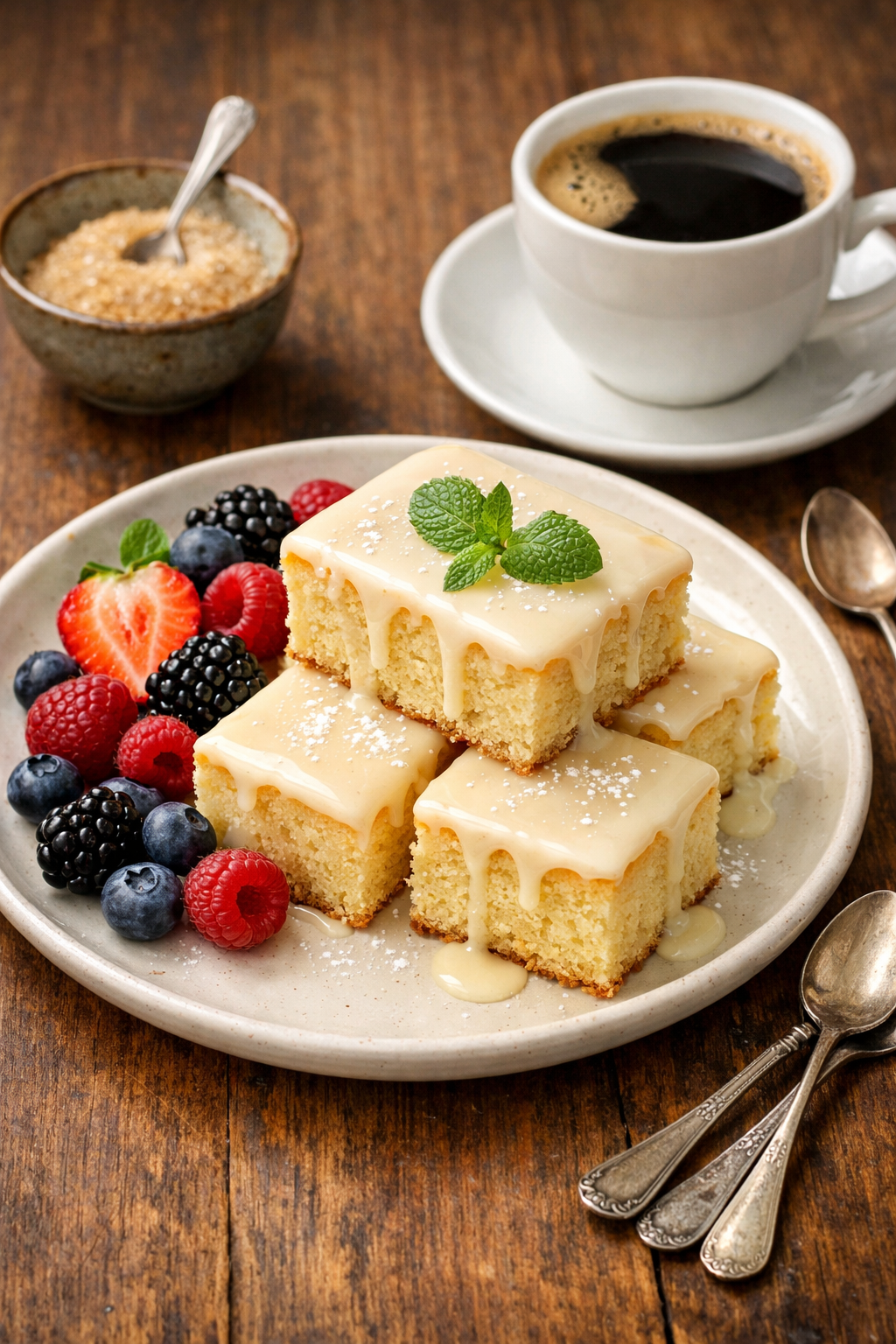
Welcome to My Kitchen: Let’s Bake Amazing Cakes Using Condensed Milk
I still remember the first time I opened my grandmother’s recipe box and found a stained, wrinkled card labeled “Magic Cake.” The secret ingredient? A simple can of sweetened condensed milk. That discovery changed everything I knew about baking.
There’s something special about cakes made with condensed milk. They’re incredibly moist, rich, and have this wonderful sweetness that regular sugar just can’t match. I’ve spent years experimenting with different recipes, and I can tell you this thick, creamy ingredient creates results that make people ask for seconds every single time.
Today, I’m excited to share what I’ve learned about cakes using condensed milk. Whether you’re a beginner baker or someone who loves trying new recipes, you’re going to love how easy and delicious these cakes turn out. The best part? You probably already have most of the ingredients in your pantry right now.
Condensed milk has been a pantry staple for over 150 years. It started as a way to preserve milk before refrigerators existed. Now, it’s become one of my favorite baking shortcuts. Just one can transforms ordinary cake batter into something extraordinary.
What Does Adding Condensed Milk to Cake Do?
Let me explain the magic that happens when you add condensed milk to your cake recipes. This isn’t just about making things sweeter. It’s about creating a completely different texture and flavor profile that you simply can’t achieve with regular milk and sugar.
Condensed milk is essentially milk with most of the water removed and sugar added. When you open a can, you get this thick, creamy liquid that’s about 60% sugar. This concentration is exactly what makes it so powerful in baking.
First, let’s talk about moisture. Regular cakes can sometimes turn out dry, especially if you overbake them by just a few minutes. Cakes made with condensed milk are much more forgiving. The thick consistency and sugar content help lock in moisture, keeping your cake soft and tender for days. I’ve had condensed milk cakes stay fresh on my counter for almost a week, still tasting just as good as day one.
The richness factor is another game changer. Condensed milk adds a creamy, almost caramel-like flavor to your cakes. This happens because the milk proteins and sugars interact during baking, creating those deep, complex flavors. Your cake won’t just taste sweet. It will have depth and character that makes people wonder what your secret is.
Here’s what condensed milk brings to your cake:
- Incredible moisture that lasts for days
- Rich, creamy texture that melts in your mouth
- Natural sweetness with caramel undertones
- Tender crumb that’s never dry or crumbly
- Golden color that looks professionally baked
I learned something interesting about the chemistry involved. The sugar in condensed milk doesn’t just sweeten your cake. It actually interferes with gluten formation in the flour. Less gluten means a more tender cake. That’s why condensed milk cakes have that signature soft, delicate crumb.
The Maillard reaction also plays a role here. This is the browning process that happens when proteins and sugars are heated together. Condensed milk is packed with both, so your cakes develop a beautiful golden color and those wonderful caramel notes I mentioned earlier.
Let me share a quick tip from my own baking experience. When I first started using condensed milk in cakes, I made the mistake of reducing other liquids in my recipes. Don’t do this. Condensed milk is so thick that it doesn’t replace regular milk one-to-one. You need to follow recipes specifically designed for condensed milk, or your ratios will be off.
Another thing I’ve discovered is that condensed milk works particularly well in poke cakes. You bake the cake, poke holes all over it while it’s still warm, and pour a mixture of condensed milk over the top. The milk soaks into every hole, creating pockets of creamy sweetness throughout the entire cake. My family requests this version for every birthday now.
Temperature matters too. I always bring my condensed milk to room temperature before adding it to my batter. Cold condensed milk can cause your butter to seize up or create lumps in your batter. Just set the can on your counter for 30 minutes before you start baking.
The sweetness level is something to consider. Condensed milk is very sweet, so you’ll usually need less additional sugar in your recipe. I’ve found that cutting the regular sugar by about one-third works well when you’re adapting traditional recipes to include condensed milk.
Here’s what surprised me most about baking with this ingredient. Condensed milk cakes actually freeze beautifully. The high sugar content prevents ice crystals from forming, so your cake thaws without becoming soggy or losing texture. I often make a double batch and freeze one for later. It’s like having a homemade cake ready whenever you need it.
The versatility is amazing too. You can use condensed milk in chocolate cakes, vanilla cakes, fruit cakes, and even coffee-flavored cakes. Each time, it adds that signature richness and moisture. I’ve never had a condensed milk cake fail on me, which is more than I can say for some traditional recipes.
One of my favorite things about these cakes is how they pair with different frostings. The rich, sweet cake base works perfectly with tangy cream cheese frosting, light whipped cream, or even simple fresh fruit. The condensed milk flavor is strong enough to be noticeable but not so overpowering that it limits your options.
If you’re wondering about the texture difference, think about the difference between regular ice cream and premium ice cream. That’s similar to what condensed milk does for your cakes. Everything becomes richer, smoother, and more luxurious. Your fork glides through each slice instead of crumbling it apart.
I also love that condensed milk is shelf-stable. You can keep several cans in your pantry without worrying about them going bad. When unexpected guests arrive or you need a last-minute dessert, you’re always prepared. It’s become my insurance policy for baking emergencies.

Getting Your Kitchen Ready: Essential Ingredients and Tools
Now that you understand what makes condensed milk so special in baking, let’s talk about what you actually need to have on hand before you start mixing.
I learned the hard way that successful baking starts with proper preparation. My first attempt at a condensed milk cake was a disaster because I kept running back and forth to the pantry, forgetting ingredients, and ending up with a lopspy mess. These days, I gather everything before I even turn on the oven.
The star of the show is obviously your sweetened condensed milk. Here’s something most people don’t realize: not all condensed milk is created equal. I’ve tried at least a dozen different brands, and there are real differences. The cheaper store brands sometimes have a slightly metallic aftertaste or don’t mix as smoothly. My go-to is usually Eagle Brand or Nestlé Carnation. They’re consistently creamy and blend perfectly into batters.
When you’re shopping, make sure you grab sweetened condensed milk, not evaporated milk. I can’t tell you how many times I’ve seen people confuse these two. Evaporated milk is just milk with water removed, no sugar added. Condensed milk has both concentration and sweetness. Grabbing the wrong can will completely ruin your cake. Trust me, I’ve gotten frantic calls from friends who made this exact mistake.
For a basic condensed milk cake, you’ll need all-purpose flour as your foundation. I always sift mine, even though some bakers skip this step. Those few extra seconds remove lumps and add air, making your cake lighter. Some recipes work beautifully with cake flour if you want an even more delicate crumb, but all-purpose works just fine for most applications.
Eggs are your binding and leavening agents. I use large eggs at room temperature. Cold eggs don’t incorporate as well into your batter and can cause curdling when they hit the condensed milk. Just set them on your counter about an hour before baking. If you forget like I sometimes do, place them in a bowl of warm water for ten minutes.
Butter versus oil is an ongoing debate in my house. My husband prefers the flavor of butter, but I’ve found that vegetable oil actually keeps condensed milk cakes moister for longer. Honestly, you can’t go wrong either way. Butter gives you that rich, classic cake flavor, while oil creates an incredibly tender texture that stays fresh for days.
Baking powder and baking soda work together to give your cake lift. Here’s a tip that changed my baking game: check the expiration dates on these. I once spent two hours trying to figure out why my cake wouldn’t rise, only to discover my baking powder was three years old. Fresh leavening agents make a massive difference.
Vanilla extract is non-negotiable in my kitchen. The artificial stuff just doesn’t compare. Real vanilla extract has complex flavor notes that complement the caramel undertones in condensed milk perfectly. I buy the big bottles from warehouse stores because I go through it so quickly.
As for tools, you don’t need anything fancy. A couple of mixing bowls, measuring cups and spoons, a whisk or electric mixer, and a rubber spatula will handle most jobs. I prefer glass or metal bowls over plastic because they don’t retain oils and are easier to clean thoroughly.
My electric hand mixer gets used more than any other appliance in my kitchen. You can definitely mix by hand, and I’ve done it plenty of times when the power went out or I was too lazy to drag out the mixer. But for consistent results and less arm fatigue, a mixer is worth every penny. You can find decent ones for under thirty dollars.
Cake pans matter more than people think. I have a collection of different sizes, but my 9×13 inch rectangular pan and my two 9-inch round pans handle about ninety percent of my baking. Dark pans absorb more heat and can cause over-browning, so I stick with light-colored aluminum or steel pans. They bake more evenly.
Parchment paper has saved countless cakes from sticking disasters. I line the bottom of my pans, then grease and flour the sides. Some people skip the parchment, but why risk a beautiful cake breaking when you try to remove it from the pan? It’s cheap insurance.
An oven thermometer changed everything for me. I discovered my oven runs twenty degrees hotter than the dial says. No wonder my cakes were always coming out darker than the recipes described! Five dollars for a thermometer solved years of inconsistent baking. Position it on the middle rack where you’ll actually bake your cakes.
The Easiest Recipe You’ll Ever Make: Lazy Cake with Condensed Milk
Let me introduce you to what I call my “emergency cake” recipe. This lazy cake with condensed milk has rescued me from forgotten birthdays, last-minute potlucks, and those moments when you just need chocolate in your life immediately.
Funny enough, I discovered this recipe during a snowstorm when I was craving dessert but didn’t want to deal with complicated steps. It turned out so good that it’s become my most-requested recipe. Friends who claim they “can’t bake” have successfully made this cake. That’s how foolproof it is.
You’ll need one 14-ounce can of sweetened condensed milk, one and a half cups of all-purpose flour, three eggs, one-third cup of cocoa powder, one tablespoon of baking powder, and one teaspoon of vanilla extract. That’s it. Six ingredients you probably have right now. The beauty of this recipe is its simplicity, though if you’re looking for something even more straightforward with a different flavor profile, you might enjoy checking out my oreo dump cake which requires basically zero mixing skills.
Start by preheating your oven to 350 degrees Fahrenheit. While it heats up, grease and flour your 9×13 inch pan, or line it with parchment paper like I suggested earlier. This is crucial because nobody wants to serve cake chunks instead of clean slices.
Here’s where the magic happens. Crack your three eggs into a large mixing bowl and beat them for about two minutes until they’re light and fluffy. I use my hand mixer on medium speed. You want to incorporate air here because we’re not using oil or butter in this particular recipe. The beaten eggs provide moisture and structure.
Pour in the entire can of condensed milk and add your vanilla extract. Mix these together until they’re completely combined. The mixture will look thin and you might worry it won’t work. Don’t panic. I had the same concern the first time, and the cake turned out perfect.
In a separate bowl, whisk together your flour, cocoa powder, and baking powder. This distributes the leavening agent evenly so you don’t end up with random pockets of baking powder in your finished cake. I learned this lesson when I got a mouthful of bitter baking powder once. Not pleasant.
Gradually add your dry ingredients to the wet mixture. I do this in three additions, mixing gently after each one. You don’t want to overmix here. Stir just until you don’t see any more dry flour. Some small lumps are fine. Overmixing develops gluten, which makes your cake tough instead of tender.
Pour the batter into your prepared pan and spread it evenly with your spatula. The batter will be thicker than regular cake batter but thinner than brownie batter. It should pour slowly but smoothly. If it seems too thick, you might have packed your flour when measuring. Next time, spoon it into the measuring cup and level it off.
Slide the pan into your preheated oven and set your timer for 25 minutes. Don’t open the oven door before then, no matter how tempting it is. Every time you open the door, the temperature drops and affects how your cake bakes.
At the 25-minute mark, insert a toothpick into the center. It should come out with just a few moist crumbs, not wet batter. If it’s still too wet, give it another five minutes. My oven usually needs exactly 28 minutes, but every oven is different. This is where that oven thermometer I mentioned really helps.
By the way, your kitchen will smell absolutely incredible while this bakes. That combination of chocolate and caramelizing condensed milk is intoxicating. My kids come running from wherever they are in the house when this cake is in the oven.
Once it’s done, remove the pan from the oven and let it cool in the pan on a wire rack. This cake is delicious warm, at room temperature, or even cold from the refrigerator. I’ve eaten it all three ways, usually multiple slices in one sitting if I’m being honest.
The texture is somewhere between a traditional cake and a brownie. It’s fudgy and dense but still light enough to not feel heavy. The condensed milk creates this incredible moisture that lasts for days. I’ve kept this cake covered on my counter for almost a week, and it never dried out. If you’re someone who watches their dessert intake carefully, you might want to know about portion sizes like I discuss in my angel food cake calories breakdown, though fair warning, this lazy cake is definitely more indulgent.
You can dress this cake up or keep it simple. Sometimes I dust it with powdered sugar. Other times I make a quick chocolate ganache by heating cream and pouring it over chocolate chips. My favorite variation involves spreading sweetened whipped cream on top, similar to how I approach my no-bake orange creamsicle cheesecake, and adding fresh berries.
What I love most about this recipe is how adaptable it is. Want a coffee-flavored cake? Add a tablespoon of instant espresso powder to your dry ingredients. Prefer vanilla? Skip the cocoa and add an extra half cup of flour. I’ve even made a version with peppermint extract around the holidays, which reminds me of my chocolate peppermint cake roll but with about a tenth of the effort.
This lazy cake proves you don’t need complicated techniques or expensive ingredients to create something delicious. Sometimes the simplest recipes are the best ones.
Creative Ways to Use Sweetened Condensed Milk in Baking
Once you’ve mastered the basics, the real fun begins. I’ve spent countless weekends experimenting with different ways to incorporate sweetened condensed milk into all kinds of cakes, and I’m constantly amazed by how versatile this ingredient really is.
Let’s start with chocolate cakes, since they’re probably the most popular. Beyond the lazy cake I shared earlier, I’ve discovered that adding condensed milk to traditional chocolate cake recipes creates this incredible fudgy quality. My favorite trick is making a chocolate tres leches cake. You bake a simple chocolate sponge, poke holes everywhere, then soak it with a mixture of condensed milk, evaporated milk, and heavy cream. The result tastes like a chocolate cloud.
For vanilla cakes, condensed milk works wonders too. I make this vanilla poke cake where I mix condensed milk with a bit of vanilla pudding mix and pour it over the warm cake. The pudding thickens the condensed milk just enough that it creates these amazing creamy pockets throughout the cake. Top it with whipped cream and you’ve got something that disappears at every gathering.
Here’s the thing about fruit-based cakes and condensed milk – they’re a match made in heaven. The richness of the condensed milk balances the tartness of fruits beautifully. I’ve made lemon condensed milk cake that tastes like the best lemon bar you’ve ever had, but in cake form. You just add lemon zest and juice to your batter along with the condensed milk. The acidity from the lemon cuts through the sweetness perfectly.
Strawberry lovers need to try a strawberry condensed milk cake. I fold fresh diced strawberries into the batter, and the moisture from the condensed milk keeps them from sinking to the bottom. Sometimes I’ll also make a strawberry glaze using condensed milk, pureed strawberries, and a touch of cornstarch. It’s like eating summer.
Coconut and condensed milk are best friends. I created this tropical cake by adding shredded coconut and a can of crushed pineapple to a condensed milk batter. The pineapple juice adds extra moisture on top of what the condensed milk already provides. Fair warning though – this cake is so moist it’s almost pudding-like in the center. Some people love it, others prefer a firmer texture.
Coffee cakes benefit enormously from condensed milk. I’m not talking about breakfast coffee cake, but actual coffee-flavored cakes. Dissolve instant espresso powder in the condensed milk before adding it to your batter. The result is this intensely coffee-flavored cake with a creamy texture that pairs perfectly with vanilla buttercream or even just a dusting of cocoa powder.
By the way, spice cakes are criminally underrated when it comes to condensed milk applications. My grandmother’s carrot cake recipe uses condensed milk instead of oil, and it stays moist for over a week. The condensed milk somehow amplifies all those warm spices – cinnamon, nutmeg, ginger. Plus, it’s worth noting that carrots themselves provide vitamins and minerals that make this indulgent cake slightly more nutritious.
Let me share some creative flavor combinations I’ve tested. Salted caramel condensed milk cake is probably my biggest hit. You make a regular condensed milk cake, then while it’s still warm, you poke holes and pour a mixture of condensed milk, butter, and sea salt over it. The salt intensifies the caramel notes that naturally develop in condensed milk during baking.
Peanut butter and condensed milk create magic together. I mix peanut butter directly into the batter along with condensed milk for this incredibly rich, dense cake. It’s almost like a peanut butter fudge in cake form. Top it with chocolate frosting and you’ve basically recreated a Reese’s cup as a cake.
Matcha green tea powder works surprisingly well with condensed milk. The bitterness of the matcha balances the sweetness, and you get this beautiful pale green cake that tastes sophisticated but still comforting. I served this at a baby shower once and people kept asking for the recipe.
For something different, try adding condensed milk to cheesecake-inspired cakes. I make a marbled cake where half the batter is chocolate with condensed milk, and the other half is cream cheese-based with condensed milk. You swirl them together before baking. It tastes like chocolate marble cheesecake but with a lighter, cakier texture.
Orange and condensed milk might sound weird, but trust me on this. Add orange zest and a bit of orange juice concentrate to your condensed milk batter. The citrus brightens everything up. I sometimes make this as a bundt cake and glaze it with an orange condensed milk glaze. It’s refreshing but still indulgent.
Banana cakes absolutely love condensed milk. Instead of using sour cream or buttermilk in banana bread recipes, swap in condensed milk. Your banana cake will be incredibly tender and stay fresh much longer than traditional versions. I add chocolate chips to mine because banana and chocolate are meant to be together.
Red velvet cake made with condensed milk is something special. The condensed milk makes it extra velvety – pun intended. The texture becomes almost silky. I reduce the sugar in traditional red velvet recipes by half when I add condensed milk, otherwise it’s too sweet even for me.
Funfetti cakes get a serious upgrade with condensed milk. The dense, moist crumb holds sprinkles better than regular cake batter, so you get color in every bite. Plus, kids go absolutely crazy for this version. I made it for my daughter’s birthday and the parents were sneaking slices when they thought nobody was looking.
Here are some experimental combinations I encourage you to try:
- Chai spice condensed milk cake – add cardamom, cinnamon, ginger, and black pepper
- Lavender honey cake – fold in dried lavender and replace some sugar with honey
- Cookies and cream – crush Oreos into condensed milk batter
- Dulce de leche swirl – marble caramelized condensed milk through vanilla batter
- Almond joy inspired – combine coconut, chocolate, and almond extract
- Maple pecan – add maple extract and toasted pecans to the batter
One technique I’ve had success with is making condensed milk into a filling. Boil an unopened can of condensed milk for three hours and it transforms into dulce de leche. You can spread this between cake layers for an incredible caramel filling. Just make sure the can stays completely submerged in water the entire time, or you’ll have a dangerous situation on your hands.
Condensed milk works beautifully in layer cakes too. I’ve found it creates sturdy layers that don’t crumble when you’re stacking them. The density helps everything hold together, which is especially helpful if you’re new to making multi-layer cakes.
Don’t be afraid to experiment with mix-ins either. Crushed candy bars, dried fruit, nuts, chocolate chips, butterscotch chips – they all work wonderfully in condensed milk batters. The thick batter suspends these additions evenly throughout the cake.
Funny enough, I’ve even used condensed milk in upside-down cakes. Pour some in the bottom of your pan with the fruit, and it caramelizes during baking, creating this incredible sticky topping. Pineapple upside-down cake made this way is dangerous. I can eat half a pan by myself.
The beauty of working with condensed milk is that it’s nearly impossible to mess up. The high sugar content is forgiving, the moisture level is consistent, and the flavor is always good. Even my baking failures with condensed milk have been edible, which is more than I can say for some of my regular cake disasters.
I really encourage you to take these ideas and run with them. Some of my best recipes came from random experiments when I had extra condensed milk and some unusual ingredients I wanted to use up. That’s actually how I discovered that condensed milk, pumpkin puree, and warm spices create the best fall cake imaginable.
Keep notes on what works and what doesn’t. I have a beat-up notebook full of scribbled recipes and adjustments. Half of them are failures, but the other half are treasures I return to again and again. When you discover something amazing, share it with others. If you’re looking for more inspiration and different techniques, you might want to explore other cakes and cupcakes recipes that complement these condensed milk creations.
The world of condensed milk baking is vast and delicious. Every can holds potential for something wonderful. Whether you stick to classic combinations or venture into experimental territory, you’re going to end up with cakes that people remember and request repeatedly. That’s the real magic of baking with condensed milk – it turns simple ingredients into extraordinary experiences.
Frequently Asked Questions About Baking with Condensed Milk
What can I do with a can of sweetened condensed milk?
Beyond the cakes we’ve discussed, sweetened condensed milk is incredibly versatile. You can make fudge by mixing it with chocolate chips and melting them together. It works wonderfully in homemade ice cream, providing both sweetness and a creamy texture without needing an ice cream maker. I’ve also used it in cookies, pie fillings, and even as a base for homemade caramel sauce. My favorite quick dessert is mixing it with cocoa powder and spreading it on graham crackers. Honestly, once you start keeping condensed milk in your pantry, you’ll find endless uses for it.
What happens if I whip sweetened condensed milk?
Whipping condensed milk alone won’t give you the results you might expect because it’s too thick and dense to incorporate air effectively. However, if you mix it with cold heavy whipping cream and then whip it together, you’ll create this amazing stabilized whipped cream that holds its shape for days. I use this technique all the time for cake toppings and fillings. The condensed milk adds sweetness and stability, so your whipped cream doesn’t deflate or weep. Some people also whip chilled condensed milk that’s been mixed with lemon juice to create a mousse-like dessert. The acidity helps it thicken and fluff up slightly, though it won’t be as airy as traditional whipped cream.
How to make lazy cake with condensed milk?
I covered this in detail earlier, but here’s the quick version: mix three beaten eggs with one can of condensed milk and vanilla extract. In a separate bowl, combine flour, cocoa powder, and baking powder, then fold the dry ingredients into the wet mixture. Pour into a greased 9×13 pan and bake at 350°F for about 25-28 minutes. The beauty of this recipe is its simplicity – no oil, no butter, no complicated steps. It’s perfect for beginners or anyone who wants a delicious chocolate cake without spending hours in the kitchen. The result is a fudgy, moist cake that stays fresh for days.
Can I substitute condensed milk for regular milk in cake recipes?
Not directly, unfortunately. Condensed milk is much thicker and sweeter than regular milk, so swapping them one-to-one will throw off your recipe completely. If you want to use condensed milk in a recipe that calls for regular milk, you’ll need to dilute the condensed milk with water and reduce the sugar significantly. A better approach is to find recipes specifically designed for condensed milk, like the ones I’ve shared. These recipes are formulated with the right balance of ingredients to work with condensed milk’s unique properties. I learned this the hard way when I tried to “improve” my mom’s pound cake recipe and ended up with a dense, overly sweet brick.
How long do cakes made with condensed milk stay fresh?
This is one of the best things about condensed milk cakes – they stay moist and delicious much longer than regular cakes. I’ve kept them covered at room temperature for up to five days without any dryness or staleness. The high sugar content acts as a preservative and helps retain moisture. If you refrigerate them, they can last even longer, up to a week or sometimes more. Condensed milk cakes also freeze beautifully for up to three months. Just wrap them well in plastic wrap and aluminum foil. When you’re ready to eat, thaw them at room temperature and they taste almost as good as fresh. This makes them perfect for preparing ahead for parties or special occasions.
Does condensed milk make cakes sweeter than using regular sugar?
Yes, condensed milk definitely adds more sweetness than equivalent amounts of regular milk and sugar combined. It’s about 60% sugar by weight, which is quite concentrated. However, the sweetness is different from granulated sugar – it has those caramel undertones and a creamy quality that doesn’t feel as sharp or one-dimensional. If you’re worried about cakes being too sweet, you can balance it by using tangy frostings like cream cheese or pairing the cake with fresh fruit. I’ve also reduced the additional sugar in some recipes by half when using condensed milk. You can adjust to your taste preferences, but most people find the sweetness level just right, especially in chocolate cakes where the cocoa balances it out.
Can I make condensed milk cakes without eggs?
Absolutely, though you’ll need to make some adjustments. I’ve successfully made eggless condensed milk cakes by using yogurt or applesauce as a binder. For each egg, substitute a quarter cup of yogurt or applesauce. The condensed milk actually helps hold everything together, so eggless versions work better with condensed milk than with regular cake recipes. You might also need to add a bit more baking powder to help with leavening since eggs provide lift. The texture will be slightly different – a bit denser but still moist and delicious. I made an eggless version for a friend with egg allergies, and nobody at the party could tell the difference. It’s definitely doable and still turns out great.
What’s the difference between using sweetened and unsweetened condensed milk in baking?
Actually, unsweetened condensed milk is called evaporated milk, and they’re completely different products. Evaporated milk is just milk with about 60% of the water removed, but no sugar added. Sweetened condensed milk has both water removed and a ton of sugar added. For the cake recipes I’ve shared, you absolutely need sweetened condensed milk. Using evaporated milk would result in a cake that’s not sweet enough and has the wrong texture entirely. I’ve never seen a cake recipe that specifically calls for unsweetened condensed milk, though evaporated milk works well in some custards and puddings. Always check the label carefully when shopping because the cans look similar and it’s easy to grab the wrong one.
Can I make my own condensed milk at home?
Yes, and it’s surprisingly easy! I’ve done this when I ran out of canned condensed milk and didn’t want to run to the store. Combine one and a half cups of whole milk with two-thirds cup of sugar in a saucepan. Simmer over low heat, stirring frequently, until it reduces by about half and thickens considerably. This takes about 30-40 minutes. It won’t be quite as thick as canned condensed milk, but it works well in most recipes. You can also make it in the microwave by heating the mixture in intervals and stirring between each. Homemade condensed milk doesn’t last as long as the canned version – use it within a week if you refrigerate it. The flavor is slightly different too, a bit fresher and less caramelized than canned, but still delicious.
Why did my condensed milk cake turn out dense and heavy?
There are a few common reasons this happens. Overmixing is the most frequent culprit – when you mix the batter too much after adding flour, you develop gluten which makes the cake tough and dense. Mix just until the ingredients are combined. Another issue could be too much flour, which happens if you scoop directly from the bag instead of spooning it into your measuring cup. Old or expired baking powder won’t provide enough lift either. Finally, make sure your oven temperature is accurate – if it’s too low, the cake won’t rise properly before the structure sets. I’ve experienced all of these problems at various points, and once I fixed these issues, my cakes came out perfectly light and tender every time.
Now you’re armed with everything you need to create amazing cakes using condensed milk. Don’t be afraid to experiment, make mistakes, and discover your own favorite combinations – that’s where the real magic happens in baking, and I promise you’ll create something wonderful.
Equipment
- Mixing bowls
- Measuring cups and spoons
- Whisk or electric mixer
- Rubber spatula
- 9x13 inch baking pan
Ingredients
- 1 14-ounce can sweetened condensed milk
- 1.5 cups all-purpose flour
- 3 large eggs
- 1/3 cup cocoa powder
- 1 tablespoon baking powder
- 1 teaspoon vanilla extract
Instructions
- Preheat your oven to 350°F (175°C).
- Grease and flour a 9x13 inch baking pan or line it with parchment paper.
- In a large mixing bowl, beat 3 eggs until light and fluffy, about 2 minutes.
- Add the entire can of sweetened condensed milk and vanilla extract to the eggs and mix until fully combined.
- In a separate bowl, whisk together the all-purpose flour, cocoa powder, and baking powder.
- Gradually add the dry ingredients to the wet mixture in three additions, mixing gently after each addition until just combined.
- Pour the batter into the prepared pan and spread it evenly.
- Bake for 25-28 minutes, until a toothpick inserted in the center comes out with a few moist crumbs.
- Allow the cake to cool in the pan on a wire rack before serving.
Notes
Nutrition

Hello! I’m Sarah Mitchell, and I’m passionate about bringing creativity and innovation to baking. My love for baking started in high school when I first tried my hand at decorating cupcakes for a class project. What began as a fun hobby quickly became a full-time passion. I’ve spent the past decade working in bakeries and dessert shops, honing my skills in everything from simple cookies to intricate wedding cakes.
After working in some of the top bakeries across the country, I realized that baking was about more than just following recipes — it was about infusing your personality into each creation. At BakingSecret.com, I love creating recipes that push boundaries while staying true to the heart of classic baking. I specialize in creating delicious and visually stunning pastries that will wow your guests.
When I’m not baking, I enjoy teaching baking classes, trying out new cake decoration techniques, and traveling to find inspiration in global dessert traditions. I’m so excited to share my tips and tricks with you to help elevate your baking game!