
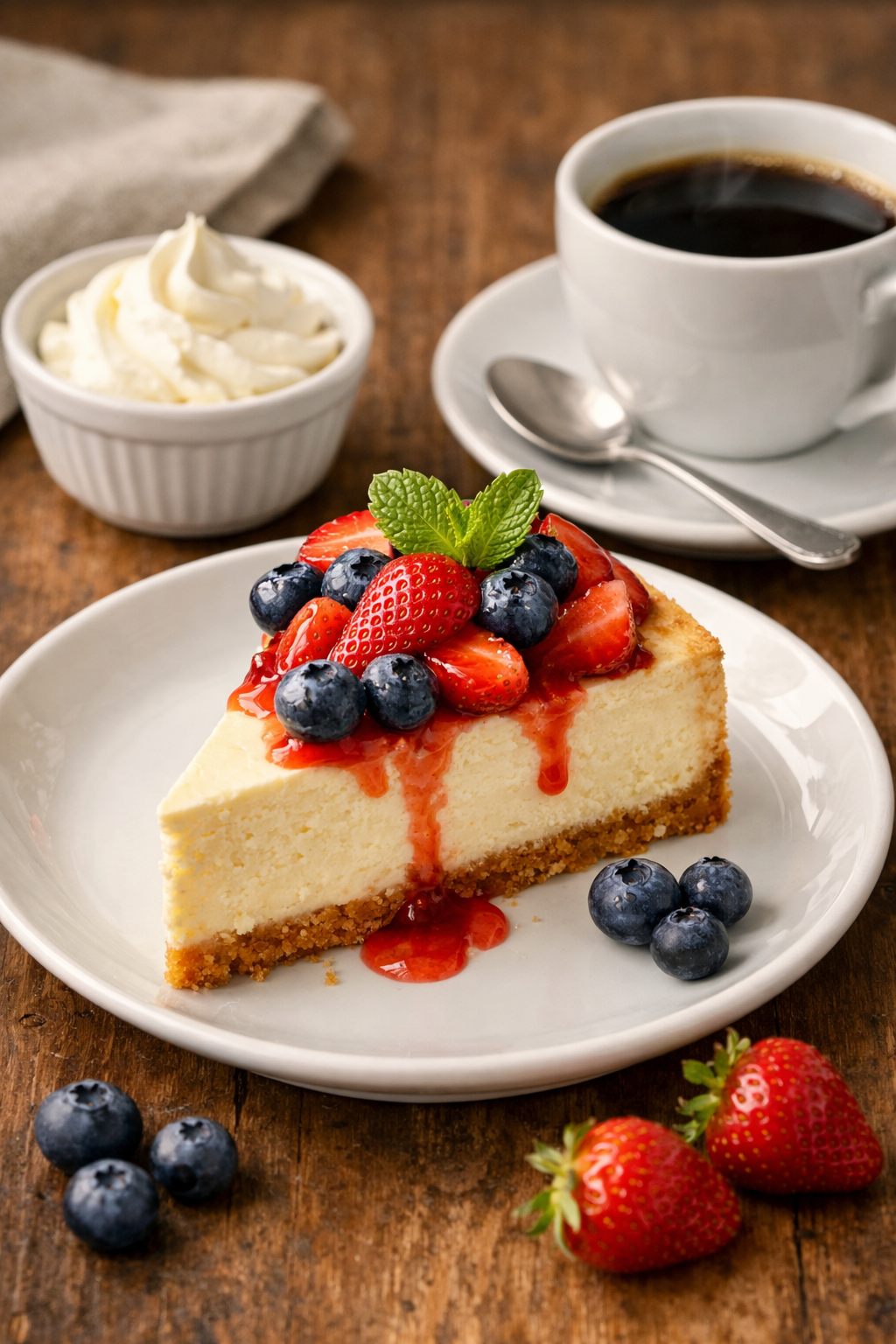
I still remember the first time I made a cheesecake from scratch. It looked perfect coming out of the oven, but something felt missing. That’s when I realized a plain cheesecake is like a blank canvas waiting for the right finishing touch. The magic happens when you add that final layer of flavor on top.
Cheesecake toppings can completely change your dessert experience. You can turn a simple New York-style cheesecake into a decadent chocolate dream or a fruity summer treat. The options seem endless once you start exploring different flavors and textures.
My goal today is to help you discover the best cheesecake toppings for your next creation. Whether you’re planning a special celebration or just treating yourself on a random Tuesday, the right topping makes all the difference. Let’s explore what works, what tastes amazing, and how to make your cheesecake unforgettable.
The Basics of Cheesecake Toppings
Cheesecake toppings are the finishing layers you add to your dessert after baking or chilling. They serve several purposes beyond just looking pretty on your plate. A good topping adds flavor contrast, brings in new textures, and can even balance the richness of the cream cheese base.
The right topping choice can make or break your dessert. I learned this the hard way when I once paired a super-rich chocolate ganache with an already dense cheesecake. Everyone felt too full after just a few bites. The lesson? Match your topping to your cheesecake’s flavor profile and texture.
Cheesecakes are incredibly versatile when it comes to toppings. You can keep things classic with a simple sour cream layer, or you can get creative with seasonal fruits and homemade sauces. The same basic cheesecake recipe becomes a completely different dessert depending on what you put on top. That’s the beauty of working with this dessert.
Consider your cheesecake’s texture before choosing a topping. A dense baked cheesecake pairs well with lighter toppings like fresh berries or a thin fruit coulis. No-bake cheesecakes can handle heavier toppings since they’re usually lighter and fluffier. Temperature matters too. Cold toppings work great on chilled cheesecakes, while warm sauces create a nice contrast.
Think about color and visual appeal as well. A pale vanilla cheesecake looks stunning with bright red cherries or deep blue blueberries on top. The presentation counts when you’re serving guests or posting photos of your creation. Your eyes eat first, as they say.
What Makes Great Cheesecake Toppings
The best toppings share a few common qualities. They complement rather than overpower the cheesecake’s creamy taste. They add something new to each bite, whether that’s a crunchy texture, a burst of tartness, or a smooth richness.
Texture contrast is key. The smooth, creamy cheesecake base loves something different on top. This could be crunchy cookie crumbles, silky caramel sauce, or juicy fresh fruit. Each bite should feel interesting in your mouth.
Flavor balance matters just as much. Sweet cheesecakes benefit from tart toppings like lemon curd or raspberry sauce. The acidity cuts through the richness and keeps you coming back for more. On the other hand, less-sweet cheesecakes can handle sweeter toppings like caramel or chocolate.
Chocolate Cheesecake Toppings
Chocolate and cheesecake create one of the best dessert combinations you’ll ever taste. The rich, slightly bitter notes of chocolate play perfectly against the tangy cream cheese flavor. If you love chocolate, these toppings will become your go-to options.
Chocolate ganache tops my list of favorite chocolate toppings. It’s smooth, glossy, and incredibly luxurious. The ganache sets into a firm but silky layer that slices beautifully. You can make it as thick or thin as you want by adjusting the ratio of chocolate to cream.
Chocolate shavings offer a different approach. They add visual drama and a delicate chocolate flavor without weighing down the cheesecake. I like to use a vegetable peeler on a room-temperature chocolate bar to create perfect curls. They look professional and take almost no effort.
Chocolate sauce gives you the most versatility. You can drizzle it artistically over each slice or pour it generously over the whole cheesecake. It stays soft and flows nicely when you cut into the dessert. Store-bought works fine, but homemade tastes so much better.
Here’s my simple chocolate ganache recipe that never fails:
Easy Chocolate Ganache for Cheesecake
- 8 ounces of good quality chocolate (chopped into small pieces)
- 1 cup of heavy cream
- 1 tablespoon of butter (optional, for extra shine)
Heat the cream in a small saucepan until it just starts to simmer. Don’t let it boil. Pour the hot cream over the chopped chocolate in a bowl. Let it sit for two minutes without touching it. This allows the chocolate to melt evenly.
Stir gently from the center outward until the mixture becomes smooth and glossy. Add the butter if you’re using it and stir until melted. Let the ganache cool for about 15 minutes before pouring it over your cheesecake. It should be warm but not hot.
The ganache will firm up as it cools on the cheesecake. For a thicker layer, let it cool longer before pouring. For a thinner glaze, use it while it’s still quite warm. I usually aim for somewhere in the middle.
Dark chocolate creates a more sophisticated flavor, while milk chocolate tastes sweeter and more accessible. White chocolate ganache looks stunning and tastes milder. You can even mix different chocolates to create your own signature flavor.
Add a pinch of sea salt to your ganache for a salted chocolate topping. The salt enhances the chocolate flavor and adds complexity. Just a tiny amount makes a huge difference. This has become my favorite variation for fall cheesecake toppings.

Caramel and Lemon Cheesecake Toppings
Beyond chocolate, there’s a whole world of flavor waiting for your cheesecake. Two of my absolute favorites sit on opposite ends of the taste spectrum, yet both work beautifully in their own ways.
Caramel cheesecake toppings bring pure indulgence to the table. That sticky, buttery sweetness creates a gooey layer that drips down the sides in the most appetizing way. I remember making a caramel-topped cheesecake for my sister’s birthday last year, and the golden sauce caught the candlelight so beautifully that everyone took photos before we even cut into it. The flavor is deep and complex, with hints of vanilla and brown sugar that complement the tangy cream cheese perfectly.
Lemon cheesecake toppings work from the opposite direction. They brighten everything up with their zingy, refreshing acidity. A layer of lemon curd on top of rich cheesecake is like sunshine after rain. The tartness wakes up your taste buds and makes even the densest cheesecake feel light and elegant.
Here’s the thing about caramel sauce: homemade versions taste miles better than anything from a jar. The recipe is simpler than you’d think, though it does require your full attention for about ten minutes. For a basic caramel that works wonderfully on any baked cheesecake toppings, you’ll need one cup of granulated sugar, six tablespoons of butter cut into chunks, and half a cup of heavy cream.
Start by heating the sugar in a heavy-bottomed saucepan over medium heat. Don’t stir it at first, just let it melt. Once it starts liquefying, you can gently swirl the pan to help it melt evenly. The sugar will clump up before it smooths out, which always makes me nervous, but trust the process. Keep cooking until it turns a deep amber color, like an old penny.
Remove the pan from heat and immediately add the butter. Be careful because it will bubble up aggressively. Stir until the butter melts completely, then slowly pour in the cream while stirring. The mixture will bubble again. Once it calms down, you’ll have a silky caramel sauce that’s absolutely perfect for drizzling. Let it cool before pouring it over your cheesecake, otherwise it might melt the surface.
Lemon curd offers a completely different experience. It’s creamy like the cheesecake itself, but with that bright citrus punch. My quick version uses four egg yolks, half a cup of fresh lemon juice, two thirds cup of sugar, and four tablespoons of butter. Whisk the yolks, juice, and sugar together in a medium saucepan. Cook over medium-low heat, stirring constantly, until the mixture thickens enough to coat the back of a spoon. This usually takes about eight to ten minutes.
Remove from heat and stir in the butter until it melts. The curd will thicken more as it cools. I always strain mine through a fine mesh sieve to catch any bits of cooked egg, which gives you that perfectly smooth texture. Spread it over your cheesecake while it’s still slightly warm, or chill it first for a firmer layer. Either way works great.
Balancing sweetness and tartness is where you get to show your personal style. If you’re making a strawberry crunch cheesecake, the lemon curd might be too much citrus competing with the fruit. But on a plain vanilla base? Perfection. Caramel works almost universally, though I’d go easy on it if your cheesecake already has sweet mix-ins.
By the way, you can combine these two flavors in creative ways. A salted caramel with a hint of lemon zest creates this amazing sweet-salty-tangy situation that’s genuinely addictive. I stumbled onto this combination by accident when I had leftover lemon zest and just tossed it into my caramel. Now I do it on purpose all the time.
Fruit-Based Cheesecake Toppings
Fresh fruit toppings bring something special that cooked sauces just can’t match. There’s a vibrancy and natural sweetness that makes your dessert feel less guilty, even though we all know cheesecake is cheesecake regardless of what’s on top.
Cherry cheesecake toppings remain the classic choice for good reason. Those glossy red cherries look stunning against white cheesecake. The traditional cherry pie filling works fine, but I’ve started making my own cherry topping because it tastes so much brighter. Fresh or frozen pitted cherries simmered with a bit of sugar and cornstarch create a sauce that’s fruity without being overly sweet or artificial tasting.
Raspberry cheesecake toppings offer incredible color and a sophisticated tartness. Raspberries have these tiny seeds that add subtle texture, and their flavor is intense enough to stand up to rich cream cheese. I love using them fresh during summer, just scattered across the top with maybe a light dusting of powdered sugar. For winter months, a raspberry sauce works beautifully and adds that gorgeous pink-red hue.
Blueberry cheesecake toppings bring their own charm. Blueberries are less tart than raspberries but still provide good balance. They also hold their shape well when cooked, so you can make a thick compote that sits nicely on each slice. The deep purple color looks particularly elegant on dessert plates.
Funny enough, mixed berries often work better than single varieties. You get complexity from different flavors and sizes, plus the color variation looks incredible. My go-to berry compote uses whatever’s in season or on sale, which means it’s different every time I make it.
For a simple mixed berry compote that works on everything from traditional cheesecakes to a fun cheesecake ball recipe, combine two cups of mixed berries (I use strawberries, blueberries, raspberries, and blackberries), a quarter cup of sugar, and a tablespoon of lemon juice in a medium saucepan. If you’re using strawberries, chop them into smaller pieces so everything cooks evenly.
Heat everything over medium heat until the berries start breaking down and releasing their juice. This takes about five minutes. If you want a thicker compote, mix one tablespoon of cornstarch with two tablespoons of cold water and stir it into the bubbling berries. Cook for another two minutes until it thickens up nicely. Remove from heat and let it cool completely before using.
The beautiful thing about fruit toppings is their versatility. They work on dense baked cheesecakes, light no-bake versions, and even creative presentations like cheesecake fondue where the fruit becomes a dipper. You can adjust the sweetness based on your berries’ natural tartness and your personal preference.
Storage matters with fruit toppings more than other options. Fresh berry toppings should go on your cheesecake shortly before serving, otherwise they’ll release too much juice and make things soggy. Cooked compotes store well in the refrigerator for up to a week in an airtight container. Actually, they often taste better the next day after the flavors have had time to blend together.
I always make extra compote because it’s amazing on morning yogurt, pancakes, or even just spooned over vanilla ice cream. It’s one of those multipurpose recipes that earns its keep in your refrigerator.
For special occasions, consider using a combination approach. A layer of sour cream cheesecake toppings (which I’ll get to later) with fresh berries arranged on top creates this beautiful two-tone effect. Or try caramel drizzle with sliced strawberries for a fancy cookies and cream cheesecake variation. The possibilities really are endless once you start mixing and matching.
Baked Cheesecake Toppings and Fall-Inspired Flavors
Baked cheesecakes have this wonderful dense texture that’s completely different from their no-bake cousins. They can develop those characteristic cracks on top, which some people try to avoid but I’ve learned to embrace. The firmer structure of baked cheesecake toppings means they can support heavier, more substantial toppings without getting mushy or collapsing.
The beauty of a properly baked cheesecake is how it holds up to warm toppings. Unlike delicate no-bake versions that might melt under heat, a chilled baked cheesecake welcomes a warm caramel drizzle or freshly made fruit sauce. That temperature contrast creates such an enjoyable eating experience.
Fall cheesecake toppings deserve their own special mention because they bring such cozy, comforting flavors to the table. When September rolls around and the air gets crisp, I start thinking about apples, pecans, and warm spices. These autumn flavors pair incredibly well with the rich, tangy nature of cheesecake.
Apple toppings transform your cheesecake into something that feels like the best parts of apple pie and cheesecake had a baby. I’m talking about tender cinnamon-spiced apples that smell like fall in your kitchen. The slight tartness of good baking apples cuts through the cream cheese richness in the most satisfying way.
Pumpkin puree mixed with brown sugar and pie spices creates another fantastic fall option. You don’t need much, just a thin layer swirled on top with some whipped cream. It’s like pumpkin pie without the hassle of making crust, and honestly, it’s become my sneaky way to serve two desserts in one at Thanksgiving.
Here’s my favorite spiced apple topping that works beautifully on any baked cheesecake. I developed this recipe after several failed attempts at getting the apples to the right texture. Too mushy and they look like baby food. Too firm and they don’t blend with the cheesecake. This version hits the sweet spot.
Spiced Apple Topping for Baked Cheesecake
- 3 medium apples (Granny Smith or Honeycrisp work great)
- 3 tablespoons of unsalted butter
- 1/3 cup of brown sugar, packed
- 1 teaspoon of ground cinnamon
- 1/4 teaspoon of ground nutmeg
- Pinch of ground cloves
- 2 tablespoons of apple cider or water
- 1 tablespoon of cornstarch mixed with 2 tablespoons of cold water
Peel and core your apples, then cut them into thin slices about a quarter inch thick. Try to keep them uniform so they cook evenly. Melt the butter in a large skillet over medium heat. Once it’s foaming, add the apple slices and let them cook for about three minutes without stirring too much. You want them to start getting a bit of color.
Sprinkle the brown sugar and spices over the apples. Stir gently to coat everything. The sugar will melt and start creating this incredible caramel-like sauce. Add your apple cider or water and let everything simmer for about five minutes. The apples should be tender but still holding their shape.
Stir in the cornstarch mixture and cook for another minute or two until the sauce thickens nicely. It should coat the apples in a glossy glaze. Remove from heat and let it cool to room temperature before spooning it over your cheesecake. The topping will firm up a bit more as it cools, which is exactly what you want.
This apple topping also works cold, by the way. I’ve made it a day ahead and kept it in the refrigerator, then warmed it slightly before serving. The flavors actually deepen overnight, making it taste even better the second day.
Now let’s talk about something that might seem boring but is actually brilliant in its simplicity. Sour cream cheesecake toppings are classic for very good reasons. They’re subtle, they complement rather than compete, and they add just enough tanginess to balance sweet cheesecakes.
The sour cream layer serves a practical purpose too. It hides those surface cracks that sometimes appear on baked cheesecakes. I used to stress about cracks until I discovered that a thin sour cream topping makes them completely invisible. Problem solved.
Making a sour cream topping is embarrassingly easy. Mix two cups of sour cream with a quarter cup of sugar and a teaspoon of vanilla extract. That’s it. You spread this over your hot cheesecake right when it comes out of the oven, then bake it for another five minutes at 350 degrees. The topping sets into this beautiful smooth layer that looks professionally done.
The flavor is mild enough that you can add other toppings on top of the sour cream layer. I’ve done sour cream with fresh berries scattered on top, or sour cream as a base layer with chocolate drizzle. It’s like a blank canvas that makes everything else look and taste better.
Here’s something I learned from my grandmother: adding a tiny bit of lemon zest to your sour cream topping brightens the whole dessert. Just half a teaspoon of finely grated zest makes the topping taste fresher and more complex. She always said the best cheesecake toppings recipe included “a little something unexpected,” and she was absolutely right.
Fall flavors extend beyond apples and pumpkin too. Toasted pecans with maple syrup create this wonderful nutty-sweet combination. The crunch from the pecans plays perfectly against smooth cheesecake. I usually toast the pecans in a dry skillet until they smell amazing, then toss them with real maple syrup and a pinch of salt.
Caramel takes on new life in autumn when you add a tablespoon of bourbon or rum to it. The alcohol mostly cooks off, leaving behind these deep, complex flavors that taste incredibly sophisticated. Not appropriate for kids, obviously, but for adult gatherings, it’s a real showstopper.
By the way, thinking about macronutrient balance isn’t something that usually comes up with dessert, but it’s worth mentioning that nut-based toppings add healthy fats and protein to your cheesecake. I’m not saying cheesecake becomes health food with some pecans on top, but it’s slightly better than pure sugar toppings.
The seasonal approach to toppings keeps things interesting year-round. Spring brings fresh strawberries and rhubarb. Summer means peak berry season. Fall delivers apples and spices. Winter calls for rich chocolate and peppermint. Your cheesecake never has to be boring when you follow what’s fresh and in season.
One more thing about baked cheesecake toppings: they generally store better than toppings on no-bake versions. The firm texture of a baked cheesecake holds up to refrigeration with heavy toppings. I’ve kept fully-topped baked cheesecakes in the fridge for four days with no quality loss. Just cover them loosely with plastic wrap so you don’t disturb the topping.
Temperature plays such an important role with these toppings. A warm apple topping on a cold cheesecake creates this amazing contrast. But sometimes I serve everything at the same cool temperature for a more uniform experience. Neither approach is wrong. It depends on your mood and the occasion.
For anyone looking to expand their topping repertoire even further, you’ll find plenty of inspiration among all the cheesecake variations and creative ideas that show how versatile this dessert truly is.
The best part about developing your topping skills is that each attempt teaches you something new. That time my caramel seized up? I learned to keep the cream warmer. When my fruit compote turned out too watery? I discovered the magic of cornstarch slurry. Every small failure makes you better at the craft.
I hope these ideas have sparked some inspiration for your next cheesecake adventure. The perfect topping is out there waiting for you to discover it, whether that’s a classic option you’ve never tried or a wild combination you invent yourself. Don’t be afraid to experiment and make mistakes. That’s where the best recipes come from.
Common Questions About Cheesecake Toppings
What are the best cheesecake toppings for a summer party?
Fresh berry toppings work beautifully for summer gatherings because they’re light, colorful, and refreshing. A mixed berry compote or simply fresh strawberries, blueberries, and raspberries scattered on top look stunning and taste amazing. Lemon curd is another excellent summer choice since its bright citrus flavor feels perfect for warm weather. You could also try a tropical theme with mango or passion fruit puree. These options won’t weigh down your guests in the heat and they photograph beautifully for social media.
How can I make my own cheesecake toppings at home?
Homemade toppings are simpler than you might think. For fruit toppings, simmer your chosen fruit with sugar and a bit of lemon juice until it breaks down into a sauce. Add cornstarch mixed with water if you want it thicker. For chocolate ganache, just heat cream and pour it over chopped chocolate. Caramel requires melting sugar until amber, then whisking in butter and cream. Most homemade toppings only need three to five ingredients and about fifteen minutes of active cooking time. The flavor difference compared to store-bought is absolutely worth the minimal effort.
Are there any non-traditional cheesecake toppings I should try?
Absolutely, and some of them might surprise you. Crushed cookies like Oreos or Biscoff create wonderful crunchy toppings with built-in flavor. Savory options like balsamic reduction with fresh basil work on less-sweet cheesecakes. Cookie butter or Nutella spread and warmed slightly makes an incredible topping. Candied bacon pieces add a sweet-salty element that’s genuinely addictive. Even olive oil with sea salt and honey creates this sophisticated flavor profile. Don’t limit yourself to traditional sweet toppings when there’s so much to explore.
Can I use fresh fruits as cheesecake toppings?
Fresh fruits make excellent toppings and they’re probably the healthiest option available. The key is adding them close to serving time so they don’t release too much moisture and make your cheesecake soggy. Berries, sliced peaches, kiwi, mandarin oranges, and pomegranate seeds all work wonderfully. Pat any juicy fruits dry with paper towels before arranging them on top. You can also brush fresh fruit with a thin layer of warmed apricot jam to give them a professional glazed appearance. Fresh fruit toppings look beautiful and add natural sweetness without being overwhelming.
How do I store leftover cheesecake toppings?
Most cooked toppings store well in airtight containers in the refrigerator for up to one week. Fruit compotes, caramel sauce, chocolate ganache, and lemon curd all keep nicely this way. Let them cool completely before refrigerating. Fruit toppings might separate slightly, so just give them a good stir before using. Chocolate ganache gets very firm when cold, so warm it gently in the microwave or over a double boiler before using again. Fresh fruit doesn’t store well once cut, so only prepare as much as you need. Many toppings actually taste better after a day in the fridge as the flavors blend together.
What is the best way to apply cheesecake toppings?
The application method depends on your topping type. For sauces and ganache, pour them from the center of the cheesecake and let gravity spread them toward the edges, using an offset spatula if needed. For thicker toppings like sour cream or lemon curd, dollop spoonfuls around the surface and spread gently with a spatula. Fresh fruits can be arranged in patterns or scattered randomly depending on your aesthetic. Always make sure your cheesecake is completely chilled before adding cold toppings, or the surface might become unstable. For the cleanest look, keep a damp cloth nearby to wipe the edges of your serving plate.
Can I combine multiple toppings on one cheesecake?
Combining toppings can create amazing flavor complexity as long as you’re thoughtful about it. A classic combination is sour cream layer with fresh berries on top. Caramel drizzle with toasted pecans and a sprinkle of sea salt is another winner. Chocolate ganache with raspberry sauce swirled through creates beautiful patterns and balanced flavors. The key is not overdoing it, aim for two or maybe three complementary elements rather than throwing everything on at once. Think about how the flavors interact and whether textures complement each other. Sometimes less is more, but strategic combinations can take your cheesecake from good to unforgettable.
Should I add toppings before or after refrigerating my cheesecake?
This depends entirely on what you’re using. Sour cream toppings go on hot cheesecakes fresh from the oven, then bake briefly. Most other toppings should be added after the cheesecake has fully chilled, which usually takes at least four hours or overnight. Ganache and caramel can go on slightly warm but not hot, as extreme heat might crack the surface. Fresh fruits absolutely must go on a cold, set cheesecake or they’ll sink and create moisture problems. If you’re not serving immediately, wait to add delicate toppings like whipped cream or fresh fruit until just before presentation for the best appearance.
How much topping should I use on my cheesecake?
A general guideline is to use enough topping to cover the surface without overwhelming the cheesecake itself. For sauces and compotes, about one to one and a half cups total is usually perfect for a standard nine-inch cheesecake. For ganache, eight ounces of chocolate makes a nice thick layer. The topping should enhance each bite rather than dominating it. I usually aim for a layer that’s roughly one-quarter to one-third the height of the cheesecake itself. Remember that you can always serve extra topping on the side for people who want more, but you can’t remove it once it’s on there.
What toppings work best for no-bake cheesecakes versus baked ones?
No-bake cheesecakes have a softer, mousse-like texture that works best with lighter toppings. Fresh fruit, fruit coulis, light chocolate drizzle, or whipped cream all complement the delicate structure without weighing it down. Baked cheesecakes are denser and can handle heavier toppings like thick ganache, substantial fruit compotes, or nutty caramel layers. The firm texture of a baked cheesecake also tolerates warm toppings better, while no-bake versions might soften too much from heat. Consider the structural integrity of your base when choosing what goes on top, matching delicate with delicate and sturdy with substantial.
Remember, the best topping is ultimately the one that makes you happy when you take that first bite. Trust your instincts, follow your taste preferences, and don’t be afraid to try something completely new. Every cheesecake is a chance to create something delicious, and with the right topping, you’re guaranteed to impress anyone lucky enough to get a slice.
Equipment
- Mixing Bowl
- Whisk
- Spoon
- Large Skillet
- Vegetable Peeler for chocolate shavings
Ingredients
- 8 ounces good quality chocolate, chopped
- 1 cup heavy cream
- 1 tablespoon butter (optional) for extra shine
- 1 cup granulated sugar (for caramel topping)
- 6 tablespoons butter (for caramel topping)
- 1/2 cup heavy cream (for caramel topping)
- 4 egg yolks (for lemon curd)
- 1/2 cup fresh lemon juice (for lemon curd)
- 2/3 cup sugar (for lemon curd)
- 4 tablespoons butter (for lemon curd)
- 3 medium apples (Granny Smith or Honeycrisp)
- 3 tablespoons unsalted butter (for spiced apple topping)
- 1/3 cup brown sugar, packed (for spiced apple topping)
- 1 teaspoon ground cinnamon (for spiced apple topping)
- 1/4 teaspoon ground nutmeg (for spiced apple topping)
- pinch ground cloves (for spiced apple topping)
- 2 tablespoons apple cider or water (for spiced apple topping)
- 1 tablespoon cornstarch mixed with 2 tablespoons of cold water (for spiced apple topping)
Instructions
- For chocolate ganache, heat cream until simmering and pour over chopped chocolate; let it sit for 2 minutes and stir until smooth.
- For caramel, heat sugar in a saucepan until melted and amber; add butter then cream and stir until fully combined.
- For lemon curd, whisk egg yolks, lemon juice, and sugar in a saucepan over medium-low heat until it thickens; stir in butter and strain if desired.
- For spiced apple topping, peel and slice apples, melt butter in a skillet, add apples and cook for 3 minutes, then sprinkle with sugar and spices, add cider and cornstarch mixture, and cook until thickened.
- Cool toppings before applying over cheesecake.