
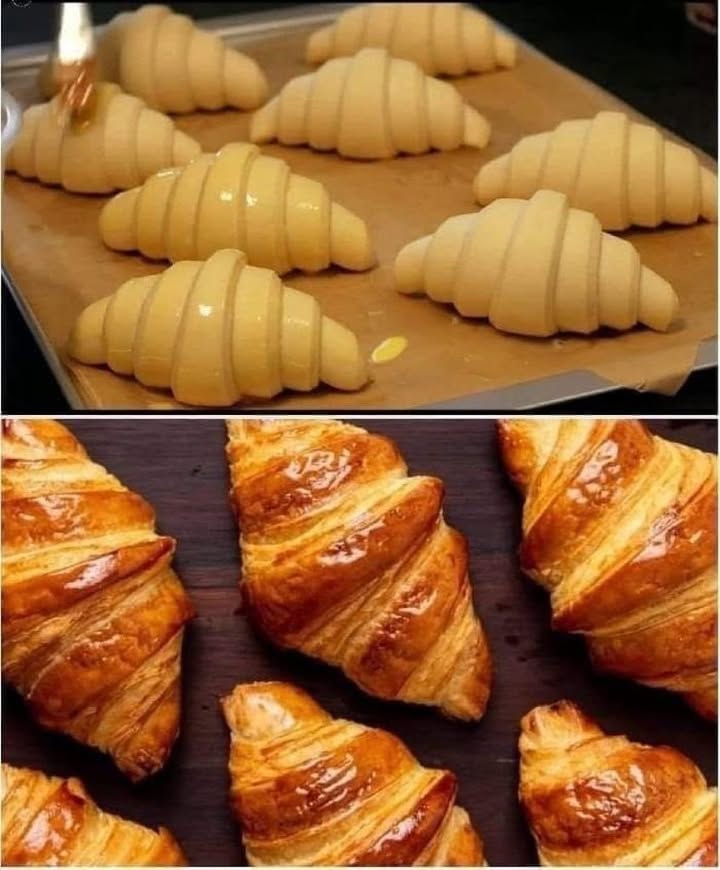
Why You Need to Try Making Flaky Homemade Croissants
There’s something magical about the smell of buttery, flaky croissants wafting through your kitchen. It’s like a warm hug for your soul. I remember the first time I tried making Flaky Homemade Croissants. My kitchen looked like a flour tornado had hit, but the result? Pure bliss. The layers were so light they practically melted in my mouth. Trust me, once you’ve tasted a croissant fresh from your own oven, you’ll never look at store-bought ones the same way again.
A Little History Behind These Golden Beauties
Croissants are often thought of as French, but their origins actually trace back to Austria. The kipferl, a crescent-shaped pastry, inspired what we now know as the croissant. French bakers took this idea and ran with it, creating the buttery, layered masterpiece we adore today. I love how this humble pastry has traveled through time and culture, becoming a symbol of indulgence. Every bite feels like a little piece of history.
Why This Recipe Will Win Your Heart
This recipe is special because it’s not just about baking—it’s about creating an experience. The process might seem long, but it’s worth every minute. Plus, there’s nothing quite like serving warm, golden Flaky Homemade Croissants to your family or friends and seeing their faces light up. Whether you’re a seasoned baker or a beginner, this recipe is approachable and rewarding.
Perfect Occasions for Flaky Homemade Croissants
These croissants are perfect for weekend brunches, holiday mornings, or even as a sweet treat for afternoon tea. I love serving them on lazy Sundays when everyone’s gathered around the table. They’re also a hit at parties—just add a pot of coffee or hot chocolate, and you’ve got yourself a cozy gathering.
Ingredients You’ll Need
- 4 cups of all-purpose flour
- 1/3 cup granulated sugar
- 4 tsp active dry yeast
- 2 1/4 tsp kosher salt
- 1 1/4 cups (2 1/2 sticks) unsalted butter, cold
- 1 cup of cold milk
Substitution Options
If you don’t have all-purpose flour, bread flour works too—it gives the croissants a chewier texture. For a dairy-free version, try using plant-based butter and almond or oat milk. And if you’re out of granulated sugar, coconut sugar can be a great alternative, though it will slightly change the flavor.
Step-by-Step Preparation
Step 1: Prepare the Dough
Mix the flour, sugar, yeast, and salt in a large bowl. Slowly add the cold milk, stirring until the mixture comes together into a dough. Knead lightly until smooth—it should feel soft and slightly sticky. Wrap the dough in plastic wrap and pop it in the fridge for an hour. Pro tip: Keep everything cold! Cold ingredients are key to achieving those dreamy, flaky layers.
Step 2: Prepare the Laminated Butter
Cut the cold butter into thin slices and sandwich them between two sheets of parchment paper. Use a rolling pin to flatten the butter into a uniform rectangle, about 6×8 inches. Pop it back in the fridge until firm. Watching the butter transform under the rolling pin is oddly satisfying—it’s like giving your croissants their own buttery blanket.
Step 3: Laminate the Dough
Roll out the chilled dough into a 10×15-inch rectangle. Place the butter sheet in the center and fold the dough over it like an envelope. Roll it out again into a rectangle and fold it into thirds, like a letter. Chill for 30 minutes. Repeat this process three times. Each fold builds those incredible layers that make Flaky Homemade Croissants so irresistible.
Step 4: Shape the Croissants
Roll out the dough one last time into a large rectangle. Cut it into triangles with a wide base. Roll each triangle from the base to the tip, tucking the ends slightly inward to create that classic crescent shape. As you roll, imagine the buttery aroma filling your kitchen—it’s almost hypnotic.
Step 5: Let Them Rise
Place the shaped croissants on a baking sheet lined with parchment paper. Cover them with a clean cloth and let them rise for 1-2 hours, or until they’ve doubled in size. Watching them puff up is pure joy—it’s like they’re alive and ready to shine.
Step 6: Bake to Golden Perfection
Preheat your oven to 375°F (190°C). Brush the croissants with beaten egg for that glossy, golden finish. Bake for 15-20 minutes, or until they’re beautifully golden and flaky. The moment they come out of the oven, your home will smell like a Parisian bakery.
Chef’s Secret for Extra Flakiness
Here’s a little trick I learned: chill the dough between every step. Cold dough and butter are non-negotiable for achieving those heavenly layers. If the butter starts to soften, pop the dough back in the fridge for 10 minutes. Patience is your best friend here!
Timing Breakdown
- Prep Time: 1 hour
- Laminating and Resting: 4 hours (including chilling)
- Baking Time: 15-20 minutes
- Total Time: About 5-6 hours
Extra Info: A Fun Fact About Croissants
Did you know that the croissant’s crescent shape was inspired by the moon? Legend has it that Viennese bakers created the kipferl to celebrate a victory against the Ottoman Empire. Now, centuries later, we’re still enjoying their delicious legacy.
Necessary Equipment
- Large mixing bowls
- Rolling pin
- Parchment paper
- Baking sheet
- Pastry brush
Storage Tips
To keep your Flaky Homemade Croissants fresh, store them in an airtight container at room temperature for up to two days. If you want them to last longer, freeze them in a resealable bag for up to a month. To reheat, simply pop them in the oven at 350°F (175°C) for 5-10 minutes. They’ll taste just as good as the day you baked them.
For longer storage, layer the croissants with parchment paper before freezing. This prevents them from sticking together. When you’re ready to enjoy, let them thaw overnight in the fridge, then reheat.
If you live in a humid climate, avoid leaving croissants uncovered—they’ll lose their crispness quickly. A quick toast in the oven can revive their flakiness.
Tips and Advice
- Use high-quality butter—it makes a huge difference in flavor and texture.
- Don’t rush the chilling steps. Patience pays off with flakier layers.
- If your dough springs back while rolling, let it rest for 10 minutes before continuing.
Presentation Ideas
- Serve the croissants on a rustic wooden board for a charming touch.
- Dust them with powdered sugar for a festive look.
- Pair them with jams, honey, or Nutella for a delightful spread.
Healthier Alternative Recipes
If you’re looking to lighten things up, here are six variations:
- Whole Wheat Croissants: Substitute half the all-purpose flour with whole wheat flour for added fiber.
- Vegan Croissants: Use plant-based butter and milk for a dairy-free option.
- Low-Sugar Croissants: Reduce the sugar to 2 tablespoons or use a sugar substitute.
- Herb and Cheese Croissants: Add grated cheese and dried herbs to the dough for a savory twist.
- Gluten-Free Croissants: Use a gluten-free flour blend designed for baking.
- Mini Croissants: Make smaller portions for portion control without sacrificing flavor.
Common Mistakes to Avoid
Mistake 1: Skipping the Chilling Steps
Rushing through the chilling process can cause the butter to melt into the dough, ruining the layers. Always chill the dough and butter between steps. Pro tip: Set a timer to remind yourself when it’s time to move on.
Mistake 2: Overworking the Dough
Kneading the dough too much can make it tough. Stop kneading as soon as it comes together smoothly. Remember, less is more when it comes to handling croissant dough.
Mistake 3: Rolling the Dough Too Thin
If the dough is rolled too thin, the layers won’t puff up properly. Aim for an even thickness throughout. Practice makes perfect—don’t worry if your first batch isn’t flawless.
FAQs About Flaky Homemade Croissants
Can I make the dough ahead of time?
Absolutely! You can prepare the dough a day in advance and refrigerate it overnight. Just let it come to room temperature slightly before rolling.
Why are my croissants dense?
Dense croissants usually mean the dough wasn’t laminated properly or the butter melted during baking. Keep everything cold and follow the folding steps carefully.
Can I freeze unbaked croissants?
Yes! Freeze the shaped croissants on a baking sheet, then transfer them to a bag. When ready to bake, let them thaw and rise before baking as usual.
What’s the best butter to use?
European-style butter with higher fat content is ideal. It creates richer flavor and better layers.
How do I know when they’re done?
Golden brown color and a hollow sound when tapped are good indicators. Underbaked croissants will feel soggy.
Can I fill the croissants before baking?
Yes! Chocolate, almond paste, or ham and cheese make delicious fillings. Add them before rolling the triangles.
Why is my dough sticky?
Sticky dough means it needs more flour. Add a tablespoon at a time until it’s manageable, but don’t overdo it.
Do I need a stand mixer?
Nope! This recipe works just fine with hand kneading. It’s a great arm workout too!
Can I use instant yeast?
Yes, instant yeast works perfectly. Just mix it directly with the dry ingredients.
How do I store leftovers?
Keep them in an airtight container at room temperature for up to two days, or freeze for longer storage.
Final Thoughts
Making Flaky Homemade Croissants is a labor of love, but the payoff is worth every second. From the rich buttery aroma to the delicate layers that shatter with each bite, these croissants are sure to become a favorite in your household. So grab your rolling pin, channel your inner pastry chef, and get ready to wow everyone with your baking skills. Happy baking!
Equipment
- Large mixing bowls
- Rolling pin
- Parchment paper
- Baking sheet
- Pastry brush
Ingredients
- 4 cups all-purpose flour
- 1/3 cup granulated sugar
- 4 tsp active dry yeast
- 2 1/4 tsp kosher salt
- 1 1/4 cups unsalted butter (cold)
- 1 cup cold milk
Instructions
- Mix the flour, sugar, yeast, and salt in a large bowl. Slowly add cold milk and stir until the dough comes together. Knead lightly until smooth and slightly sticky. Wrap in plastic wrap and refrigerate for an hour.
- Cut the cold butter into thin slices and sandwich between two sheets of parchment paper. Flatten into a 6x8 inch rectangle and refrigerate until firm.
- Roll out the chilled dough into a 10x15 inch rectangle. Place the butter sheet in the center, fold the dough over it, roll out again, and fold into thirds. Chill for 30 minutes. Repeat this process three times.
- Roll out the dough into a large rectangle, cut into triangles, and roll each triangle from base to tip, tucking the ends inward.
- Place the shaped croissants on a parchment-lined baking sheet, cover with a cloth, and let rise for 1-2 hours until doubled in size.
- Preheat oven to 375°F (190°C). Brush croissants with beaten egg and bake for 15-20 minutes until golden and flaky.
- Let cool before serving.
- Store in an airtight container at room temperature for two days or freeze for up to a month. Reheat at 350°F (175°C) for 5-10 minutes for best results.