
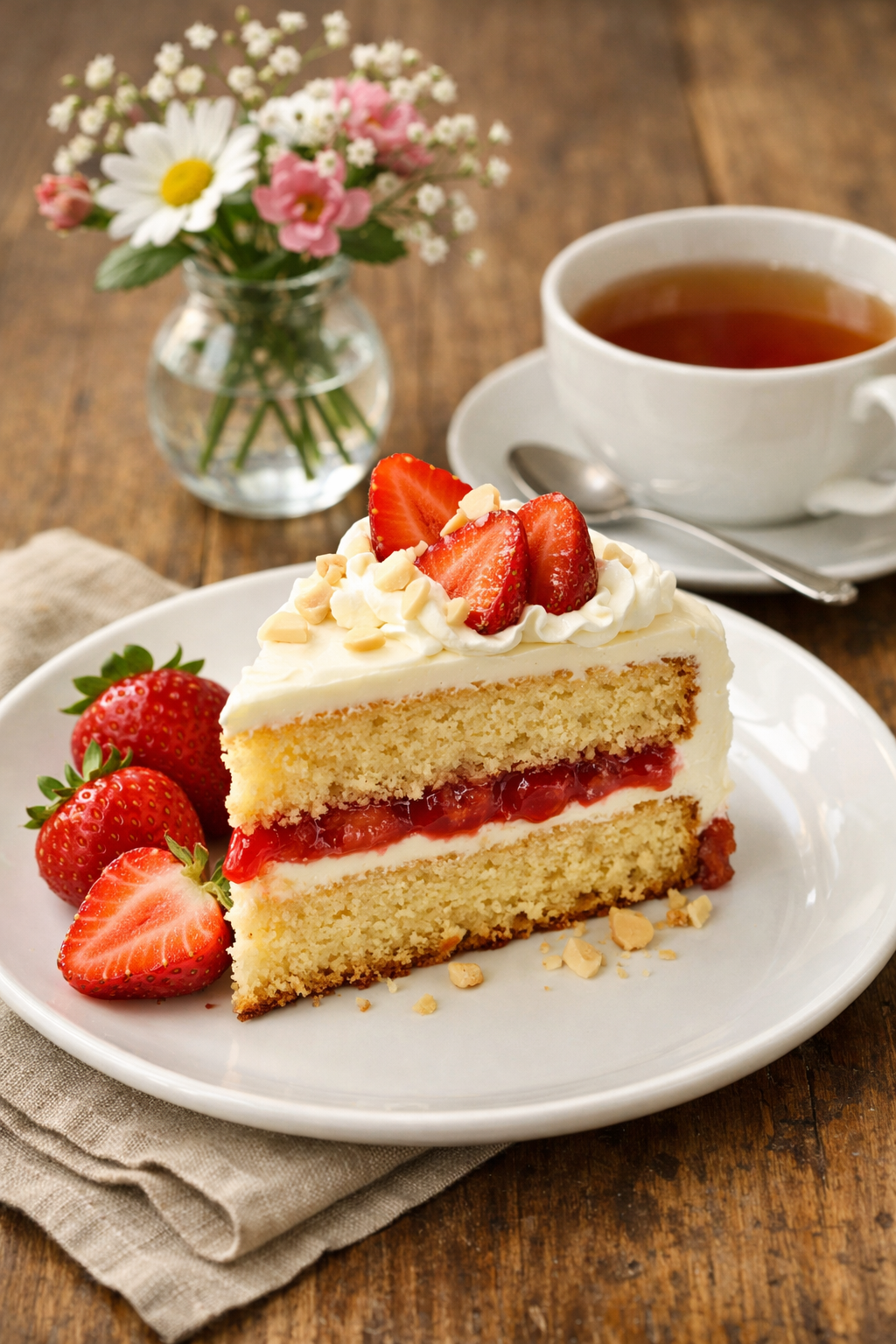
Introduction: The Joy of Baking a Gluten Free Strawberry Cake
Last spring, I watched my niece’s face light up when I brought a bright pink cake to her birthday party. She has celiac disease, and finding treats she can actually eat isn’t always easy. That gluten free strawberry cake became the highlight of her celebration. Everyone at the party asked for seconds, and nobody could tell it was gluten free.
A gluten free strawberry cake is more than just a dessert. It’s a way to include everyone at the table, no matter their dietary needs. This beautiful cake works perfectly for spring gatherings, summer picnics, or any time you want something fresh and fruity.
The best part? This recipe adapts beautifully. You can turn it into a gluten free vegan strawberry cake with a few simple swaps. Need a gluten free dairy free strawberry cake? That’s totally doable too. The basic recipe serves as your canvas, and you get to paint it however you like.
I’ve spent years perfecting this recipe. I’ve tried at least twenty different versions, and I’m sharing the winner with you today. This isn’t one of those dry, crumbly gluten free cakes that taste like cardboard. This one is moist, tender, and absolutely delicious.
Why Choose a Gluten Free Strawberry Cake?
Going gluten free doesn’t mean giving up amazing desserts. I learned this the hard way after my sister got diagnosed with a gluten sensitivity five years ago. I had to completely rethink how I baked, and honestly, it made me a better baker.
A gluten free cake can taste just as good as traditional cake when you use the right techniques. The trick is understanding how gluten free flour works differently. It needs a bit more moisture and sometimes a touch more binding power. But once you nail those basics, you’re golden.
Strawberries bring something special to baking. They add natural sweetness, beautiful color, and a fresh taste that feels light on your palate. Fresh strawberries also pack vitamin C, antioxidants, and fiber. You’re getting nutrition along with your treat.
Using a gluten free white cake recipe as your base gives you flexibility. White cake has a neutral flavor that lets the strawberries shine. It’s not competing with chocolate or spices. The strawberry becomes the star of the show.
I prefer this approach over using artificial strawberry flavoring or even strawberry jello. Yes, you can make a gluten free strawberry cake without jello. Real fruit tastes better and doesn’t come with weird additives. Your cake will have actual strawberry pieces throughout, giving you little bursts of flavor in every bite.
This recipe also works as a foundation for other gluten free cake recipes from scratch. Once you master the basic technique, you can swap strawberries for blueberries, raspberries, or peaches. You could even turn this into a gluten free chocolate cake by adding cocoa powder and skipping the fruit. The possibilities really are endless.
Ingredients for a Basic Gluten Free Strawberry Cake
Let’s talk about what you’ll need. I’m breaking this down into categories to make shopping easier.
Dry Ingredients
- Gluten free flour blend: 2 and 1/2 cups (I recommend Bob’s Red Mill 1-to-1 or King Arthur Measure for Measure)
- Granulated sugar: 1 and 1/2 cups
- Baking powder: 2 teaspoons
- Baking soda: 1/2 teaspoon
- Salt: 1/2 teaspoon
- Xanthan gum: 1/2 teaspoon (skip if your flour blend already contains it)
Wet Ingredients
- Eggs: 3 large eggs at room temperature (or flax eggs for vegan option)
- Milk: 1 cup (dairy, almond, oat, or coconut milk all work)
- Vegetable oil or melted coconut oil: 1/2 cup
- Vanilla extract: 2 teaspoons
- Fresh lemon juice: 1 tablespoon
Star Ingredient
- Fresh strawberries: 2 cups diced, plus more for decorating
Finding quality gluten free flour matters more than you might think. Not all gluten free flours are created equal. Some are too gritty. Others don’t rise properly. I’ve had the best luck with pre-mixed blends designed for baking.
Most grocery stores now carry gluten free flour in the baking aisle. Target, Walmart, and Whole Foods all stock good options. If you shop at smaller stores, check the natural foods section. You can also order online from Amazon or directly from flour companies.
Look for a blend that contains rice flour, potato starch, and tapioca starch. These three ingredients work together to mimic regular flour. Some blends also include sorghum flour or almond flour for extra nutrition and better texture.
Avoid single-ingredient flours like just rice flour or just almond flour. They won’t give you the right texture. You need a blend that’s specifically designed to replace all-purpose flour.
The strawberries deserve special attention. Choose berries that are bright red all over with fresh green leaves. They should smell sweet and fruity. If they don’t have any scent, they won’t have much flavor either.
I buy strawberries at farmers markets when possible. They’re usually picked riper and taste better than grocery store berries. But honestly, good grocery store strawberries work fine too. Just avoid any that are mushy, have white or green patches, or look dried out.
Wash your strawberries right before you use them, not when you bring them home. Extra moisture makes them spoil faster. Pat them completely dry with paper towels after washing. Wet strawberries will make your cake batter too runny.
If strawberries aren’t in season, you can use frozen ones. Thaw them completely and drain off the excess liquid. You might need to reduce other liquids in the recipe slightly. I’ve also turned this base into gluten free strawberry muffins using the exact same ingredient list, just baked in muffin tins for less time.
Room temperature ingredients mix better and create a smoother batter. Take your eggs and milk out of the fridge about 30 minutes before you start baking. This small step makes a real difference in texture.
If you’re making a vegan strawberry sponge cake, replace each egg with one flax egg (1 tablespoon ground flaxseed mixed with 3 tablespoons water). Let it sit for five minutes until it gets thick and gloppy. Use your favorite plant milk instead of dairy milk, and you’re all set.
For a gluten free vanilla cake variation without the strawberries, simply skip the fruit and add an extra teaspoon of vanilla extract. The basic formula stays the same. You’ll have a blank canvas ready for any frosting or filling you like.

Steps to Make Your Perfect Gluten Free Strawberry Cake
Now that you’ve got all your ingredients ready, let’s actually bake this thing. I’m walking you through each step exactly how I do it in my own kitchen.
Start by preheating your oven to 350°F. This matters more than people realize. If you throw your cake into a cold oven or one that’s too hot, the texture won’t be right. While the oven heats up, grease two 9-inch round cake pans with butter or cooking spray, then dust them lightly with gluten free flour. I also cut circles of parchment paper to fit the bottom of each pan. Trust me on this. It prevents sticking better than anything else I’ve tried.
In a large mixing bowl, whisk together all your dry ingredients. That’s your gluten free flour blend, sugar, baking powder, baking soda, salt, and xanthan gum if you’re using it. Whisk for at least 30 seconds to make sure everything is evenly distributed. Gluten free flour can clump sometimes, so breaking up those lumps now saves you trouble later.
Here’s where it gets interesting. In a separate medium bowl, beat your eggs until they’re frothy. Add the milk, oil, vanilla extract, and lemon juice. The lemon juice isn’t just for flavor. It reacts with the baking soda and helps the cake rise better. Mix everything until it’s smooth and well combined.
Pour the wet ingredients into the dry ingredients. This is where I see people make mistakes. Don’t overmix. With traditional cakes, you worry about developing too much gluten. With gluten free baking, overmixing can still make your cake dense and gummy. Mix just until you don’t see any dry flour. A few small lumps are totally fine.
The strawberry incorporation is crucial. Take your diced strawberries and toss them in a tablespoon of gluten free flour. This coating helps prevent them from sinking to the bottom of your cake while it bakes. It’s a trick I learned from my grandmother, and it works every single time. Gently fold the strawberries into your batter using a rubber spatula. Don’t stir aggressively. You want to keep as much air in the batter as possible.
Divide the batter evenly between your two prepared pans. I actually weigh mine on a kitchen scale to make sure they’re equal, but eyeballing it works fine too. Tap each pan gently on the counter a few times. This releases air bubbles that might otherwise create holes in your finished cake.
Bake for 28 to 32 minutes. Every oven is different, so start checking around the 28-minute mark. The cake is done when a toothpick inserted in the center comes out clean or with just a few moist crumbs. The top should spring back when you touch it lightly. The edges might pull away slightly from the pan.
Let the cakes cool in their pans for exactly ten minutes. Not longer. If you leave them too long, they’ll stick. After ten minutes, run a knife around the edges and flip them onto a cooling rack. Peel off the parchment paper. Let them cool completely before frosting. I usually bake my layers the night before and frost the next day. Room temperature cakes are way easier to work with.
For moisture and fluffiness, there are a few secrets I’ve picked up. First, don’t open the oven door during the first 25 minutes of baking. Every time you open it, the temperature drops and your cake can collapse. Second, measure your flour correctly. Spoon it into your measuring cup and level it off. Don’t scoop directly from the bag or you’ll pack in too much flour and end up with a dry cake. Third, that oil in the recipe isn’t negotiable. Oil keeps gluten free cakes moister than butter does.
Creative Variations and Smart Substitutions
The basic recipe I just gave you is incredibly flexible. I’ve adapted it dozens of ways depending on who I’m baking for.
Making this as a gluten free vegan strawberry cake is easier than you’d think. Replace the three eggs with three flax eggs like I mentioned earlier. Use your favorite non-dairy milk. Almond milk gives a slightly nutty flavor that’s really nice with strawberries. Oat milk makes it a bit creamier. Swap the oil for coconut oil or leave it as vegetable oil since that’s already vegan. Everything else stays the same. I made this version for my cousin’s wedding last year, and the guests devoured it.
If you need a gluten free dairy free strawberry cake, you’re already almost there with the base recipe. Just use plant-based milk instead of regular milk. The oil means you’re not using butter anyway. Make sure your frosting is also dairy free. I usually do a simple dairy free cake mix style frosting with coconut cream and powdered sugar.
Funny enough, this recipe works brilliantly as cupcakes too. I’ve made gluten free strawberry muffins by reducing the sugar to one cup and baking the batter in muffin tins. Fill each cup about two-thirds full and bake for 18 to 22 minutes. They’re perfect for breakfast or lunchboxes. My kids request them constantly during strawberry season.
You can definitely use this as a gluten free vanilla cake foundation. Just skip the strawberries and increase the vanilla to one tablespoon. I’ve turned this vanilla base into everything from birthday cakes to first communion cakes. The neutral flavor takes any frosting or filling you want to use.
Want a gluten free chocolate cake instead? Replace half a cup of the flour with unsweetened cocoa powder. You might need to add a splash more milk since cocoa absorbs liquid. I’ve combined chocolate cake layers with strawberry frosting before, and people go absolutely wild for it. The chocolate-strawberry combination reminds me of those chocolate-covered strawberries you get at fancy parties.
By the way, if you’re looking for something with a fun presentation, this batter works great for a layered knock knock cake style dessert. You can hide surprises between the layers or create beautiful color gradients.
Essential Tips for Gluten Free Baking Success
Gluten free baking intimidated me when I first started. I made so many mistakes. Dense cakes. Crumbly cakes. Cakes that tasted like sand. I’m sharing what I learned so you don’t have to go through that.
The biggest difference between regular and gluten free baking is texture management. Without gluten to provide structure, you need other things to hold your cake together. That’s why we use xanthan gum or psyllium husk powder. Some flour blends include these already. Check your package. If it says it already contains xanthan gum, don’t add more or your cake will be gummy.
Gluten free batters look different than regular batters. They’re often thicker and stickier. That’s normal. Don’t add extra liquid thinking you messed up. The batter should be thick enough to coat a spoon but still pourable.
One pitfall I see constantly is people assuming gluten free means healthier, so they start reducing sugar or oil. Don’t do this, at least not the first time you make a recipe. Sugar and fat provide moisture and structure in gluten free baking. They’re not just there for flavor. Once you’ve made the recipe as written and understand how it works, then you can experiment with modifications.
Temperature control matters so much. Room temperature ingredients blend better and create a more even texture. Cold eggs don’t incorporate well into batter. Cold milk can make your melted coconut oil solidify into little chunks. Give yourself that extra 30 minutes of planning time.
Here’s something nobody tells you: gluten free cakes actually improve after sitting for a few hours. The moisture distributes more evenly throughout the cake. If you make this in the morning and serve it that evening, it’ll taste even better than if you served it immediately. This is the opposite of regular cakes, which are usually best fresh from the oven.
Follow the recipe exactly the first time you make it. I know that sounds controlling, but gluten free ratios are more precise than regular baking. Once you’ve made it successfully once, you’ll understand how the batter should look and feel. Then you can start tweaking things to your preference.
Storage is different too. Gluten free cakes dry out faster than regular cakes. Store yours in an airtight container or wrap it tightly in plastic wrap. It’ll stay fresh at room temperature for about two days, or you can refrigerate it for up to five days. I actually prefer the texture after it’s been refrigerated. It gets even more moist somehow.
Don’t get discouraged if your first attempt isn’t perfect. My first gluten free cake looked like a hockey puck. Seriously. It was flat, dense, and nobody wanted seconds. But I kept trying, adjusting one thing at a time, and eventually figured it out. Now people regularly ask me to make gluten free cakes for their events, kind of like how people request that classic sara lee coffee cake for brunch gatherings.
The most important thing is not to treat gluten free baking like it’s some scary science experiment. It’s just baking with different ingredients. Once you understand the basics, it becomes second nature.
Serving and Storing Your Gluten Free Strawberry Cake
You’ve baked this gorgeous cake, and now comes the fun part—actually serving it. I’ve learned over the years that presentation can turn a simple dessert into something really memorable.
The classic way to serve this cake is with homemade whipped cream. I make mine by beating heavy cream with a tablespoon of powdered sugar and a splash of vanilla. If you’re keeping things dairy free, coconut cream works beautifully too. Chill a can of full-fat coconut milk overnight, scoop out the thick cream that rises to the top, and whip it the same way. The slight coconut flavor actually complements the strawberries really nicely.
Here’s something I do for special occasions: I make a strawberry compote to drizzle over each slice. Take a cup of chopped strawberries, cook them with two tablespoons of sugar and a squeeze of lemon juice for about ten minutes until they break down into a sauce. Let it cool slightly. When you spoon that warm compote over a slice of cake with cold whipped cream, it creates this amazing contrast of temperatures and textures. My guests always comment on it.
A simple dusting of powdered sugar looks incredibly elegant and takes about five seconds. I use a fine mesh sieve and tap it gently over the top of the cake. Do this right before serving though, not hours ahead. The moisture from the cake will make the sugar dissolve and disappear if you do it too early. I learned that the hard way when I prepared a cake for a baby shower and came back two hours later to find my beautiful sugar dusting had completely vanished.
Fresh strawberry slices on top are obviously perfect. I like to slice them about a quarter-inch thick and arrange them in a circular pattern starting from the outside and working inward. Some people get really fancy and make roses out of the strawberries, but honestly, even a casual scattering looks beautiful. The key is making sure your strawberries are dry before you place them on frosting, or they’ll slide right off.
For a more sophisticated presentation, try adding some fresh mint leaves between the strawberry slices. The pop of green against the red and white is stunning. Plus, mint and strawberry taste fantastic together. I sometimes add a tiny bit of balsamic vinegar reduction too. I know that sounds weird, but balsamic brings out the sweetness in strawberries like nothing else. Just drizzle the tiniest amount around the plate, not on the cake itself.
Now let’s talk about keeping this cake fresh. Storage is where a lot of people mess up with gluten free baked goods. Remember how I mentioned earlier that gluten free cakes dry out faster? That’s especially true with this strawberry version because the fresh fruit adds extra moisture that can either keep it perfect or make it soggy depending on how you store it.
If your cake is unfrosted, wrap each layer individually in plastic wrap. Press the plastic directly against the surface of the cake to prevent air exposure. Then put the wrapped layers in an airtight container or a large resealable bag. This double protection really helps maintain moisture. Store it at room temperature if you’re planning to frost and serve it within 24 hours.
Once you’ve frosted the cake, storage gets a bit trickier. Buttercream frosting holds up well at room temperature for about two days, but any frosting made with cream cheese or fresh whipped cream needs refrigeration. I put the whole cake in the fridge uncovered for about 30 minutes first. This firms up the frosting so it doesn’t stick to your covering. Then I either place it in a cake carrier or cover it loosely with plastic wrap or aluminum foil.
Here’s a trick I picked up from a professional baker friend: if you’re using plastic wrap, stick a few toothpicks into the top of the cake first. They hold the plastic up like little tent poles so it doesn’t smoosh your beautiful frosting. Genius, right?
The shelf life depends on your storage method. At room temperature in an airtight container, this cake stays fresh for about two days. In the refrigerator, you can push that to five days, maybe even six. I actually think it tastes better on day two or three anyway. The flavors meld together and the texture becomes even more tender. By day five or six, it’s still totally safe to eat according to general food storage guidelines, but the quality starts declining a bit. It might be slightly drier or the strawberry pieces might start breaking down.
Freezing this cake works surprisingly well. I freeze unfrosted layers all the time. Wrap each layer tightly in plastic wrap, then again in aluminum foil. Label them with the date. They’ll keep in the freezer for up to three months. When you’re ready to use them, move them to the fridge the night before and let them thaw slowly. Never thaw at room temperature or in the microwave. Slow thawing in the fridge prevents condensation from making your cake soggy.
You can also freeze frosted cake, though I’m a bit pickier about this. Buttercream freezes beautifully. Whipped cream frosting doesn’t. If you’re freezing a frosted cake, do that same uncovered firming-up step in the freezer first. Once the frosting is hard, wrap the whole thing carefully. This prevents the wrapping from sticking to and ruining your frosting job. Frozen frosted cake keeps for about one month.
When serving a refrigerated or frozen cake, let it come to room temperature first. Cold cake doesn’t taste nearly as good as room temperature cake. The flavors are muted when things are too cold. I usually take it out of the fridge about an hour before I plan to serve it. For frozen cake, thaw it overnight in the fridge, then let it sit at room temperature for that final hour.
Individual slices freeze really well too, and this is actually how I prefer to do it now. Cut the cake into slices, wrap each slice individually, and freeze them in a container. Then you can pull out just one or two slices whenever you want a treat. It’s portion control and convenience all in one. My husband loves grabbing a frozen slice and letting it thaw during his lunch break. It’s like a little afternoon surprise.
By the way, if you’ve fallen in love with making layer cakes and want to explore more options, there are tons of other cakes and cupcakes you can try with these same storage principles.
One last serving suggestion that I absolutely love: turn this into a trifle. It sounds complicated, but it’s actually easier than making a layered cake. Cut the cake into cubes, layer it in a large glass bowl with whipped cream and fresh strawberry slices, and repeat the layers until you fill the bowl. Make it the night before so everything can meld together. The cake absorbs some moisture from the cream and fruit, and it becomes this incredible spoonable dessert. I bring this version to potlucks because it travels well and you don’t need to worry about slicing it perfectly.
The bottom line is that this cake is forgiving and versatile. You can serve it simply or dress it up fancy. You can make it ahead and freeze it or bake it fresh the day you need it. It works for casual family dinners or special celebrations. That flexibility is exactly why I keep coming back to this recipe year after year.
Frequently Asked Questions About Gluten Free Strawberry Cake
Can I make a gluten free strawberry cake without jello?
Absolutely, and honestly, I think it tastes better without jello. The recipe I’ve shared uses fresh strawberries for all the flavor and color. If you want an extra strawberry punch, make a simple syrup by heating equal parts water and sugar until the sugar dissolves, then add chopped strawberries and let it steep. Brush this on your cake layers before frosting. You get incredible strawberry flavor without any artificial ingredients or that weird jello texture some recipes create.
Is there a difference between a gluten free cake and a regular cake?
The main difference is obviously the flour, but that affects texture and moisture more than you’d expect. Gluten free cakes can be slightly denser and require more moisture to stay tender. They also behave differently when mixing—you can’t develop gluten, so overmixing isn’t as much of an issue. With the right recipe and technique though, a gluten free cake can taste just as delicious as a traditional one. Most people at my parties genuinely can’t tell the difference until I mention it.
How do I make a gluten free strawberry cake from scratch?
Start with a quality gluten free flour blend that’s designed for baking. Combine it with the right ratios of leavening agents, fat, and liquid. Fold in fresh strawberries that you’ve tossed in a bit of flour to prevent sinking. Follow proper mixing techniques and baking temperatures. The recipe I’ve outlined in this article gives you exact measurements and step-by-step instructions. Making it from scratch isn’t harder than making a regular cake, it just requires attention to the specific needs of gluten free ingredients.
What are some good gluten free cake recipes to try?
Besides this strawberry cake, I love making a gluten free chocolate cake with the same basic technique but cocoa powder added. A gluten free vanilla cake is incredibly versatile for any occasion. If you want something lighter, try a vegan strawberry sponge cake made with plant-based ingredients. Gluten free white cake works beautifully for wedding cakes or formal events. The foundation technique is similar across all these recipes, so once you master one, the others become much easier.
Can I use frozen strawberries instead of fresh ones?
You can, but you need to prepare them properly. Thaw the frozen strawberries completely and drain off as much liquid as possible. Pat them dry with paper towels. Frozen strawberries release a lot of moisture, which can make your batter too thin and your cake soggy. You might need to reduce other liquids in the recipe by a couple tablespoons. I also find that frozen strawberries don’t have quite the same bright flavor as fresh ones, but they’ll work in a pinch during the off-season.
Why did my gluten free cake turn out dense and heavy?
This usually happens for a few reasons. You might have packed too much flour into your measuring cups instead of spooning and leveling. Your leavening agents might be old and not working properly—baking powder and baking soda lose potency over time. You could have overmixed the batter, which incorporates too much air initially but then deflates. Or your oven temperature might be off. An oven thermometer is a cheap investment that solves a lot of baking problems.
Can I make this cake ahead of time?
Definitely, and it actually works really well. I often bake the layers two or three days ahead, wrap them tightly, and store them in the fridge or freezer. You can frost it the day before your event and keep it refrigerated. The flavors develop beautifully overnight. Just remember to bring it to room temperature before serving for the best taste and texture. Making components ahead actually reduces stress and lets you enjoy your gathering instead of being stuck in the kitchen.
What’s the best frosting for a gluten free strawberry cake?
That depends on your taste and dietary needs. Classic buttercream is always a winner and it’s naturally gluten free. Cream cheese frosting pairs beautifully with strawberry cake and adds a nice tang. For a lighter option, try stabilized whipped cream. If you need dairy free, coconut cream frosting or a vegan buttercream made with shortening works great. You could even do a simple strawberry glaze made from pureed strawberries and powdered sugar.
How do I know when my gluten free cake is fully baked?
The toothpick test is your best friend. Insert a toothpick or cake tester into the center of the cake. It should come out clean or with just a few moist crumbs, not wet batter. The edges should start pulling away slightly from the pan. The top should spring back when you gently press it with your finger. Gluten free cakes can look done on top while still being raw in the middle, so don’t rely on appearance alone. An instant-read thermometer should register around 200 to 205 degrees Fahrenheit in the center.
Can I turn this cake recipe into cupcakes or a sheet cake?
Absolutely, the batter is really versatile. For cupcakes, fill your liners about two-thirds full and bake for 18 to 22 minutes. For a 9×13 inch sheet cake, pour all the batter into one pan and bake for 35 to 40 minutes. Just keep an eye on it and use the toothpick test to check doneness. Sheet cakes are great for casual gatherings and actually stay moister than layer cakes because there’s more cake and less surface area exposed to air.
I hope this recipe brings as much joy to your table as it has to mine. Whether you’re baking for someone with dietary restrictions or just want to try something new, this gluten free strawberry cake delivers on flavor and texture every single time. Give it a shot this weekend and see how everyone at your table reacts—I’m betting they’ll be asking for seconds.
Equipment
- Mixing bowls
- Whisk
- Rubber spatula
- Baking pans
- Toothpick or cake tester
- Cooling rack
Ingredients
- 2 1/2 cups gluten free flour blend Bob's Red Mill 1-to-1 or King Arthur Measure for Measure
- 1 1/2 cups granulated sugar
- 2 teaspoons baking powder
- 1/2 teaspoon baking soda
- 1/2 teaspoon salt
- 1/2 teaspoon xanthan gum skip if your flour blend already contains it
- 3 large eggs at room temperature or flax eggs for vegan option
- 1 cup milk dairy, almond, oat, or coconut milk
- 1/2 cup vegetable oil or melted coconut oil
- 2 teaspoons vanilla extract
- 1 tablespoon fresh lemon juice
- 2 cups diced fresh strawberries plus more for decorating
Instructions
- Preheat the oven to 350°F.
- Grease two 9-inch round cake pans with butter or cooking spray and dust them lightly with gluten free flour.
- In a large mixing bowl, whisk together all dry ingredients (flour blend, sugar, baking powder, baking soda, salt, xanthan gum).
- In a medium bowl, beat the eggs until frothy, then add milk, oil, vanilla extract, and lemon juice. Mix until smooth.
- Pour the wet ingredients into the dry ingredients and mix until just combined, leaving a few small lumps.
- Toss the diced strawberries in a tablespoon of gluten free flour to coat them.
- Gently fold the strawberries into the batter using a rubber spatula.
- Divide the batter evenly between the prepared pans and tap each pan gently on the counter.
- Bake for 28 to 32 minutes or until a toothpick inserted in the center comes out clean.
- Let the cakes cool in the pans for 10 minutes before flipping onto a cooling rack to cool completely.
Notes
Nutrition

Hello! I’m Sarah Mitchell, and I’m passionate about bringing creativity and innovation to baking. My love for baking started in high school when I first tried my hand at decorating cupcakes for a class project. What began as a fun hobby quickly became a full-time passion. I’ve spent the past decade working in bakeries and dessert shops, honing my skills in everything from simple cookies to intricate wedding cakes.
After working in some of the top bakeries across the country, I realized that baking was about more than just following recipes — it was about infusing your personality into each creation. At BakingSecret.com, I love creating recipes that push boundaries while staying true to the heart of classic baking. I specialize in creating delicious and visually stunning pastries that will wow your guests.
When I’m not baking, I enjoy teaching baking classes, trying out new cake decoration techniques, and traveling to find inspiration in global dessert traditions. I’m so excited to share my tips and tricks with you to help elevate your baking game!