
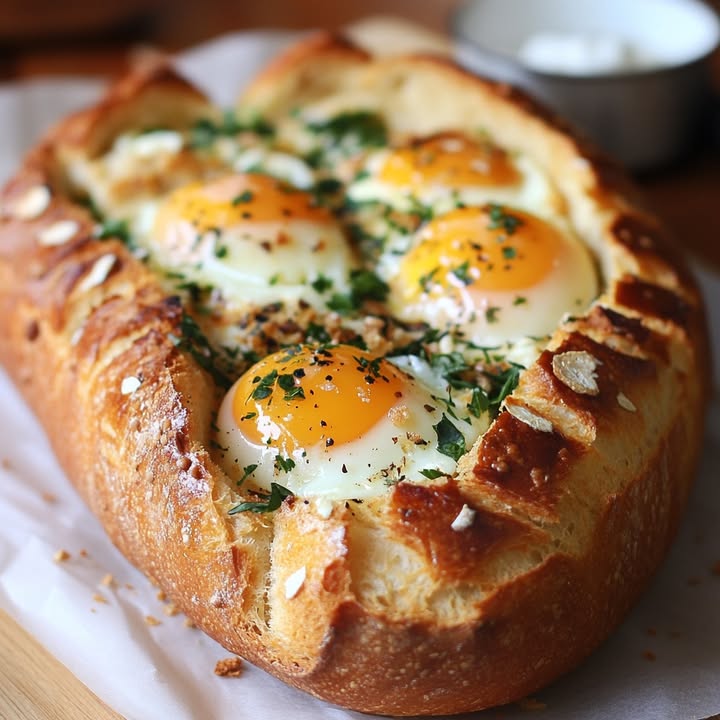
The Smell of Home: My Secret to the Best Egg Bread
There’s a certain magic in the kitchen when bread is baking. First, it’s the quiet patience of the dough rising. Then, a faint, yeasty perfume fills the air. Finally, that golden, warm loaf emerges, destined for butter and happy faces around the table. My quest for the perfect, soft loaf ended when I perfected this A-Number-1 Egg Bread. It’s a recipe that feels like a hug. It’s not complicated, but it delivers something truly special: a homemade bread that’s tender, slightly sweet, and has that beautiful, glossy egg-wash shine.
A Little Story Behind This Golden Loaf
This recipe is my take on a classic enriched bread. Enriched just means it has eggs, milk, and butter—the good stuff! Many cultures have their own version. Think of brioche or challah. My version is simpler, a perfect starting point for any home baker. I developed it after many, many weekends of testing. I wanted a bread that was reliable enough for busy days but fancy enough for Sunday brunch. The extra egg yolk in the wash? That’s my grandma’s trick. It gives the crust a deep, rich color and a slight crispness that makes you want to tear right into it.
Why You’ll Fall in Love With This Homemade Egg Bread
Why is this recipe a keeper? First, the texture is dreamy. Soft and springy inside, with a delicate crust. The eggs and butter give it a wonderful richness without being heavy. Second, it’s incredibly versatile. You can bake it as one beautiful loaf or shape it into rolls for a crowd. And let’s talk about that smell! Baking this bread turns your kitchen into the coziest place in the house. It’s a simple pleasure that never gets old.
When to Bake Your Perfect Soft Loaf
This egg bread is a star for so many occasions. Bake it for a family breakfast—the slices toast up beautifully. It makes an impressive centerpiece for a holiday gathering. Shape it into rolls for a potluck dinner; they’ll be the first thing gone! It’s also a wonderful gift. A freshly baked loaf, wrapped in a tea towel, says “I care about you” more than any store-bought present.
Ingredients for Your Homemade Egg Bread
Gathering your ingredients is the first step to baking success. Here’s what you’ll need:
- 4 cups all-purpose flour
- 2 teaspoons (1 packet) active dry yeast
- ⅓ cup sugar
- 1 teaspoon salt
- ⅓ cup warm water (110°F)
- ⅓ cup warm milk (110°F)
- 2 tablespoons unsalted butter, melted
- 2 large eggs
- 1 egg yolk (for egg wash)
- 1 tablespoon water (for egg wash)
Smart Swaps: Ingredient Substitutions
Don’t fret if you’re missing something! Here are easy swaps:
- Milk: Any milk works—whole, 2%, skim, or even a plain unsweetened almond milk.
- Sugar: You can use honey or maple syrup. Reduce the warm liquid by a tablespoon to account for the extra moisture.
- Butter: A neutral oil like vegetable or canola oil can be used in place of melted butter.
- All-purpose flour: For a slightly heartier texture, you can substitute up to half of the flour with bread flour.
How to Make A-Number-1 Egg Bread: Step by Step
Follow these steps for a perfect, golden loaf every time.
Step 1: Wake Up Your Yeast
In a small bowl, combine the warm water (think bathwater temperature), yeast, and a tiny pinch of sugar from your measured amount. This sugar gives the yeast a little snack to get started. Let it sit for about 5 minutes. You’ll see it become bubbly and creamy. This “proofing” step is crucial. It tells you your yeast is alive and ready to make your dough rise beautifully. If it doesn’t foam, your yeast might be old or the water was too hot.
Step 2: Mix the Dry Foundations
In your large mixing bowl, whisk together the flour, the remaining sugar, and the salt. This simple action distributes everything evenly. You’ll see the flour puff up a bit as you whisk. I love the scent of pure flour at this stage—it’s clean and promising. This is the foundation that will hold all the wonderful, wet ingredients coming next.
Step 3: Bring the Dough Together
Now, pour in the warm milk, melted butter, two whole eggs, and your foamy yeast mixture into the dry ingredients. Stir with a wooden spoon or use your mixer’s dough hook. It will start as a shaggy, sticky mass. Then, it will come together into a soft, pliable dough. The color will be a lovely pale yellow from the eggs and butter. It should feel tacky but not stick to your hands excessively. Pro tip: If it’s too dry, add a teaspoon of extra warm milk. If too wet, sprinkle in a tablespoon of flour.
Step 4: Knead to Smooth & Elastic
This is where you put a little love into it. Turn the dough out onto a lightly floured surface. Knead by pushing the dough down and away with the heel of your hand, then folding it back over itself. Do this for 8-10 minutes. You’ll feel it transform from a bumpy blob into a smooth, supple, elastic ball. When you gently press it, it should slowly bounce back. This kneading develops the gluten, which gives your finished bread its wonderful chewy structure.
Step 5: The First Rise
Place your beautiful smooth dough ball into a greased bowl. Turn it once so the top is lightly greased too. Cover the bowl with a clean kitchen towel or plastic wrap. Let it rest in a warm, draft-free spot. I often use my oven (turned off!) with the light on. Wait for about 1 to 1.5 hours. The dough will become puffy and double in size. You can tell by gently poking it. If the indentation stays, it’s ready.
Step 6: Shape Your Loaf or Rolls
“Punch down” the dough by pressing your fist into the center. This releases the big air bubbles. Then, turn it out and shape it. For a loaf, flatten it into a rectangle, then roll it up tightly, tucking the ends under. Place it in a greased 9×5 inch loaf pan. For rolls, divide the dough into 12 equal pieces, shape into balls, and place them on a greased baking sheet. Cover again and let them rise a second time for 30-40 minutes. They should look very puffy.
Step 7: Bake to Golden Perfection
Preheat your oven to 375°F. Mix the egg yolk with a tablespoon of water for your wash. Just before baking, gently brush this mixture over the entire surface of your loaf or rolls. This will give you that professional, glossy, deep golden finish. Bake for 25-30 minutes. The top will be a rich amber brown, and the loaf will sound hollow when tapped on the bottom. That’s the sign it’s done!
Step 8: Cool for the Best Slice
Resist the temptation to cut immediately! Transfer the bread to a wire rack. Let it cool completely, about an hour. This allows the steam inside to settle and the structure to firm up. If you slice it hot, it will be gummy and squishy. Waiting ensures a clean, perfect slice that holds its shape. The aroma will test your patience, but it’s worth it.
Timing Your Baking Success
Here’s the timeline to plan your baking adventure:
- Prep Time: 20 minutes (active mixing and kneading)
- Rising Time: About 1.5 – 2 hours total (this is the waiting period)
- Cook Time: 25-30 minutes
- Cooling Time: 1 hour
- Total Time: About 2 hours 30 minutes from start to edible loaf
- Servings: 1 loaf, yielding about 12 slices
- Calories: Approximately 210 per slice
Chef’s Secret for the Ultimate Soft Loaf
My secret weapon? An ice cube. When you preheat the oven, place an old, clean ice cube (or a small dish of water) on the bottom of the oven floor or on a lower rack. As it bakes, it creates a burst of steam. This steam keeps the crust softer for a bit longer, allowing the bread to expand more before setting. It results in a loftier, slightly lighter loaf with a gorgeous shine. Just be careful of any sizzle or steam when you open the oven door!
A Fun Fact About Eggs in Bread
Adding eggs to bread isn’t just for richness. The proteins in eggs help set the structure, making the bread tender yet strong. The fats in the yolk add that wonderful, melt-in-your-mouth quality. In many old European bakeries, egg breads like this were considered celebration breads, baked for special events because the ingredients were more precious than simple flour and water. Every slice carries a little bit of that festive history!
What You’ll Need to Bake
No fancy tools required! Here’s your equipment list:
- Large mixing bowl
- Small bowl for yeast
- Wooden spoon or stand mixer with dough hook
- Measuring cups and spoons
- 9×5 inch loaf pan OR baking sheet (for rolls)
- Clean kitchen towel or plastic wrap
- Pastry brush (for the egg wash)
- Wire cooling rack
How to Store Your Fresh Homemade Bread
To keep your egg bread fresh, let it cool completely first. Never store warm bread in a bag—it will create moisture and mold. Once cool, wrap the whole loaf tightly in plastic wrap or place it in a large zip-top bag. It will stay soft and delicious at room temperature for about 2-3 days.
For longer storage, freezing is your best bet. Slice the loaf if you prefer. Wrap the loaf or slices tightly in plastic wrap, then a layer of foil, or place in a freezer bag. It can freeze for up to 3 months. To thaw, just leave it on the counter in its wrapper for a few hours, or pop a frozen slice straight into the toaster.
If you see your bread starting to dry out, don’t toss it! Stale egg bread is a treasure. Use it for amazing bread pudding, like this decadent Classic New Orleans Bread Pudding, or make French toast. The slightly drier texture actually holds up better for these recipes.
My Top Tips for Foolproof Baking
- Temperature is Key: Ensure your milk and water are truly “warm” (110°F), not hot. Hot liquid kills yeast. Think comfortable bath temperature.
- Don’t Rush the Rise: Let the dough rise until truly doubled. A warm place (like an off-oven with the light on) helps if your kitchen is cool.
- Egg Wash Magic: Use only the yolk mixed with water for the wash. Egg white alone can dry out and create a tougher crust.
- Test for Doneness: The hollow sound when tapping the bottom is the best test. An internal temperature of 190°F on a thermometer also confirms it’s done.
Pretty Ways to Present Your Loaf
Make your beautiful bread look even more special:
- Serve the whole loaf on a wooden board with a pretty bread knife beside it.
- For rolls, place them in a basket lined with a checkered napkin.
- Dust the loaf with a light sprinkle of powdered sugar for a festive look.
- Add a ribbon of fresh herbs like rosemary or thyme on top before the egg wash for a savory twist.
6 Fun Variations to Try Next Time
Once you master this basic homemade egg bread, the fun begins! Here are six delicious twists:
- Cheesy Pull-Apart Bread: Add 1 cup of shredded cheddar cheese to the dough. After the first rise, cut dough into small pieces, toss in melted butter and herbs, pile into a pan, and bake. Perfect for parties!
- Cinnamon Swirl Loaf: Roll out the dough before shaping, spread with a mix of butter, sugar, and cinnamon, roll up, and bake. It’s like a cinnamon roll in bread form.
- Herb & Garlic Dinner Rolls: Add 2 teaspoons of dried herbs (like Italian seasoning) and 1 teaspoon garlic powder to the dry ingredients. Shape into rolls. Fantastic alongside pasta.
- Orange-Zested Sweet Bread: Add the zest of one orange to the dough and use orange juice in place of the water. A bright, citrusy flavor for brunch.
- Whole Wheat Honey Egg Bread: Substitute half the all-purpose flour with whole wheat flour and use honey instead of sugar. It’s a slightly nutty, wholesome version.
- Chocolate Chip Breakfast Bread: Fold in ½ cup of mini chocolate chips after kneading. A sweet treat that kids (and adults) adore.
Bread Is the Gateway to Baking Joy
Mastering a simple yeast bread like this opens the door to so many baking adventures. It builds the essential skills you can use for everything from fluffy dinner rolls to sweet pastries. Speaking of rolls, if you love the soft, buttery texture of this egg bread, you’d absolutely adore making Texas Roadhouse-Style Rolls. They use a similar enriched dough and that iconic honey butter! And if you have leftovers? Turn them into a luxurious dessert like that Classic New Orleans Bread Pudding. Baking is a circle of deliciousness! Remember, using quality ingredients is part of the joy. Learning basic healthy cooking skills and understanding your ingredients makes every recipe, even simple ones like this, more rewarding.
Common Mistakes to Avoid
A few small errors can change your bread. Here’s how to steer clear of them.
Mistake 1: Using Dead or Scalded Yeast
Yeast is a living thing. If your water or milk is too hot (above 120°F), you can kill it. If the yeast is old, it might not activate. Always test it by proofing it with warm water and a pinch of sugar. It should get foamy within 5-10 minutes. If it doesn’t, start over with fresh yeast. This simple check ensures your dough will rise properly.
Mistake system: Under-Kneading the Dough
Kneading develops the gluten network, which gives bread its structure and chew. If you don’t knead enough (less than 8 minutes by hand), the gluten is weak. Your bread might collapse, be dense, or tear easily. Knead until the dough is smooth, elastic, and passes the “windowpane test”: you can stretch a small piece thin enough to see light through it without tearing.
Mistake 3: Letting It Rise in a Cold Spot
Yeast needs warmth to work. A cold, drafty kitchen can slow the rise dramatically, or even stop it. Your dough might take hours and never fully double. Find a warm spot. The inside of your oven (with the light on but NOT heated) is perfect. A sunny countertop away from vents also works. The dough should feel slightly warm to the touch when rising.
Mistake 4: Skipping the Second Rise (Proof)
After you shape your loaf, it needs that final 30-40 minute rest. This second rise, called proofing, lets the dough relax and expand into its final shape. If you skip it and bake immediately, your bread will be dense and won’t have that lovely, light texture. It might also crack or burst in odd places because the dough was under too much tension.
Mistake 5: Cutting the Bread While It’s Hot
It’s so tempting to slice into that warm, fragrant loaf! But the bread is still cooking inside as it cools. Cutting it releases steam and causes the interior to become gummy and wet. It can also squish the loaf. Always transfer it to a wire rack and let it cool completely, about an hour. Your patience will be rewarded with perfect slices.
Frequently Asked Questions
Can I make this egg bread without a stand mixer?
Absolutely! This recipe is perfectly doable by hand. Use a large bowl and a sturdy wooden spoon to mix the ingredients initially. Then, turn the dough out onto a floured counter and knead by hand for the full 8-10 minutes. Kneading by hand connects you to the process—you can feel the dough change from sticky to smooth and elastic. It’s a wonderful, traditional way to bake.
Why did my bread turn out dense and heavy?
A dense loaf usually points to one of three issues: the yeast was inactive (so the dough didn’t rise enough), the dough was under-kneaded (so the gluten didn’t develop), or it was over-proofed (the yeast exhausted itself and collapsed). Always proof your yeast first, knead thoroughly, and watch the dough during rises. It should double in size, not triple or look overly bubbly and fragile.
Can I use bread flour instead of all-purpose flour?
Yes, you can substitute bread flour. Bread flour has more protein, which creates stronger gluten. This can give your loaf a slightly chewier texture and potentially a higher rise. You might find the dough a bit stiffer to knead initially. For a first try, I recommend using all-purpose as written, but experimenting with half bread flour and half all-purpose is a great next step.
How do I know when the bread is fully baked?
There are two reliable signs. First, the crust should be a deep, golden brown. Second, the most trusted test is the “hollow sound.” Carefully remove the loaf from the pan (use oven mitts!). Turn it over and tap the bottom sharply with your finger. It should sound hollow, like a drum. If it sounds dense or thud-like, it needs more time. An instant-read thermometer inserted into the center should read 190°F.
Can I add flavors like nuts or dried fruit to this bread?
Definitely! Add up to 1 cup of additions like raisins, chopped nuts, or dried cranberries. The best time to add them is after the dough has come together during mixing, before you start kneading. Fold them in gently so they’re distributed. Be aware that very wet additions (like fresh fruit) can alter the dough’s moisture, so dried or toasted items are best.
My dough is too sticky. What should I do?
A slightly sticky dough is normal at the beginning of kneading. If after 3-4 minutes of kneading it’s still sticking heavily to your hands and surface, add a little more flour. Sprinkle a tablespoon over the dough and work it in. Repeat if necessary, but go slowly. Adding too much flour too fast can make the bread dry. Often, continued kneading will solve the stickiness as the gluten develops.
Can I make this recipe into cinnamon rolls?
This dough is a fantastic base for cinnamon rolls! After the first rise, roll the dough out into a rectangle. Spread with a butter-cinnamon-sugar filling, roll it up, slice into rounds, and place in a pan. Let them rise again (just like the second rise here) and bake at 375°F for about 20-25 minutes. You’ll have soft, rich cinnamon rolls from your homemade egg bread dough.
How long can I store the unbaked dough?
You can do a slow, cold rise in the refrigerator. After kneading, place the dough in a greased bowl, cover tightly, and refrigerate for up to 24 hours. The cold slows the yeast activity, developing flavor. When ready to bake, let the dough sit at room temperature for an hour to warm up slightly, then shape, proof, and bake as usual. The flavor will be deeper.
What’s the difference between egg wash with yolk vs. whole egg?
An egg wash made with just the yolk (mixed with a little water) gives a deep, glossy, golden brown finish because of the fat and color in the yolk. A wash made with the whole egg gives a lighter, shinier finish. Using just the egg white gives a very shiny, hard finish. For this bread, the yolk wash is preferred for its rich color and professional look.
Can I use this recipe to make bread in a bread machine?
Yes, you can adapt it for a bread machine. Place the liquid ingredients (water, milk, melted butter, eggs) in the pan first. Then add the dry ingredients (flour, sugar, salt). Make a small well in the flour and add the yeast there. Use the “dough” cycle for mixing and rising. Once the cycle finishes, remove the dough, shape it, do the second rise on a pan, and bake in your oven as directed for the best shape and crust.
The Joy of a Simple, Beautiful Loaf
Baking this A-Number-1 Egg Bread is more than following steps. It’s about creating something real and wonderful with your own hands. The process is slow and satisfying. The result is a warm, golden loaf that fills your home with goodness. Whether you enjoy it plain, toasted, or as the base for something like Banana Bread Brownies or Soft Batch Pumpkin Sugar Cookies, it’s a foundation of homemade comfort. So tie back your hair, dust your counter with flour, and start. Your perfect loaf is waiting.
Equipment
- Grand bol
- Fouet
- Spatule
- Moule à pain 9x5 pouces
- Tissu de cuisine propre ou film plastique
Ingredients
- 4 tasses farine tout usage
- 2 cuillères à café levure sèche active
- ⅓ tasse sucre
- 1 cuillère à café sel
- ⅓ tasse eau tiède (110°F)
- ⅓ tasse lait tiède (110°F)
- 2 cuillères à soupe beurre non salé, fondu
- 2 grands œufs
- 1 jaune d'œuf pour le bain d'œuf
- 1 cuillère à soupe eau (pour le bain d'œuf)
Instructions
- Dans un petit bol, combinez l'eau tiède, la levure et une petite pincée de sucre. Laissez reposer pendant environ 5 minutes jusqu'à ce que le mélange devienne mousseux.
- Dans un grand bol, fouettez ensemble la farine, le reste du sucre et le sel.
- Ajoutez le lait tiède, le beurre fondu, les deux œufs entiers et le mélange de levure mousseux dans les ingrédients secs. Mélangez pour former une pâte douce et souple.
- Transférez la pâte sur une surface légèrement farinée et pétrissez pendant 8 à 10 minutes jusqu'à obtenir une consistance lisse et élastique.
- Placez la pâte dans un bol graissé, couvrez et laissez lever dans un endroit chaud pendant 1 à 1,5 heures jusqu'à ce qu'elle double de taille.
- Pétrissez la pâte pour en chasser l'air, formez-la en un pain ou des rouleaux et laissez lever à nouveau pendant 30 à 40 minutes.
- Préchauffez le four à 190°C. Badigeonnez le pain ou les rouleaux avec le mélange de jaune d'œuf et d'eau.
- Faites cuire pendant 25 à 30 minutes jusqu'à ce qu'ils soient dorés et résonnent creux quand on les tape.
Notes
Nutrition

Hi, I’m Olivia Parker, the founder of BakingSecret.com and a lifelong lover of all things sweet and homemade. I grew up in a small town in Oregon, where the smell of fresh cookies in my family’s kitchen sparked my passion for baking. Over the years, I turned that passion into a mission: to help home bakers feel confident, inspired, and creative.
After studying food science and working in several artisan bakeries across the U.S., I decided to create a space where everyone from beginners to seasoned bakers can find reliable recipes, expert tips, and a warm, welcoming community. BakingSecret.com is my way of sharing the magic of baking with the world. When I’m not testing new recipes, you’ll find me exploring farmers’ markets, collecting vintage cookbooks, or perfecting my sourdough technique.