
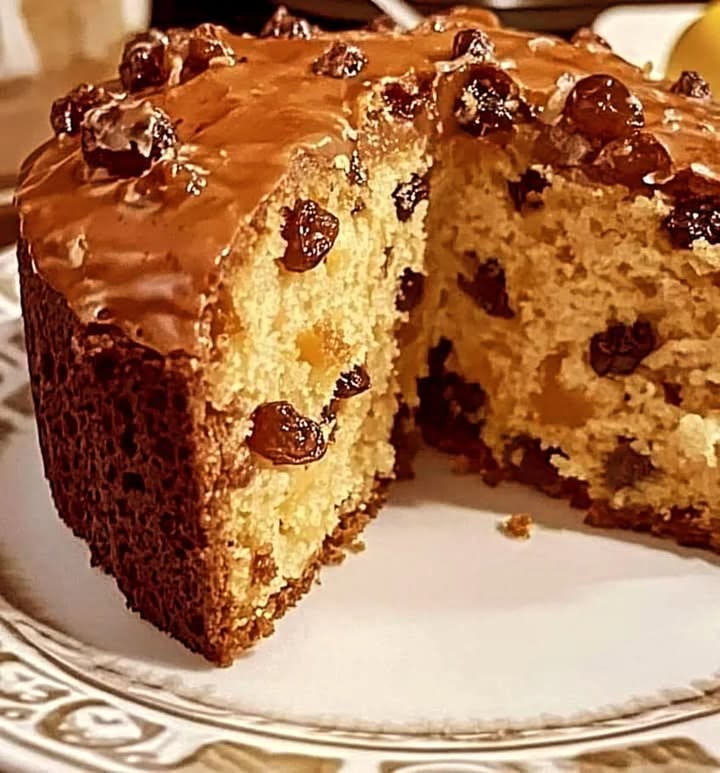
Homemade Panettone Delight: A Sweet Italian Tradition in Your Kitchen
There’s something magical about the aroma of freshly baked panettone wafting through your home. It reminds me of cozy winter evenings, sipping hot chocolate, and sharing a slice with loved ones. This homemade panettone delight is not just a recipe; it’s a heartwarming experience that brings people together. Let’s dive into this delightful treat and discover why it’s a must-try for any baking enthusiast.
A Brief History: The Origins of Panettone
Panettone, a traditional Italian sweet bread, has a rich history dating back to Milan in the 15th century. Legend has it that a young nobleman, falling in love with a baker’s daughter, created this special bread to win her father’s approval. Today, it’s a beloved Christmas treat around the world, but you can enjoy it anytime! Whether you stick to the classic version or try a modern twist with chocolate, the joy of making homemade panettone is truly timeless.
Why You’ll Love This Recipe
This homemade panettone delight is a symphony of flavors and textures. The soft, fluffy dough is studded with candied fruits, raisins, and a hint of lemon zest, creating a burst of sweetness in every bite. Plus, it’s surprisingly simple to make, even for beginners. The best part? You can customize it with your favorite ingredients, making each batch uniquely yours.
Perfect Occasions to Prepare This Recipe
Homemade panettone is a perfect addition to any festive gathering. Serve it at Christmas, Easter, or any family get-together. It also makes a thoughtful gift for friends and neighbors. Imagine the joy on their faces when they receive a beautifully wrapped, freshly baked panettone delight. It’s the ultimate way to share a bit of your heart and home.
Ingredients
- 1 kg of sifted wheat flour
- 3 large eggs
- 1 glass (approximately 200 ml) of sugar
- A pinch of salt
- 2 tablespoons of butter or margarine
- 250 ml of warm milk
- 50 g of fresh yeast or 10 g of dry yeast
- 300 g of candied fruit or chocolate cubes (for chocotone)
- 250 g seedless raisins
- 20 ml vanilla essence or panettone essence
- Lemon zest
Substitution Options
If you can’t find some of the ingredients, don’t worry! You can substitute candied fruit with dried cranberries or cherries. For a nutty twist, add chopped almonds or pecans. If you prefer a chocolatey version, use chocolate chips instead of candied fruit. Get creative and make it your own!
Preparation Section
Step 1: Preparing the Liquid Mixture
In a blender, beat the eggs, sugar, butter or margarine, warm milk, yeast, and essence for about 30 seconds. Watch as the mixture turns into a smooth, golden liquid. The kitchen will start to smell amazing already!
Step 2: Mixing the Dry Ingredients
In a large bowl, place the sifted wheat flour and make a well in the center. Pour the beaten liquid mixture into the well. Start mixing from the center, gradually incorporating the flour. The dough will come together in a soft, pliable mass.
Step 3: Kneading the Dough
Knead the dough on a lightly floured surface until it becomes smooth and springs back when poked. This usually takes about 10 minutes. The dough should feel slightly sticky but not too wet. If it’s too sticky, add a little more flour, but be careful not to overdo it.
Step 4: Adding the Toppings
Gently fold in the candied fruits, raisins, and lemon zest. The dough will be speckled with colorful bits, adding both flavor and texture. Be sure to distribute them evenly to ensure every slice is a delightful surprise.
Step 5: Modeling and Growing
Divide the dough into portions and place them in greased panettone molds or round baking trays. Fill them halfway up, as the dough will rise. Cover the molds with a clean cloth and let them rest in a warm, draft-free place until they double in volume, about 1 to 2 hours.
Step 6: Preparation Before Baking
Once the dough has risen, make an X cut on the top of each panettone with a sharp knife. Brush the surface with beaten egg yolks for a beautiful, golden finish. This step gives the panettone its classic look and a deliciously shiny crust.
Step 7: To Roast
Place the panettone in a preheated oven at 180°C (350°F) and bake for 35-45 minutes, or until golden and cooked through. The kitchen will fill with the most wonderful aroma. Pro tip: Use a skewer to check if the panettone is done; it should come out clean.
Step 8: Cooling and Unmolding
Remove the panettone from the oven and let it cool on a wire rack. Once cooled, gently unmold the panettone. The texture should be light and airy, with a golden crust that’s slightly crispy on the outside and soft on the inside.
Timing
Preparation time: 30 minutes
Rest time: 1-2 hours
Cooking time: 35-45 minutes
Total time: Approximately 2 hours and 15 minutes
Chef’s Secret
To enhance the flavor, let the mixed dough rest in the refrigerator overnight before adding the toppings. This slow fermentation process deepens the taste and makes the dough even fluffier. Trust me, the extra step is worth it!
Extra Info
Did you know that panettone was originally made as a luxury item for wealthy families? Now, it’s enjoyed by everyone, making it a true democratization of deliciousness. The tradition of sharing panettone during the holidays is a symbol of unity and joy, bringing people closer together.
Necessary Equipment
- Large mixing bowl
- Blender
- Spatula
- Panettone molds or round baking trays
- Oven mitts
- Wire rack for cooling
- Sharp knife for cutting
Storage
Store your homemade panettone in an airtight container at room temperature for up to a week. If you want to keep it longer, wrap it in plastic wrap and then in a resealable bag, and store it in the refrigerator for up to 2 weeks. For longer storage, you can freeze the panettone. Simply wrap it tightly in plastic wrap and aluminum foil, and place it in the freezer. It will keep for up to 3 months. When you’re ready to serve, thaw it at room temperature before unwrapping to prevent condensation.
Tips and Advice
For the best results, use high-quality ingredients. Fresh yeast and good quality flour make a big difference in the texture and flavor. Also, be patient during the rising process. A well-risen dough is key to a light and airy panettone. Finally, don’t skip the egg wash; it gives the panettone its signature shine and color.
Presentation Tips
For a lovely presentation, dust the panettone with powdered sugar just before serving. You can also add a decorative ribbon or a small tag for a personal touch. Serve it with a dollop of whipped cream or a scoop of vanilla ice cream for a decadent treat. Perfect for a holiday dessert or a special family gathering.
Healthier Alternative Recipes
Here are six possible variations to make your homemade panettone a little healthier:
- Fruit and Nut Panettone: Use dried fruits and nuts instead of candied fruits and chocolate. This adds natural sweetness and a boost of fiber and protein.
- Whole Wheat Panettone: Substitute half of the all-purpose flour with whole wheat flour for a wholesome, nutty flavor and added fiber.
- Honey-Sweetened Panettone: Replace the sugar with honey for a more natural sweetener. Honey also adds a unique, rich flavor to the panettone.
- Eggless Panettone: Use a combination of applesauce and baking powder to replace the eggs. This makes the panettone suitable for those with egg allergies or dietary restrictions.
- Gluten-Free Panettone: Use a gluten-free flour blend to make the panettone accessible to those with gluten sensitivities. Just make sure the flour blend is designed for baking.
- Low-Sugar Panettone: Reduce the amount of sugar in the recipe and add a touch of cinnamon or nutmeg for a naturally sweet and aromatic flavor. This version is perfect for those watching their sugar intake.
If you’re looking for more delightful treats, check out our Raspberry Mascarpone Yule here, which is a showstopper for any holiday table. Or, if you’re in the mood for something fun and festive, our Easter Poke Cake recipe is a must-try. And for a sweet indulgence, don’t miss our Salted Caramel Truffles recipe. Lastly, if you’re planning a special Easter celebration, our Easter Bunny Cake is a crowd-pleaser.
Common Mistakes to Avoid
Mistake 1: Not Proofing the Yeast
Skipping the yeast proofing step can lead to a dense, unappetizing panettone. Always activate the yeast in warm water (around 110°F) with a pinch of sugar. Wait for it to foam, indicating it’s active. This ensures your dough will rise beautifully.
Mistake 2: Overmixing the Dough
Overmixing can develop the gluten in the dough too much, resulting in a tough, chewy texture. Mix just until the dough comes together and is smooth. Stop when it feels slightly sticky but not overly wet. This will give you a lighter, airier panettone.
Mistake 3: Adding Too Much Flour
Adding too much flour can make the panettone heavy and dry. Start with the recommended amount and only add more if the dough is too sticky. A little stickiness is good; it means your panettone will be light and airy. Remember, less is more when it comes to flour in this recipe.
Mistake 4: Not Letting the Dough Rise Enough
Not allowing the dough to rise fully can result in a dense, underdeveloped panettone. Let it rise in a warm, draft-free place until it doubles in size. This step is crucial for a light and fluffy texture. Patience is key here, so don’t rush the process.
Mistake 5: Overbaking the Panettone
Overbaking can make your panettone dry and hard. Keep an eye on it during the last 10 minutes of baking. The top should be golden, and the inside should be set. If you’re unsure, use a skewer to check; it should come out clean. This ensures your panettone is perfectly baked and moist.
FAQ
Can I use dry yeast instead of fresh yeast?
Yes, you can use dry yeast as a substitute for fresh yeast. For this recipe, 10 g of dry yeast is equivalent to 50 g of fresh yeast. Activate the dry yeast in warm water with a pinch of sugar before adding it to the liquid mixture.
How do I know if the panettone is done?
To check if the panettone is done, insert a skewer into the center. If it comes out clean, the panettone is ready. The top should be golden brown, and the bottom should sound hollow when tapped. If the skewer comes out with dough, bake for a few more minutes and check again.
Can I use different types of fruit?
Absolutely! While traditional panettone uses candied fruits, you can use a variety of dried fruits like cranberries, cherries, or apricots. You can also add chopped nuts like almonds or pistachios for a crunchy texture. Feel free to experiment with your favorite fruits and nuts.
How long does homemade panettone last?
Homemade panettone can last up to a week at room temperature if stored in an airtight container. For longer storage, wrap it in plastic wrap and then in a resealable bag, and store it in the refrigerator for up to 2 weeks. You can also freeze it for up to 3 months. Thaw it at room temperature before serving.
Can I make panettone without eggs?
Yes, you can make an eggless version of panettone. Substitute the eggs with a combination of applesauce and baking powder. Use about 1/4 cup of unsweetened applesauce and 1 teaspoon of baking powder for each egg. This will help bind the ingredients and give the panettone a light texture.
Is panettone the same as fruitcake?
While both panettone and fruitcake contain dried or candied fruits, they are quite different. Panettone is a light, fluffy, and sweet Italian bread, while fruitcake is denser and typically contains a mix of fruits and nuts soaked in spirits. Panettone is often served as a dessert, whereas fruitcake is more of a rich, dense cake.
Can I use a different type of milk?
Yes, you can use different types of milk. Whole milk, almond milk, or coconut milk are great alternatives. Just make sure the milk is warm (around 110°F) when you add it to the liquid mixture. This will help activate the yeast and create a smooth, creamy texture.
What is the best way to cut panettone?
The best way to cut panettone is to slice it vertically, starting from the top and moving down. This method helps maintain the shape and texture of the panettone. You can also use a serrated knife for a cleaner cut. Serve the slices with a sprinkle of powdered sugar or a dollop of whipped cream.
Can I make mini panettones?
Yes, you can make mini panettones. Divide the dough into smaller portions and place them in small panettone molds or muffin tins. Bake them for a shorter time, around 20-25 minutes, or until golden and cooked through. Mini panettones are perfect for individual servings and make great gifts.
Is panettone gluten-free?
Traditional panettone is not gluten-free as it contains wheat flour. However, you can make a gluten-free version using a gluten-free flour blend. Make sure to choose a blend designed for baking, as it will give the best results. Follow the same recipe steps, but substitute the wheat flour with the gluten-free blend.
Now that you have all the tips and tricks, it’s time to get baking! If you’re craving more delightful recipes, explore our bread and pastry section for more inspiration. Happy baking, and may your kitchen always be filled with the sweet aroma of homemade goodness!
Equipment
- Blender
- Large mixing bowl
- Spatula
- Panettone molds or round baking trays
- Oven mitts
Ingredients
- 1 kg sifted wheat flour
- 3 large eggs
- 200 ml sugar approximately 1 glass
- a pinch salt
- 2 tbsp butter or margarine
- 250 ml warm milk
- 50 g fresh yeast or 10 g of dry yeast
- 300 g candied fruit or chocolate cubes (for chocotone)
- 250 g seedless raisins
- 20 ml vanilla essence or panettone essence
- q.s. lemon zest to taste
Instructions
- In a blender, beat the eggs, sugar, butter or margarine, warm milk, yeast, and essence for about 30 seconds until smooth.
- In a large bowl, place the sifted wheat flour and make a well in the center. Pour the liquid mixture into the well, and mix from the center.
- Knead the dough on a floured surface for about 10 minutes until smooth and slightly sticky.
- Fold in the candied fruits, raisins, and lemon zest evenly.
- Divide the dough into portions and place in greased panettone molds or round baking trays, filling them halfway. Let them rise until doubled in volume, about 1 to 2 hours.
- After rising, make an X cut on top of each panettone and brush with beaten egg yolks.
- Bake in a preheated oven at 180°C (350°F) for 35-45 minutes, or until golden and a skewer comes out clean.
- Let it cool on a wire rack before gently unmolding.
Notes
Nutrition

Hi, I’m Olivia Parker, the founder of BakingSecret.com and a lifelong lover of all things sweet and homemade. I grew up in a small town in Oregon, where the smell of fresh cookies in my family’s kitchen sparked my passion for baking. Over the years, I turned that passion into a mission: to help home bakers feel confident, inspired, and creative.
After studying food science and working in several artisan bakeries across the U.S., I decided to create a space where everyone from beginners to seasoned bakers can find reliable recipes, expert tips, and a warm, welcoming community. BakingSecret.com is my way of sharing the magic of baking with the world. When I’m not testing new recipes, you’ll find me exploring farmers’ markets, collecting vintage cookbooks, or perfecting my sourdough technique.