
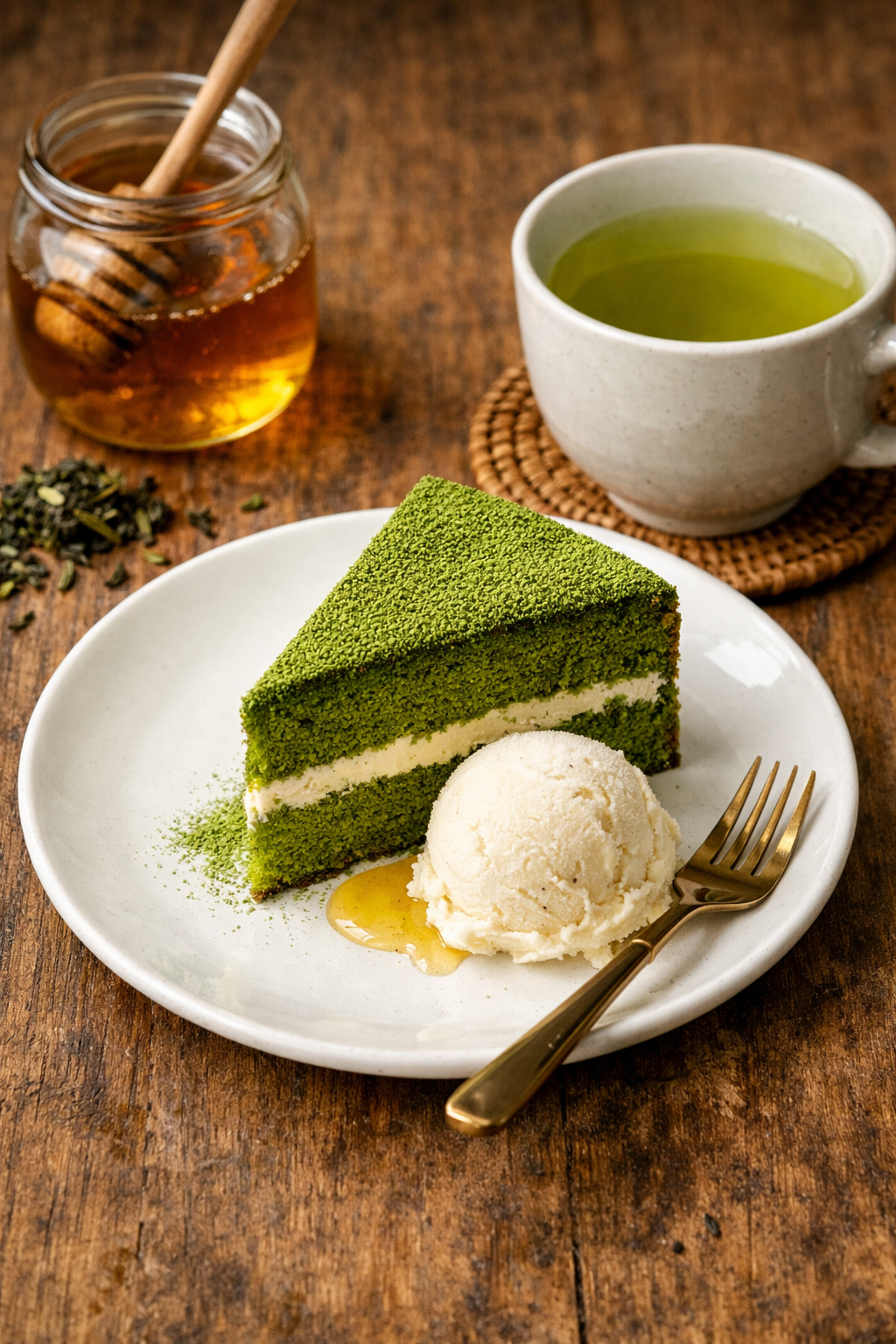
Introduction: Discovering the Magic of Matcha Cake
I’ll never forget the first time I tasted matcha cake at a small bakery in Seattle. The vivid green slice caught my eye immediately, and one bite completely changed how I thought about desserts. The earthy sweetness surprised me in the best way possible. Since that day, I’ve been on a mission to master the art of making matcha cake at home, and I want to share everything I’ve learned with you.
If you’ve been curious about this beautiful green dessert, you’re in the right place. Maybe you’ve spotted those Instagram-worthy matcha cakes and wondered what all the fuss is about. Or perhaps you’re already a matcha fan looking for the best matcha cake recipes to try. Either way, I’m here to guide you through this wonderful baking adventure.
This post covers everything from basic recipes to creative variations like matcha cake roll and matcha chiffon cake. I’ll share tips for making a healthy matcha cake, explore vegan matcha cake options, and even talk about where to find matcha cake near me if you’re not ready to bake yet. Let’s get started on this tasty journey together.
What is Matcha Cake?
Is matcha cake a thing? Yes, absolutely! Matcha cake has become incredibly popular over the past few years. This stunning dessert combines traditional cake ingredients with matcha powder, which is finely ground green tea leaves. The result is a treat that looks as good as it tastes.
The vibrant green color comes naturally from the matcha itself. No artificial dyes needed. When I first started baking with matcha, I was amazed at how the color stayed bright and beautiful even after baking. It’s like bringing a piece of nature right onto your dessert plate.
Matcha cake isn’t just one specific recipe. It’s a whole category of desserts. You can find fluffy matcha chiffon cake, dense pound cakes, layered celebration cakes, and delicate cake rolls. Each style showcases matcha’s unique flavor in different ways.
I love how versatile this dessert is. You can dress it up for special occasions with white chocolate ganache or keep it simple with just a dusting of powdered sugar. I’ve made matcha cakes for birthdays, dinner parties, and lazy Sunday afternoons. It works for every occasion.
What Does Matcha Taste Like in Cake?
This is probably the most common question I get from friends who’ve never tried matcha desserts. What does matcha taste like in cake? The flavor is hard to describe if you’ve never experienced it, but I’ll do my best.
Matcha has an earthy, slightly bitter taste with subtle sweetness and nutty undertones. When you add it to cake, the sugar balances out the bitterness perfectly. You get this sophisticated flavor that’s not too sweet, not too bitter. Just right.
Some people compare it to green tea, which makes sense since that’s exactly what it is. But matcha tastes more concentrated and complex than regular brewed tea. The flavor is bold yet smooth. Rich yet refreshing.
I find that high-quality matcha makes a huge difference in taste. Culinary grade matcha works great for baking and costs less than ceremonial grade. I learned this the hard way after spending too much money on fancy matcha that I just mixed into batter. Save the expensive stuff for your tea ceremonies.
The first time you bite into matcha cake, you might need a moment to process the flavor. It’s different from chocolate or vanilla. Your taste buds wake up to something new. Some people fall in love immediately. Others need a few bites to appreciate it. Either reaction is totally normal.
Why Matcha Cake Has Stolen My Heart
Beyond the unique taste, matcha cake offers something special. It feels both indulgent and refined at the same time. When I serve it to guests, they always ask for the recipe. That bright green color sparks conversations and curiosity.
I also appreciate that matcha brings some nutritional benefits along with the sweetness. While cake is still cake, matcha contains antioxidants and a small amount of caffeine. Does this make it health food? No. But it’s nice to know your dessert has a few redeeming qualities.
The texture of matcha cake can range from light and airy to dense and moist, depending on the recipe you choose. My personal favorite is the Japanese-style chiffon cake. It’s incredibly soft and melts in your mouth. The delicate crumb pairs perfectly with matcha’s subtle flavor.
Baking with matcha has taught me to pay attention to details. The powder can clump easily, so sifting is important. Too much matcha makes the cake bitter. Too little, and you barely taste it. Finding that sweet spot takes practice, but that’s part of the fun.
Finding Your Perfect Matcha Cake Style
When you search for matcha cake near me, you’ll probably find several different styles. Asian bakeries often carry matcha chiffon cake, which is super light and fluffy. Coffee shops might offer matcha pound cake or muffins. Fancy patisseries create elaborate green tea layer cakes with buttercream or cream cheese frosting.
Each style has its own charm. Chiffon cakes are my go-to for everyday treats. They’re not too sweet and pair wonderfully with afternoon tea or coffee. Layer cakes work better for celebrations when you want something impressive. A matcha cake roll filled with whipped cream or red bean paste makes a beautiful centerpiece.
If you’re interested in healthier options, healthy matcha cake recipes usually swap refined sugar for alternatives like honey or maple syrup. They might use whole wheat flour or almond flour instead of all-purpose. Some reduce the oil or butter content. These versions taste slightly different but still delicious.
For my plant-based friends, matcha cake vegan recipes work surprisingly well. Matcha’s strong flavor helps mask any differences from using egg replacers or dairy-free milk. I’ve made vegan versions that even my non-vegan family couldn’t tell were plant-based.
If you’re feeling adventurous, try a matcha chocolate cake. The combination sounds unusual, but chocolate and matcha complement each other beautifully. The richness of cocoa balances matcha’s grassy notes. It’s like the best of both worlds on one plate.

Best Matcha Cake Recipes to Try Right Now
Now that you know what style speaks to you, let’s get into the kitchen and actually bake something. I’ve tested these recipes more times than I can count, tweaking them until they turned out perfect every single time.
The beauty of these best matcha cake recipes is that they range from simple weekday treats to showstopping desserts worthy of any celebration. I remember making my first chiffon cake and feeling like a professional baker when it came out of the oven perfectly domed and springy. That feeling never gets old.
Classic Matcha Chiffon Cake Recipe
Here’s the thing about chiffon cakes—they look intimidating but they’re actually pretty forgiving once you understand the technique. This matcha chiffon cake recipe has become my weekend ritual. The house smells amazing while it bakes, and the texture is so light it practically floats off the fork.
For this recipe, you’ll need seven egg whites and five egg yolks (I know, it’s an odd number, but trust me). Grab 120 grams of cake flour, 150 grams of sugar divided into two portions, 80 ml of vegetable oil, 80 ml of whole milk, two tablespoons of high-quality culinary grade matcha powder, and a pinch of cream of tartar if you have it.
Start by separating your eggs when they’re still cold from the fridge. Cold eggs separate more easily, but let the whites come to room temperature before whipping—they’ll get fluffier that way. Sift together the cake flour and matcha powder at least twice. This step matters more than you’d think. Matcha clumps easily, and nobody wants green specks scattered unevenly through their cake.
Whisk together the egg yolks with 50 grams of sugar until the mixture turns pale and thick. Add the oil and milk, stirring until combined. Fold in your sifted flour and matcha mixture gently. Don’t overmix or you’ll develop too much gluten and end up with a tough cake instead of that signature chiffon fluffiness.
In a separate bowl—and make sure it’s completely clean and dry—whip those egg whites. Start on medium speed until they get foamy, then add the cream of tartar if using. Gradually add the remaining 100 grams of sugar while continuing to beat. You want stiff peaks that hold their shape but still look glossy, not dry or clumpy.
Here comes the crucial part. Fold one-third of the meringue into the matcha batter to lighten it. Then gently fold in the remaining meringue in two additions. Use a large spatula and cut down through the center, sweep along the bottom, and bring it up along the side. Rotate the bowl and repeat. This takes patience, but rushing ruins the airiness you worked so hard to create.
Pour the batter into an ungreased 9-inch tube pan. Yes, ungreased—the cake needs to grip the sides to rise properly. Bake at 325°F for about 45 minutes. When done, it’ll spring back when gently pressed. Immediately flip the pan upside down and let it cool completely suspended in the air. I usually balance mine on a wine bottle. It looks silly but works perfectly.
This cake reminds me a bit of the delicate layers you’d find in a millefoglie cake, though the technique is completely different. Both require that gentle touch and attention to detail that makes baking feel almost meditative.
Matcha Chocolate Cake Recipe
When I first heard about matcha chocolate cake, I was skeptical. Wouldn’t the flavors fight each other? Funny enough, they work together like old friends. The earthiness of matcha actually enhances chocolate’s richness rather than competing with it.
This recipe makes a two-layer cake that’ll impress anyone. You’ll need 200 grams of all-purpose flour, 50 grams of cocoa powder, one tablespoon of matcha powder, 200 grams of sugar, two teaspoons of baking powder, half a teaspoon of baking soda, a pinch of salt, two eggs, 240 ml of buttermilk, 120 ml of vegetable oil, two teaspoons of vanilla extract, and 240 ml of hot coffee (yes, coffee makes chocolate taste more chocolatey).
Preheat your oven to 350°F and grease two 8-inch round pans. Sift together the dry ingredients including both the cocoa and matcha. In another bowl, whisk the eggs, buttermilk, oil, and vanilla. Combine wet and dry ingredients, then carefully stir in the hot coffee. The batter will be thin—don’t panic, that’s exactly right.
Divide between your pans and bake for 30-35 minutes. Cool completely before frosting. I usually make a white chocolate cream cheese frosting for this cake because it complements both flavors without overpowering either. Sometimes I’ll add a tiny bit more matcha to the frosting for extra color and flavor depth.
The contrast between the dark cake and bright green frosting creates something visually stunning. It’s the kind of dessert that makes people reach for their phones before their forks. If you’re into impressive cakes that taste as good as they look, this rivals even the most elaborate cake with wishes presentations.
Thermomix Matcha Cake
For those of you lucky enough to own a Thermomix, making thermomix matcha cake simplifies everything. I borrowed my friend’s machine once and fell in love with how it handled the mixing. The temperature control and precise timing take so much guesswork out of baking.
Place 150 grams of sugar in your Thermomix bowl and mill for 10 seconds on speed 9 to make it superfine. Add 150 grams of softened butter and mix for 20 seconds on speed 4 until creamy. Scrape down the sides, then add three eggs and blend for 15 seconds on speed 4.
Add 200 grams of self-raising flour, two tablespoons of matcha powder, and 100 ml of milk. Mix for 20 seconds on speed 4 using the reverse function to avoid overmixing. The reverse function is brilliant—it combines ingredients without developing too much gluten.
Pour into a greased and lined 8-inch round pan and bake at 340°F for about 40 minutes. The machine’s precision means this cake comes out consistent every single time. No more wondering if you creamed the butter enough or mixed the batter too much.
Healthy Matcha Cake
By the way, if you’re watching your sugar intake but still want something sweet, this healthy matcha cake hits the spot. I developed this recipe after my sister asked for something less indulgent but still delicious. It uses natural sweeteners and whole grain flour without tasting like cardboard.
Combine 150 grams of whole wheat pastry flour (lighter than regular whole wheat), two tablespoons of matcha powder, one and a half teaspoons of baking powder, and a quarter teaspoon of salt. In another bowl, whisk together 120 ml of pure maple syrup or honey, 80 ml of Greek yogurt, 80 ml of melted coconut oil, two eggs, and one teaspoon of vanilla extract.
Fold the wet ingredients into the dry until just combined. The yogurt adds moisture and tang that balances the sweetness perfectly. Bake in a greased 8-inch pan at 325°F for about 35 minutes. This cake stays moist for days thanks to the yogurt.
The whole wheat flour gives it a slightly nutty flavor that actually complements the matcha beautifully. My health-conscious friends love this version, and honestly, I sometimes prefer it to the more traditional recipes. It feels less heavy after eating, which means I can justify a second slice.
This recipe proves you don’t need tons of butter and sugar to create something satisfying. The natural sweetness from maple syrup or honey lets the matcha flavor shine through even more clearly. While it’s not quite as decadent as something like billionaires and chocolate cake, it offers its own kind of luxury—the kind where you feel good after eating it.
No matter which recipe you choose, remember that baking is as much about the journey as the destination. Your first attempt might not be perfect, and that’s completely okay. My first matcha chiffon cake deflated like a sad balloon. But I learned from it, adjusted, and tried again. That’s what makes finally nailing a recipe so rewarding.
Variations and Special Diets: Matcha Cake for Everyone
One of my favorite things about matcha cake is how adaptable it is. Whether you’re rolling it up, making it vegan, or stacking it into impressive layers, the possibilities seem endless. I’ve experimented with so many variations over the years, and each one brings something special to the table.
The best part? You don’t need to be an expert baker to pull off these variations. Sure, some techniques take practice, but that’s what makes baking exciting. Each attempt teaches you something new about texture, flavor, and technique.
Matcha Cake Roll
Here’s the thing about cake rolls—they look way harder to make than they actually are. The first time I successfully rolled a matcha cake roll without it cracking, I felt like I’d won a baking championship. Now I make them regularly because they’re elegant, delicious, and honestly kind of fun.
The sponge for a cake roll needs to be thin and flexible. I use four eggs separated, 80 grams of sugar, 60 grams of cake flour, and one and a half tablespoons of matcha powder. Whip those egg whites to stiff peaks with half the sugar, then beat the yolks with the remaining sugar until pale and thick.
Fold the yolks into the whites gently, then sift in the flour and matcha together. Spread the batter evenly on a parchment-lined baking sheet—and I mean really evenly, about a quarter inch thick across the entire pan. Bake at 375°F for just 10-12 minutes. You want it set but still soft and pliable.
Now comes the rolling part. While the cake is still warm, flip it onto a clean kitchen towel dusted with powdered sugar. Peel off the parchment carefully. Starting from one short end, roll the cake up with the towel inside. This trains the cake to hold its shape. Let it cool completely in this rolled position.
For the filling, I usually go with sweetened whipped cream, though red bean paste is traditional and absolutely delicious if you can find it. Unroll the cooled cake, spread your filling leaving about an inch at the edges, then roll it back up without the towel this time. Refrigerate for at least an hour before slicing.
The first slice always makes my heart skip a beat. That spiral of green cake and white cream just looks so pretty. I’ve brought these to potlucks and watched people’s faces light up when they cut into them. It’s a showstopper that doesn’t require fancy decorating skills.
Vegan Matcha Cake
My cousin went vegan a few years ago, and I was determined to make her a birthday cake she’d actually enjoy. That’s how I discovered that matcha cake vegan versions can be just as delicious as traditional recipes. Sometimes even better, if I’m being honest.
For a basic vegan matcha cake, combine 200 grams of all-purpose flour, two tablespoons of matcha powder, 150 grams of sugar, one and a half teaspoons of baking powder, half a teaspoon of baking soda, and a pinch of salt. In another bowl, mix 240 ml of non-dairy milk (I prefer oat or almond), 80 ml of neutral oil, two tablespoons of apple cider vinegar, and one teaspoon of vanilla extract.
The vinegar reacts with the baking soda to create lift without eggs. It’s kind of magical watching it bubble up. Mix wet and dry ingredients until just combined, then bake in a greased 8-inch pan at 350°F for about 35 minutes. The texture comes out surprisingly fluffy and moist.
By the way, aquafaba—the liquid from canned chickpeas—works brilliantly if you want a lighter, airier vegan matcha cake. Whip three tablespoons of aquafaba with a quarter teaspoon of cream of tartar until you get stiff peaks, then fold it into your batter. It mimics beaten egg whites remarkably well.
For frosting, coconut cream whipped with powdered sugar and a touch more matcha creates something light and not too sweet. Or you can make a vegan cream cheese frosting using plant-based cream cheese and vegan butter. Both options taste amazing and hold up well even in warm weather.
Green Tea Layer Cake Recipe
When you really want to impress someone, a green tea layer cake does the job. I made one for my best friend’s wedding shower last year, and people are still talking about it. The combination of matcha sponge layers with cream cheese frosting creates something that’s both visually stunning and absolutely delicious.
This recipe makes three 8-inch layers. You’ll need to triple the basic matcha cake recipe or bake three separate batches. I know that sounds like a lot of work, but spacing out the baking over a day or two makes it manageable. You can even bake the layers ahead and freeze them wrapped tightly in plastic wrap.
For the frosting, beat 450 grams of softened cream cheese with 225 grams of softened butter until fluffy. Gradually add 500 grams of powdered sugar and one teaspoon of vanilla. For extra matcha flavor and that gorgeous green color in the frosting, add another tablespoon of matcha powder sifted in carefully.
Level your cooled cake layers with a serrated knife so they stack evenly. Place the first layer on your serving plate, spread about a cup of frosting on top, then add the second layer. Repeat with more frosting and the third layer. Cover the entire cake with a thin crumb coat—a light layer that traps any loose crumbs. Refrigerate for 30 minutes.
Then apply your final frosting layer, making it as smooth or textured as you like. I’m not great at perfect smooth finishes, so I often go for a rustic look with visible swoops and swirls. It still looks beautiful and feels more approachable somehow. Funny enough, the “imperfect” cakes often get more compliments than the ones I stress over making flawless.
Decorating options are endless. White chocolate shavings look elegant against the green. Fresh berries add color and cut through the richness. Edible flowers create a garden-party vibe. I once decorated one with gold leaf for a fancy occasion, and it looked like something from a high-end bakery.
If you love making impressive layered desserts, you might also enjoy exploring other options in the cakes and cupcakes category where you’ll find plenty of inspiration for your next baking project.
Health Benefits of Matcha Cake
Is matcha cake healthy to eat? Well, let’s be realistic here. Cake is cake, and even matcha cake contains sugar, butter, and refined flour in most recipes. But matcha itself does bring some genuine nutritional benefits to the party, which makes this dessert a bit more interesting from a health perspective.
Matcha is loaded with antioxidants called catechins, particularly EGCG, which has been studied for its potential health properties. It contains L-theanine, an amino acid that promotes calm focus—kind of like coffee’s energy without the jitters. Plus, matcha has a small amount of fiber and chlorophyll, which gives it that brilliant green color.
The caffeine content in matcha cake is usually minimal after baking, but it’s still there. I’ve noticed I feel slightly more alert after eating a slice compared to regular vanilla cake. It’s subtle but noticeable. Not enough to replace your morning coffee, but enough to make an afternoon treat feel slightly productive.
When comparing matcha cake to other desserts from a nutritional standpoint, it’s worth noting that eggs used in many recipes do provide some protein content, though not enough to call cake a protein source by any stretch. The healthy versions I shared earlier—using whole grains, natural sweeteners, and Greek yogurt—definitely tip the scales toward being more nutritious choices.
Can you eat matcha cake regularly and call it a health food? Probably not. But enjoying a slice mindfully as part of a balanced diet? Absolutely. I think the key is not fooling yourself into thinking it’s kale just because it’s green, but appreciating that it’s a dessert with some redeeming qualities beyond pure indulgence.
The 30/20/10 Rule for Matcha
What is the 30/20/10 rule for matcha? This is something I wish someone had explained to me when I first started baking with matcha. I wasted money buying the wrong grades before finally understanding this simple guideline.
The rule refers to the price point per ounce that generally indicates matcha quality and appropriate use. Matcha around $30 per ounce is ceremonial grade—the highest quality meant for traditional tea preparation. It has the most vibrant color, smoothest taste, and finest texture. Using this in baking feels like using vintage wine for cooking. Wasteful.
Premium grade matcha costs around $20 per ounce. It’s still high quality with good color and flavor but works better for lattes and smoothies. You could bake with it, but it’s more expensive than necessary for that purpose. I keep some on hand for making matcha lattes to drink while my cakes bake.
Culinary grade matcha runs about $10 per ounce, and this is your baking champion. It has a slightly more bitter taste than ceremonial grade, which doesn’t matter when mixed with sugar in cake batter. The color stays vibrant through baking, and it’s affordable enough to use generously without guilt.
I learned this rule after buying expensive ceremonial matcha for my first matcha cake. The results were good but not noticeably better than when I later tried culinary grade. Now I buy culinary grade in larger quantities and save the fancy stuff for drinking. My wallet thanks me, and my cakes taste just as good.
When shopping, check if the seller specifies the grade. If they don’t, price usually tells you what you’re getting. Super cheap matcha under $5 per ounce might be old or low quality, turning your cake muddy brown instead of that beautiful green. Been there, made that mistake, learned that lesson.
Whether you’re making a simple weekday treat or an elaborate green tea layer cake for a celebration, understanding matcha quality helps you make smart choices. Save money where it makes sense and splurge where it matters. That’s the kind of practical wisdom that makes baking more enjoyable and less stressful.
After exploring all these variations—from matcha cake rolls to vegan options to understanding matcha grades—I hope you feel inspired to experiment in your own kitchen. Don’t be afraid to try something new or put your own spin on these recipes. Some of my best creations happened by accident when I ran out of an ingredient or tried something unconventional. That’s the beauty of baking: it’s part science, part art, and completely personal.
Frequently Asked Questions About Matcha Cake
What does matcha taste like in cake?
Matcha in cake has an earthy, slightly bitter flavor with subtle sweet and nutty notes. The sugar in cake balances the natural bitterness beautifully, creating a sophisticated taste that’s not overly sweet. It’s more concentrated and complex than regular green tea. The flavor is bold yet smooth, rich yet refreshing. Most people either love it immediately or need a few bites to fully appreciate its unique character.
Is matcha cake a thing?
Yes, matcha cake is definitely a thing and has become incredibly popular worldwide. It’s a whole category of desserts that includes chiffon cakes, layer cakes, pound cakes, cake rolls, and more. Asian bakeries have been making matcha cakes for decades, and now they’re found everywhere from coffee shops to high-end patisseries. The naturally vibrant green color and unique flavor make it stand out from traditional cake flavors. It works for everything from casual afternoon treats to elegant celebration cakes.
What is the 30/20/10 rule for matcha?
The 30/20/10 rule refers to matcha pricing that indicates quality and best use. Ceremonial grade costs around $30 per ounce and is best for traditional tea drinking. Premium grade runs about $20 per ounce, perfect for lattes and smoothies. Culinary grade costs roughly $10 per ounce and works perfectly for baking. This rule helps you avoid wasting expensive ceremonial matcha in recipes where the subtle differences won’t be noticeable. For baking matcha cake, culinary grade gives you excellent results without breaking the bank.
Is matcha cake healthy to eat?
Matcha cake is still dessert with sugar and butter, but matcha itself offers some health benefits. It contains powerful antioxidants called catechins, L-theanine for calm focus, and small amounts of fiber and caffeine. Matcha provides more nutritional value than artificial food coloring. Healthier versions using whole grain flour, natural sweeteners, and Greek yogurt make it even better. Enjoying matcha cake as an occasional treat within a balanced diet is perfectly fine. Just don’t mistake it for health food simply because it’s green.
Where can I find matcha cake near me?
Asian bakeries, especially Japanese and Korean ones, frequently carry matcha cakes and are your best bet for authentic versions. Many specialty coffee shops now offer matcha desserts including cake slices. High-end bakeries and patisseries often feature matcha as a flavor option for custom cakes. Try searching online for “Japanese bakery near me” or checking bakery menus in your area. If you can’t find any locally, making your own is easier than you might think and often tastes better than store-bought versions anyway.
Can I use regular green tea instead of matcha powder?
Unfortunately, no. Regular green tea leaves or tea bags won’t work as a substitute for matcha powder in cake recipes. Matcha is stone-ground whole tea leaves creating a fine powder that incorporates into batter. Regular tea leaves are too coarse and won’t blend properly. Brewed green tea is mostly water and won’t provide the concentrated flavor or vibrant color. You really need actual matcha powder for these recipes. Culinary grade matcha is affordable and goes a long way, making it worth the investment.
How do I store matcha cake?
Store unfrosted matcha cake wrapped tightly in plastic wrap at room temperature for up to two days. For longer storage, refrigerate for up to five days or freeze for up to three months. Frosted cakes should be refrigerated and brought to room temperature before serving for best texture. Matcha’s color stays vibrant when properly stored. I usually wrap individual slices separately so I can grab just what I need. Always let refrigerated cake sit out for 20-30 minutes before eating—the flavor and texture improve significantly at room temperature.
Why did my matcha cake turn brown instead of green?
This usually happens when matcha is old, low quality, or exposed to too much heat. Old matcha oxidizes and loses its vibrant green color. Very cheap matcha often has poor color stability. Overbaking can also dull the color, though slight color change is normal. Make sure you’re using fresh culinary grade matcha and storing it properly in an airtight container away from light and heat. Using enough matcha powder (usually at least one to two tablespoons per cake) also helps maintain that beautiful green hue.
Can I make matcha cake without eggs?
Absolutely. Vegan matcha cakes work wonderfully using several egg substitutes. Mix one tablespoon of ground flaxseed with three tablespoons of water per egg and let sit for five minutes to thicken. Aquafaba (chickpea liquid) whips up like egg whites for lighter cakes. Commercial egg replacers also work well. The vinegar and baking soda reaction I mentioned in the vegan recipe creates lift without eggs. Vegan matcha cakes can be just as delicious and fluffy as traditional versions with the right technique.
What’s the best frosting for matcha cake?
Cream cheese frosting is my top choice because its tanginess balances matcha’s earthiness perfectly. White chocolate ganache creates an elegant contrast in both color and flavor. Simple whipped cream lets the matcha flavor shine through without competing. Buttercream works well, especially Swiss or Italian meringue buttercream for something less sweet. You can add more matcha powder to any frosting for extra flavor and color. Avoid chocolate frosting unless you’re specifically making matcha chocolate cake—the flavors can clash rather than complement.
Equipment
- Mixing bowls
- Whisk
- Rubber spatula
- Sifter
- 9-inch tube pan
Ingredients
- 7 egg whites
- 5 egg yolks
- 120 g cake flour
- 150 g sugar
- 80 ml vegetable oil
- 80 ml whole milk
- 2 tablespoons high-quality culinary grade matcha powder
- pinch cream of tartar optional
Instructions
- Preheat the oven to 325°F (163°C).
- Separate the eggs while still cold from the fridge; let whites come to room temperature.
- Sift together the cake flour and matcha powder at least twice to avoid clumping.
- In a bowl, whisk egg yolks with 50 grams of sugar until pale and thick.
- Add the oil and milk to the yolk mixture, stirring until combined.
- Gently fold in the sifted flour and matcha mixture; do not overmix.
- In a separate clean bowl, whip the egg whites until foamy, then add cream of tartar (if using).
- Gradually add the remaining 100 grams of sugar while continuing to beat until stiff peaks form.
- Fold one-third of the meringue into the matcha batter to lighten it, then fold in the remaining meringue in two additions.
- Pour the batter into an ungreased 9-inch tube pan.
- Bake for about 45 minutes, until the cake springs back when gently pressed.
- Immediately flip the pan upside down to cool completely suspended.
Notes
Nutrition

Hello! I’m Sarah Mitchell, and I’m passionate about bringing creativity and innovation to baking. My love for baking started in high school when I first tried my hand at decorating cupcakes for a class project. What began as a fun hobby quickly became a full-time passion. I’ve spent the past decade working in bakeries and dessert shops, honing my skills in everything from simple cookies to intricate wedding cakes.
After working in some of the top bakeries across the country, I realized that baking was about more than just following recipes — it was about infusing your personality into each creation. At BakingSecret.com, I love creating recipes that push boundaries while staying true to the heart of classic baking. I specialize in creating delicious and visually stunning pastries that will wow your guests.
When I’m not baking, I enjoy teaching baking classes, trying out new cake decoration techniques, and traveling to find inspiration in global dessert traditions. I’m so excited to share my tips and tricks with you to help elevate your baking game!