
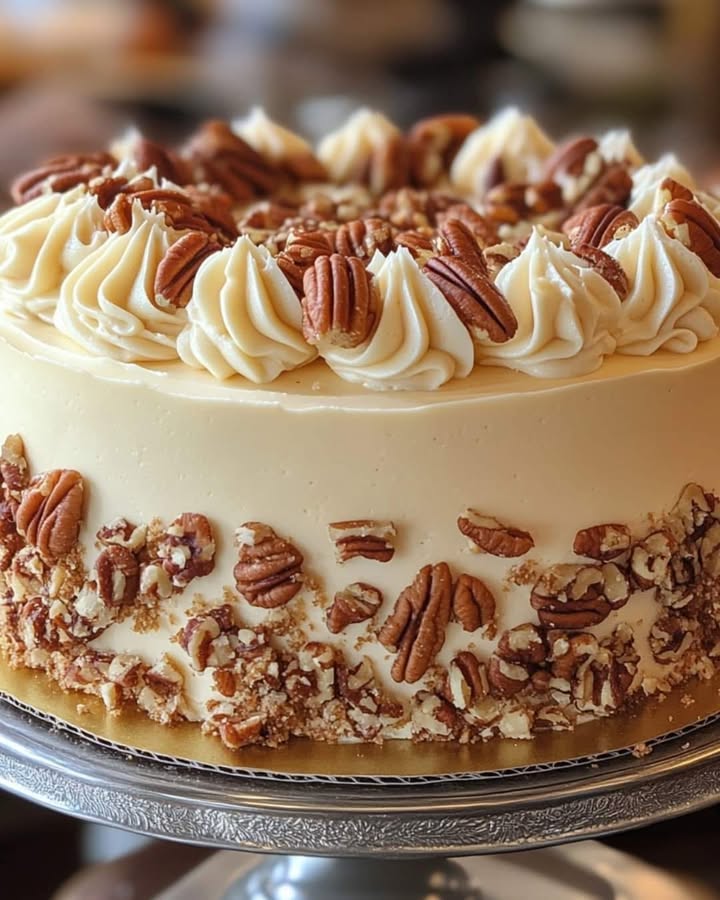
Indulge in a Southern Classic: The Irresistible Pecan Butter Cake
Is there anything better than the warm, nutty aroma of a butter cake baking in the oven? I don’t think so! This Pecan Butter Cake recipe is my family’s secret weapon for turning an ordinary Sunday into a celebration. I still remember the first time I made it for a friend’s potluck. Let’s just say I came home with an empty plate and many, many requests for the recipe. It’s that magical combination of rich, buttery crumb and the sweet, earthy crunch of toasted pecans that makes it an absolute winner every single time.
A Slice of Southern Comfort
While the exact origin of pecan butter cake is a bit of a delicious mystery, its heart belongs to the American South. Pecan trees are native to the region, and bakers have been folding their rich nuts into beloved desserts for generations. This cake is a beautiful evolution of that tradition. It takes the classic, humble butter cake—a staple in home kitchens everywhere—and elevates it with a double dose of pecan goodness. You get them folded right into the batter and then sprinkled over a lush buttercream frosting. It’s a modern celebration of a very old, very tasty friendship between butter, sugar, and pecans.
Why You’ll Fall in Love With This Pecan Cake
You will adore this recipe because it delivers incredible flavor without fuss. The texture is perfectly moist and tender, thanks to the buttermilk. The toasted pecans add a wonderful crunch and depth that plain cakes just can’t match. It’s also incredibly versatile. Need a stunning birthday cake? This is it. Want a comforting dessert for a Tuesday night? This works too. It’s a one-bowl wonder for the batter (mostly!), which means less cleanup and more time to enjoy that amazing baking smell filling your kitchen.
Perfect Occasions for Your Homemade Cake
This cake is your go-to for any event that calls for a show-stopping dessert. It’s perfect for holiday gatherings like Thanksgiving or Christmas, where its warm flavors truly shine. Bring it to a potluck or bake sale and watch it disappear first. It’s also a fantastic choice for birthdays, anniversaries, or just as a special “thank you” gift for a neighbor. Honestly, a quiet coffee break with a slice of this pecan butter cake feels like a special occasion all on its own.
Gathering Your Ingredients for Pecan Butter Cake
For the Cake:
- 1 cup unsalted butter, softened
- 2 cups granulated sugar
- 4 large eggs
- 3 cups all-purpose flour
- 1 tablespoon baking powder
- 1 teaspoon salt
- 1 cup buttermilk
- 1 teaspoon vanilla extract
- 1 cup toasted pecans, chopped
For the Frosting:
- 1 cup unsalted butter, softened
- 4 cups powdered sugar
- 1/4 cup milk
- 1 teaspoon vanilla extract
- 1/2 cup toasted pecans, chopped (for garnish)
Simple Substitutions for Your Pantry
No buttermilk? No problem! Make your own by adding 1 tablespoon of white vinegar or lemon juice to a cup of regular milk. Let it sit for 5 minutes until it curdles. Out of pecans? Walnuts make a lovely, robust substitute. For a different twist, you could use a blend of almond extract with the vanilla. If you need a dairy-free version, plant-based butter and milk alternatives work well, though the flavor will be slightly different.
Crafting Your Perfect Pecan Butter Cake: Step-by-Step
Step 1: Preheat and Prepare Your Pans
Start by heating your oven to 350°F (175°C). This ensures it’s perfectly hot when your batter is ready. Take two 9-inch round cake pans and grease them generously with butter or non-stick spray. Then, add a tablespoon of flour to each pan and shake it around until the bottom and sides are coated. Tap out the excess. This “grease and flour” method is the best trick to prevent your beautiful cakes from sticking. Trust me, there’s nothing sadder than a cake that won’t let go of the pan!
Step 2: Cream the Butter and Sugar
In a large mixing bowl, combine the softened butter and granulated sugar. Use an electric mixer on medium speed to beat them together for a good 3-4 minutes. You want it to become very pale, fluffy, and almost like a soft, yellow cloud. This step is crucial! It incorporates air into the batter, which gives your cake its light and tender texture. Don’t rush this. Pro tip: Your butter is perfectly softened when you can press a finger into it easily and leave a deep indent without it being greasy or melted.
Step 3: Incorporate the Eggs
With the mixer on low speed, add your eggs one at a time. Crack each egg into a small bowl first to avoid any shells, then add it to the butter mixture. Beat well after each addition until the yolk is fully blended in. Adding them slowly helps the emulsion hold, meaning your batter will stay smooth and creamy instead of looking curdled. The mixture will become even more luxurious and shiny with each egg you add.
Step 4: Combine the Dry Ingredients
In a separate bowl, whisk together the flour, baking powder, and salt. This isn’t just mixing; it’s aerating. Whisking ensures the baking powder and salt are evenly distributed throughout the flour. This guarantees every bite of your pecan butter cake rises evenly and has the perfect balance of flavor. You’ll see little poofs of flour as you whisk—that’s the air you’re adding!
Step 5: Alternate Wet and Dry Ingredients
Now, add about one-third of your flour mixture to the butter bowl. Mix on low just until it’s mostly combined. Next, pour in half of the buttermilk. Mix gently. Repeat with another third of flour, the rest of the buttermilk, and finally the last of the flour. Always start and end with the dry ingredients. This method keeps the batter from becoming tough by preventing over-mixing the gluten in the flour. Finally, stir in the vanilla extract and the chopped toasted pecans by hand with a spatula.
Step 6: Bake to Golden Perfection
Divide the beautiful, speckled batter evenly between your two prepared pans. Use a spatula to smooth the tops. Place them in the center of your preheated oven. Bake for 25-30 minutes. You’ll know they’re done when the tops are springy to the touch, the edges pull away from the pan, and a toothpick inserted into the center comes out clean or with a few moist crumbs. Your kitchen will smell absolutely divine.
Step 7: Cool and Make the Frosting
Let the cakes cool in their pans for exactly 10 minutes on a wire rack. This allows them to firm up just enough so they won’t break. Then, run a knife around the edges and carefully flip them onto the racks to cool completely. For the frosting, beat the softened butter until creamy. Gradually add the powdered sugar, alternating with splashes of milk. Beat on high for 2-3 minutes until it’s incredibly light and fluffy. Stir in the vanilla.
Step 8: Assemble and Decorate Your Masterpiece
Place one cake layer on your serving plate. Spread a generous, even layer of frosting over the top. Gently set the second layer on top. Use the remaining frosting to cover the top and sides of the cake. Don’t worry about it looking perfectly smooth—a slightly rustic, “homemade” look is charming! Finally, gently press the extra chopped pecans onto the top and sides of the frosted cake. This adds that final, irresistible crunch and visual appeal.
Your Pecan Butter Cake Timeline
| Phase | Time |
|---|---|
| Prep Time | 20 minutes |
| Bake Time | 30 minutes |
| Cooling Time | 1 hour |
| Frost & Decorate | 15 minutes |
| Total Time | About 2 hours 5 minutes |
Chef’s Secret for the Best Cake Ever
Here’s my secret weapon: toast your pecans. Don’t skip this! Spread the pecans on a baking sheet and toast them in a 350°F oven for 5-8 minutes until fragrant. Let them cool completely before chopping. Toasting deepens their flavor from mild and buttery to rich, nutty, and almost caramel-like. It’s the difference between a good cake and an unforgettable, restaurant-quality pecan butter cake. This simple step makes all the flavors in the recipe come alive.
A Little Nutty History
Did you know “pecan” comes from an Algonquin word, “pacane,” which meant “a nut requiring a stone to crack”? Early American settlers quickly fell in love with them. They’re the only major tree nut native to North America. Putting them in a butter cake was a stroke of genius by some creative home baker who likely had a pecan tree in their yard. It’s a true taste of American history on a plate!
Equipment You’ll Need
- Two 9-inch round cake pans
- Electric hand mixer or stand mixer
- Large and medium mixing bowls
- Whisk and rubber spatula
- Measuring cups and spoons
- Wire cooling racks
- Offset spatula for frosting (helpful, but a butter knife works too!)
Storing Your Delicious Creation
If your cake survives the day (a big if!), you’ll need to store it properly. Because of the butter frosting, this pecan butter cake should be kept covered at room temperature for up to 2 days. A cake dome or an upside-down bowl works perfectly. The frosting will stay soft and spreadable.
For longer storage, you can refrigerate it for up to 5 days. Let it come to room temperature for about an hour before serving. This allows the butter in the frosting to soften and the cake’s texture to return to its perfect, tender state. No one likes a cold, hard slice of cake!
You can also freeze the unfrosted cake layers for up to 3 months. Wrap them tightly in plastic wrap and then aluminum foil. Thaw overnight in the refrigerator before frosting and serving. This is a fantastic trick for meal organization and getting a head start on holiday baking.
Pro Tips for Cake Success
- Room temp is key: Always use room-temperature butter, eggs, and buttermilk. They blend together much more smoothly, creating a better batter.
- Measure flour correctly: Spoon the flour into your measuring cup and level it off with a knife. Don’t scoop directly from the bag, as this packs in too much flour and can lead to a dry cake.
- Don’t over-mix: Once you add the flour, mix only until the ingredients are just combined. Over-mixing develops gluten and makes cakes tough.
- Cool completely: Never frost a warm cake! The frosting will melt and slide right off. Patience is a virtue in baking.
Presentation Ideas to Wow Your Guests
- Serve each slice with a small dollop of whipped cream and a single, perfect pecan half on top.
- Drizzle the plate with a little caramel or butterscotch sauce for an extra decadent touch.
- For a party, cut the cake into small squares or “cake bites” for easy, elegant finger food.
- Place the whole cake on a beautiful cake stand surrounded by fall leaves or cinnamon sticks for a seasonal centerpiece.
Love This Cake? Try These Variations!
Once you’ve mastered this classic, the fun is just beginning! Here are six delicious twists on the pecan butter cake:
- Maple Pecan Cake: Replace half the vanilla extract with pure maple syrup in the frosting and add a tablespoon to the batter for a cozy, autumnal flavor.
- Chocolate Chip Pecan Cake: Fold 3/4 cup of semi-sweet chocolate chips into the batter along with the pecans for a double delight.
- Spiced Pecan Cake: Add 1 teaspoon of cinnamon, 1/2 teaspoon of nutmeg, and a pinch of cloves to the dry ingredients for a warm, spiced version perfect for the holidays.
- Bourbon Pecan Cake: Soak the toasted pecans in 2 tablespoons of bourbon before folding them in, and add a teaspoon to the frosting for a sophisticated adult twist.
- Praline Crunch Cake: Make a praline by cooking pecans in caramelized sugar, breaking it into pieces, and pressing it into the sides of the frosted cake for incredible texture.
- Mini Bundt Cakes: Bake the batter in a greased mini Bundt pan for individual, stunning cakes. Dust with powdered sugar for a simple, elegant look.
If you’re looking for other spectacular bakes, you must try our decadent Cookie Dough Brownie Cake or our unique Dubai-inspired Pistachio Cookies. For a fruity option, our Refreshing Cherry Lemon Cheesecake is a summer dream, and for a savory snack, our Cheese Stuffed Potato Cakes are pure comfort food.
Common Mistakes to Avoid for Pecan Butter Cake
Mistake 1: Using Cold or Melted Butter
This is the most common misstep. Butter that’s straight from the fridge won’t cream properly with the sugar, leading to a dense cake. Melted butter will make the batter greasy and won’t trap any air. The fix is simple: plan ahead. Take your butter out about an hour before you start baking. Perfectly softened butter should yield to light pressure but still hold its shape. If you’re in a pinch, you can cut it into small cubes to speed up the process.
Mistake 2: Over-baking the Cake Layers
It’s easy to think a cake needs “just a few more minutes,” but that leads to dry, crumbly layers. Over-baking happens because we rely only on the timer. Start checking for doneness at the 25-minute mark. Use the toothpick test, but also look for visual cues: the cake should be pulling away slightly from the pan’s edges, and the top should spring back when gently pressed. Pro tip: Ovens can run hot. Consider using an inexpensive oven thermometer to ensure your temperature is accurate.
Mistake 3: Frosting a Warm Cake
Excitement can get the best of us! Spreading fluffy buttercream on a cake that’s even slightly warm is a recipe for disaster. The heat will melt the butter in the frosting, causing it to slide off, become greasy, and soak into the cake. Always, always let your layers cool completely on a wire rack. This can take a full hour. A cool cake provides a stable foundation for your beautiful frosting work.
Mistake 4: Not Toasting the Pecans
Throwing raw pecans into the batter is a missed opportunity for flavor. Raw nuts can taste a bit flat and sometimes bitter. Toasting them is a non-negotiable step for the best pecan butter cake. It unlocks their natural oils, deepens their color, and gives them a richer, almost buttery flavor that permeates the entire cake. Just a few minutes in the oven makes a world of difference.
Frequently Asked Questions
Can I make this pecan butter cake ahead of time?
Absolutely! You have a couple of great options. You can bake the cake layers a day in advance. Let them cool completely, then wrap them tightly in plastic wrap and store at room temperature. Frost them the day you plan to serve. Alternatively, you can fully assemble and frost the cake a day ahead. Keep it covered with a cake dome or large bowl at cool room temperature. The flavors actually meld and improve overnight. Just add the final pecan garnish right before serving to keep them looking fresh and crisp.
What can I use if I don’t have buttermilk?
You can easily make a homemade buttermilk substitute that works perfectly. Simply take 1 tablespoon of white vinegar or fresh lemon juice and place it in a measuring cup. Then, add enough regular milk (whole or 2% is best) to reach the 1-cup line. Stir it gently and let it sit for 5 to 10 minutes. You’ll see it start to curdle and thicken slightly. This acidified milk mimics the tang and chemical properties of real buttermilk, helping to activate the baking powder for a tender crumb in your cake.
How do I toast pecans properly?
Toasting pecans is simple and fast. Preheat your oven to 350°F (175°C). Spread the pecan pieces in a single layer on a dry baking sheet. Don’t crowd them. Place them in the oven for 5 to 8 minutes. Check them halfway through and give the pan a shake. They are done when you can smell a wonderful, nutty aroma and they have darkened just slightly. Watch them closely in the last few minutes, as they can burn quickly. Let them cool completely on the pan before chopping and adding to your batter.
Can I freeze this cake?
Yes, this cake freezes very well, but there’s a trick. It’s best to freeze the unfrosted cake layers separately. Wrap each cooled layer tightly in two layers of plastic wrap, then a layer of aluminum foil. Label and freeze for up to 3 months. You can also freeze the frosting in an airtight container. To serve, thaw the layers overnight in the refrigerator, then bring to room temperature. Make fresh frosting or thaw your frozen frosting, re-whip it slightly, and assemble your cake. Freezing the fully frosted cake is possible but can sometimes affect the frosting’s texture.
Why did my cake turn out dense and heavy?
A dense cake usually points to a few common issues. First, check your leavening agent; make sure your baking powder is fresh (it should fizz when mixed with hot water). Second, you may have over-measured the flour. Always spoon and level your flour, don’t scoop. Third, the butter and sugar may not have been creamed long enough; you really need that full 3-4 minutes to get a light, fluffy mixture. Lastly, over-mixing the batter once the flour is added can develop too much gluten, leading to a tough texture. Mix just until you no longer see white streaks of flour.
My frosting is too runny/thick. How can I fix it?
Frosting consistency is easy to adjust. If it’s too runny, it’s likely too warm or has too much liquid. Pop the bowl in the refrigerator for 15-20 minutes to firm up the butter, then re-whip. You can also add a little more powdered sugar, a quarter cup at a time, until it thickens. If it’s too thick and stiff, it’s hard to spread. Simply add more milk, but only one teaspoon at a time, and beat well after each addition. Remember, the frosting will continue to firm up slightly once on the cake.
Can I use a different type of nut?
Of course! While pecans are classic, walnuts are a fantastic substitute with a similar texture and a bolder, earthier flavor. You could also use chopped toasted almonds or hazelnuts for a different twist. If you have a nut allergy, you can simply omit the nuts altogether for a delicious plain butter cake. For a bit of texture, you could try substituting with an equal amount of toasted coconut flakes or even rolled oats for a “streusel-like” inclusion.
How many servings does this cake yield?
This two-layer, 9-inch cake yields a generous 12-16 servings, depending on how big you slice it. For standard dessert slices, you’ll get about 12 good-sized pieces. For a larger party or potluck where people might want to try multiple desserts, you can easily slice it into 16 thinner, but still satisfying, pieces. It’s a rich cake, so a little goes a long way, especially when served after a big meal.
Is it necessary to use two cake pans? Can I bake it as one layer?
You can bake it as one thick layer, but you’ll need to adjust the baking time. Use a 9×13-inch rectangular pan or a deep 9-inch springform pan. The batter will be deeper, so it will take longer to bake—likely 40 to 50 minutes. Start checking for doneness at the 40-minute mark with a long toothpick or skewer. Be patient, as the center is the last part to set. A single-layer cake is easier but won’t have that classic, impressive layered look with frosting in the middle.
Can I add fruit to this cake, like bananas or apples?
Adding wet fruit directly to this batter can throw off the moisture balance and make it soggy. For a banana twist, try making a banana butter cake base instead. For apples, I’d recommend making an apple pecan coffee cake variation with a streusel topping. If you want a fruity element with this exact recipe, your best bet is to serve it with a fruit compote or fresh berries and whipped cream on the side. The cake itself is perfect as is, celebrating the pure flavors of butter and pecan.
For more amazing ideas that will satisfy any sweet tooth, be sure to explore our entire collection of delicious cake and cupcake recipes. You’ll find everything from simple classics to stunning showstoppers.
Final Thoughts on Your Baking Adventure
So there you have it—everything you need to bake a pecan butter cake that will earn you rave reviews. This recipe is more than just instructions; it’s a ticket to creating warm memories in your kitchen. The process of creaming the butter, toasting the nuts, and watching the layers rise is just as rewarding as taking that first delicious bite. Don’t be intimidated! Baking is a fun science, and this cake is a forgiving and delightful place to start. Gather your ingredients, put on some music, and get ready to bake something truly special. Your friends and family are going to love it. Happy baking!
Equipment
- Grand bol
- Fouet
- Spatule
- Plaque à pâtisserie
- Papier sulfurisé
Ingredients
- 4 œufs
- 200 g sucre
- 375 g farine tout usage
- 10 g poudre à lever
- 5 g sel
- 240 ml lait aigre
- 60 g beurre non salé, ramolli
- 10 ml extrait de vanille
- 200 g noix de pécan grillées hachées
Instructions
- Préchauffez votre four à 175°C et graissez deux moules à gâteau ronds de 9 pouces, puis farinez-les.
- Dans un grand bol, crémez le beurre ramolli avec le sucre jusqu'à obtenir un mélange léger et aérien.
- Ajoutez les œufs un par un, en mélangeant bien après chaque ajout.
- Dans un autre bol, tamisez ensemble la farine, la poudre à lever et le sel.
- Incorporez alternativement le mélange de farine et le lait aigre au mélange de beurre, en commençant et en terminant par les ingrédients secs. Mélangez jusqu'à ce que le tout soit juste combiné.
- Ajoutez l'extrait de vanille et les noix de pécan hachées à la main.
- Répartissez uniformément la pâte entre les moules préparés et égalisez le dessus.
- Faites cuire pendant 25-30 minutes, ou jusqu'à ce qu'un cure-dent inséré au centre en ressorte propre.
- Laissez refroidir les gâteaux dans leurs moules pendant 10 minutes avant de les transférer sur des grilles pour un refroidissement complet.
- Pour le glaçage, battez le beurre ramolli jusqu'à obtenir une consistance crémeuse, puis ajoutez progressivement le sucre glace et le lait, en battant jusqu'à ce que le tout soit aéré.
- Assemblez le gâteau en étalant le glaçage sur le dessus d'un des gâteaux, puis placez le deuxième gâteau au-dessus et glacez le dessus et les côtés.
- Garnissez de noix de pécan hachées supplémentaires.
Notes
Nutrition

Hi, I’m Olivia Parker, the founder of BakingSecret.com and a lifelong lover of all things sweet and homemade. I grew up in a small town in Oregon, where the smell of fresh cookies in my family’s kitchen sparked my passion for baking. Over the years, I turned that passion into a mission: to help home bakers feel confident, inspired, and creative.
After studying food science and working in several artisan bakeries across the U.S., I decided to create a space where everyone from beginners to seasoned bakers can find reliable recipes, expert tips, and a warm, welcoming community. BakingSecret.com is my way of sharing the magic of baking with the world. When I’m not testing new recipes, you’ll find me exploring farmers’ markets, collecting vintage cookbooks, or perfecting my sourdough technique.