
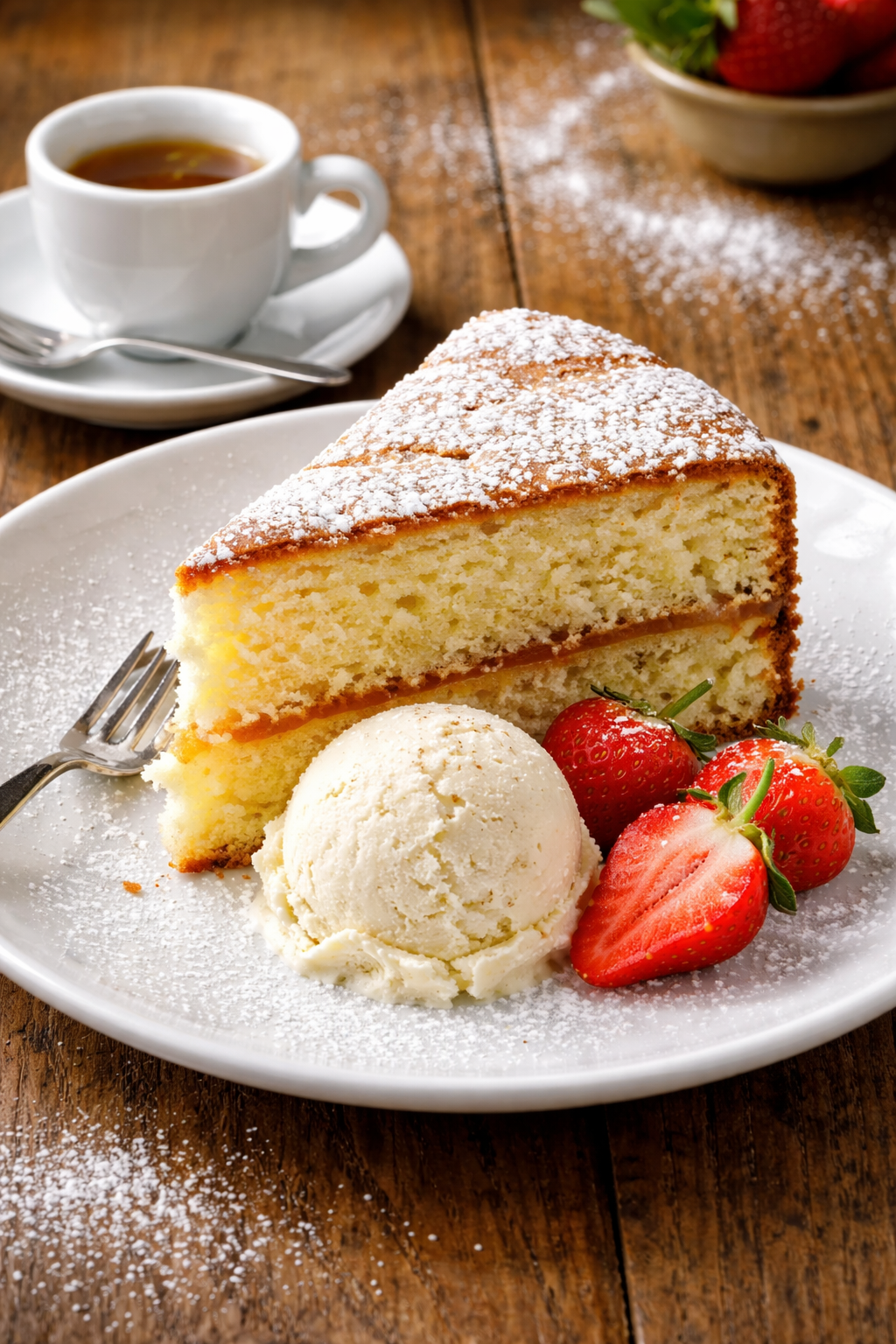
Welcome to My Sweet Corner of the Internet
I still remember the first time I heard about savoy cake. I was watching an episode of The Great British Bake Off, and one of the contestants mentioned this elegant dessert with such reverence that I had to pause the show and look it up. That moment sparked a journey into the history of one of the most misunderstood cakes in the baking world.
Welcome to my blog where I share all things related to delicious and intriguing cakes! Today, I’m excited to explore the fascinating story behind savoy cake, a dessert that has charmed bakers for centuries and continues to puzzle modern home cooks. This isn’t just another pretty cake with a fancy name. It carries stories of royal courts, Victorian elegance, and even a famous baking disaster that made headlines.
Let me take you on this sweet adventure. We’ll discover what makes this cake so special and why it has captured the imagination of bakers and food enthusiasts alike. Trust me, by the end of this article, you’ll understand why this simple sponge cake deserves a place in your baking repertoire.
What is a Savoy Cake?
A savoy cake is a light, delicate sponge cake that dates back several centuries. The name sounds fancy, and honestly, it should. This cake has roots in European aristocracy and was considered a refined dessert fit for royalty. The traditional savoy cake recipe is surprisingly simple, but the technique requires precision and care.
The cake gets its name from the House of Savoy, a royal dynasty that ruled parts of Italy and France for centuries. Some food historians believe the cake was created to honor this noble family. Others suggest it originated in the Savoy region itself. Either way, the connection to European nobility gave this cake an air of sophistication that still lingers today.
What makes a savoy cake unique? The texture is the star of the show. When made correctly, it’s incredibly light and airy, almost cloudlike. The cake relies heavily on beaten eggs for its structure. Unlike modern cakes that use chemical leaveners like baking powder, savoy cake gets its rise entirely from air whipped into the eggs. This makes it both challenging and rewarding to bake.
The basic ingredients are simple: eggs, sugar, flour, and sometimes a touch of lemon zest or vanilla for flavor. That’s it. No butter, no oil, no milk. Just these few ingredients transformed through careful technique into something magical. The key is separating the eggs and beating the whites until they form stiff peaks, then folding everything together without deflating all that precious air you just created.
Savoy Cake vs Angel Food Cake: What’s the Difference?
Here’s where things get interesting. Many people ask, “Is savoy cake the same as angel food cake?” I’ve seen this question pop up countless times in baking forums and Facebook groups. The short answer is no, but they are close cousins in the cake family.
Both cakes share similar qualities. They’re both light, airy, and rely on beaten egg whites for their structure. Neither contains butter or oil. They both have that delicate, spongy texture that melts in your mouth. So why the confusion between savoy cake vs angel food cake?
The main difference lies in the eggs. Angel food cake uses only egg whites, which gives it that pure white color and incredibly light texture. Savoy cake, on the other hand, uses whole eggs or sometimes a combination of whole eggs and extra yolks. This gives savoy cake a richer flavor and a golden yellow color.
Another difference is the shape. Angel food cake is almost always baked in a tube pan with a removable bottom. The center tube helps the delicate cake climb and bake evenly. Savoy cake was traditionally baked in special savoy molds, which were ornate and decorative. These days, you can bake it in regular cake pans or even loaf pans.
The flavor profile differs too. Angel food cake is usually plain or flavored with vanilla or almond extract. It’s meant to be a blank canvas for berries and whipped cream. Savoy cake often includes lemon zest, giving it a bright, fresh taste that stands well on its own.
The Great British Bake Off and the Infamous Inedible Savoy Cake
If you’re wondering why was the savoy cake inedible, you’re probably thinking of a memorable moment from The Great British Bake Off. This incident brought the savoy cake back into public conversation and left many viewers scratching their heads.
During one season, the bakers were challenged to create a Victorian savoy cake. One contestant’s cake turned out completely inedible, and it became a talking point among fans of the show. The cake was rock hard, impossible to cut, and definitely not fit for consumption. But why did this happen?
Savoy cake is unforgiving. If you overbeat the batter, you can develop too much gluten in the flour, making the cake tough. If you overbake it even slightly, it dries out and becomes hard as a brick. The delicate balance of air, eggs, and flour means there’s little room for error. Even experienced bakers can struggle with this temperamental dessert.
Temperature plays a huge role too. The oven needs to be at the right heat, not too hot or too cool. Victorian bakers had to manage this with unpredictable wood-fired ovens. Imagine trying to maintain a steady temperature without a thermostat! No wonder things went wrong sometimes.
This Great British Bake Off savoy cake disaster actually helped educate viewers about historical baking challenges. It reminded us that our baking ancestors worked with much less control and far more uncertainty than we do today. Every successful cake was a real achievement.
A Cake Fit for Royalty
The savoy cake has connections to British royalty that add to its mystique. While it wasn’t Queen Elizabeth’s favourite cake (that honor goes to chocolate biscuit cake), savoy cake was popular in Victorian England among the upper classes.
During the Victorian era, afternoon tea became an elaborate social ritual. Delicate cakes like savoy cake were perfect for these occasions. They looked elegant, tasted refined, and showed off a cook’s skill. Serving a perfect savoy cake at your tea party was a way to demonstrate both your sophistication and your household’s baking prowess.
Looking at Victorian savoy cake images, you’ll notice they were often presented in beautiful molds with intricate designs. Some were dusted with powdered sugar, while others were left plain to show off their golden color. The presentation was just as important as the taste.
If you want to learn more about the detailed history and variations, the savoy cake wikipedia page offers additional information about its European origins and evolution through the centuries. You can also find historical recipes that show how the cake has changed over time.
What I love most about savoy cake is how it connects us to baking history. When you make one today, you’re following in the footsteps of cooks from centuries ago. You’re using the same basic techniques and facing the same challenges they did. That connection to the past makes every bite taste a little sweeter.

The Victorian Savoy Cake Mystery: When Elegance Turned to Disappointment
Now that we’ve covered the basics, let’s dig deeper into one of the most puzzling aspects of this cake’s history.
Here’s the thing about Victorian cooking that modern bakers don’t always appreciate. The ovens back then were wildly unpredictable. I once tried baking in my friend’s vintage wood-fired oven at her farmhouse, and let me tell you, it was humbling. One side was blazing hot while the other was barely warm. That experience gave me a whole new respect for Victorian bakers who dealt with this every single day.
The savoy cake inedible problem wasn’t just about one contestant’s mishap on a baking show. It was actually a recurring issue throughout the Victorian era. Cookbooks from that time period are filled with warnings and detailed instructions trying to prevent disasters. Mrs. Beeton’s famous cookbook devoted several paragraphs to the potential pitfalls of savoy cake, which tells you something about how often things went wrong.
Temperature control was the biggest culprit. Victorian ovens ran on coal or wood, and maintaining consistent heat was nearly impossible. The cake needed a moderate, steady temperature throughout baking. Too hot, and the outside would set too quickly while the inside remained raw. Too cool, and the cake would collapse before it had a chance to set properly. Either way, you’d end up with something closer to a doorstop than a dessert.
Timing was another nightmare. Without kitchen timers or reliable clocks in every kitchen, bakers had to rely on visual cues and experience. The savoy cake wiki mentions that some recipes instructed bakers to check the cake “when the church bells ring twice” or after “saying three prayers.” Imagine trying to get consistent results with those measurements!
Looking at victorian savoy cake images from old cookbooks and magazines, you can see that when they turned out right, they were absolutely stunning. The cakes had a beautiful golden dome, sometimes decorated with candied fruits or almonds. But for every picture-perfect cake, there were probably dozens of failures that never made it to the photographer’s table.
The egg beating process added another layer of difficulty. Victorian cooks beat eggs by hand using wire whisks or even bundles of twigs. Getting egg whites to stiff peaks could take twenty to thirty minutes of continuous whisking. Your arm would be ready to fall off. If you didn’t beat them enough, the cake wouldn’t rise. If you beat them too much, they’d become grainy and wouldn’t fold properly into the batter. It was exhausting and finicky work.
Funny enough, the flour itself was different back then too. Victorian flour wasn’t as refined or consistent as what we buy today. Some batches had more protein, some less. This affected gluten development and changed how the cake behaved. Bakers couldn’t just follow a recipe blindly. They had to adjust based on the specific ingredients they had that day.
By the way, humidity played a huge role that nobody really talks about. On damp days, the eggs wouldn’t whip up as nicely, and the cake would be dense and heavy. On dry days, the cake might dry out too quickly in the oven. Victorian bakers didn’t have climate-controlled kitchens, so they were at the mercy of the weather. Some old recipe books actually advised against making savoy cake on rainy days.
The reputation for being inedible also came from storage issues. Savoy cake doesn’t keep well. It’s at its absolute best within hours of baking. By the next day, it starts to dry out and lose its delicate texture. Without modern airtight containers or plastic wrap, Victorian households struggled to keep the cake fresh. A day-old savoy cake could indeed be pretty unpleasant, hard and crumbly instead of light and tender.
Does this reputation still hold today? Not really. With modern ovens, kitchen timers, electric mixers, and standardized ingredients, making a successful savoy cake is much more achievable. It’s still not as forgiving as, say, a chocolate birthday cake, but it’s definitely doable for home bakers who follow the recipe carefully.
I’ve made savoy cake a dozen times now, and I’ve only had one complete failure. That one time, I got distracted by a phone call and overbaked it by ten minutes. It came out hard enough to use as a weapon. But my other attempts have been lovely, proving that with attention and good equipment, this historical cake can shine in a modern kitchen.
Breaking Down the Savoy Cake vs Angel Food Cake Debate
Let’s settle this confusion once and for all because I get questions about this constantly.
The savoy cake vs angel food cake comparison deserves more attention than I gave it earlier. These cakes are like siblings who look similar from a distance but have distinct personalities once you get to know them. Understanding the differences will help you choose which one to bake and prevent disappointment when your expectations don’t match reality.
Starting with the eggs, which is really the heart of the matter. Angel food cake is an egg white cake, period. You separate your eggs and use only the whites, saving the yolks for something else entirely. This creates that signature pure white crumb and incredibly light texture. Savoy cake uses whole eggs, and many traditional recipes actually call for extra yolks beyond what comes from the whole eggs. This creates a richer, more custard-like flavor and that beautiful golden color.
The taste difference is pretty significant when you really pay attention. Angel food cake is mild and slightly sweet, almost neutral in flavor. It’s designed to be a vehicle for other flavors like berries, whipped cream, or chocolate sauce. Think of it as the supporting actor that lets the toppings shine. Savoy cake has more personality. The extra yolks give it an eggy richness that’s actually pleasant, not overwhelming. The lemon zest that often gets added makes it bright and aromatic. It can stand on its own without any accompaniments.
Texture-wise, both are spongy and light, but there are subtle differences. Angel food cake has that characteristic springy, almost chewy quality. When you press it, it bounces back enthusiastically. It tears apart in soft, irregular pieces. Savoy cake is tender but not quite as springy. It has a finer, more delicate crumb. It slices more cleanly and has a slightly drier mouthfeel, though not in a bad way.
The baking vessels matter more than you might think. Angel food cake absolutely must be baked in a tube pan, and it needs to be cooled upside down. The center tube supports the delicate structure as it cools and prevents collapse. You can’t make a proper angel food cake in a regular round pan. Trust me, people have tried, and it doesn’t work. Savoy cake is more flexible. Traditional savoy molds were decorative and often fluted, kind of like a bundt pan, but you can successfully bake savoy cake in loaf pans, round cake pans, or even small individual molds.
Here’s something interesting I discovered while researching savoy cake wikipedia and other historical sources. Savoy cake actually predates angel food cake by quite a bit. Savoy cake has been around since at least the 1700s, while angel food cake didn’t appear until the mid-1800s in America. So in a way, angel food cake is the younger cousin that took the basic concept and simplified it.
When it comes to mixing technique, both require careful folding to preserve the air bubbles in the beaten eggs. But savoy cake adds an extra challenge because you’re folding egg yolks or whole eggs into beaten whites, and the fat in the yolks can deflate the whites if you’re not gentle enough. Angel food cake doesn’t have this issue since everything is already egg white to begin with.
The sugar content differs too. Angel food cake typically uses more sugar relative to the other ingredients, which helps stabilize those egg whites and creates that characteristic sweet taste. Savoy cake uses less sugar, relying on the natural sweetness of the eggs and any flavoring like lemon zest to provide taste interest.
If you’re trying to decide which one to make, consider what you’re serving it with. Angel food cake is perfect for summer desserts with fresh strawberries and whipped cream. It’s also great for absorbing flavored syrups or serving with ice cream. Savoy cake is more elegant on its own, perfect for afternoon tea with just a dusting of powdered sugar. It pairs beautifully with tea or coffee and doesn’t necessarily need any adornment, though a simple lemon glaze wouldn’t hurt.
So to answer the question definitively: is savoy cake the same as angel food cake? No, they’re related but distinct. Think of them as variations on a theme rather than the same dessert with different names. Both are worth making and both have their place in your baking repertoire.
One last thing worth mentioning. Both cakes are actually relatively low in fat since neither contains butter or oil. That makes them lighter options if you’re looking for a less indulgent dessert, though don’t let that fool you into thinking they’re health food. They’re still made primarily of eggs and sugar. But compared to a rich red velvet cake loaded with butter and cream cheese frosting, these sponge cakes are definitely on the lighter end of the spectrum.
Savoy Cake in Popular Culture: From Forgotten Classic to Baking Show Star
Let’s talk about how a dessert that was gathering dust in old cookbooks suddenly became the talk of the baking world.
The moment savoy cake appeared on The Great British Bake Off, everything changed for this historical dessert. Before that episode, most modern bakers had never even heard of it. I certainly hadn’t. But after the show aired, suddenly everyone wanted to know about this mysterious Victorian cake that seemed to have a reputation for going spectacularly wrong.
The savoy cake Great British Bake Off episode was part of a Victorian-themed challenge. The contestants were asked to recreate a traditional savoy cake using period-appropriate techniques and recipes. This wasn’t just about making any old sponge cake. They had to understand the history, follow Victorian methods, and produce something that would have been served at a fancy tea party in the 1800s. No pressure, right?
What made the episode memorable was the sheer variety of outcomes. Some contestants produced beautiful, golden cakes that looked like they’d stepped out of a Victorian photograph. Others struggled mightily. One poor baker ended up with something that resembled a hockey puck more than a delicate sponge. The judges couldn’t even cut through it with a serrated knife. That’s when the phrase “savoy cake inedible” started trending on social media.
Here’s the thing, watching these talented bakers struggle with savoy cake was actually educational. It showed viewers that not every baking disaster is about lack of skill. Sometimes the recipe itself is just unforgiving. The show did a brilliant job highlighting how difficult Victorian baking really was. Paul Hollywood even commented that Victorian bakers deserved more credit than they usually get because they achieved these results without temperature gauges or electric mixers.
I remember watching that episode with my sister, who’s a professional pastry chef. She was literally yelling at the TV screen, “Don’t overmix! Watch the oven temperature!” It was like watching a horror movie where you know something bad is about to happen but you can’t stop it. When one contestant’s cake came out dense and rubbery, my sister just shook her head and said, “Yep, overworked the batter.” It was fascinating to see these challenges play out in real time.
The impact on savoy cake’s popularity was immediate and noticeable. Food blogs started publishing their own versions of traditional savoy cake recipe adaptations. Pinterest boards filled up with Victorian savoy cake images. Home bakers around the world decided to give this historical cake a try. Some Facebook baking groups I’m part of were flooded with photos of people’s attempts, ranging from triumphant successes to hilarious failures.
Funny enough, the show’s influence went beyond just home bakers. Several boutique bakeries started offering savoy cake as a specialty item, often marketed as “the infamous cake from The Great British Bake Off.” One bakery near me even created a whole Victorian tea service menu featuring savoy cake as the centerpiece. The owner told me that most customers ordered it purely out of curiosity after seeing it on television.
What I love about this cultural moment is how it connected people to baking history. Suddenly, people were researching Victorian cookbooks, learning about historical baking techniques, and appreciating the skills of cooks from centuries past. The show didn’t just teach people how to make a cake. It taught them about culinary heritage and the evolution of baking as a craft.
Beyond The Great British Bake Off, savoy cake has popped up in other interesting places. Historical fiction novels set in the Victorian era sometimes mention it as part of elaborate tea scenes. I’ve even seen it referenced in period dramas where wealthy families are hosting social gatherings. It’s become shorthand for elegance and refinement in storytelling.
My own experience with savoy cake after watching that episode was a mixed bag, honestly. My first attempt was during a particularly humid summer week, which I later learned was a terrible idea. The egg whites wouldn’t hold their peaks properly, and the finished cake was dense and disappointing. I almost gave up. But then I tried again on a crisp autumn day, followed the recipe more carefully, and produced something I was genuinely proud of. That golden, lemon-scented cake sitting on my counter felt like a small victory over history itself.
What’s interesting is how the show sparked conversations about perfectionism in baking. So many viewers related to the contestants’ struggles because we’ve all had baking disasters. The savoy cake became a symbol of how it’s okay to fail sometimes. The important thing is learning from those failures and trying again. That’s a pretty powerful message wrapped up in a simple sponge cake.
The popularity boost also led to more accessible recipes. Food bloggers and cookbook authors started creating modernized versions that were more forgiving for home bakers. They kept the spirit of the original but adjusted techniques to work with contemporary ingredients and equipment. This balance between honoring tradition and adapting for modern kitchens is something I really appreciate in today’s baking community.
Tips for Baking Your Own Savoy Cake Successfully
After all this talk about history and popular culture, you’re probably wondering if you should actually try making this cake yourself. My answer is absolutely yes, but let me give you some practical advice first.
Start with room temperature eggs. This is crucial. Cold eggs won’t whip up properly, and your cake won’t get that necessary lift. Take your eggs out of the refrigerator at least an hour before you plan to bake. I usually set mine on the counter the night before, though that might be overkill. Room temperature is room temperature, not warm. You don’t want to start cooking them before they even hit the bowl.
Invest in a good electric mixer if you don’t already have one. While I admire the dedication of Victorian cooks who beat eggs by hand for thirty minutes, I don’t have that kind of arm strength or patience. An electric mixer with a whisk attachment makes the process so much easier. Beat your egg whites until they form stiff, glossy peaks. When you lift the whisk, the peaks should stand straight up without drooping.
The folding technique is where most people mess up, myself included on my early attempts. When you add the flour and other ingredients to the beaten eggs, you can’t just stir everything together like you’re making pancake batter. You need to fold gently, using a rubber spatula to cut down through the center of the mixture and sweep up along the sides. Turn the bowl as you work. The goal is to incorporate everything without deflating all those air bubbles you worked so hard to create.
Watch your oven temperature like a hawk. Get an oven thermometer if you don’t trust your oven’s built-in gauge. Most home ovens run hotter or cooler than they claim. Savoy cake needs a moderate temperature, usually around 325°F to 350°F. Too hot, and you’ll get that inedible hard crust with a raw center. Too cool, and the structure will collapse before it sets.
Don’t open the oven door for at least the first twenty minutes of baking. I know it’s tempting to check on your cake, but every time you open that door, the temperature drops. This can cause the delicate structure to fall. Set a timer and resist the urge to peek. When you finally do check, do it quickly and gently close the door.
Test for doneness properly. A toothpick inserted into the center should come out clean or with just a few dry crumbs. The cake should spring back lightly when touched and pull away slightly from the sides of the pan. The top should be golden brown, not pale. If it’s getting too dark on top but still seems wet in the middle, loosely tent some aluminum foil over it for the remaining baking time.
Let the cake cool completely before removing it from the pan. This is another critical step that people rush through and then regret. The cake is extremely fragile when hot. If you try to turn it out too soon, it’ll break apart or stick to the pan. I usually let mine cool for at least fifteen minutes in the pan, then run a knife around the edges before inverting it onto a wire rack.
For flavoring, don’t skip the lemon zest if the recipe calls for it. That bright citrus note is what makes savoy cake special. Fresh lemon zest has oils that dried lemon powder just can’t match. Use a microplane grater and only zest the yellow part, not the white pith underneath, which is bitter.
By the way, here’s something I wish someone had told me earlier. The quality of your eggs matters more in this cake than in almost any other baking project. Since eggs are basically the whole show here, using fresh, high-quality eggs makes a noticeable difference. Farm-fresh eggs with bright orange yolks will give you a richer color and better flavor than pale supermarket eggs. The yolks contain unsaturated fats that contribute to the cake’s tender texture and golden hue, so fresher eggs with more nutritious yolks truly enhance the final result.
Serve your savoy cake the same day you bake it. Remember how I mentioned earlier that these cakes don’t keep well? That’s even more true than I initially suggested. This cake is at its absolute peak within a few hours of baking. By the next day, it starts drying out noticeably. If you must store it, wrap it tightly in plastic wrap and keep it at room temperature, not in the refrigerator, which will dry it out faster.
If you want to dress it up, a simple dusting of powdered sugar through a fine mesh sieve looks elegant and traditional. A dollop of lightly sweetened whipped cream and fresh berries makes it feel more special. Some people serve it with a sweet wine or sherry, which is very Victorian. I personally love it with a strong cup of Earl Grey tea, which complements the lemon flavor beautifully.
Don’t be discouraged if your first attempt isn’t perfect. Remember all those talented bakers on The Great British Bake Off who struggled with this exact cake? You’re in good company. Each time you make it, you’ll understand the dough better, recognize when the eggs are beaten enough, and develop a feel for the right consistency. Baking is as much about developing intuition as it is about following recipes. If you’re looking for more forgiving cake recipes to build your confidence, you might enjoy browsing through other options in the cakes and cupcakes category where there are plenty of wonderful recipes that are a bit more straightforward while you’re building your baking skills.
One last piece of advice from someone who’s been there: read through the entire recipe before you start. Make sure you have all your ingredients measured and ready. The French call this mise en place, and it’s especially important for temperamental cakes like savoy. Once you start beating those eggs, things move quickly, and you don’t want to be hunting for your flour or realizing you’re out of sugar halfway through.
The savoy cake journey is about more than just producing a dessert. It’s about connecting with baking history, challenging yourself with a finicky recipe, and experiencing a taste of Victorian elegance in your own kitchen. Yes, it’s tricky. Yes, things might go wrong. But when it works, when you pull that golden, fragrant cake from your oven and it’s just right, you’ll feel a sense of accomplishment that’s hard to match.
Frequently Asked Questions About Savoy Cake
Why was the savoy cake inedible?
The savoy cake became inedible primarily due to baking challenges that were common in Victorian times and occasionally happen today. Overbaking is the most common culprit, turning the delicate sponge hard and dry. Overworking the batter can develop too much gluten, making it tough and rubbery. Temperature inconsistencies in Victorian wood-fired ovens made it nearly impossible to maintain the steady moderate heat this cake requires. Even today with modern ovens, if you’re not careful with timing and temperature, you can end up with a brick instead of a cake.
Is savoy cake the same as angel food cake?
No, savoy cake and angel food cake are not the same, though they’re similar. Angel food cake uses only egg whites, creating a pure white, incredibly light cake. Savoy cake uses whole eggs or whole eggs plus extra yolks, resulting in a golden color and richer flavor. Savoy cake often includes lemon zest for flavor, while angel food is usually plain vanilla. The texture is also slightly different, with savoy cake having a more tender, fine crumb compared to angel food’s springy, chewy texture.
What was Queen Elizabeth’s favourite cake?
Queen Elizabeth II’s favorite cake was actually chocolate biscuit cake, not savoy cake. This no-bake cake is made with digestive biscuits and dark chocolate, creating a rich, indulgent dessert. The Queen reportedly loved it so much that it appeared at her wedding to Prince Philip in 1947 and remained a favorite throughout her life. While savoy cake was popular among Victorian aristocracy, by Queen Elizabeth’s time, tastes had shifted toward richer, more chocolatey desserts.
Can I use a regular cake pan instead of a savoy mold?
Absolutely! While traditional savoy cakes were baked in ornate, decorative molds, you can successfully make this cake in regular round cake pans, loaf pans, or even springform pans. Just make sure to grease your pan well and dust it with flour to prevent sticking. The cake might not look as fancy as the historical versions, but the taste and texture will be just as delicious. A standard 9-inch round pan works perfectly for most savoy cake recipes.
How do I know when my egg whites are beaten enough?
Your egg whites are ready when they form stiff, glossy peaks that stand straight up when you lift the whisk. Turn off the mixer and lift the whisk attachment out of the bowl. If the peak holds its shape without drooping or folding over, you’re good to go. The mixture should look smooth and shiny, not grainy or separated. If you tip the bowl slightly, the whites shouldn’t slide around. This usually takes about 5-7 minutes with an electric mixer on medium-high speed.
Why does my savoy cake always sink in the middle?
A sunken center usually means one of three things happened: the oven temperature was too low, you opened the oven door too early, or you didn’t bake it long enough. When the structure hasn’t set properly before the cake starts cooling, it collapses in the center. Make sure your oven is properly preheated and at the correct temperature. Don’t open the door for at least twenty minutes. Test for doneness with a toothpick before removing the cake from the oven, even if the top looks done.
Can I make savoy cake ahead of time?
Unfortunately, savoy cake really doesn’t keep well and is best enjoyed the day it’s made. The delicate sponge texture starts drying out within 24 hours, even when stored properly. If you absolutely must make it ahead, bake it the morning of the day you plan to serve it and keep it tightly wrapped at room temperature. Don’t refrigerate it, as that speeds up the drying process. For the best experience, plan your baking schedule so the cake comes out of the oven just a few hours before serving.
What’s the best way to fold flour into beaten eggs without deflating them?
The key is gentle, deliberate movements. Sift your flour first so there are no lumps to work out later. Add the flour all at once or in two additions. Use a large rubber spatula to cut straight down through the center of the mixture, scrape along the bottom of the bowl, and sweep up the side, bringing flour from the bottom up and over the top. Rotate the bowl a quarter turn and repeat. Work quickly but gently, stopping as soon as you no longer see streaks of flour. Overmixing deflates the eggs and makes the cake tough.
Why does my savoy cake taste too eggy?
An overly eggy taste usually comes from underbaking or using eggs that aren’t fresh. Make sure you’re baking the cake long enough for the proteins to fully set and develop their proper flavor. Adding the traditional lemon zest helps balance the egg flavor significantly. Some recipes also include a small amount of vanilla extract. Using the freshest eggs possible also helps, as older eggs can develop stronger flavors. Finally, make sure you’re measuring your ingredients correctly—too many egg yolks relative to the other ingredients will intensify that eggy taste.
Is there a gluten-free version of savoy cake?
Making a gluten-free savoy cake is extremely challenging because the small amount of flour used in the traditional recipe is crucial for structure. However, some bakers have had success using a combination of cornstarch and almond flour instead of wheat flour. The texture won’t be exactly the same, but it can be close. Use a gluten-free flour blend specifically designed for cakes, not all-purpose gluten-free flour. Expect a slightly more delicate cake that requires even more careful handling. I’d recommend mastering the traditional version first before attempting a gluten-free adaptation.
Give savoy cake a try in your own kitchen and don’t worry if the first one isn’t perfect—every attempt teaches you something new about this fascinating historical dessert that’s challenged bakers for centuries.
Equipment
- Electric mixer
- Mixing bowls
- Rubber spatula
- Sifter
- Cake pan or savoy mold
Ingredients
- 6 large eggs room temperature
- 1 cup granulated sugar
- 1 cup all-purpose flour
- 1 teaspoon lemon zest optional
- 1 teaspoon vanilla extract optional
Instructions
- Preheat your oven to 325°F (163°C).
- Separate the egg whites and yolks, placing them in separate bowls.
- Beat the egg whites until they form stiff peaks.
- In another bowl, whisk together the egg yolks and sugar until pale and thick.
- Gently fold the beaten egg whites into the yolk mixture in three additions.
- Sift the flour over the mixture and fold gently to combine.
- If using, add lemon zest and vanilla extract, folding gently.
- Pour the batter into a greased and floured cake pan or savoy mold.
- Bake for 25-30 minutes or until a toothpick comes out clean.
- Allow to cool in the pan for 15 minutes before inverting onto a wire rack to cool completely.