Why Baking a Cake is More Than Just Mixing Ingredients
Let me tell you a little story. Last weekend, I decided to bake a cake for my niece’s birthday. As I was mixing the batter, she popped into the kitchen and asked, “Auntie, is baking a cake a chemical change or physical?” Her question made me pause. I realized that while I knew the answer, I had never really thought about explaining it in simple terms. That’s when I decided to write this article—to share not just the science behind baking but also a recipe that will make your taste buds dance!
A Little History of Cake Baking
Cakes have been around for centuries, with their origins tracing back to ancient Egypt. Back then, cakes were more like sweetened breads. Fast forward to today, and we’ve got everything from fluffy sponge cakes to rich chocolate fudge cakes. The magic of turning simple ingredients into something so delicious lies in chemistry—yes, chemistry of baking a cake plays a huge role here! My grandmother used to say, “Baking is like alchemy.” She wasn’t wrong.
Why You’ll Love This Recipe
This recipe is special because it’s foolproof yet magical. Whether you’re a beginner or a seasoned baker, you’ll love how easy it is to whip up. Plus, the aroma of vanilla and butter filling your kitchen? Priceless. And don’t even get me started on the soft, moist texture—it’s pure bliss. Best of all, this cake helps explain why is baking a cake considered a chemical reaction, making it both fun and educational.
Perfect Occasions to Bake This Cake
From birthday parties to cozy Sunday afternoons, this cake fits every occasion. It’s perfect for family gatherings, potlucks, or even as a thoughtful gift for a friend. Trust me; everyone loves a homemade cake, especially one that smells as good as it tastes.
Ingredients
- 1 cup all-purpose flour
- 1 cup granulated sugar
- 1/2 cup unsalted butter (softened)
- 2 large eggs
- 1 teaspoon vanilla extract
- 1 teaspoon baking powder
- 1/2 teaspoon salt
- 1/2 cup milk
Substitution Options
- Use almond or oat milk instead of regular milk for a dairy-free option.
- Swap granulated sugar with coconut sugar for a healthier twist.
- If you’re out of vanilla extract, almond extract works just fine.
Preparation Section
Step 1: Preheat Your Oven
Start by preheating your oven to 350°F (175°C). This step ensures that your cake bakes evenly. While the oven heats up, grease your cake pan lightly with butter or non-stick spray. Pro tip: Dusting the pan with a bit of flour prevents sticking and gives your cake a smooth finish.
Step 2: Cream Butter and Sugar
In a large mixing bowl, cream together the softened butter and sugar until light and fluffy. This process incorporates air into the mixture, which is key for a light and airy cake. Think of it as creating tiny bubbles that expand during baking—a crucial part of baking soda reaction in cake.
Step 3: Add Eggs and Vanilla
Crack the eggs one at a time into the bowl, mixing well after each addition. Then stir in the vanilla extract. The eggs act as binders, holding everything together. They also contribute to the chemical reactions in baking cookies and cakes alike.
Step 4: Combine Dry Ingredients
In another bowl, whisk together the flour, baking powder, and salt. These dry ingredients are essential for structure. Baking powder, in particular, reacts with moisture and heat to create carbon dioxide gas, causing the cake to rise. Ever wondered about the baking a cake chemical reaction equation? It’s all thanks to these tiny reactions.
Step 5: Mix Wet and Dry Ingredients
Gradually add the dry ingredients to the wet mixture, alternating with the milk. Mix gently until combined. Overmixing can lead to a dense cake, so stop once you see no streaks of flour. Chef’s tip: Use a spatula for folding to keep the batter light and airy.
Step 6: Pour and Bake
Pour the batter into your prepared pan and smooth the top with a spatula. Pop it into the oven and bake for 25-30 minutes. You’ll know it’s done when a toothpick inserted comes out clean. The golden crust forming on top? That’s an example of chemical change examples right before your eyes.
Timing
Prep Time: 15 minutes
Cooking Time: 25-30 minutes
Resting Time: 10 minutes (let the cake cool before slicing)
Total Time: Approximately 50 minutes
Chef’s Secret
For an extra touch of flavor, brush the cooled cake with a simple syrup made from equal parts sugar and water. This trick keeps the cake moist and adds a subtle sweetness.
Extra Info
Did you know that baking of cake is reversible or irreversible? Once baked, there’s no going back! That’s what makes baking such a fascinating process—it’s full of surprises and irreversible transformations.
Necessary Equipment
- Mixing bowls
- Electric mixer or whisk
- Cake pan
- Spatula
- Toothpick or cake tester
Storage
Store your cake in an airtight container at room temperature for up to three days. If you live in a warm climate, refrigerate it to extend its shelf life. For longer storage, wrap slices individually in plastic wrap and freeze them. Thaw at room temperature before serving.
When storing frosted cakes, place parchment paper between layers to prevent smudging. Always ensure the cake has completely cooled before covering to avoid condensation, which can make it soggy.
Freezing is a great option if you want to prepare ahead. Simply thaw overnight in the fridge and bring to room temperature before serving. A frozen cake tastes just as fresh as the day it was baked!
Tips and Advice
Always measure your ingredients accurately. Baking is a science, and small errors can lead to big differences. Room temperature ingredients blend better, so take them out of the fridge ahead of time. And remember, patience is key—don’t rush the cooling process!

Presentation Tips
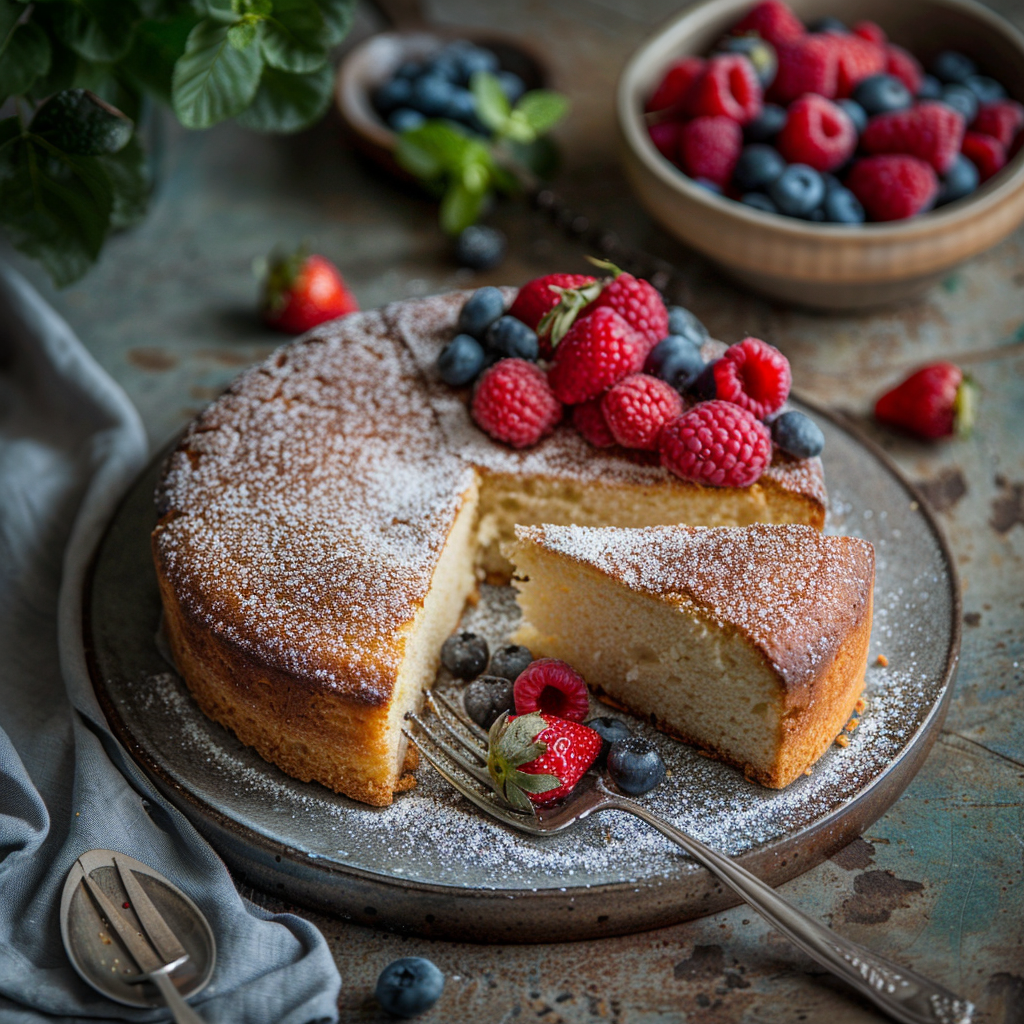
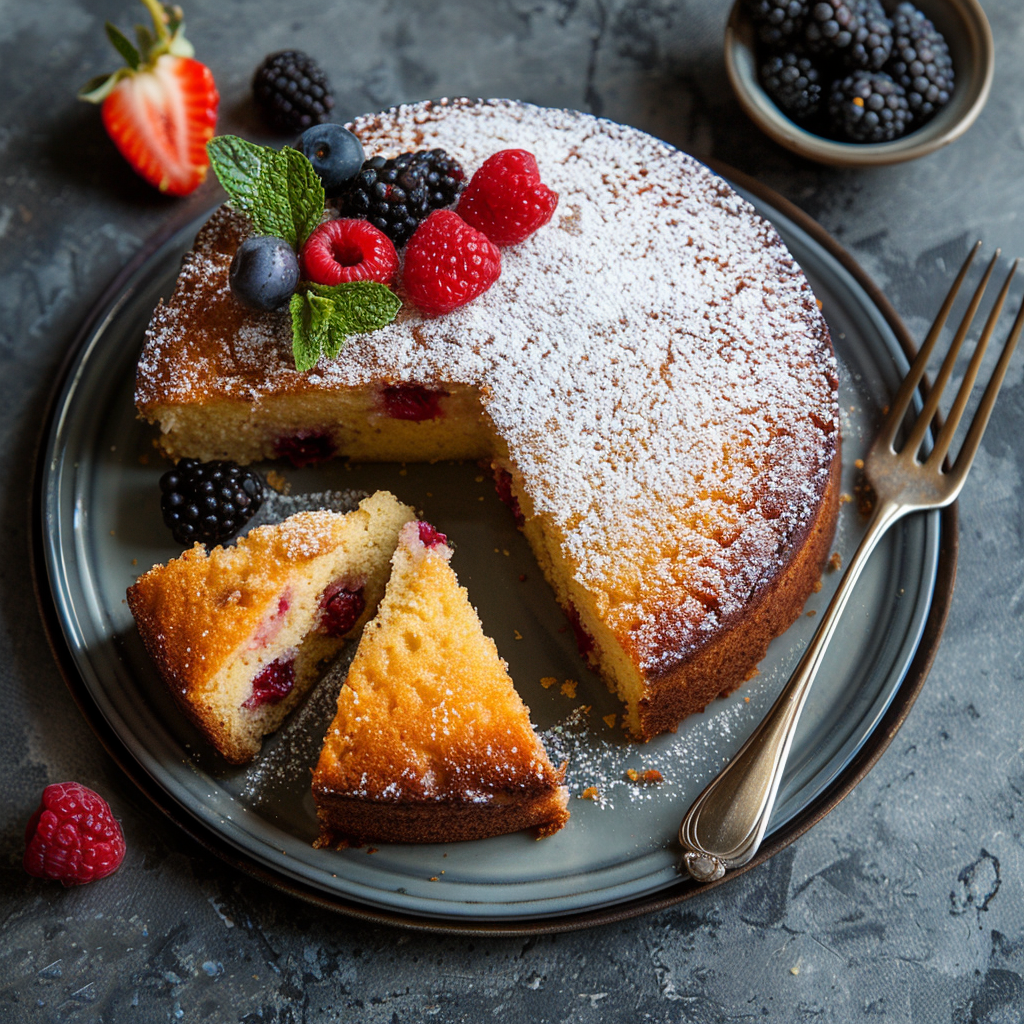
- Dust powdered sugar over the top for a rustic look.
- Add fresh berries for a pop of color.
- Drizzle caramel or chocolate sauce for extra indulgence.
Healthier Alternative Recipes
Here are six variations to make your cake healthier:
- Gluten-Free Cake: Replace all-purpose flour with almond or oat flour.
- Low-Sugar Cake: Use mashed bananas or dates instead of refined sugar.
- Vegan Cake: Substitute eggs with flaxseed meal mixed with water.
- Protein-Packed Cake: Add a scoop of protein powder to the batter.
- Fruit-Infused Cake: Fold in diced apples or grated carrots for natural sweetness.
- Whole Grain Cake: Swap white flour with whole wheat flour.
Common Mistakes to Avoid
Mistake 1: Overmixing the Batter
Overmixing leads to gluten development, resulting in a tough cake. To avoid this, mix just until the ingredients come together. Practical tip: Use a gentle folding motion with a spatula.
Mistake 2: Opening the Oven Door Too Early
Opening the door too soon lets heat escape, causing the cake to collapse. Resist the urge to peek until at least halfway through the baking time.
Mistake 3: Using Cold Ingredients
Cold butter and eggs won’t incorporate properly, affecting the texture. Take them out of the fridge at least 30 minutes before starting.
Mistake 4: Skipping the Toothpick Test
Don’t rely solely on timing. Always check doneness with a toothpick to ensure the center is fully baked.
FAQ
Is baking a cake a physical or chemical change?
Baking a cake involves chemical changes in baking bread and cakes alike. Ingredients undergo transformations that cannot be reversed, such as proteins coagulating and starches gelatinizing.
Why is baking a cake considered a chemical reaction?
The baking of cake is an example of which change because new substances are formed. For instance, baking powder reacts with liquid to produce carbon dioxide, helping the cake rise.
Is baking bread a chemical change?
Yes, similar to cakes, bread undergoes chemical changes in baking bread. Yeast fermentation produces gases that cause the dough to rise.
Is baking a cake an irreversible change?
Absolutely. Once baked, the cake cannot return to its original form, proving that baking of cake is reversible or irreversible leans toward irreversible.
What happens during the baking soda reaction in cake?
Baking soda reacts with acidic components like yogurt or vinegar, producing carbon dioxide bubbles that help the cake rise.
Can I skip baking powder?
Skipping baking powder may result in a flat cake unless you use self-rising flour or another leavening agent.
How do I prevent a sunken cake?
Avoid opening the oven door too early and ensure your baking powder isn’t expired.
Why does my cake taste eggy?
Too many eggs or undermixing can cause an eggy flavor. Balance is key.
What is the best way to frost a cake?
Let the cake cool completely before frosting to prevent melting and sliding.
Can I freeze a frosted cake?
Yes, wrap it tightly in plastic wrap and foil to protect the frosting.
Final Thoughts
Baking a cake isn’t just about following a recipe—it’s about understanding the science behind it. From answering questions like is baking a cake a chemical change to mastering the art of presentation, this journey is rewarding in every way. So grab your apron, gather your ingredients, and let’s bake some magic together!
Equipment
- Mixing bowls
- Electric mixer or whisk
- Cake pan
- Spatula
- Toothpick or cake tester
Ingredients
- 1 cup all-purpose flour
- 1 cup granulated sugar
- 1/2 cup unsalted butter (softened)
- 2 large eggs
- 1 teaspoon vanilla extract
- 1 teaspoon baking powder
- 1/2 teaspoon salt
- 1/2 cup milk
Instructions
- Preheat your oven to 350°F (175°C) and grease your cake pan lightly with butter or non-stick spray.
- In a large mixing bowl, cream together the softened butter and sugar until light and fluffy.
- Crack the eggs one at a time into the bowl, mixing well after each addition, then stir in the vanilla extract.
- In another bowl, whisk together the flour, baking powder, and salt.
- Gradually add the dry ingredients to the wet mixture, alternating with the milk, mixing gently until combined.
- Pour the batter into your prepared pan and smooth the top with a spatula, then bake for 25-30 minutes.
Notes
Nutrition

Hi, I’m Olivia Parker, the founder of BakingSecret.com and a lifelong lover of all things sweet and homemade. I grew up in a small town in Oregon, where the smell of fresh cookies in my family’s kitchen sparked my passion for baking. Over the years, I turned that passion into a mission: to help home bakers feel confident, inspired, and creative.
After studying food science and working in several artisan bakeries across the U.S., I decided to create a space where everyone from beginners to seasoned bakers can find reliable recipes, expert tips, and a warm, welcoming community. BakingSecret.com is my way of sharing the magic of baking with the world. When I’m not testing new recipes, you’ll find me exploring farmers’ markets, collecting vintage cookbooks, or perfecting my sourdough technique.