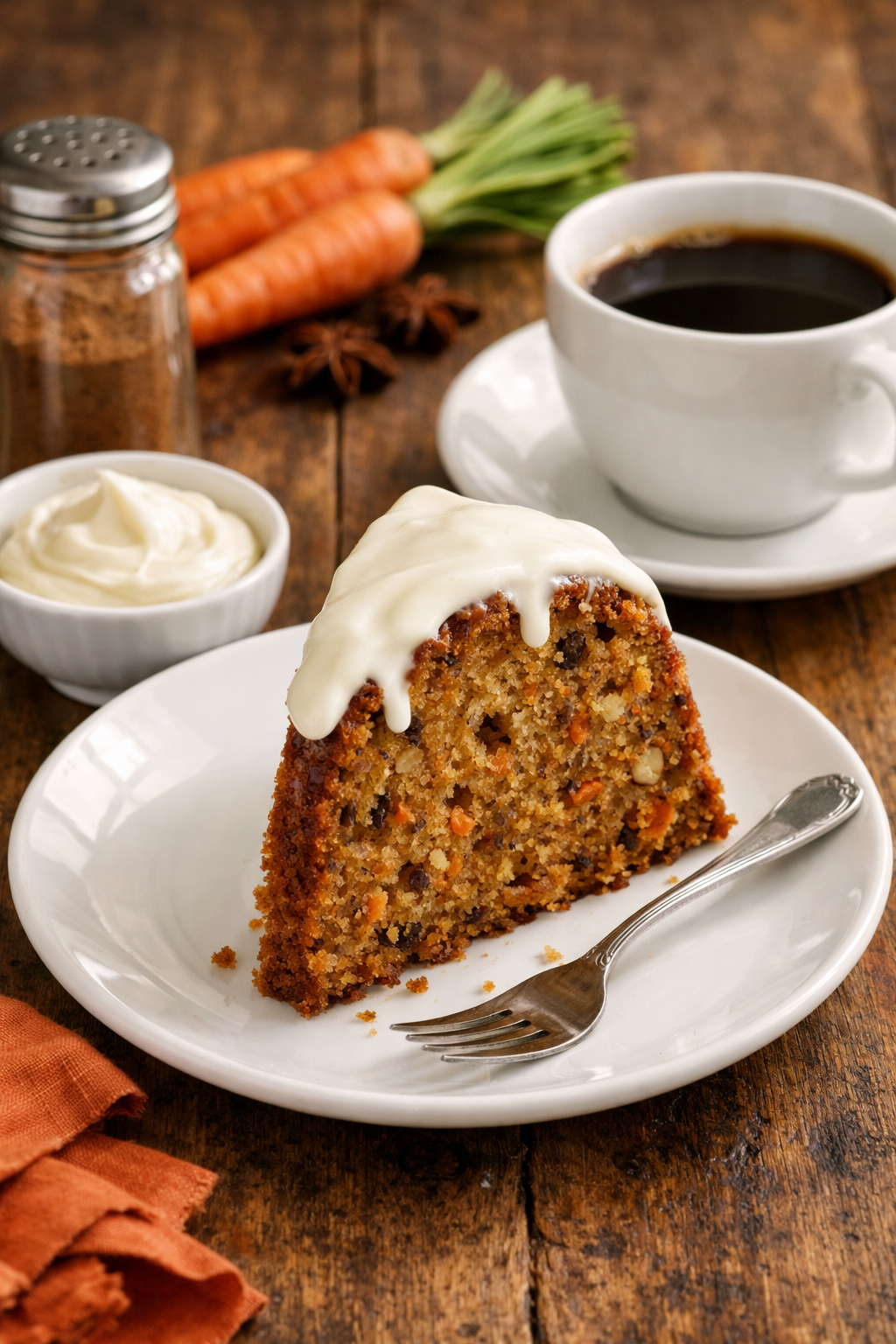
Last Sunday, my neighbor knocked on my door with the most amazing smell wafting from a cake tin. “Try this!” she said, beaming. One bite of her carrot bundt cake and I was hooked. The tender crumb, the hint of spice, the way it wasn’t too sweet – it was perfect. I went home determined to create my own version, and after three attempts (my family didn’t complain), I nailed it. Now I’m sharing this carrot bundt cake recipe with you because honestly, everyone deserves to make something this good.
This recipe changed how I think about dessert. It’s the kind of cake you can serve at a fancy dinner party or pack in your kid’s lunch box without guilt. The bundt pan gives it an elegant shape that looks like you spent hours in the kitchen, but the truth is, it comes together faster than most layer cakes. No frosting between layers, no complicated decorating, just pure deliciousness in one beautiful ring.
Why Choose a Carrot Bundt Cake Recipe?
I’ve baked my share of cakes over the years, and carrot cake always felt special. But making it in a bundt pan? That’s when things got really interesting. The bundt shape isn’t just pretty – it actually helps the cake bake more evenly. The center tube conducts heat right into the middle of the batter, so you get a perfectly cooked cake every single time.
Here’s what I love most about this healthy carrot bundt cake approach. Traditional layer cakes need tons of frosting to look good and taste great. Don’t get me wrong, I love cream cheese frosting as much as the next person. But sometimes you want cake without all that extra sugar and fat. A bundt cake stands on its own. You can drizzle a simple glaze over it, dust it with powdered sugar, or serve it plain. It’s still gorgeous.
The carrots themselves bring natural sweetness and moisture to the cake. I use about two cups of freshly grated carrots in my recipe. They add vitamins, fiber, and a beautiful color. Plus, they keep the cake moist for days. I’ve eaten slices of this cake four days after baking, and they’re still tender and delicious.
Can carrot cake be made in a bundt pan? Absolutely! In fact, I think it works better than traditional round pans. The density of carrot cake batter means it needs good heat distribution. Bundt pans deliver that perfectly. The ridges and curves also create more surface area, which means more of that slightly crispy, caramelized edge that everyone fights over.
Here are the main benefits of making your carrot cake in a bundt pan:
- Even baking throughout the entire cake
- Beautiful presentation with zero decorating skills needed
- Less frosting required, which cuts down on sugar and calories
- Easier to slice and serve than layer cakes
- The cake stays fresh longer because of the dense, moist crumb
- No worrying about layers sliding around or falling apart
Now let’s talk about the health aspect. I know “healthy” and “cake” don’t usually go together. But this carrot bundt cake recipe healthy version packs in real nutrition without tasting like cardboard. The carrots add vitamin A and antioxidants. You can use whole wheat flour for half the flour amount to boost fiber. I’ve also made versions with less sugar than traditional recipes, and they still taste incredible.
The oil in carrot cake (yes, most recipes use oil instead of butter) is actually easier for your body to process. I use a light olive oil or avocado oil sometimes. You don’t taste it in the final cake, but you get those healthier fats. Some bakers sweat about using oil in cakes, but trust me on this one. Oil creates a more tender crumb than butter in this particular recipe.
My sister follows a dairy-free diet, and she can eat this cake without any modifications. Most carrot cake recipes don’t use milk in the batter itself. The only dairy usually comes from cream cheese frosting. Since a bundt cake doesn’t need heavy frosting, you can skip dairy entirely or use a light glaze made with almond milk.
People ask me all the time if this cake works for special diets. The answer is yes, with small tweaks. I’ve made gluten-free versions using a good all-purpose gluten-free flour blend. The texture is slightly different but still delicious. For sugar-conscious friends, I’ve used coconut sugar or reduced the sugar by a third without major issues.
The spices in carrot cake aren’t just for flavor. Cinnamon helps regulate blood sugar. Ginger aids digestion. Nutmeg has anti-inflammatory properties. I’m not saying this cake is health food, but it’s definitely a step up from a white cake loaded with buttercream.
Portion control is another hidden benefit. When I make a layer cake, I tend to cut huge slices because the layers look so pretty. With a bundt cake, the slices naturally come out thinner because of the ring shape. You still get that satisfying piece of cake, but with fewer calories per serving.
The best part about this recipe is how forgiving it is. Forgot to grease your pan perfectly? The bundt shape releases easier than flat pans anyway. Mixed the batter a bit too much? The carrots and oil keep everything tender. Baked it five minutes too long? Still moist thanks to all those grated vegetables.
I started making this carrot bundt cake for weekend brunches. It pairs perfectly with coffee or tea. Then I realized it works for birthday parties, potlucks, and holiday gatherings. My mother-in-law requested it for Thanksgiving last year instead of pie. That’s when I knew this recipe was a keeper.
The smell while it bakes is unbeatable. Cinnamon and nutmeg fill your whole house. Guests start asking what’s cooking before they even see the cake. That’s the kind of welcome I want when people visit my home.
Whether you’re looking for a healthier dessert option, need something impressive but simple, or just want to try a new way to make carrot cake, this bundt pan method delivers. The recipe I’m sharing today has been tested in my kitchen at least twenty times. I’ve tweaked the spices, adjusted the sugar, and found the perfect baking temperature. You’re getting the benefit of all those experiments without any of the fails.

Ingredients and Preparation
Now that you know why this cake is worth making, let’s get into the actual doing part.
Essential Ingredients for Your Carrot Bundt Cake
The first time I made this carrot cake recipe, I just grabbed whatever carrots were in my fridge. Big mistake. Turns out, not all carrots are created equal when it comes to baking. You want medium-sized carrots that are firm and bright orange. Those giant “horse carrots” have woody centers that don’t grate well. The baby carrots in bags? They’re often dry and less flavorful because they’re just carved-down regular carrots that have been sitting around.
I buy my carrots from the produce section where they still have their green tops attached. Fresh carrots have more moisture and natural sweetness. When you grate them, they should feel slightly damp, not dry and stringy. That moisture is what keeps your cake tender for days after baking.
Here’s exactly what you’ll need for the basic recipe:
For the dry ingredients: Two cups all-purpose flour (or use one cup all-purpose and one cup whole wheat for a healthier spin), two teaspoons baking powder, one and a half teaspoons baking soda, one teaspoon salt, two teaspoons ground cinnamon, one teaspoon ground ginger, and half a teaspoon nutmeg. Some people skip the ginger, but I think that’s what makes the cake special. It adds a subtle warmth that you can’t quite identify but definitely miss when it’s gone.
For the wet ingredients: One and a half cups granulated sugar (you can use one and a quarter cups if you prefer less sweet), one cup vegetable oil or melted coconut oil, four large eggs at room temperature, and two teaspoons vanilla extract. Room temperature eggs matter more than you’d think. Cold eggs don’t emulsify as well with the oil, and you can end up with a slightly separated batter.
The star ingredients: Two cups freshly grated carrots (about three to four medium carrots), one cup chopped walnuts or pecans (totally optional but I love the crunch), and half a cup of raisins if you’re into that. I’m not a raisin person myself, so I leave them out or sometimes replace them with dried cranberries.
When you’re grating those carrots, use the medium holes on a box grater. Too fine and they disappear into mush. Too coarse and you get chunks that don’t distribute evenly. I learned this after making a cake with huge carrot pieces that were kind of awkward to eat. My husband kept picking them out, which defeated the whole purpose.
The oil is non-negotiable in carrot cake. I know some people want to substitute applesauce or Greek yogurt to cut calories. I’ve tried it. The cake ends up dense and gummy instead of tender and moist. If you’re watching fat intake, just eat a smaller slice. The oil is what makes this cake stay fresh and delicious. Unlike butter-based cakes that get hard when refrigerated, oil-based cakes stay soft even when cold.
Adding a Twist: Pineapple and Other Variations
My aunt makes her carrot bundt cake with pineapple, and honestly, it’s a game-changer. The first time she brought it to a family dinner, I thought it would be too sweet or too tropical. Wrong on both counts. The pineapple adds moisture and a subtle tang that balances the spices perfectly.
For a carrot bundt cake with pineapple, you’ll add one cup of crushed pineapple (drained really well) to the batter. Here’s the thing though – you need to drain that pineapple like your cake depends on it, because it does. I squeeze it in a fine-mesh strainer, then press it between paper towels. Too much liquid and your cake won’t set properly in the center. It’ll look done on the outside but be gummy in the middle. Not fun when you’re serving guests.
The pineapple version reminds me a bit of the moisture you get in other fruit-based desserts, kind of like how a cherry cobbler with cake mix stays incredibly moist from the fruit juices. Both use that fruit moisture to their advantage.
Now, if you’re short on time or just want an easier route, the carrot bundt cake with cake mix method works surprisingly well. I was skeptical about this for years. Cake mixes felt like cheating. But after watching my sister throw together a version using spice cake mix, shredded carrots, and crushed pineapple, I became a convert for busy weeknights.
The carrot bundt cake martha stewart version is more sophisticated. She adds coconut and uses a mixture of white and brown sugar for deeper flavor. I’ve made her recipe twice, and it’s definitely more complex tasting. The brown sugar gives it an almost caramel note. If you’re making this for a special occasion and want to impress people who think they know cake, try her version.
The carrot bundt cake pioneer woman recipe goes in a different direction. She’s all about that cream cheese glaze dripping down the sides. Her recipe uses buttermilk, which I don’t always have on hand, but when I do use it, the cake has an extra tangy depth. She also adds a full tablespoon of cinnamon, which makes your house smell absolutely incredible.
Funny enough, some people make cakes for their pets too. I came across someone making a cake for cats with carrots and fish, which sounds wild but apparently cats can enjoy certain vegetables. Our carrot bundt cake is definitely not for cats though – too much sugar and spice for our feline friends.
I’ve also experimented with adding shredded coconut, which gives a tropical vibe. Orange zest is another variation that works beautifully with the carrots. The citrus brightens up all those warm spices. For holidays, I sometimes add a quarter cup of bourbon or rum to the batter. Sounds fancy, but it just deepens the flavor complexity.
Preparing the Batter
Mixing this batter is where people either nail it or mess it up. The good news is, it’s pretty hard to mess up if you follow a simple order of operations.
Start by preheating your oven to 350 degrees Fahrenheit. Grease and flour your bundt pan like your life depends on it. I mean really get in there with the butter or baking spray, hitting every ridge and crevice. Then dust it with flour, tap out the excess. I’ve had cakes stick even when I thought I greased well enough. Now I use both butter and a dusting of cocoa powder (sounds weird, but it works and doesn’t leave white flour marks on the cake).
In a large bowl, whisk together all your dry ingredients. This is important – don’t skip this step. Whisking distributes the leavening agents and spices evenly. Otherwise you might get pockets of baking soda that taste soapy or areas with no cinnamon at all.
In another bowl, beat the sugar and oil together. I use a hand mixer for about a minute. You want them combined but you’re not making meringue here, so don’t overdo it. Add the eggs one at a time, beating after each addition. This is when the mixture gets pale and slightly fluffy. Then mix in your vanilla.
Here’s where people ask: What is the secret ingredient in carrot cake? Honestly, there’s no single magic ingredient. But if I had to choose, I’d say it’s the combination of oil and freshly grated carrots. The oil provides fat that stays liquid at room temperature, keeping the cake moist. The carrots add natural sugar and moisture that develop during baking. Together, they create that signature tender crumb.
Some bakers swear by adding a tablespoon of sour cream or Greek yogurt to the wet ingredients. I do this sometimes, especially if I’m reducing the sugar. It adds a subtle tang and extra richness. Think of it like how protein-rich ingredients work in other recipes – for instance, when you’re checking nutrition crab cakes, you’ll notice how certain binding ingredients affect both texture and nutritional value.
Now fold the dry ingredients into the wet ingredients. Use a spatula and fold gently, just until you don’t see flour streaks anymore. Don’t beat it or overmix. Carrot cake batter should look thick and slightly lumpy. That’s perfect. Overmixed batter develops too much gluten, which makes the cake tough instead of tender.
Fold in your grated carrots, nuts, and any add-ins like pineapple or raisins. The batter will look really thick now, almost like it won’t pour. That’s exactly right. This isn’t a thin cake batter. It should plop into the pan rather than pour smoothly.
Pour the batter into your prepared bundt pan and smooth the top with a spatula. Tap the pan on the counter a few times to release air bubbles. I usually give it three or four good taps. This prevents holes in your finished cake.
The consistency you’re after should be similar to thick brownie batter. If it seems too dry, you might have packed your flour when measuring. Always spoon flour into measuring cups and level it off. If it seems too wet, you probably didn’t drain your pineapple enough or your carrots were extra juicy. You can add a tablespoon or two more flour if needed, though I rarely have to do this.
By the way, if you’re someone who likes quick single-serving desserts, this batter actually works in a gluten free mug cake format too, though you’d need to adjust the recipe significantly and use appropriate gluten-free flour. The beauty of bundt cakes is they’re meant to serve a crowd, but the flavors scale down nicely when you want them to.
One last tip about batter preparation – let it sit for about five minutes before baking. This allows the flour to fully hydrate and the leavening agents to start working. I noticed my cakes have a better rise and more even crumb when I do this. It’s a small thing, but small things add up to a really great cake.
Baking and Finishing Touches
Alright, we’ve got our batter ready. This is where things get real. The actual baking part is when all your prep work pays off or when you find out you forgot to grease the pan properly. Been there, done that, learned my lesson.
Baking the Perfect Carrot Bundt Cake
Slide that bundt pan into your preheated 350-degree oven and set a timer for 45 minutes. Don’t open the oven door during this time. I know it’s tempting. I used to peek constantly, and every time I did, the temperature dropped and my cakes took longer to bake. Just trust the process and let the oven do its job.
The carrot cake bundt pan cook time varies depending on your oven and the size of your pan. A standard 10-cup bundt pan usually takes between 50 to 60 minutes. My oven runs a little hot, so mine is done at 52 minutes. My mom’s oven is ancient and hers takes a full hour. You’ll need to figure out your oven’s personality.
Here’s how I test for doneness. After 45 minutes, insert a wooden skewer or toothpick into the thickest part of the cake. It should come out with just a few moist crumbs clinging to it. If you see wet batter, give it another 5 minutes and test again. The top should spring back when you gently press it with your finger. The edges will have pulled away slightly from the pan sides.
The smell is another indicator. When your cake is nearly done, the whole kitchen smells like cinnamon heaven. That warm, spicy aroma intensifies in the last ten minutes of baking. My kids know dinner better be ready to go when that smell hits because I’m not cooking anything else once cake-baking mode is activated.
Once your cake tests done, pull it from the oven and let it cool in the pan for exactly 15 minutes. This timing matters more than you’d think. Less than 15 minutes and the cake is too fragile to turn out. More than 20 minutes and it starts to stick to the pan as it cools. Set a timer because it’s easy to get distracted and forget about it sitting there.
After those 15 minutes, place a wire cooling rack over the top of the bundt pan. Using oven mitts, flip the whole thing over in one confident motion. Don’t hesitate or do it slowly. Just commit to the flip. The cake should release with a gentle shake. If it doesn’t come out immediately, let it sit upside down for a minute. Gravity will help.
Here’s what I do if a cake sticks. Run a thin knife around the edges and center tube, then try the flip again. If that doesn’t work, place a damp hot towel over the bottom of the pan for about 30 seconds. The steam usually loosens stubborn spots. Worst case scenario, you might lose a chunk or two, but that’s what glaze is for – it covers a multitude of sins.
Let the cake cool completely on the rack before you ice it. I mean completely. Not “pretty cool” or “cool enough.” Room temperature. This takes about two hours. If you glaze a warm cake, the icing just melts and runs off onto the plate instead of coating the cake nicely. I learned this the hard way at my daughter’s birthday party. The glaze pooled around the base and the cake looked naked. Everyone still ate it, but it wasn’t Instagram-worthy.
The secret to keeping your bundt cake moist goes beyond just the ingredients. Proper baking temperature is crucial. Too hot and the outside overcooks while the center stays raw. Too cool and the cake dries out before it sets. That 350-degree sweet spot works for most ovens. If you notice your cakes always come out dry, try dropping to 325 degrees and adding 10 minutes to the bake time.
Another moisture trick is to brush the warm cake with a simple syrup. I make mine with equal parts sugar and water, heated until the sugar dissolves, then cooled slightly. As soon as the cake comes out of the pan, brush it all over with this syrup. It soaks in and adds extra moisture and sweetness. You can flavor the syrup with vanilla, orange juice, or even a splash of rum if you’re feeling fancy.
Icing and Decorating
Now for the fun part. I’ve tried probably a dozen different icings on this cake, and they all work, but some are definitely better than others.
The classic choice is cream cheese frosting. For an icing for carrot cake recipe that never fails, beat together 8 ounces of softened cream cheese, half a cup of softened butter, 3 cups of powdered sugar, and a teaspoon of vanilla. You want it thick enough to hold its shape but thin enough to drizzle. If it’s too thick, add a tablespoon of milk. Too thin, add more powdered sugar.
I don’t frost the whole cake like you would a layer cake. Instead, I drizzle the icing over the top and let it cascade down the sides naturally. It pools in the ridges of the bundt shape and creates this gorgeous, rustic look. Takes about three minutes and looks like you spent an hour decorating.
For a lighter option, I make a simple glaze with powdered sugar and milk or orange juice. Two cups of powdered sugar mixed with three to four tablespoons of liquid. Whisk it until smooth. This version is less rich than cream cheese frosting but still gives you that sweet finish. The orange juice version is my personal favorite. The citrus cuts through the richness of the cake beautifully.
My neighbor who inspired this whole cake journey uses a maple glaze that’s incredible. She mixes powdered sugar with pure maple syrup and a tiny bit of butter. The maple flavor complements the spices perfectly, almost like the cake is giving you a warm hug. I made it for a fall potluck and people asked for the recipe before they even tried the cake, just based on how it looked.
Sometimes I skip icing entirely and just dust the cake with powdered sugar. Use a fine-mesh strainer and tap it gently over the cooled cake. The sugar settles into all those beautiful ridges and creates an elegant, minimalist look. This is actually my go-to when I’m bringing the cake somewhere in the car because icing can get messy during transport.
For special occasions, I’ve decorated with candied carrots. Sounds weird but stay with me. Cut thin carrot ribbons with a vegetable peeler, simmer them in sugar water until they’re translucent and flexible, then arrange them on top of the glazed cake. They look like little orange flowers. Takes extra effort but the wow factor is worth it.
Chopped nuts sprinkled over wet glaze is another easy decoration. Toasted pecans or walnuts add crunch and make the cake look professionally done. I toast the nuts in a dry skillet for about five minutes until they smell amazing, chop them roughly, and sprinkle them while the glaze is still sticky.
The nothing bundt cake carrot cake recipe style uses their signature cream cheese frosting piped in a specific pattern. While I can’t replicate their exact recipe (it’s proprietary), I’ve gotten pretty close. They use a slightly tangy, not-too-sweet frosting that doesn’t overpower the cake. The key is using more cream cheese than butter – I do a 2:1 ratio instead of equal parts. Makes it tangier and lighter.
By the way, if you’re someone who enjoys planning your baking sessions ahead, this cake is perfect for meal prep situations. You can bake it on Sunday and have dessert sorted for the whole week. It actually tastes better on day two after the flavors have melded together.
Here’s a decoration idea that always gets compliments: edible flowers. I buy them from the fancy grocery store or sometimes from farmers’ markets in spring. Pansies, violets, or nasturtiums arranged on top of a white glaze look absolutely stunning. Make sure they’re actually edible though – not all flowers are safe to eat. I made that mistake once and had to pick off flowers that were just decorative.
For kids’ parties, I’ve done a cream cheese frosting and then decorated with grated carrots on top. Sounds silly, but kids think it’s hilarious that there are carrots on their cake. Plus it clearly signals this is carrot cake for anyone with allergies or preferences.
If you’re into that mirror-glaze trend, carrot bundt cake actually works for it. Make a chocolate mirror glaze (there are tons of tutorials online) and pour it over a chilled cake. The contrast of dark chocolate over the orange-tinted cake is dramatic and beautiful. I’ve only done this once because it’s finicky, but man, did it photograph well.
The glaze technique matters. Don’t just dump it on. Place your cooling rack over a baking sheet to catch drips. Pour the glaze in a spiral motion starting from the center, working your way around. Use a spoon to guide it over any bare spots. Let it set for at least 30 minutes before serving so the glaze firms up slightly.
One time I made a brown butter glaze that was out of this world. Brown your butter until it’s nutty and amber-colored, let it cool slightly, then whisk in powdered sugar and a splash of vanilla. The nutty flavor pairs incredibly well with the cake’s spices. It’s a bit more advanced, but if you’re comfortable browning butter, definitely try it.
For anyone curious about trying more cakes and cupcakes, this carrot bundt cake is an excellent gateway recipe because it teaches you solid techniques that transfer to other baked goods – proper pan prep, batter consistency, testing for doneness, and finishing touches that make everything look polished.
FAQ Section
What is the secret ingredient in carrot cake?
There’s no single magic ingredient, but freshly grated carrots combined with oil creates that signature moist texture. The carrots provide natural sweetness and moisture that develops during baking, while oil stays liquid at room temperature, keeping the cake tender for days. Some bakers add a touch of crushed pineapple or a tablespoon of sour cream for extra moisture. The combination of warm spices like cinnamon, ginger, and nutmeg is also essential to that distinctive carrot cake flavor we all love.
What is the secret to a moist Bundt cake?
Using oil instead of butter is the number one trick for moisture that lasts. Oil-based cakes don’t harden when refrigerated like butter cakes do. Make sure you’re adding enough wet ingredients – those grated carrots count as moisture. Don’t overbake, which is easy to do with bundt pans since they conduct heat efficiently. Test for doneness at the minimum time and add minutes as needed. Brushing the warm cake with simple syrup right after unmolding also adds moisture and helps it stay fresh longer.
Can carrot cake be made in a bundt pan?
Absolutely, and I’d argue it works even better than traditional layer pans. The center tube in a bundt pan conducts heat to the middle of the dense carrot cake batter, ensuring even baking throughout. You get that beautiful presentation without needing to stack layers or apply tons of frosting. The shape naturally creates more of those slightly crispy, caramelized edges that everyone loves. Just make sure to grease your pan thoroughly – bundt pans have all those ridges where cake can stick if you’re not careful.
What is the most popular flavor Bundt cake?
Chocolate bundt cakes probably take the top spot overall, but carrot cake is a strong contender, especially among people looking for something less intensely sweet. Lemon bundt cakes are hugely popular in spring and summer. Red velvet is another favorite. Honestly, it depends on the occasion and region – in the South, pound cake-style bundts reign supreme, while on the coasts, more creative flavors like pumpkin spice or apple cinnamon tend to win. Carrot bundt cake has that perfect balance of familiar and special that makes it a crowd-pleaser year-round.
How long does carrot bundt cake stay fresh?
At room temperature, covered well, it stays moist for about three days. In the refrigerator, it lasts up to a week. I actually prefer eating it cold straight from the fridge – the texture gets really dense and fudgy, almost like a different cake entirely. You can also freeze individual slices wrapped in plastic wrap and foil for up to three months. Thaw at room temperature for a couple hours before eating. The oil-based batter freezes and thaws beautifully without getting dry or crumbly.
Can I make this cake ahead of time?
Yes, and it actually improves after a day. I often bake it the night before I need it. The flavors meld together and the crumb settles into that perfect tender texture. If you’re glazing it, wait until the day you’re serving to add the icing. Store the unglazed cake wrapped tightly in plastic wrap at room temperature. The morning of your event, unwrap it, add your glaze or frosting, and you’re done. This makes hosting so much less stressful when you can cross dessert off your list early.
What can I substitute for eggs in this recipe?
For each egg, you can use a quarter cup of unsweetened applesauce or a “flax egg” made from one tablespoon ground flaxseed mixed with three tablespoons water, left to gel for five minutes. I’ve also had success with commercial egg replacers following package directions. The texture will be slightly different – a bit denser and less fluffy – but still delicious. The carrots and oil provide enough moisture that the cake doesn’t suffer too much from egg substitutions, unlike some other cake recipes.
Why did my bundt cake stick to the pan?
Usually this happens when the pan wasn’t greased well enough in all those nooks and crannies. Use softened butter and a pastry brush to get into every ridge, or use a baking spray that contains flour. Letting the cake cool too long in the pan also causes sticking – that 15-minute window is important. Some bakers swear by greasing with shortening instead of butter because it doesn’t contain water that can cause sticking. If you have a particularly detailed bundt pan with lots of ridges, consider dusting the greased pan with cocoa powder or finely ground nuts instead of flour.
Can I use pre-shredded carrots?
You can, but fresh is better. Pre-shredded carrots from bags are often dry because they’ve been sitting around and the shredding process exposes more surface area to air. They also sometimes have a preservative coating that can affect texture. Fresh carrots you grate yourself have more moisture and better flavor. It only takes about five minutes to grate carrots for this recipe. If you absolutely need to use bagged, look for the ones in the produce section that seem freshest, and maybe add an extra tablespoon of oil to compensate for the dryness.
What’s the best way to transport a bundt cake?
I use a cake carrier with a dome lid, which you can find at any kitchen store. Place the cake on the base, secure the dome, and you’re good to go. If you don’t have a carrier, put the cake on a sturdy plate or cake board, then carefully place it in a large box or container. I don’t recommend plastic wrap directly on the cake because it sticks to any glaze or frosting. If you’re traveling more than 30 minutes, especially in warm weather, keep the cake in a cooler with ice packs placed away from direct contact with the cake container.
This carrot bundt cake has become my signature dessert, the one people request by name. There’s something deeply satisfying about pulling a perfectly shaped cake from that pan, knowing it’s going to taste as good as it looks. The beauty is in the simplicity – good ingredients, straightforward technique, and a little patience. Give yourself permission to experiment with the flavors and decorations until you find your perfect version. And don’t stress if your first attempt isn’t perfect. Even a slightly imperfect homemade carrot bundt cake beats store-bought any day of the week.
Equipment
- Bundt pan
- Mixing bowls
- Whisk
- Hand mixer
- Spatula
- Measuring cups and spoons
- Wire cooling rack
- Wooden skewer or toothpick
Ingredients
- 2 cups all-purpose flour (or 1 cup all-purpose and 1 cup whole wheat)
- 2 teaspoons baking powder
- 1.5 teaspoons baking soda
- 1 teaspoon salt
- 2 teaspoons ground cinnamon
- 1 teaspoon ground ginger
- 0.5 teaspoon nutmeg
- 1.5 cups granulated sugar (or 1.25 cups for less sweet)
- 1 cup vegetable oil (or melted coconut oil)
- 4 large eggs at room temperature
- 2 teaspoons vanilla extract
- 2 cups freshly grated carrots (about 3-4 medium carrots)
- 1 cup chopped walnuts or pecans (optional)
- 0.5 cup raisins or dried cranberries (optional)
Instructions
- Preheat your oven to 350°F (175°C).
- Grease and flour your bundt pan thoroughly.
- In a large bowl, whisk together all dry ingredients (flour, baking powder, baking soda, salt, cinnamon, ginger, and nutmeg).
- In another bowl, beat together sugar and oil until combined.
- Add eggs one at a time, mixing well after each addition, then mix in vanilla.
- Fold the dry ingredients into the wet ingredients gently until no flour streaks remain.
- Add grated carrots, nuts, and optional add-ins, folding gently to combine.
- Pour the batter into the prepared bundt pan and smooth the top.
- Tap the pan on the counter to release air bubbles.
- Let the batter sit for about 5 minutes before baking.
- Bake in the preheated oven for 50-60 minutes, testing for doneness with a skewer.
- Let the cake cool in the pan for 15 minutes before inverting it onto a wire rack to cool completely.