
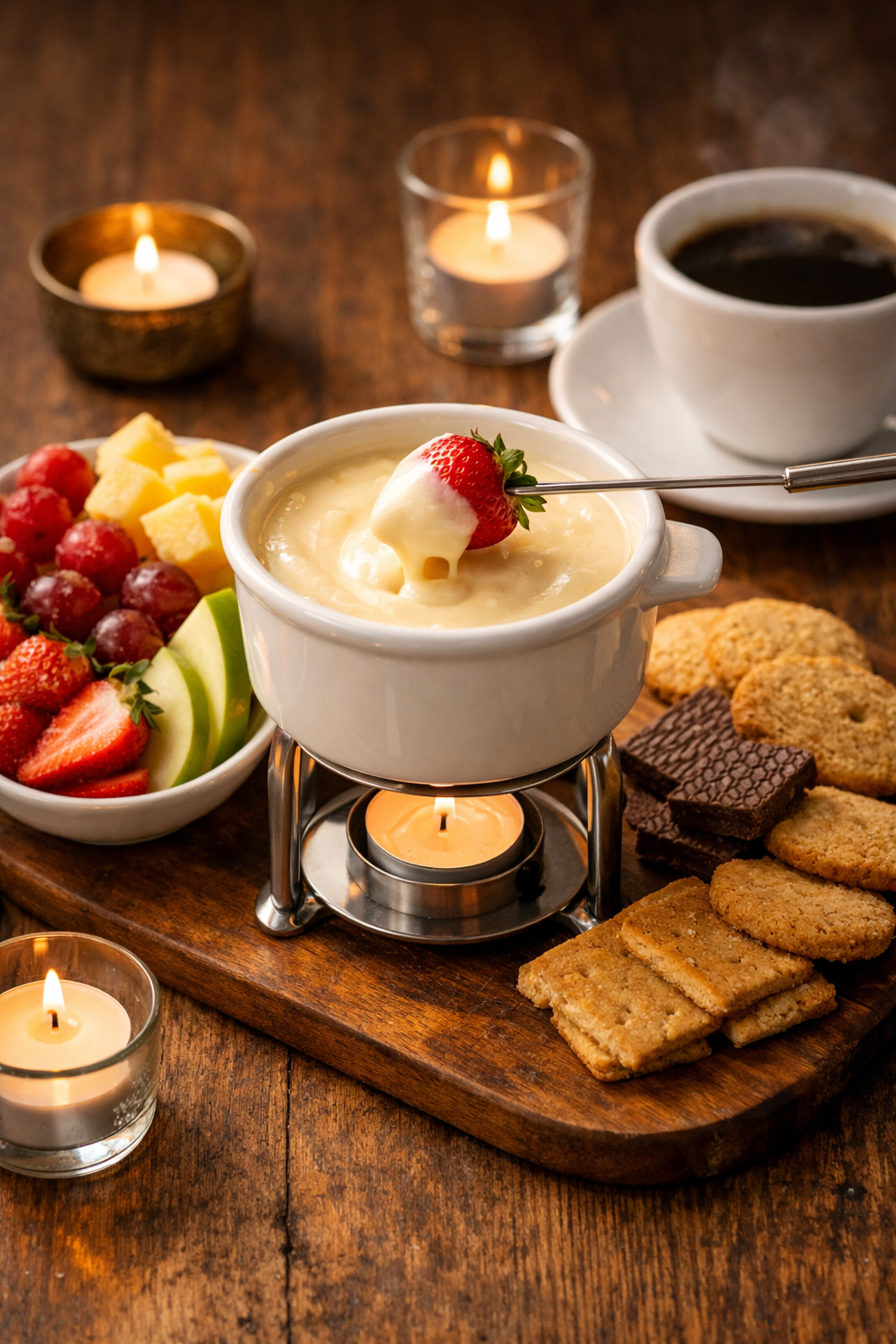
Introduction: A Sweet Surprise for Your Next Gathering
I’ll never forget the first time I tasted cheesecake fondue at my best friend’s dinner party. I walked in expecting the usual chocolate fountain or maybe some fruit dip, but what I found changed my entire view of dessert parties. There, sitting in the center of the table, was a warm pot of creamy, dreamy goodness that tasted exactly like my favorite New York-style cheesecake. People were dipping strawberries, cookies, and even pretzels into it. I was hooked after the first bite.
Welcome to my blog, where I share all things delicious and unique! If you’re tired of the same old chocolate fondue at every party, I’ve got something special for you. Today, we’re talking about cheesecake fondue, a delightful twist on traditional dessert fondue that will make you the star of any gathering. Trust me, once your friends try this, they’ll be asking for the recipe all night long.
I’ll be sharing everything you need to know about making and enjoying this delectable treat. From picking the right cheesecake fondue ingredients to choosing the best dippers, I’ve got you covered. This isn’t your typical dessert, and that’s exactly why it’s so amazing.
What is Cheesecake Fondue?
Let’s start by understanding what cheesecake fondue is and why it’s so special. Think about the rich, smooth filling of a classic cheesecake. Now imagine that same flavor and texture in a warm, dippable form. That’s cheesecake fondue in a nutshell.
It’s a creamy, smooth, and sweet version of fondue, perfect for those with a sweet tooth. The base typically includes cream cheese, heavy cream, and sugar, along with flavor additions like vanilla extract or lemon zest. When heated together, these ingredients create a silky sauce that stays warm and pourable throughout your dessert session.
Unlike traditional chocolate or cheese fondue, cheesecake fondue offers a rich, velvety texture and a unique flavor profile. While chocolate fondue can be heavy and overly sweet, cheesecake fondue has a tangy balance that keeps you coming back for more. It’s sweet but not cloying. It’s rich but not overwhelming. The cream cheese adds a slight tang that cuts through the sweetness beautifully.
Cheesecake fondue is a great option for a non chocolate dessert fondue, appealing to those who prefer something different. I’ve served this at parties where some guests don’t like chocolate or have allergies. Everyone can enjoy it, and honestly, even the chocolate lovers usually prefer the cheesecake version by the end of the night.
Why Cheesecake Fondue Stands Out Among Dessert Fondue Recipes
I’ve tried dozens of dessert fondue recipes over the years. Chocolate, caramel, peanut butter, and even white chocolate variations have graced my fondue pot. But cheesecake fondue holds a special place in my heart for several reasons.
First, it’s incredibly smooth. When made correctly, there are no lumps or grainy bits. The texture is like velvet on your tongue. This smoothness comes from the cream cheese base, which melts into a perfect consistency when combined with cream and gentle heat.
Second, the flavor is complex without being complicated. You get that classic cheesecake taste with tangy notes from the cream cheese and sweet notes from the sugar. Add a splash of vanilla, and you have a flavor that feels both familiar and exciting. You can also customize it easily with different extracts or mix-ins.
Third, it pairs well with an amazing variety of dippers. While chocolate fondue works best with fruit and cake, cheesecake fondue is much more flexible. I’ve successfully paired it with:
- Fresh strawberries, blueberries, and raspberries
- Graham crackers and vanilla wafers
- Pound cake cubes and angel food cake
- Pretzels for a sweet and salty combo
- Apple and pear slices
- Shortbread cookies and biscotti
- Brownie bites and cookie pieces
The tangy nature of the fondue works with both sweet and slightly salty dippers. This makes planning your dipping platter so much easier and more creative.
Understanding the Base Cheesecake Fondue Ingredients
When you look at most cheesecake fondue recipes, you’ll notice they use similar core ingredients. Understanding what each one does will help you make the best version possible.
Cream cheese is the star of the show. It provides that signature cheesecake flavor and creates the thick, creamy base. Always use full-fat cream cheese, not the low-fat or whipped versions. Those don’t melt as smoothly and can make your fondue grainy or thin.
Heavy cream thins the cream cheese to a dippable consistency. It also adds richness and helps the fondue stay smooth as it heats. Some recipes use milk instead, but I find heavy cream gives you a more luxurious texture.
Sugar sweetens the mixture and balances the tang from the cream cheese. The amount can vary based on your taste, but most recipes use between one-quarter and one-half cup for every eight ounces of cream cheese.
Vanilla extract enhances all the other flavors. Just like in regular cheesecake, vanilla adds depth and warmth to the overall taste. Don’t skip this ingredient even though it seems small.
Some recipes also include a bit of cornstarch or flour. This helps stabilize the mixture and prevents separation as the fondue sits in the pot. I sometimes add a teaspoon of cornstarch mixed with a little cold cream to ensure my fondue stays perfect throughout the party.
Common Questions About Making This Non Chocolate Dessert Fondue
When I first started making cheesecake fondue, I had tons of questions. The process seemed tricky, and I worried about making mistakes. Here are answers to the most common concerns I hear from readers.
Many people ask about cheese fondue when searching for fondue tips, so let me clarify something important. Traditional cheese fondue uses completely different ingredients and techniques than cheesecake fondue. They share a name and a pot, but that’s about it. Cheese fondue uses melting cheeses like Gruyère or Emmental, while our non chocolate dessert fondue uses cream cheese as a sweet base.
That said, some fondue principles apply to both. Temperature control matters immensely. Keep your heat low and gentle. High heat will cause the cream cheese to break and become grainy. I learned this the hard way during my second attempt, when I cranked up the heat to save time. The fondue separated into a weird, oily mess.
Another common mistake is not softening the cream cheese first. Cold cream cheese straight from the fridge won’t melt smoothly. Let it sit at room temperature for about 30 minutes before you start. This simple step prevents lumps and makes mixing so much easier.
Some people wonder if they can just melt the ingredients together without any special technique. The answer is yes and no. You can technically just heat everything together, but you’ll get better results if you blend the cream cheese and sugar first, then slowly add the warm cream. This creates a smoother emulsion that holds together better.
The beauty of cheesecake fondue is its forgiveness. Even if you make a small mistake, it usually still tastes amazing. The flavor is so good that minor texture issues often go unnoticed, especially when you’re dipping delicious treats into it.

Simple Cheesecake Fondue Recipes to Try at Home
Now that you understand why this dessert is so special, let’s get into the fun part: actually making it. I’ve tested more cheesecake fondue recipes than I care to admit, and I’m going to share the ones that really work.
The classic recipe is where I recommend everyone start. You’ll need eight ounces of softened cream cheese, one-third cup of heavy cream, one-quarter cup of granulated sugar, and one teaspoon of vanilla extract. That’s it. Four ingredients. I start by beating the cream cheese and sugar together until they’re completely smooth. This takes about two minutes with an electric mixer, or a bit longer if you’re doing it by hand. Then I warm the heavy cream in a small saucepan until it’s just steaming, not boiling. Slowly, I pour the warm cream into the cream cheese mixture while beating constantly. Finally, I add the vanilla and transfer everything to my fondue pot set on low heat.
Here’s the thing though: this basic version is just your starting point. Once you’ve mastered it, the flavor possibilities become endless.
My favorite variation adds a tablespoon of fresh lemon juice and a teaspoon of lemon zest. The citrus brightens the whole thing and makes it taste even more like authentic cheesecake. I served this version at my sister’s bridal shower, and people literally scraped the pot clean. The lemon cuts through the richness beautifully, especially when you’re dipping sweeter items like pound cake.
For chocolate lovers who still want to try something different, you can create a swirled version. Make your basic cheesecake fondue and reserve about one-third of it in a separate bowl. Melt two ounces of semi-sweet chocolate and stir it into that reserved portion. Pour the plain cheesecake fondue into your pot, then drizzle the chocolate mixture on top and swirl gently with a knife. It looks impressive and gives people two flavors in one pot.
Fruit purees work amazingly well too. I’ve made strawberry cheesecake fondue by blending half a cup of fresh strawberries and mixing it into the base recipe. The color turns this gorgeous pink, and the flavor reminds me of my grandmother’s strawberry crunch cheesecake she used to make every summer. Just reduce the sugar slightly when adding fruit since the puree adds natural sweetness.
By the way, if you’re feeling adventurous and your gathering is adults-only, a splash of liqueur takes this to another level. I add two tablespoons of amaretto for an almond flavor, or Baileys Irish Cream for something indulgent. Grand Marnier gives it an orange twist that pairs wonderfully with chocolate dippers. The alcohol doesn’t cook off completely since we’re keeping the heat low, so keep that in mind.
One recipe variation I stumbled upon accidentally has become my go-to for cookie lovers. I crumble up about six Oreo cookies and fold them into the finished fondue right before serving. The cookies soften slightly but maintain some texture, creating something that tastes remarkably similar to blue bell cookies and cream cheesecake in dippable form. Kids absolutely lose their minds over this version.
For those wanting something with sophisticated flair, I’ve experimented with adding a quarter teaspoon of espresso powder. It doesn’t make the fondue taste like coffee, but it deepens the overall flavor in a way that’s hard to describe. The richness gets amplified somehow. This version pairs exceptionally well with biscotti and shortbread.
The beautiful thing about these cheesecake fondue ingredients is their flexibility. You’re not locked into exact measurements like you would be with baking. If you want it sweeter, add more sugar. If you want it thinner for easier dipping, add more cream. The worst that happens is you adjust it slightly and learn for next time.
Avoiding the Most Common Fondue Mistakes
Let me tell you about the time I served lumpy, separated fondue to twelve dinner guests. Not my finest moment. I thought I could rush the process, and I paid the price. Learning from that disaster, I can now help you avoid the same fate.
The number one mistake people make is overheating. I cannot stress this enough. High heat is the enemy of smooth dessert fondue recipes that use cream cheese. When cream cheese gets too hot too fast, the proteins seize up and separate from the fats and liquids. You end up with a grainy, broken mess that no amount of stirring will fix. Always use low heat. Always. I set my fondue pot to the lowest setting, and I warm my stovetop mixture over medium-low heat at most. Patience pays off here.
The second biggest issue is inadequate stirring. When you’re combining ingredients, especially when adding the warm cream to the cream cheese mixture, you need to stir constantly. I use a whisk for this stage because it incorporates everything smoothly and prevents lumps from forming. Some people just dump everything together and give it a few halfhearted stirs. That’s how you get pockets of unsweetened cream cheese and streaks of separated cream.
Temperature shock causes problems too. Never add cold ingredients to hot ones or vice versa without tempering. When I’m making fondue, I let my cream cheese sit at room temperature for at least thirty minutes. Cold cream cheese dumped into hot cream will seize up immediately. Similarly, if you need to thin out your fondue during serving, warm any additional cream before adding it.
Funny enough, people often ask me about cheese fondue techniques when they’re planning to make the dessert version. The question “What kind of cheese is best for fondue?” comes up constantly, but they’re thinking of Swiss cheese fondue. For our purposes, the answer is simple: cream cheese, full-fat, name brand preferably. I’ve tried store brands that worked fine, but the consistency is most reliable with Philadelphia or similar quality brands.
Another mistake I see frequently is using the wrong type of fondue pot or not preheating it properly. If you’re using a traditional fondue pot with a tea light or small burner underneath, make sure it’s actually producing enough heat to keep the fondue warm but not cook it further. I’ve been to parties where the fondue got cold and stiff because the heat source was too weak. On the flip side, I’ve seen fondue scorch on the bottom because the flame was too high. Test your setup before party day.
Letting the fondue sit without occasional stirring is problematic. Even at the perfect temperature, the mixture can start to separate if it just sits there. During my parties, I give it a gentle stir every ten to fifteen minutes. This keeps everything emulsified and prevents a skin from forming on top.
Some folks make the mistake of adding too many mix-ins or flavorings at once. When you’re experimenting with variations, add things gradually. I learned this when I enthusiastically dumped half a jar of caramel sauce into a batch, thinking it would taste like heaven. Instead, it became too thin and overly sweet. Add a little, taste, adjust. That’s the smart approach, similar to how you’d carefully craft something delicate like a san sebastian cheesecake where balance matters.
Keeping Your Non Chocolate Dessert Fondue Perfect All Evening
The party’s started, your fondue is gorgeous, and everyone’s having a great time. But how do you keep it that way for the next two or three hours? I’ve developed some reliable strategies.
First, don’t make the fondue more than about twenty minutes before serving. Unlike some dishes that benefit from sitting, fondue is best fresh. The texture is smoothest and the temperature is easiest to maintain when you’ve just made it. I time mine so that it’s ready right as guests arrive or right before dessert time at a dinner party.
Keep your heat source consistent and low. I check mine periodically by touching the outside of the fondue pot. It should feel warm but not hot. If I can’t comfortably keep my hand on the pot for several seconds, it’s too hot. Adjust accordingly. Some electric fondue pots have temperature settings, which makes this much easier. I aim for around 140-150 degrees Fahrenheit if I’m using a thermometer.
Have backup cream on hand. Sometimes the fondue thickens as it sits, especially if you’ve had it warming for a while. I keep a small saucepan of heavy cream warming on the stove at the lowest setting. If the fondue gets too thick, I whisk in a tablespoon or two of warm cream to restore the perfect consistency. This has saved me more times than I can count.
Prevent dippers from contaminating the fondue. I know this sounds obvious, but remind guests to use the fondue forks or skewers only for dipping, not for eating directly. Double-dipping after someone has bitten their food is gross and introduces bacteria and saliva into the communal pot. I usually put out small plates so people can transfer their dipped items to their plate before eating. Just like when you’re serving a cheesecake ball recipe at a party, presentation and hygiene matter.
Watch for scorching on the bottom. If your fondue starts to smell slightly burnt or you notice brown bits when you stir, the heat is too high. Immediately transfer the fondue to a fresh pot if possible, leaving any scorched bits behind. Burnt fondue tastes awful and the flavor permeates the whole batch quickly.
Finally, don’t be afraid to refresh the pot halfway through a long party. I sometimes make a half batch to start, then make another half batch after an hour or ninety minutes. Fresh fondue always tastes better than fondue that’s been sitting and getting stirred for three hours. Plus, it gives me an excuse to change up the flavor for the second round, which guests always find exciting.
Creative Dipping Options for Your Cheesecake Fondue
Here’s where things get really exciting. You’ve made this beautiful, creamy cheesecake fondue, and now you get to build the most amazing spread of dippers. This is honestly my favorite part of the whole process because there are zero rules. I’ve discovered some incredible combinations over the years, and I’m going to share everything that works.
Let’s start with the classics because they’re classic for good reason. Fresh strawberries are the obvious choice, and they should be. The combination of tangy cream cheese and sweet, juicy strawberries is basically what strawberry cheesecake tastes like. I leave the stems on for easy dipping. Raspberries and blackberries work beautifully too, though they’re a bit delicate. I usually spear a couple on a fondue fork together so they don’t fall apart. Blueberries are great but can be slippery, so I sometimes thread three or four onto a small skewer.
Apple slices bring a nice crisp texture that contrasts with the smooth fondue. I prefer tart varieties like Granny Smith because they balance the sweetness. Pro tip: toss your apple slices in a little lemon juice so they don’t turn brown during the party. Nobody wants to dip into beautiful white fondue with oxidized brown apples. Pear slices work wonderfully too, especially slightly firm Bosc pears that won’t get mushy.
Bananas are surprisingly controversial among my friends. Some people love them with cheesecake fondue, others think the texture gets weird. I’m in the love camp. I cut them into thick coins so they stay on the fork, and the combination reminds me of banana cream pie. If you’re using bananas, cut them right before serving for the same browning reasons as apples.
Moving beyond fruit, cookies open up a whole universe of possibilities. Graham crackers are the most obvious choice since they’re literally a cheesecake component. I break them into manageable squares or use the small teddy bear shaped ones for something fun. Vanilla wafers practically dissolve into the fondue in the best way possible. Biscotti is my secret weapon for adult gatherings because the crunchy texture holds up perfectly to dipping, and the almond flavor pairs beautifully.
Shortbread cookies create this buttery, melt-in-your-mouth situation that makes people close their eyes with happiness. I’ve watched it happen. Oreos work if you’re doing the cookies and cream variation I mentioned earlier, but honestly, they’re good with plain cheesecake fondue too. Nilla wafers disappear fast at my parties. They’re like edible spoons that taste amazing.
Pretzels are where things get interesting. The salty-sweet combination is addictive. I use both pretzel rods and those little pretzel crisps. The rods are easier to dip, but the crisps give you more surface area for fondue coverage. My nephew once ate seventeen pretzel rods dipped in cheesecake fondue at a family party. We counted. The salt cuts through the richness in a way that keeps you reaching for more.
Cake pieces are underutilized in the fondue world, and I don’t understand why. Pound cake cubes are perfect because the cake is dense enough not to fall apart but soft enough to absorb some fondue. Angel food cake works great too, though it’s more delicate. You need to be gentle. Brownie bites are incredible, especially if you want that chocolate element without making chocolate fondue. The fudgy texture with creamy cheesecake is restaurant-quality good.
Marshmallows are a kid favorite at my house. Regular size works, but the large ones are easier for little hands to manage. They get slightly melty on the outside from the warm fondue, creating this amazing textural thing. My daughter likes to dip them twice for extra coating, which I pretend not to notice violates the double-dipping rule.
Here’s something I discovered accidentally: rice crispy treats. I cut them into small squares, and they’re absolutely fantastic. The crispy texture with the creamy fondue creates this contrast that’s really satisfying. Plus, they’re sturdy enough that they never fall off the fork into the pot, which cannot be said for all dippers.
Donut holes are outrageously good but very rich. I only put out a small plate of them because they’re intense. Glazed ones are sweet on sweet, which some people love. Plain cake donut holes let the fondue flavor shine more. Either way, they’re a special treat that makes your dessert spread feel extra indulgent.
Fresh pineapple chunks bring tropical vibes and a bright acidity that works surprisingly well. The same goes for mandarin orange segments if you can find good ones. Just make sure they’re well-drained so you’re not adding extra liquid to your fondue pot.
Wafer cookies, those thin crispy ones, are excellent for people who want a lighter option. They don’t hold a ton of fondue, so they’re not as heavy as pound cake. Some of my health-conscious friends appreciate having this choice, especially when they’re trying to be mindful of their calorie needs while still enjoying dessert.
Setting Up an Instagram-Worthy Fondue Station
Presentation matters more than people admit. I’ve served the exact same cheesecake fondue at two different parties, one with a thoughtful setup and one just thrown together. The response was dramatically different. People take photos, they linger longer, they eat more. A good presentation elevates the whole experience.
I start with a nice tablecloth or runner, something that sets the dessert table apart from the rest of the party space. Then I position the fondue pot in the center where it’s easily accessible from all sides. Nobody should have to reach over someone else to dip. Around the pot, I arrange my dippers on separate small plates or in small bowls. Grouping by type looks cleaner than random piles.
Height variation makes your table more visually interesting. I use cake stands or upside-down bowls covered with a cloth to create different levels. Strawberries might be on a raised plate while cookies are at table level. This also helps with space efficiency when you’re working with a smaller table.
Color matters too. I try to include a variety of colors in my dippers. Red strawberries, green apple slices, golden pound cake, brown cookies. The variety makes the spread look abundant and appealing. White or clear plates let the food colors pop more than busy patterns.
Don’t forget the practical stuff that people actually need. I set out small dessert plates, plenty of fondue forks or skewers, and napkins. Lots of napkins. Fondue is delicious but messy. I also include a small bowl for used fondue forks if I’m reusing them, though sometimes I just provide enough disposable ones that people can take a fresh one each time.
Funny enough, I always include little name cards or labels for anything that might not be obvious. If I’ve made a special flavor variation, I put a small sign that says “Lemon Cheesecake Fondue” or whatever it is. People appreciate knowing what they’re about to eat, and it also becomes a conversation starter.
Lighting helps too if you’re having an evening party. I sometimes use small battery-operated tea lights around the dessert table. They create ambiance without the fire hazard of real candles near all that food. Plus, warm lighting makes everything look more delicious. It’s science, probably.
Making Your Dessert Fondue Recipes Party-Ready
When I’m planning a party that features cheesecake fondue as the main dessert, I think through the whole experience. How many people are coming? How long will the party last? What else am I serving? These details shape my fondue strategy.
For portion planning, I generally estimate that eight ounces of cream cheese makes enough fondue for four to six people as a dessert course. If it’s the only dessert and people are really into it, plan for more. I’ve had parties where I made three batches throughout the evening because it was such a hit. Better to have the ingredients ready than to run out.
Timing-wise, I prep all my dippers in advance. Fruit gets cut and stored in the fridge in sealed containers. Cookies go into serving bowls covered with plastic wrap. Cake gets cubed and kept fresh. Everything’s ready to go so I’m not frantically cutting strawberries when guests arrive. The fondue itself I make fresh right before serving, as I mentioned before.
For larger gatherings, I sometimes set up two fondue stations with different flavors. Classic cheesecake at one, and maybe strawberry or lemon at the other. This prevents crowding and gives people options. It also lets me experiment with bolder flavors that not everyone might love. Some folks go for the adventurous option while others stick with traditional.
If you’re incorporating this into a larger dessert spread, think about variety in textures and temperatures. Cheesecake fondue is warm and creamy, so maybe include some cold ice cream or a crispy cookie platter as contrast. I’ve learned that people appreciate having choices that feel different from each other. If you’re a fellow cheesecake enthusiast who loves trying different variations, you might want to explore more cheesecake recipes to round out your dessert menu planning skills.
By the way, fondue is inherently interactive, which makes it perfect for breaking the ice at parties where people don’t all know each other. There’s something about gathering around a communal pot that gets people talking. I’ve watched awkward acquaintances become friends over discussing the best dippers. It’s a social catalyst in dessert form.
One thing I always do is taste-test everything before guests arrive. I make sure the fondue consistency is right, the temperature is perfect, and the flavors are balanced. This five-minute check has saved me from serving something that needed adjustment. You can’t fix problems once the party’s started, so catch them early.
Storage and Leftover Magic
Let’s be real, sometimes you have leftover fondue. It doesn’t happen often at my house, but when it does, I’ve figured out some clever uses. Don’t just throw it away because it doesn’t reheat well for dipping. Instead, repurpose it.
Leftover cheesecake fondue makes an incredible cheesecake filling. I’ve poured it into a graham cracker crust and refrigerated it overnight. It sets into something pretty close to no-bake cheesecake. Not quite the same texture as traditional baked cheesecake, but absolutely delicious and nobody complains.
You can also use it as a topping. Spoon it over pancakes or waffles at breakfast. Mix it into your morning coffee for an indulgent treat. Drizzle it over ice cream. Layer it with berries in a parfait glass. I’ve even used it as filling between cake layers for a quick and easy layer cake.
If you want to store it properly, transfer cooled fondue to an airtight container and refrigerate for up to five days. It’ll become very thick and firm when cold. To use it again, let it come to room temperature, then gently rewarm it in a double boiler or microwave in short bursts, stirring frequently. Add a little cream if needed to restore the consistency. The texture won’t be quite as perfect as fresh fondue, but it’s still tasty.
You can freeze it too, though I rarely do this. Freeze in a freezer-safe container for up to two months. Thaw in the refrigerator overnight before reheating. The texture might be slightly different after freezing, but it still works fine for most purposes.
Here’s the thing though: I’ve found that planning portions carefully means I rarely have significant leftovers. People eat more fondue than you’d expect, especially when you have great dippers available. I’d rather make a second small batch during the party than be stuck with a quart of leftover fondue.
The best non chocolate dessert fondue is the one that gets completely enjoyed while it’s fresh and perfect. That’s what I aim for every time, and with a little planning, it’s totally achievable. Your guests will remember the experience, and you’ll be known as the person who throws parties with amazing desserts.
Whether you’re planning an intimate date night, a family gathering, or a big celebration, cheesecake fondue brings people together in the sweetest way possible. The simple act of sharing food from a communal pot creates connection and joy. Every time I make it, I’m reminded why I fell in love with this dessert in the first place. Give it a try at your next gathering, experiment with your favorite flavors, and watch as this creamy, dreamy treat becomes your new signature dessert. Trust me, once you serve this, people will be asking when you’re hosting again.
Frequently Asked Questions About Cheesecake Fondue
What kind of cheese is best for fondue?
For traditional savory fondue, Gruyère and Emmental are the classic choices. However, for cheesecake fondue, you’ll use cream cheese instead, preferably full-fat brands like Philadelphia. The cream cheese provides that signature cheesecake flavor and creates the smooth, creamy texture we’re looking for. Don’t try to substitute with Swiss cheese or other melting cheeses in a dessert fondue. They’re completely different dishes despite sharing the word fondue in their names.
Can I make cheesecake fondue ahead of time?
I don’t recommend making the actual fondue more than about twenty minutes before serving because it’s best fresh. However, you can absolutely prep all your ingredients ahead of time. Soften the cream cheese, measure out your sugar and cream, and prepare all your dippers in advance. Then just combine and heat everything right before your guests arrive. This approach gives you the convenience of advance prep with the quality of fresh fondue.
What are common fondue mistakes to avoid?
The biggest mistakes are overheating, inadequate stirring, and using cold ingredients. High heat causes the cream cheese to separate and become grainy, so always use low, gentle heat. Stir constantly when combining ingredients to prevent lumps. Let your cream cheese come to room temperature before starting. Another common error is not maintaining the right temperature during serving, so keep your heat source low and consistent throughout the party.
Can I just melt cheese for fondue?
Simply melting cream cheese won’t give you the right consistency for cheesecake fondue. You need to properly combine it with cream, sugar, and flavorings using the right technique. Just melting it will result in a thick, gloppy mess that’s too dense for dipping. Following a proper recipe ensures you get that smooth, velvety texture that makes fondue so enjoyable. The technique matters as much as the ingredients.
What should you dip in cheesecake fondue?
The options are practically endless! Fresh fruits like strawberries, apples, and bananas are classic choices. Cookies such as graham crackers, vanilla wafers, and biscotti work beautifully. Pretzels offer a delicious sweet-and-salty combination. Cake pieces, marshmallows, brownie bites, and donut holes are also fantastic. I recommend offering a variety of textures and flavors so guests can experiment and find their favorite combinations.
How do I keep fondue from getting too thick during serving?
Keep a small saucepan of heavy cream warming on low heat on your stovetop. If the fondue thickens too much as it sits, whisk in a tablespoon or two of the warm cream to restore the perfect dipping consistency. Never add cold cream directly to the fondue pot as the temperature shock can cause separation. Stirring the fondue occasionally during the party also helps maintain the right texture.
Is cheesecake fondue suitable for people with dietary restrictions?
Standard cheesecake fondue contains dairy and sugar, so it’s not suitable for dairy-free or sugar-free diets without modifications. However, you can experiment with dairy-free cream cheese alternatives and sugar substitutes, though I haven’t personally tested these variations extensively. For gluten-free guests, simply provide gluten-free dippers like fresh fruit and gluten-free cookies. Always check ingredient labels if serving people with severe allergies.
What type of fondue pot works best?
Any fondue pot that can maintain a low, consistent temperature works well. Electric fondue pots with temperature controls are the easiest to manage. Traditional pots with tea lights or small burners work fine if you monitor the heat carefully. Even a small slow cooker set on warm can work in a pinch. The key is maintaining gentle heat that keeps the fondue warm and smooth without cooking it further or causing it to scorch.
How much fondue should I make per person?
I typically plan on about two ounces of cream cheese per person for a dessert course at a party where other food is served. If the fondue is the main dessert attraction, increase that to three to four ounces per person. An eight-ounce package of cream cheese makes enough for four to six people as part of a larger spread. It’s better to make a fresh second batch if needed rather than having lots of leftovers.
Can I add alcohol to cheesecake fondue?
Absolutely! Two tablespoons of liqueur per eight ounces of cream cheese adds wonderful flavor without making the fondue too thin. Amaretto, Baileys Irish Cream, Grand Marnier, and Kahlúa all work beautifully. Add the alcohol after the fondue is made and well combined. Keep in mind that the alcohol doesn’t fully cook off at the low temperatures we’re using, so label your fondue clearly if serving at a mixed gathering with people who avoid alcohol.
Equipment
- Mixing bowl
- Electric mixer
- Small saucepan
- Fondue pot
- Whisk
Ingredients
- 8 ounces full-fat cream cheese, softened
- 1/3 cup heavy cream
- 1/4 cup granulated sugar
- 1 teaspoon vanilla extract
- 1 tablespoon fresh lemon juice (optional)
- 1 teaspoon lemon zest (optional)
- 2 ounces semi-sweet chocolate (optional)
Instructions
- In a mixing bowl, beat the softened cream cheese and granulated sugar together until completely smooth.
- In a small saucepan, warm the heavy cream over low heat until just steaming, but not boiling.
- Gradually pour the warm cream into the cream cheese mixture while beating constantly to combine.
- Stir in the vanilla extract.
- Transfer the mixture to a fondue pot set on low heat and keep warm during serving.