
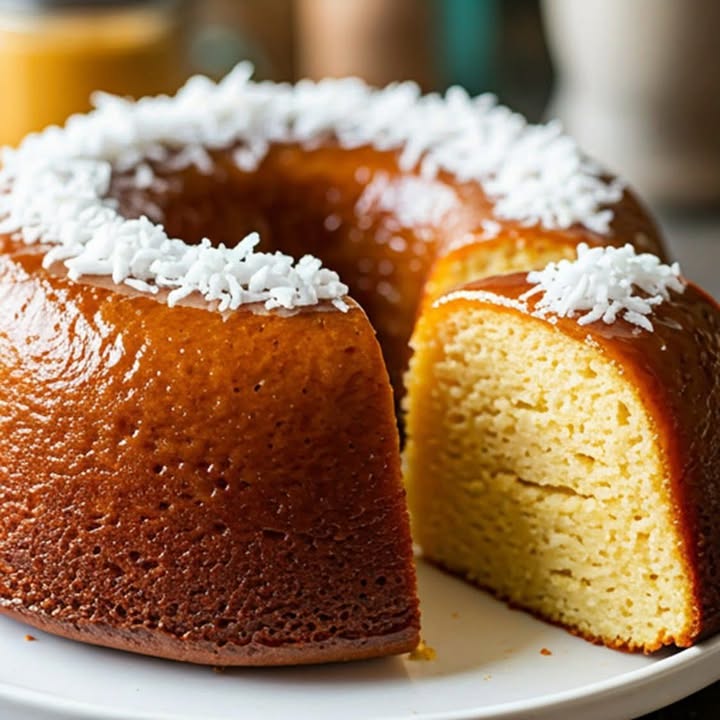
A Slice of Tropical Paradise: Coconut Cassava Cake
Picture this: a warm, golden cake that smells like summer in the tropics. The first bite is soft and chewy, with hints of sweet coconut mingling with earthy cassava. This is Coconut Cassava Cake, my go-to dessert for family gatherings. I remember making it for the first time during a potluck at my sister’s house. Everyone went back for seconds—and thirds! It’s simple to make, yet so special. If you’re looking for a recipe that combines tradition, flavor, and a touch of tropical flair, you’ve found it.
The Roots of Coconut Cassava Cake
This cake has roots in tropical regions where cassava (also called yuca) grows abundantly. Cassava is a starchy root vegetable that’s been a staple in many cultures for centuries. When combined with coconut, it creates a dessert that feels both comforting and exotic. Growing up, my grandma often made versions of this cake during festivals. She’d always remind me how versatile cassava is—it’s used in savory dishes too! Over time, I’ve added my own twists, like using melted margarine instead of butter, to make it lighter.
Why You’ll Fall in Love with This Recipe
What makes this Coconut Cassava Cake stand out? First, it’s incredibly easy to prepare—no fancy techniques needed. Second, the flavors are unforgettable. The creamy coconut balances the mild sweetness of cassava perfectly. Plus, it’s naturally gluten-free, making it a crowd-pleaser for all dietary needs. Whether you’re a seasoned baker or a beginner, this recipe will feel like a warm hug in cake form.
Perfect Occasions for Coconut Cassava Cake
This cake shines at any gathering. Bring it to a summer barbecue, and watch it disappear within minutes. It’s also ideal for holidays like Christmas or Easter when people crave something unique. I’ve even served it at brunches alongside coffee or tea. Honestly, though, you don’t need a special occasion to bake this cake. Sometimes, a quiet afternoon with a slice and a good book is reason enough.
Ingredients for Your Tropical Treat
- 4 eggs
- 2 cups of sugar
- 1 kg of raw gray cassava, grated
- 1 medium grated coconut
- 1/2 cup of hot milk
- 100 g of melted margarine
- 1 teaspoon of salt
- 1 tablespoon baking powder
- Coconut strips to decorate
Substitution Options
If you can’t find fresh cassava, frozen grated cassava works just as well. For vegans, swap the eggs with flaxseed “eggs” (1 tablespoon ground flaxseed mixed with 3 tablespoons water per egg). Instead of margarine, use coconut oil for an extra tropical kick. Hot milk can be replaced with plant-based alternatives like almond or oat milk. And if you’re out of fresh coconut, unsweetened shredded coconut from the store is a great backup.
Step 1: Prepare the Dough
Start by beating the egg whites until they’re stiff and fluffy, almost like clouds. This step is crucial because it gives the cake its airy texture. Gently fold in the yolks one by one, mixing slowly so you don’t deflate the mixture. Now comes the fun part—adding the sugar, grated cassava, grated coconut, and hot milk. Stir everything together until the batter looks smooth and creamy. The aroma of coconut will start wafting through your kitchen, and trust me, it’s heavenly.
Pro tip: Use a hand mixer for speed, but a whisk works fine too if you’re feeling nostalgic.
Step 2: Bake
Preheat your oven to 180°C (350°F). Grease a medium-sized baking pan—I prefer using parchment paper for easy removal. Pour the batter into the mold and smooth the top with a spatula. Pop it into the oven and let it bake for about 30 minutes. To check if it’s done, insert a toothpick; if it comes out clean, your cake is ready. The edges should turn a beautiful golden brown, while the center stays soft and inviting.
Chef’s tip: Don’t open the oven door too early! Letting heat escape can cause the cake to sink.
Step 3: Decoration
Once the cake cools, carefully transfer it to a serving plate. Sprinkle coconut strips on top for a decorative finish. These strips add a lovely crunch and tie the whole tropical theme together. I love slicing the cake into squares or rectangles for a rustic look. Serve it plain or with a dollop of whipped cream for extra indulgence.
Timing Breakdown
- Preparation time: 20 minutes
- Baking time: 30 minutes
- Cooling time: 15 minutes
- Total time: 65 minutes
Chef’s Secret
Here’s a little trick I swear by: toast the coconut strips before decorating. Simply toss them in a dry skillet over medium heat until they turn golden. This enhances their flavor and adds a subtle nuttiness to the cake.
An Interesting Fact About Cassava
Did you know cassava is one of the most drought-resistant crops? It thrives in tough conditions, which is why it’s a lifeline for many communities around the world. Its versatility extends beyond desserts—it’s also used to make tapioca pearls and chips!
Necessary Equipment
- Mixing bowls
- Whisk or electric mixer
- Baking pan
- Parchment paper
- Spatula
- Toothpick or skewer
Storage Tips
To keep your Coconut Cassava Cake fresh, store it in an airtight container. At room temperature, it lasts up to two days. For longer storage, refrigerate it for up to a week. Just bring it back to room temperature before serving to enhance the flavors.
If you want to freeze it, wrap individual slices in plastic wrap and place them in a freezer-safe bag. They’ll stay good for up to three months. Thaw overnight in the fridge before enjoying.
Avoid leaving the cake uncovered, as it can dry out quickly. A little care goes a long way in preserving its moist texture.
Tips and Advice
For best results, grate the cassava finely. Coarse pieces might affect the cake’s texture. Always squeeze excess moisture from the grated cassava to prevent sogginess. If you’re unsure about oven temperatures, invest in an oven thermometer—it ensures accuracy every time.
Presentation Ideas
- Garnish with toasted coconut flakes for elegance.
- Serve on colorful plates to highlight the cake’s golden hue.
- Pair with fresh fruit like mango or pineapple for a vibrant touch.
Healthier Alternatives
Want to tweak the recipe? Here are six variations:
- Low-sugar version: Replace sugar with stevia or monk fruit sweetener.
- Vegan delight: Use flax eggs and coconut oil instead of eggs and margarine.
- Protein boost: Add a scoop of vanilla protein powder to the batter.
- Spiced twist: Mix in cinnamon or nutmeg for warmth.
- Fruit infusion: Fold in diced mango or passionfruit for bursts of flavor.
- Gluten-free goodness: Ensure all ingredients are certified gluten-free.
Mistake 1: Skipping the Egg White Beating
Some folks skip beating the egg whites to save time, but this step is key to achieving a light, fluffy cake. Without it, your cake may turn dense. Take the extra five minutes—it’s worth it!
Mistake 2: Overmixing the Batter
Overmixing can lead to a tough cake. Once you add the dry ingredients, mix gently until just combined. Imagine folding laundry rather than kneading dough.
Mistake 3: Not Squeezing the Cassava
Excess moisture in the cassava can ruin the texture. Always squeeze it thoroughly. Think of wringing out a wet towel—get as much liquid out as possible.
FAQs
Can I use canned coconut milk?
Yes, you can substitute grated coconut with 1 cup of thick canned coconut milk. However, fresh coconut offers better flavor and texture.
Is cassava the same as yuca?
Yes, cassava and yuca refer to the same root vegetable. Just ensure it’s properly peeled and cooked before using.
Can I make this cake ahead of time?
Absolutely! It tastes even better the next day as the flavors meld together. Store it properly and enjoy stress-free hosting.
What if I don’t have a mixer?
No problem! A whisk and some elbow grease work just fine. Invite a friend to help—it’s more fun that way.
How do I know when the cake is fully baked?
Insert a toothpick into the center. If it comes out clean, the cake is ready. The top should spring back lightly when touched.
Can I freeze this cake?
Yes, wrap slices tightly in plastic wrap and freeze for up to three months. Thaw in the fridge overnight before serving.
Does this cake contain gluten?
No, it’s naturally gluten-free. Just double-check that all ingredients, especially baking powder, are labeled gluten-free.
Why does my cake taste bland?
You may have skipped the salt. Salt enhances flavors, so don’t omit it. Also, try toasting the coconut for added depth.
Can I add chocolate to this recipe?
While not traditional, melted dark chocolate folded into the batter could create a decadent twist. Experiment and enjoy!
What other decorations can I use?
Beyond coconut strips, try edible flowers, powdered sugar dusting, or a drizzle of caramel sauce for visual appeal.
Final Thoughts
There’s something magical about baking a Coconut Cassava Cake. From its humble ingredients to its rich flavors, this cake reminds us of the joy simple pleasures bring. Whether you’re sharing it with loved ones or savoring it solo, each bite transports you to a tropical paradise. So grab your apron, gather your ingredients, and let’s bake a slice of happiness together. Happy cooking!
Equipment
- Mixing bowls
- Whisk or electric mixer
- Spatula
- Baking pan
- Parchment paper
- Toothpick or skewer
Ingredients
- 4 eggs
- 2 cups sugar
- 1 kg raw gray cassava, grated
- 1 medium grated coconut
- 1/2 cup hot milk
- 100 g melted margarine
- 1 tsp salt
- 1 tbsp baking powder
- q.s. coconut strips to decorate
Instructions
- Beat the egg whites until stiff and fluffy.
- Gently fold in the yolks one by one.
- Add sugar, grated cassava, grated coconut, and hot milk; stir until smooth.
- Preheat the oven to 180°C (350°F) and grease a baking pan.
- Pour the batter into the baking pan and smooth the top.
- Bake for about 30 minutes, checking with a toothpick for doneness.
- Once cool, transfer to a serving plate and decorate with coconut strips.
- Serve and enjoy!