
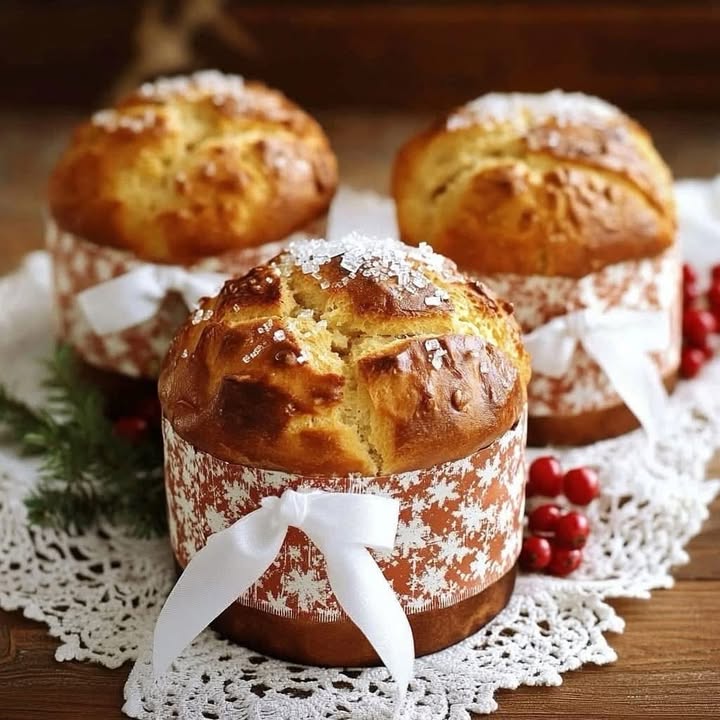
A Classic Christmas Tradition: Festive Sweet Bread
Every year, as the holiday season approaches, I get a warm, fuzzy feeling in my heart. It’s not just the twinkling lights or the festive music; it’s the aroma of Festive Sweet Bread baking in the oven. This soft, aromatic, and fruit-filled delight is a must-have on our Christmas table. It’s the perfect blend of tradition and flavor, and I can’t wait to share this recipe with you.
A Little Bit of History
Growing up, my grandma used to make this bread every Christmas. She would tell us stories about how her mother made it, and how it was a special treat for the whole family. The Festive Sweet Bread has roots in many cultures, but it’s always been a symbol of joy and togetherness. Today, both traditional and modern versions of this bread are enjoyed around the world, each with its unique twist.
Why You’ll Love This Recipe
This Festive Sweet Bread is more than just a delicious treat; it’s a labor of love. The combination of candied fruits, raisins, and a hint of orange zest creates a symphony of flavors that will delight your taste buds. Plus, it’s surprisingly simple to make, even for beginners. The best part? Your home will be filled with the sweet, comforting aroma of fresh bread, making it feel like Christmas from the moment you start baking.
Perfect Occasions to Prepare This Recipe
Festive Sweet Bread is perfect for any holiday gathering. Whether you’re having a cozy family dinner or a lively Christmas party, this bread is sure to be a hit. It also makes a thoughtful and delicious gift for friends and neighbors. And, of course, it’s a must-have for Christmas morning breakfast!
Ingredients
- 3 eggs
- 525 ml of milk
- 150 g of sugar
- 15 g of dry yeast
- 75 ml of oil
- 1 tsp orange zest
- 1 tsp vanilla essence
- 750 g of flour
- 1 tbsp salt
- 100 g of blonde raisins
- 80 g of black raisins
- 100 g of red candied fruit
- 80 g of green candied fruit
- 1 egg yolk to glaze
Substitution Options
If you can’t find some of the specific ingredients, don’t worry! You can substitute them with these alternatives:
- Blonde and black raisins: Use golden raisins or dried cranberries instead.
- Red and green candied fruit: Try using chopped dried apricots or cherries.
- Orange zest: Lemon zest works well too if you prefer a different citrusy note.
Preparation
Step 1: Base Mix
In a large bowl, combine the eggs, milk, sugar, dry yeast, oil, orange zest, and vanilla essence. Stir until everything is well mixed. You’ll notice the mixture becomes smooth and slightly frothy, which is a good sign that the yeast is active and ready to do its magic.
Step 2: Add the Flour
Add the flour in two batches. First, mix in half of the flour and stir well. Then, add the remaining half along with the salt. Knead the dough for about 5 minutes until it’s smooth and elastic. The dough should be slightly sticky but manageable. If it’s too sticky, add a bit more flour, and if it’s too dry, add a little more milk.
Step 3: Add the Fruits
Gently fold in the blonde and black raisins, along with the red and green candied fruits. Mix until the fruits are evenly distributed throughout the dough. The colors and textures of the fruits will make the dough look vibrant and festive, adding to the excitement of baking this special bread.
Step 4: Mold the Dough
Divide the dough into three parts and place each part in a floured mold. If you want, you can decorate the top of each loaf with more candied fruit. This step is where you can get creative and make each loaf unique and visually appealing. The colorful fruits will make the loaves look like they’re ready to be the star of your Christmas table.
Step 5: Let It Rest
Cover the molds with a clean kitchen towel and let the dough rest for about 25 minutes, or until it doubles in size. This resting time allows the yeast to do its job, making the bread light and fluffy. You’ll see the dough rise and become puffy, which is a sign that it’s ready for the next step.
Step 6: Varnish and Bake
Brush the top of each loaf with the egg yolk for a golden, shiny finish. Place the loaves in a preheated oven at 180°C (350°F) and bake for 35 minutes, or until the bread is golden and smells delicious. The aroma of the baking bread will fill your home, making it feel extra cozy and Christmassy.
Step 7: Cool and Enjoy
Once the bread is done, remove it from the oven and let it cool slightly before unmolding. Serve the Festive Sweet Bread warm, sliced, and shared with your family. The spongy texture and the burst of flavors from the fruits will make this bread a memorable part of your Christmas celebration.
Chef’s Tip
If you want to add an extra layer of flavor, try soaking the raisins and candied fruits in a bit of rum or brandy for a few hours before adding them to the dough. This small step will give your bread a richer, more complex flavor. Trust me, it’s worth the extra effort!
Timing
To make this Festive Sweet Bread, you’ll need a total of 1 hour and 30 minutes. Here’s a breakdown:
– Prep time: 30 minutes
– Baking time: 35 minutes
– Resting time: 25 minutes
– Total time: 1 hour and 30 minutes
Extra Info
An interesting fact about Festive Sweet Bread is that the tradition of adding candied fruits and raisins dates back centuries. These ingredients were initially added to preserve the bread and add a touch of luxury to the ordinary loaf. Today, they’re not just for preservation but also for their delightful taste and festive appearance.
Necessary Equipment
To prepare this Festive Sweet Bread, you’ll need:
– A large mixing bowl
– Measuring cups and spoons
– A whisk or wooden spoon
– A rolling pin (optional, for shaping)
– Bread pans or molds
– A pastry brush for glazing
– An oven
– A cooling rack
Storage
The best way to store your Festive Sweet Bread is to keep it in an airtight container or a resealable plastic bag. This will help it stay fresh for up to 5 days at room temperature. If you live in a warmer climate, you might want to store it in the refrigerator to prevent it from going stale.
For longer storage, you can freeze the bread. Wrap each loaf tightly in plastic wrap and then in aluminum foil. Label the package with the date and store it in the freezer for up to 3 months. When you’re ready to enjoy it, simply thaw it at room temperature or gently warm it in the oven.
Pro tip: To keep the bread moist and flavorful, you can add a slice of fresh bread or a damp paper towel to the container. This will help retain the moisture and keep the bread nice and soft.
Tips and Advice
Here are a few tips to make your Festive Sweet Bread even more delicious:
– Make sure all your ingredients are at room temperature before you start. This will help the yeast activate properly and make the dough easier to work with.
– Don’t overmix the dough when you add the fruits. Overmixing can make the bread tough and dense. Just fold the fruits in gently until they are evenly distributed.
– If you want a shinier glaze, you can mix the egg yolk with a bit of water or milk before brushing it on the loaves.
– For a more aromatic bread, add a pinch of cinnamon or nutmeg to the dough. These spices complement the flavors of the fruits beautifully.
Presentation Tips
Here are some inspired presentation ideas for your Festive Sweet Bread:
– Arrange slices of the bread on a platter with a dollop of whipped cream or a pat of butter on the side.
– Serve it with a warm cup of hot chocolate or spiced eggnog for a cozy and comforting treat.
– Dust the loaves with a light coating of powdered sugar for a snowy, festive look.
– Tie a ribbon around each loaf for a charming and gift-ready presentation.
Healthier Alternative Recipes
If you’re looking for healthier variations of this Festive Sweet Bread, here are six options to consider:
- Whole Wheat Festive Sweet Bread: Replace half of the all-purpose flour with whole wheat flour for added fiber and nutrients. This version is still delicious and has a slightly nutty flavor.
- Oatmeal Festive Sweet Bread: Add rolled oats to the dough for a hearty and nutritious option. The oats will add a wonderful texture and a subtle sweetness to the bread.
- Reduced Sugar Festive Sweet Bread: Cut down on the sugar by using natural sweeteners like honey or maple syrup. This version is sweeter and more aromatic, with a hint of rich, deep flavors.
- Gluten-Free Festive Sweet Bread: Use a gluten-free flour blend and a gluten-free yeast to make this bread suitable for those with gluten sensitivities. The result is a tender and delicious loaf that everyone can enjoy.
- Vegan Festive Sweet Bread: Replace the eggs and milk with plant-based alternatives such as almond milk and flax eggs. This version is still soft and aromatic, with a slightly nutty undertone.
- No-Fruit Festive Sweet Bread: If you’re not a fan of candied fruits, you can omit them and add a mix of nuts like almonds, walnuts, or pecans. This version is crunchy and flavorful, with a satisfying texture.
Common Mistakes to Avoid
Mistake 1: Not Warming the Ingredients
One common mistake is not warming the ingredients before mixing. Cold ingredients can slow down the yeast activation, leading to a denser, less fluffy bread. Make sure your eggs, milk, and other ingredients are at room temperature. This will help the yeast do its job and make your bread light and airy.
Mistake 2: Overmixing the Dough
Overmixing the dough can lead to a tough and chewy texture. Once you add the fruits, fold them in gently until they are evenly distributed. Overmixing can break down the gluten in the dough, making it dense and unpleasant. Just mix until the fruits are well incorporated and stop there.
Mistake 3: Not Letting the Dough Rise Properly
Another common mistake is not letting the dough rise long enough. This can result in a flat and dense bread. Make sure to let the dough rest for at least 25 minutes, or until it doubles in size. A well-risen dough will be light and fluffy, making your Festive Sweet Bread a true delight.
Mistake 4: Overbaking the Bread
Overbaking can dry out the bread and make it hard and unappetizing. Keep an eye on the bread and test it with a toothpick. If it comes out clean, the bread is done. Overbaking will cause the bread to lose its moisture and become tough. Follow the baking time and temperature closely to ensure perfect results.
Mistake 5: Not Using Fresh Yeast
Using old or expired yeast can ruin your bread. Always check the expiration date and use fresh yeast. Fresh yeast will make your bread rise beautifully and give it a soft, spongy texture. If you’re unsure, test the yeast by dissolving it in warm water with a bit of sugar. If it foams up, it’s good to use.
FAQ
Can I use instant yeast instead of dry yeast?
Yes, you can use instant yeast instead of dry yeast. Just make sure to use the same amount. Instant yeast doesn’t need to be activated in water, so you can add it directly to the dry ingredients. This will save you a step and still give you a beautifully risen bread.
What if I don’t have candied fruits?
If you don’t have candied fruits, you can use dried fruits like apricots, cherries, or cranberries. Soak them in a bit of warm water or juice to soften them before adding them to the dough. This will help them blend better with the bread and add a natural sweetness.
How can I make the bread shine more?
To make the bread shine more, you can mix the egg yolk with a bit of milk or water before brushing it on the loaves. This will create a shiny, golden glaze. You can also add a bit of sugar or honey to the mixture for extra shine and a touch of sweetness.
Can I use a different type of flour?
Yes, you can use a different type of flour, such as whole wheat or spelt flour, but keep in mind that the texture and flavor may vary. If you use whole wheat flour, the bread will be denser and have a nuttier flavor. Start by replacing half of the all-purpose flour with the alternative flour and see how you like the result.
Is it necessary to let the dough rest?
Yes, letting the dough rest is crucial for the bread to rise and develop its flavor. The resting time allows the yeast to ferment and produce carbon dioxide, which makes the bread light and fluffy. If you skip this step, the bread will be dense and won’t have the same airy texture.
Can I make this bread ahead of time?
Yes, you can make this Festive Sweet Bread ahead of time. Store it in an airtight container or a resealable plastic bag at room temperature for up to 5 days. If you need to store it longer, you can freeze it for up to 3 months. Just make sure to wrap it tightly in plastic wrap and aluminum foil before freezing.
How can I make the bread less sweet?
If you prefer a less sweet bread, you can reduce the amount of sugar in the recipe. Start by reducing the sugar by 25% and see how you like the result. You can also use natural sweeteners like honey or maple syrup, which add a different, milder sweetness to the bread.
Can I use a different kind of milk?
Yes, you can use a different kind of milk, such as almond milk, soy milk, or oat milk. Just make sure the milk is unsweetened and at room temperature. This will help the yeast activate properly and give you a similar result to using regular milk.
How can I make the bread dairy-free?
To make the bread dairy-free, you can replace the milk with a plant-based alternative like almond milk or soy milk. You can also use a dairy-free margarine or vegan butter instead of oil. This will give you a delicious, dairy-free version of the Festive Sweet Bread.
Can I use a different type of oil?
Yes, you can use a different type of oil, such as coconut oil, olive oil, or vegetable oil. Each type of oil will add a different flavor and texture to the bread. Coconut oil will give it a subtle coconut flavor, while olive oil will add a rich, earthy note. Choose the one that you like best and go for it.
Conclusion
There you have it—your very own Festive Sweet Bread to brighten up your Christmas table! This recipe is not just a delicious treat; it’s a way to bring the warmth and joy of the holiday season into your home. Whether you’re baking it for your family, sharing it with friends, or enjoying it all by yourself, this bread is sure to make your Christmas extra special. Happy baking, and Merry Christmas!
Equipment
- Large mixing bowl
- Measuring cups and spoons
- Whisk or wooden spoon
- Bread pans or molds
- Pastry brush
Ingredients
- 3 eggs eggs
- 525 ml milk
- 150 g sugar
- 15 g dry yeast
- 75 ml oil
- 1 tsp orange zest
- 1 tsp vanilla essence
- 750 g flour
- 1 tbsp salt
- 100 g blonde raisins
- 80 g black raisins
- 100 g red candied fruit
- 80 g green candied fruit
- 1 egg yolk egg yolk to glaze
Instructions
- In a large bowl, combine the eggs, milk, sugar, dry yeast, oil, orange zest, and vanilla essence. Stir until well mixed.
- Add half of the flour and mix well, then add the remaining flour and salt. Knead the dough for about 5 minutes until smooth and elastic.
- Gently fold in the blonde and black raisins along with the red and green candied fruits.
- Divide the dough into three parts and place each part in a floured mold. Optionally decorate with more candied fruit.
- Cover the molds with a kitchen towel and let the dough rest for about 25 minutes, or until it doubles in size.
- Brush the top of each loaf with egg yolk. Bake in a preheated oven at 180°C (350°F) for 35 minutes, or until golden.
- Cool slightly before unmolding and serve warm.
Notes
Nutrition

Hi, I’m Olivia Parker, the founder of BakingSecret.com and a lifelong lover of all things sweet and homemade. I grew up in a small town in Oregon, where the smell of fresh cookies in my family’s kitchen sparked my passion for baking. Over the years, I turned that passion into a mission: to help home bakers feel confident, inspired, and creative.
After studying food science and working in several artisan bakeries across the U.S., I decided to create a space where everyone from beginners to seasoned bakers can find reliable recipes, expert tips, and a warm, welcoming community. BakingSecret.com is my way of sharing the magic of baking with the world. When I’m not testing new recipes, you’ll find me exploring farmers’ markets, collecting vintage cookbooks, or perfecting my sourdough technique.