
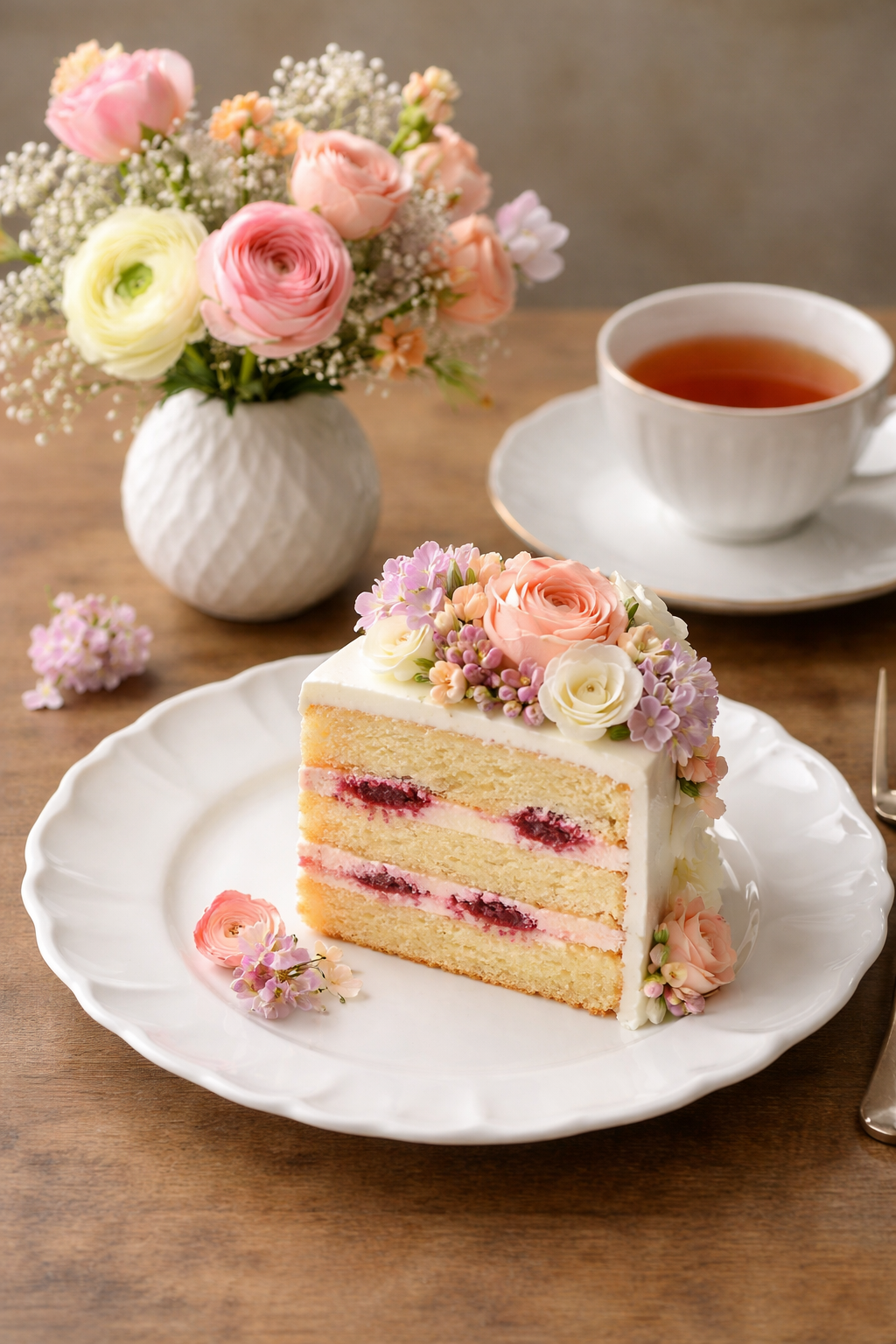
I’ll never forget the moment I saw my cousin’s wedding cake being wheeled into the reception. It was a stunning three-tier masterpiece covered in delicate white roses and trailing vines of greenery. Guests literally gasped when they saw it. That cake wasn’t just dessert – it became the centerpiece of the entire celebration. Photos of that gorgeous creation filled everyone’s social media feeds for weeks.
Welcome to my guide on creating a beautiful floral wedding cake! Whether you’re a bride planning your dream wedding or a baker looking to expand your skills, I’m here to walk you through everything you need to know about these stunning confections.
A floral wedding cake is a perfect choice for your special day because it brings together two essential elements: delicious cake and natural beauty. Flowers add romance, elegance, and personality to your dessert table. They can match your wedding theme, complement your bouquet, and create those picture-perfect moments that you’ll treasure forever.
In this article, we’ll cover the basics of floral wedding cakes, explore different flower options, and help you understand the costs involved. You’ll learn about fresh flowers versus sugar alternatives, discover popular styles like cascading designs, and get practical tips for making your cake dreams come true.
Understanding the Basics of Floral Wedding Cakes
Let me break down what makes a floral wedding cake special. A floral wedding cake is any wedding cake decorated with flowers – either real blooms, sugar-crafted flowers, or a combination of both. The flowers can sit on top, cascade down the sides, nestle between tiers, or cover the entire cake surface.
The charm of using flowers in wedding cakes comes from their natural beauty and symbolism. Flowers represent love, growth, and new beginnings. When you add them to your cake, you’re not just decorating – you’re telling a story. A rustic wedding cake with wildflowers creates a completely different mood than an elegant design with pristine roses.
I’ve seen countless brides light up when they discover how flowers can transform a simple white cake into something extraordinary. The right blooms bring texture, color, and dimension that frosting alone can’t achieve.
Types of Flowers Used in Wedding Cakes
You have several options when choosing flowers for your cake. Each type offers unique benefits and challenges.
Fresh flowers are real blooms picked from a garden or florist. Popular choices include roses, peonies, ranunculus, dahlias, baby’s breath, and lavender. A wildflower wedding cake featuring fresh blooms gives you that natural, garden-party vibe that’s so popular right now. Many brides love wedding cakes with fresh flowers because they match the bouquets and centerpieces perfectly.
The main thing to remember about fresh flowers is that not all of them are safe to place on food. Some flowers are toxic, and many come treated with pesticides. You need to work with your baker and florist to ensure every bloom touching your cake is food-safe.
Edible wedding cake flowers take things a step further. These are real flowers that you can actually eat. Think pansies, violas, nasturtiums, rose petals, and chamomile. I once tasted a lemon cake topped with candied violets, and it was absolutely divine. The flowers added a subtle floral flavor that enhanced the whole experience.
Sugar flowers for wedding cakes are handcrafted from gum paste, fondant, or modeling chocolate. Talented cake artists can create incredibly realistic blooms that look just like the real thing. These flowers are completely edible and can be made weeks in advance. A skilled baker can craft any flower you want, even rare or out-of-season varieties.
I’ve watched bakers spend hours shaping petals, adding delicate details, and dusting colors to create sugar roses that fooled everyone at the wedding. Guests couldn’t believe they were looking at edible art.
Fresh Flowers Versus Sugar Flowers
This decision matters more than you might think. Both options create stunning results, but they work differently.
Fresh flowers offer these advantages:
- Natural beauty and authentic texture that’s hard to replicate
- Usually less expensive than hand-crafted sugar flowers
- Easy to match your wedding flowers exactly
- Create a fresh, organic look perfect for outdoor or garden weddings
- Available in seasonal varieties that reflect the time of year
But fresh flowers also have drawbacks. They wilt, especially in hot weather. You need to add them close to the event time, which creates timing stress. Some flowers aren’t food-safe. And if you’re planning a 2 tier wedding cake with flowers or larger, you need careful planning to keep blooms fresh and secure.
Sugar flowers bring different benefits:
- Last forever without wilting or drooping
- Completely food-safe and edible
- Can be added days before the wedding
- Available in any color, even shades that don’t exist in nature
- Won’t trigger allergies
- Perfect for 3 tier wedding cakes with cascading flowers that need stability
The main downside? Cost and time. Creating sugar flowers by hand takes serious skill and hours of work. This craftsmanship adds to your cake budget.
Many couples choose a combination approach. They use sugar flowers as the main decoration and add a few fresh blooms for that natural touch. This gives you the best of both worlds.
Popular Floral Wedding Cake Styles
Different placement styles create totally different looks. Wedding cakes with flowers cascading down one side are incredibly romantic. The flowers flow like a waterfall, drawing the eye from top to bottom. This works beautifully on taller cakes with three or more tiers.
A wedding cake with flowers between tiers creates distinct layers with floral bands separating each level. This approach gives you a clean, organized look while still embracing the floral theme.
Some couples prefer flowers clustered on top in a dramatic display. Others like scattered blooms across the entire surface. There’s no wrong answer – it depends on your personal style and wedding theme.
Understanding Wedding Cake Costs
How expensive is an average wedding cake? This question matters when you’re planning your budget. Wedding cakes typically cost between $3 and $12 per slice, with the national average around $350 to $500 for a cake serving 100 guests.
Floral decorations can increase these costs. Fresh flowers usually add $50 to $200, depending on the variety and quantity. Sugar flowers cost more, potentially adding $200 to $500 or even higher for elaborate designs. A complex rustic wedding cake with hand-crafted sugar wildflowers might push your budget higher, but the results are worth it.
The final price depends on several factors: cake size, flavor complexity, frosting type, design intricacy, and your location. Custom designs always cost more than standard options.

Designing Your Perfect Floral Wedding Cake
Now that you understand the basics, let’s get into the fun part – actually designing your dream cake! This is where your personality really shines through. I always tell couples that their cake should feel like them, not some generic Pinterest board.
The first big decision involves choosing your overall style. Are you drawn to a rustic wedding cake with that charming, down-to-earth vibe? These cakes often feature exposed layers, naked or semi-naked frosting, and wildflowers that look like they were just picked from a meadow. I attended a barn wedding last summer where the bride had a semi-naked cake decorated with lavender sprigs and tiny white daisies. Honestly, it looked like something out of a country magazine.
On the other hand, maybe you’re picturing a wildflower wedding cake bursting with color and variety. Think bright blooms in yellows, purples, pinks, and oranges mixed together in that carefree, garden-party style. These cakes celebrate abundance and natural beauty without worrying about perfect symmetry.
Traditional styles still hold their appeal too. Classic white tiers adorned with elegant roses or peonies create that timeless, sophisticated look that never goes out of fashion. My sister went this route for her wedding, and her cake looked just as beautiful in photos five years later as it did on her wedding day.
Here’s the thing – your cake style should complement your overall wedding aesthetic. A rustic barn venue calls for something different than a formal ballroom. Your dress, your flowers, your invitations – everything tells a story together.
Determining the Right Size and Tier Count
Guest count drives this decision more than anything else. A 2 tier wedding cake with flowers works beautifully for intimate gatherings of 50 guests or fewer. Two tiers give you enough visual impact without overwhelming a smaller space. I’ve seen stunning two-tier designs with flowers clustered between the layers and cascading down one side that looked absolutely perfect.
For medium-sized weddings with 75 to 150 guests, three tiers hit that sweet spot. 3 tier wedding cakes with cascading flowers create dramatic visual interest while providing enough servings for your crowd. The extra height gives flowers more room to flow and creates those gorgeous waterfall effects everyone loves photographing.
By the way, this brings up something called the 3-5-8 rule for weddings that you might have heard about. What is the 3 5 8 rule for weddings? This guideline suggests specific tier sizes for classic three-tier cakes: 3 inches for the top tier, 5 inches for the middle, and 8 inches for the bottom. However, many modern bakers adjust these proportions. You might see 6-8-10 or even 4-6-8 depending on your needs and the visual effect you want.
The important part isn’t following any strict rule – it’s creating balanced proportions that look right to your eye and feed your guests adequately. Some couples add a fourth or even fifth tier for larger celebrations. Others keep it simple with just one dramatic tier. Whatever works for your celebration is the right choice.
Placement Strategies That Make Your Flowers Shine
Where you put the flowers changes everything about how your cake feels. Wedding cakes with flowers cascading down from top to bottom create movement and romance. The flowers seem to tumble naturally, like they’re growing right out of the cake itself. This style works especially well on taller cakes where you have vertical space to play with.
A wedding cake with flowers between tiers gives you distinct separation and clean lines. Each layer stands on its own, connected by beautiful floral bands. This organized approach appeals to couples who love structure and symmetry. It’s also practical because the flowers act as natural dividers, making it easier to see where one tier ends and another begins.
Some bakers create asymmetrical designs with flowers clustered heavily on one side or corner. Others scatter small blooms across the entire surface like confetti. You could even mix approaches – maybe cascading flowers on one side with a few accent blooms scattered elsewhere.
The beauty of working with flowers is their flexibility. Unlike rigid decorations, flowers adapt to your vision. Want something bold and dramatic? Go big with oversized blooms. Prefer subtle and sweet? Delicate baby’s breath and small roses create that gentle touch.
Funny enough, I once helped a friend who couldn’t decide between styles, so her baker created a design sampler with three different small cakes showing different placement options. Seeing them side by side made her decision crystal clear. Sometimes you need to visualize things to know what speaks to you.
How to Decorate a Wedding Cake with Fresh Flowers
Ready to get hands-on? Let me walk you through how to decorate a wedding cake with fresh flowers. This process requires some preparation, but the results are absolutely worth it.
Step one: Source your flowers from a reputable florist or garden. Confirm they’re pesticide-free and safe for food contact. Popular food-safe choices include roses, carnations, chamomile, pansies, and lavender. Never assume a flower is safe – always verify.
Step two: Prepare the flowers properly. Trim stems at an angle with clean scissors or floral shears. Remove any leaves that might touch the cake. Some bakers wrap stems in floral tape or place flowers in small water tubes to keep them hydrated longer. Think of it like creating mini flower arrangements that happen to sit on cake.
Step three: Create barriers between flowers and cake. Even food-safe flowers shouldn’t touch frosting directly in most cases. Use small pieces of parchment paper, plastic wrap, or special floral picks designed for cakes. These invisible barriers protect your cake while keeping flowers secure.
Step four: Start with your largest blooms as focal points. Place these first to establish your design. Then fill in with medium-sized flowers, and finish with small blooms and greenery. This layering technique creates depth and visual interest. Similar to how I approach decorating my happiness cake, starting with the statement pieces and building around them just makes sense.
Step five: Step back frequently to check your progress. What looks good up close might need adjustment from a distance. Remember, your guests will view this cake from across the room, so make sure it looks balanced from all angles.
Timing matters enormously with fresh flowers. Add them as close to the event as possible – ideally just a few hours before. This keeps everything looking fresh and prevents wilting. I’ve seen bakers add flowers literally moments before the cake gets displayed, touching up any blooms that shifted during transport.
Temperature control helps too. Keep your decorated cake in a cool space away from direct sunlight and heat sources. Some flowers like roses handle warmth better than others. Delicate blooms like hydrangeas wilt quickly in hot environments, so plan accordingly if you’re having an outdoor summer wedding.
Here’s a pro tip that saved me once: bring extra flowers to the venue. If a bloom wilts or falls off, you can quickly replace it. This backup plan gives you peace of mind and ensures your cake looks perfect throughout the entire reception.
Water is both friend and enemy here. Flowers need moisture to stay fresh, but you don’t want water dripping onto your cake. Those little water tubes I mentioned earlier solve this problem beautifully. They keep stems hydrated without creating moisture issues.
For a 2 tier wedding cake with flowers, you might only need a dozen blooms total, depending on size and placement. Larger designs with cascading arrangements could require three dozen or more. Work with your florist to estimate quantities based on your specific design.
Some bakers use a technique where they insert flowers into the cake at slight angles, creating dimension and shadow. Others prefer flowers sitting flat against the surface for a more uniform look. Both approaches work – it’s about your personal preference. Just like choosing between recipes, whether you’re making a traditional dessert or something unique like pecan pie dump cake, there’s no single right way to do things.
If you’re working with a professional baker, they’ll handle flower placement for you. But understanding the process helps you communicate your vision clearly. When you know how flowers attach and what’s involved, you can make better decisions about design elements.
One last thing worth mentioning – photograph your cake from multiple angles once it’s complete. Those images become precious memories, and they also help you appreciate the artistry involved. Plus, if you love the result, you’ll have perfect reference photos for future celebrations. Maybe you’ll want a similar design for an anniversary party or to share with friends planning their own weddings.
The combination of knowing what you want style-wise and understanding practical application gives you confidence throughout the planning process. You’re not just ordering a cake – you’re creating an edible centerpiece that reflects your love story. Whether you choose fresh blooms or sugar creations, cascading designs or structured placement, the result should make you smile every time you look at it, just like enjoying a slice of something special like gluten free strawberry cake or kendal mint cake brings unexpected joy.
Practical Considerations for Your Floral Wedding Cake
Let’s talk about the real-world stuff that doesn’t always make it into those dreamy wedding magazines. Planning a floral wedding cake involves more than just picking pretty flowers – you need to think about timing, money, and who’s actually going to create this masterpiece.
I remember helping my best friend plan her wedding, and she got so caught up in choosing between peonies and garden roses that she almost forgot to ask when the cake needed to be ready. Timing is everything when fresh flowers are involved, and getting it wrong can mean wilted blooms or a stressed-out baker.
The Critical Question of Timing
How many days before a wedding should you make the cake? This depends entirely on what kind of cake you’re creating. The cake layers themselves can be baked 2-3 days ahead and stored properly wrapped in the refrigerator or freezer. Many professional bakers actually prefer this method because it makes layers easier to work with and less crumbly.
Assembly and frosting typically happen 1-2 days before the wedding. This gives the baker time to stack tiers, apply frosting, smooth everything perfectly, and let the structure settle. A buttercream cake can sit at room temperature for a day or refrigerated for two days. Fondant-covered cakes last a bit longer and handle temperature changes better.
Here’s where fresh flowers change everything. If you’re doing wedding cakes with fresh flowers, those blooms should go on as close to the event as humanly possible. Ideally, you’re adding flowers 2-6 hours before guests arrive. I’ve watched bakers literally adding final touches in the venue’s prep kitchen an hour before cocktail hour started.
For sugar flowers for wedding cakes, you have way more flexibility. These edible decorations can be made weeks or even months in advance. They store perfectly in a cool, dry place. Your baker might craft those intricate sugar roses during a quiet week, then attach them to your cake a day or two before the wedding. This advance preparation is why sugar flowers often cost more – they require specialized skills and dedicated time.
Transportation matters too. Moving a decorated cake requires careful planning. Most bakers prefer to deliver and set up the cake at your venue the day of the wedding or the evening before. They’ll add any final decorative touches on-site to ensure everything looks flawless.
By the way, if you’re having a summer outdoor wedding, talk seriously with your baker about heat management. I attended a June wedding where the couple wisely kept their cake indoors until the last possible moment. The venue staff wheeled it out for the cutting ceremony, then immediately brought it back to air conditioning for slicing. Those fresh flowers stayed perky the entire time.
Breaking Down Your Budget Reality
Money talk isn’t glamorous, but it’s necessary. Beyond the basic cake costs we covered earlier, floral decorations add specific expenses that vary wildly based on your choices.
Fresh flowers typically add $50-$200 to your cake budget. This cost depends on flower type, seasonality, and quantity. A simple 2 tier wedding cake with flowers using baby’s breath and a few roses might only add $50-$75. Meanwhile, a lavish design with expensive blooms like orchids or peonies could easily hit $200 or more.
Seasonal availability matters enormously. Flowers in season cost significantly less than out-of-season varieties that need to be imported. A spring wedding with tulips and daffodils costs less than demanding those same flowers in October. Your florist can guide you toward budget-friendly options that still look gorgeous.
Sugar flowers represent a different investment. Hand-crafted sugar blooms for a 3 tier wedding cakes with cascading flowers design might add $200-$600 to your total. Complex flowers like peonies or garden roses with multiple petals take hours to create. Some bakers charge per sugar flower – maybe $15-$30 for a medium rose, $40-$60 for an elaborate peony.
Here’s a breakdown of typical floral wedding cake costs:
- Basic 2-tier cake with minimal fresh flowers: $350-$500
- 3-tier cake with moderate fresh flower decoration: $600-$900
- 3-tier cake with sugar flowers: $800-$1,200
- Elaborate multi-tier with extensive sugar and fresh flowers: $1,200-$2,000+
Location affects pricing too. Bakeries in major cities charge more than those in smaller towns. A rustic wedding cake in rural Vermont might cost half what the same design runs in Manhattan.
Don’t forget hidden costs. Delivery and setup fees typically run $50-$150 depending on distance. Cake stands or specialized display pieces might cost extra. Some venues charge cutting fees if they slice and serve your cake.
One money-saving trick I learned from a baker friend: use sugar flowers as your main decoration and add just a few fresh blooms as accents. This gives you the handcrafted beauty of sugar work plus that fresh, natural element without paying for dozens of fresh flowers. You get both worlds without breaking the bank.
Professional Baker Versus DIY Approach
Should you hire a pro or tackle this yourself? Honestly, this decision depends on your skill level, time availability, and comfort with pressure.
Working with a professional baker offers huge advantages. They’ve made hundreds of wedding cakes. They know how to stack tiers safely, work with different frosting types, handle last-minute emergencies, and transport cakes without disaster. Food safety is crucial here too – professionals understand proper handling and cross contamination prevention, especially when working with fresh flowers that might carry bacteria or pesticides.
Professional bakers also carry insurance. If something goes wrong, you’re covered. They have backup plans for equipment failures. They’ve dealt with venue challenges like narrow doorways or lack of refrigeration. This experience matters on your wedding day when you have zero time to fix cake disasters.
The consultation process helps too. Good bakers listen to your vision, offer suggestions based on what actually works, and create designs within your budget. They’ll do tastings so you’re confident about flavors. They handle all the stress while you focus on other wedding details.
But DIY has its place, especially for smaller, simpler cakes. If you’re handy in the kitchen and planning an intimate wedding with a 2 tier wedding cake with flowers, making it yourself could work. I’ve seen talented home bakers create beautiful cakes for small celebrations.
The DIY route requires serious planning. You need to practice your recipe multiple times. Test your frosting in different temperatures. Build a trial cake to work out structural issues. Figure out transportation logistics. And honestly, consider whether you want this responsibility during an already stressful week.
Here’s the thing – even if you’re talented, wedding week is chaotic. Do you really want to spend the night before your wedding stacking cake tiers and worrying about whether that middle layer is level? Some stress isn’t worth the money saved.
A middle-ground option works well for some couples: order a professionally made and frosted cake, then add fresh flowers yourself or have a crafty friend handle it. This gives you professional structure and finish while letting you personalize the decoration. Just make sure your baker knows this plan so they can create appropriate surfaces for flower attachment.
For edible wedding cake flowers or sugar work, I strongly recommend hiring a professional unless you’re already experienced in these techniques. Sugar flower crafting requires specialized tools, skills, and practice. It’s not something you pick up from a YouTube tutorial the week before your wedding. The same goes for working with gum paste or fondant if you’ve never touched the stuff before.
Funny enough, my cousin tried making her own wedding cake against everyone’s advice. She’s an excellent baker normally, but the pressure got to her. Two days before the wedding, she called a local bakery in tears, begging them to take over. They managed to create something beautiful on short notice, but she paid premium rush fees. Sometimes the professional route costs less in the long run.
If budget is tight, consider scaling down rather than DIY-ing a complicated design. A smaller professional cake with beautiful wedding cakes with flowers cascading down one side beats a homemade disaster every time. You can supplement with sheet cakes from a grocery store for extra servings. Guests won’t know, and your centerpiece cake looks perfect.
Final Details Worth Considering
Storage between creation and serving needs planning. Buttercream cakes should stay cool but not too cold. Fondant cakes hate humidity. If your venue lacks adequate refrigeration, your baker needs to know this upfront. Some create stabilized frostings that handle room temperature better.
Cutting logistics matter more than you’d think. Tiered cakes require specific cutting techniques. Many couples hire venue staff or caterers who know proper methods. You don’t want your beautiful creation turning into a crumbly mess when someone hacks into it with the wrong approach.
Photography coordination ensures you get gorgeous cake photos. Talk to your photographer about timing. They’ll want shots of the full cake, the cutting ceremony, and maybe detail shots of those beautiful flowers. Schedule these moments when lighting is optimal and before the cake faces hours under warm lights.
Leftover cake plans seem minor until you’re staring at three remaining tiers at midnight. Some couples freeze the top tier for their first anniversary (a sweet tradition). Others send slices home with guests in cute boxes. A few donate extras to local shelters or fire stations. Just have a plan so nothing goes to waste.
For those of you who love experimenting with different cake ideas and want to explore more creative options after your wedding, there’s a whole world of cake and cupcake recipes to discover that can keep that celebratory baking spirit alive long after your special day.
The beauty of planning a floral wedding cake lies in how personal you can make it. Every decision from flower choice to tier count to whether you use fresh or sugar blooms tells part of your story. Whether you’re going for a wildflower wedding cake that captures your free spirit or an elegant design with classic roses, making thoughtful choices about timing, budget, and professional help ensures your cake becomes a highlight of your celebration rather than a source of stress.
Frequently Asked Questions
What is the 3 5 8 rule for bouquets?
This rule refers to flower stem length ratios in bouquet arranging. The tallest flowers should be about 8 units, medium flowers 5 units, and shortest flowers or greenery 3 units. This creates balanced, visually appealing proportions. However, many modern florists adapt these measurements based on bouquet size and style. It’s a guideline, not a strict requirement. The principle helps create dimension and prevents flat-looking arrangements.
What is the 3 5 8 rule for weddings?
In cake design, this traditionally referred to tier sizes measured in inches – 3-inch top tier, 5-inch middle tier, 8-inch bottom tier. However, these proportions are quite small for actual wedding cakes. Modern bakers typically use larger ratios like 6-8-10 or 4-6-8 inches depending on guest count. The principle emphasizes balanced proportions rather than specific measurements. What matters most is that your tiers look harmonious together and provide enough servings for your celebration.
How expensive is an average wedding cake?
Wedding cakes typically cost between $350 and $500 for a basic design serving about 100 guests. Price per slice usually ranges from $3 to $12 depending on complexity and location. Floral decorations add $50-$600+ depending on whether you use fresh or sugar flowers. Elaborate custom designs with extensive decoration can reach $1,000-$2,000 or higher. Factors affecting cost include tier count, flavor choices, frosting type, design complexity, your geographic location, and baker experience level.
How many days before a wedding should you make the cake?
Cake layers can be baked 2-3 days ahead and properly stored. Assembly and frosting typically happen 1-2 days before the wedding. Fresh flowers should be added only 2-6 hours before the event to prevent wilting. Sugar flowers can be crafted weeks in advance and attached 1-2 days before. Professional bakers usually deliver and do final setup the day of the wedding. This timeline ensures freshness while allowing adequate preparation time without last-minute panic.
Can all flowers be safely used on wedding cakes?
Absolutely not – this is crucial to understand. Many flowers are toxic or treated with pesticides that make them unsafe for food contact. Always verify flowers are food-safe and pesticide-free before using them on cakes. Safe options include roses, carnations, pansies, violas, chamomile, and lavender. Even with safe flowers, use barriers like parchment paper or floral tape between stems and cake. Work with knowledgeable florists and bakers who understand which varieties work for edible applications.
How do I keep fresh flowers from wilting on my cake?
Add flowers as close to the event as possible, ideally 2-6 hours before. Keep the cake in a cool environment away from direct sunlight and heat. Use small water tubes on stems to maintain hydration. Choose hardy flowers like roses rather than delicate blooms like hydrangeas for warm venues. Bring extra flowers as backups for any that wilt. Have your baker or florist handle flower placement since they know proper techniques. Timing and temperature control make the biggest difference in keeping flowers fresh.
Are sugar flowers actually edible or just decorative?
Sugar flowers made from gum paste, fondant, or modeling chocolate are completely edible and food-safe. However, they’re often quite hard and not particularly pleasant to eat – think very sweet and crunchy. Most people remove sugar flowers before eating cake slices, but they can be consumed if someone wants to. The “edible” label means safe to eat, not necessarily delicious. Some couples keep sugar flowers as keepsakes since they last indefinitely when stored properly in dry conditions.
What’s better for outdoor weddings – fresh or sugar flowers?
Sugar flowers handle outdoor conditions much better than fresh blooms. They won’t wilt in heat, won’t attract bugs, and remain stable in various temperatures. Fresh flowers can droop quickly in summer heat or direct sunlight. If you’re committed to fresh flowers outdoors, choose hardy varieties, keep the cake shaded, and add flowers at the absolute last minute. Many couples use sugar flowers for outdoor receptions to avoid wilting disasters. Consider your specific venue and season when making this choice.
Can I mix fresh and sugar flowers on the same cake?
Absolutely – this combination approach is increasingly popular. Use sugar flowers as the main stable decoration, then add a few fresh blooms for natural texture and fragrance. This gives you the best of both worlds: durability plus authentic freshness. The sugar flowers can be attached days ahead, while fresh accents go on just before the event. This mixed approach often costs less than all sugar flowers while looking more natural than all sugar. Just coordinate with your baker so they plan appropriate placement for both types.
How far in advance should I order my floral wedding cake?
Book your baker 6-12 months before your wedding, especially during peak wedding season (May through October). Popular bakers fill up quickly and can only handle limited orders per weekend. This timeline gives you room for tastings, design consultations, and any adjustments. If you’re having an off-season wedding, 3-6 months might suffice. For cakes requiring extensive sugar flower work, more lead time helps your baker create detailed decorations without rushing. Don’t wait until the last minute – good bakers book up fast.
Equipment
- Mixing bowls
- Baking pans
- Offset spatula
- Cake stand
- Floral shears
Instructions
- Bake the cake layers 2-3 days ahead and store in the refrigerator or freezer.
- Assemble and frost the cake 1-2 days before the wedding.
- Source fresh flowers from a reliable florist, ensuring they are pesticide-free.
- Trim stems at an angle and remove any leaves that will touch the cake.
- Create barriers between the flowers and cake using parchment paper or plastic wrap.
- Arrange flowers starting with the largest, then fill in with medium and small blooms.
- Step back frequently to check for balance and aesthetic appeal.
- Add flowers 2-6 hours before guests arrive to maintain freshness.
- Keep the decorated cake in a cool area away from direct sunlight.
Notes
Nutrition

Hello! I’m Sarah Mitchell, and I’m passionate about bringing creativity and innovation to baking. My love for baking started in high school when I first tried my hand at decorating cupcakes for a class project. What began as a fun hobby quickly became a full-time passion. I’ve spent the past decade working in bakeries and dessert shops, honing my skills in everything from simple cookies to intricate wedding cakes.
After working in some of the top bakeries across the country, I realized that baking was about more than just following recipes — it was about infusing your personality into each creation. At BakingSecret.com, I love creating recipes that push boundaries while staying true to the heart of classic baking. I specialize in creating delicious and visually stunning pastries that will wow your guests.
When I’m not baking, I enjoy teaching baking classes, trying out new cake decoration techniques, and traveling to find inspiration in global dessert traditions. I’m so excited to share my tips and tricks with you to help elevate your baking game!