
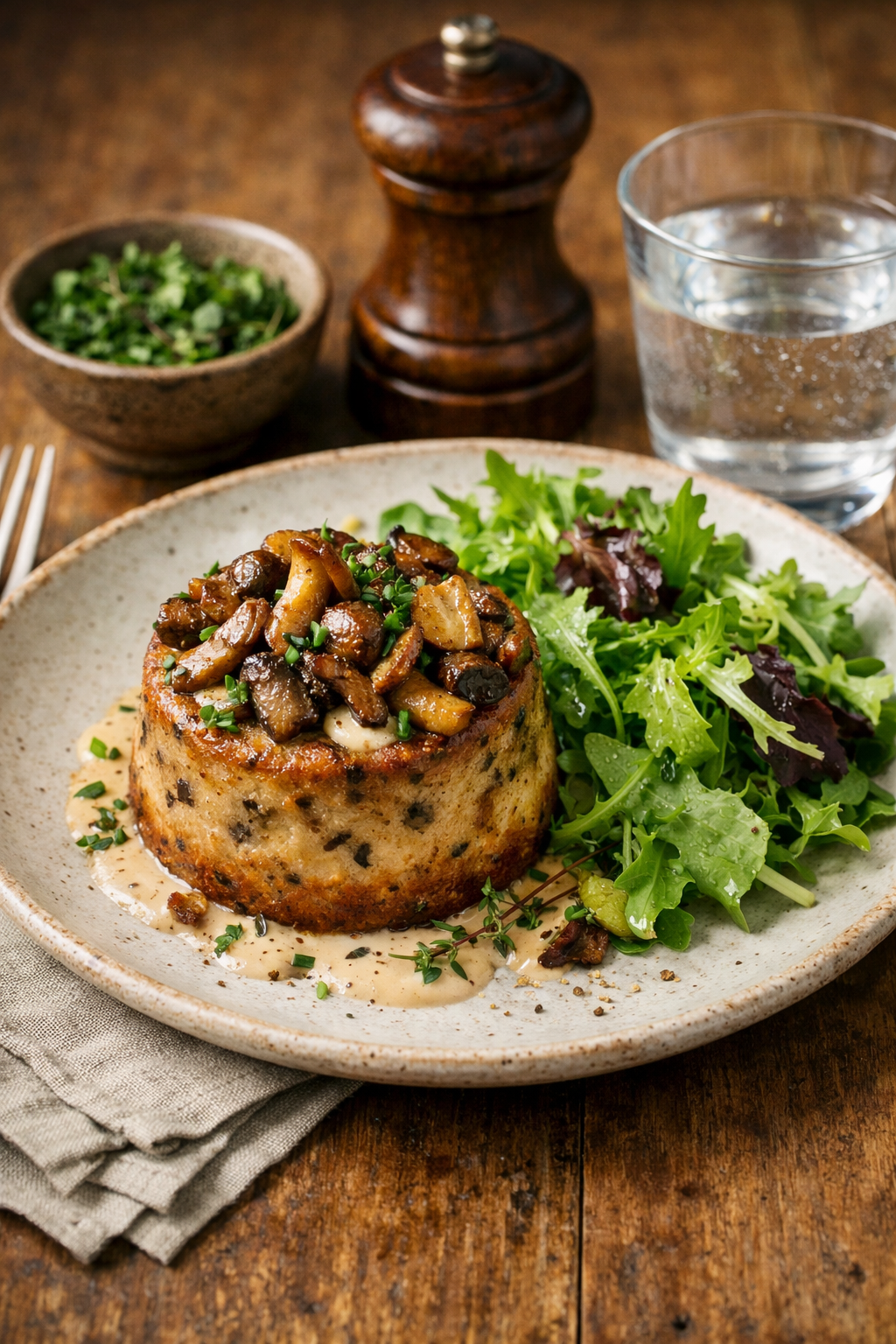
Introduction: My First Encounter with Mushroom Cake
I still remember the confused look on my face when my friend invited me over for mushroom cake. I showed up expecting a chocolate dessert with cute fondant mushrooms on top. What she served me instead changed my entire view of what cake could be. It was a savory mushroom cake – layers of earthy, rich flavors that tasted nothing like birthday cake and everything like comfort food.
That first bite opened my eyes to a whole new world. The golden, fluffy layers were packed with sautéed mushrooms, herbs, and cheese. It wasn’t sweet at all, but it had the same satisfying, celebratory feeling of cutting into a traditional cake. Since that day, I’ve made mushroom cakes dozens of times, and I’ve also discovered sweet versions that use mushroom powder for an earthy twist on chocolate desserts.
Here’s the thing most people don’t know: mushroom cake isn’t just one thing. It’s a versatile dish that works for both sweet and savory lovers. You can serve it at brunch, dinner parties, or even as an elegant appetizer. The savory versions often feature cheese, garlic, and fresh herbs, while dessert versions might include chocolate and coffee for a rich, complex flavor.
This unique dish has become one of my favorite ways to impress guests. It looks fancy but doesn’t require professional baking skills. Whether you’re a mushroom enthusiast or just someone looking to try something different, this recipe will surprise you in the best way possible.
What is a Mushroom Cake?
A mushroom cake is exactly what it sounds like – a cake that features mushrooms as a main ingredient. But don’t let the word “cake” fool you. While dessert versions do exist, most mushroom cakes are savory dishes that resemble traditional layered cakes in appearance only.
The savory version typically consists of thin layers of batter or bread, stacked with mushroom filling, cheese, and various seasonings. Think of it like a savory crepe cake or a tall, elegant lasagna. The cheesy garlic mushroom cake variety is particularly popular, combining the earthy taste of mushrooms with sharp cheese and aromatic garlic.
On the other hand, mushroom dessert versions use medicinal mushroom powders like reishi or chaga mixed into chocolate cakes or brownies. Coffee shops have even created unique treats like the coffee mushroom dessert recipe, which blends espresso with mushroom extract for a sophisticated, grown-up flavor. The decadent chocolate mushroom cake has gained popularity in health-conscious circles for its nutritional benefits.
The history of mushroom cakes varies by culture. In Eastern European countries, savory mushroom dishes have been stacked and layered for centuries during holidays and special occasions. Russian and Ukrainian cuisines feature similar preparations called “mushroom tortes” that date back generations. These weren’t just food – they were centerpieces that showed off a cook’s skill and creativity.
In Amsterdam, the term mushroom cake Amsterdam might refer to something entirely different in certain contexts. But in culinary circles, the city has embraced gourmet mushroom preparations that blend traditional Dutch ingredients with modern plating techniques.
Asian cuisines have their own versions too. Japanese cooks create delicate mushroom “cakes” using dashi, eggs, and various mushroom varieties steamed into firm, sliceable forms. These are often served as part of elaborate kaiseki meals.
The key ingredients for a savory mushroom cake include:
- Fresh mushrooms (cremini, shiitake, or portobello work best)
- Eggs for binding
- Flour or breadcrumbs
- Cheese (cream cheese, cheddar, or parmesan)
- Aromatics like garlic, onions, and fresh herbs
- Butter or oil for cooking
- Seasonings such as salt, pepper, and thyme
For dessert versions, you’ll find ingredients like chocolate, coffee, mushroom powder supplements, sugar, and standard cake components. The preparation method for savory cakes usually involves making thin pancake-like layers and alternating them with a rich mushroom filling. You build it up layer by layer, just like a traditional cake.
What does mushroom cake taste like? The savory version offers deep, umami-rich flavors with a creamy texture. It’s earthy without being overwhelming, especially when balanced with cheese and herbs. The dessert version tastes primarily like chocolate or coffee with subtle earthy undertones that add depth without a strong mushroom flavor.
How to Make a Mushroom Cake: A Beginner-Friendly Guide
Learning how to make a mushroom cake is easier than you might think. I’m sharing my go-to mushroom cake recipe easy version that never fails to impress. This savory version serves 6-8 people and takes about an hour from start to finish.
Before we start, let’s talk about selecting mushrooms. The type you choose makes a real difference in flavor and texture. Here’s what I’ve learned:
Choosing the Right Mushrooms:
- Cremini mushrooms offer a mild, versatile flavor perfect for beginners
- Shiitake mushrooms add a deeper, more complex taste
- Portobello mushrooms provide a meaty texture and robust flavor
- White button mushrooms work fine but have less flavor depth
- Mixing varieties creates the most interesting taste profile
Look for firm mushrooms with no slimy spots or strong odors. Fresh mushrooms should feel dry to the touch and have tightly closed caps. Avoid pre-sliced packages when possible – whole mushrooms stay fresher longer.
Step-by-Step Savory Mushroom Cake Instructions:
For the pancake layers:
- 2 cups all-purpose flour
- 3 large eggs
- 2 cups milk
- 4 tablespoons melted butter
- 1 teaspoon salt
- 2 cloves minced garlic
For the mushroom filling:
- 1.5 pounds mixed mushrooms, finely chopped
- 1 large onion, diced
- 8 ounces cream cheese, softened
- 1 cup shredded cheddar cheese
- 4 cloves garlic, minced
- 3 tablespoons butter
- Fresh thyme and parsley
- Salt and pepper to taste
Step 1: Make the Batter
Whisk together flour, eggs, milk, melted butter, salt, and garlic until smooth. The consistency should be like thin pancake batter. Let it rest for 15 minutes while you prepare the filling. This resting time helps create tender layers.
Step 2: Prepare the Mushroom Filling
Heat butter in a large skillet over medium-high heat. Add the diced onion and cook until soft, about 5 minutes. Add the minced garlic and cook for another minute until fragrant. Don’t let it burn or it will taste bitter.
Add your chopped mushrooms to the pan. This is important: don’t overcrowd the pan. Cook in batches if needed. Mushrooms release a lot of water, so you want it to evaporate and the mushrooms to brown slightly. This takes about 10-12 minutes. Season with salt, pepper, and fresh thyme.
Once the mushrooms are cooked and most liquid has evaporated, reduce heat to low. Stir in the cream cheese until fully melted and combined. Mix in the shredded cheddar and fresh parsley. Taste and adjust seasonings. Set aside to cool slightly.
Step 3: Cook the Layers
Heat a non-stick 8 or 9-inch pan over medium heat. Lightly grease with butter. Pour about 1/3 cup of batter into the pan, swirling to coat the bottom evenly. Cook for about 2 minutes until the edges start to lift and the bottom is lightly golden. Flip carefully and cook another minute.
Repeat until you’ve used all the batter. You should get 10-12 thin layers. Stack them on a plate as you go, separating with parchment paper if they’re sticking.
Step 4: Assemble Your Mushroom Cake
Place one pancake layer on your serving plate. Spread a thin layer of mushroom filling on top. Add another pancake layer and repeat. Continue until all layers are used, ending with a pancake on top. Press down gently as you build to help it hold together.
For a beautiful mushroom cake design, save some of the filling to frost the outside. You can also garnish the top with sautéed whole mushroom slices arranged in a pattern, fresh herbs, or a sprinkle of extra cheese.
Step 5: Let It Set
This is the hardest part – waiting. Refrigerate your assembled cake for at least 2 hours before serving. This resting time lets the flavors meld and makes slicing much easier. You’ll get clean, beautiful slices that show off all those layers.
Pro Tips for Success:
- Make the components a day ahead to save time before serving
- Use a springform pan for assembly if you want perfectly clean edges
- Warm the cake slightly before serving for the best flavor
- Cut with a sharp, thin knife wiped clean between slices
- Experiment with different cheese combinations – gouda and gruyere work wonderfully
This recipe is forgiving and adaptable. Some people ask “how to get the mushroom cake recipe” with specific ingredients, but the truth is you can customize it endlessly. Add spinach to the filling, use different herbs, or incorporate caramelized onions for extra sweetness.
The finished cake looks impressive enough for special occasions but tastes comforting enough for a regular weeknight dinner. Serve it warm with a simple green salad and crusty bread. Leftovers keep well in the refrigerator for up to three days and actually taste better the next day as the flavors continue to develop.

Savory vs. Sweet: Exploring Mushroom Cake Varieties
Now that you know the basics, let’s dive into the wild world of mushroom cake varieties – because trust me, there’s a whole spectrum of flavors waiting for you.
The divide between savory and sweet mushroom cakes is pretty dramatic. When I first started experimenting with both, I honestly didn’t think the dessert versions would work. I mean, mushrooms in chocolate? It sounded like one of those trendy food fads that looks good on Instagram but tastes like disappointment. Turns out I was completely wrong.
Savory mushroom cakes have this deep, satisfying quality that fills you up without feeling heavy. The texture is typically creamy and layered, with each bite offering that umami punch mushrooms are famous for. When you add cheese into the mix – especially in a cheesy garlic mushroom cake – you get this incredibly rich combination that tastes almost indulgent. The garlic cuts through the earthiness of the mushrooms, while the cheese adds a sharpness that makes your taste buds sit up and pay attention. I’ve served this at dinner parties where people went back for thirds, and these were folks who claimed they didn’t even like mushrooms that much.
The sweet versions work on a completely different level. A decadent chocolate mushroom cake doesn’t actually taste like mushrooms in the way you’d expect. Instead, the mushroom powder (usually reishi, lion’s mane, or chaga) adds this subtle earthiness that makes chocolate taste more complex and sophisticated. It’s similar to how coffee enhances chocolate – you don’t necessarily taste the coffee, but it makes the chocolate better. If you’re a fan of rich chocolate desserts, you might enjoy exploring variations like a traditional cake happy birthday chocolate recipe, which shares that same deep, indulgent quality.
Here’s something I find fascinating: the texture differences between these two categories are just as dramatic as the flavors. Savory mushroom cakes have a softer, almost quiche-like texture when done right. They hold together when sliced but still feel delicate on your fork. Sweet mushroom cakes, on the other hand, tend to be denser and more fudgy, especially the chocolate versions. They’re moist in a way that makes them perfect with afternoon coffee or as an after-dinner treat.
Speaking of coffee, let me tell you about coffee mushroom dessert recipes that have been popping up everywhere lately. I tried making one last month using lion’s mane powder mixed with espresso in a chocolate cake base. The combination was genuinely amazing – the coffee and mushroom flavors played off each other beautifully, creating this deep, almost mysterious taste that had my friends asking what my secret ingredient was. The trick is balancing the bitterness of coffee with enough sweetness so the mushroom notes come through as earthy undertones rather than front-and-center flavors. Similar to how german chocolate cake ice cream balances multiple complex flavors, these coffee mushroom desserts require careful attention to proportions.
One creative idea I’ve been working with involves incorporating mushroom powder into no-bake desserts. Think cheesecakes, mousse, or even energy balls. The mushroom powder dissolves easily into cream cheese or nut butters, making it simple to add without changing the texture. I made mushroom-enhanced chocolate truffles for chocolate cake day last year, and honestly? People couldn’t stop talking about how sophisticated they tasted.
For those who want something lighter, mushroom powder works surprisingly well in tangy desserts too. I’ve experimented with adding a tiny amount to lemon bars with cake mix – just a teaspoon or two – and it added this interesting depth without making them taste weird. The key with any mushroom dessert is restraint. You want the mushrooms to be a supporting character, not the star of the show.
The popularity of these sweet versions has exploded in wellness communities. People love the idea of getting adaptogenic benefits from their desserts. Whether the mushroom powders actually deliver all their promised health benefits when baked into cakes is debatable, but the flavor enhancement is real and measurable.
Mushroom Cake Growing: From Garden to Table
Funny enough, my journey into making mushroom cakes eventually led me to growing my own mushrooms, which I never saw coming.
Growing mushrooms at home isn’t nearly as complicated as it sounds. I started with a simple oyster mushroom kit that basically required me to spray it with water twice a day. Within two weeks, I had fresh mushrooms sprouting out of what looked like a bag of coffee grounds. The taste difference between these homegrown mushrooms and store-bought ones was shocking – fresher, more flavorful, and with a firmer texture that held up beautifully in my cakes.
The process of mushroom cake growing (and by that I mean growing mushrooms specifically for making cakes, not growing cakes made of mushrooms, which would be weird) starts with choosing the right variety. Oyster mushrooms are the easiest for beginners. They grow fast, tolerate mistakes, and taste delicious. Shiitake mushrooms take longer but offer incredible flavor. I wouldn’t recommend starting with something exotic like lion’s mane unless you’re feeling adventurous and don’t mind potential failure.
You’ve got a few options for cultivation methods. Pre-made grow kits are perfect for testing the waters – they come inoculated and ready to fruit. You literally just open the box, follow basic instructions, and wait. If you want to get more serious, you can buy mushroom spawn and inoculate your own substrate (usually a mixture of straw, wood chips, or other organic materials). This requires more equipment and knowledge, but it’s way more cost-effective if you plan to grow mushrooms regularly.
Temperature and humidity matter more than you’d think. Most edible mushrooms like it cool and damp. I keep my growing setup in my basement where it stays around 60-70 degrees Fahrenheit. The humidity needs to stay high – around 80-90% during fruiting. I achieved this by misting my grow bags twice daily and keeping them in a plastic tote with holes drilled for air circulation. Sounds complicated, but it becomes routine pretty quickly.
By the way, the benefits of using fresh, homegrown mushrooms in your cooking go beyond just flavor. You know exactly what went into growing them (no pesticides or weird chemicals), they’re harvested at peak freshness, and there’s something genuinely satisfying about serving a dish made with ingredients you grew yourself. When I serve my savory mushroom cake made with mushrooms I cultivated, people can taste the difference even if they can’t quite identify what makes it better.
Storage and handling become crucial once you’ve harvested your mushrooms. Fresh mushrooms are delicate and contain a lot of moisture. Don’t wash them until right before you use them – washing early makes them slimy and gross. Store them in a paper bag in the refrigerator, not plastic, which traps moisture and speeds up spoilage. They’ll keep for about a week this way, though honestly, mine rarely last that long before I use them.
When you’re ready to use them, gently wipe them with a damp cloth or give them a quick rinse. Some people say never wash mushrooms because they’ll absorb water, but if you’re going to sauté them anyway, a quick rinse won’t hurt. Just don’t let them soak. Pat them dry immediately with paper towels.
For optimal flavor in your mushroom cakes, use mushrooms within three to five days of harvesting. The flavor compounds start breaking down after that, and while they’re still safe to eat, they lose that incredible fresh-picked taste that makes homegrown mushrooms so special. I’ve done side-by-side comparisons, and cakes made with super fresh mushrooms have a brightness and complexity that store-bought versions just can’t match.
Mushroom Cake Amsterdam: A Culinary Adventure
Here’s the thing about Amsterdam – when you mention mushroom cake there, people might give you a knowing smile for reasons completely unrelated to cooking.
But setting aside the city’s famous coffee shop culture, Amsterdam actually has an incredible culinary scene when it comes to innovative mushroom dishes. I visited last spring specifically to explore their food scene, and I was blown away by how creative their chefs get with mushrooms. The mushroom cake Amsterdam style tends toward elegant, restaurant-quality presentations that treat mushrooms like the premium ingredient they are.
Several restaurants in the Jordaan and De Pijp neighborhoods serve spectacular savory mushroom cakes. The Dutch have a long tradition of foraging wild mushrooms, and many Amsterdam chefs incorporate foraged varieties into their dishes during autumn. One restaurant I visited – whose name escapes me now, somewhere near the Rijksmuseum – served a mushroom cake that used five different local mushroom varieties layered with truffle cream and aged Gouda. It was probably the best thing I ate during the entire trip.
What makes Amsterdam’s mushroom cake culture special is the blend of traditional Dutch ingredients with modern techniques. They’re not afraid to combine Old Amsterdam cheese (which is sharp and crystalline) with delicate enoki mushrooms, or to use Indonesian spices (a nod to their colonial history) in mushroom preparations. This cultural mixing creates flavors you won’t find anywhere else.
If you’re planning to visit and want to try authentic mushroom cakes, I’d recommend checking out the Saturday farmers market at Noordermarkt. Several vendors sell homemade savory cakes, and during mushroom season (September through November), you’ll find incredible variety. The locals take their mushrooms seriously – expect detailed conversations about where they were foraged and how they were prepared.
There’s also a growing trend toward mushroom-focused restaurants that celebrate fungi in all their forms. These places treat mushrooms with the same reverence French restaurants give to truffles. Multi-course tasting menus built entirely around different mushroom preparations have become increasingly popular among food enthusiasts visiting the city.
The cultural significance of mushrooms in Dutch cuisine runs deeper than most people realize. Historically, mushrooms were food for common people – cheap, foraged, and filling. But modern Dutch chefs have elevated them to gourmet status while maintaining that connection to tradition and terroir. When you eat a well-made mushroom cake in Amsterdam, you’re tasting centuries of culinary evolution.
Local traditions around mushroom preparation get passed down through families. Many Dutch people still go mushroom hunting with their parents and grandparents, learning which varieties are safe and how to prepare them. This knowledge informs how restaurants approach mushroom dishes, creating an authenticity that’s hard to replicate elsewhere.
The mushroom cake design in Amsterdam restaurants often leans minimalist – clean lines, careful plating, and a focus on letting the ingredients speak for themselves. Unlike the more rustic, homestyle presentations you might see in Eastern Europe, Amsterdam’s version feels refined and contemporary while still honoring the humble mushroom at its center.
Mushroom Cake Recipe Easy: My Foolproof Weeknight Version
Look, I get it. Sometimes you want to make something impressive but you’ve only got forty-five minutes and limited energy after a long day. That’s exactly why I developed this streamlined version of mushroom cake that cuts corners without sacrificing flavor.
This mushroom cake recipe easy version uses store-bought crepes instead of making your own layers. Game changer. I discovered this shortcut one evening when I was too tired to stand over the stove flipping pancakes but still wanted to bring something special to a potluck. Nobody could tell the difference, and I saved myself thirty minutes of work.
Quick Savory Mushroom Cake (45 Minutes Total):
Ingredients:
- 1 package store-bought crepes (about 10-12 crepes)
- 1 pound mixed mushrooms, roughly chopped
- 8 ounces cream cheese, room temperature
- 1 cup sour cream
- 1 small onion, finely diced
- 3 cloves garlic, minced
- 1.5 cups shredded cheese (I love sharp cheddar mixed with gruyere)
- 3 tablespoons butter
- 2 tablespoons fresh dill or parsley, chopped
- 1 teaspoon dried thyme
- Salt and black pepper to taste
Instructions:
Heat the butter in your largest skillet over medium-high heat. Toss in the onions and cook until they’re translucent and starting to caramelize around the edges – about six minutes. Add the garlic and cook for another minute until your kitchen smells incredible.
Dump in all your chopped mushrooms. Here’s something I learned the hard way: resist the urge to stir them constantly. Let them sit and brown for a few minutes before stirring. This develops way more flavor than constantly moving them around. Cook until the liquid has mostly evaporated and the mushrooms have reduced significantly, roughly ten to twelve minutes. Season generously with salt, pepper, and thyme.
While those are cooling slightly, mix your cream cheese and sour cream together in a bowl until smooth. Fold in half of your shredded cheese and the fresh herbs. Once the mushrooms have cooled for a few minutes, fold them into this mixture. Taste it – this is your chance to adjust the seasoning before assembly.
Now comes the fun part. Place one crepe on your serving plate. Spread about three tablespoons of the mushroom mixture evenly across it. Top with another crepe and repeat. Keep going until you’ve used everything, ending with a plain crepe on top. Press down gently as you build to help everything stick together.
Spread a thin layer of the remaining mixture on the top and sides if you want a fully frosted look. Sprinkle the remaining cheese over the top. At this point, you can refrigerate it for later or pop it in a 350°F oven for about fifteen minutes to warm through and melt that top layer of cheese. I usually go the oven route because warm cheesy garlic mushroom cake is irresistible.
Variations and Dietary Substitutions:
The beauty of this recipe is how adaptable it is. I’ve made it probably twenty different ways based on what I had available or who I was feeding.
For a gluten-free version, use gluten-free crepes or make thin egg-based pancakes using just eggs, a bit of milk, and no flour – they work surprisingly well. For a dairy-free option, swap the cream cheese for cashew cream cheese (which actually has a lovely flavor), use coconut cream instead of sour cream, and skip the cheese or use a dairy-free alternative. I tried this version for a vegan friend and honestly, it was still delicious.
If you’re watching calories or trying to incorporate healthier eating patterns into your routine, use Greek yogurt instead of sour cream and reduce the cheese by half. You’ll still get plenty of flavor from the mushrooms and herbs. I’ve also made a lighter version using cottage cheese blended smooth instead of cream cheese – it adds protein and cuts the richness without losing that creamy texture.
Want to make it more substantial? Add a layer of cooked spinach between some of the crepes, or mix in chopped cooked bacon or prosciutto with the mushroom filling. I did a version with sun-dried tomatoes once that was absolutely phenomenal. The acidity cut through the richness beautifully.
For those who prefer spicier food, add red pepper flakes to the mushroom mixture or incorporate some diced jalapeños. My sister loves heat, so I made her a version with chipotle peppers in adobo mixed into the filling. She ate half of it in one sitting.
Here’s a fun twist: try making mini individual mushroom cakes using small blinis or silver dollar pancakes. Layer them in mason jars for a cute presentation at parties. People go crazy for these because they can grab their own portion and the layers look gorgeous through the glass.
Presentation and Mushroom Cake Design Ideas:
The way you present this dish can take it from “looks good” to “wow, did you go to culinary school?” And most of these tricks take basically no extra effort.
For a rustic look, leave the edges rough and unfinished. Top with whole sautéed mushroom slices arranged in a circular pattern, almost like flower petals. Tuck fresh herb sprigs between them. This works especially well if you can find interesting mushrooms like oyster or maitake with unusual shapes.
If you want something more polished, use a springform pan for assembly. Once it’s chilled and set, remove the ring and you’ll have perfectly smooth sides. You can then “frost” the exterior with a thin layer of the mushroom cream mixture and press finely chopped herbs or nuts around the sides. It looks bakery-professional with minimal effort.
One of my favorite mushroom cake design approaches involves making a simple herb oil to drizzle over the top just before serving. Blend fresh parsley, basil, or dill with good olive oil and a pinch of salt. The bright green oil against the creamy filling creates stunning contrast and adds a fresh flavor pop.
Garnishing matters more than you’d think. A few things that always make my mushroom cakes look magazine-worthy: microgreens scattered on top, a light dusting of smoked paprika, crispy fried shallots, or even edible flowers if you’re feeling fancy. I picked up a container of nasturtiums from the farmers market once and they transformed a simple mushroom cake into something that looked like it came from a high-end restaurant.
Serving temperature makes a difference too. I prefer serving it slightly warm – not hot, but room temperature or just above. This is when the flavors are most pronounced and the texture is at its best. If you’re making it ahead, take it out of the fridge about twenty minutes before serving, or warm it gently in a low oven.
Slice it like you would a regular cake, using a sharp knife wiped clean between cuts. The layers should be distinct and beautiful. Serve it with a simple arugula salad dressed with lemon vinaigrette to cut the richness, or alongside roasted vegetables for a complete meal.
By the way, this makes an incredible brunch centerpiece. I’ve served it alongside scrambled eggs, fresh fruit, and mimosas, and people always ask for the recipe. It feels special enough for a celebration but approachable enough that nobody’s intimidated to try it.
For anyone serious about expanding their baking repertoire beyond just mushroom cakes, exploring other creative cakes and cupcakes can really build your confidence in the kitchen and give you tons of ideas for flavor combinations and presentation techniques that work across different recipes.
One last presentation tip I absolutely swear by: photograph it before everyone digs in. These cakes are so photogenic, especially when you get that perfect slice showing all the layers. I keep a folder on my phone of all the mushroom cakes I’ve made, and looking back through them reminds me of all the occasions they helped make special.
Whether you’re making this for a casual weeknight dinner or a holiday gathering, the key is not overthinking it. The ingredients are simple, the technique is forgiving, and the results consistently impress. I’ve taught this recipe to friends who claim they can’t cook, and every single one has succeeded. If they can do it, so can you. Just start with good mushrooms, don’t skip the resting time, and trust the process. You’ve got this.
Frequently Asked Questions
What does mushroom cake taste like?
Savory mushroom cake tastes deeply earthy and rich, similar to a creamy mushroom quiche but with a lighter, more delicate texture. The combination of cheese, garlic, and herbs balances the mushroom’s natural umami flavor, creating something comforting and sophisticated at the same time. It’s not overwhelming or “mushroomy” in an unpleasant way – even people who claim they don’t like mushrooms often enjoy it. The dessert versions taste primarily like chocolate or coffee with subtle earthy undertones that add complexity without being obvious.
How to get the mushroom cake recipe?
You can find mushroom cake recipes throughout this article, including both detailed traditional versions and quick easy alternatives. I’ve shared my personal recipes that I’ve developed and tested multiple times with great success. You can also find variations online, in Eastern European cookbooks, or by asking at specialty restaurants that serve them. Many cooking blogs and recipe sites now feature mushroom cakes as they’ve grown in popularity. The recipe I’ve provided here is yours to use, adapt, and share with anyone who’s interested.
What is the rarest cake flavor?
Some of the rarest cake flavors include lavender-honey with goat cheese, black sesame with yuzu, or cakes made with unusual ingredients like beetroot and dark chocolate or squid ink. Mushroom cake, especially the savory variety, is definitely considered uncommon in many parts of the world, though it’s traditional in Eastern European countries. In the realm of truly rare flavors, cakes incorporating ingredients like saffron, rose water with cardamom, or even savory elements like miso or seaweed are becoming more popular in avant-garde bakeries. Rarity often depends on regional availability and cultural traditions more than anything else.
Can I make mushroom cake ahead of time?
Absolutely, and in fact it often tastes better when made ahead. Assemble your mushroom cake completely, cover it tightly with plastic wrap, and refrigerate for up to two days before serving. The resting time allows the flavors to meld together and the layers to set properly, making slicing much easier. You can also freeze assembled mushroom cakes for up to one month – just thaw them overnight in the refrigerator before serving. I often make mine the night before a gathering, which eliminates day-of stress and actually improves the final result.
What’s the best cheese to use in savory mushroom cake?
Sharp cheddar, gruyere, and cream cheese create the best flavor combination in my experience. The cream cheese provides creaminess and helps bind everything together, while sharp cheddar adds a pleasant tang that complements the earthy mushrooms. Gruyere brings a nutty, sophisticated flavor that elevates the whole dish. You can also experiment with parmesan for a saltier, more intense flavor, or use gouda for something milder and slightly sweet. Avoid pre-shredded cheese if possible – freshly shredded melts much better and has superior flavor.
Can I use dried mushrooms instead of fresh?
Yes, dried mushrooms actually work wonderfully and can even provide more concentrated flavor than fresh ones. Rehydrate them in warm water for about twenty minutes, squeeze out the excess moisture, and chop them as you would fresh mushrooms. Save the soaking liquid – it’s packed with flavor and can be added to the filling or used in soups. You’ll need about two to three ounces of dried mushrooms to replace one pound of fresh. I sometimes use a combination of fresh and dried mushrooms for maximum flavor depth, especially with varieties like porcini or shiitake.
What is Kamala Harris’ favorite cake?
While this isn’t directly related to mushroom cakes, Vice President Kamala Harris has mentioned loving her family’s traditional Indian recipes and has spoken fondly of her mother’s cooking. She’s also been photographed enjoying various desserts at public events, though I haven’t found a specific statement about her absolute favorite cake flavor. Like many of us, she probably appreciates different cakes for different occasions. Interestingly, she’s known for enjoying cooking herself when time allows, so she might appreciate the unique nature of a savory mushroom cake as much as traditional sweet options.
How do I prevent my mushroom cake from being watery?
The key is cooking your mushrooms properly until most of their liquid has evaporated. Don’t rush this step – it can take ten to fifteen minutes for the moisture to cook off completely. Avoid overcrowding your pan, which traps steam and prevents proper evaporation. If your filling seems too wet after mixing everything together, you can add a tablespoon or two of flour or cornstarch to thicken it. Also, make sure your cream cheese is at room temperature and properly incorporated, as this helps create a thicker, more stable filling that won’t leak between layers.
Is mushroom cake suitable for meal prep?
Mushroom cake is fantastic for meal prep because it holds up well in the refrigerator and portions easily. I often make a full cake on Sunday and eat slices throughout the week for lunch or dinner. It stays fresh for four to five days when properly covered and refrigerated. You can reheat individual slices in the microwave for about thirty seconds or enjoy them cold. The flavors actually develop and improve over the first couple days, making it an ideal make-ahead meal. Just slice it all at once and store the pieces separated by parchment paper for easy grabbing.
What side dishes pair well with savory mushroom cake?
Light, fresh sides work best to balance the richness of mushroom cake. A simple arugula or mixed green salad with lemon vinaigrette is my go-to choice. Roasted asparagus, steamed green beans, or sautéed broccolini also complement it beautifully. For a heartier meal, serve it alongside tomato soup or a light vegetable broth-based soup. Crusty bread is always welcome for soaking up any extra filling. I’ve also served it with pickled vegetables or a cucumber salad for brightness and acidity. Avoid heavy, creamy sides since the cake itself is already quite rich.
Making mushroom cake has honestly changed how I think about versatile dishes that work for any occasion. Whether you’re trying the quick weeknight version or going all-out with homegrown mushrooms and elaborate presentation, you’re creating something genuinely special that brings people together. Don’t be afraid to experiment, trust your instincts, and make it your own – that’s where the real magic happens.
Equipment
- Large Skillet
- Non-Stick Pan
- Whisk
- Mixing Bowl
- Serving Plate
- Refrigerator
Ingredients
- 2 cups all-purpose flour
- 3 large eggs
- 2 cups milk
- 4 tablespoons melted butter
- 1 teaspoon salt
- 2 cloves minced garlic
- 1.5 pounds mixed mushrooms (cremini, shiitake, portobello), finely chopped
- 1 large onion, diced
- 8 ounces cream cheese, softened
- 1 cup shredded cheddar cheese
- 4 cloves minced garlic
- 3 tablespoons butter
- q.s. Fresh thyme and parsley to garnish
- to taste Salt and pepper
Instructions
- Whisk together flour, eggs, milk, melted butter, salt, and garlic until smooth; let it rest for 15 minutes.
- Heat butter in a large skillet, add diced onion, and cook until soft; then add minced garlic and cook for another minute.
- Add chopped mushrooms to the skillet; cook until they release water and brown slightly.
- Season mushroom mix with salt, pepper, and thyme; stir in cream cheese and cheddar until melted, then set aside.
- Heat a non-stick pan over medium heat, grease lightly with butter, and pour in about 1/3 cup of batter to form pancake layers; flip when edges lift.
- Repeat until all batter is used; you should have 10-12 layers.
- To assemble, place a pancake layer on a serving plate, add mushroom filling, and repeat until all layers are stacked.
- Refrigerate the assembled cake for at least 2 hours before serving.