
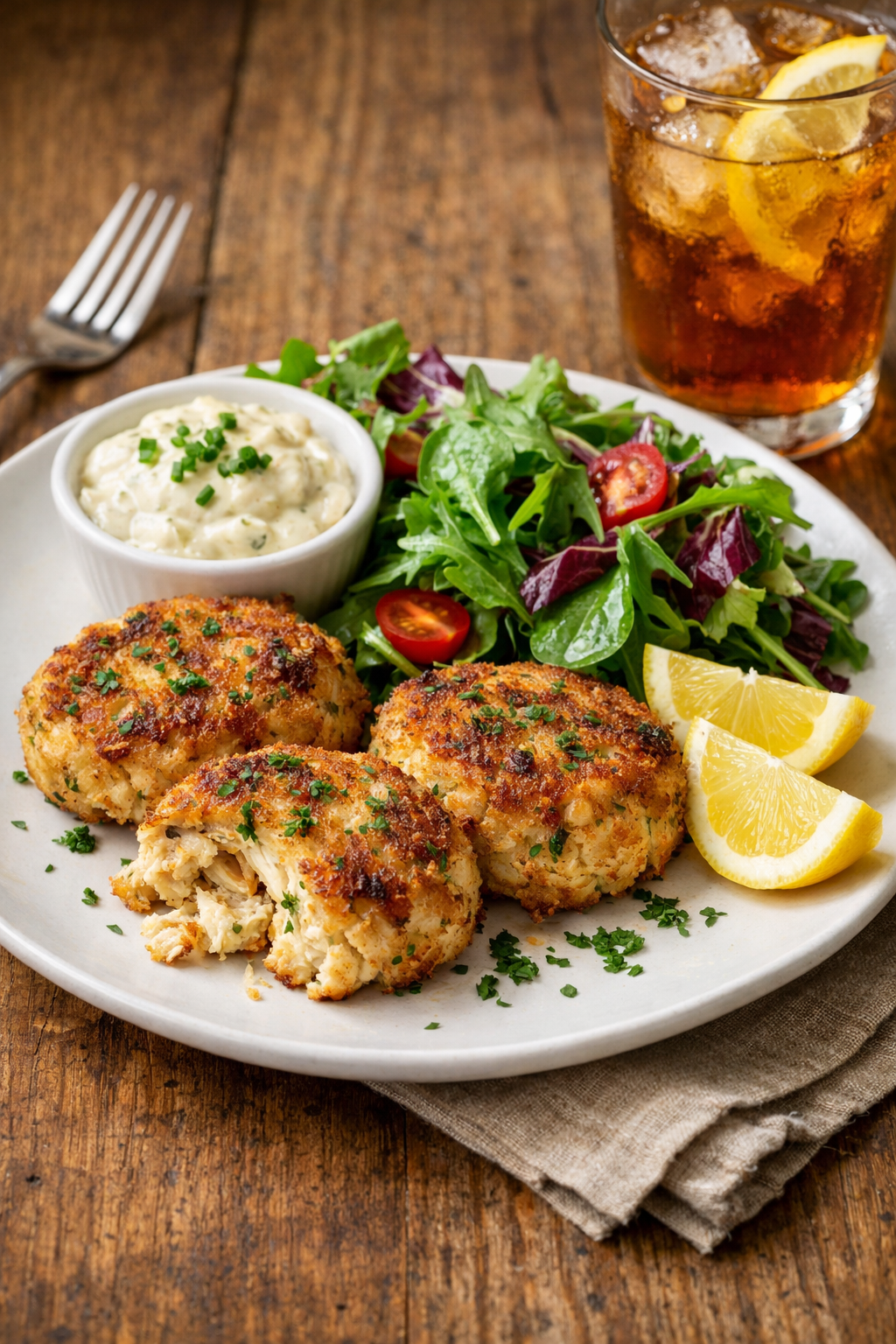
Welcome to My Kitchen: Let’s Talk About Nutrition Crab Cakes
Last summer, I attended a beach cookout where my friend served the most amazing crab cakes I’d ever tasted. They were crispy on the outside, tender on the inside, and packed with fresh crab flavor. But here’s the thing that surprised me most: she made them with healthy ingredients that didn’t sacrifice taste one bit. That moment changed how I thought about this classic seafood dish.
Welcome to my blog, where I share my passion for healthy and delicious food! I believe eating well shouldn’t mean giving up the foods you love. It’s all about making smart choices and finding better ways to prepare your favorite dishes.
Today, I’m excited to talk about nutrition crab cakes, a tasty and nutritious option that you can enjoy without guilt. These golden patties offer more than just great flavor. They bring protein, vitamins, and minerals to your plate while satisfying your cravings for something special.
Let’s dive into why crab cakes can be a great addition to your diet and how to make them even healthier. Whether you’re watching your weight, building muscle, or just trying to eat better, crab cakes might become your new favorite meal.
Understanding the Basics of Crab Cakes
Before we get into the nutrition side of things, let’s start with the basics. What exactly are crab cakes?
Crab cakes are patties made primarily from crab meat, mixed with binders and seasonings, then formed into rounds and cooked until golden. They originated in the coastal regions of Maryland and have been a beloved American dish for generations. You’ll find them on menus from casual seafood shacks to fancy restaurants.
The beauty of crab cakes lies in their simplicity. At their core, they’re just crab meat held together with a few other ingredients. But that simplicity also means the quality of your ingredients really matters.
Common Ingredients in Traditional Crab Cakes
Traditional crab cake recipes usually include these basic components:
- Crab meat – the star of the show, usually lump or backfin crab
- Breadcrumbs – acts as a binder to hold everything together
- Eggs – another binder that helps the patties stay intact
- Mayonnaise – adds moisture and richness
- Mustard – brings a tangy kick to the flavor profile
- Worcestershire sauce – adds depth and umami
- Old Bay seasoning – the classic spice blend for seafood
- Fresh herbs – parsley is most common
While these ingredients make delicious crab cakes, some can add unwanted calories and fat. The good news? You can swap many of them for healthier options without losing flavor. I’ll share those tricks later in this guide.
The Nutritional Value of Crab Meat
Here’s where things get exciting. Crab meat is actually a nutrition powerhouse. When I first looked into the nutrition of crab cakes, I was pleasantly surprised by what crab meat brings to the table.
Crab meat is loaded with high-quality protein. A 3-ounce serving gives you about 16 grams of protein with minimal fat. That’s impressive for any food, let alone something that tastes this good.
But protein isn’t the only benefit. Crab meat contains:
- Vitamin B12 – essential for nerve function and red blood cell formation
- Selenium – a powerful antioxidant that supports thyroid health
- Zinc – important for immune function and wound healing
- Copper – helps maintain healthy bones and blood vessels
- Omega-3 fatty acids – the heart-healthy fats you hear so much about
The omega-3s in crab deserve special mention. These healthy fats help reduce inflammation, support brain health, and may lower your risk of heart disease. You get all this nutrition in a naturally low-calorie package.
Are Crab Cakes Healthy to Eat?
This is the million-dollar question, right? The answer is: it depends on how they’re made.
Crab cakes can absolutely be healthy, but not all crab cakes are created equal. Restaurant versions often pack in extra calories through heavy breading, deep frying, and rich sauces. A single restaurant crab cake can contain 200 to 400 calories or more.
The calories in crab cakes vary widely based on:
- The ratio of crab meat to fillers
- The cooking method used
- The amount of mayonnaise or other fatty binders
- The size of each patty
When you make crab cakes at home with smart ingredient choices, they become a genuinely healthy option. You control what goes in and how they’re cooked. That’s the difference between a nutritious meal and a calorie bomb.
How Crab Cakes Fit Into a Balanced Diet
I like to think of nutrition crab cakes as a protein-rich centerpiece for a balanced plate. They work beautifully with vegetables, whole grains, and fresh salads.
Here’s how I typically serve them:
- Two medium crab cakes for the protein portion
- A large mixed green salad with lemon vinaigrette
- Roasted vegetables like asparagus or Brussels sprouts
- A small serving of quinoa or brown rice if I need more energy
This combination gives you protein, fiber, healthy fats, and complex carbs. It’s satisfying without being heavy.
For those watching their carb intake, you’ll be happy to know that crab cakes aren’t necessarily high in carbs. The carb content depends mainly on how much breadcrumb or filler you use. A crab cake made with mostly crab meat and minimal breading can have as few as 5 to 10 grams of carbs.
The question “are crab cakes high in carbs?” really comes down to the recipe. Traditional versions with lots of breadcrumbs will have more carbs. But you can make low-carb versions using almond flour, crushed pork rinds, or very minimal binding agents.
Is Crab Healthy or Unhealthy?
Let me clear this up once and for all. Crab is definitely healthy. It’s one of the best seafood choices you can make.
Fresh crab meat contains less than 1 gram of fat per 3-ounce serving. It’s naturally low in calories, with about 80 to 90 calories in that same portion. Compare that to the same amount of chicken breast, and you’re getting similar protein with even less fat.
Some people worry about cholesterol in shellfish. Yes, crab contains cholesterol, but dietary cholesterol doesn’t affect blood cholesterol as much as we once thought. The American Heart Association now focuses more on limiting saturated and trans fats rather than dietary cholesterol.
The only real concerns with crab are allergies and sodium content. If you’re allergic to shellfish, crab is obviously off limits. And some prepared crab products can be high in sodium, so check labels if you’re watching your salt intake.
For most people though, crab is an excellent, healthy protein source that deserves a regular spot in your meal rotation.

Breaking Down the Calories and Nutrition in Crab Cakes
Now that we’ve established crab itself is healthy, let’s get into the specifics of what you’re actually consuming when you bite into one of these golden patties.
How many calories are in the average crab cake? This question comes up all the time, and honestly, the answer isn’t as simple as I’d like it to be. A typical homemade crab cake weighing about 2 to 3 ounces contains anywhere from 150 to 250 calories. Restaurant versions? They can easily hit 300 to 400 calories each, sometimes even more if they’re the size of a hockey puck and swimming in butter.
I remember ordering crab cakes at a waterfront restaurant in Baltimore once. The waiter brought out two massive ones that looked incredible. When I looked up the nutrition information later, I nearly fell off my chair. Each one had over 450 calories! They were delicious, sure, but I had basically eaten three meals’ worth of calories in one sitting.
The calorie variation comes down to three main factors: the amount of crab meat versus fillers, the cooking method, and what you serve them with. A crab cake that’s mostly breadcrumbs held together with mayo and then deep-fried will obviously pack more calories than one that’s primarily crab, lightly bound, and baked.
Understanding the Macronutrients in Nutrition Crab Cakes
Let’s break this down into the three macronutrients your body needs: protein, fat, and carbohydrates.
A well-made crab cake with a good crab-to-filler ratio typically contains about 12 to 18 grams of protein per serving. That’s pretty impressive. The protein comes primarily from the crab meat itself, with a small contribution from the egg used as a binder. This protein is complete, meaning it contains all nine essential amino acids your body can’t make on its own.
The fat content varies more dramatically. Traditional recipes using lots of mayonnaise can have 10 to 15 grams of fat per cake, with a good chunk of that being saturated fat from the mayo. Healthier versions might have only 5 to 8 grams, mostly from the egg and just a touch of oil used for cooking. Here’s where your ingredient choices really matter.
Carbohydrates are where things get interesting. A standard crab cake might have 10 to 20 grams of carbs, mostly from breadcrumbs. But here’s the thing that surprised me when I started experimenting: you really don’t need much breadcrumb to hold a crab cake together. The egg does most of the work. I’ve made batches with just two tablespoons of breadcrumbs for six crab cakes, and they held together beautifully.
By the way, if you’re someone who enjoys experimenting with different cake recipes, you might appreciate the creative approach needed for healthy crab cakes. It’s similar to when I figured out how to make a gluten free mug cake that actually tastes good. Sometimes finding the right balance of ingredients takes a few tries, but it’s worth it.
Why Crab Meat Makes These Patties Nutritionally Special
The real nutritional star in any crab cake should be the crab meat itself. When I compare the nutrition profile of crab cakes to other popular dishes, the crab meat is what elevates them from “decent” to “actually quite healthy.”
Beyond the macronutrients we just discussed, crab meat delivers those important micronutrients I mentioned earlier. A serving of crab cakes made with quality lump crab can give you over 100% of your daily vitamin B12 needs. That’s huge for maintaining energy levels and brain function. The selenium content supports your thyroid and acts as an antioxidant, fighting cellular damage.
The omega-3 fatty acids deserve another mention here. While crab doesn’t have as much omega-3 as salmon or mackerel, it still provides a meaningful amount. These healthy fats support everything from heart health to reducing inflammation in your body. That’s something you won’t get from chicken or beef.
Tackling the Carb Question for Nutrition Crab Cakes
People following low-carb or keto diets often ask me about this. The truth is, traditional crab cakes aren’t particularly low-carb, but they’re not carb bombs either.
A regular crab cake might have 15 to 18 grams of net carbs. For someone eating 100 to 150 grams of carbs per day, that’s manageable. For a strict keto dieter aiming for under 20 grams daily, that’s most of your allowance in one patty.
The good news? Making low-carb crab cakes is surprisingly easy. I’ve made versions using crushed pork rinds instead of breadcrumbs that had only 3 grams of carbs per cake. Almond flour works great too, bringing the carb count down to around 5 grams while adding healthy fats and protein. Some people use coconut flour, though you need less of it because it’s more absorbent.
Funny enough, my most successful low-carb crab cake experiment came when I basically eliminated fillers altogether. I used two eggs for a pound of crab meat, added seasonings, and carefully formed them into patties. They were delicate but held together during baking. Each one had maybe 2 grams of carbs, all from the trace amounts in the crab and egg.
How Crab Cakes Compare to Other Seafood Dishes
When I’m planning my weekly meals, I like to know how different options stack up against each other. Here’s how nutrition crab cakes compare to other popular seafood choices.
Compared to battered and fried fish, crab cakes come out ahead nutritionally, especially if you bake them. A piece of beer-battered cod from a fish and chips shop can have 300 calories and 15 grams of fat before you even consider the chips. A baked crab cake with similar protein content might have 180 calories and 7 grams of fat.
Grilled salmon is probably healthier overall, with its higher omega-3 content and zero added ingredients. But salmon doesn’t have the same satisfying, crispy-outside-tender-inside texture that makes crab cakes special. Sometimes you want that textural variety, you know?
Shrimp scampi swimming in butter and served over pasta? Crab cakes win that comparison easily. Even fish tacos can be tricky, depending on whether the fish is fried and what toppings you pile on. Two baked crab cakes with a side salad beats most restaurant seafood preparations for nutrition.
My Best Tips for Making Healthier Crab Cakes
Alright, here’s where I share the strategies I’ve developed over years of testing. These tips will help you create nutrition crab cakes that don’t sacrifice flavor.
First, maximize the crab-to-filler ratio. I aim for at least 80% crab meat in my mixture. More crab means more protein and nutrients, fewer empty calories. Yes, quality crab meat costs more, but you’re eating this as a special meal, not everyday food. Make it count.
Second, ditch the mayo or use it very sparingly. I know, I know—traditional recipes call for a quarter cup or more. But you really only need a tablespoon or two for moisture. I often substitute Greek yogurt for half the mayo. It adds tanginess and protein while cutting fat and calories. Nobody has ever noticed the difference.
Third, choose your breadcrumbs wisely. Whole grain breadcrumbs add fiber that regular white breadcrumbs lack. Panko breadcrumbs are another great option because they’re lighter and airier. You need less of them to get the same binding effect, which means fewer carbs and calories overall.
The cooking method matters enormously. Baking instead of pan-frying in butter or oil cuts calories dramatically. I brush my crab cakes lightly with olive oil or spray them with cooking spray, then bake them at 400°F for about 12 to 15 minutes, flipping once. They develop a beautiful golden crust without sitting in a pool of fat.
This reminds me of when I was perfecting my cherry cobbler with cake mix recipe. Sometimes the healthier method produces results just as good as the traditional way, but you have to be willing to experiment.
Adding Vegetables and Fresh Herbs for Extra Nutrition
Here’s a trick that took me way too long to discover: you can sneak vegetables into crab cakes without changing their essential character.
Finely diced bell peppers add sweetness and crunch. Minced celery brings freshness and a subtle flavor that pairs perfectly with crab. I’ve even added finely grated zucchini after squeezing out excess moisture. These vegetables increase the volume of your crab cakes without adding many calories, so you get more food for fewer calories. Plus, you’re adding vitamins, minerals, and fiber.
Fresh herbs are non-negotiable for me. Parsley is classic, but I also love adding fresh dill, chives, or cilantro depending on my mood. These herbs bring flavor intensity without calories, allowing you to use less salt. They also add antioxidants and make the whole dish feel fresher and lighter.
A squeeze of fresh lemon juice brightens everything up. The acidity cuts through any richness and makes the crab flavor pop. Sometimes I add lemon zest too for extra aromatic punch. Just like when I’m making a special celebration dish like a hello kitty cake for birthday parties, the small details make a big difference in the final result.
One last note about healthy preparation: watch what you serve alongside your crab cakes. A creamy tartar sauce can add 100 calories in just two tablespoons. I prefer a light lemon-yogurt sauce or even just lemon wedges and hot sauce. The crab cakes are flavorful enough that they don’t need heavy sauces anyway.
If you’re looking for more creative ways to enjoy different types of healthy meals, you might be surprised what’s possible. I’ve even seen people create special treats like cake for cats using wholesome ingredients. The point is, with some creativity, you can make almost anything healthier without losing what makes it enjoyable.
Incorporating Nutrition Crab Cakes into Your Diet
So you’re convinced that crab cakes can be healthy and delicious. Now comes the fun part—actually working them into your regular eating routine in ways that feel natural and sustainable.
I’ve found that the key to making any healthy food stick in your diet is variety. If you eat the same meal the same way every time, boredom kicks in fast. But crab cakes are surprisingly versatile. They work for lunch, dinner, brunch, even as an appetizer at parties. The trick is getting creative with how you serve them.
Creative Ways to Serve Your Crab Cakes
Think beyond the classic presentation of two crab cakes on a plate with lemon wedges. Don’t get me wrong, that’s great sometimes. But there’s a whole world of possibilities out there.
Turn them into sliders. Mini crab cakes on whole grain slider buns with lettuce, tomato, and a light yogurt-based sauce make an amazing lunch. The smaller size means you can enjoy the sandwich experience without overdoing the bread. I usually make the crab cakes about half the size of my regular ones for this purpose.
Another favorite of mine is the crab cake salad bowl. I place one or two warm crab cakes on top of a massive bed of mixed greens, cherry tomatoes, cucumber, and avocado. The warmth of the crab cakes slightly wilts the greens underneath, creating this amazing contrast of temperatures and textures. A simple lemon vinaigrette ties it all together.
Breakfast crab cakes might sound weird, but hear me out. I’ve made smaller crab cakes and served them alongside scrambled eggs and sliced avocado. It’s like a fancy brunch at home, packed with protein to keep you full all morning. Add some sautéed spinach and you’ve got a restaurant-quality meal.
For entertaining, bite-sized crab cakes work beautifully as appetizers. I make them about the size of a half-dollar coin and serve them with toothpicks and a small bowl of spicy remoulade. Guests love them, and you can feel good about offering something healthier than fried mozzarella sticks or wings.
Pairing Crab Cakes with Healthy Sides
The sides you choose matter just as much as the crab cakes themselves. You can take a perfectly healthy crab cake and ruin the nutritional profile by serving it with french fries and coleslaw drowning in mayo.
My go-to sides are vegetables, vegetables, and more vegetables. Roasted asparagus is probably my number one choice. The slight char from roasting brings out the natural sweetness, and asparagus pairs beautifully with seafood. Just toss the spears with a bit of olive oil, salt, and pepper, then roast at 425°F for about 12 to 15 minutes.
Steamed broccoli might sound boring, but it’s a nutritional powerhouse that doesn’t compete with the crab cakes for attention. Add a squeeze of lemon and some garlic, and suddenly it’s interesting. The fiber in broccoli also helps balance out the meal and keeps you satisfied longer.
Here’s something I discovered by accident: cauliflower rice makes an excellent base for crab cakes. I sauté it with a little garlic and herbs, then place the crab cakes right on top. It soaks up any flavors from the crab cakes and adds volume to the meal without many calories. Plus, if you’re watching carbs, it’s a much better choice than regular rice.
For a heartier side, quinoa salad works wonderfully. I mix cooked quinoa with diced cucumber, cherry tomatoes, fresh herbs, and a light lemon dressing. It adds complex carbs and additional protein while keeping things fresh and light. The textures complement the crab cakes without overwhelming them.
Summer corn on the cob, a simple mixed green salad, or even grilled zucchini strips—all of these keep the meal healthy while adding variety to your plate. The common thread? Fresh, minimally processed sides that don’t come swimming in heavy sauces or butter.
Meal Prep Ideas with Crab Cakes
Can you meal prep crab cakes? Absolutely. In fact, they’re one of my favorite things to prepare ahead because they save so much time during busy weeks.
I typically make a double batch on Sunday afternoons. The uncooked patties freeze beautifully. I form them, place them on a baking sheet lined with parchment paper, and freeze until solid. Then I transfer them to a freezer bag or container. They’ll keep for up to two months this way.
When I want to eat them, I don’t even thaw them first. I just add a few extra minutes to the baking time. Frozen crab cakes might take 18 to 20 minutes at 400°F instead of the usual 12 to 15. They come out just as good as fresh ones.
Another approach is to fully cook them, let them cool, and refrigerate. Cooked crab cakes will stay good in the fridge for about three days. You can eat them cold on salads or reheat them in a 350°F oven for about 8 minutes. I don’t recommend microwaving because they lose their crispy exterior, but it works in a pinch.
By the way, preparing the mixture but not forming the patties doesn’t work as well. The mixture gets watery in the fridge as the salt draws moisture out of the crab. I learned this the hard way when I tried to save time and ended up with soggy crab cakes that barely held together.
Seasonal Variations and Recipes
One thing I love about cooking is adapting recipes to match the seasons. Crab cakes are no exception.
In spring, I add fresh peas and tarragon to the mixture. The sweetness of peas complements the crab, and tarragon brings a subtle anise flavor that feels light and fresh. I serve these with a lemony arugula salad and feel like I’m celebrating the season.
Summer calls for corn crab cakes. I fold fresh sweet corn kernels into the mixture along with jalapeño for a little kick. These have a slightly Southwestern vibe. They’re amazing with sliced avocado and a squeeze of lime. Sometimes I even serve them in lettuce wraps for a super light meal.
Fall brings out my desire for heartier flavors. I’ve made crab cakes with roasted red peppers and smoked paprika that have this deep, warming quality. They pair beautifully with roasted Brussels sprouts or a warm kale salad. The approach here isn’t really slow cooking, but the layered, comforting flavors remind me of fall comfort foods.
Winter is when I go for Asian-inspired versions. Ginger, scallions, and a touch of sesame oil transform the basic crab cake into something completely different. I serve these with stir-fried bok choy and maybe some edamame. A soy-ginger dipping sauce instead of the usual lemon just feels right when it’s cold outside.
The beauty of crab cakes is that the basic technique stays the same. You’re just playing with the seasonings and add-ins to create different flavor profiles. It keeps things interesting and prevents meal fatigue.
Balancing Indulgence with Health
Here’s the thing about healthy eating that took me years to understand: it’s not about perfection. It’s about making better choices most of the time while still enjoying the foods you love.
Crab cakes sit in this beautiful middle ground. They feel indulgent and special, but when made thoughtfully, they’re actually quite nutritious. This is exactly the kind of food that helps you stick to healthy eating long-term.
I don’t make crab cakes every week. They’re too expensive and time-consuming for that. But maybe once or twice a month, I’ll make a batch and feel like I’m treating myself without derailing my health goals. That balance matters.
Sometimes I make them the healthiest version possible—baked, minimal mayo, lots of veggies mixed in. Other times, especially if I’m having friends over, I might pan-fry them in a bit more oil because that’s what tastes best for that occasion. Both approaches are fine. The overall pattern of your eating matters more than any single meal.
If you’re someone who enjoys creating special dishes at home, you know that satisfaction that comes from making something delicious from scratch. Whether you’re making crab cakes or exploring other creative recipes like those you might find in the cakes and cupcakes collection, cooking at home gives you control over quality and ingredients in a way restaurant meals never can.
The mental aspect of this balance matters too. When you know you can make a healthier version of restaurant favorites at home, those foods lose their forbidden fruit status. You’re not depriving yourself. You’re just making a smarter version. That shift in mindset has been huge for me in maintaining healthy habits without feeling restricted.
Taking the time to prepare quality meals shows respect for your body and your health. Nutrition crab cakes represent that philosophy perfectly—they’re delicious enough to feel special, nutritious enough to support your health goals, and versatile enough to keep things interesting.
Conclusion
Start with one batch this week. Pick a simple recipe, focus on quality crab meat, and don’t overthink it. You’ll be amazed at how satisfying it feels to create something this delicious and nourishing in your own kitchen. Your taste buds and your body will thank you.
Frequently Asked Questions About Nutrition Crab Cakes
Are crab cakes healthy to eat?
Yes, crab cakes can definitely be healthy when prepared thoughtfully. The crab meat itself is low in calories, high in protein, and packed with nutrients like vitamin B12, selenium, and omega-3 fatty acids. The healthiness depends on your ingredient choices and cooking method. Baked crab cakes made with minimal mayo, whole grain breadcrumbs, and plenty of actual crab meat are genuinely nutritious. Restaurant versions that are heavily fried or loaded with fillers are less healthy but still okay as an occasional treat.
How many calories are in the average crab cake?
A homemade crab cake typically contains 150 to 250 calories, depending on size and ingredients. Restaurant crab cakes often range from 300 to 450 calories each because they’re usually larger and contain more fatty ingredients. The calorie count varies based on the crab-to-filler ratio, amount of mayonnaise used, and cooking method. A baked crab cake made with mostly crab meat and minimal binding agents will be on the lower end of this range. Deep-fried versions with lots of breadcrumbs will be higher.
Are crab cakes high in carbs?
Traditional crab cakes contain moderate carbs, usually around 10 to 20 grams per serving, primarily from breadcrumbs. They’re not extremely high-carb compared to pasta or bread-based dishes, but they’re not keto-friendly in their standard form. However, you can easily make low-carb versions using almond flour, coconut flour, or crushed pork rinds instead of regular breadcrumbs. These substitutions can bring the carb count down to 3 to 5 grams per cake. Some recipes with minimal binders have even fewer carbs.
Is crab healthy or unhealthy?
Crab is definitely healthy. It’s an excellent source of lean protein with less than 1 gram of fat per 3-ounce serving and only 80 to 90 calories. Crab provides essential nutrients including vitamin B12, selenium, zinc, copper, and omega-3 fatty acids. While it does contain dietary cholesterol, this has less impact on blood cholesterol than previously thought. The only concerns are shellfish allergies and potentially high sodium in some prepared crab products. For most people, crab is one of the healthiest protein choices available.
Can I make crab cakes without bread crumbs?
Absolutely, you can make delicious crab cakes without traditional bread crumbs. The egg acts as the primary binder, so breadcrumbs aren’t strictly necessary. For low-carb options, try crushed pork rinds, almond flour, or coconut flour. You can also use finely crushed crackers, oats, or even just eliminate the filler entirely and rely on egg alone. The crab cakes might be slightly more delicate without breadcrumbs, so handle them gently when forming and flipping. Chilling them before cooking also helps them hold together better.
What are some good substitutes for crab meat in crab cakes?
If crab is too expensive or unavailable, several substitutes work well. Canned salmon creates delicious salmon cakes with similar nutrition benefits. Imitation crab (surimi) is budget-friendly but more processed and higher in sodium. Cooked white fish like cod or halibut can be flaked and used similarly. For a completely different take, I’ve seen vegetarian versions using hearts of palm or jackfruit that mimic the texture surprisingly well. Each substitute will create a different flavor profile, but the basic technique remains the same.
How can I make my crab cakes gluten-free?
Making gluten-free crab cakes is simple. Replace regular breadcrumbs with gluten-free breadcrumbs, crushed gluten-free crackers, or almond flour. Check that your Worcestershire sauce is gluten-free, as some brands contain malt vinegar. Make sure any mustard or seasoning blends you use don’t contain hidden gluten. The rest of the ingredients—crab, eggs, mayo, herbs—are naturally gluten-free. Many people actually prefer almond flour crab cakes because they add extra protein and healthy fats while keeping the carbs lower.
Are there any health benefits to eating crab cakes regularly?
When made healthily, crab cakes offer several benefits for regular consumption. The high-quality protein supports muscle maintenance and keeps you feeling full longer. The omega-3 fatty acids support heart and brain health while reducing inflammation. The vitamin B12 is essential for energy production and nervous system function. Selenium acts as an antioxidant and supports thyroid health. The zinc supports immune function. Of course, “regularly” means once or twice a week as part of a varied diet, not every single day.
Can I freeze crab cakes?
Yes, crab cakes freeze exceptionally well, making them perfect for meal prep. Form the uncooked patties and freeze them on a baking sheet until solid, then transfer to freezer bags or containers. They’ll keep for up to two months. You can cook them directly from frozen, just add a few extra minutes to the baking time. Alternatively, you can freeze cooked crab cakes, though the texture is slightly better when frozen uncooked. Thaw cooked ones in the fridge overnight and reheat in the oven for best results.
What’s the best way to reheat leftover crab cakes?
The oven is definitely the best reheating method for maintaining that crispy exterior. Preheat to 350°F, place the crab cakes on a baking sheet, and heat for about 8 to 10 minutes until warmed through. You can also use an air fryer at 350°F for about 5 minutes, which crisps them up beautifully. Avoid the microwave if possible, as it makes them soggy and rubbery. If you’re in a rush and must microwave, use 50% power and heat in short intervals. Leftover crab cakes are also delicious eaten cold on top of a salad.
Equipment
- Mixing bowl
- Baking sheet
- Parchment paper
- Measuring cups and spoons
- Cooking spray
Ingredients
- 1 lb lump crab meat
- 1/2 cup whole grain breadcrumbs or panko
- 2 large eggs
- 2 tablespoons mayonnaise or Greek yogurt
- 1 tablespoon mustard
- 1 tablespoon Worcestershire sauce
- 1 teaspoon Old Bay seasoning
- 1/4 cup fresh parsley, chopped
- to taste lemon juice
- optional finely diced bell peppers, minced celery, or grated zucchini for added nutrition
Instructions
- In a large bowl, combine crab meat, breadcrumbs, eggs, mayonnaise, mustard, Worcestershire sauce, Old Bay seasoning, parsley, and any optional ingredients.
- Mix gently until well combined, being careful not to break up the crab meat too much.
- Form the mixture into patties, about 2-3 inches wide.
- Preheat the oven to 400°F (200°C).
- Place patties on a baking sheet lined with parchment paper.
- Lightly brush each patty with olive oil or spray with cooking spray.
- Bake for 12-15 minutes, flipping halfway through, until golden brown.
- Serve warm with lemon wedges or a light yogurt sauce.
Notes
Nutrition

Hi there! I’m Emma Lawson, and I’m thrilled to be part of the BakingSecret.com team! Baking has been a part of my life since I was a little girl, growing up in a family that loved to bake together. From birthday cakes to cookies, I learned early on that the kitchen was a place of creativity and connection.
After studying culinary arts at The Culinary Institute of America, I fell in love with the science behind baking. Understanding how different ingredients interact and how slight adjustments can change the final product is something that continues to fascinate me. My background in pastry arts and food science has helped me develop recipes that are not only delicious but also reliable.
At BakingSecret.com, I’m excited to share recipes that cater to all levels, from beginners to seasoned bakers. My goal is to make sure that you feel confident in the kitchen and have fun with every bake. When I’m not in the kitchen, you can find me experimenting with new flavor combinations, hiking, or trying out new coffee shops in town!