
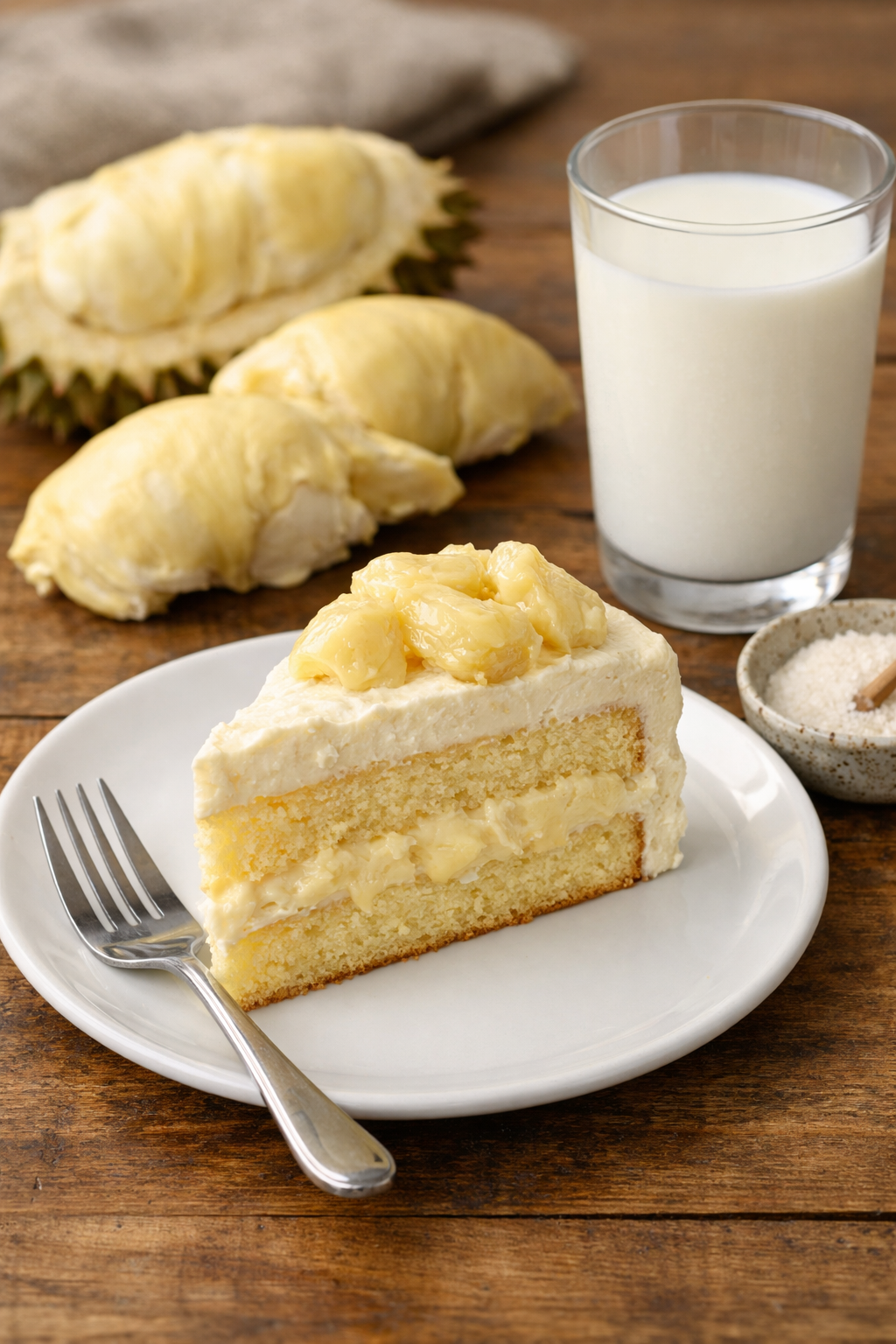
Welcome to the Amazing World of Durian Cake
I still remember the first time I walked into a Southeast Asian bakery and caught a whiff of something unusual. Sweet yet pungent. Creamy yet sharp. That was my introduction to durian cake, and honestly, I wasn’t sure what to think. My friend grabbed my arm and said, “You have to try this.” I took one bite and my taste buds went on a rollercoaster ride I’ll never forget.
Welcome to my blog! Today, I’m excited to share with you the unique and delectable world of durian cake. This dessert isn’t your average vanilla or chocolate treat. It’s bold, memorable, and definitely not for the faint of heart. But here’s the thing: once you get past any initial hesitation, you might just discover your new favorite dessert.
Durian, often called the “king of fruits,” has a distinct flavor that can be quite polarizing. Some people cross the street to avoid it. Others travel miles just to get a taste. But when it comes to durian cake, many find it irresistibly delicious. The baking process somehow transforms this controversial fruit into something magical.
In this post, we’ll explore what makes durian cake so special. I’ll cover its taste, the ingredients that go into making it, and where you can find or make it yourself. Whether you’re in Sydney or Melbourne, Vietnam or Malaysia, or just curious about this unique dessert, I’ve got you covered.
What Does Durian Cake Taste Like?
Let’s start with the big question: What does durian cake taste like? I get asked this all the time, and it’s not easy to answer. The flavor is complex and layered in ways that surprise most people.
The flavor of durian cake is rich, creamy, and slightly sweet, with a hint of bitterness and a unique aroma. It’s a blend of custard, caramel, and a touch of sulfur, making it a truly unique dessert experience. I know that sounds weird, but trust me on this one.
When you bite into a slice of moist durian cake, the first thing you notice is the creamy texture. It melts on your tongue like butter. The sweetness hits next, but it’s not overwhelming. It’s balanced and sophisticated. Then comes that signature durian flavor – earthy, slightly funky, and utterly addictive if you give it a chance.
Think of it this way: if vanilla is the safe choice and chocolate is the popular kid, durian is the mysterious exchange student everyone talks about. It brings something completely different to the table.
The aroma is another story. I won’t lie to you – durian has a strong smell. Some describe it as onion-like or garlicky. Others say it smells like gym socks mixed with caramel. But here’s the surprising part: in cake form, the smell mellows out significantly. The baking process tames the wild beast while keeping all the delicious flavor.
If you’re still wondering, “What does durian cake taste like?” imagine a custard tart that went on an adventure and came back with stories to tell. The fruit’s natural creaminess makes it perfect for desserts. When combined with butter, eggs, and sugar, it creates a flavor profile that’s simultaneously familiar and exotic.
The texture deserves its own mention. A well-made durian pound cake is incredibly soft and tender. It practically dissolves in your mouth. The durian flesh adds moisture that keeps the cake from drying out, even days after baking. That’s why a moist durian cake recipe isn’t hard to achieve – the fruit does half the work for you.
Why Durian Is So Controversial
Before we go further, let’s address the elephant in the room. Why is durian so controversial? The answer lies in its powerful presence.
Durian doesn’t do anything halfway. Its smell is strong enough that it’s banned in many hotels, public transportation systems, and airports across Southeast Asia. Signs with a crossed-out durian are as common as no-smoking signs in some countries. That’s quite a reputation for a fruit.
The taste divides people into two camps: those who love it passionately and those who can’t stand it. There’s rarely a middle ground. Scientists say this might be genetic, similar to how some people taste soap when they eat cilantro. Your DNA might determine whether durian tastes like heaven or something far less pleasant.
But here’s what I’ve learned: durian cake can win over skeptics who hate the fresh fruit. The cooking process changes the game completely. Heat mellows the pungent notes while amplifying the sweet, creamy characteristics. I’ve seen durian-haters become cake-lovers more times than I can count.
The controversy also stems from texture. Fresh durian has a custard-like, almost mushy consistency that some find off-putting. But in cake form, this same quality becomes an asset. It creates moisture and richness that bakers dream about.
Finding and Making Your Own Durian Cake
Now that you know what you’re in for, let’s talk about actually getting your hands on some durian cake.
If you’re searching for “durian cake near me,” your best bet is Asian bakeries and specialty dessert shops. In cities with large Southeast Asian communities, you’ll have better luck. Durian cake Sydney and durian cake Melbourne searches will turn up several options in those Australian cities, where Asian cuisine thrives.
In Vietnam, durian cake Vietnam style often comes as a light, fluffy sponge cake or a durian cake roll. These versions are typically less dense than Western-style pound cakes. They’re perfect with Vietnamese coffee or tea.
Malaysian bakeries offer their own take on durian cake Malaysia style, often incorporating pandan or coconut for extra flavor dimension. The cakes there tend to be incredibly moist and rich, sometimes almost pudding-like in texture.
For the adventurous, you might find 3D durian cake creations at specialty bakeries. These artistic masterpieces are shaped and decorated to look like actual durians. They’re popular for birthdays and celebrations, adding a fun visual element to the unique taste.
Making your own is easier than you might think. A basic durian pound cake recipe follows the same principles as any pound cake. You just fold in durian flesh where you’d normally add flavoring. The fruit’s natural fat content means you might need slightly less butter than usual.
The key to a successful moist durian cake recipe is not overbaking. The durian keeps everything tender, but too much time in the oven will dry it out just like any other cake. Check for doneness a few minutes earlier than you would with a standard recipe.

Getting Your Hands Dirty: What Is Durian Cake Made Of?
So you’re ready to actually make one of these things? Good for you! Let me walk you through what goes into creating this masterpiece.
What is durian cake made of? At its heart, this dessert is surprisingly straightforward. You need durian flesh (obviously), eggs, sugar, all-purpose flour, butter, and maybe a touch of vanilla extract. That’s basically it. The magic happens in how these simple ingredients come together.
The star of the show is the durian itself. You want ripe durian – and I mean properly ripe. Not the kind that’s still firm and underwhelming. You’re looking for durian that’s soft, fragrant, and ready to eat straight from the shell. In my experience, the best durian for baking comes from varieties like Musang King or D24. These have that perfect balance of sweetness and that signature durian funk.
Here’s something I learned the hard way: quality matters more with durian than almost any other ingredient I’ve worked with. I once tried making a cake with mediocre frozen durian from a random grocery store. The result was bland and disappointing. My grandmother would have been horrified. When I splurged on fresh, premium durian from an Asian market, the difference was like night and day.
The eggs do the heavy lifting structurally. They bind everything together and give the cake that tender crumb we’re after. I typically use large eggs at room temperature – cold eggs don’t incorporate as smoothly. Sugar balances the durian’s natural complexity and helps create that beautiful golden crust. Butter adds richness, though honestly, durian is already pretty rich on its own. The flour provides structure without overwhelming the delicate durian flavor.
Some bakers add a pinch of salt to enhance the flavors. Others throw in a splash of coconut milk for extra moisture and a subtle tropical note. I’ve seen recipes that include cream cheese for tang or condensed milk for sweetness. Speaking of creative cake variations, the way you can transform simple ingredients reminds me of how versatile something like poke cake with condensed milk can be – same basic concept, totally different execution.
Making Your First Moist Durian Cake Recipe
Alright, let’s get practical. I’m going to share my go-to durian pound cake recipe that’s foolproof even if you’ve never baked with this fruit before.
First things first: prep your durian. You’ll need about one cup of fresh durian flesh, seeds removed. Mash it up with a fork until it’s relatively smooth but still has some texture. Don’t blend it into baby food – those little chunks add character.
Cream together one cup of softened butter with one and a quarter cups of sugar. Beat them until they’re light and fluffy, which takes longer than you think. I usually go for about five minutes with my electric mixer. This step is crucial for getting that tender texture we’re after. It’s similar to the technique you’d use for a classic savoy cake, where proper creaming makes all the difference.
Add four eggs one at a time, beating well after each addition. This is where patience pays off. If you dump them all in at once, your batter might curdle, and nobody wants that. Mix in your mashed durian flesh along with a teaspoon of vanilla extract.
In a separate bowl, whisk together two cups of all-purpose flour, two teaspoons of baking powder, and a quarter teaspoon of salt. Gradually fold this into your wet ingredients. And I mean fold, not beat. Overmixing develops gluten and makes your cake tough instead of tender.
Pour the batter into a greased nine-inch loaf pan. I like to line mine with parchment paper for easy removal. Bake at 350°F for about fifty to sixty minutes. The exact time depends on your oven – they all have their quirks. You’re looking for a golden-brown top and a toothpick that comes out mostly clean with maybe a few moist crumbs.
Here’s my secret for an extra moist durian cake recipe: don’t overbake it. Check it at the fifty-minute mark. The cake will continue cooking a bit as it cools, so pulling it out when it’s just barely done keeps it from drying out.
Let it cool in the pan for fifteen minutes, then turn it out onto a wire rack. The hardest part? Waiting until it’s completely cool before slicing. I know the smell is driving you crazy, but warm cake falls apart. Trust me on this.
Creative Variations Worth Trying
Once you’ve mastered the basic version, the world opens up. There are so many ways to play with this concept.
The durian cake roll is probably my favorite variation. It’s lighter than a pound cake, which some people prefer. You make a thin sponge cake, spread it with whipped cream mixed with durian flesh, then roll the whole thing up like a jellyroll. The spiral looks gorgeous when you slice it, and the ratio of cake to filling is perfect.
For a cake roll, you need a lighter batter than what I described above. Use the same eggs and sugar amounts, but reduce the flour to three-quarters of a cup and skip the butter entirely. The durian provides enough moisture. Spread the thin batter on a lined baking sheet and bake at 375°F for just twelve to fifteen minutes. While it’s still warm, roll it up in a clean kitchen towel to set the shape. Once cooled, unroll it, spread your filling, and roll it back up properly.
By the way, if you’re into impressive desserts, a 3D durian cake takes things to another level entirely. These sculptural creations require more advanced skills, honestly. You’re basically carving and shaping cake layers, then covering everything in fondant or buttercream textured to look like durian skin. I attempted one for my cousin’s birthday last year. It took me six hours and looked… well, let’s just say it tasted better than it looked. But the birthday girl loved it, and that’s what mattered.
The artistic challenge of a 3D cake reminds me of the visual impact you get with something like a cookies n cream ice cream cake – both are about creating that “wow” moment when you bring it to the table.
Another fun variation I’ve experimented with involves adding chocolate. I know, I know – sounds weird. But trust me, dark chocolate and durian share some flavor compounds that make them surprisingly compatible. Add a quarter cup of cocoa powder to your basic recipe and reduce the flour slightly. The result is complex and sophisticated, kind of like hot cakes molten chocolate in terms of that luxurious chocolate experience, but with that distinctive durian twist.
Tracking Down Durian Cake in Your City
Maybe you’re thinking, “This all sounds great, but I’d rather buy one than make it myself.” Fair enough. Let me help you with that.
If you’re searching “durian cake near me,” start with Asian bakeries in your area. Not just any Asian bakery though – you want specifically Southeast Asian ones. Chinese bakeries sometimes carry it, but Vietnamese, Malaysian, and Thai bakeries are your best bet.
In durian cake Sydney, there’s a thriving scene. Cabramatta and Bankstown both have excellent options. I’ve heard wonderful things about several bakeries there that specialize in Southeast Asian desserts. The Vietnamese community in Sydney is strong, which means authentic durian cake Vietnam style is relatively easy to find.
For durian cake Melbourne, head to Richmond or Footscray. These neighborhoods have concentrated Asian populations and the bakeries to match. I visited Melbourne two years ago and found this tiny bakery – I wish I could remember the name – that made the most incredible durian chiffon cake. Light as air but packed with flavor.
The durian cake Malaysia you’ll find in Malaysian restaurants and bakeries tends to be richer and denser. Malaysians don’t mess around with their durian. They take it seriously, almost reverently. The cakes there often include coconut milk and pandan, adding extra layers of tropical flavor.
In durian cake Vietnam establishments, expect something lighter and less sweet than Malaysian versions. Vietnamese desserts generally use less sugar than Western ones, letting the natural flavors shine through. The cakes are often served with strong Vietnamese coffee, which cuts through the richness beautifully.
Funny enough, I’ve found that calling ahead helps tremendously. Many bakeries don’t make durian cake daily because it’s not as popular as their other offerings. But if you call the day before and ask them to set one aside, they’re usually happy to accommodate. Some will even make it fresh for you if you order in advance.
In the USA, your success depends heavily on where you live. Cities with large Southeast Asian populations – like Houston, Los Angeles, Seattle, or parts of New York – will have more options. Smaller cities might leave you out of luck, which is when making your own becomes the better option.
Here’s a pro tip: check Instagram and Facebook for local Asian bakeries. Many smaller operations advertise only through social media. Search hashtags like #duriancake combined with your city name. You might discover hidden gems that don’t show up in regular Google searches.
Understanding Why Durian Remains Such a Divisive Fruit
Before we wrap up, let’s dig a little deeper into something I’ve touched on but want to really explore: Why is durian so controversial? This question comes up constantly, and honestly, it deserves more than just a surface-level answer.
The controversy around durian isn’t new or trendy. It’s been going on for centuries. When I first started researching this fruit years ago, I stumbled across travel journals from European explorers in the 1800s. These guys described durian with words like “repugnant” and “intolerable.” But then, in the very next sentence, they’d admit it tasted like heaven. That contradiction has defined durian’s reputation ever since.
The smell is obviously the main culprit. That strong, pungent odor genuinely does remind people of rotten onions mixed with gym socks. I’m not exaggerating or trying to be funny – those are the actual comparisons people make. Scientists have studied this, and they’ve identified volatile sulfur compounds in durian that are also found in things like onions, garlic, and yes, decomposing organic matter. Not exactly appetizing when you put it that way.
But here’s what fascinates me: the smell and taste are completely different experiences. Your nose might be screaming “danger,” while your taste buds are throwing a party. This disconnect confuses people. We’re evolutionarily wired to trust our sense of smell when it comes to food safety. When something smells off, we instinctively avoid it. Durian violates this basic survival instinct.
I remember taking my friend Sarah to try durian for the first time at an Asian market in my neighborhood. She literally gagged when she caught the smell from across the produce section. I convinced her to at least taste a tiny piece. She held her nose, put a small chunk in her mouth, and her eyes went wide. “Wait, this is actually delicious?” she said, completely baffled. That’s durian in a nutshell – defying expectations at every turn.
The controversy also runs deeper than just smell. There’s a cultural divide that’s hard to ignore. In Southeast Asia, durian is revered. It’s called the “king of fruits” for good reason. People there grow up with it, eating it seasonally, celebrating durian harvests like festivals. My friend from Malaysia told me her family would drive hours to specific farms just to get particular varieties when they came into season. The fruit holds emotional and cultural significance that goes way beyond taste.
Meanwhile, in Western countries, durian is exotic, strange, often presented as a novelty or a dare. “Can you handle the world’s smelliest fruit?” You see it in those YouTube challenge videos where people try foods from around the world. This framing as something shocking or extreme doesn’t do the fruit any favors with people who might actually enjoy it given a fair chance.
Despite its polarizing reputation, durian actually offers nutritional benefits that many people don’t know about. It’s packed with vitamins, minerals, and beneficial compounds. The fruit contains significant amounts of vitamin C, potassium, and fiber. Some research even suggests compounds in durian may offer immune system support, though more studies are needed. I’m not saying it’s a superfood or anything like that, but it’s certainly more than just a weird-smelling oddity.
The ban situation adds another layer to the controversy. When a fruit is literally prohibited in hotels, airports, and public transportation across multiple countries, that creates mystique. These aren’t arbitrary rules either – the smell genuinely permeates spaces and lingers. I stayed at a hotel in Singapore once that had signs everywhere warning about durian. Breaking the rule could result in hefty fines. That kind of regulatory attention makes durian seem more dangerous or extreme than it really is.
Texture plays a role too, though people talk about this less. Fresh durian has this creamy, custard-like consistency that some people find absolutely perfect while others find it uncomfortably mushy. There’s no crunch, no bite – just this soft, yielding flesh that coats your mouth. If you’re someone who prioritizes texture in food, durian might not work for you even if you can get past the smell.
Interestingly, the way durian is consumed matters enormously. Eating it fresh from the shell is the most intense experience – maximum smell, full flavor, pure texture. But when you bake it into cakes, something magical happens. The heat transforms those volatile compounds. The smell mellows. The flavor concentrates and sweetens. The texture becomes part of a larger whole rather than the main event. This is why I’ve seen so many durian-haters become fans of durian cake specifically.
Funny enough, even British royalty had specific cake preferences, though durian wasn’t involved. Speaking of which, what was Queen Elizabeth’s favorite cake? According to royal sources, she was particularly fond of chocolate biscuit cake, made with rich tea biscuits and dark chocolate. The recipe came from her childhood, and she reportedly requested it for special occasions throughout her reign. No tropical fruits, no exotic flavors – just a simple, nostalgic chocolate cake. Different strokes for different folks, right?
The Queen’s preference for familiar, comforting flavors actually highlights something important about food: we all have different comfort zones. For someone who grew up in England eating traditional British desserts, durian would be completely outside that framework. But for someone raised in Thailand or Malaysia, durian is comfort food. It’s what grandma made. It’s childhood memories and family gatherings.
One thing I’ve learned through my baking adventures is that expanding your palate takes time and often repeated exposure. The first time I tried durian, I thought it was weird but not terrible. The second time, I started appreciating certain flavor notes. By the fifth or sixth time, I genuinely loved it. Now I seek it out whenever I can. That gradual acceptance process is normal and valid.
If you’re still on the fence about trying durian cake, I’d encourage you to start there rather than with fresh fruit. The cake format is gentler, more approachable. It’s durian with training wheels. You get the essence of the flavor without the full sensory assault. From there, if you enjoy it, you can work your way toward the fresh stuff.
The controversy will probably never fully go away, and honestly, I think that’s okay. Not every food needs universal acceptance. The world would be boring if we all liked the same things. What matters is being open-minded enough to give something a fair shot, and respectful enough to understand why others might feel differently. Whether you end up loving durian or hating it, at least you’ll have formed your own educated opinion.
By the way, if you’re exploring different flavors and techniques, you might find inspiration in browsing through various cakes and cupcakes recipes. Sometimes seeing how other bakers approach unique ingredients sparks your own creativity in the kitchen.
If you’ve made it this far in the article, you’re clearly curious about durian cake, and that curiosity is all you need to start your own durian adventure. Whether you end up baking one yourself using that moist durian cake recipe I shared, hunting down durian cake near me, or planning a trip to try authentic durian cake Malaysia or durian cake Vietnam, the journey is half the fun. Give it a shot with an open mind and remember that even if it’s not for you, at least you’ll have a great story to tell.
Common Questions About Durian Cake Answered
What does durian cake taste like?
Durian cake tastes rich, creamy, and subtly sweet with complex flavor notes reminiscent of custard and caramel. The baking process mellows the fruit’s pungent characteristics while highlighting its natural sweetness. You’ll notice a buttery, almost custardy texture that melts on your tongue. The flavor is sophisticated and layered, nothing like the one-dimensional sweetness you get from vanilla or chocolate. If you’ve never tried durian before, the cake version is definitely the friendliest introduction.
What is durian cake made of?
The basic ingredients for durian cake include fresh durian flesh, eggs, sugar, all-purpose flour, and butter. Some recipes add vanilla extract, coconut milk, or condensed milk for extra flavor and moisture. The durian itself acts as both flavoring and a moistening agent, which is why these cakes turn out so tender. Quality matters significantly – fresh, ripe durian from good varieties like Musang King produces far better results than frozen or lower-grade options. The simplicity of the ingredients lets the durian really shine through.
Why is durian so controversial?
Durian is controversial primarily because of its extremely strong smell, which many people find off-putting or even repulsive. The odor contains sulfur compounds similar to those in onions and garlic, creating that pungent aroma. However, the taste is completely different from the smell – creamy, sweet, and delicious to many people. This disconnect between smell and taste confuses people and creates strong reactions. Cultural differences also play a role, as durian is beloved in Southeast Asia but often treated as a novelty or challenge in Western countries.
What was Queen Elizabeth’s favorite cake?
Queen Elizabeth’s favorite cake was reportedly chocolate biscuit cake, a no-bake dessert made with rich tea biscuits and dark chocolate. The recipe originated from her childhood and remained a favorite throughout her life. She often requested it for special occasions and celebrations at the palace. The cake is relatively simple but rich and indulgent, reflecting traditional British baking sensibilities. It’s quite different from exotic options like durian cake, showing how personal taste in desserts varies widely across cultures and individuals.
Can I use frozen durian for baking?
Yes, you can definitely use frozen durian for baking, and it’s often more convenient than sourcing fresh fruit. Just make sure to thaw it completely and drain any excess liquid before incorporating it into your batter. Frozen durian works particularly well for cakes because the texture changes during freezing don’t matter as much when it’s mashed and mixed in. The flavor remains strong and distinctive. However, fresh durian will always give you slightly better results if you have access to high-quality fruit.
How long does durian cake stay fresh?
A properly stored durian cake will stay fresh for about three to four days at room temperature, or up to a week in the refrigerator. The high moisture content from the durian actually helps keep it from drying out quickly. I recommend wrapping it tightly in plastic wrap or storing it in an airtight container to prevent it from absorbing other flavors. You can also freeze durian cake for up to three months – just wrap it well and thaw it at room temperature when you’re ready to eat. It holds up remarkably well to freezing.
Is durian cake healthier than regular cake?
Durian cake isn’t necessarily healthier than regular cake in terms of calories or sugar content, but it does offer some nutritional benefits from the fruit itself. Durian contains vitamins C and B, potassium, fiber, and beneficial plant compounds. However, cake recipes still include butter, sugar, and flour, which add significant calories. Think of it as a slightly more nutritious indulgence rather than a health food. The natural richness of durian means you might be satisfied with a smaller portion compared to other cakes.
Where can I buy fresh durian for baking?
Fresh durian is typically available at Asian grocery stores, particularly those serving Southeast Asian communities. Look for stores specializing in Thai, Malaysian, or Vietnamese products. The fruit is seasonal, so availability varies throughout the year – peak season is usually summer months. You can also find frozen durian flesh year-round in the freezer section of Asian markets. Some online specialty fruit retailers ship fresh durian, though it can be expensive. Call ahead to check availability since not all Asian markets carry it regularly.
Can people with nut allergies eat durian cake?
Durian is actually a fruit, not a nut, so people with tree nut allergies can typically eat durian cake safely. However, always check specific recipe ingredients since some versions might include almond flour or other nut products. If you have severe allergies, it’s worth noting that durian has never been conclusively linked to cross-reactivity with tree nut allergies. Still, if you’re trying it for the first time and have food allergies, start with a small amount and consult your doctor if you have concerns. Individual reactions can vary.
Why does my durian cake smell so strong while baking?
The strong smell during baking is completely normal and comes from the volatile compounds in durian being released by heat. Your entire kitchen will probably smell like durian while the cake bakes – there’s no way around it. The good news is that the smell dissipates significantly once the cake cools, and the finished product is much milder than what you experience during baking. Opening windows and running your ventilation fan helps. Many bakers find that the smell while baking is actually stronger than the smell of the finished cake itself.
Equipment
- Mixing Bowls
- Electric Mixer
- Loaf Pan (9-inch)
- Wire Rack
- Parchment Paper
Ingredients
- 1 cup fresh durian flesh seeds removed
- 1 cup unsalted butter softened
- 1.25 cups sugar
- 4 large eggs at room temperature
- 2 cups all-purpose flour
- 2 teaspoons baking powder
- 0.25 teaspoon salt
- 1 teaspoon vanilla extract optional
Instructions
- Prep the durian by mashing it with a fork until smooth but textured.
- Cream together the softened butter and sugar until light and fluffy (about 5 minutes).
- Add eggs one at a time, beating well after each addition.
- Mix in the mashed durian flesh and vanilla extract.
- In a separate bowl, whisk together flour, baking powder, and salt.
- Gradually fold the dry ingredients into the wet mixture without overmixing.
- Pour the batter into a greased 9-inch loaf pan lined with parchment paper.
- Bake at 350°F (175°C) for 50-60 minutes until golden brown and a toothpick comes out mostly clean.
- Let the cake cool in the pan for 15 minutes, then turn it out onto a wire rack to cool completely.
Notes
Nutrition

Hello! I’m Sarah Mitchell, and I’m passionate about bringing creativity and innovation to baking. My love for baking started in high school when I first tried my hand at decorating cupcakes for a class project. What began as a fun hobby quickly became a full-time passion. I’ve spent the past decade working in bakeries and dessert shops, honing my skills in everything from simple cookies to intricate wedding cakes.
After working in some of the top bakeries across the country, I realized that baking was about more than just following recipes — it was about infusing your personality into each creation. At BakingSecret.com, I love creating recipes that push boundaries while staying true to the heart of classic baking. I specialize in creating delicious and visually stunning pastries that will wow your guests.
When I’m not baking, I enjoy teaching baking classes, trying out new cake decoration techniques, and traveling to find inspiration in global dessert traditions. I’m so excited to share my tips and tricks with you to help elevate your baking game!