
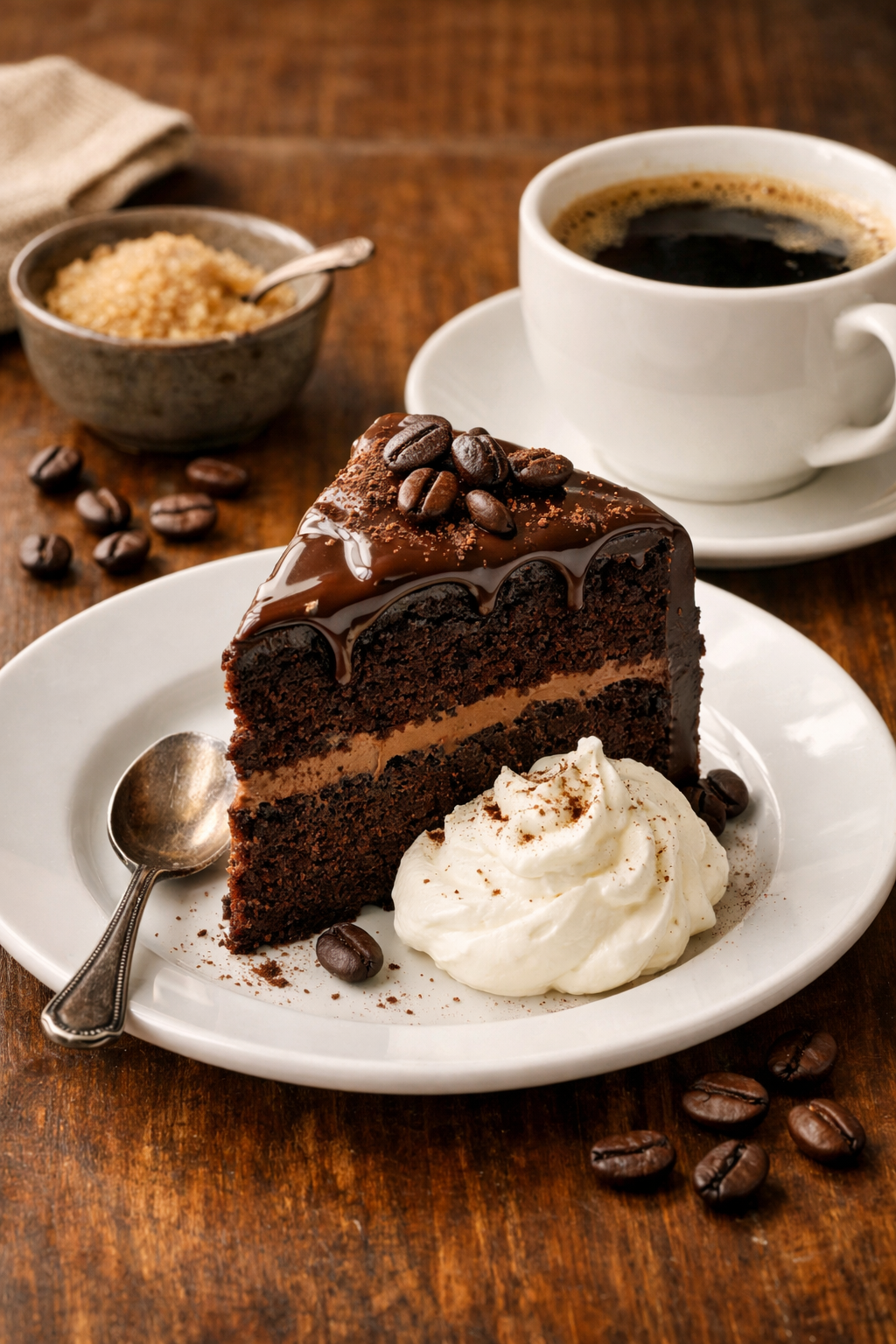
I still remember the first time I tasted chocolate coffee cake at my neighbor’s weekend brunch. One bite and I was hooked. The rich chocolate flavor mixed with that subtle hint of coffee created something magical on my taste buds. Since that day, I’ve been on a mission to perfect my own version, and I’m thrilled to share everything I’ve learned with you.
Welcome to my kitchen, where we’re about to explore the amazing world of chocolate coffee cake. Whether you’re a seasoned baker or just starting out, this post will guide you through creating the perfect chocolate coffee cake from scratch. I’ll share some easy recipes, tips for making it moist, and even a few variations like the chocolate coffee cake bundt and dark chocolate coffee cake recipe. Let’s get baking!
What is a Chocolate Coffee Cake?
Let me clear up a common mix-up right away. When people hear “coffee cake,” many think of a cake flavored with coffee. But traditionally, a coffee cake is simply a cake meant to be enjoyed alongside your morning cup of coffee. Now add chocolate into the mix, and you’ve got something special. A chocolate coffee cake combines the best of both worlds.
This treat has roots in European baking traditions, particularly from Germany and Scandinavia. Bakers would create sweet cakes with crumbly toppings to pair with afternoon coffee or tea. When chocolate became more accessible in the 19th century, creative bakers started adding cocoa to their recipes. The result was pure genius.
The beauty of this cake lies in its versatility. Some versions use coffee as an actual ingredient to enhance the chocolate flavor. Others stick to the traditional definition and simply make a chocolate cake perfect for serving at breakfast or brunch. Either way works beautifully.
What makes chocolate coffee cake stand out from regular chocolate cake? The texture plays a big role. Most coffee cakes have a tender, slightly dense crumb that holds up well next to a hot beverage. They’re not as light and fluffy as birthday cakes. Instead, they’re sturdy enough to dunk without falling apart.
The flavor profile sets it apart too. A good chocolate coffee cake recipe balances sweetness with depth. The chocolate shouldn’t overpower everything. When coffee is added to the batter, it doesn’t make the cake taste like coffee. Instead, it amplifies the chocolate notes and adds complexity. Trust me on this one.
Coffee cake lovers appreciate the streusel topping that often crowns these cakes. That buttery, cinnamon-spiced crumble adds texture and extra sweetness. When you add chocolate chips or cocoa to the streusel, you create little pockets of melted chocolate heaven. My kids fight over the corner pieces because they get more topping.
These cakes work for any occasion. I’ve served them at morning gatherings, afternoon tea parties, and even as a casual dessert after dinner. They’re less formal than a frosted layer cake but more special than a basic snack cake. That middle ground makes them incredibly useful.
The chocolate coffee cake bundt variation deserves special mention. Bundt pans create beautiful cakes with minimal effort. The distinctive ring shape means more surface area for a glaze or dusting of powdered sugar. Plus, bundt cakes look impressive even though they’re actually quite simple to make.
Why do dessert lovers keep coming back to this cake? It satisfies multiple cravings at once. You get your chocolate fix, a tender cake texture, often a crunchy topping, and sometimes nuts or chocolate chips throughout. It’s a complete package in one slice.
The cake also adapts well to different chocolate intensities. A dark chocolate coffee cake recipe uses deep, bittersweet chocolate for grown-up tastes. Meanwhile, milk chocolate versions appeal to kids and anyone who prefers sweeter treats. You control the flavor intensity based on your cocoa choice.
Making a moist chocolate coffee cake isn’t difficult once you know the tricks. The coffee ingredient actually helps. Liquid coffee or dissolved espresso powder adds moisture without making the cake soggy. Sour cream, yogurt, or buttermilk also contribute to that perfect tender crumb everyone loves.
I’ve tested both chocolate coffee cake recipes from scratch and versions using a box mix as a base. Both have their place. From-scratch recipes give you complete control over ingredients and flavors. Box mix versions save time and still taste delicious with a few simple additions. No judgment here about which route you choose.
The unique combination of flavors makes this cake memorable. Chocolate provides richness and comfort. Coffee adds depth and sophistication. Brown sugar in the topping brings caramel notes. Cinnamon offers warmth. Butter ties everything together with its creamy taste. Each component supports the others.
Different cultures have put their spin on chocolate coffee cake. An Indian chocolate coffee cake recipe might include cardamom or use condensed milk for extra richness. French versions often feature a glossy ganache or use almond flour for a delicate texture. Each interpretation brings something new to the table.
The cake stays fresh for several days when stored properly. This makes it perfect for meal prep or baking ahead for guests. The flavors actually improve after a day as everything melds together. I often bake mine the night before serving.
Whether you’re looking for a simple weekday treat or an impressive brunch centerpiece, chocolate coffee cake delivers. It’s forgiving for beginners yet offers room for experienced bakers to experiment. The combination of chocolate and coffee creates something greater than the sum of its parts. That’s the real magic behind this beloved cake.

How to Make the Perfect Chocolate Coffee Cake
Now that you understand what makes these cakes so special, let’s roll up our sleeves and actually make one. I’ve broken down the process into different approaches depending on your skill level and time constraints. Trust me, there’s a perfect method here for everyone.
Chocolate Coffee Cake Recipe from Scratch
Making a chocolate coffee cake recipe from scratch gives you complete control over every flavor. Here’s what worked best for me after countless attempts.
For the cake itself, you’ll need all-purpose flour (about 2 cups), unsweetened cocoa powder (half a cup), baking powder, baking soda, and salt for your dry ingredients. The wet ingredients include eggs, granulated sugar, brown sugar, vegetable oil or melted butter, vanilla extract, and here’s the secret weapon—strong brewed coffee. I use about a cup of coffee that’s cooled to room temperature. You’ll also want sour cream or full-fat yogurt for richness.
The streusel topping requires butter, brown sugar, flour, cinnamon, and sometimes chopped nuts or chocolate chips. I learned the hard way that cold butter works better than melted for achieving that perfect crumbly texture.
Here’s how I put it all together. First, preheat your oven to 350°F and grease a 9×13 inch pan thoroughly. Mix all your dry ingredients in one bowl and whisk them together so the cocoa powder doesn’t clump. In another bowl, beat the eggs with both sugars until the mixture looks slightly lighter in color. This takes about three minutes with a hand mixer.
Add your oil or melted butter to the egg mixture, then stir in the vanilla and sour cream. Here comes the fun part—alternate adding the dry ingredients and the coffee to your wet mixture. Start and end with the dry ingredients, mixing just until combined. I usually do dry, coffee, dry, coffee, dry. Overmixing here creates a tough cake, so stop as soon as you don’t see flour streaks anymore.
Pour half the batter into your prepared pan. Sprinkle some of your streusel over it, then add the remaining batter and top with the rest of the streusel. This creates those amazing pockets of topping throughout the cake. Bake for about 45 minutes, or until a toothpick inserted in the center comes out with just a few moist crumbs.
The texture secret? Don’t overbake. The cake continues cooking slightly as it cools. I pull mine out when it still looks barely underdone in the very center. By the way, similar to techniques I use for my carrot bundt cake recipe, testing doneness takes practice and varies by oven.
Easy Chocolate Coffee Cake Recipe
Some days you just don’t have time for measuring out ten different ingredients. That’s where a chocolate coffee cake recipe easy version saves the day.
The simplest approach uses a chocolate cake mix as your base. Pick a good quality mix, then doctor it up with instant espresso powder, an extra egg for richness, and swap the water for strong coffee. Replace the oil with melted butter if you really want to elevate it. These small changes transform a basic box mix into something that tastes homemade.
I sometimes fold in chocolate chips or a handful of mini chocolate chips right into the batter. Nobody ever guesses this started from a box. Add a simple streusel topping made from just butter, brown sugar, flour, and cinnamon, and you’ve got an impressive cake in under an hour total time.
Another time-saver involves making the batter the night before and refrigerating it. The next morning, just pour it into your pan, add the topping, and bake. The flavors actually develop more overnight, giving you better results with zero morning effort.
Moist Chocolate Coffee Cake Recipe
Nothing disappoints quite like a dry cake. Creating a moist chocolate coffee cake recipe requires understanding what keeps cakes tender.
Coffee itself is moisture magic. The liquid adds wetness, obviously, but it also enhances how we perceive the chocolate flavor, making the whole cake taste richer and more luxurious. I dissolve instant espresso powder directly into my wet ingredients sometimes instead of brewing actual coffee. Either method works beautifully.
Fat is your friend here. Full-fat sour cream, whole milk yogurt, or buttermilk add tanginess and moisture. These acidic ingredients also react with baking soda to create a tender crumb. Don’t even think about using low-fat versions—the full-fat products make all the difference.
Oil versus butter is an ongoing debate in my kitchen. Oil produces moister cakes that stay soft longer. Butter adds more flavor. My compromise? Use half of each. You get the best of both worlds this way.
Here’s something I wish someone had told me years ago—don’t overbake. Check your cake five minutes before the recipe suggests. Ovens vary wildly, and that extra five minutes can mean the difference between moist and dry. The cake should spring back lightly when touched but still look slightly underdone in the very center.
Room temperature ingredients matter more than most people realize. Cold eggs and dairy don’t mix as smoothly with other ingredients, creating a denser batter that bakes unevenly. I set everything out about an hour before baking. If I forget, I warm eggs in a bowl of warm water for five minutes.
Variations and Creative Twists
Once you’ve mastered the basic cake, experimenting becomes the fun part. A dark chocolate coffee cake recipe uses Dutch-processed cocoa powder or melted dark chocolate for intensity. I add an extra tablespoon of instant espresso and reduce the sugar slightly to let the chocolate shine. This version tastes sophisticated and pairs wonderfully with afternoon tea, much like the elegant presentation you’d see with cake flowers at a fancy gathering.
The chocolate coffee cake bundt transforms the same batter into an impressive centerpiece. Bundt pans require thorough greasing—I mean every single ridge and crevice. Use butter or shortening, then dust with cocoa powder instead of flour for chocolate cakes. After baking, let the cake cool in the pan for exactly fifteen minutes before inverting. Too soon and it falls apart; too long and it sticks.
A French chocolate coffee cake recipe typically includes almond flour for a delicate, slightly European texture. Sometimes I add a touch of orange zest or swap half the coffee for strong black tea. The French tend to glaze their cakes with a simple chocolate ganache rather than using streusel toppings.
Funny enough, chocolate coffee cake nigella refers to recipes from British food writer Nigella Lawson, who has several chocolate cake recipes incorporating coffee. Her approach often includes unexpected ingredients like bourbon or uses mayonnaise for moisture. I tried her technique of adding a shot of espresso to chocolate frosting, and now I can’t imagine frosting without it.
For celebrations, I’ve adapted techniques from making isabelle pineapple cake to create layered versions with cream cheese frosting between the layers. The coffee in the cake cuts through the frosting’s sweetness perfectly.
You could even create a hybrid dessert experience similar to a custom cookie cake by pressing a chocolate cookie crust into the bottom of your pan before adding the cake batter.
What is the most famous chocolate cake in the world? That distinction probably goes to the Austrian Sachertorte, a dense chocolate cake with apricot filling and chocolate glaze created in Vienna in 1832. Though our coffee cake differs in style, both celebrate chocolate’s ability to create memorable desserts that span generations and cultures.
Frequently Asked Questions About Chocolate Coffee Cake
Over the years, I’ve gotten tons of questions about chocolate coffee cake—from curious flavor combinations to storage tips. Let me share the answers to the most common questions that land in my inbox. Some of these might surprise you.
What is Kamala Harris’ favorite cake?
This question pops up more often than you’d think. What is Kamala Harris’ favorite cake? According to several interviews and family stories, the Vice President has mentioned her love for German chocolate cake, particularly the version her mother used to make. It’s a coconut-pecan frosted delight that holds sentimental value for her. While not exactly a coffee cake, it shares that same homey, comforting quality that makes chocolate cakes so beloved. I find it fascinating how certain cakes connect us to our childhood and family traditions. My grandmother’s chocolate cake recipe still means more to me than any fancy bakery version ever could. That emotional connection to baked goods is something special we all share, regardless of our background or where life takes us.
Why is it called depression cake?
Here’s an interesting piece of baking history. Depression cake earned its name during the Great Depression of the 1930s when ingredients like eggs, butter, and milk were scarce or too expensive for most families. Creative home bakers developed recipes that worked without these staples, using vinegar and baking soda for leavening instead of eggs, and water or coffee in place of milk. The cake was also called “wacky cake” or “crazy cake” because the method seemed bizarre—you’d make wells in the dry ingredients and pour liquids directly into the pan. Despite the humble origins, these cakes actually taste surprisingly good. I’ve made modern versions that are accidentally vegan, and honestly, they’re moister than some traditional recipes. The resourcefulness of those Depression-era bakers teaches us that limitations can spark incredible creativity in the kitchen. Understanding these historical culinary techniques reminds us that great baking doesn’t always require expensive ingredients or complicated methods.
Can I use a box mix for a chocolate coffee cake?
Absolutely, and there’s zero shame in it. A chocolate coffee cake from box mix can taste just as delicious as from-scratch versions when you know the tricks. I actually keep a couple of chocolate cake mixes in my pantry for those last-minute baking emergencies. The key is enhancing the mix with a few smart additions. Swap the water for strong brewed coffee—this deepens the chocolate flavor dramatically. Add an extra egg for richness and a better texture. Use melted butter instead of oil for more flavor, or do half and half. Stir in a tablespoon of instant espresso powder and maybe some mini chocolate chips. Top it with a homemade streusel made from butter, brown sugar, flour, and cinnamon. These simple modifications transform a basic box mix into something that tastes homemade. I’ve served these at gatherings where people begged for my “secret recipe,” and I just smiled and thanked them. Sometimes the smartest approach is working smarter, not harder.
How can I make a chocolate coffee cake with Indian flavors?
Creating a chocolate coffee cake recipe indian style opens up a world of aromatic possibilities. I learned this approach from a friend who grew up in Mumbai, and it completely changed how I think about spicing chocolate cakes. Start with your basic chocolate coffee cake recipe, then add ground cardamom—about half a teaspoon gives a wonderful fragrance without overpowering the chocolate. Some bakers include a pinch of cinnamon and nutmeg too. You could replace some of the liquid with condensed milk for extra richness and sweetness, which is popular in Indian desserts. Chopped pistachios or cashews work beautifully in the streusel topping instead of walnuts or pecans. A few strands of saffron soaked in warm milk and added to the batter creates an luxurious version perfect for special occasions. I’ve even seen versions that incorporate rose water or orange blossom water for a floral note. The combination of chocolate, coffee, and cardamom is genuinely magical—warm, complex, and totally unexpected. These flavor bridges between cultures make baking so exciting to explore.
What are some other popular variations of chocolate cakes?
The chocolate cake family tree is massive and delicious. Beyond our coffee cake, you’ve got classic layer cakes with buttercream frosting, which are birthday party staples. Molten lava cakes have that gooey center that oozes out when you cut into them—restaurant favorites for good reason. Flourless chocolate cakes use ground nuts or just eggs and chocolate for an intensely rich, gluten-free option. Devil’s food cake is the American cousin, typically darker and moister with a reddish tint from extra baking soda. Black forest cake combines chocolate layers with cherries and whipped cream, a German classic. Texas sheet cake is a thin, large-format cake with a poured chocolate icing that sets as it cools—perfect for feeding crowds. Chocolate pound cake offers a denser, buttery texture that’s perfect with just a dusting of powdered sugar. Lava cakes, whoopie pies, chocolate mug cakes for single servings—the list goes on and on. Each variation serves a different purpose and occasion, which is why chocolate cake never gets boring.
By the way, if you’re looking to expand your baking repertoire beyond chocolate coffee cake, I’ve discovered that experimenting with different cakes and cupcakes really builds your confidence and skills in the kitchen. Each recipe teaches you something new about flavor combinations and baking techniques.
How do I store chocolate coffee cake to keep it moist?
Storage makes or breaks leftover cake. For short-term storage up to three days, I keep my moist chocolate coffee cake covered tightly at room temperature. Use plastic wrap directly on the cut edges, then cover the whole cake with foil or a cake dome. This prevents it from drying out. If your kitchen runs hot or humid, refrigeration works better, but let slices come to room temperature before serving since cold cake tastes less flavorful. For longer storage, this cake freezes beautifully for up to three months. Wrap individual slices in plastic wrap, then place them in a freezer bag. You can grab a single serving whenever a craving hits. Thaw frozen slices at room temperature for about an hour, or warm them in the microwave for twenty seconds. The streusel topping might soften slightly when frozen and thawed, but the flavor remains excellent. I’ve even frozen whole cakes before adding glazes or toppings, which gives you flexibility for decorating later.
Can I make chocolate coffee cake ahead of time?
Yes, and actually, these cakes often taste better the next day. The flavors meld together as the cake sits, and the texture becomes even more tender. I frequently bake mine the evening before serving. Let it cool completely, then cover it well and leave it at room temperature overnight. For events several days away, bake it, let it cool, wrap it thoroughly, and refrigerate. Bring it back to room temperature a few hours before serving. You can also prepare the batter and streusel separately, refrigerate them overnight, then assemble and bake the next morning. This spreads out the work and actually enhances flavor development. The make-ahead friendliness is one reason I choose this cake for brunch gatherings when I’m already juggling multiple dishes. Less morning stress means I actually enjoy hosting instead of hiding in the kitchen.
What’s the difference between Dutch-processed and natural cocoa powder?
This matters more than most people realize. Natural cocoa powder is acidic and lighter in color, with a sharper, fruitier chocolate flavor. It reacts with baking soda to help cakes rise. Dutch-processed cocoa has been treated with an alkalizing agent, making it neutral in pH, darker in color, and milder in flavor with earthy, smooth notes. For a dark chocolate coffee cake recipe, I prefer Dutch-processed because it gives that deep, sophisticated chocolate taste. However, you need to adjust your leavening agents since it won’t react with baking soda the same way. Most recipes specify which type to use. If yours doesn’t mention it, natural cocoa is usually the safer bet. I keep both in my pantry because they’re not always interchangeable. When I want an intense, dark chocolate cake, Dutch-processed is my choice. For lighter, more traditional chocolate cakes, natural cocoa works beautifully.
Why does coffee enhance chocolate flavor?
The science behind this is genuinely cool. Coffee doesn’t make chocolate taste like coffee when used in the right proportions. Instead, it amplifies the existing chocolate flavors, making them taste more intense and complex. Both coffee and chocolate contain similar compounds that trigger our taste receptors. When combined, they enhance each other—kind of like how salt makes sweet things taste sweeter. The coffee acts as a flavor enhancer, bringing forward chocolate notes that might otherwise stay in the background. This is why a chocolate cake recipe with coffee and cocoa powder tastes richer than one with just cocoa and water or milk. You only need a small amount to make a difference. Even people who don’t drink coffee won’t taste it in the cake; they’ll just notice the chocolate seems more chocolatey. This trick works in chocolate frosting, brownies, and chocolate cookies too.
What nuts work best in chocolate coffee cake streusel?
Honestly, this comes down to personal preference, but I have favorites. Pecans offer a buttery, sweet flavor that complements chocolate without competing. Walnuts provide a slightly bitter, earthy note that balances the sweetness nicely. Almonds give a delicate crunch and mild flavor. Hazelnuts pair beautifully with chocolate—there’s a reason Nutella exists. For an Indian-inspired version, pistachios or cashews add a different dimension entirely. I usually chop nuts medium-fine, not too small or they disappear, not too large or they fall off the cake. Toasting nuts before adding them to streusel intensifies their flavor significantly. Just five minutes in a 350°F oven makes a noticeable difference. Sometimes I skip nuts entirely if I’m serving people with allergies, and the cake still tastes fantastic. The streusel’s buttery, cinnamon-sugar combination carries the topping even without nuts.
Can I make this cake gluten-free or dairy-free?
You absolutely can with a few substitutions. For gluten-free versions, replace all-purpose flour with a good quality gluten-free flour blend that includes xanthan gum. Bob’s Red Mill and King Arthur both make reliable blends. The texture might be slightly more delicate, but it works well. For dairy-free chocolate coffee cake, use coconut oil or vegetable oil instead of butter in the cake itself. Replace sour cream or yogurt with coconut yogurt or dairy-free sour cream. Use a dairy-free milk if the recipe calls for it. The streusel topping needs dairy-free butter or coconut oil—I’ve had good results with both. Make sure your chocolate chips are dairy-free if you’re adding those. The coffee component is naturally dairy-free and gluten-free, so that part stays simple. I won’t pretend these substitutions produce identical results to the original, but they come remarkably close. Several friends with dietary restrictions have told me they couldn’t tell the difference, which made me ridiculously happy.
After all this talk about chocolate and coffee, I hope you’re feeling inspired to get into your kitchen and create something delicious. Whether you choose a simple box mix version for a quick weekday treat or spend an afternoon crafting a chocolate coffee cake recipe from scratch, you’re in for something special. The wonderful thing about baking is that even so-called failures usually still taste pretty good, and each attempt teaches you something new. So grab your mixing bowl, brew some coffee—for the cake and for yourself—and let’s make some magic happen. Happy baking, and I can’t wait to hear about your chocolate coffee cake adventures!
Equipment
- Mixing bowls
- Whisk
- Hand mixer
- 9x13 inch baking pan
- Measuring cups and spoons
Ingredients
- 2 cups all-purpose flour
- 0.5 cups unsweetened cocoa powder
- 1 teaspoon baking powder
- 1 teaspoon baking soda
- 0.5 teaspoon salt
- 2 large eggs
- 1 cup granulated sugar
- 0.5 cup brown sugar
- 0.5 cup vegetable oil or melted butter
- 1 teaspoon vanilla extract
- 1 cup strong brewed coffee (cooled to room temperature)
- 1 cup sour cream or full-fat yogurt
Instructions
- Preheat your oven to 350°F and grease a 9x13 inch pan thoroughly.
- In one bowl, mix all dry ingredients: flour, cocoa powder, baking powder, baking soda, and salt.
- In another bowl, beat the eggs with both sugars until the mixture looks lighter in color (about three minutes).
- Add the oil or melted butter, vanilla, and sour cream to the egg mixture and combine.
- Alternate adding the dry ingredients and the cooled coffee to the wet mixture, starting and ending with dry ingredients.
- Pour half the batter into the prepared pan and sprinkle some of the streusel topping over it.
- Add the remaining batter and top with the rest of the streusel.
- Bake for about 45 minutes, or until a toothpick inserted in the center comes out with moist crumbs.