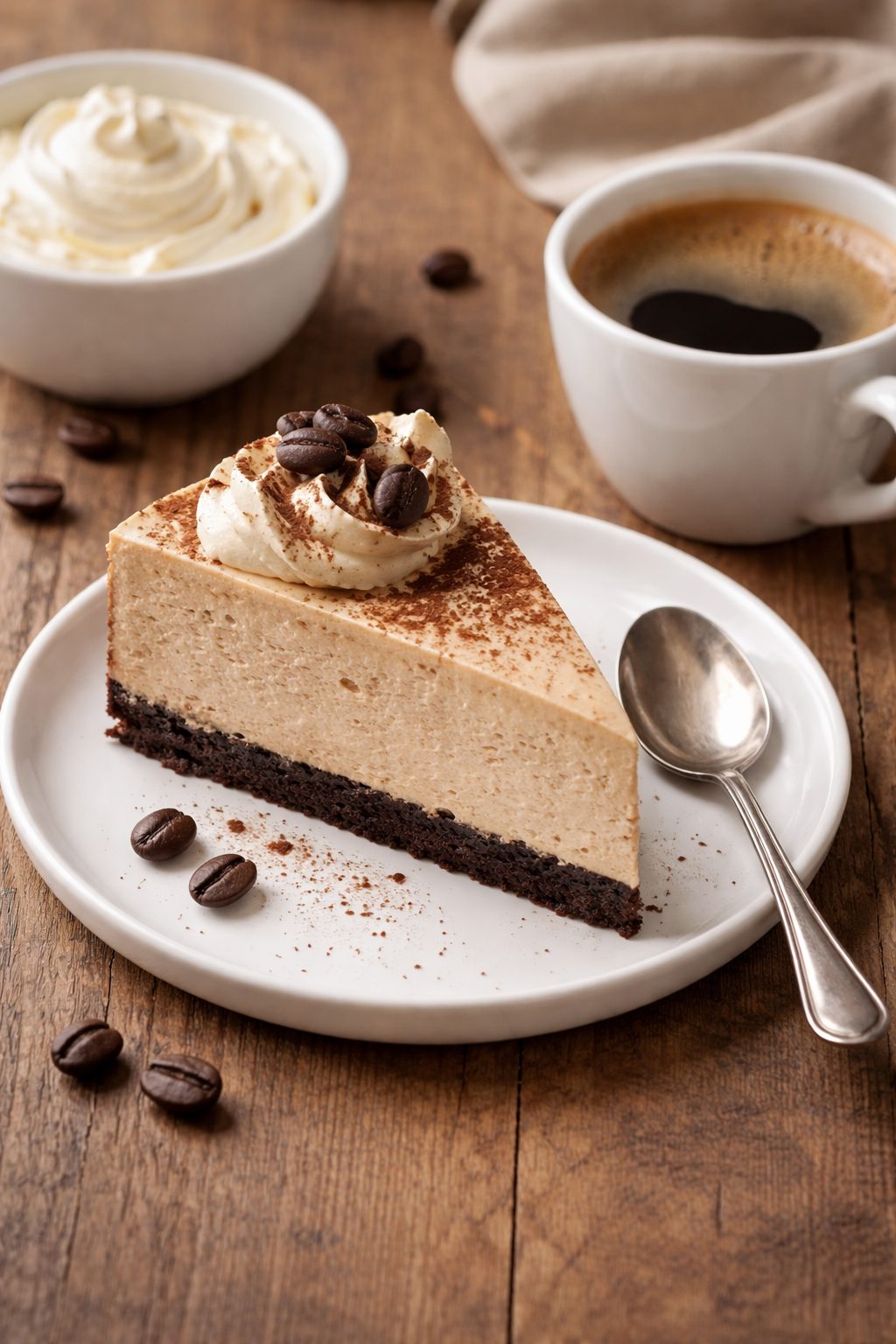
I’ll never forget the first time I tasted coffee cheesecake at a little café in Seattle. One bite and I was hooked. The smooth, creamy texture mixed with that bold coffee flavor made my taste buds sing. I knew right then I had to learn how to make it at home. After years of testing different methods and recipes, I’ve found what works best. Now I’m sharing all my secrets with you.
Coffee cheesecake brings together two things people can’t get enough of: rich, velvety cheesecake and the warm kick of coffee. It’s the dessert that wins over everyone at dinner parties. Coffee lovers get their fix in dessert form. Cheesecake fans discover a whole new level of flavor. Even people who say they don’t like coffee often change their minds after trying this.
The best part? Making coffee cheesecake at home is easier than you think. You don’t need fancy equipment or pastry school training. Just good ingredients, a little patience, and the right technique. I’ll walk you through every step so you can create something amazing in your own kitchen.
The Basics of Making a Classic Coffee Cheesecake
Let’s start with what you’ll need for a classic coffee cheesecake. The ingredient list is pretty simple, but each item plays an important role.
For the crust, grab these items:
- 2 cups of graham cracker crumbs (or chocolate cookie crumbs if you want extra richness)
- 1/4 cup of sugar
- 1/2 cup of melted butter
For the filling, you’ll need:
- 32 ounces of cream cheese (that’s four 8-ounce packages), softened to room temperature
- 1 cup of sugar
- 4 large eggs
- 1 cup of sour cream
- 1/4 cup of strong brewed coffee, cooled
- 2 tablespoons of instant espresso powder
- 1 teaspoon of vanilla extract
- 1/4 cup of heavy cream
The instant espresso powder is my secret weapon. It gives you that deep coffee flavor without adding too much liquid to the batter. Regular coffee alone won’t cut it.
Now let’s build this beauty from the ground up. Start with your crust. Mix the graham cracker crumbs, sugar, and melted butter in a bowl until everything looks like wet sand. Press this mixture firmly into the bottom of a 9-inch springform pan. I use the bottom of a measuring cup to really pack it down. Pop the pan in the freezer while you make the filling. This helps the crust stay put.
Here’s where many people mess up: the cream cheese needs to be truly soft. Leave it out on your counter for at least an hour before you start. Cold cream cheese creates lumps that won’t go away no matter how much you beat it.
Beat the cream cheese on medium speed until it’s smooth and fluffy. This takes about 3 minutes. Add the sugar and beat until well mixed. Now add the eggs one at a time. After each egg, stop and scrape down the sides of the bowl. This step matters more than you think.
Mix the instant espresso powder with the cooled brewed coffee until it dissolves completely. Add this to your cream cheese mixture along with the sour cream, vanilla, and heavy cream. Beat on low speed just until everything comes together. Don’t overmix at this stage. Too much air in the batter causes cracks later.
Pour the filling over your chilled crust. Tap the pan gently on the counter a few times to release any air bubbles. Wrap the outside of your springform pan with heavy-duty aluminum foil. This protects it in the water bath.
Yes, you need a water bath. I know it seems like extra work, but this technique keeps your cheesecake from cracking and drying out. Place your wrapped pan in a larger roasting pan. Put both in the oven, then carefully pour hot water into the roasting pan until it comes halfway up the sides of the springform pan.
Bake at 325°F for about 75 minutes. The center should still jiggle slightly when you gently shake the pan. It will firm up as it cools. Turn off the oven and crack the door open. Let the cheesecake sit in the cooling oven for an hour. This gradual temperature change prevents cracks.
After an hour, take the cheesecake out and remove it from the water bath. Let it cool on a wire rack to room temperature. Then cover it with plastic wrap and refrigerate for at least 6 hours. Overnight is even better. A chilled coffee cheesecake slices beautifully and tastes amazing.
Here are my top tips for cheesecake success:
- Use room temperature ingredients. Everything mixes better and you’ll avoid lumps.
- Don’t open the oven door during baking. Temperature changes cause cracks.
- Run a thin knife around the edge as soon as you remove the cheesecake from the oven. This prevents the top from pulling and cracking as it cools.
- Be patient with chilling time. A warm cheesecake will fall apart when you slice it.
Variations to Try: Kahlua and Baileys Coffee Cheesecake
Once you master the basic coffee cheesecake, it’s time to have some fun. Adding liqueurs takes this dessert to a whole new level. My two favorite versions are kahlua coffee cheesecake and baileys coffee cheesecake. Both add incredible depth and richness.
Kahlua coffee cheesecake has become my go-to for adult gatherings. The coffee liqueur doubles down on that coffee flavor while adding subtle notes of vanilla and rum. It’s smooth, sophisticated, and just a little boozy in the best way possible.
To make a kahlua coffee cheesecake, replace 1/4 cup of the sour cream in the basic recipe with Kahlua. You can also reduce the brewed coffee to 2 tablespoons and add 2 tablespoons of Kahlua instead. This keeps the liquid balance right while adding that signature flavor.
For a baileys coffee cheesecake, swap 1/4 cup of the heavy cream with Baileys Irish Cream. The combination of coffee and that creamy, slightly sweet liqueur tastes like a fancy latte in cheesecake form. I sometimes add a tablespoon of cocoa powder to the filling too. It complements the Baileys perfectly.
Want to go all out? Make a triple coffee cheesecake. Use strong brewed coffee, instant espresso powder, and Kahlua all in one recipe. This creates layers of coffee flavor that keep people guessing what makes it so good. The recipe for triple coffee cheesecake is basically the standard one with all three coffee elements maxed out.
The alcohol in these liqueurs doesn’t fully bake off because cheesecake cooks at a low temperature. Keep this in mind if you’re serving kids or anyone avoiding alcohol. But for everyone else, that little boozy kick makes these versions extra special.
Adding liqueurs also helps with texture. The alcohol keeps the cheesecake slightly softer and more luscious. Your coffee lovers cheesecake will slice like a dream and melt on the tongue.
You can even make coffee cheesecake bars using these variations. Just use an 9×13 inch pan instead of a springform pan. Cut the baking time to about 45 minutes. Bars are perfect for potlucks and parties because they’re easier to serve.

Special Diets and Preferences: Keto and Chilled Coffee Cheesecake
Now that we’ve covered the boozy versions, let me tell you about something that changed the game for my sister. She went keto two years ago and thought her cheesecake days were over. Wrong. Coffee cheesecake keto style is absolutely possible, and honestly? It tastes just as good as the original.
The beautiful thing about cheesecake is that it’s already pretty low-carb at its core. Cream cheese and eggs are keto staples. The real challenge is replacing the sugar and graham cracker crust. But I’ve figured out solutions that work like magic.
For a keto-friendly crust, forget the graham crackers. Instead, I mix two cups of almond flour with three tablespoons of melted butter, two tablespoons of a granulated sweetener like erythritol or monk fruit, and a pinch of cinnamon. Press it into your pan the same way you would a traditional crust. The texture is slightly different, but it’s nutty and delicious in its own right. Some people use crushed pecans or walnuts mixed with butter too. That works great if you want a deeper, richer base.
The filling needs sugar swaps. I replace the cup of sugar with a cup of powdered erythritol. The powdered form dissolves better than granular sweeteners and won’t leave a gritty texture. Keep everything else mostly the same: your cream cheese, eggs, sour cream (full-fat, of course), heavy cream, brewed coffee, and espresso powder. The instant espresso powder is naturally carb-free, so that stays put.
Here’s what I do differently with keto versions. I add an extra tablespoon of heavy cream because keto sweeteners can sometimes make the texture slightly less creamy. That bit of extra fat balances everything out perfectly. The baking process stays identical to the regular version. Water bath, low and slow baking, gradual cooling. All of it matters just as much.
My sister actually prefers her coffee cheesecake keto now. She says the coffee flavor comes through even stronger without all that sugar getting in the way. And since the whole thing is high-fat and low-carb, she can enjoy a generous slice without derailing her diet. Win-win.
Speaking of variations, let’s talk about chilled coffee cheesecake. This is perfect for summer or anytime you want something lighter and more refreshing. No baking required, which means your kitchen stays cool and you save time. If you’ve ever made a strawberry cheesecake without baking, you already know how simple no-bake versions can be.
For a chilled coffee cheesecake, I start with the same graham cracker crust or keto almond flour crust. Press it into your pan and refrigerate it while you make the filling. The filling is where things get interesting. Beat together your softened cream cheese with sugar (or keto sweetener) until fluffy. Dissolve instant espresso powder in a tiny bit of hot water, let it cool, then mix it in. Add a teaspoon of vanilla extract and fold in some whipped heavy cream. That whipped cream is what makes it light and airy instead of dense.
The ratio I use is one cup of heavy cream whipped to stiff peaks for every 16 ounces of cream cheese. Beat your cream cheese mixture separately, then gently fold the whipped cream in by hand. Don’t use your mixer for this part or you’ll deflate all those lovely air bubbles. Pour this over your crust and refrigerate for at least four hours. Six is better.
Storing chilled cheesecakes is actually easier than baked ones. They’re more stable in the fridge and don’t crack or weep as easily. Cover the top loosely with plastic wrap, making sure it doesn’t touch the surface. You can also use a cake dome if you have one. These keep for about five days in the refrigerator, though they never last that long at my house.
When serving, I like to top chilled versions with fresh whipped cream and a dusting of cocoa powder or instant espresso. You could also drizzle some chocolate sauce or caramel. Actually, if you want to get fancy with presentation, try techniques similar to what you’d use for cheesecake brulee, minus the torching part since the chilled version needs to stay cool.
For the Coffee Aficionados: Triple Coffee Cheesecake and Coffee Lover’s Cheesecake
Okay, this is where we separate the casual coffee drinkers from the true devotees. Triple coffee cheesecake isn’t just a fancy name. It’s a deliberate layering of different coffee elements to create something complex and extraordinary.
What makes it special? You’re using coffee in three distinct forms, each contributing something unique. First, there’s strong brewed coffee, which gives you that familiar, comforting coffee taste. Second, instant espresso powder adds concentrated coffee intensity without extra liquid. Third, you incorporate coffee extract (yes, it exists, and it’s incredible) or Kahlua for a deeper, almost caramelized coffee note.
I stumbled onto this technique by accident. I was making regular coffee cheesecake and knocked over my bottle of coffee extract into the batter. Instead of starting over, I tasted it and nearly cried with joy. The depth of flavor was unreal. Now I do it on purpose.
For the recipe for triple coffee cheesecake, use the basic formula but modify the liquid components. Add three tablespoons of brewed espresso, two tablespoons of instant espresso powder dissolved in two tablespoons of hot water, and two tablespoons of coffee extract or Kahlua. Reduce your sour cream slightly to compensate for the extra liquid. This creates layers of flavor that hit different parts of your palate at different times.
The first taste gives you the bright, familiar coffee flavor. Then the deeper espresso notes kick in. Finally, that lingering coffee extract creates a finish that stays with you. It’s like the difference between a simple iced coffee and a carefully crafted pour-over. Both are coffee, but one has dimension.
By the way, coffee lover’s cheesecake takes this even further. I add finely ground coffee beans directly into the batter. Not instant coffee, but actual ground beans. About two tablespoons mixed into the filling gives you subtle texture and an extra punch of coffee flavor. The tiny bits of ground coffee throughout the cheesecake create little bursts of intensity.
You can also fold in chocolate-covered espresso beans chopped into small pieces. This adds crunch and makes every bite a little different. Some bites are smooth and creamy, others have that satisfying crunch and intense coffee hit. It keeps things interesting.
Another trick for enhancing coffee flavor? Brush your cooled crust with a tablespoon of coffee liqueur before adding the filling. This soaks into the crust and adds another layer of flavor from the bottom up. Similar to how fruit no-bake cheesecakes work, like this cherry cheesecake recipe no bake where the fruit layer adds dimension.
Here’s something I learned from a barista friend: the roast level of your coffee matters. Light roasts have brighter, more acidic notes. Dark roasts are bold and slightly bitter. Medium roasts sit comfortably in the middle. For cheesecake, I prefer medium to dark roasts. They complement the richness of the cream cheese better. Light roasts can taste a bit sharp against all that dairy.
You can also experiment with flavored coffees. A hazelnut coffee cheesecake is divine. French vanilla coffee adds subtle sweetness. I’ve even made one with coconut-flavored coffee that tasted like vacation in dessert form. Though if you really want to explore coconut flavors in cheesecake, check out this coconut cheesecake for inspiration.
Temperature matters when you’re brewing coffee for your cheesecake too. Never use piping hot coffee directly in your batter. It can start to cook the eggs or melt your cream cheese in weird ways. Always let your brewed coffee cool to room temperature first. I usually make it the night before and leave it in the fridge.
One more thing for the true coffee fanatics: try using cold brew concentrate instead of regular brewed coffee. Cold brew is smoother and less acidic, which some people prefer in desserts. It also has a naturally sweet quality that works beautifully with cheesecake. Mix two tablespoons of cold brew concentrate with two tablespoons of water, and you’re set.
Easy and Quick: Coffee Cheesecake Bars and Thermomix Recipes
Here’s the thing about traditional round cheesecakes: they’re gorgeous, but they’re not exactly portable. Last summer, I needed to bring dessert to my nephew’s baseball tournament. A whole cheesecake in a springform pan wasn’t going to work in a cooler surrounded by juice boxes and sandwiches. That’s when coffee cheesecake bars saved the day.
Making bars instead of a round cake is basically the same process, just with different geometry. You’ll use a 9×13 inch baking pan instead of a springform pan. Line it with parchment paper, leaving some overhang on the sides. This creates handles that let you lift the whole thing out after it’s chilled. Trust me, this makes cutting so much easier.
The ingredient proportions stay mostly the same, but I increase everything by about 50 percent to fill the larger pan properly. So instead of 32 ounces of cream cheese, use 48 ounces. Adjust your sugar, eggs, and coffee components accordingly. The crust needs more too. I go with three cups of graham cracker crumbs, a third cup of sugar, and three-quarters cup of melted butter.
The baking time changes significantly though. Bars cook faster because they’re thinner. Check them after 35 minutes. You want that same gentle jiggle in the center. They’ll likely be done around 40 to 45 minutes. Everything else about the cooling process stays the same. Turn off the oven, crack the door, let them cool gradually. Then refrigerate for at least six hours.
Once they’re completely chilled, grab those parchment paper handles and lift the whole slab onto a cutting board. Use a long, sharp knife, and here’s my trick: wipe the blade clean with a damp towel between every single cut. This keeps your edges neat and professional-looking. Cut them into squares or rectangles, whatever size you want. I usually go for 24 bars from a 9×13 pan.
Coffee cheesecake bars are perfect for parties, bake sales, or when you just want portion control built in. They stack nicely in containers too. I layer them with parchment paper between each level and they transport like champions.
Now, if you own a Thermomix, you’re in for a treat. The coffee cheesecake thermomix method streamlines everything. I resisted getting one for years because I thought it was just an expensive gadget. Then my best friend let me borrow hers for a week. Game changer.
The Thermomix excels at getting cream cheese perfectly smooth without overmixing. You add your room temperature cream cheese and sugar, blend on speed 4 for about 30 seconds, then scrape down and blend again. The precision of the machine means no lumps, ever. Add your eggs one at a time through the hole in the lid while it’s running on speed 3. Then add your coffee mixture, sour cream, and cream. Another 20 seconds on speed 4 and you’re done.
The advantage here is temperature control and consistency. The Thermomix mixes everything evenly without incorporating too much air. Too much air creates cracks, remember? This machine somehow finds that sweet spot automatically. The texture comes out incredibly silky every time.
You still need to bake it the traditional way with a water bath and all that. The Thermomix just handles the mixing part. But that’s often where people struggle most, so having a foolproof method for that step alone is worth it.
For the recipe for coffee cheesecake using a Thermomix, follow the same ingredient list from the basic recipe. The only difference is the mixing method. Cream cheese and sugar first, then eggs, then liquids. Scrape down between each addition even though the Thermomix is thorough. Those last little bits stuck to the sides matter.
When serving bars at gatherings, presentation matters. I like to place each bar on a small square of parchment paper or in mini cupcake liners. This makes them easy to grab and keeps fingers clean. You can also use small dessert plates and provide forks, but the paper method works better for casual outdoor events.
Stack bars on a tiered serving platter for visual impact. Put different toppings on different bars so people can choose their favorite. Some with whipped cream, some with chocolate drizzle, some plain. Variety makes everything more exciting.
Finishing Touches: Toppings and Garnishes
A naked cheesecake is still delicious, don’t get me wrong. But the right coffee cheesecake topping takes it from homemade to bakery-worthy. I’ve tested dozens of combinations over the years, and I’m sharing what actually works.
The classic approach is sweetened whipped cream. Beat heavy cream with a tablespoon of powdered sugar and half a teaspoon of vanilla until stiff peaks form. Pipe it around the edges or spread it over the top. Dust with cocoa powder or instant espresso powder for that professional touch. Simple, elegant, always appreciated.
Chocolate ganache is another winner. Heat half a cup of heavy cream until it just starts to simmer, then pour it over eight ounces of chopped dark chocolate. Let it sit for a minute, then stir until smooth. Let it cool slightly so it thickens a bit, then pour it over your chilled cheesecake. The ganache will set as it cools, creating a glossy, gorgeous finish. The bitterness of dark chocolate plays beautifully against the coffee and cream cheese.
Funny enough, my mother-in-law suggested putting chocolate-covered espresso beans on top, and I thought it would be too much. I was wrong. Arrange them in a circle around the edge or scatter them across the top. They add crunch, extra coffee punch, and they look impressive. People always ask about them.
Caramel sauce is probably my favorite topping though. The sweetness balances the coffee’s slight bitterness perfectly. You can buy good quality caramel sauce, but making it yourself is easier than you think and tastes way better.
Here’s how I make caramel sauce that’s actually foolproof. Put one cup of sugar in a heavy-bottomed saucepan over medium heat. Don’t stir it. Just let it sit there. It’ll start melting and turning golden around the edges. Once that happens, you can gently swirl the pan to help it melt evenly. Keep watching. It’ll go from clear to amber pretty quickly.
When it reaches a deep amber color, remove it from heat and carefully add half a cup of heavy cream. It’ll bubble up violently, so stand back a bit. Stir it with a wooden spoon until smooth. Add two tablespoons of butter and a pinch of salt. Stir until the butter melts completely. Let it cool before using. This sauce keeps in the fridge for two weeks. Just warm it gently before drizzling.
Drizzle the caramel in a crosshatch pattern over the top of your cheesecake. Or create a pool of caramel on each plate and set a slice on top. Both presentations look restaurant-quality.
Fresh whipped cream flavored with a tablespoon of Kahlua makes an excellent topping for kahlua coffee cheesecake. It reinforces that coffee liqueur flavor without overwhelming anything. Same principle applies to baileys coffee cheesecake with Baileys-spiked cream.
Chopped nuts add texture. Toasted pecans or walnuts work well with coffee flavors. Toast them in a dry skillet for a few minutes until fragrant, let them cool, then chop roughly and sprinkle over your whipped cream or ganache. By the way, considering meal balance throughout your day means you can absolutely enjoy a slice of this rich dessert when you’ve planned your other meals thoughtfully.
For something completely different, try a cream cheese frosting. Beat four ounces of softened cream cheese with two cups of powdered sugar, two tablespoons of softened butter, and a teaspoon of vanilla. Spread this over your chilled cheesecake. It sounds like overkill, cream cheese on cream cheese, but it creates this amazing tangy-sweet layer that people go crazy for.
Shaved chocolate makes an elegant garnish. Use a vegetable peeler on a chocolate bar to create delicate curls. Scatter them over the top right before serving. They catch the light and look fancy without any real effort.
Coffee-flavored whipped cream is another option I love. Dissolve a teaspoon of instant espresso powder in a tablespoon of hot water, let it cool, then beat it into your heavy cream along with sugar. The result is subtle coffee flavor in every bite of topping.
For holidays, I sometimes add a seasonal twist. A sprinkle of cinnamon and nutmeg in fall. Crushed peppermint candies during winter if I’m feeling adventurous, though that’s admittedly not everyone’s cup of tea. Fresh berries in summer provide a bright contrast to the rich coffee flavor.
The key is not overdoing it. Your cheesecake is already flavorful and rich. The topping should complement, not compete. When in doubt, go simple. Quality ingredients presented beautifully always impress more than complicated, fussy decorations.
One last thing about garnishing: think about color contrast. Coffee cheesecake is usually light brown to tan. White whipped cream, dark chocolate, golden caramel, and bright red berries all pop visually against that base. A beautiful dessert tastes even better because we eat with our eyes first.
If you’re really into experimenting with different cheesecake recipes, you’ll find that these topping techniques work across different flavors and styles, so mastering them now gives you skills you’ll use again and again.
Making coffee cheesecake at home gives you something special to share with people you care about. Whether you go traditional, add liqueurs, make it keto-friendly, or turn it into portable bars, you’re creating something that brings joy. The smell of coffee, the creaminess of cheesecake, the satisfaction of making it yourself—it all comes together into one perfect dessert. So pick your favorite version from this article, gather your ingredients, and just start. You’ve got this.
Frequently Asked Questions
Can I use decaf coffee in my cheesecake?
Absolutely. Decaf works perfectly in coffee cheesecake if you want the flavor without the caffeine kick. Use the same measurements as regular coffee. The instant espresso powder usually has more caffeine, so if you want it completely caffeine-free, look for decaf instant espresso or just use decaf brewed coffee and skip the instant powder. The flavor will be slightly less intense but still delicious. I make decaf versions for evening dinner parties all the time.
How do I store leftover coffee cheesecake?
Cover your cheesecake tightly with plastic wrap or aluminum foil and keep it in the refrigerator. It’ll stay fresh for about five to seven days. Make sure your fridge isn’t too cold or the texture can get weird. Around 38-40°F is perfect. You can also freeze cheesecake for up to two months. Wrap individual slices in plastic wrap, then in foil, and store in a freezer bag. Thaw overnight in the fridge before serving.
Is there a way to make a no-bake coffee cheesecake?
Yes, and I covered this earlier in the article. Beat cream cheese with sugar and dissolved espresso powder, then fold in whipped heavy cream. Pour over a graham cracker crust and refrigerate for at least four hours. No-bake versions are lighter and mousse-like compared to baked cheesecakes. They’re perfect for summer or when you don’t want to heat up your kitchen. The texture is different but equally delicious.
Can I substitute the cream cheese with another type of cheese?
I don’t recommend it. Cream cheese has a specific fat content, texture, and tang that makes cheesecake work. Mascarpone could work in a pinch, but it’s much richer and less tangy, so your result will be different. Ricotta makes the texture grainy. Neufchatel, which is lower-fat cream cheese, works okay but the texture won’t be quite as creamy. For best results, stick with full-fat cream cheese from brands like Philadelphia.
How can I make my coffee cheesecake gluten-free?
The filling is naturally gluten-free, so you only need to change the crust. Use gluten-free graham crackers or make an almond flour crust like I described in the keto section. Mix two cups of almond flour with three tablespoons of melted butter and two tablespoons of sugar or sweetener. Press into your pan and you’re set. You could also use crushed gluten-free cookies or even ground nuts. The rest of the recipe stays exactly the same.
Why did my cheesecake crack on top?
Cracks usually happen from temperature changes or overbaking. Make sure you use a water bath to keep moisture in the oven. Don’t open the oven door while baking. Let the cheesecake cool gradually in the turned-off oven with the door cracked. Also, don’t overbear your batter. Too much air creates cracks as it escapes during baking. And run a knife around the edge right when you take it out so the top doesn’t pull as it cools.
Can I make coffee cheesecake ahead of time?
This is actually the perfect make-ahead dessert. Cheesecake needs to chill for at least six hours anyway, so making it the day before is ideal. It gives the flavors time to develop and makes your party day less stressful. You can make it up to three days in advance. Just keep it covered in the fridge and add toppings right before serving. The flavor actually improves after a day or two.
What’s the best way to cut clean slices?
Use a long, thin knife and dip it in hot water before each cut. Wipe it completely dry, make your cut, then clean the knife and repeat. This keeps the blade from dragging through the creamy filling. Dental floss also works surprisingly well. Hold a piece of unflavored floss taut and press down through the cheesecake. It cuts cleanly without any drag. Pull it out from the side rather than lifting up through the top.
Can I use coffee creamer instead of heavy cream?
I wouldn’t recommend it. Coffee creamer usually has additives, different fat content, and sometimes strange flavors that can affect your cheesecake texture and taste. Heavy cream has the right fat percentage to create that luscious texture. If you absolutely must substitute, use half-and-half, though your cheesecake will be slightly less rich. Stick with heavy cream if you can. It’s worth it.
My cheesecake filling seems too thin. What did I do wrong?
Your cream cheese might have been too soft or you added too much liquid. Make sure you measure your coffee and other liquids accurately. If your batter seems thin, you can add an extra tablespoon of instant espresso powder or a tablespoon of flour, which helps it set without changing the flavor much. Next time, make sure your cream cheese is softened but still holds its shape. If it’s almost liquid from being too warm, it’ll make your batter thin.
Equipment
- Mixing Bowl
- Electric Mixer
- Rubber Spatula
- Roasting Pan
- Aluminum Foil
Ingredients
- 2 cups graham cracker crumbs
- 0.25 cup sugar for crust
- 0.5 cup butter melted
- 32 oz cream cheese softened
- 1 cup sugar for filling
- 4 large eggs
- 1 cup sour cream
- 0.25 cup strong brewed coffee cooled
- 2 tbsp instant espresso powder
- 1 tsp vanilla extract
- 0.25 cup heavy cream
Instructions
- Mix graham cracker crumbs, 1/4 cup sugar, and melted butter in a bowl until it resembles wet sand.
- Press the crumb mixture firmly into the bottom of a 9-inch springform pan.
- Freeze the crust while preparing the filling.
- Ensure cream cheese is at room temperature, then beat it on medium speed until smooth and fluffy (about 3 minutes).
- Gradually add 1 cup of sugar and mix well.
- Add eggs one at a time, mixing well and scraping down the sides after each addition.
- Dissolve instant espresso powder in the cooled brewed coffee and mix it into the cream cheese mixture.
- Add sour cream, vanilla extract, and heavy cream; beat on low until just combined.
- Pour filling over the frozen crust and gently tap the pan to release air bubbles.
- Wrap the outside of the springform pan with aluminum foil to protect it in the water bath.
- Place the wrapped pan in a larger roasting pan and pour hot water into the roasting pan until halfway up the sides of the springform pan.
- Bake at 325°F for about 75 minutes, until the center jiggles slightly.
- Turn off the oven, crack the door open, and let the cheesecake sit in the cooling oven for an hour.
- Remove the cheesecake from the water bath and cool on a wire rack to room temperature.
- Cover with plastic wrap and refrigerate for at least 6 hours (overnight is best).
Notes
Nutrition

Hello! I’m Sarah Mitchell, and I’m passionate about bringing creativity and innovation to baking. My love for baking started in high school when I first tried my hand at decorating cupcakes for a class project. What began as a fun hobby quickly became a full-time passion. I’ve spent the past decade working in bakeries and dessert shops, honing my skills in everything from simple cookies to intricate wedding cakes.
After working in some of the top bakeries across the country, I realized that baking was about more than just following recipes — it was about infusing your personality into each creation. At BakingSecret.com, I love creating recipes that push boundaries while staying true to the heart of classic baking. I specialize in creating delicious and visually stunning pastries that will wow your guests.
When I’m not baking, I enjoy teaching baking classes, trying out new cake decoration techniques, and traveling to find inspiration in global dessert traditions. I’m so excited to share my tips and tricks with you to help elevate your baking game!