
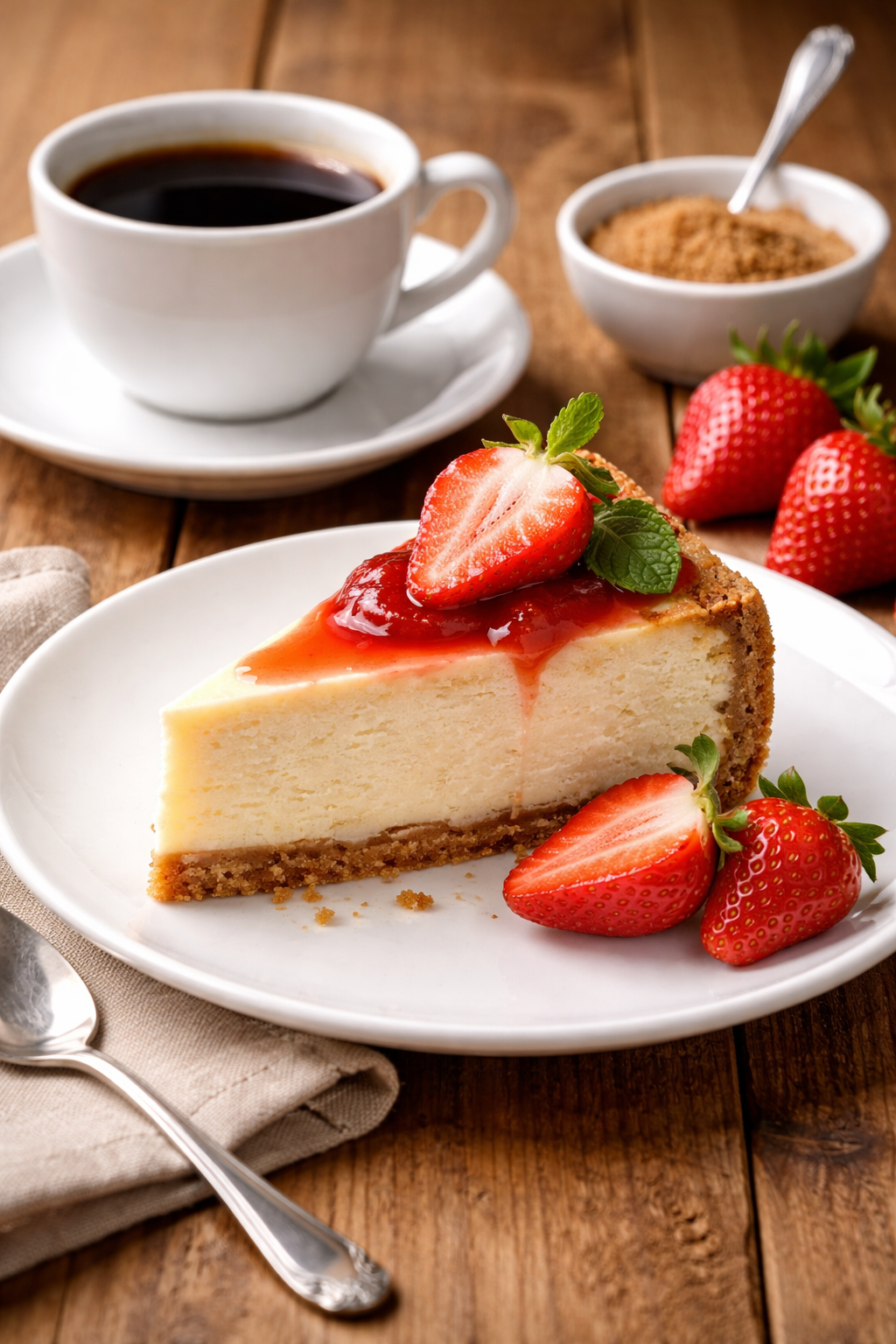
Last summer, I bit into a slice of French cheesecake at a small café in Paris, and my life changed. I know that sounds dramatic, but hear me out. The texture was nothing like the dense, heavy cheesecake I grew up eating in America. This dessert melted on my tongue like a sweet cloud. It was lighter than air but still rich and creamy. I immediately asked the server what made it so special. She smiled and said, “C’est un gâteau au fromage français.” That moment started my obsession with this magical dessert.
Welcome to my delightful journey into the world of French cheesecake! I’m thrilled to share everything I’ve learned about this incredible dessert with you. We’ll explore easy-to-follow recipes, uncover the fascinating origins of this treat, and answer all your burning questions. Whether you’re a baking novice or a seasoned pro, I promise you’ll find something useful here. My goal is simple: help you create the most amazing French cheesecake in your own kitchen.
I’ve spent countless hours perfecting my technique. I’ve tested no bake versions and traditional baked recipes. I’ve even tried to recreate that famous Sara Lee French cheesecake recipe everyone talks about. Some attempts failed miserably. Others turned out better than I ever expected. Through all these experiments, I’ve gathered tips and tricks that actually work. I’m excited to pass them along to you.
What is French Cheesecake?
French cheesecake is a lighter, fluffier version of the classic American dessert. It relies on a mousse-like texture rather than the dense, compact feel of traditional cheesecake. The secret lies in the preparation method. French cheesecake typically uses whipped cream or beaten egg whites folded into the cheese mixture. This creates tiny air bubbles throughout the dessert. The result is a silky, smooth texture that practically dissolves in your mouth.
The main ingredient is usually cream cheese, though some recipes call for mascarpone or a combination of soft cheeses. Unlike American cheesecake, which depends on cream cheese for both flavor and structure, French style cheesecake mousse gets its stability from gelatin or egg whites. This allows the dessert to stay light and airy. Many versions don’t require any baking at all. The no bake French cheesecake has become incredibly popular because it’s easier to make and requires less time.
When I first attempted a French vanilla cheesecake, I was surprised by how different the ingredient ratios were. Less cheese, more cream. It felt wrong at first. I worried the dessert wouldn’t hold its shape. But when I pulled it from the fridge and sliced into it, I understood. The texture was perfect. Not too firm, not too soft. Just right.
How French Cheesecake Differs from Regular Cheesecake
What is the difference between French cheesecake and regular cheesecake? Let me break it down for you. The differences are significant and affect everything from taste to texture to how you make them.
Texture: American cheesecake is dense and firm. You need to use a sharp knife and wipe it clean between slices. French cheesecake is light and mousse-like. It glides onto your fork with minimal effort. Some people describe it as eating a cheese-flavored cloud.
Preparation method: Traditional cheesecake requires baking, often in a water bath to prevent cracking. The process can take over an hour in the oven, plus several hours of cooling. French cheesecake often skips the oven entirely. The no bake French style cheesecake sets up in the refrigerator. This makes it perfect for hot summer days when you don’t want to heat up your kitchen.
Ingredient ratios: Regular cheesecake uses a lot of cream cheese as the foundation. French cheesecake mousse recipe typically calls for less cheese and more whipped cream. This creates that signature airy texture. The balance shifts from cheese-forward to a more delicate flavor profile.
Serving temperature: American cheesecake can be served at room temperature or slightly chilled. French cheesecake tastes best when served cold, straight from the refrigerator. The cool temperature enhances the light, refreshing quality of the dessert.
I remember serving both versions at a dinner party once. My guests were split down the middle. Half loved the rich, indulgent American version. The other half couldn’t get enough of the light French style. Neither option is better. They’re just different experiences.
The Origin Story of French Cheesecake
The French cheesecake origin is less clear-cut than you might expect. Cheesecake as a concept dates back to ancient Greece. The Greeks served a simple version to athletes during the first Olympic games. But the French cheesecake we know today developed much later.
French pastry chefs in the 19th century began experimenting with lighter desserts. They wanted to create something that showcased their technical skills while pleasing sophisticated palates. The mousse technique became popular during this era. Chefs applied this method to various desserts, including cheesecake. The result was a dessert that felt elegant and refined.
The French approach to food emphasizes quality over quantity. Their desserts tend to be smaller portions with intense flavor and interesting textures. French cheesecake fits this philosophy perfectly. It doesn’t sit heavy in your stomach like some rich desserts do. You can enjoy a generous slice without feeling overly full.
Interestingly, French cheesecake gained massive popularity in America during the mid-20th century. Companies like Sara Lee helped introduce the concept to home cooks. The French cheesecake Walmart sells today is a descendant of those early commercial versions. While purists might turn their noses up at store-bought options, they helped make this dessert accessible to everyone.
Why French Cheesecake Stands Out
French cheesecake offers something unique in the dessert world. It bridges the gap between heavy, indulgent treats and light, refreshing options. When you want something sweet but don’t want to feel weighed down, this is your answer.
The versatility is another major plus. You can flavor it with vanilla, chocolate, fruit purees, or coffee. The base recipe accepts additions beautifully. I’ve made lemon versions, strawberry swirls, and even a lavender-honey variation. Each one turned out wonderfully. The light texture lets the flavors shine through without being overshadowed by heavy cream cheese.
For people who find traditional cheesecake too rich, French cheesecake provides a welcome alternative. The mousse-like quality makes it feel special and sophisticated. Your guests will think you spent hours slaving away in the kitchen. Little do they know how simple it actually is to make.
The no bake cheesecake versions are particularly appealing for beginner bakers. You don’t need to worry about oven temperatures, water baths, or cracks forming on the surface. Mix your ingredients, pour into a pan, and chill. That’s it. The forgiving nature of this dessert makes it perfect for anyone wanting to impress without stress.
Popular French Cheesecake Varieties and Recipes
Now that you understand what makes French cheesecake special, let’s dive into the different versions you can actually make. Each variety has its own charm and unique characteristics.
French Cheesecake Mousse
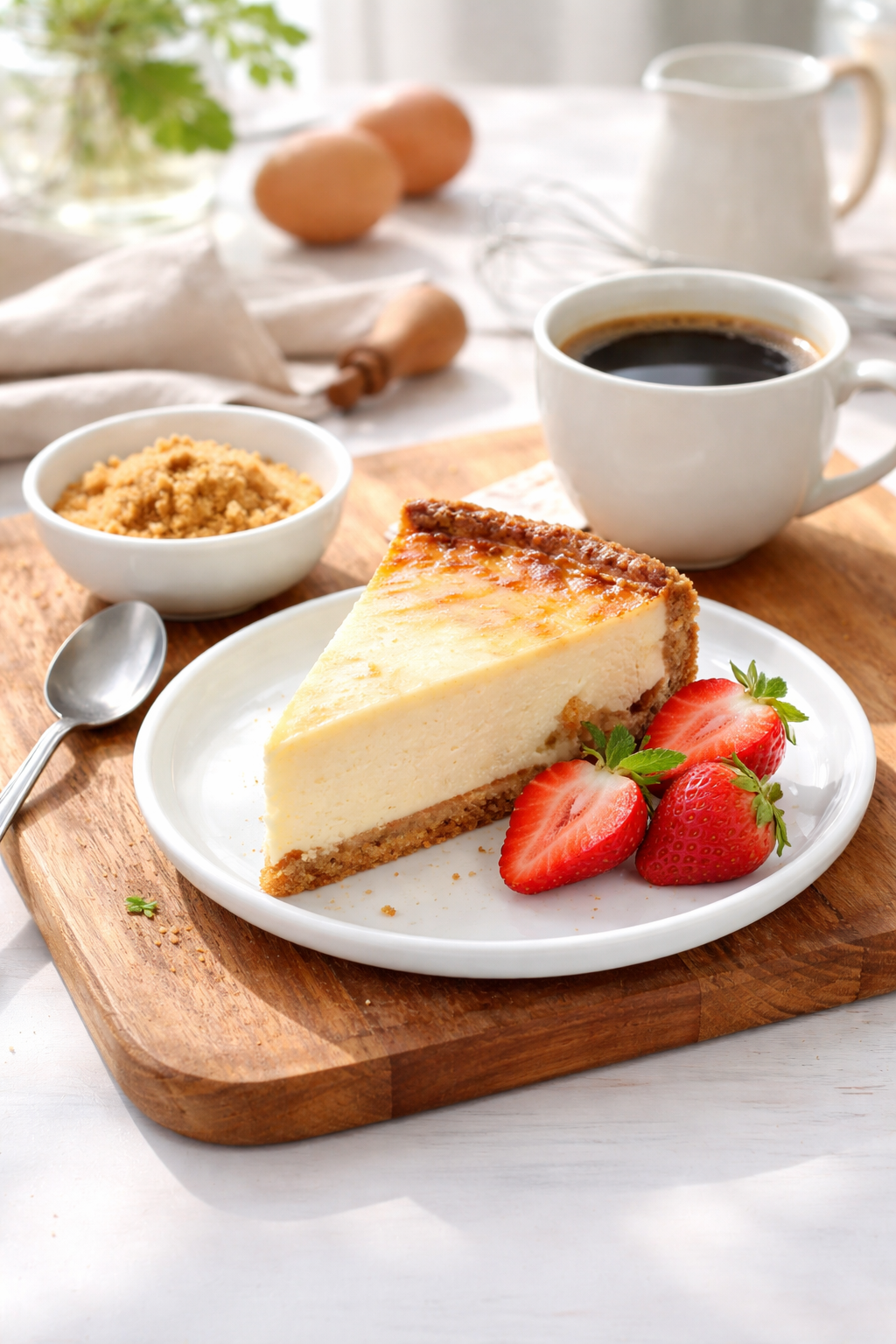
The french cheesecake mousse is probably the most authentic version of this dessert. It’s what you’d find in a proper French patisserie. The texture is absolutely dreamy. Imagine the fluffiest mousse you’ve ever tasted, but with that tangy cream cheese flavor cutting through the sweetness. That’s what we’re going for here.
The key ingredients are surprisingly simple. You need cream cheese, of course. But you also need heavy whipping cream, sugar, gelatin, and vanilla extract. Some recipes call for egg whites too, but I prefer the whipped cream method because it’s safer and honestly just as delicious. The magic happens when you fold the whipped cream into the cream cheese mixture. You can’t rush this step. Fold gently, like you’re tucking a baby into bed. Aggressive stirring will deflate all those beautiful air bubbles you worked so hard to create.
Here’s my tried-and-true french cheesecake mousse recipe that never fails. Start by blooming one tablespoon of unflavored gelatin in three tablespoons of cold water. Let it sit for about five minutes until it looks all spongy and weird. Meanwhile, beat eight ounces of softened cream cheese with half a cup of sugar until it’s completely smooth. Heat the gelatin in the microwave for about fifteen seconds until it’s liquid, then mix it into the cream cheese. Add a teaspoon of vanilla extract.
In a separate bowl, whip one and a half cups of heavy cream until you get stiff peaks. This takes patience. Start on low speed and gradually increase. Don’t walk away from the mixer, or you might end up with butter instead of whipped cream. Trust me, I’ve been there. Once your cream is perfectly whipped, take a big spoonful and stir it into the cream cheese mixture to lighten it up. Then fold in the rest of the whipped cream using a rubber spatula. Use a motion that cuts down through the center, sweeps along the bottom, and comes back up the side. Turn the bowl as you go.
Pour this gorgeous mixture into individual serving glasses or one large dish. Refrigerate for at least four hours, but overnight is even better. The result is a dessert that’s sophisticated enough for a fancy dinner party but easy enough for a random Tuesday night. I like to top mine with fresh berries or a drizzle of fruit coulis. Sometimes I go simple with just a dusting of cocoa powder.
One tip that changed everything for me: make sure your cream cheese is at room temperature before you start. Cold cream cheese will form lumps that no amount of beating will fix. I learned this the hard way when I served a mousse with little cream cheese chunks floating in it. My husband was polite, but I could tell. Now I always take my cream cheese out an hour before I plan to bake or, in this case, not bake.
No Bake French Cheesecake
The no bake french cheesecake is a gift to those of us who dread turning on the oven during summer. It’s also perfect if you’re intimidated by baking. There’s no risk of overbaking, no worrying about cracks, no water baths to deal with. Just mix, chill, and enjoy.
The no bake method relies on gelatin or sometimes just the firmness of cream cheese when chilled to hold everything together. You still get that signature light texture, but the process is even more forgiving than traditional baking. When my niece wanted to make dessert for the first time, I taught her this recipe. She was nine years old and nailed it on her first try. That’s how foolproof it is.
For an easy no bake french style cheesecake, you’ll need a graham cracker crust. Crush about one and a half cups of graham crackers until they’re fine crumbs. Mix with five tablespoons of melted butter and three tablespoons of sugar. Press this mixture into the bottom of a nine-inch springform pan. The springform pan is important because you’ll need to remove the sides to serve it. Pop the crust in the freezer while you make the filling.
Beat sixteen ounces of cream cheese with three-quarters cup of sugar until fluffy. Add two teaspoons of vanilla extract and a tablespoon of lemon juice. The lemon juice brightens the flavor without making it taste lemony. Fold in one and a half cups of whipped cream. Pour this over your chilled crust and smooth the top with an offset spatula. Cover with plastic wrap and refrigerate for at least six hours.
By the way, the advantages of no bake cheesecake recipes go beyond just avoiding the oven. They’re also more portable. You can make them a day or two ahead without worrying about them drying out. They stay perfectly creamy in the fridge. And honestly, the texture is sometimes even better than baked versions because there’s no risk of overcooking.
I made one of these for a potluck last month and three different people asked for the recipe. One woman told me she’d been intimidated by cheesecake for years but felt confident she could handle this version. That’s exactly why I love sharing these recipes. Dessert shouldn’t be stressful.
Sara Lee French Cheesecake Recipe
Now, let’s talk about the sara lee french cheesecake recipe. Some food snobs might turn their noses up at mentioning a commercial brand, but here’s the thing: Sara Lee introduced countless Americans to French cheesecake. Their version became the standard that many people measure homemade versions against.
The Sara Lee french vanilla cheesecake is lighter than their traditional New York style offering. It has that characteristic mousse-like quality we’ve been discussing. While the exact commercial recipe is obviously proprietary, home cooks have created excellent copycat versions over the years. The goal is to recreate that specific texture and subtle vanilla flavor that made the original so popular.
For a Sara Lee inspired version, you’ll want to use a combination of cream cheese and sour cream. This gives you richness while keeping things lighter than an all cream cheese New York style dessert. Beat twelve ounces of cream cheese with three-quarters cup of sugar until very smooth. Add a half cup of sour cream, two eggs, and two teaspoons of vanilla extract. The vanilla should be good quality because it’s a starring flavor here, not just a background note.
Pour this into a prepared graham cracker crust in a nine-inch pie pan. Bake at 325 degrees for about forty minutes. The center should still have a slight wobble when you shake the pan gently. Let it cool completely, then refrigerate overnight. The texture improves dramatically after a full night in the fridge.
Funny enough, you can actually still buy french cheesecake walmart carries in their frozen dessert section. Sara Lee and other brands offer versions that are surprisingly decent for a store-bought option. I keep one in my freezer for emergencies. You know, those moments when unexpected guests show up or you suddenly need dessert for a last-minute gathering. It thaws in the refrigerator in a few hours.
But between you and me, homemade always tastes better. The texture is creamier, the flavor more vibrant. Plus, you can adjust the sweetness to your preference. I usually reduce the sugar by about a quarter cup because I find commercial versions too sweet. That’s the beauty of making things yourself. You’re in complete control.
If you enjoy experimenting with creative flavor combinations in desserts, French cheesecake is an excellent canvas. The mild base accepts additions beautifully without overwhelming the delicate texture. I’ve stirred in everything from espresso powder to fruit purees with great success.
One last thought on these popular varieties: don’t be afraid to mix and match techniques. You might love the no bake method but prefer the flavor profile of the Sara Lee style. Go ahead and combine them. Baking should be fun, not rigid. The French themselves are all about technique, sure, but they also value creativity and personal expression. Your kitchen, your rules.
French Cheesecake and Health Considerations
Let’s have an honest conversation about something nobody really wants to discuss when they’re drooling over dessert: health. I get it. When you’re staring at a beautiful slice of french cheesecake mousse, the last thing you want to think about is calories or cholesterol. But here’s the thing, understanding the nutritional aspects can actually help you enjoy this treat more often without guilt. Knowledge is power, right?
Is Cheesecake Good for Heart Patients?
This is a tough question, and I’m not going to sugarcoat it. Traditional cheesecake, whether French or American style, isn’t exactly what doctors prescribe for heart health. The main culprits are saturated fat from cream cheese and butter, plus the sugar content. A typical slice can pack anywhere from 300 to 500 calories, with a significant portion coming from fat.
My uncle had a heart procedure two years ago, and his cardiologist put him on a strict low-fat diet. He was devastated because cheesecake was his absolute favorite dessert. We spent weeks experimenting in my kitchen, trying to create a version he could enjoy without worrying. Through that process, I learned a lot about making heart-healthier modifications that actually work.
The nutritional breakdown of a standard french vanilla cheesecake slice looks something like this: around 400 calories, 25-30 grams of fat (about 15 grams saturated), 35 grams of carbohydrates, and 30 grams of sugar. That’s a lot, especially the saturated fat, which can raise LDL cholesterol levels. For someone managing heart disease, these numbers are concerning.
But here’s where it gets interesting. French cheesecake actually has some advantages over traditional versions when it comes to heart health. Because it incorporates whipped cream and relies on a mousse-like texture, you can often use less cream cheese overall. This naturally reduces the saturated fat content. Plus, the no bake french style cheesecake varieties tend to be lighter and can be modified more easily.
If you’re dealing with heart health concerns but still want to enjoy this dessert, try these modifications that worked for my uncle. First, swap half the cream cheese for Neufchâtel cheese, which has about a third less fat. The texture difference is minimal, honestly. I did a blind taste test with my family, and nobody could tell. You can also use reduced-fat cream cheese, though I’ll admit the texture suffers slightly. It’s a trade-off.
Replace some of the heavy cream with Greek yogurt. Use a ratio of half whipped cream and half thick Greek yogurt. This cuts the fat while adding protein and probiotics. The tang from the yogurt actually enhances the flavor in a pleasant way. Reduce the sugar by at least a quarter. Your taste buds will adjust, and you’ll start appreciating the natural flavors more. Use a nut-based crust instead of graham crackers and butter. Ground almonds mixed with a touch of coconut oil create a delicious base with healthier fats.
Portion control matters too. Instead of making one large cheesecake, prepare individual servings in small glasses or ramekins. This naturally limits how much you eat. My uncle can enjoy his modified french cheesecake once a week now without his doctor scolding him. He says it’s better than completely giving up his favorite dessert.
One more thought on this: if you’re managing heart disease, talk to your doctor or a registered dietitian before adding any rich desserts back into your diet. Everyone’s situation is different. Some people might need to avoid it entirely, while others can enjoy small portions occasionally as part of an overall healthy eating pattern.
Is Cheesecake Bad for Lactose Intolerant?
Oh boy, this hits close to home. I developed lactose intolerance in my thirties, which felt like a cruel joke from the universe considering my love for dairy-based desserts. The good news? You have more options than you might think.
First, let’s talk about what we’re dealing with. Cheesecake is basically a dairy bomb. Cream cheese, heavy cream, sometimes sour cream. If you’re lactose intolerant, eating a regular slice will likely lead to uncomfortable digestive issues. We’re talking bloating, gas, cramps, and other symptoms I won’t detail here. Not fun, especially if you’re at a dinner party.
The lactose content varies depending on the recipe. Cream cheese actually has less lactose than you might expect, about 2-4 grams per ounce. That’s lower than milk, which has about 12 grams per cup. Heavy cream is even lower in lactose. So theoretically, some people with mild lactose intolerance might handle a small piece of cheesecake better than they’d handle a glass of milk. But this varies hugely from person to person.
I can eat hard cheeses with no problem because the aging process breaks down most of the lactose. But fresh, soft cheeses like cream cheese? That’s a gamble I usually lose. So I’ve become an expert at creating lactose-free versions that still taste amazing.
Your first option is lactose-free cream cheese. Several brands make it now, and it works perfectly in french cheesecake recipes. You literally substitute it one-to-one for regular cream cheese. Same with lactose-free heavy cream. I’ve made dozens of no bake french cheesecakes using these products, and honestly, nobody can tell the difference. The texture and flavor are nearly identical.
If you want to go completely dairy-free, cashew-based cream cheese is incredible. Soak raw cashews overnight, blend them with lemon juice and a touch of salt, and you get a creamy base that works beautifully in mousse recipes. I’ve served cashew-based french cheesecake mousse to dairy-eating friends, and they were shocked when I revealed it was vegan. The texture is spot-on.
Coconut cream is another excellent option. Use the thick cream from the top of a chilled can of full-fat coconut milk. Whip it just like heavy cream. When combined with cashew cream cheese, it creates that airy texture we love in French cheesecake. Just be aware that it will have a subtle coconut flavor, which some people love and others don’t.
Here’s a weird trick I discovered by accident: adding a tablespoon of refined coconut oil to dairy-free versions helps them set up better in the fridge. The oil solidifies when cold, giving structure without affecting the taste. This works especially well in no bake versions where you’re relying on temperature rather than eggs or baking to set the dessert.
One caveat about dairy alternatives: read labels carefully. Some products marketed as “non-dairy” still contain casein or other milk derivatives that can cause problems. True lactose-free and vegan products are your safest bet. I learned this the hard way after a “non-dairy” whipped topping gave me symptoms. Turns out it had sodium caseinate, a milk protein.
By the way, lactase enzyme pills can be a game-changer if you’re at a restaurant or someone else’s house and want to enjoy regular cheesecake. Take them right before eating, and they help your body break down the lactose. They don’t work perfectly for everyone, but they’ve saved me on several occasions when refusing dessert would have been awkward.
FAQs About French Cheesecake
What is the difference between French cheesecake and regular cheesecake?
French cheesecake has a light, mousse-like texture that melts on your tongue, while regular American cheesecake is dense and firm. The French version incorporates whipped cream or beaten egg whites, creating an airy consistency. Regular cheesecake relies heavily on cream cheese for structure and requires baking, often in a water bath. French cheesecake can be made without baking at all. The serving experience is completely different, with French versions feeling more delicate and refined.
Is cheesecake good for heart patients?
Traditional cheesecake isn’t ideal for heart patients due to high saturated fat and sugar content. However, you can make heart-healthier modifications that reduce these concerns. Use Neufchâtel or reduced-fat cream cheese, replace some heavy cream with Greek yogurt, and reduce sugar content. French cheesecake actually has an advantage because it uses less cream cheese overall than dense American versions. Always consult with your doctor about incorporating rich desserts into your diet. Portion control and occasional enjoyment rather than regular consumption is key.
What is France’s famous dessert?
France has many iconic desserts, but crème brûlée, macarons, and tarte Tatin are among the most famous internationally. Crème brûlée with its caramelized sugar top is probably the most recognized. French cheesecake is less traditional in France than these classics, though the mousse technique it uses is definitely French in origin. Regional specialties like Canelés from Bordeaux or Paris-Brest also hold special places in French pastry culture. The French approach to desserts emphasizes technique, quality ingredients, and refined presentation across all their creations.
Is cheesecake bad for lactose intolerant?
Regular cheesecake contains significant amounts of lactose from cream cheese, heavy cream, and sometimes sour cream, which will likely cause digestive issues for lactose-intolerant individuals. The good news is that you can make excellent lactose-free versions using lactose-free dairy products or dairy-free alternatives like cashew cream cheese. Cream cheese actually has less lactose than milk, so some people with mild intolerance might handle small amounts. Lactase enzyme pills taken before eating can also help. Many delicious dairy-free versions exist that taste remarkably similar to traditional recipes.
Can I freeze French cheesecake?
Yes, French cheesecake freezes beautifully, which makes it perfect for advance preparation. Wrap it tightly in plastic wrap and then aluminum foil to prevent freezer burn. It will keep for up to two months when stored properly. Thaw it overnight in the refrigerator rather than at room temperature for the best texture. Following proper freezer best practices ensures your dessert maintains its quality and stays safe to eat. I often make two cheesecakes at once and freeze one for later. The mousse-like texture holds up surprisingly well through freezing and thawing.
Why is my French cheesecake mousse too runny?
A runny mousse usually means either insufficient gelatin or not enough chilling time. Make sure you’re using the full amount of gelatin called for in your recipe and that it’s completely dissolved before adding it to the mixture. The cheesecake needs at least four to six hours to set, but overnight is better. Your whipped cream should reach stiff peaks before folding it in. If you fold in cream that’s too soft, the mousse won’t have enough structure. Room temperature cream cheese that’s been beaten until smooth also helps the mixture hold together better.
What’s the best pan to use for French cheesecake?
A nine-inch springform pan is ideal for most French cheesecake recipes because it allows you to remove the sides easily for a clean presentation. For mousse versions, you can also use individual serving glasses, ramekins, or even a regular pie pan. Springform pans make unmolding much easier, especially for no bake versions. Line the bottom with parchment paper for extra insurance against sticking. If you’re making the mousse style, pretty glass serving dishes show off the layers beautifully. I have a collection of different sized ramekins specifically for individual dessert portions.
How long does French cheesecake last in the refrigerator?
Properly stored French cheesecake will last three to five days in the refrigerator. Cover it tightly with plastic wrap or store it in an airtight container to prevent it from absorbing other food odors. The no bake french style cheesecake varieties tend to stay fresh slightly longer than baked versions. I’ve kept them for up to a week with no problems, though the texture is definitely best within the first few days. If you notice any discoloration, off smells, or separated texture, it’s time to toss it. When in doubt, throw it out is always my rule with dairy-based desserts.
Can I make French cheesecake without gelatin?
Yes, though the texture will be slightly different. Some recipes rely on beaten egg whites for structure instead of gelatin, which works well for baked versions. For no bake cheesecake, you can use agar powder as a vegetarian gelatin alternative. The cream cheese itself provides some structure when chilled, especially if you beat it really well and use less liquid. Just know that without any setting agent, your cheesecake might be softer and more delicate. I’ve made versions with just whipped cream and cream cheese that set up fine overnight, though they weren’t quite as stable as gelatin-based versions.
What fruits pair best with French cheesecake?
Berries are the classic choice and for good reason – strawberries, raspberries, blueberries, and blackberries all complement the creamy texture beautifully. Stone fruits like peaches and cherries work wonderfully, especially in summer. I love making a quick berry compote by simmering berries with a little sugar and lemon juice until slightly thickened. Citrus flavors like lemon or orange can be added directly to the cheesecake mixture for a brighter taste. Passion fruit creates an exotic tropical vibe. Really, most fruits work well because the mild flavor of French cheesecake lets the fruit shine through.
Why did my no bake cheesecake crack when I cut it?
Cracking during slicing usually happens when the cheesecake is too cold or too firm. Let it sit at room temperature for about ten to fifteen minutes before cutting. Use a sharp knife dipped in hot water and wiped dry between each slice. This helps the knife glide through cleanly. If you added too much gelatin, the texture might be overly firm and prone to cracking. Make sure you’re following the recipe measurements precisely. Folding the whipped cream in gently rather than stirring vigorously also helps maintain a softer, more cohesive texture that cuts cleanly.
If you’re hungry for more inspiration and want to explore different variations of this classic dessert, there’s a whole world of cheesecake recipes waiting for you. French cheesecake is just one beautiful expression of what you can create with cream cheese and a little creativity.
Look, making French cheesecake doesn’t require culinary school training or fancy equipment. You need basic ingredients, a bit of patience, and the willingness to try. Will your first attempt be perfect? Maybe not. Mine certainly wasn’t. But even an imperfect French cheesecake tastes pretty darn good. The beauty of this dessert is its forgiving nature, especially in no bake versions. So grab your mixing bowl, pull out that cream cheese, and create something delicious. Your kitchen will smell amazing, your family will be impressed, and you’ll have the satisfaction of making something truly special with your own hands.
Equipment
- Mixing bowls
- Hand mixer or stand mixer
- Spatula
- Springform pan for no bake version
- Microwave
Ingredients
- 8 oz cream cheese, softened
- 1/2 cup sugar
- 1 cup heavy whipping cream
- 1 tbsp unflavored gelatin
- 3 tbsp cold water
- 1 tsp vanilla extract
- 1.5 cups graham cracker crumbs for no bake version
- 5 tbsp melted butter for no bake version
- 3 tbsp sugar for no bake version
- 1 tbsp lemon juice for no bake version
Instructions
- Bloom the gelatin in cold water for 5 minutes until spongy.
- In a mixing bowl, beat the cream cheese with sugar until smooth.
- Heat the bloomed gelatin in the microwave for 15 seconds until liquid, then mix into the cream cheese.
- Add vanilla extract and set aside.
- In a separate bowl, whip the heavy cream until stiff peaks form.
- Fold a spoonful of whipped cream into the cream cheese mixture to lighten it.
- Gently fold in the remaining whipped cream to maintain airiness.
- Pour the mixture into serving glasses or a dish and refrigerate for at least 4 hours, preferably overnight.
- For the no bake version, mix graham cracker crumbs with melted butter and sugar, then press into a springform pan and freeze for 10 minutes.
- Beat cream cheese with sugar, lemon juice, and vanilla in a bowl.
- Fold in whipped cream and pour the filling onto the crust.
- Refrigerate for at least 6 hours before serving.
Notes
Nutrition

Hello! I’m Sarah Mitchell, and I’m passionate about bringing creativity and innovation to baking. My love for baking started in high school when I first tried my hand at decorating cupcakes for a class project. What began as a fun hobby quickly became a full-time passion. I’ve spent the past decade working in bakeries and dessert shops, honing my skills in everything from simple cookies to intricate wedding cakes.
After working in some of the top bakeries across the country, I realized that baking was about more than just following recipes — it was about infusing your personality into each creation. At BakingSecret.com, I love creating recipes that push boundaries while staying true to the heart of classic baking. I specialize in creating delicious and visually stunning pastries that will wow your guests.
When I’m not baking, I enjoy teaching baking classes, trying out new cake decoration techniques, and traveling to find inspiration in global dessert traditions. I’m so excited to share my tips and tricks with you to help elevate your baking game!