
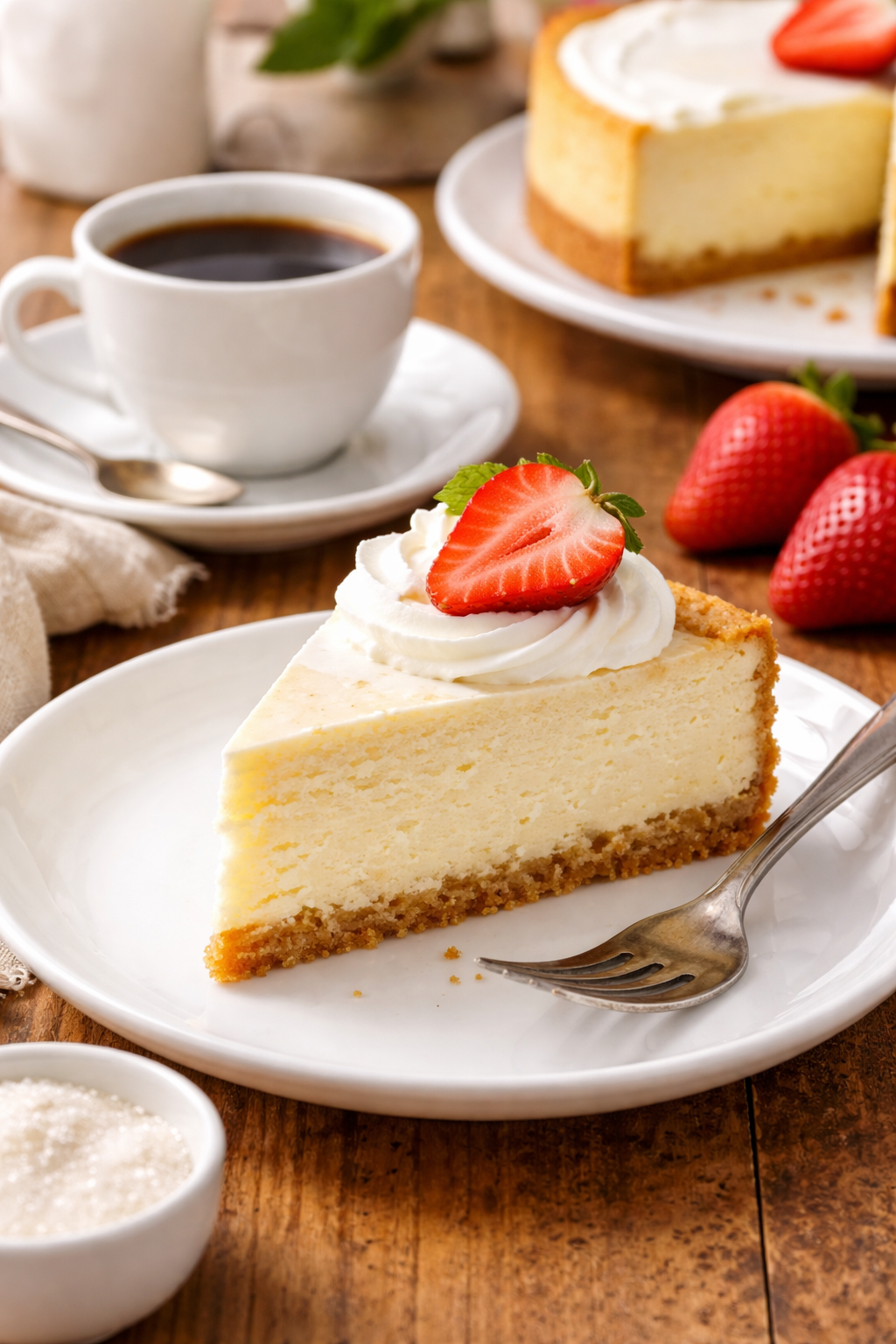
Why I Fell in Love with Farmers Cheese Sour Cream Cheesecake
I’ll never forget the first time I tasted farmers cheese sour cream cheesecake at my neighbor’s dinner party. She served it with a shy smile and said, “I hope you like it. It’s a little different from regular cheesecake.” Different was an understatement. That first bite changed everything I thought I knew about cheesecake. The texture was lighter and fluffier than any cheesecake I’d tried before. The flavor had this gentle tang that made my taste buds wake up and pay attention.
This isn’t your typical dense, heavy cheesecake that sits in your stomach like a brick. The farmers cheese sour cream cheesecake brings something special to the table. It combines the mild, slightly grainy texture of farmers cheese with the tangy richness of sour cream. The result is a dessert that feels both familiar and excitingly new at the same time.
If you’re tired of the same old desserts and want to surprise your family or guests, this cheesecake is your answer. It’s a creative twist on a classic that keeps all the things we love about traditional cheesecake while adding new layers of flavor and texture. People always ask me what makes it taste so different, and I love watching their faces when I tell them the secret ingredient.
This recipe became my go-to for special occasions. I’ve made it for birthdays, holidays, and just because I wanted something sweet on a random Tuesday. Every single time, it disappears from the plate faster than I can cut second slices.
What Makes This Cheesecake So Special
The magic of this dessert comes from combining two ingredients that don’t usually share the spotlight. Farmers cheese brings a subtle sweetness and unique texture. Sour cream adds moisture and that wonderful tang that cuts through the richness.
Together, they create a cheesecake that’s creamy without being too heavy. The taste is complex but not overwhelming. You get hints of tanginess, sweetness, and that fresh dairy flavor that makes you want another bite.
I learned that sour cream makes cheesecake better in more ways than one. It helps prevent cracks on the surface during baking. It also keeps the texture smooth and prevents that dry, crumbly consistency that sometimes happens with regular cheesecake. The acidity in sour cream balances the sweetness perfectly.
What Is Farmers Cheese?
Before I made my first farmers cheese sour cream cheesecake, I had to figure out what farmers cheese actually was. I’d walked past it in the grocery store dozens of times without giving it a second glance. Now I buy it regularly and wonder why it took me so long to discover it.
Farmers cheese is a fresh, unaged cheese with a mild flavor and crumbly texture. It’s made by pressing the whey out of cottage cheese curds. The result is a dry, crumbly cheese that’s slightly tangy but mostly mild and sweet.
Here are the main characteristics of farmers cheese:
- Texture: Crumbly and slightly grainy, similar to ricotta but drier
- Taste: Mild, slightly sweet, with a gentle tang
- Color: White or pale cream
- Moisture: Drier than cream cheese or cottage cheese
- Fat content: Lower than cream cheese, usually around 4-10%
People use farmers cheese in many different ways. It works great in blintzes, pierogi fillings, and pasta dishes. Some folks spread it on bagels or mix it with herbs for a simple dip. In Eastern European cooking, it’s a staple ingredient that shows up in both sweet and savory dishes.
Is farmers cheese a good melting cheese? Not really. Because it has low moisture and fat content, it doesn’t melt smoothly like mozzarella or cheddar. It tends to hold its shape when heated. That’s why it works so well in baked goods like cheesecake, where you want structure and texture rather than gooey melted cheese.
What Is the Difference Between Farmers Cheese and Cream Cheese?
This question comes up every time I tell someone about this recipe. People want to know if they can just use regular cream cheese instead. The answer is more interesting than you might think.
Farmers cheese and cream cheese are totally different products, even though they’re both fresh cheeses. Understanding these differences helps you see why using both in a cheesecake creates such amazing results.
| Feature | Farmers Cheese | Cream Cheese |
|---|---|---|
| Texture | Dry, crumbly, grainy | Smooth, creamy, spreadable |
| Fat Content | 4-10% | 33% or higher |
| Taste | Mild, slightly tangy | Rich, tangy, buttery |
| Moisture | Low moisture | High moisture |
| Uses | Fillings, baking, mixing | Spreading, frosting, cheesecakes |
Cream cheese is made by adding cream to milk and then using cultures and stabilizers to create that smooth, spreadable texture we all know. It’s rich and indulgent with a higher fat content that makes traditional cheesecakes dense and creamy.
Farmers cheese skips the cream entirely. It’s made from skim milk or low-fat milk. The curds are pressed to remove moisture, creating a drier product. The taste is cleaner and less rich than cream cheese.
Can I use farmers cheese in place of cream cheese? It depends on what you’re making. For spreading on a bagel, farmers cheese won’t work the same way because it’s too dry and crumbly. You can’t frost a cake with it or make a cheese ball that holds together smoothly.
But in baked goods, especially cheesecake, farmers cheese brings something special. It creates a lighter texture and adds that subtle tang without the heavy richness. When you combine it with sour cream, you get the best of both worlds. The sour cream provides moisture and creaminess while the farmers cheese adds body and a unique flavor.
I wouldn’t swap farmers cheese for cream cheese in a traditional New York cheesecake recipe. But I also wouldn’t want to miss out on the wonderful texture that farmers cheese creates in this special recipe. Each cheese has its place, and this farmers cheese sour cream cheesecake proves that sometimes breaking the rules creates the most delicious results.

Why Use Farmers Cheese in Cheesecake?
Now that you know what farmers cheese is, let’s talk about why it works so beautifully in cheesecake. I started experimenting with it after my aunt mentioned she’d been making farmers cheese sour cream cheesecake for years in her Polish kitchen. She told me the secret wasn’t just tradition—it was the incredible texture farmers cheese creates.
The biggest benefit is the lightness. When you use only cream cheese, cheesecake can turn out dense and almost overwhelming after one slice. Farmers cheese changes the game completely. It creates this airy, almost mousse-like quality that doesn’t sit heavy in your stomach. I’ve served this at dinner parties where people go back for seconds and thirds without that “I can’t move” feeling afterward.
The slightly tangy flavor is another win. It’s subtle enough that it doesn’t smack you in the face, but it keeps things interesting. That gentle tang plays beautifully with sweet cheesecake toppings like fresh berries or caramel sauce. The contrast makes every bite more exciting than plain sweet cheesecake.
Here’s something I discovered by accident: farmers cheese actually helps stabilize the structure of your cheesecake. My early attempts at traditional cheesecake sometimes developed those annoying cracks or sunken centers. The drier texture of farmers cheese gives the batter more body and helps it hold its shape as it bakes and cools. Less drama, better results.
Nutritionally speaking, farmers cheese brings some real advantages to the table. Since it’s made from low-fat or skim milk, it contains significantly less fat and fewer calories than cream cheese. A typical serving of farmers cheese has about 80 calories compared to cream cheese’s 100+ calories for the same amount. If you’re watching your fat intake but don’t want to sacrifice flavor, this swap makes sense.
The protein content is impressive too. Farmers cheese packs more protein per serving than cream cheese because it’s concentrated curds without all the added cream. I’m not saying this cheesecake is health food—let’s be real—but it’s nice knowing you’re getting some nutritional value along with your dessert.
Speaking of substitutions, remember that question about can I use farmers cheese in place of cream cheese? In this specific recipe, you’re not really replacing one with the other. You’re using farmers cheese alongside sour cream to create something totally unique. But I’ve experimented with ratios, and here’s what I learned.
If you wanted to use more farmers cheese and less cream cheese than a traditional recipe calls for, you’d need to add more moisture. That’s where sour cream becomes essential. You might also need an extra egg to help bind everything together since farmers cheese is so dry on its own. I tried making cheesecake with only farmers cheese once, and it came out crumbly and dry—definitely not what you want.
The sweet spot I’ve found is using farmers cheese as part of the cheese mixture, not the whole thing. It contributes its special texture and flavor while other ingredients provide the creaminess and binding power. Think of it as a team effort rather than a solo performance.
One thing that surprised me was how well farmers cheese takes on other flavors. When I make my cheesecake ball recipe for parties, I sometimes mix in a little farmers cheese for that lighter texture, and it absorbs vanilla, lemon zest, or almond extract beautifully. It doesn’t compete with added flavors—it enhances them.
The Role of Sour Cream in Cheesecake
Let me tell you about the first time I forgot to buy sour cream for this recipe. I thought, “How important can it really be?” and tried substituting with Greek yogurt. Big mistake. Huge. The cheesecake came out okay, but it was missing that special something that makes people close their eyes and sigh when they take a bite.
Does sour cream make cheesecake better? After that failed experiment, my answer is an absolute yes. Sour cream isn’t just another ingredient—it’s the bridge that connects all the other components into something magical.
The texture impact is the first thing you’ll notice. Sour cream has this perfect consistency that’s thick enough to add body but liquid enough to create smoothness. When you blend it with farmers cheese, it fills in all those dry, crumbly spaces and creates a uniform, velvety batter. Every spoonful should glide across your tongue, and sour cream makes that happen.
The moisture level is crucial too. Baking is basically controlled drying, right? Your cheesecake goes into a hot oven where moisture evaporates. Without enough moisture in your batter to begin with, you end up with a dry, chalky result. Sour cream provides that insurance policy against dryness. Even if you accidentally overbake by a few minutes, the sour cream keeps things from turning into a disaster.
Funny enough, sour cream also helps prevent those surface cracks that make your cheesecake look homemade in the bad way. The fat content and acidity work together to create a more flexible surface that can handle the temperature changes during baking and cooling. I used to stress about cracks until I upped my sour cream game, and now they rarely happen.
The flavor contribution deserves its own paragraph. Sour cream brings this wonderful tanginess that cuts through sweetness without making the cheesecake taste sour. It’s like how a squeeze of lemon brightens a dish—sour cream brightens the overall flavor profile of your cheesecake. When I serve my drizzle cheesecake topped with chocolate or fruit sauce, that tang from the sour cream creates the most satisfying contrast.
Balance is what it’s all about. Cheesecake can easily become too sweet, too rich, or too one-dimensional. Sour cream adds complexity. You get layers of flavor: sweet from the sugar, rich from the cheese, tangy from the sour cream, all working together instead of fighting for attention.
I’ve tested different fat percentages of sour cream, and here’s my take. Full-fat sour cream gives you the richest, creamiest results. Low-fat versions work in a pinch, but you sacrifice some of that luxurious mouthfeel. Fat-free sour cream? Skip it. The texture gets weird and watery, and you lose the richness that makes cheesecake special in the first place.
Temperature matters more than most people realize. Room temperature sour cream blends much more easily into your batter than cold sour cream straight from the fridge. Cold sour cream creates lumps and requires overmixing to incorporate, which can add too much air and cause cracks later. I learned to pull my sour cream out when I start preheating the oven, and it makes mixing so much smoother.
By the way, sour cream isn’t just for the filling. Some recipes add a sour cream topping layer, which is genius. You spread a sweetened sour cream mixture over the baked cheesecake and return it to the oven for just a few minutes. This creates a beautiful white layer that looks professional and adds another dimension of tangy creaminess. When I make cheesecake fondue for parties, I always stir in sour cream for that same smooth, tangy effect.
The science behind it is pretty cool too. The lactic acid in sour cream reacts with other ingredients during baking, helping proteins set more gently. This means your cheesecake firms up without becoming rubbery or tough. It’s the difference between a tender, melt-in-your-mouth texture and something you have to chew.
I’ve had friends ask if they can use sour cream as the only dairy in cheesecake, skipping cheese altogether. That would just be a sour cream custard, not cheesecake. You need the cheese for structure and that distinctive cheesecake flavor. Sour cream is the supporting actor that makes the star shine brighter, not the main attraction on its own.
How to Make Farmers Cheese Sour Cream Cheesecake
Alright, here’s where things get real. I’m going to walk you through making this incredible farmers cheese sour cream cheesecake from start to finish. I’ve made this recipe at least fifty times, and I’ve learned all the little tricks that make the difference between a good cheesecake and one that makes people beg for the recipe.
First thing you need to know: this isn’t a difficult recipe, but it does require some patience. You can’t rush cheesecake. I learned that the hard way when I tried to speed things up for my sister’s birthday and ended up with a cracked, sunken mess. Take your time, follow the steps, and you’ll be rewarded with something absolutely stunning.
Ingredients You’ll Need
Here’s everything for a 9-inch springform pan that serves about 12 people:
For the crust:
- 2 cups graham cracker crumbs (about 16 full crackers)
- 1/4 cup granulated sugar
- 1/2 cup unsalted butter, melted
- Pinch of salt
For the filling:
- 16 oz farmers cheese, at room temperature
- 16 oz sour cream, at room temperature
- 1 cup granulated sugar
- 4 large eggs, at room temperature
- 1/4 cup all-purpose flour
- 2 teaspoons vanilla extract
- 1 teaspoon fresh lemon juice
- 1/4 teaspoon salt
Room temperature ingredients are absolutely critical. This isn’t me being picky—cold ingredients don’t blend smoothly, and you’ll end up overmixing to compensate. Overmixing means too much air, which means cracks and uneven texture. I set everything out on the counter about two hours before I start baking.
Step-by-Step Instructions
Step 1: Prepare Your Pan and Oven
Preheat your oven to 325°F. This is lower than some cheesecake recipes, but trust me on this. The gentle heat prevents the edges from cooking too fast and creating that awful rubbery ring around the outside.
Wrap the outside of your 9-inch springform pan with two layers of heavy-duty aluminum foil. Make sure it comes up the sides at least halfway. This prevents water from the water bath (we’ll get to that) from seeping in. I’ve had exactly one disaster where water leaked in, and the soggy crust was not something I want to repeat.
Step 2: Make the Crust
Mix your graham cracker crumbs, sugar, melted butter, and salt in a medium bowl. It should feel like wet sand. Press this mixture firmly into the bottom of your springform pan. I use the bottom of a measuring cup to really compact it. You want an even layer with no thin spots.
Bake the crust for 10 minutes, then remove it and let it cool while you make the filling. This pre-baking step creates a barrier that keeps the crust from getting soggy. My grandmother taught me this trick, and it’s never failed.
Step 3: Beat the Farmers Cheese
Here’s where technique really matters. Put your farmers cheese in a large mixing bowl and beat it with an electric mixer on medium speed for about 2 minutes. You’re trying to break down those crumbly curds and create a smoother base. It won’t get completely smooth—that’s fine. Just work out the biggest lumps.
Step 4: Add Sour Cream and Sugar
Add your room-temperature sour cream and sugar to the farmers cheese. Beat on medium-low speed until well combined, about 1-2 minutes. Scrape down the sides of the bowl frequently. I can’t tell you how many times I’ve found pockets of unmixed cheese stuck to the sides because I got lazy about scraping.
Step 5: Add Eggs One at a Time
This is crucial. Add one egg at a time, mixing on low speed just until each egg disappears into the batter. Don’t overmix. As soon as you don’t see streaks of egg, stop and add the next one. Overbeating at this stage incorporates too much air, and air expands in the oven, creating cracks.
Step 6: Add Remaining Ingredients
Sprinkle the flour over the batter and add the vanilla extract, lemon juice, and salt. Mix on the lowest speed just until combined, maybe 30 seconds max. The lemon juice might seem random, but it brightens all the other flavors in a way that’s hard to describe. You don’t taste lemon—you just taste a better version of everything.
Step 7: Pour and Prepare Water Bath
Pour your filling over the cooled crust. Tap the pan gently on the counter a few times to release any large air bubbles. Place your foil-wrapped springform pan inside a larger roasting pan.
Put the whole setup in your preheated oven, then carefully pour hot water into the roasting pan until it comes about halfway up the sides of the springform pan. The water bath creates a humid environment that keeps the top of your cheesecake from drying out and cracking. It also promotes even, gentle cooking.
Step 8: Bake and Cool Properly
Bake for 60-75 minutes. You’re looking for a cheesecake that’s set around the edges but still has a slight jiggle in the center when you gently shake the pan. It should look a little underdone. That wobble in the middle will firm up as it cools. I usually check at 60 minutes and then every 5 minutes after that.
When it’s done, turn off the oven and crack the door open about 4 inches. Let the cheesecake sit in the cooling oven for one hour. This gradual temperature change prevents the sudden shock that causes cracks and sinking.
After that hour, remove the cheesecake from the water bath and take off the foil. Let it cool on a wire rack to room temperature, which takes another hour or so. Then cover it loosely with plastic wrap and refrigerate for at least 6 hours, but preferably overnight. I know waiting is torture, but cold cheesecake slices so much cleaner and tastes better too.
Tips and Tricks for Success
Let me share some hard-won wisdom from my many attempts at perfecting this recipe. When mixing your batter, stop and scrape down the bowl at least three times during the process. Those little bits of unmixed cheese or sugar hiding on the sides will show up as lumps in your finished product.
If you’re worried about cracks despite the water bath, try this: run a thin knife around the edge of the cheesecake right when you take it out of the oven, before the cooling period. This releases it from the pan sides so it can shrink slightly as it cools without pulling and cracking the surface.
For slicing, use a long, thin knife that you’ve dipped in hot water and wiped dry. Make one cut, wipe the knife clean, dip it in hot water again, and make the next cut. Clean slices every single time. I keep a tall glass of hot water and a kitchen towel right next to my cutting board.
The springform pan matters more than you might think. Cheap ones with loose-fitting rings let water seep in despite the foil. I invested in a good quality pan after my third waterlogged disaster, and it was worth every penny. If your pan is older or you’re not confident about the seal, use three layers of foil instead of two.
Variations and Customization Options
Once you’ve mastered the basic farmers cheese sour cream cheesecake, the fun part is playing with flavors and toppings. I’ve tried dozens of variations, and here are my favorites.
Berry Swirl: Before baking, drop spoonfuls of berry jam or fresh berry puree onto the cheesecake batter. Use a knife to swirl it through in a figure-eight pattern. Raspberry and blueberry both work beautifully. The tartness plays off that tangy sour cream perfectly.
Chocolate Marble: Melt 4 oz of dark chocolate and let it cool slightly. Mix it with about a cup of your cheesecake batter until smooth. Pour the plain batter into your crust, then drop spoonfuls of chocolate batter on top. Swirl with a knife. This version is my husband’s absolute favorite.
Lemon Lovers: Increase the lemon juice to 2 tablespoons and add 1 tablespoon of lemon zest to the batter. Top the finished cheesecake with lemon curd. It’s bright, refreshing, and perfect for spring or summer gatherings.
Cinnamon Sugar Crust: Add a teaspoon of cinnamon to your graham cracker crust mixture. You can also substitute half the graham crackers with crushed gingersnaps for a spicier base that’s amazing during the holidays.
Topping Ideas: Fresh berries are classic for a reason—they look gorgeous and taste amazing. I also love a simple cherry compote, homemade caramel sauce, or even a dusting of cocoa powder. For something different, try a sour cream glaze made by mixing sour cream with powdered sugar and a splash of vanilla. Spread it over the cold cheesecake for an extra tangy layer.
Coffee flavor is another winner. Dissolve 2 tablespoons of instant espresso powder in a tablespoon of hot water, let it cool, and mix it into your batter. Top with chocolate shavings. Seriously incredible.
Here’s something I stumbled on by accident: a salted honey drizzle. Warm up some honey until it’s pourable, stir in a tiny pinch of flaky sea salt, and drizzle it over slices just before serving. The sweetness, saltiness, and tang create this incredible flavor combination that people can’t quite figure out but absolutely love.
Storing and Serving Your Cheesecake
Your farmers cheese sour cream cheesecake will keep in the refrigerator for up to 5 days if you cover it well. I use plastic wrap directly on the surface to prevent it from absorbing other fridge odors, then wrap the whole pan in foil.
Can you freeze it? Absolutely. I do this all the time when I make cheesecake for just my husband and me. Wrap individual slices tightly in plastic wrap, then in foil, and freeze for up to 2 months. Thaw overnight in the fridge. The texture holds up remarkably well, though I find fresh is always a tiny bit better.
Serve cheesecake cold or at cool room temperature. I usually take it out of the fridge about 20 minutes before serving. The flavors are more pronounced when it’s not ice-cold, and the texture is creamier. By the way, if you’re looking for more ideas on serving cheesecake at gatherings, check out the cheesecake recipes collection for inspiration on different styles and presentation ideas.
Nutritional Considerations
I’m not going to pretend this is health food, but it’s worth mentioning that this version is actually lighter than traditional cheesecake made with all cream cheese. The farmers cheese brings down the fat content significantly while the protein content stays high.
A typical slice (1/12 of the cheesecake) has roughly 280-320 calories depending on your toppings, compared to 400+ for a traditional New York-style slice. The calcium content is excellent too, which matters if you’re trying to meet your recommended intake of dairy nutrients. Just saying, you can feel slightly less guilty about that second slice.
Troubleshooting Common Problems
Let’s talk about what to do when things go wrong, because they will eventually. Even after making this dozens of times, I still occasionally have issues.
Cracks on top: If this happens despite your best efforts, don’t stress. A layer of sour cream topping, fresh fruit, or whipped cream covers them beautifully. Nobody needs to know what’s underneath. I’ve also learned that cracks don’t affect taste at all—they’re purely cosmetic.
Soggy crust: This usually means water leaked into your pan during the water bath. Next time, use more foil layers or skip the water bath entirely and place a pan of water on the rack below your cheesecake instead. It’s not quite as effective, but it’s safer.
Grainy texture: This happens when you don’t mix the farmers cheese enough at the beginning or when you use cold ingredients. Everything needs to be room temperature, and you need to really work that farmers cheese to break down the curds.
Sunken center: You probably overbaked it. The center should still wobble when you take it out of the oven. It feels wrong to remove something that looks underdone, but trust the process. The residual heat finishes the cooking during the cooling period.
Cheesecake sticks to pan: Always run a knife around the edge before releasing the springform ring. Also, some people line the bottom of their pan with parchment paper, which makes removal foolproof. I’m too lazy for this extra step most times, but it does work.
Making a beautiful farmers cheese sour cream cheesecake is absolutely within your reach. Yes, there are steps and timing to consider, but none of it is actually hard. It’s just about being patient and following the process. Every time I pull one out of the oven and watch it cool to perfection, I get this little thrill of accomplishment.
The best part? Watching people take that first bite and seeing their eyes light up. That’s when you know all the waiting and careful measuring was worth it. Give yourself the time, follow these steps, and I promise you’ll end up with a cheesecake that becomes your signature dessert.
Frequently Asked Questions
Can I use farmers cheese in place of cream cheese?
Not as a direct one-to-one substitute in most recipes. Farmers cheese is much drier and crumblier than cream cheese, so it won’t give you that smooth, creamy texture on its own. However, you can use it as part of a cheese mixture in baked goods like cheesecake, where other ingredients provide moisture and binding. If you’re making something that requires spreading or a smooth consistency without baking, stick with cream cheese. For baked applications, farmers cheese brings wonderful lightness and tang when paired with moistening ingredients like sour cream or eggs.
Does sour cream make cheesecake better?
Without question, yes. Sour cream adds moisture, creates a smoother texture, and brings a tangy flavor that balances the sweetness beautifully. It helps prevent surface cracks by keeping the batter more flexible during temperature changes. The fat content in sour cream also contributes to that luxurious, creamy mouthfeel that makes cheesecake so irresistible. Beyond the filling, you can even use sweetened sour cream as a topping layer for extra tanginess and visual appeal. I’ve tried making cheesecake without it, and the difference is dramatic—definitely not in a good way.
Is farmers cheese a good melting cheese?
No, farmers cheese doesn’t melt well due to its low moisture and fat content. When heated, it tends to hold its shape rather than becoming gooey and smooth like mozzarella or cheddar. This is actually an advantage in baked goods like cheesecake, where you want structure and body rather than a melted, runny consistency. The cheese softens during baking and blends with other ingredients, but it maintains enough structure to help your cheesecake set properly. If you’re looking for a melting cheese for grilled sandwiches or pasta, farmers cheese won’t work, but for baking applications, its behavior is perfect.
What is the difference between farmers cheese and cream cheese?
The differences are significant. Farmers cheese is dry, crumbly, and made from low-fat or skim milk with a fat content around 4-10%. Cream cheese is smooth, spreadable, and made with added cream, resulting in a fat content of 33% or higher. Farmers cheese has a mild, slightly sweet taste with gentle tanginess, while cream cheese is richer and more buttery. In terms of uses, farmers cheese works well in fillings and baking, whereas cream cheese excels in spreading, frosting, and traditional cheesecakes. You can’t substitute one for the other directly, but combining them creates interesting textures and flavors.
How long does farmers cheese sour cream cheesecake last?
Properly stored in the refrigerator, your cheesecake will stay fresh for up to 5 days. Cover it tightly with plastic wrap directly against the surface, then wrap the whole pan in aluminum foil to prevent it from absorbing refrigerator odors. For longer storage, you can freeze individual slices wrapped tightly in plastic wrap and foil for up to 2 months. Thaw frozen slices overnight in the refrigerator rather than at room temperature. The texture holds up remarkably well when frozen, though I think fresh is always slightly better. Never leave cheesecake at room temperature for more than 2 hours.
Can I make this cheesecake without a water bath?
Yes, but you risk more cracks and potentially drier edges. The water bath creates a humid environment and promotes gentle, even cooking. If you want to skip it, place a pan of hot water on the rack below your cheesecake instead—this adds some humidity without the hassle of wrapping your pan in foil. You can also try lowering your oven temperature to 300°F and baking a bit longer. Some bakers successfully make crustless or no-bake versions that don’t require water baths at all. Just know that your results might not be quite as creamy and crack-free without that gentle, moist heat.
Why did my cheesecake crack even though I followed all the steps?
Cracks can happen for several reasons even when you’re careful. Overmixing the batter incorporates too much air, which expands in the oven and creates cracks. Overbaking causes the surface to set too firmly and then crack when it cools and contracts. Drastic temperature changes between baking and cooling can also cause cracking—that’s why the gradual oven cooling step matters. Sometimes your oven temperature runs hotter than the dial indicates, so consider using an oven thermometer to verify. Honestly, even professional bakers get cracks sometimes. The good news is they’re purely cosmetic and easily hidden under toppings, and they don’t affect the taste at all.
Can I use low-fat or fat-free versions of sour cream and farmers cheese?
You can, but you’ll sacrifice some texture and richness. Low-fat sour cream will work reasonably well, though your cheesecake won’t be quite as creamy. Fat-free sour cream tends to be watery and can create a less appealing texture, so I don’t recommend it. Farmers cheese is already relatively low in fat compared to cream cheese, so using an even lower-fat version might make your cheesecake too dry or grainy. If you’re watching calories, remember that this recipe is already lighter than traditional cheesecake made entirely with cream cheese. Sometimes it’s better to have a smaller slice of the full-fat version than a larger slice of something that doesn’t taste as good.
What’s the best way to remove cheesecake from a springform pan?
First, run a thin knife or offset spatula around the edge of the cooled cheesecake to release it from the pan sides. Then release the springform clasp and gently lift away the ring. If you want to remove it from the pan bottom too, slide a large, thin spatula under the crust while someone else holds a serving plate nearby. Quickly and smoothly transfer it to the plate. Alternatively, you can leave it on the pan bottom and place the whole thing on your serving platter—there’s no rule saying you have to remove it. Some people line the pan bottom with parchment paper before adding the crust, which makes removal much easier. Just cut a circle of parchment to fit exactly.
Can I add mix-ins like chocolate chips or nuts to the batter?
Absolutely, and they can be delicious additions. Fold in up to a cup of chocolate chips, chopped nuts, or dried fruit after you’ve finished mixing the batter. Don’t add them earlier or they’ll sink to the bottom. Mini chocolate chips work better than regular-sized ones because they distribute more evenly. Toasted pecans or walnuts add wonderful crunch and flavor. Just remember that heavy mix-ins might sink slightly during baking, so don’t be surprised if they settle toward the crust. If you want mix-ins to stay suspended throughout, toss them in a tiny bit of flour before folding them in—the flour helps them stay put during baking.
Now you have everything you need to create an incredible farmers cheese sour cream cheesecake that’ll have everyone asking for seconds. Don’t be intimidated by the steps or the cooling time—just embrace the process and enjoy the journey. The reward of that first perfect slice makes every minute worthwhile, and I can’t wait for you to experience the magic of this unique dessert.
Equipment
- Mixing Bowl
- Whisk
- Spatula
- Baking Sheet
- Parchment Paper
Ingredients
- 2 cups graham cracker crumbs
- 1/4 cup granulated sugar
- 1/2 cup unsalted butter, melted
- 1/4 teaspoon salt
- 16 oz farmer's cheese
- 16 oz sour cream
- 1 cup granulated sugar
- 4 large eggs
- 1/4 cup all-purpose flour
- 2 teaspoons vanilla extract
- 1 teaspoon fresh lemon juice
- 1/4 teaspoon salt
Instructions
- Preheat your oven to 325°F and wrap the outside of a 9-inch springform pan with two layers of heavy-duty aluminum foil.
- Mix graham cracker crumbs, sugar, melted butter, and salt in a bowl; press firmly into the bottom of the springform pan.
- Bake the crust for 10 minutes and let it cool.
- Beat farmer's cheese in a large mixing bowl with an electric mixer on medium speed for about 2 minutes to break down the curds.
- Add sour cream and sugar to the farmer's cheese and beat until combined.
- Add eggs one at a time, mixing on low speed until each egg is incorporated.
- Sprinkle flour over the mixture, add vanilla extract, lemon juice, and salt, and mix on the lowest speed until combined.
- Pour the filling over the cooled crust and gently tap the pan to release air bubbles.
- Place the pan in a larger roasting pan and add hot water to the roasting pan until it reaches halfway up the sides of the springform pan.
- Bake for 60-75 minutes until the edges are set but the center is slightly jiggly.
- Turn off the oven, crack the door open, and let the cheesecake cool in the oven for one hour.
- Remove the cheesecake from the water bath, cool to room temperature, then refrigerate for at least 6 hours or overnight.
Notes
Nutrition

Hello! I’m Sarah Mitchell, and I’m passionate about bringing creativity and innovation to baking. My love for baking started in high school when I first tried my hand at decorating cupcakes for a class project. What began as a fun hobby quickly became a full-time passion. I’ve spent the past decade working in bakeries and dessert shops, honing my skills in everything from simple cookies to intricate wedding cakes.
After working in some of the top bakeries across the country, I realized that baking was about more than just following recipes — it was about infusing your personality into each creation. At BakingSecret.com, I love creating recipes that push boundaries while staying true to the heart of classic baking. I specialize in creating delicious and visually stunning pastries that will wow your guests.
When I’m not baking, I enjoy teaching baking classes, trying out new cake decoration techniques, and traveling to find inspiration in global dessert traditions. I’m so excited to share my tips and tricks with you to help elevate your baking game!