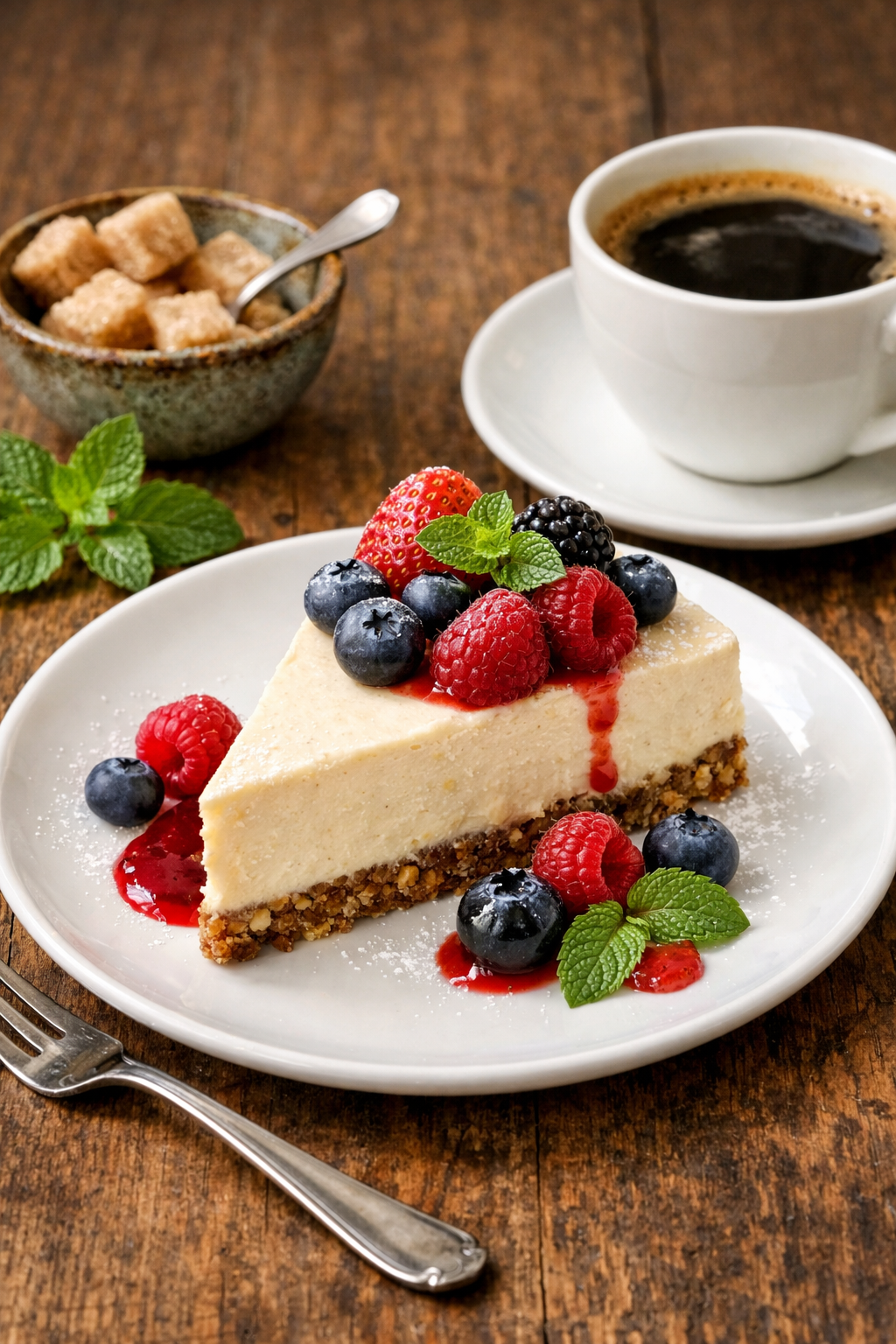
Welcome to the World of Dairy Free Cheesecake
I’ll never forget the day I discovered I was lactose intolerant. There I was, sitting in my favorite cafe, eyeing a gorgeous slice of New York cheesecake through the glass display. My stomach churned just thinking about the consequences. That’s when I decided to make my own version at home, and let me tell you, it changed everything.
Welcome to my blog where I share my love for all things delicious and dairy-free! Today, I’m excited to talk about a classic dessert with a twist: dairy free cheesecake. This creamy, dreamy dessert has saved countless dinner parties and satisfied my sweet tooth more times than I can count.
Whether you’re lactose intolerant, vegan, or just looking for a new recipe, this post is for you. I’ve spent years perfecting these recipes, and I’m ready to share everything I’ve learned. You don’t have to miss out on amazing desserts just because dairy isn’t your friend.
What is Dairy Free Cheesecake?
A dairy free cheesecake is exactly what it sounds like. It’s a cheesecake made without any milk, cream, or traditional cream cheese. Instead, we use smart substitutes that give you the same rich, creamy texture you love.
The magic happens when you replace dairy ingredients with plant-based alternatives. These substitutes work surprisingly well, and many people can’t even tell the difference. I’ve served these to dairy-loving friends who asked for seconds without knowing what they were eating.
So why choose a dairy-free option? The reasons vary from person to person:
- You might have lactose intolerance like me
- You could follow a vegan lifestyle
- Some people find dairy causes inflammation or skin issues
- Others simply want to reduce their dairy intake for health reasons
- Dairy allergies affect many children and adults
The health benefits go beyond just avoiding stomach troubles. Many dairy-free options contain less saturated fat than traditional cheesecakes. They’re often easier to digest and can help reduce bloating. Plus, ingredients like cashews and coconut cream bring their own nutritional benefits to the table.
Common ingredients in dairy-free cheesecakes include soaked cashews, silken tofu, coconut cream, and specialized dairy-free cream cheese brands. Each ingredient brings something unique to your dessert. Cashews create an incredibly smooth texture when blended. Tofu adds protein and a neutral base. Coconut cream provides richness and that essential fat content.
I love experimenting with different combinations. Sometimes I use Tofutti for a classic approach. Other times, I blend cashews for a paleo cheesecake that’s both grain-free and dairy-free. The options are endless once you understand the basics.
What Can Be Used as a Dairy-Free Substitute for Cream Cheese in Cheesecake?
This is probably the most common question I get. The answer depends on your dietary needs and taste preferences.
Cashews are my go-to for a truly natural option. Soak them overnight, blend them with lemon juice and a touch of coconut cream, and you’ve got a base that rivals any dairy version. The texture is silky smooth and the taste is neutral enough to take on any flavor you add.
If you’re looking for a vegan cheesecake no cashews option, don’t worry. Silken tofu works beautifully. It’s high in protein and creates a firm yet creamy texture. I use it when I want a lighter cheesecake or when I’m making one for friends with nut allergies.
Store-bought dairy-free cream cheese makes life easier. Brands like Daiya and Tofutti offer cream cheese alternatives that work just like the real thing. You can find dairy free cheesecake Tesco carries these brands in many locations, making them accessible for quick baking sessions.
Coconut cream adds richness but brings a slight coconut flavor. I use it in dairy free chocolate cheesecake recipes where the chocolate masks any coconut taste. It’s also perfect for tropical-flavored cheesecakes where that hint of coconut actually enhances the overall taste.
Dairy Free New York Cheesecake
Now we’re talking about the crown jewel of cheesecakes. A dairy free New York cheesecake is my absolute favorite thing to make. It’s rich, dense, and has that signature tangy flavor that makes New York style so famous.
The traditional version uses pounds of cream cheese and heavy cream. Our dairy-free version captures that same indulgent experience without any of the dairy. I’ve made this for holiday gatherings, and it disappears before the dairy versions do.
Key ingredients for this showstopper include:
- Two packages of dairy free cheesecake Tofutti cream cheese or dairy free cheesecake Daiya cream cheese
- One cup of raw cashews (soaked for at least 4 hours)
- Three-quarters cup of coconut cream
- Half cup of maple syrup or agave
- Fresh lemon juice for that essential tang
- Vanilla extract
- A pinch of salt
The secret to achieving that classic creamy texture lies in a few key techniques. First, make sure all your ingredients are at room temperature. Cold ingredients don’t blend as smoothly and can create lumps in your batter.
Blend your cashews until they’re completely smooth. I mean really smooth. If you feel any grittiness between your fingers, keep blending. This step takes patience but makes all the difference.
Don’t overbeat your batter. Mix just until combined. Too much air creates cracks on top. Speaking of cracks, bake your cheesecake in a water bath. This keeps the temperature even and the texture perfect.
Let it cool slowly in the oven with the door cracked open. Rushing this step causes cracks and texture issues. I know it’s hard to wait, but trust me on this one.
For a gluten and dairy free cheesecake recipe, use almond flour or crushed gluten-free cookies for the crust. Mix with coconut oil instead of butter, press into your pan, and bake for 10 minutes before adding the filling.
The vegan cheesecake calories are often lower than traditional versions, especially if you use less sweetener. My version comes in around 250 calories per slice, compared to 400-plus for regular cheesecake.
Can cheesecake be made dairy-free? Absolutely yes. After making hundreds of these, I can tell you they’re just as satisfying as any dairy version. The texture might be slightly different, but different doesn’t mean worse. Many people actually prefer the lighter, less heavy feeling after eating a slice.
Is cheesecake good for diabetics? Traditional cheesecake isn’t ideal due to high sugar content. However, you can make a diabetes-friendly version using sugar substitutes like erythritol or stevia. The dairy-free aspect doesn’t directly impact blood sugar, but using natural sweeteners helps tremendously.
Does Cheesecake Factory sell non-dairy cheesecake? As of now, they don’t offer a dairy-free option on their regular menu. This is exactly why learning to make your own is so valuable. You’re not limited by restaurant menus or expensive bakery prices.
Making a dairy free chocolate cheesecake follows the same basic method. Add half a cup of cocoa powder or melted dairy-free chocolate to your base mixture. The chocolate flavor pairs perfectly with the tangy cream cheese substitute and creates a dessert that’s absolutely irresistible.

Exploring Creative Dairy Free Cheesecake Variations
Once you’ve mastered the basics, a whole universe of flavors opens up. I remember the first time I realized I could adapt any cheesecake recipe to be dairy-free. It was like someone handed me the keys to the dessert kingdom.
Here’s the thing about dairy free cheesecake variations: they’re limited only by your imagination. I’ve experimented with everything from pumpkin spice to lavender honey, and each one taught me something new. Let me walk you through some of my favorite variations that have become staples in my baking rotation.
Creating the Perfect Paleo Cheesecake
My sister follows a strict paleo diet, which means no grains, no dairy, and no processed foods. When her birthday rolled around last year, I knew I had to make something special. That’s when I developed my paleo cheesecake recipe, and honestly, it’s become one of my most requested desserts.
The crust makes all the difference here. Instead of graham crackers, I pulse together raw pecans, medjool dates, and a pinch of sea salt. The dates act as a natural binder and sweetener. Press this mixture into your pan, and you’ve got a crust that tastes like pecan pie. Some people actually prefer this to traditional crusts because it’s got more flavor and texture.
For the filling, I rely entirely on soaked cashews blended with coconut cream. The sweetener is key for keeping it paleo-friendly. I use raw honey or pure maple syrup, though technically some strict paleo followers avoid maple. Dates work too if you blend them really well with the cashews. The result is naturally sweet without any refined sugar, and the flavor has this earthy richness that you just don’t get from regular cheesecake.
By the way, if you’re looking for other creative cheesecake ideas, you might enjoy my take on apple crumble cheesecake, which can easily be adapted to paleo standards by swapping out a few ingredients.
Vegan Cheesecake Without Cashews
Not everyone can eat nuts. My best friend developed a tree nut allergy in her thirties, which made many vegan desserts off-limits for her. That’s when I got serious about perfecting a vegan cheesecake no cashews recipe.
Silken tofu becomes your best friend here. I buy the softest silken tofu I can find, drain it gently, and blend it until it’s completely smooth. The key is adding enough fat and flavor to compensate for what cashews bring to the table. I mix in coconut cream and a good amount of lemon juice. The lemon is crucial because it gives you that tangy cream cheese flavor and helps cut through the tofu’s natural taste.
Another interesting option involves aquafaba, which is that liquid from a can of chickpeas. Sounds weird, I know. But whipped aquafaba adds an incredible lightness to the filling. I’ve made versions where I fold whipped aquafaba into the tofu mixture, and it creates this mousse-like texture that’s absolutely divine. It’s lighter than traditional cheesecake but still satisfying.
Funny enough, when I serve this version to people, they always ask what nuts I used. They’re shocked when I tell them there aren’t any. The texture is that good.
Going Double-Free with Gluten and Dairy Free Options
Making a gluten and dairy free cheesecake recipe might sound complicated, but it’s actually quite straightforward once you know the tricks. The challenge lies in the crust since most traditional crusts rely on graham crackers or cookies that contain gluten.
My favorite gluten-free crust combines almond flour with shredded coconut. I toast the coconut first, which adds this incredible depth of flavor. Mix it with melted coconut oil and a bit of maple syrup, press it down firmly, and bake it for exactly twelve minutes at 350 degrees. Let it cool completely before adding your filling. This step is non-negotiable because a warm crust will make your filling separate.
For store-bought options, several brands make excellent gluten-free cookies now. I’ve had great success with gluten-free vanilla cookies crushed up and mixed with coconut oil. Sometimes I grab whatever dairy free cheesecake Tesco has in their gluten-free section and experiment from there.
The filling follows the same principles we talked about earlier. Just make absolutely sure all your ingredients are certified gluten-free. Cross-contamination is real, especially with oats and certain brands of vanilla extract. I learned this the hard way when my celiac friend got sick after eating what I thought was a completely safe dessert.
If you’re into experimenting with unique flavors, check out this cookies and cream version that works beautifully when adapted for both dietary restrictions.
Chocolate Lovers Unite
A dairy free chocolate cheesecake holds a special place in my heart. Chocolate makes everything better, doesn’t it? I’ve found that cocoa powder works differently than melted chocolate, and each creates its own unique result.
When I use cocoa powder, I typically add about three-quarters of a cup to my standard recipe. Dutch-processed cocoa gives you a darker, richer flavor. Natural cocoa is lighter and slightly more acidic. I prefer Dutch-processed for cheesecakes because it creates that deep chocolate experience.
Melted dairy-free chocolate creates a silkier texture but adds more sweetness. I use Enjoy Life chocolate chips or any brand that’s specifically labeled dairy-free. Some dark chocolates are naturally dairy-free, but always check because milk powder sneaks into the most unexpected places.
The dairy free cheesecake chocolate variation also pairs incredibly well with different crusts. I’ve done Oreo-style cookies (the regular Oreos are actually vegan, which surprised me), chocolate graham crackers, and even a brownie crust for the ultimate chocolate overload. Speaking of creative crusts, the concept reminds me of tempura cheesecake, which takes an entirely different approach to the outer layer.
Store-Bought Shortcuts with Daiya
Look, I’m all about making things from scratch, but life gets busy. That’s where dairy free cheesecake Daiya products come in handy. Their cream cheese alternative works remarkably well and saves you hours of soaking and blending cashews.
I keep a couple blocks in my fridge for those last-minute dessert emergencies. Mix it just like you would regular cream cheese with your other ingredients. The texture is spot-on, and the taste is neutral enough that your flavor additions shine through. I’ve used it for everything from plain vanilla to pumpkin to strawberry cheesecakes.
One tip though: let it come to room temperature before mixing. Cold Daiya cream cheese doesn’t blend as smoothly and can leave lumps in your batter. I usually take it out of the fridge about two hours before I start baking.
Understanding the Nutritional Side of Dairy Free Cheesecake
Let’s talk numbers for a minute. I’m not a nutritionist, but I’ve done enough research and calorie counting to give you the real deal on what you’re eating.
The vegan cheesecake calories typically range from 200 to 350 per slice, depending on your recipe and how you cut your slices. Compare that to traditional cheesecake, which can easily hit 400 to 500 calories per serving. The difference comes mainly from the fat content. Dairy products, especially cream cheese and heavy cream, pack a lot of saturated fat.
When I make my cashew-based version, a typical slice contains about 240 calories. That includes roughly 16 grams of fat (mostly healthy fats from nuts), 20 grams of carbs, and 6 grams of protein. Not bad for a dessert, right? The protein content actually surprises people. Nuts and tofu both contribute good protein, which you don’t get much of in regular cheesecake.
Now, I’ll be honest. If you’re watching calories strictly, cheesecake of any kind isn’t a daily food. But knowing you’re getting better quality fats and avoiding the inflammation that dairy can cause makes it a smarter choice for an occasional treat.
Want to make it even healthier? I’ve got a few tricks. First, cut down on sweetener gradually. Your taste buds adjust over time. I started at a full cup of maple syrup and now use just half a cup in the same recipe. I don’t even notice the difference anymore. Add fruit to the top instead of sugary toppings. Fresh berries, mango slices, or even a simple fruit compote adds natural sweetness and vitamins.
Consider using stevia or monk fruit sweetener if you’re trying to reduce sugar intake dramatically. I know some people don’t like the taste of these alternatives, but brands have gotten so much better. The key is not using too much because they’re sweeter than regular sugar.
The nutritional benefits go beyond just calories too. Coconut cream contains medium-chain triglycerides, which your body processes differently than other fats. Cashews bring magnesium, copper, and iron. Tofu offers calcium and all nine essential amino acids. You’re basically getting nutrients that traditional cheesecake just doesn’t provide.
My personal approach is to think of these desserts as treats that happen to have some nutritional value rather than health foods that taste like dessert. That mindset keeps things balanced and realistic.
Where to Buy Dairy Free Cheesecake
So maybe you’re not quite ready to make your own yet, or perhaps you just need something quick for tonight’s dinner party. I totally get it. Sometimes you just want to grab something off a shelf and call it a day. The good news is that dairy-free cheesecakes have become way more accessible in recent years.
Finding dairy free cheesecake Tesco locations carry has gotten easier, though availability varies by store. I’ve noticed their larger locations tend to stock more specialty items. The frozen dessert section is your best bet. They usually carry a couple of brands, and I’ve seen both individual slices and full-size cakes. The selection changes seasonally though, so what’s there in December might not be available in June.
Here’s the thing about store-bought options: they’re convenient but come with trade-offs. The ingredients list on some of these can be surprisingly long. I picked up one last month that had seventeen ingredients, including things I couldn’t pronounce. That doesn’t necessarily make it bad, but it’s worth reading labels if you’re trying to avoid certain additives or preservatives.
Other supermarkets have stepped up their game too. Whole Foods usually has at least two or three options in their bakery section. I’ve found really good ones there, though they’re pricier than making your own. Trader Joe’s occasionally stocks seasonal dairy-free cheesecakes. Their pumpkin version last fall was honestly amazing. Target has started carrying some brands in their natural foods section, which surprised me the first time I spotted them.
Store-Bought Brands Worth Trying
Let me break down the brands I’ve actually tried and what I think of each. Daiya makes frozen cheesecakes that you thaw before serving. They’ve got plain, strawberry, and chocolate varieties. The texture is pretty good, though I find them a bit sweeter than I prefer. They’re widely available, which makes them a solid backup option.
Kite Hill makes some incredible dairy-free desserts. Their cheesecakes use almond milk as a base, and the texture is remarkably close to traditional versions. I served their Key Lime flavor at a barbecue last summer, and three people asked where I bought it. The downside? They’re expensive. We’re talking twelve to fifteen dollars for a relatively small cake.
There’s also a brand called So Delicious that does coconut-based options. These definitely have that coconut flavor coming through, so keep that in mind. I like them, but my brother hates coconut and wouldn’t touch it. Know your audience, basically.
For something more artisanal, check local bakeries in your area. More and more small businesses are offering vegan and dairy-free options. I found a bakery three towns over that makes individual dairy free chocolate cheesecake portions that are absolutely incredible. They use cashews and actually taste better than most dairy versions I’ve had. Supporting local businesses feels good too.
Making Your Own vs. Buying Pre-Made
This debate happens in my head every single time I need a dessert. Do I spend three hours making it from scratch or twenty minutes driving to the store?
Cost-wise, making your own wins hands down. A homemade dairy free cheesecake costs me about twelve dollars in ingredients and feeds eight to ten people. That same amount of store-bought cheesecake would run me at least thirty dollars, maybe more depending on the brand. If you make cheesecake even occasionally, the savings add up fast.
The quality difference is noticeable too. When you make it yourself, you control everything. Less sugar? Done. Extra lemon? Easy. Want to make a paleo cheesecake? Can’t find that in stores. The customization alone makes homemade worth it for me most of the time.
Time is the real consideration. Between soaking cashews, making the crust, blending everything, baking, and cooling, you’re looking at a full day commitment when you factor in chill time. Store-bought wins when you’re pressed for time. I’ve definitely grabbed a pre-made one the night before unexpected guests arrived.
Skill level matters too. My first few attempts at homemade didn’t turn out great. There’s a learning curve. If you’re just dipping your toes into dairy-free baking, buying one first gives you a baseline for what to aim for. Then you can experiment at home without the pressure.
By the way, you could also try adapting other baking techniques to improve texture and consistency. For instance, understanding gentle cooking methods like braising can teach you about low, slow heat application that translates surprisingly well to preventing cracks in baked cheesecakes. Temperature control is everything in both techniques.
Tips for Finding the Best Options in Stores
After years of hunting down decent dairy-free desserts, I’ve developed a system. First, always check multiple sections. Stores are inconsistent about where they put these products. I’ve found them in frozen desserts, the natural foods section, the bakery, and even randomly near the produce once. Don’t assume there’s nothing just because you checked one spot.
Read the ingredients carefully. Some products labeled dairy-free still contain honey, which matters if you’re vegan. Others have eggs. Make sure whatever you’re buying actually fits your dietary needs. I once grabbed something that said dairy-free in big letters, only to discover it had butter listed fifth on the ingredients. Sneaky labeling happens.
Check the expiration date, especially on frozen items. I learned this the hard way when I bought a supposedly fresh cheesecake that had been sitting in that freezer for six months. The texture was grainy and weird. Fresher is always better, even with frozen desserts.
Ask the bakery department if they can special order anything. Some stores don’t display their full inventory. I’ve had success requesting specific items, especially around holidays. They’re often willing to bring in a case if you give them a week’s notice.
Join store loyalty programs and watch for sales. These specialty items go on sale less frequently than regular products, but when they do, stock up. I grabbed three Kite Hill cheesecakes for half price last month and keep them in my freezer for emergencies. They last for months frozen.
Connect with other dairy-free folks in your area. Facebook groups and local forums are gold mines for finding out where things are in stock. Someone in my local vegan group posts weekly updates on what’s available at different stores. That kind of community knowledge saves so much time.
Additional Tips and Tricks for Perfecting Your Dairy-Free Cheesecake
Alright, let’s get into some of the game-changing techniques I’ve picked up that don’t quite fit anywhere else but are too important not to share.
Temperature management might sound boring, but it makes or breaks your cheesecake. Everything should be room temperature before mixing. I mean everything. Your dairy-free cream cheese, your blended cashews, even your sweetener if you’re using maple syrup. Cold ingredients create lumps and don’t incorporate smoothly. I set everything out about three hours before I start baking.
Invest in a high-powered blender if you’re serious about making these regularly. My old blender left tiny cashew bits in the mixture no matter how long I blended. I finally bought a Vitamix, and the difference was night and day. Completely smooth every single time. Yes, they’re expensive, but they last forever and handle everything from smoothies to nut butters.
Water baths prevent cracks and create even cooking. Place your springform pan inside a larger roasting pan, then pour hot water into the roasting pan until it comes halfway up the sides of your cheesecake pan. Wrap the bottom of your springform pan in aluminum foil first to prevent leaks. This technique keeps the temperature steady and the top from drying out.
Don’t open the oven door while it’s baking. I know it’s tempting. You want to check on it. But every time you open that door, the temperature drops and your cheesecake suffers. Trust the process. Set a timer and walk away. If you’re exploring more cheesecake variations and recipes, you’ll find this rule applies across the board regardless of which type you’re making.
The cooling process deserves its own paragraph because people rush this constantly. When your timer goes off, turn off the oven and crack the door open about an inch. Let the cheesecake sit in there for an hour. Then take it out and let it cool on the counter for another hour. Then refrigerate for at least four hours, preferably overnight. This gradual temperature change prevents cracks and improves texture. Patience pays off here.
Funny enough, the best topping for covering any imperfections is fresh fruit or a simple fruit compote. If your cheesecake cracks despite your best efforts, pile on some berries and suddenly it looks rustic and intentional. Nobody needs to know it wasn’t planned.
Experiment with different crust options beyond what recipes suggest. I’ve made crusts from dates and nuts, from gluten-free cookies, from coconut and almonds, even from puffed rice cereal mixed with coconut oil. Each one changes the whole dessert experience. Sometimes the crust becomes people’s favorite part.
Freeze slices individually for future cravings. I cut my cheesecake into portions, wrap each slice in plastic wrap, then foil, and keep them in the freezer. They thaw beautifully in about thirty minutes on the counter. It’s like having your own personal dessert stash that’s actually homemade and way better than anything from a store.
Consider making mini cheesecakes in muffin tins. Same recipes, different pan. They bake faster, portion control is built in, and they’re perfect for parties. I make these for potlucks because people can just grab one without needing plates or forks. The crust-to-filling ratio is also better in individual portions, at least in my opinion.
One last thing that really matters: taste as you go. Before you pour that filling into your crust, taste it. Not sweet enough? Add more maple syrup. Needs more tang? Squeeze in more lemon. You can’t fix it after it’s baked, so make sure it’s exactly how you want it beforehand. I adjust something in almost every batch I make based on how the batter tastes.
Whether you’re making a classic dairy free New York cheesecake or trying your hand at a creative flavor, these techniques will set you up for success. The beautiful thing about dairy-free baking is that it’s forgiving in unexpected ways. You can experiment without worrying about traditional rules because you’re already breaking them by not using dairy.
Making your own dairy-free cheesecake isn’t just about saving money or avoiding allergens. It’s about creating something delicious with your own hands that everyone can enjoy. That first time someone takes a bite and can’t believe it’s dairy-free? That feeling never gets old. Trust your instincts, don’t be afraid to experiment, and remember that even the mistakes usually taste pretty good.
Frequently Asked Questions
What can be used as a dairy-free substitute for cream cheese in cheesecake?
The most popular substitutes are soaked cashews blended until smooth, silken tofu, coconut cream, and store-bought dairy-free cream cheese brands like Daiya or Tofutti. Cashews create the smoothest, most neutral-tasting base when soaked overnight and blended with lemon juice. Silken tofu works great for nut-free versions and adds protein. Store-bought alternatives are the easiest option and work just like regular cream cheese. Each substitute brings slightly different flavors and textures, so choose based on your dietary needs and taste preferences.
Can cheesecake be made dairy-free?
Absolutely yes. Dairy-free cheesecake can be just as creamy and delicious as traditional versions. By replacing cream cheese with cashews, tofu, or dairy-free cream cheese alternatives, you get similar texture and richness. The key is using the right ratios and techniques. I’ve served dairy-free cheesecakes to people who couldn’t tell the difference from regular ones. With proper ingredients and methods, you won’t feel like you’re missing out on anything. The texture might be slightly different, but many people actually prefer it because it’s lighter and easier to digest.
Is cheesecake good for diabetics?
Traditional cheesecake isn’t ideal for diabetics due to high sugar content and refined carbohydrates. However, you can make diabetes-friendly versions using sugar substitutes like erythritol, stevia, or monk fruit sweetener. These alternatives don’t spike blood sugar the way regular sugar does. Using almond flour for the crust instead of graham crackers also helps reduce the glycemic impact. The dairy-free aspect doesn’t directly affect blood sugar, but natural ingredients often work better for blood sugar management. Always consult with a healthcare provider about specific dietary needs and portion sizes.
Does Cheesecake Factory sell non-dairy cheesecake?
As of now, The Cheesecake Factory doesn’t offer a dairy-free cheesecake option on their standard menu. This is frustrating for those of us with dairy restrictions who want restaurant-quality desserts. Some locations might accommodate special requests, but there’s no guarantee. This is exactly why learning to make your own dairy-free version is so valuable. You get better control over ingredients, save money, and can enjoy cheesecake whenever you want without relying on restaurant availability. Homemade versions often taste better anyway.
How long does dairy-free cheesecake last in the fridge?
Properly stored dairy-free cheesecake lasts about five to seven days in the refrigerator. Cover it tightly with plastic wrap or store it in an airtight container to prevent it from absorbing other food odors. The lack of dairy actually helps it last longer than traditional cheesecake in some cases. If you notice any off smells or discoloration, throw it out. For longer storage, freeze individual slices wrapped well in plastic wrap and foil. Frozen slices keep for up to three months and thaw beautifully in about thirty minutes at room temperature.
Why did my dairy-free cheesecake crack on top?
Cracks happen for several reasons, most commonly from temperature changes or overbeating. Rapid cooling causes the surface to contract faster than the inside, creating cracks. Prevent this by cooling your cheesecake gradually in the oven with the door cracked. Overbeating incorporates too much air, which escapes during baking and causes cracks. Mix just until combined. Using a water bath during baking helps maintain even temperature. Don’t worry too much though because cracks don’t affect taste, and you can always cover them with fruit or toppings.
Can I use regular Oreos for a dairy-free cheesecake crust?
Yes, surprisingly regular Oreos are actually vegan and dairy-free, though they’re made in facilities that process milk. The cream filling contains no actual dairy products. Crush them up with melted coconut oil, and you’ve got an easy crust. However, always check the package because formulations can change by country. If you’re highly sensitive to dairy or have severe allergies, the cross-contamination warning might matter. For most people following a dairy-free diet by choice, regular Oreos work perfectly fine and taste amazing in cheesecake crusts.
Do I really need to soak cashews overnight for cheesecake?
Soaking cashews makes them blend much smoother and easier to digest. Overnight soaking is ideal, but if you’re in a hurry, you can do a quick soak by covering them with boiling water for one hour. The longer soak produces better texture though. If you have a really powerful blender like a Vitamix, you can sometimes get away with shorter soaking times. Raw cashews work better than roasted ones because roasted cashews have oils that can affect the flavor. Don’t skip soaking entirely or you’ll end up with grainy, gritty cheesecake that’s unpleasant to eat.
What’s the best way to remove a dairy-free cheesecake from the pan?
Always use a springform pan for easiest removal. Before adding your crust, line the bottom with parchment paper cut to fit. Once your cheesecake is completely chilled, run a thin knife around the edges to loosen it. Then carefully release the springform clasp. If it’s sticking, warm the knife under hot water and try again. The parchment paper lets you slide the cheesecake off the pan bottom onto a serving plate. Never try to flip it or remove it while it’s still warm. Patience during cooling makes removal so much easier and prevents your beautiful dessert from falling apart.
Can I make dairy-free cheesecake without a springform pan?
Yes, though it’s trickier. You can use a regular cake pan lined completely with parchment paper, leaving enough overhang to lift the whole cheesecake out once it’s set. Pie dishes work for more casual presentations. Some people make no-bake versions in loaf pans that you can slice directly. Individual servings in mason jars or ramekins are another option that eliminates removal concerns altogether. The springform pan just makes life easier and gives you that classic cheesecake look. If you make these regularly, investing in a springform pan is worth it for the convenience and professional appearance.
Making dairy-free cheesecake has genuinely changed how I think about desserts. You don’t have to sacrifice flavor or texture just because you’re avoiding dairy. With the right techniques and a little practice, you’ll be creating desserts that impress everyone, regardless of their dietary restrictions. Start with a simple recipe, trust the process, and don’t be afraid to make it your own.
Equipment
- High-Powered Blender
- Springform Pan
- Roasting Pan for water bath
- Measuring Cups and Spoons
- Parchment Paper
Ingredients
- 2 packages Dairy-Free Cream Cheese Tofutti or Daiya
- 1 cup Raw Cashews soaked for at least 4 hours
- 3/4 cup Coconut Cream
- 1/2 cup Maple Syrup or Agave
- to taste Fresh Lemon Juice
- to taste Vanilla Extract
- 1 pinch Salt
Instructions
- Soak the cashews in water for at least 4 hours.
- Preheat your oven.
- Ensure all ingredients are at room temperature before blending.
- Blend soaked cashews with lemon juice and coconut cream until completely smooth.
- Add the dairy-free cream cheese, maple syrup, vanilla extract, and salt to the blender.
- Blend again until fully combined without overbeating.
- Prepare a springform pan and, if desired, line with parchment.
- Pour the cheesecake mixture into the prepared pan.
- Bake in a water bath to prevent cracks.
- Let the cheesecake cool slowly in the oven with the door cracked open.
- Chill in the refrigerator for at least 4 hours or overnight before serving.
Notes
Nutrition

Hello! I’m Sarah Mitchell, and I’m passionate about bringing creativity and innovation to baking. My love for baking started in high school when I first tried my hand at decorating cupcakes for a class project. What began as a fun hobby quickly became a full-time passion. I’ve spent the past decade working in bakeries and dessert shops, honing my skills in everything from simple cookies to intricate wedding cakes.
After working in some of the top bakeries across the country, I realized that baking was about more than just following recipes — it was about infusing your personality into each creation. At BakingSecret.com, I love creating recipes that push boundaries while staying true to the heart of classic baking. I specialize in creating delicious and visually stunning pastries that will wow your guests.
When I’m not baking, I enjoy teaching baking classes, trying out new cake decoration techniques, and traveling to find inspiration in global dessert traditions. I’m so excited to share my tips and tricks with you to help elevate your baking game!