
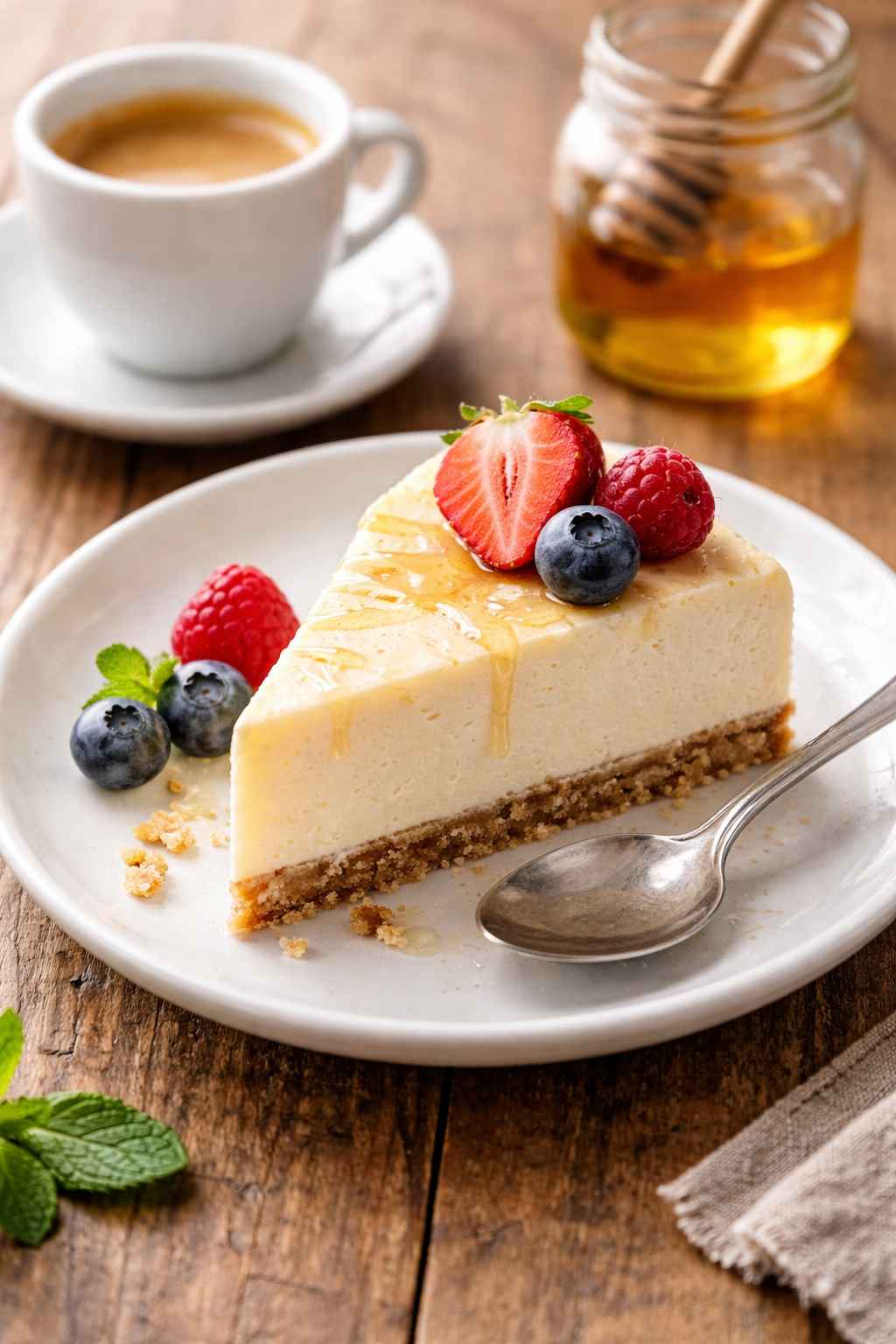
Welcome to My Kitchen: The Perfect Gluten Free Cheesecake Recipe
Last summer, I had about twelve friends coming over for dinner. One of them called the night before to mention she couldn’t eat gluten. I panicked. My go-to cheesecake recipe had always included regular graham crackers for the crust. That’s when I discovered how simple it is to make an amazing gluten free cheesecake recipe that tastes just as good, if not better, than the traditional version.
Here’s the thing: I couldn’t tell the difference. Neither could my guests. The person with celiac disease was thrilled, and everyone else went back for seconds. That experience taught me that baking without gluten doesn’t mean giving up flavor or texture.
Today I’m sharing everything I’ve learned about making the best healthy gluten free cheesecake recipe. This isn’t just for people who need to avoid gluten. It’s for anyone who wants a creamy, rich dessert that happens to be a bit healthier than the usual options.
Why Choose a Gluten Free Cheesecake?
You might wonder if making a gluten free cheesecake is worth the effort. Let me tell you why it absolutely is.
First, the health reasons are real. About 1 in 100 people worldwide has celiac disease. For these folks, eating gluten triggers an immune response that damages the small intestine. But celiac disease isn’t the only reason to go gluten-free. Many people have non-celiac gluten sensitivity. They experience bloating, headaches, and fatigue after eating wheat products.
My cousin deals with this. She used to skip dessert at family gatherings because she felt sick afterward. Now she can enjoy gluten free cheesecake bites without any problems. Watching her actually enjoy dessert again makes the extra planning worthwhile.
Even if you don’t have dietary restrictions, there are reasons to try this recipe. Many gluten-free crusts use almond flour or ground nuts. These ingredients add healthy fats and protein. They also create a richer, more interesting flavor than plain graham crackers.
You might ask: What desserts should celiacs avoid? The list is longer than you’d think. Traditional cakes, cookies, brownies, and pie crusts all contain wheat flour. Many store-bought ice creams have gluten in mix-ins or stabilizers. Even some puddings contain wheat starch. Cheesecake is one of the easier desserts to adapt because the filling is naturally gluten-free.
Speaking of the filling, people often wonder: Is Philadelphia cream cheese filling gluten-free? Yes, plain Philadelphia cream cheese contains no gluten. The ingredients are milk, cream, salt, and stabilizers. Just check the label if you’re using flavored versions. Some add cookies or other mix-ins that contain wheat.
You can also make a gluten free crustless cheesecake if you want to keep things super simple. The filling is the star anyway. I’ve done this for brunches, and it works beautifully. Just grease your pan well and maybe dust it with a bit of almond flour.
Ingredients You Need for Your Gluten Free Cheesecake
Let’s talk about what goes into this recipe. I’ll break down the crust and filling separately.
For the Gluten Free Crust:
- 2 cups almond flour or finely ground almonds
- 3 tablespoons melted butter or coconut oil
- 2 tablespoons honey or maple syrup
- 1/4 teaspoon sea salt
The gluten free cheesecake crust almonds create is nutty and slightly sweet. Almond flour works better than whole almonds because it packs down more evenly. You can also use gluten-free graham crackers if you find a brand you trust. Just crush them finely and mix with melted butter.
Some people ask about a gluten free cheesecake graham cracker crust. Several brands now make gluten-free graham crackers. Look for Kinnikinnick or Pamela’s at your grocery store. You’ll need about 1.5 cups of crumbs mixed with 5 tablespoons of melted butter.
For the Cheesecake Filling:
- 32 ounces cream cheese, softened (four 8-ounce packages)
- 1 cup sugar or coconut sugar for a healthier option
- 1 cup sour cream
- 4 large eggs
- 2 teaspoons vanilla extract
- 1 tablespoon lemon juice
This brings up a common question: What are the ingredients in 3 ingredient cheesecake? The simplest version uses just cream cheese, sugar, and eggs. It works in a pinch. But adding sour cream makes the texture creamier. Vanilla and lemon juice boost the flavor significantly.
Every ingredient serves a purpose. The cream cheese provides that classic tangy richness. Sugar sweetens and helps create a smooth texture. Eggs bind everything together and give the cheesecake structure. Sour cream adds moisture and prevents cracking.
I always use full-fat cream cheese. Low-fat versions have more stabilizers and less flavor. They also produce a denser, less creamy result. If you’re making a healthy gluten free cheesecake recipe, the natural fats in cream cheese aren’t the enemy. They help you feel satisfied with a smaller portion.
One more thing about cream cheese: let it sit at room temperature for at least an hour before mixing. Cold cream cheese creates lumps no matter how long you beat it. I learned this the hard way after serving a cheesecake with weird chunks throughout.
Making Your Healthy Gluten Free Cheesecake Recipe
Now for the fun part. Making this gluten free cheesecake recipe is easier than you think. I’ll walk you through each step.
Step 1: Prepare Your Pan
Use a 9-inch springform pan. These pans have removable sides that make serving so much easier. Wrap the outside with aluminum foil if you plan to use a water bath. This prevents water from seeping in.
Grease the pan with butter or cooking spray. This helps the crust stick and makes removal cleaner.
Step 2: Make the Crust
Preheat your oven to 325°F. Mix your almond flour, melted butter, honey, and salt in a bowl. The mixture should feel like wet sand. Press it firmly into the bottom of your pan. Use the bottom of a measuring cup to pack it down evenly.
Bake the crust for 10 minutes. This sets it and prevents sogginess later. Let it cool while you make the filling.
Step 3: Mix the Filling
Beat the cream cheese on medium speed until smooth and fluffy. This takes about 3 minutes. Scrape down the sides of the bowl often. Add the sugar and beat for another 2 minutes.
Mix in the sour cream, vanilla, and lemon juice. Then add the eggs one at a time. Beat just until each egg is incorporated. Overmixing creates too much air, which can cause cracks.
Step 4: Bake the Cheesecake
Pour the filling over your cooled crust. Tap the pan gently on the counter to release air bubbles. Place it in the oven.
Bake for 55 to 65 minutes. The edges should be set, but the center should still jiggle slightly when you shake the pan. It will firm up as it cools.
Turn off the oven and crack the door open. Let the cheesecake cool in the oven for an hour. This gradual temperature change prevents cracks.
Step 5: Chill and Serve
Remove the cheesecake from the oven and let it cool to room temperature. Then refrigerate for at least 4 hours, or overnight. This waiting period is hard but necessary. The texture improves dramatically after a good chill.
You can top it with fresh berries to make a gluten free strawberry cheesecake. Just slice strawberries and arrange them on top before serving. A drizzle of sugar-free jam works too.
Another option is to make gluten free cheesecake bites. Use a mini muffin tin instead of a springform pan. Press a small amount of crust into each cup, add filling, and bake for 20 to 25 minutes. These are perfect for parties.
Some people wonder: Is cheesecake better for diabetics? It depends. Cheesecake has less carbohydrate than many desserts if you reduce the sugar. You could use a sugar substitute like erythritol or stevia. The high fat content also means it won’t spike blood sugar as quickly as a cookie might. Still, portion control matters. A small slice is fine for most people with diabetes.
If you don’t want to bake, you can look for gluten free cheesecake to buy. The Cheesecake Factory offers gluten-free options. Whole Foods and other natural grocery stores often stock them too. Just call ahead to check availability.
You might also search for gluten free cheesecake near me to find local bakeries. Many small bakeries now cater to dietary restrictions. Supporting local businesses while getting a delicious dessert is always a win.
The beauty of this recipe is its flexibility. You can adjust sweetness, swap the crust ingredients, or skip the crust entirely. Is cheesecake gluten free without the crust? Absolutely. The filling naturally contains no gluten. Going crustless cuts prep time and makes the dessert even healthier.
I’ve made this recipe dozens of times now. It shows up at birthday parties, holiday dinners, and random Tuesday nights when I need something special. No one ever guesses it’s gluten-free unless I mention it. That’s the goal: a dessert so good that dietary restrictions become invisible.

Endless Ways to Customize Your Gluten Free Cheesecake Recipe
Once you’ve nailed the basic technique, a whole world of flavors opens up. I get bored making the same dessert twice, so I’ve experimented with more variations than I can count. Some worked brilliantly. Others ended up as “learning experiences” that my dog enjoyed more than my family did.
The simplest variation is a gluten free strawberry cheesecake. Fresh strawberries work best, though frozen ones are fine if you thaw and drain them first. I like to make a quick strawberry sauce by simmering two cups of sliced berries with a quarter cup of sugar and a squeeze of lemon juice for about ten minutes. Let it cool, then spoon it over individual slices. The contrast between the tangy filling and sweet fruit is perfect.
Last spring, I tried arranging fresh strawberry slices in a circular pattern on top of the cheesecake before chilling it. Looked gorgeous for about fifteen minutes until someone cut into it. Next time, I’ll stick with sauce.
For chocolate lovers, try swirling melted dark chocolate through the filling before baking. Melt about four ounces of chocolate and drizzle it over the filling in the pan. Use a butter knife to create swirls. Don’t overmix or you’ll lose the marbled effect. This technique also works with caramel sauce or fruit preserves.
By the way, if you’re interested in unusual cheesecake variations, you should check out tempura cheesecake, which takes frozen cheesecake pieces and fries them in a light batter. Sounds wild, but it’s incredible.
Mini versions are my favorite for gatherings. Gluten free cheesecake bites disappear faster than I can make them. Line a mini muffin tin with paper liners. Press about a teaspoon of crust mixture into each cup. Add a tablespoon of filling. Bake at 325°F for eighteen to twenty-two minutes. The centers should still look slightly soft.
These little bites are perfect for testing new flavors without committing to an entire cheesecake. I once made twelve different varieties for a party: plain, chocolate chip, lemon zest, raspberry, coffee, and more. People loved having options. One guest ate six different flavors and declared it a “cheesecake tasting experience.” I might have created a monster.
Seasonal variations keep things interesting. In fall, I add a half cup of pumpkin puree and a teaspoon of pumpkin pie spice to the filling. For winter holidays, peppermint extract and crushed candy canes on top feel festive. Summer calls for key lime juice instead of lemon, topped with whipped cream.
Funny enough, my most requested variation isn’t fancy at all. It’s a simple cookies and cream cheesecake made with crushed gluten-free chocolate sandwich cookies mixed into the filling. Kids go absolutely crazy for it. Adults do too, but they’re slightly more subtle about it.
Choosing the Right Gluten Free Cheesecake Crust
The crust deserves its own discussion because it makes or breaks the whole dessert. I mentioned almond flour earlier, but there are several other options worth exploring.
A traditional gluten free cheesecake graham cracker crust requires finding good gluten-free graham crackers. Kinnikinnick brand tastes closest to regular graham crackers in my experience. Schär makes decent ones too. You’ll need about ten full crackers, crushed into fine crumbs. Mix them with five tablespoons of melted butter and two tablespoons of sugar. Press into your pan and bake for ten minutes at 325°F.
Here’s something I discovered by accident: crushing the crackers in a food processor works better than using a rolling pin and plastic bag. The texture is more consistent. But if you need to work out some frustration, the rolling pin method is surprisingly therapeutic.
For a richer option, the gluten free cheesecake crust almonds create has more depth. Ground almonds or almond flour mixed with butter and a touch of sweetener produces a crust that tastes like the world’s best cookie. Some people add a tablespoon of cocoa powder for a chocolate almond crust. That combination pairs beautifully with cherry or raspberry toppings.
Pecans work just as well as almonds. So do walnuts, though they have a slightly bitter note that some people don’t enjoy. I’ve used gluten-free gingersnaps too. The spicy ginger flavor complements pumpkin or apple cheesecakes perfectly. Speaking of apple, an apple crumble cheesecake with a gingersnap crust is something special for autumn gatherings.
If you want something completely different, try a coconut macaroon crust. Mix two cups of unsweetened shredded coconut with three tablespoons of melted coconut oil and two tablespoons of honey. Toast it lightly in the oven before pressing it into your pan. This creates a tropical flavor that works wonderfully with lime or mango cheesecakes.
Now, plenty of people ask whether they even need a crust. The answer is no. A gluten free crustless cheesecake is completely valid and actually easier to make. Just grease your pan really well, pour in the filling, and bake as usual. You lose some textural contrast, but you gain simplicity and save some calories.
I make crustless versions when I’m in a hurry or trying to keep things lighter. Nobody has ever complained. The filling is rich enough to stand alone. Sometimes I’ll dust the finished cheesecake with cinnamon or cocoa powder for visual interest.
My Best Tips for Gluten Free Cheesecake Success
Even experienced bakers can struggle with cheesecake. It’s one of those deceptively simple recipes that requires attention to detail. Let me share what I’ve learned through many attempts, some successful and some… educational.
Temperature is everything. Every ingredient should be at room temperature before you start mixing. Cold eggs won’t incorporate smoothly. Cold cream cheese creates lumps. I set everything out on the counter at least an hour before baking. If I forget, I’ll place the eggs in warm water for five minutes and microwave the cream cheese for ten seconds at a time.
Mix the filling just until smooth. This is the mistake I see most often in comments on gluten free cheesecake allrecipes and similar sites. People think more mixing equals better texture. Actually, overmixing incorporates too much air. Those air bubbles expand during baking and create cracks. Beat the cream cheese until fluffy, then add other ingredients with minimal mixing.
The water bath method prevents cracks and creates creamier texture. Wrap your springform pan in aluminum foil, place it in a larger roasting pan, and pour hot water into the roasting pan until it reaches halfway up the sides of the springform pan. The steam keeps the cheesecake moist and helps it bake evenly.
I’ll be honest though: I don’t always use a water bath. It’s extra work and occasionally leaks despite the foil. If I skip it, I place a pan of hot water on the lower oven rack instead. Not quite as effective, but much easier.
Don’t open the oven door during baking. I know it’s tempting to check on things. Resist. Temperature fluctuations cause problems. Set a timer and trust the process.
The cooling process matters as much as the baking. When your cheesecake finishes baking, turn off the oven and crack the door open about an inch. Let it cool inside the oven for an hour. This gradual temperature change prevents the sudden contraction that causes cracks.
After the oven cool-down, let it sit at room temperature until it’s completely cool. Then refrigerate for at least four hours, though overnight is better. I usually make cheesecake the day before I need it. The flavors develop and the texture improves with time.
Here’s a trick for cutting clean slices: dip your knife in hot water and wipe it clean between each cut. Cold, sticky cheesecake doesn’t stick to a warm knife. Each slice comes out looking professional.
If you’re dealing with other dietary restrictions beyond gluten, you might want to explore a dairy free cheesecake made with cashew cream or coconut cream instead of regular cream cheese.
Finding Quality Gluten Free Cheesecake to Buy
Not everyone wants to bake from scratch. Maybe you’re short on time. Maybe your oven is broken. Maybe you just don’t enjoy baking. That’s completely fine. Several options exist for purchasing ready-made versions.
Searching for gluten free cheesecake near me usually brings up local bakeries. Call ahead and ask questions. Some places make truly gluten-free desserts in dedicated facilities. Others just skip the crust and call it gluten-free while using shared equipment. For people with celiac disease, that cross-contamination matters.
Whole Foods carries frozen gluten-free cheesecakes in some locations. They’re decent for store-bought options. Not as good as homemade, but perfectly acceptable for a last-minute dessert. Trader Joe’s occasionally has gluten-free options too, though availability varies by season.
The Cheesecake Factory offers a gluten-free cheesecake on their menu now. I tried it once when traveling. It was good, though quite sweet for my taste. Portions are enormous, so plan to share or take leftovers home.
Online ordering expands your options significantly. Several specialty bakeries ship nationwide. I’ve ordered from Katz Gluten Free and Sensitive Sweets with good results. They arrive frozen with dry ice. Just thaw in the refrigerator overnight before serving.
When looking for gluten free cheesecake to buy, check the ingredients list carefully. Some manufacturers sneak gluten into unexpected places. Stabilizers, thickeners, and flavorings can contain wheat derivatives. Labels should clearly state “gluten free” and ideally mention certification from organizations like GFCO.
Prices for purchased cheesecakes run higher than homemade versions. You’re paying for convenience and expertise. A whole gluten-free cheesecake from a specialty bakery typically costs between thirty and fifty dollars. Individual slices at restaurants run eight to twelve dollars. Making your own costs about fifteen dollars in ingredients and produces the same amount.
That said, sometimes convenience wins. I keep a frozen gluten-free cheesecake in the freezer for unexpected guests or those nights when I just can’t manage cooking and dessert. It’s nice having a backup plan that doesn’t involve disappointing people with dietary restrictions.
Common Questions About Making Gluten Free Cheesecake
Over the years, I’ve gotten tons of questions about making gluten free cheesecake recipe variations. Some come from people new to gluten-free baking. Others come from experienced bakers trying to adapt their favorite recipes. I’ve compiled the most common ones here with answers based on my own trial and error.
One question pops up constantly: Is cheesecake better for diabetics? The answer isn’t straightforward. Traditional cheesecake contains a lot of sugar, which isn’t ideal for managing blood sugar levels. However, cheesecake has some advantages over other desserts. The high fat and protein content from cream cheese and eggs slows down sugar absorption. This means it won’t spike your blood sugar as dramatically as a piece of cake or a cookie might.
My uncle has type 2 diabetes, and his dietitian actually approves of occasional small portions of cheesecake. The key word there is “small.” A thin slice, maybe one-twelfth of a nine-inch cheesecake, contains about twenty-five to thirty grams of carbohydrates depending on the recipe. That’s manageable for most people with diabetes when planned into their meal plan.
You can make cheesecake more diabetes-friendly by reducing the sugar. I’ve successfully cut the sugar by a third without major texture changes. For even less impact, use sugar substitutes like erythritol or monk fruit sweetener. These don’t affect blood sugar the same way regular sugar does. Just be aware that some sugar substitutes have a cooling aftertaste that not everyone enjoys.
Another common question: Is Philadelphia cream cheese filling gluten-free? Yes, plain Philadelphia cream cheese is naturally gluten-free. The ingredients are simply milk, cream, salt, and stabilizers like carob bean gum. I’ve used it in countless healthy gluten free cheesecake recipe versions without issues.
Here’s where you need to be careful though: flavored cream cheese spreads sometimes contain additives that include gluten. The strawberry or blueberry versions might have cookie pieces or other mix-ins. Always check labels if you’re buying anything beyond plain cream cheese. When in doubt, call the manufacturer’s customer service line. They can tell you definitively whether a product is safe for people with celiac disease.
I learned this lesson the hard way when I grabbed a “limited edition” cream cheese flavor for a party without reading the label carefully. Turned out it had graham cracker pieces mixed in. Fortunately I noticed before serving it to my friend with celiac disease, but it was a close call that taught me to always double-check.
People also ask: What desserts should celiacs avoid? The list is honestly pretty long. Traditional cakes, cupcakes, cookies, brownies, and muffins all contain wheat flour. Pie crusts, tarts, and pastries are usually off-limits too. Many puddings and custards use wheat starch as a thickener. Ice cream can be tricky because mix-ins like cookie dough or brownie pieces contain gluten.
Even some seemingly safe desserts hide gluten. Rice crispy treats often use malt flavoring, which comes from barley. Licorice typically contains wheat flour. Some chocolate bars have barley malt or wheat-based ingredients. Cross-contamination is another issue. A bakery might make gluten-free items but prepare them on surfaces that also handle regular flour.
That’s why cheesecake is such a relief for people with celiac disease. The filling is naturally safe, and adapting the crust is simple. You have complete control over the ingredients when making it at home. No hidden surprises, no worrying about cross-contamination if you keep your kitchen clean.
One more question I hear often: Can you make a gluten free crustless cheesecake? Absolutely. In fact, this might be the easiest variation of all. Is cheesecake gluten free without the crust? Yes, completely. The filling contains no wheat products whatsoever.
I make crustless versions all the time now. They’re faster to prepare and lighter on calories. The texture is smooth and creamy all the way through. Some people actually prefer it this way. You lose the textural contrast of a crunchy crust, but you gain simplicity.
To make a successful crustless version, grease your springform pan thoroughly. I use butter and make sure to coat the sides as well as the bottom. Some people dust the pan with a tablespoon of almond flour after greasing. This creates a very thin, almost invisible coating that helps the cheesecake release cleanly.
The baking process stays the same. Pour your filling into the prepared pan and bake according to the recipe. Cool gradually in the oven, then refrigerate overnight. When serving, run a thin knife around the edges before releasing the springform. The cheesecake should come out cleanly.
By the way, improving your knife skills makes a huge difference when preparing toppings for any cheesecake. Cleanly sliced strawberries or precisely chopped nuts look more appealing and create better texture in every bite.
Making Gluten Free Cheesecake Work for Your Lifestyle
Here’s something nobody talks about enough: fitting homemade desserts into a busy life. I love baking, but I also work full-time and have approximately seventeen things happening at once most days. You probably do too.
The beautiful thing about this gluten free cheesecake recipe is that most of the time is hands-off. Sure, you need maybe twenty minutes for prep and mixing. But then the oven does its thing, and later the refrigerator does its thing. You’re free to handle the rest of your life.
I usually make cheesecake on Sunday afternoon while doing laundry or meal prep. Mix it up, stick it in the oven, and forget about it for an hour. It cools overnight, and by Monday evening I have dessert ready for the week. Sometimes I’ll slice the whole thing and freeze individual portions wrapped in plastic wrap. Pull one out in the morning, and by evening it’s thawed and ready to eat.
Funny enough, frozen cheesecake slices are amazing as a quick snack. They don’t freeze solid because of the fat content. The texture becomes almost like ice cream. My kids discovered this by accident and now prefer eating it partially frozen. Not what I intended, but I’m not complaining if they’re happy.
For gatherings, I’ve started keeping gluten free cheesecake bites in the freezer. They thaw quickly and look elegant on a dessert platter. I make a big batch once a month, freeze them in a single layer on a baking sheet, then transfer to a freezer bag once solid. Grab however many you need, let them sit at room temperature for thirty minutes, and you’re set.
Storage is straightforward. Keep cheesecake covered in the refrigerator for up to five days. Press plastic wrap directly onto any cut surfaces to prevent drying. For longer storage, freeze for up to three months. Wrap individual slices tightly in plastic wrap, then place in a freezer bag. This double protection prevents freezer burn.
If you’re really into exploring different styles, the entire cheesecake recipe collection offers dozens of creative variations that you can adapt to be gluten-free using the techniques I’ve shared throughout this guide.
Final Thoughts on Your Gluten Free Cheesecake Journey
Making your first gluten free cheesecake recipe might feel intimidating. I get it. Any new baking project comes with uncertainty. What if it doesn’t set? What if it cracks? What if nobody likes it?
Here’s what I’ve learned: even imperfect cheesecake tastes delicious. My first attempt cracked right down the middle. The crust was uneven. I panicked and almost threw it away. Then I tasted it. Still incredible. I covered the crack with whipped cream and berries, and everyone raved about it.
Perfection isn’t the goal. The goal is creating something that makes people happy, including yourself. A gluten free strawberry cheesecake with a slightly wobbly crust still tastes better than anything from a store. A crustless version that looks plain still delivers that creamy, tangy satisfaction everyone loves.
Don’t be afraid to experiment. Try different crusts. Adjust the sweetness. Add unexpected flavors. Some experiments won’t work, and that’s fine. You’ll learn what you like and what fits your dietary needs.
The best part about mastering this recipe is the confidence it builds. Once you realize how easy gluten-free baking can be, other recipes become less scary. You start seeing possibilities instead of limitations. That mindset shift matters more than any single dessert.
So grab your ingredients, preheat that oven, and give it a try. Your kitchen will smell amazing. Your friends and family will be impressed. And you’ll have created something genuinely special that everyone can enjoy, regardless of dietary restrictions.
Frequently Asked Questions About Gluten Free Cheesecake
How do I prevent my gluten free cheesecake from cracking?
The main causes of cracks are overmixing, sudden temperature changes, and overbaking. Mix your filling just until smooth to avoid incorporating excess air. Use a water bath or place a pan of water on the lower oven rack for moisture. Most importantly, let your cheesecake cool gradually by turning off the oven and leaving the door cracked for an hour. This prevents the sudden contraction that causes cracks. Even if cracks appear, you can cover them with toppings.
Can I use regular graham crackers instead of gluten-free ones?
Only if you’re not serving anyone with celiac disease or gluten sensitivity. Regular graham crackers contain wheat flour, which makes the entire dessert unsafe for people who must avoid gluten. If you’re just making a personal choice to reduce gluten but don’t have a medical need to eliminate it completely, regular crackers will work fine. However, I’d recommend trying the almond flour crust anyway because it tastes better and adds healthy fats.
How long does gluten free cheesecake last in the refrigerator?
A properly stored cheesecake stays fresh for five to seven days in the refrigerator. Keep it covered with plastic wrap or in an airtight container to prevent it from absorbing other food odors. Press the wrap directly onto any cut surfaces to prevent drying. If you notice any off smells, discoloration, or mold, throw it away. For longer storage, freeze it for up to three months wrapped tightly in plastic wrap and placed in a freezer bag.
What’s the best way to slice cheesecake cleanly?
Use a long, thin knife dipped in hot water. Wipe the knife clean with a damp towel after each cut, then dip it in hot water again before the next slice. The warm blade cuts through the cold, dense cheesecake without dragging or creating messy edges. This technique works for both crusted and crustless versions. Some people use unflavored dental floss, which also creates clean cuts, though I find the knife method easier.
Can I make gluten free cheesecake ahead of time?
Absolutely, and I actually recommend it. Cheesecake tastes better after sitting in the refrigerator overnight. The flavors develop and meld together. The texture becomes perfectly creamy and set. Make it one or two days before you need it. You can even freeze it up to a month in advance. Just thaw it in the refrigerator overnight before serving. This makes party planning much less stressful.
What can I substitute for sour cream in the filling?
Greek yogurt works as a direct substitute with similar tanginess and thickness. Use the same amount called for in the recipe. Some people use heavy cream instead, though this produces a slightly less tangy result. Coconut cream works for dairy-free versions, though the flavor will be noticeably different. I’ve also used mascarpone cheese for an extra-rich version, but it’s quite decadent and expensive.
Why is my cheesecake filling grainy or lumpy?
This usually happens when the cream cheese is too cold when you start mixing. Cold cream cheese doesn’t blend smoothly no matter how long you beat it. Always let your cream cheese sit at room temperature for at least an hour before using it. If you’re in a hurry, microwave it for ten seconds at a time, checking frequently. Once lumps form, they’re nearly impossible to remove, so prevention is key.
Can I reduce the sugar in my gluten free cheesecake recipe?
Yes, you can reduce sugar by about one-third without major changes to texture or structure. Beyond that, you might notice the cheesecake doesn’t set as firmly because sugar affects texture as well as sweetness. Sugar substitutes like erythritol, monk fruit sweetener, or stevia work well if you follow the package directions for substitution ratios. Be aware that some substitutes have a cooling aftertaste that becomes more noticeable as the cheesecake sits.
Do I really need a springform pan for cheesecake?
A springform pan makes serving much easier because the sides remove cleanly. However, you can use a regular cake pan or even a pie dish if that’s what you have. Line the bottom with parchment paper and grease the sides well. You won’t be able to remove the cheesecake from the pan, but you can slice and serve it directly from the dish. It won’t look as elegant, but it’ll taste exactly the same.
What toppings work best for gluten free cheesecake?
Fresh berries are my favorite because they’re naturally gluten-free and add beautiful color without overwhelming the cheesecake flavor. Fruit compotes, chocolate ganache, caramel sauce, and whipped cream all work beautifully. Avoid toppings with cookies, candy pieces, or crispy elements unless you’ve verified they’re gluten-free. When in doubt, simple fresh fruit never disappoints and lets the creamy cheesecake shine.
Equipment
- Mixing Bowl
- Electric Mixer
- Rubber Spatula
- Springform Pan
- Parchment Paper
Ingredients
- 2 cups almond flour
- 3 tbsp melted butter
- 2 tbsp honey
- 1/4 teaspoon sea salt
- 32 ounces cream cheese
- 1 cup sugar
- 1 cup sour cream
- 4 large eggs
- 2 teaspoons vanilla extract
- 1 tablespoon lemon juice
Instructions
- Prepare a 9-inch springform pan by greasing it with butter or cooking spray and optionally wrapping the outside with aluminum foil if using a water bath.
- Preheat the oven to 325°F (163°C).
- Mix almond flour, melted butter, honey, and salt in a bowl until the mixture feels like wet sand; press firmly into the bottom of the pan.
- Bake the crust for 10 minutes, then let it cool.
- Beat the cream cheese on medium speed until smooth and fluffy, about 3 minutes, then add sugar and beat for another 2 minutes.
- Mix in sour cream, vanilla, and lemon juice, then incorporate eggs one at a time, mixing just until combined to prevent overmixing.
- Pour the filling over the cooled crust and tap the pan gently to release air bubbles.
- Bake for 55 to 65 minutes until the edges are set but the center jiggles slightly.
- Turn off the oven and crack the door open; let the cheesecake cool in the oven for 1 hour.
- Remove from the oven and cool to room temperature, then refrigerate for at least 4 hours or overnight before serving.
Notes
Nutrition

Hello! I’m Sarah Mitchell, and I’m passionate about bringing creativity and innovation to baking. My love for baking started in high school when I first tried my hand at decorating cupcakes for a class project. What began as a fun hobby quickly became a full-time passion. I’ve spent the past decade working in bakeries and dessert shops, honing my skills in everything from simple cookies to intricate wedding cakes.
After working in some of the top bakeries across the country, I realized that baking was about more than just following recipes — it was about infusing your personality into each creation. At BakingSecret.com, I love creating recipes that push boundaries while staying true to the heart of classic baking. I specialize in creating delicious and visually stunning pastries that will wow your guests.
When I’m not baking, I enjoy teaching baking classes, trying out new cake decoration techniques, and traveling to find inspiration in global dessert traditions. I’m so excited to share my tips and tricks with you to help elevate your baking game!