Grandma’s French Toast: A Timeless Delight
Every time I whip up a batch of Grandma’s French Toast, fond memories come flooding back. The aroma of warm, buttery bread and the rich scent of vanilla always transport me to my grandmother’s cozy kitchen. Today, I’m thrilled to share this beloved recipe with you, passed down through generations. It’s the perfect way to start your day or indulge in a sweet treat any time!
A Brief History: The Story Behind Grandma’s French Toast
French Toast, or Pain Perdu as it’s known in France, has been a comfort food for centuries. This simple yet delicious dish originated as a way to use up stale bread, but it evolved into a cherished breakfast and dessert. In my family, it’s a Sunday morning tradition, and every bite is a reminder of home and love.
Why You’ll Love Grandma’s French Toast
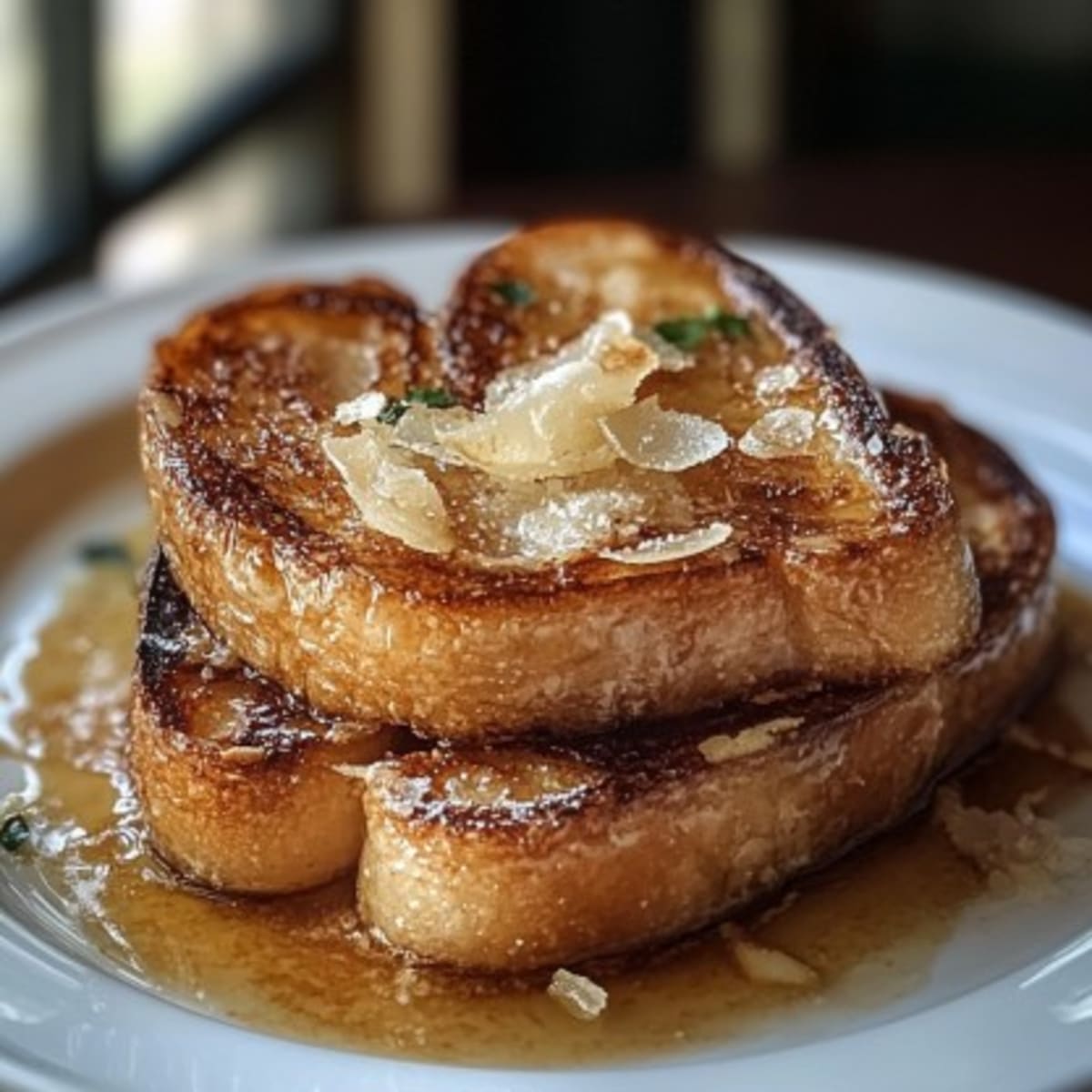
This recipe is a winner for so many reasons. It’s incredibly easy to make, requiring just a few basic ingredients. The result? A plate of golden, crispy, and perfectly sweet slices that are hard to resist. Plus, it’s a versatile dish that can be customized to suit your taste buds.
Perfect Occasions to Prepare Grandma’s French Toast
Whether it’s a lazy weekend brunch, a special holiday, or a cozy night in, Grandma’s French Toast fits the bill. It’s a crowd-pleaser that’s sure to make any occasion feel extra special. Serve it with fresh berries, a dusting of powdered sugar, or a drizzle of maple syrup for an extra touch of sweetness.
Ingredients:
- 4 slices of stale bread
- 2 eggs
- 250 ml (1 cup) of milk
- 2 tablespoons of sugar
- 1 teaspoon of vanilla extract
- Butter for cooking
- Maple syrup or honey for serving
Substitution Options
- Bread: If you don’t have stale bread, you can use any type of bread, such as brioche, challah, or even whole wheat.
- Eggs: For a vegan version, use flax seeds mixed with water or a plant-based egg substitute.
- Milk: Swap out regular milk for almond milk, oat milk, or any other non-dairy milk.
- Sweetener: Substitute sugar with honey, maple syrup, or a low-calorie sweetener if you prefer.
Preparation
Step 1: Prepare the Egg Mixture
In a large bowl, crack the eggs and whisk them until they’re well beaten. Add the milk, sugar, and vanilla extract. Mix everything together until the sugar is dissolved and the mixture is smooth. This creamy, aromatic blend is the secret to a truly delicious French Toast.
Step 2: Soak the Bread
Take each slice of bread and dip it into the egg mixture, making sure both sides are well coated. Let the bread soak for a few seconds, but not too long. You want the bread to absorb the flavors without becoming too soggy. The bread should be slightly wet but still hold its shape.
Step 3: Cook the French Toast
Heat a non-stick skillet or griddle over medium heat and add a little butter. Once the butter has melted and is sizzling, place the soaked bread slices in the pan. Cook for about 2-3 minutes on each side, or until the bread is golden brown and crispy. The smell will be absolutely heavenly!
Chef’s Tip: Enhance the Flavor
To add an extra layer of flavor, sprinkle a little cinnamon or nutmeg into the egg mixture before soaking the bread. This small touch can make a significant difference in the overall taste of the French Toast.
Timing
Getting the timing right is crucial for the perfect French Toast. Here’s a breakdown:
- Prep Time: 5 minutes
- Cooking Time: 8-10 minutes
- Total Time: 13-15 minutes
Chef’s Secret
One of my grandma’s secrets was to use a combination of milk and cream for the egg mixture. This gives the French Toast a richer, creamier texture. You can try using half milk and half heavy cream for an indulgent twist.
Extra Info
Did you know that French Toast is also known as “Eggy Bread” in some parts of the UK? It’s a fun fact that shows how universal and beloved this dish is across different cultures.
Necessary Equipment
To make this recipe, you’ll need:
- A large mixing bowl
- A whisk
- A non-stick skillet or griddle
- A spatula
Storage
Leftover Grandma’s French Toast can be stored in an airtight container in the refrigerator for up to 3 days. Reheat it in the oven or toaster for a few minutes to restore its crispy texture. If you want to freeze it, wrap the slices in plastic wrap and then in a freezer bag. They can be kept in the freezer for up to 2 months. When you’re ready to enjoy, simply thaw and reheat in the oven or toaster.
Tips and Advice
For the best results, use day-old or slightly stale bread. Fresh bread can get too soggy when soaked. Also, make sure your skillet is at the right temperature. If it’s too hot, the outside will burn before the inside is cooked. A gentle, steady heat works best.
Presentation Tips
Get creative with your presentation! Dust the French Toast with a bit of powdered sugar, top it with a dollop of whipped cream, or add a handful of fresh berries. You can also serve it with a pat of butter and a generous drizzle of maple syrup for a classic, comforting touch.
Healthier Alternative Recipes
If you’re looking to make a healthier version of Grandma’s French Toast, here are six delightful variations to try:
- Egg White French Toast: Use only egg whites to reduce the fat content. The result is still delicious and slightly lighter.
- Whole Wheat French Toast: Opt for whole wheat bread for added fiber and a nutty flavor. It’s a nutritious choice that doesn’t compromise on taste.
- Coconut Milk French Toast: Substitute the milk with coconut milk for a dairy-free and tropical twist. It adds a unique, creamy flavor.
- Almond Crusted French Toast: Dip the bread in egg mixture, then coat it with crushed almonds for a crunchy, protein-packed treat.
- Honey Oat French Toast: Use honey instead of sugar and add a sprinkle of oats for a sweet, wholesome breakfast option.
- Vegan French Toast: Use a plant-based egg substitute and non-dairy milk. Serve it with agave nectar or a berry compote for a vegan-friendly delight.
Common Mistakes to Avoid
Mistake 1: Using Fresh Bread
Using fresh bread can lead to a soggy, mushy French Toast. Stale or day-old bread is better because it absorbs the egg mixture without falling apart. If you only have fresh bread, let it sit out for a few hours to dry out a bit.
Mistake 2: Overcooking the French Toast
Overcooking can turn the outside of your French Toast too dark and the inside too dry. Cook the bread on medium heat and keep an eye on it. The ideal cooking time is about 2-3 minutes per side, or until it’s golden brown.
Mistake 3: Not Soaking the Bread Enough
If the bread isn’t soaked enough, it won’t absorb the flavors and will be bland. Make sure to dip each slice in the egg mixture for a few seconds on both sides, ensuring it’s well coated but not oversaturated.
Mistake 4: Using Too Much Butter
Too much butter can make the French Toast greasy. Use a moderate amount of butter and spread it evenly in the pan. A little goes a long way, and it helps to achieve that perfect, crispy texture.
Mistake 5: Skipping the Vanilla Extract
Vanilla extract adds a rich, warm flavor to the French Toast. Don’t skip it, as it enhances the overall taste. If you don’t have vanilla extract, you can use a vanilla bean or a pinch of ground cinnamon for a similar effect.
FAQ
What is the best type of bread for French Toast?
Stale or day-old bread works best for French Toast. Breads like brioche, challah, or even a hearty whole wheat loaf can be used. The key is to use bread that is slightly dried out, as it will absorb the egg mixture without becoming too soggy.
Can I use leftover bread for French Toast?
Absolutely! Leftover bread is perfect for French Toast. In fact, using stale bread is traditional and helps to create a firmer, more flavorful toast. Just make sure the bread is not moldy or overly dry.
How do I make French Toast dairy-free?
To make French Toast dairy-free, substitute the milk with a non-dairy alternative like almond milk, oat milk, or soy milk. You can also use a plant-based butter or a small amount of oil for cooking. This way, you can enjoy the same delicious French Toast without the dairy.
What toppings go well with French Toast?
French Toast is versatile and can be topped with a variety of ingredients. Classic options include maple syrup, fresh berries, powdered sugar, and a pat of butter. You can also try a dollop of whipped cream, a sprinkle of cinnamon, or a drizzle of honey for added sweetness.
How do I store leftover French Toast?
Leftover French Toast can be stored in an airtight container in the refrigerator for up to 3 days. To reheat, you can use a toaster or pop it in the oven for a few minutes. For longer storage, wrap the slices in plastic wrap and then in a freezer bag, and freeze for up to 2 months. Thaw and reheat before serving.
Can I make French Toast ahead of time?
Yes, you can prepare the egg mixture and soak the bread ahead of time. After soaking, place the bread on a baking sheet and cover it with plastic wrap. Store it in the refrigerator overnight. The next morning, cook the slices in a skillet as usual. This method saves time and ensures the bread is well-infused with the flavors.
Is French Toast a breakfast or dessert?
French Toast can be enjoyed as both a breakfast and a dessert. It’s a versatile dish that can be served with a range of toppings, from sweet syrups and fruits for breakfast to ice cream and chocolate sauce for a decadent dessert.
Can I make French Toast with gluten-free bread?
Yes, you can make French Toast with gluten-free bread. Choose a high-quality, dense gluten-free bread, as it will hold up better when soaked in the egg mixture. Follow the same steps as you would with regular bread, and you’ll have a delicious, gluten-free French Toast.
How do I make French Toast less sweet?
To make French Toast less sweet, reduce the amount of sugar in the egg mixture or omit it entirely. You can also use unsweetened milk and a smaller amount of vanilla extract. To enhance the flavor, add a pinch of salt or a dash of cinnamon. Serve it with a lower-sugar topping, such as a light drizzle of honey or a sprinkle of fresh fruit.
What is the origin of French Toast?
French Toast, or Pain Perdu, has roots that trace back to ancient Roman times. It was originally a way to use up stale bread, and it became popular in medieval Europe. The dish is now enjoyed worldwide, with various regional twists and names.
Enjoy experimenting with this timeless recipe, and don’t forget to check out our other delicious recipes like Cheesy Garlic Bread or Fluffy Pancakes for more breakfast and brunch ideas. Happy cooking!
If you’re looking for more ways to reduce low added sugar in your diet, consider trying some of these healthier alternatives. And for more amazing recipes, head over to our main category page.
Equipment
- Large mixing bowl
- Whisk
- Non-stick skillet or griddle
- Spatula
Ingredients
- 4 slices stale bread
- 250 ml milk
- 2 tbsp sugar
- 1 tsp vanilla extract
- q.s. butter for cooking to taste
- q.s. maple syrup or honey for serving to taste
Instructions
- In a large bowl, crack the eggs and whisk them until well beaten.
- Add the milk, sugar, and vanilla extract, mixing until the sugar is dissolved and the mixture is smooth.
- Dip each slice of bread into the egg mixture, ensuring both sides are coated without becoming too soggy.
- Heat a non-stick skillet over medium heat and add a little butter.
- Place the soaked bread slices in the pan and cook for about 2-3 minutes on each side, until golden brown and crispy.
Notes
Nutrition

Hi, I’m Olivia Parker, the founder of BakingSecret.com and a lifelong lover of all things sweet and homemade. I grew up in a small town in Oregon, where the smell of fresh cookies in my family’s kitchen sparked my passion for baking. Over the years, I turned that passion into a mission: to help home bakers feel confident, inspired, and creative.
After studying food science and working in several artisan bakeries across the U.S., I decided to create a space where everyone from beginners to seasoned bakers can find reliable recipes, expert tips, and a warm, welcoming community. BakingSecret.com is my way of sharing the magic of baking with the world. When I’m not testing new recipes, you’ll find me exploring farmers’ markets, collecting vintage cookbooks, or perfecting my sourdough technique.