The Elegant Mont Blanc Cake: A Dessert Worth Every Bite
I still remember the first time I saw a mont blanc cake sitting in a Parisian patisserie window. The delicate mountain of sweet chestnut cream looked almost too beautiful to eat. That swirl of golden threads topped with a single candied chestnut caught my eye immediately. I knew I had to try it. One bite changed everything I thought I knew about desserts. The creamy texture and subtle sweetness made me fall in love instantly.
This sophisticated treat has become one of my all-time favorite desserts. The mont blanc cake is not your typical chocolate or vanilla creation. It stands out with its unique flavor profile and stunning presentation. Every time I make one at home, guests stop and stare before even taking their first taste.
The dessert takes its name from Mont Blanc, the highest mountain in the Alps. The peak sits between France and Italy, covered in white snow all year round. The cake mimics this iconic mountain with its dome of chestnut cream topped with powdered sugar or whipped cream. Some versions even add a dusting of cocoa to represent rocky peaks.
The treat has roots in both French and Italian pastry traditions. Each country claims ownership of this beautiful creation. The French version often features meringue as a base, while Italian variations might use different types of cake or pastry. Both are absolutely delicious in their own ways.
Over the years, the mont blanc dessert has captured hearts around the world. Famous establishments like Angelina in Paris have made it a signature item. People line up just to try their version of this classic treat. The mont blanc dessert angelina style has become so popular that many bakeries try to recreate it.
What is Mont Blanc Cake?
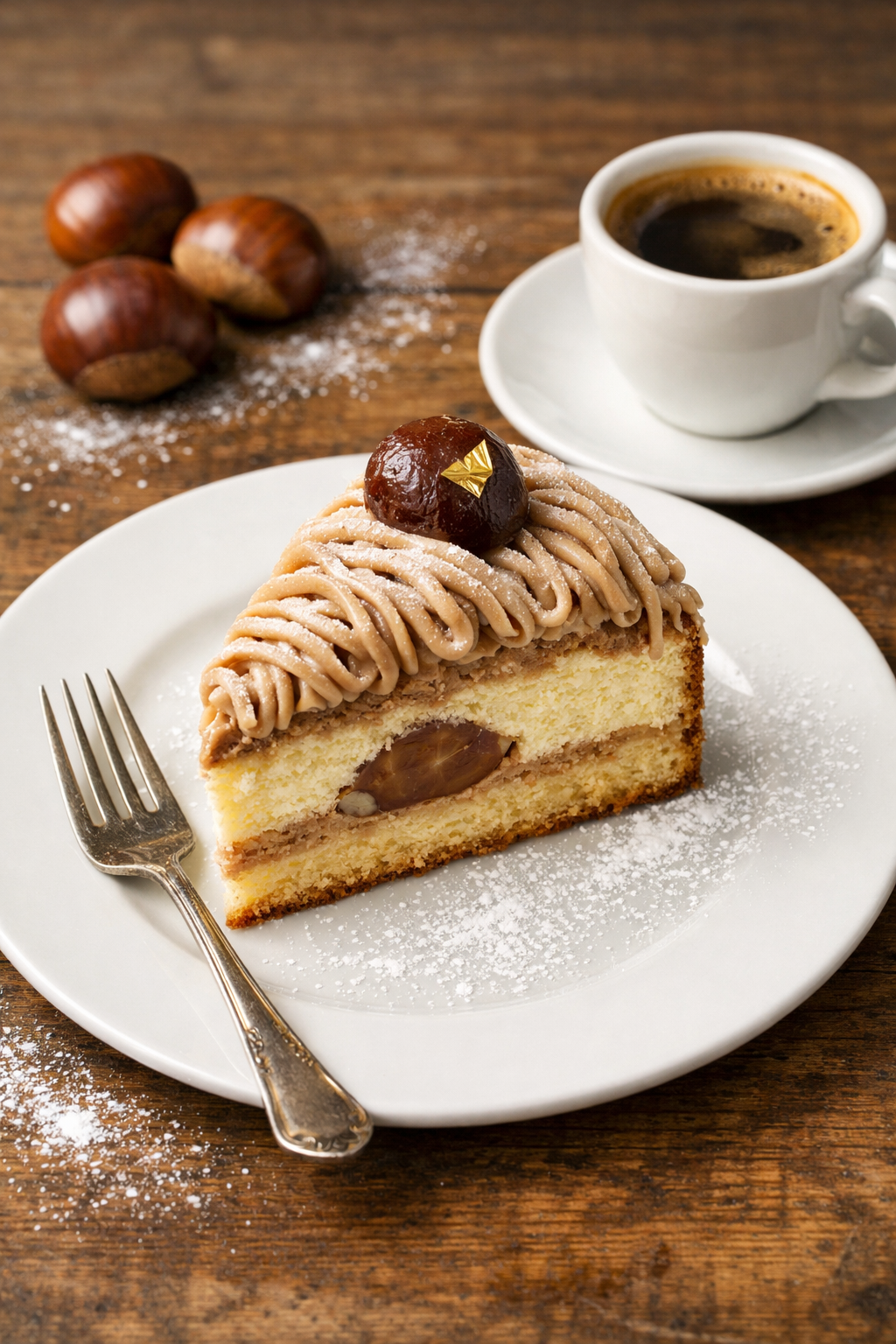
At its core, a mont blanc cake is a dessert made primarily with sweetened chestnut cream. The main ingredient is chestnut puree, which gets transformed into silky smooth cream. This cream is then piped through a special nozzle to create thin, delicate strands that look like vermicelli pasta.
The traditional chestnut cake has three main components:
- A base layer of crisp meringue or light sponge cake
- A mountain of sweetened chestnut cream piped into thin strands
- A cloud of whipped cream on top, sometimes with a candied chestnut as garnish
The chestnut puree cake recipe starts with quality chestnuts. You can use fresh chestnuts that you roast and peel yourself. Many bakers prefer canned or jarred chestnut puree to save time. The puree gets sweetened with sugar and often enriched with butter or cream. Some recipes add vanilla or rum for extra depth of flavor.
Making chestnut cream requires patience and the right tools. A special piping tip with multiple small holes creates those signature thin strands. Without this tool, the dessert loses its mountain-like appearance. I learned this the hard way when I tried using a regular piping tip. The result tasted great but looked nothing like the real thing.
The classic preparation method hasn’t changed much over the centuries. Bakers still follow the same basic steps that French and Italian pastry chefs used generations ago. You start with the base, build up the chestnut cream mountain, and finish with whipped cream on top.
Modern variations have added new twists to this traditional treat. Some pastry chefs use chocolate sponge cake instead of meringue. Others add coffee or chocolate to the chestnut cream itself. The mont blanc recipe nigella style might incorporate British touches. The recipe mont blanc aux marrons sticks closer to French tradition using marrons glacés.
The chestnut cake recipe french version often includes more butter and cream than other variations. This makes it richer and more indulgent. Italian versions tend to be slightly lighter with more emphasis on the natural chestnut flavor.
Celebrity chefs have put their own spin on this classic. The jacques pepin chestnut cream mont blanc recipe is famous for its simplicity and authentic taste. He focuses on quality ingredients rather than complicated techniques. His approach makes the dessert more accessible to home bakers like me.
The texture of a proper mont blanc cake is what makes it special. The meringue base provides a crisp contrast to the smooth cream. The chestnut strands are light and airy, not dense or heavy. The whipped cream on top adds a cool, fresh element that balances the sweet chestnut flavor.
What does Mont Blanc cake taste like? The flavor is subtly sweet with earthy undertones. Chestnuts have a natural sweetness that is not as intense as chocolate or caramel. The taste reminds me of fall afternoons and cozy evenings. It’s comforting without being overwhelming.
The dessert has gained fans in unexpected places. Even Vice President Kamala Harris is reportedly a fan of good desserts, though her favorite cake preferences vary in different reports. The mont blanc cake appeals to people who appreciate refined, not-too-sweet treats.
Finding a mont blanc cake near me or a mont blanc dessert near me used to be difficult outside major cities. Now more bakeries are adding it to their menus. French patisseries and upscale bakeries are your best bet. Some Japanese bakeries also make excellent versions since the dessert is very popular in Japan.
The name perfectly captures what this dessert represents. Just like the mountain it’s named after, the cake stands tall and majestic. The white cream topping looks like fresh Alpine snow. Each element works together to create something greater than the sum of its parts.
Making your own version at home is easier than you might think. You don’t need professional pastry training to create a beautiful mont blanc cake. With the right ingredients and tools, anyone can recreate this stunning dessert in their kitchen. I’ve made it countless times, and it never fails to impress.

Variations and Flavors of Mont Blanc Cake
Now that you know what goes into a traditional version, let me share all the creative ways pastry chefs have reimagined this classic over the years.
The beauty of the mont blanc cake lies in how adaptable it is to different tastes and traditions. While purists might insist on the original French or Italian methods, I’ve tasted incredible variations that would make any traditionalist rethink their position. Japanese pastry chefs, for instance, have completely elevated this dessert into an art form. Their versions often feature matcha-flavored whipped cream or even incorporate black sesame into the chestnut mixture. The first time I tried a matcha-chestnut combination in Tokyo, I honestly couldn’t believe how well those earthy flavors complemented each other.
The famous mont blanc dessert angelina remains the gold standard for many people. Their version uses a thick, rich chestnut cream that’s almost fudge-like in consistency. They pile it high on crispy meringue and top it with their signature whipped cream. I’ve stood in line for over an hour just to try it, and you know what? Worth every minute. Their secret seems to be in the quality of their chestnut paste and the ratio of cream to puree.
Regional adaptations tell fascinating stories about local preferences. In Switzerland, where the actual Mont Blanc mountain sits, some bakeries add Kirsch or other Alpine spirits to their chestnut cream. Down in southern Italy, particularly around Piedmont where chestnuts grow abundantly, the recipe mont blanc aux marrons often includes local hazelnuts or amaretti cookies in the base. These small regional touches make each version unique.
Modern pastry chefs have gotten wonderfully creative with this concept. I’ve seen chocolate mont blanc cakes where cocoa powder gets mixed into the chestnut cream. Some adventurous bakers create coffee-flavored versions that taste like a sophisticated tiramisu crossed with traditional chestnut cake. One bakery near me even makes a pumpkin-chestnut hybrid during fall that sells out within hours. If you’re looking for creative dessert inspiration, you might also check out some unique grooms cake ideas that showcase how traditional concepts can be reimagined.
Here’s the thing about flavor profiles in mont blanc desserts – they’re surprisingly complex despite seeming simple. When people ask me what flavor is Mount Blanc, I struggle to give a straightforward answer. It’s sweet, yes, but not like sugar-sweet. The chestnut brings this earthy, nutty quality that’s almost savory. There’s a hint of vanilla if the baker adds it. The whipped cream provides freshness and lightness. All together, it creates this sophisticated taste that’s hard to compare to anything else.
The texture deserves special mention too. You get the crunch from the meringue base, then those silky strands of chestnut cream that practically melt on your tongue, followed by the airy whipped cream. It’s a textural journey in every bite. Unlike denser options like a Reese’s peanut butter ice cream cake that delivers bold, straightforward flavors, the mont blanc asks you to slow down and appreciate subtlety.
Chestnut cream itself is the soul of this dessert. Getting it right makes all the difference between a mediocre cake and an outstanding one. The jacques pepin chestnut cream mont blanc recipe emphasizes quality over complexity, which I absolutely love. He uses simple ingredients – chestnuts, sugar, butter, and cream – but focuses on perfecting the technique. His method involves passing the sweetened puree through a ricer to get that perfect texture before adding the cream.
Funny enough, making great chestnut cream doesn’t require fancy equipment beyond that special piping tip I mentioned earlier. The key is achieving the right consistency – thick enough to hold its shape but smooth enough to pipe through those tiny holes. Too thick and your arm will fall off from squeezing. Too thin and it’ll just collapse into a puddle. I’ve learned this through many failed attempts.
By the way, some modern versions skip the traditional piping altogether and create more sculptural presentations. I’ve seen pastry chefs shape the chestnut cream into roses or other decorative patterns. While beautiful, I think it loses some of the mountain mystique. But that’s just my opinion.
Seasonal variations pop up in bakeries throughout the year. Spring versions might add cherry blossoms or strawberries. Summer adaptations could include peaches, similar to the fresh fruit approach in a peaches and cream cake. Fall naturally lends itself to this dessert since chestnuts are autumn ingredients. Winter versions sometimes incorporate gingerbread spices or orange zest.
How to Make Mont Blanc Cake at Home
Let me walk you through making your own mont blanc cake without the intimidation factor that usually comes with French pastries.
Start with your base decision. I typically make meringue because it’s foolproof and takes minimal ingredients – just egg whites and sugar. Beat your egg whites until they form stiff peaks, gradually adding sugar until glossy. Pipe or spread them into discs and bake low and slow until crisp. If meringue scares you, a simple sponge cake works perfectly fine. The chestnut cake recipe french style sometimes uses génoise, but honestly, even store-bought ladyfingers would do in a pinch.
For the chestnut component, you have options. Fresh chestnuts require roasting, peeling, and pureeing – a labor of love that takes hours. I did this once for a special occasion and swore never again. Canned or jarred chestnut puree saves enormous time and delivers consistent results. Look for unsweetened versions so you control the sugar level. Brands from France or Italy usually offer the best quality.
Making the chestnut cream recipe goes like this: Take your puree and push it through a fine-mesh sieve to remove any lumps. Add powdered sugar to taste – I usually do about half the weight of the puree. Then incorporate softened butter, beating until smooth and creamy. Some recipes add heavy cream at this stage, which makes it lighter and easier to pipe. A splash of rum or vanilla enhances the flavor beautifully. The mont blanc recipe nigella approach might add a British twist with a touch of brandy instead.
Temperature matters more than people realize. Your chestnut cream should be cool but not cold when piping. Too warm and it won’t hold shape. Too cold and it becomes impossible to squeeze through the piping tip. Room temperature is your sweet spot. I usually make my cream an hour ahead and leave it on the counter.
Here’s where the magic happens – piping those vermicelli strands. Fit your piping bag with a Mont Blanc tip (those ones with multiple tiny holes). Fill it with chestnut cream, not too full or you’ll make a mess. Squeeze gently over your meringue base, moving in circular motions to build up height. Don’t stress about perfection. The rustic, mountainous look is part of the charm. My first attempt looked more like a bird’s nest than an Alpine peak, but it still tasted incredible.
Top with fresh whipped cream, lightly sweetened. I prefer hand-whipping to control the texture – you want soft peaks that look like clouds. A candied chestnut makes the traditional garnish, though they’re pricey and sometimes hard to find. A dusting of powdered sugar works just as well to create that snowy mountain effect.
The chestnut puree cake recipe is actually quite forgiving once you understand the basics. Unlike precision baking required for something like smart cakes with specific ratios, this dessert allows for personal interpretation. More sugar if you like it sweeter. Extra cream if you prefer it lighter. These adjustments make it yours.
Assembly should happen close to serving time. The meringue can soften if the cream sits on it too long. I prepare all components ahead, then build the final dessert an hour before guests arrive. This timing keeps everything at peak texture and appearance.
Where to Find Mont Blanc Cake Near You
Tracking down an authentic mont blanc cake near me used to feel like searching for treasure without a map. But I’ve developed some reliable strategies over the years that actually work.
Start your search at French patisseries and upscale bakeries. These establishments understand the technique and tradition behind a proper mont blanc cake. Call ahead and ask specifically if they make it, because it’s not always displayed prominently. Many places only prepare it during certain seasons, especially autumn when chestnuts are at their peak. I once drove forty minutes to a highly-rated bakery only to discover they only make it October through December. Learn from my mistake.
Japanese bakeries are surprisingly excellent sources for mont blanc dessert near me options. Japan has embraced this dessert with incredible passion, often surpassing European versions in presentation and refinement. Cities with significant Japanese populations usually have at least one bakery that specializes in these elegant treats. Their versions tend to be lighter and less sweet than European styles, which I personally prefer on warm afternoons.
Here’s the thing about using online search tools – they work better when you get specific. Instead of just typing “bakery,” try “French patisserie” or “European desserts” in your area. Look at photos in the reviews. If you see macarons, eclairs, and other delicate pastries in customer photos, that bakery probably has the skills needed for a proper chestnut cake. Instagram has become my secret weapon for this. Search location tags and hashtags like #montblanccake in your city. Food bloggers and dessert enthusiasts usually tag their discoveries.
High-end hotels with proper pastry kitchens sometimes offer mont blanc on their dessert menus. The ones with afternoon tea service are particularly promising. I discovered an amazing version at a hotel restaurant completely by accident while attending a wedding. Their pastry chef had trained in Lyon and made the recipe mont blanc aux marrons exactly as he’d learned it decades ago.
If you live near a city with a strong food culture – New York, San Francisco, Chicago, Los Angeles – you’re in luck. These places usually have multiple options. The famous mont blanc dessert angelina style has inspired countless bakeries worldwide. Angelina itself has expanded to several international locations beyond their iconic Paris tearoom. They’ve opened in places like Dubai, Tokyo, and even within Galeries Lafayette department stores in various cities. Their version remains incredibly consistent across locations, which impressed me when I compared their Paris and Tokyo offerings.
Farmer’s markets sometimes hide talented pastry chefs selling their creations on weekends. I’ve found incredible chestnut puree cake recipe executions from home bakers who later opened successful shops. These smaller operations often take custom orders too. Don’t hesitate to ask if they’d make a mont blanc for a special occasion even if it’s not part of their regular lineup.
Specialty food stores and gourmet markets occasionally carry them in their bakery sections, especially during holiday seasons. Whole Foods and similar upscale grocers have expanded their pastry offerings significantly in recent years. While these might not match the artistry of a dedicated patisserie, they’re often quite good and convenient.
By the way, if your searching comes up empty, consider the DIY route more seriously. I know it sounds intimidating, but honestly, making your own mont blanc cake gives you total control over sweetness levels and presentation. Plus, you’ll save considerable money since bakery versions often cost twenty to thirty dollars for a single serving. The special piping tip runs about ten dollars online and lasts forever. Quality chestnut puree might seem expensive at eight to twelve dollars per can, but one can makes enough cream for several desserts.
Connecting with local food communities helps tremendously. Join Facebook groups or Reddit communities focused on your city’s food scene. Post asking where to find good mont blanc cake. Food enthusiasts love sharing their secret spots. I’ve discovered amazing bakeries through these recommendations that never would have appeared in any Google search.
Planning a trip to a major city? Research bakeries beforehand and make them part of your itinerary. I always build dessert stops into my travel plans now. Paris obviously offers countless options beyond Angelina. Carette near Trocadéro makes an exceptional version. In Tokyo, the basement food halls of department stores (called depachika) showcase dozens of variations. One weekend afternoon there could satisfy years of mont blanc curiosity.
Check if cooking schools or culinary institutes in your area have student-run cafés or bakeries. Students learning French pastry techniques often practice on classics like chestnut cake. The prices are usually reasonable, and you’re supporting culinary education. The quality can be surprisingly high since instructors typically supervise the work closely.
Don’t overlook ethnic neighborhoods when searching. Italian communities might have bakeries making their regional versions. French enclaves often have proper patisseries even in smaller cities. These neighborhood gems sometimes outperform trendy downtown spots while charging less.
For those willing to invest in learning, taking a pastry class specifically covering mont blanc opens up a whole world. Many cooking schools offer single-session workshops on French desserts. You’ll learn the techniques hands-on and gain confidence to recreate it at home. I took one years ago that completely demystified the process. The instructor shared professional tips that no written jacques pepin chestnut cream mont blanc recipe could fully convey.
If you’re exploring different cakes and cupcakes to expand your baking repertoire, mastering mont blanc will absolutely elevate your skills and impress anyone you’re baking for.
Remember that seasonality affects availability significantly. October through January represents peak season when most bakeries feature their chestnut cream recipe creations. Summer might leave you empty-handed unless you’re in a year-round destination or a place with significant tourist traffic. Planning around these timeframes increases your success rate dramatically.
One last thought – sometimes the search itself becomes part of the adventure. I’ve discovered incredible neighborhoods, met passionate bakers, and tasted unexpected treats while hunting for the perfect mont blanc. Even when the specific cake didn’t meet expectations, the journey usually offered its own rewards. Stay curious and open to what you might find along the way.
Frequently Asked Questions (FAQs)
What is the most expensive cake in the world?
The most expensive cake ever made was reportedly a diamond-studded fruitcake valued at over 75 million dollars, created by a luxury brand in the United Arab Emirates. However, for actual consumption, wedding cakes commissioned by wealthy families can reach hundreds of thousands of dollars with edible gold, rare ingredients, and elaborate designs. The mont blanc cake, while certainly a luxury item at fine patisseries, remains accessible to regular dessert lovers. Even premium versions rarely exceed fifty dollars per serving, making it indulgent but not astronomically priced.
What does Mont Blanc cake taste like?
The flavor is subtly sweet with earthy, nutty undertones that distinguish it from more common desserts. Chestnuts provide a natural sweetness that’s gentle and sophisticated rather than intensely sugary like chocolate or caramel. You’ll notice a creamy, smooth texture with hints of vanilla if added to the recipe. The whipped cream topping adds freshness and lightness that balances the richer chestnut component. Overall, it tastes comforting and elegant, reminiscent of autumn afternoons without being heavy or overwhelming on the palate.
What is Kamala Harris’ favorite cake?
Vice President Kamala Harris has mentioned enjoying various desserts in different interviews over the years, though she hasn’t publicly declared a single favorite cake. Reports have suggested she appreciates good chocolate cake and has been seen enjoying various baked goods at events and gatherings. Her cooking interests tend toward savory dishes that reflect her Indian and Jamaican heritage, particularly her family’s recipes. Like many people, her dessert preferences likely vary by occasion and mood rather than sticking to one particular cake.
What flavour is Mount Blanc?
Mont Blanc is primarily chestnut-flavored, which offers a unique taste that’s both sweet and slightly earthy. The chestnut brings nutty, almost buttery notes that differ completely from typical cake flavors. Many versions include vanilla for depth and sometimes a touch of rum or brandy for complexity. The whipped cream topping provides a neutral, fresh dairy flavor that doesn’t compete with the chestnut. When considering your daily nutrient intake, chestnuts actually provide beneficial nutrients including fiber, vitamin C, and minerals, making this dessert slightly more nutritious than pure sugar confections.
Can I make mont blanc cake without the special piping tip?
Yes, though the presentation won’t look traditional, you can absolutely make this dessert without specialized equipment. Try pressing the chestnut cream through a potato ricer for a similar stringy effect, or simply spread it over the base in a dome shape and create texture with a fork. Some bakers use a regular piping tip to create rosettes or other decorative patterns instead of vermicelli strands. The taste remains delicious regardless of appearance. I’ve served “deconstructed” mont blanc in glasses with layered components that looked completely different but tasted authentic.
How long does mont blanc cake stay fresh?
Assembled mont blanc cake is best enjoyed within a few hours of preparation since the meringue base can soften from moisture in the cream. If you must store it, refrigerate for no more than 24 hours, though texture quality declines noticeably. The chestnut cream itself keeps well in the refrigerator for up to five days in an airtight container. Meringue bases can be made several days ahead and stored in airtight containers at room temperature. I recommend preparing components in advance but assembling just before serving for optimal texture and appearance.
Is mont blanc cake gluten-free?
Traditional versions made with meringue bases are naturally gluten-free since they contain only egg whites and sugar. However, if the recipe uses sponge cake or génoise as the base, it would contain gluten. Always check ingredient labels on canned chestnut puree, as some brands add thickeners that might contain gluten. The chestnut cream recipe itself – made from chestnuts, sugar, butter, and cream – contains no gluten naturally. For those with celiac disease or gluten sensitivity, the meringue-based version offers a safe and delicious option when made with certified gluten-free ingredients.
Why are chestnuts so expensive?
Chestnuts require labor-intensive harvesting and processing, which drives up costs compared to other nuts. The trees take years to mature and produce relatively smaller yields per acre than many commercial crops. Fresh chestnuts have a short season and spoil quickly, requiring careful handling and storage. Peeling and processing them involves significant manual labor since mechanical methods can damage the delicate nuts. Quality canned or jarred chestnut puree costs more because of these production challenges. Despite the expense, the unique flavor and traditional importance keep chestnuts valuable in both European and Asian cuisines.
Can I freeze mont blanc cake?
Freezing assembled mont blanc cake isn’t recommended as the textures suffer significantly upon thawing, particularly the meringue and whipped cream components. However, you can successfully freeze the chestnut cream itself for up to three months in an airtight container. Thaw it overnight in the refrigerator and rewhip before using to restore smooth texture. Meringue bases also freeze reasonably well when wrapped tightly and stored in rigid containers to prevent crushing. I’ve frozen components separately many times with good results, but always assemble fresh for best quality and appearance.
What’s the difference between French and Italian mont blanc?
French versions typically feature crisp meringue as the base and often use more butter and cream in the chestnut puree cake recipe, creating a richer, more indulgent dessert. Italian variations might use different bases like pastry or sponge cake and sometimes incorporate local ingredients like amaretti cookies or hazelnuts. The French style tends toward more refined, delicate presentation with carefully piped vermicelli strands. Italian versions can be heartier and less sweet, emphasizing the natural chestnut flavor more prominently. Both are absolutely delicious, just with slight differences in richness and texture that reflect their cultural origins.
Whether you hunt down the perfect mont blanc dessert near me or decide to create your own masterpiece using a trusted mont blanc recipe nigella style or classic French approach, this elegant dessert deserves a place in your life. The combination of tradition, flavor, and stunning presentation makes every encounter with this Alpine-inspired treat memorable and worthwhile.
Equipment
- Mixing bowls
- Electric mixer or whisk
- Baking sheet
- Piping bags with Mont Blanc tip
- Fine mesh sieve
Ingredients
- 4 large egg whites
- 200 g granulated sugar for meringue
- 400 g chestnut puree preferably unsweetened
- 60 g powdered sugar to taste
- 56 g unsalted butter softened
- 60 ml heavy cream optional for lighter texture
- 5 ml vanilla extract optional
- 15 ml rum or brandy optional
- to taste fresh whipped cream for topping
- as needed candied chestnuts for garnish
- as needed powdered sugar for dusting
Instructions
- Preheat your oven to a low temperature (around 200°F / 95°C) for meringue.
- Beat egg whites until stiff peaks form, gradually adding granulated sugar until glossy.
- Pipe or spread meringue into discs on a parchment-lined baking sheet.
- Bake meringue in the preheated oven until crisp (about 1-2 hours), then cool.
- Push chestnut puree through a fine mesh sieve to remove lumps.
- Mix chestnut puree with powdered sugar, softened butter, and optional heavy cream until smooth.
- Pipe the chestnut cream through a piping bag fitted with a special Mont Blanc tip to create thin strands over the meringue base.
- Top with fresh whipped cream and garnish with candied chestnuts or a dusting of powdered sugar.
- Serve immediately for the best texture or refrigerate for up to 24 hours.