
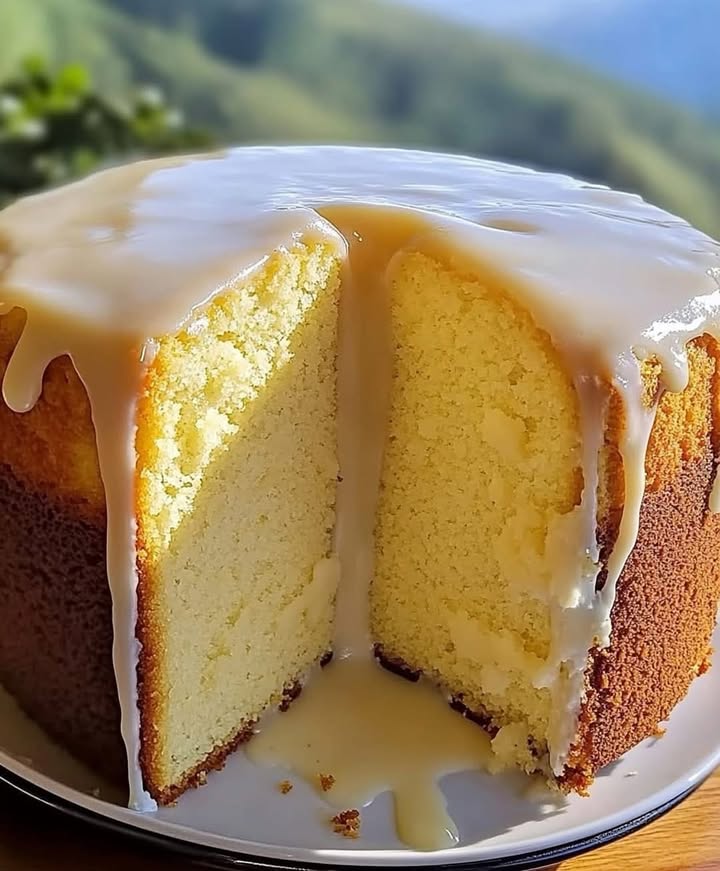
Discover the Joy of Vanilla Pound Cake: A Sweet Treat for Every Occasion
Imagine walking into a cozy kitchen, filled with the sweet aroma of freshly baked vanilla pound cake. The soft, moist texture and the delicate hint of lemon make it a perfect treat for any special occasion. This classic recipe has been a favorite in my family for generations, and I’m excited to share it with you.
History and Background of Vanilla Pound Cake
Pound cake is a traditional British dessert that dates back to the early 18th century. The name “pound cake” originally referred to a cake made with a pound each of flour, butter, eggs, and sugar. Over the years, variations have emerged, and the addition of vanilla and a touch of lemon extract can elevate this simple yet delicious cake to a whole new level. It’s a recipe that connects us to our roots while offering a delightful twist for modern palates.
Why You’ll Love This Vanilla Pound Cake
This vanilla pound cake is a true crowd-pleaser. Its rich, buttery flavor and light, fluffy texture make it a joy to eat. The recipe is straightforward, and the results are always impressive. Whether you’re baking for a family gathering or a cozy afternoon tea, this cake will make your guests feel extra special.
Perfect Occasions to Prepare Vanilla Pound Cake
Vanilla pound cake is versatile and can be enjoyed at a variety of events. It’s perfect for birthdays, bridal showers, or even as a thoughtful gift. The optional lemon extract adds a refreshing zing, making it a delightful choice for summer picnics and garden parties. Serve it with a cup of coffee or a glass of milk, and watch the smiles spread around the table.
Ingredients for Vanilla Pound Cake
- 3 cups of flour
- 3 cups of sugar
- 1 cup of soft butter
- 1/2 cup vegetable shortening
- 5 eggs
- 1 cup of milk
- 1 tbsp. vanilla
- Optional: 1 tsp. lemon extract
For the Glaze
- 1 1/2 cups powdered sugar
- 3-4 tbsp. milk or cream
- 1 tsp. vanilla
Substitution Options
If you’re out of a few ingredients, don’t worry! You can use coconut oil instead of vegetable shortening, and buttermilk can replace regular milk for a tangy twist. For a dairy-free version, try using almond milk and vegan butter. The cake will still turn out beautifully, and no one will know the difference!
Preparation Section
Step 1: Cream the Butter and Sugar
In a large mixing bowl, beat the soft butter and vegetable shortening with the sugar until the mixture is light and fluffy. This step is crucial for achieving the perfect texture. Add the eggs one at a time, mixing well after each addition. Stir in the vanilla (and lemon extract, if using) until everything is well combined.
Step 2: Combine the Dry and Wet Ingredients
Gradually add the flour and milk to the butter mixture, alternating between the two. Start and end with the flour to prevent the batter from becoming too runny. Mix until the ingredients are just combined; overmixing can lead to a tough cake. The batter should be smooth and creamy, with a slightly thick consistency.
Step 3: Bake to Perfection
Pour the batter into a Bundt pan that has been greased and floured. Smooth the top with a spatula. Bake in a preheated oven at 325°F (160°C) for about 1 hour and 15 minutes, or until a toothpick inserted into the center comes out clean. The cake will be golden brown and have a delightful aroma that fills your kitchen.
Step 4: Cool and Glaze
Allow the cake to cool in the pan for 10 minutes before transferring it to a wire rack to cool completely. While the cake is cooling, prepare the glaze by whisking together the powdered sugar, milk (or cream), and vanilla until smooth. Drizzle the glaze over the cooled cake, letting it drip down the sides. Let the glaze set for a few minutes before serving.
Timing
Here’s a breakdown of the timing for this recipe:
- Prep time: 20 minutes
- Cooking time: 1 hour and 15 minutes
- Resting time: 10 minutes
- Total time: 1 hour and 45 minutes
Chef’s Secret: Enhancing the Flavor
To add an extra layer of flavor, try adding a teaspoon of lemon zest to the batter. This subtle citrus note complements the vanilla and adds a bright, fresh taste to the cake. Trust me, your taste buds will thank you!
Extra Info
Did you know that vanilla is one of the most expensive spices in the world? It’s derived from the pods of orchids, and the process of cultivating and harvesting vanilla is labor-intensive. This makes the little bottle of vanilla extract in your pantry a true treasure. Use it wisely to enhance the flavors in your recipes.
Necessary Equipment
- Bundt pan
- Electric mixer or stand mixer
- Measuring cups and spoons
- Spatula
- Wire rack for cooling
- Whisk or fork for glazing
Storage
Storing your vanilla pound cake is easy and will keep it fresh for days. Once the cake has cooled and is glazed, cover it loosely with plastic wrap or aluminum foil. Store it at room temperature for up to 5 days. If you want to freeze the cake, wrap it tightly in plastic wrap and then in a layer of aluminum foil. Label it with the date and store it in the freezer for up to 3 months. When you’re ready to serve, let it thaw at room temperature before enjoying.
Tips and Advice
To ensure your cake turns out perfectly, make sure all your ingredients are at room temperature before starting. This helps them blend together smoothly. Also, take the time to grease and flour the Bundt pan thoroughly to prevent sticking. A well-prepared pan means a beautiful, easy-to-remove cake.
Presentation Tips
Add a touch of elegance to your presentation by garnishing the cake with fresh berries, a dusting of powdered sugar, or a few slices of lemon. If you’re serving it at a party, consider slicing the cake into thin, elegant slices and arranging them on a platter. The visual appeal will make your cake even more irresistible.
Healthier Alternative Recipes
If you’re looking for a healthier version of this classic, here are six delicious alternatives:
- Zucchini Vanilla Pound Cake: Replace some of the butter with grated zucchini for added moisture and a nutrient boost. This variation is perfect for those who love a bit of green in their baking.
- Whole Wheat Vanilla Pound Cake: Swap half of the all-purpose flour with whole wheat flour for a heartier, more nutritious option. The nutty flavor of whole wheat complements the vanilla beautifully.
- Coconut Oil Vanilla Pound Cake: Use coconut oil instead of butter for a dairy-free version. The subtle coconut flavor adds a tropical twist to this classic recipe.
- Almond Milk Vanilla Pound Cake: Substitute the regular milk with unsweetened almond milk for a lighter, dairy-free option. The almond notes enhance the vanilla, creating a unique and delicious flavor profile.
- Honey Vanilla Pound Cake: Reduce the sugar and add honey for a naturally sweetened cake. Honey adds a depth of flavor and a touch of natural sweetness that complements the vanilla perfectly.
- Apple Cinnamon Vanilla Pound Cake: Add grated apple and cinnamon to the batter for a fall-inspired treat. The apples add a natural sweetness and a delightful texture, while the cinnamon brings a warm, comforting spice.
For a twist on another classic, check out our Southern Caramel Cake recipe. It’s a deliciously indulgent treat that’s sure to impress. And if you’re in the mood for something fruity, our Pineapple Juice Pound Cake is a fantastic option. Both of these cakes are perfect for special occasions and are sure to be a hit with your guests.
Common Mistakes to Avoid
Mistake 1: Overmixing the Batter
Overmixing the batter can lead to a tough, dense cake. To avoid this, mix the dry and wet ingredients until they are just combined. Stop mixing when there are no visible streaks of flour, and the batter is smooth. Pro tip: Use a spatula to fold in the last bit of flour gently to ensure a light and airy texture.
Mistake 2: Not Preparing the Pan Properly
A poorly prepared pan can result in a cake that sticks and crumbles. Make sure to thoroughly grease and flour the Bundt pan, paying special attention to the crevices and edges. You can also use a non-stick baking spray with flour for added insurance. Pro tip: Place a piece of parchment paper at the bottom of the pan for extra ease of removal.
Mistake 3: Opening the Oven Door Too Early
Opening the oven door too often or too early can cause the cake to sink and lose its shape. Resist the urge to peek and wait until the cake is almost done. Only open the oven to check for doneness with a toothpick in the last 10-15 minutes of baking. Pro tip: Keep the oven light on to monitor the cake’s progress without opening the door.
Mistake 4: Not Cooling the Cake Properly
Cooling the cake too quickly or not enough can affect its texture. Allow the cake to cool in the pan for 10 minutes, then carefully transfer it to a wire rack to cool completely. This prevents the cake from becoming soggy and ensures the glaze sets properly. Pro tip: Use a sharp knife to loosen the edges of the cake from the pan before inverting it onto the wire rack.
Mistake 5: Using Stale Ingredients
Using stale or old ingredients can significantly impact the flavor and texture of your cake. Always check the expiration dates on your ingredients, especially the baking powder and vanilla extract. Fresh ingredients make a big difference in the final product. Pro tip: Store your ingredients in a cool, dry place to maintain their freshness.
FAQ
Can I use a different type of pan?
Yes, you can use a different type of pan, such as a loaf pan or a round cake pan. Just be sure to adjust the baking time accordingly. A loaf pan may take a bit longer, while a round cake pan might bake faster. Keep an eye on the cake and use a toothpick to check for doneness.
What if I don’t have vegetable shortening?
If you don’t have vegetable shortening, you can use an equal amount of butter. Alternatively, you can use coconut oil for a dairy-free option. Just make sure the coconut oil is solid at room temperature to achieve the right texture.
Can I add other flavors besides vanilla?
Absolutely! Vanilla is a classic, but you can experiment with other flavors. Try adding a teaspoon of almond extract for a nutty twist, or a tablespoon of orange zest for a citrusy flavor. The possibilities are endless, so feel free to get creative!
How do I know when the cake is done?
The best way to check if your cake is done is to insert a toothpick into the center. If it comes out clean or with a few crumbs, the cake is ready. If the toothpick has wet batter, bake for a few more minutes and check again. Avoid overbaking, as this can make the cake dry.
Can I make this cake ahead of time?
Yes, you can make the cake ahead of time. Once it’s cooled, wrap it tightly in plastic wrap and store it at room temperature for up to 5 days. If you need to store it longer, you can freeze the unglazed cake for up to 3 months. When you’re ready to serve, let it thaw at room temperature and add the glaze.
Is this recipe suitable for a beginner?
Absolutely! This recipe is perfect for beginners. The steps are simple, and the ingredients are easy to find. Just follow the instructions carefully, and you’ll have a delicious vanilla pound cake in no time. It’s a great way to build your baking skills and impress your friends and family.
Can I use a different type of milk?
Yes, you can use different types of milk. Whole milk, skim milk, or even buttermilk work well. For a dairy-free option, you can use almond milk, soy milk, or oat milk. Each type of milk will give the cake a slightly different flavor and texture, so feel free to experiment and find your favorite.
What if I don’t have a Bundt pan?
If you don’t have a Bundt pan, you can use a standard 9×13-inch cake pan or a couple of 9-inch round pans. Adjust the baking time as needed. A 9×13-inch pan typically takes about 30-35 minutes, while 9-inch round pans take about 25-30 minutes. Always check for doneness with a toothpick.
How can I make the cake more flavorful?
To make the cake more flavorful, you can add a teaspoon of lemon zest, a pinch of cinnamon, or a dash of nutmeg to the batter. These small additions can add depth and complexity to the flavor. You can also experiment with different extracts, such as almond or maple, to create unique variations.
Can I use a different type of frosting?
Of course! While the vanilla glaze is delicious, you can use other types of frosting. Try a chocolate ganache, a cream cheese frosting, or a simple dusting of powdered sugar. If you prefer a more complex flavor, you can add different extracts or fruit purees to the frosting to complement the vanilla cake.
For more delicious recipes and baking tips, explore our Baking Recipes section. Whether you’re a seasoned baker or just starting out, you’ll find plenty of inspiration to keep your kitchen buzzing with sweet treats.
Remember, a balanced diet is key to good health. Incorporating a variety of foods, including desserts like this vanilla pound cake, can be part of a healthy lifestyle. For more information on food variety and nutrition, visit MyPlate.
Happy baking, and enjoy your delectable vanilla pound cake with your loved ones!
Equipment
- Electric mixer or stand mixer
- Measuring cups and spoons
- Spatula
- Bundt pan
- Wire rack for cooling
- Whisk or fork for glazing
Ingredients
- 3 cups flour
- 3 cups sugar
- 1 cup soft butter
- 1/2 cup vegetable shortening
- 1 cup milk
- 1 tbsp vanilla
- 1 tsp lemon extract optional
Instructions
- Beat the soft butter and vegetable shortening with sugar until light and fluffy.
- Add the eggs one at a time, mixing well after each addition.
- Stir in vanilla (and lemon extract, if using) until combined.
- Gradually add flour and milk to the mixture, alternating between the two.
- Pour batter into a greased and floured Bundt pan and smooth the top.
- Bake at 325°F (160°C) for about 1 hour and 15 minutes, or until a toothpick comes out clean.
- Cool in the pan for 10 minutes before transferring to a wire rack to cool completely.
- Prepare the glaze by whisking powdered sugar, milk (or cream), and vanilla until smooth.
- Drizzle the glaze over the cooled cake and let it set for a few minutes before serving.
Notes
Nutrition

Hi, I’m Olivia Parker, the founder of BakingSecret.com and a lifelong lover of all things sweet and homemade. I grew up in a small town in Oregon, where the smell of fresh cookies in my family’s kitchen sparked my passion for baking. Over the years, I turned that passion into a mission: to help home bakers feel confident, inspired, and creative.
After studying food science and working in several artisan bakeries across the U.S., I decided to create a space where everyone from beginners to seasoned bakers can find reliable recipes, expert tips, and a warm, welcoming community. BakingSecret.com is my way of sharing the magic of baking with the world. When I’m not testing new recipes, you’ll find me exploring farmers’ markets, collecting vintage cookbooks, or perfecting my sourdough technique.