
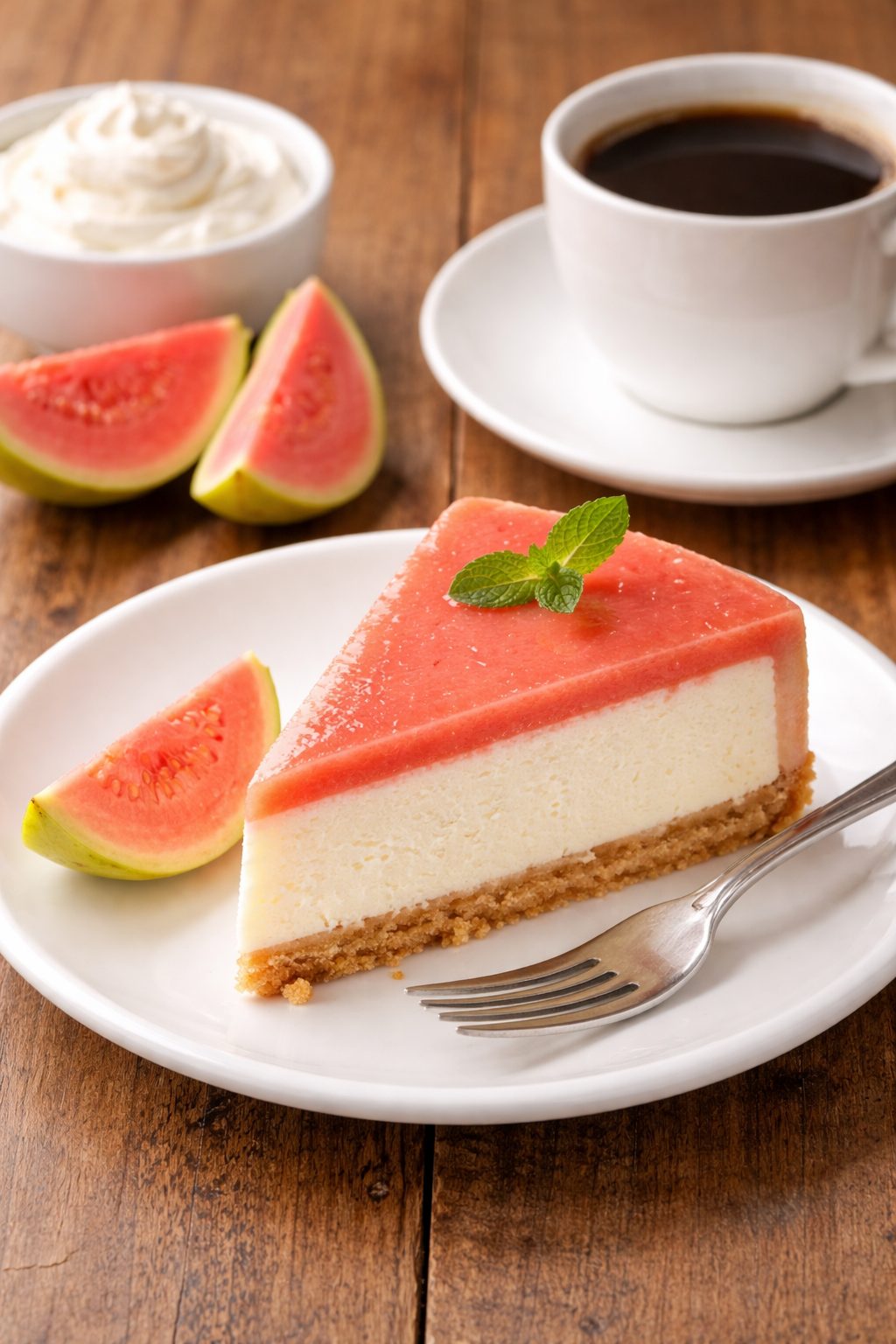
Welcome to the Sweet and Tropical World of Guava Cheesecake
I’ll never forget the first time I tasted guava cheesecake at a small Cuban bakery in Miami. The creamy filling mixed with the sweet, tangy guava paste created something I can only describe as pure magic. That one bite changed how I thought about cheesecake forever. If you’ve never tried this tropical twist on a classic dessert, you’re in for a real treat.
Guava cheesecake brings together two amazing flavors that were meant to be together. The rich, smooth cream cheese pairs beautifully with the bright, fruity taste of guava. This dessert has won hearts across tropical regions and continues to gain fans everywhere. Today, I’m going to share everything you need to know about this incredible treat.
In this article, we’ll explore what makes guava cheesecake so special and why people can’t get enough of it. You’ll learn about its history, discover popular variations, and find out where this dessert shines brightest. Whether you’re looking for a guava cheesecake recipe or just want to learn more about this tropical dessert, you’re in the right place.
What is Guava Cheesecake?
At its heart, guava cheesecake combines traditional cheesecake with guava paste or fresh guavas. The result is a dessert that balances creamy richness with tropical sweetness. Most recipes use a graham cracker crust, a smooth cream cheese filling, and guava swirled throughout or layered on top.
The history of this dessert traces back to Latin American and Caribbean communities. These regions have enjoyed guava as a staple fruit for generations. Someone had the brilliant idea to combine it with cheesecake, and the rest became delicious history. The exact origin remains unclear, but many food historians point to Cuban and Puerto Rican bakers as the creative minds behind this fusion.
Guava cheesecake Miami style has become famous across South Florida. The city’s large Cuban and Latin American population made this dessert a local favorite. Walk into almost any Cuban bakery in Miami, and you’ll find some version of it on display. The dessert represents the perfect blend of American baking traditions and tropical Latin flavors.
Puerto Rican guava cheesecake holds a special place in island celebrations and family gatherings. Many Puerto Rican families pass down their own versions through generations. The island’s love for guava paste, known locally as pasta de guayaba, made this combination natural and beloved.
In Hawaii, the story takes a slightly different turn. Hawaiian guava cheesecake often uses fresh guavas instead of paste. The islands grow several varieties of guava, and local bakers take full advantage of this fresh fruit. The Hawaiian version tends to be lighter and more fruit-forward than its Latin American cousins.
The key ingredients remain fairly consistent across regions. You need cream cheese, sugar, eggs, and guava. Some recipes call for guava paste, while others prefer fresh guava puree. The paste gives a more concentrated, candy-like sweetness. Fresh guavas offer a lighter, more natural fruit flavor. Both work wonderfully and come down to personal taste.
The flavor profile hits all the right notes. Guava brings a tropical sweetness with hints of strawberry and pear. Some describe it as floral and slightly musky in the best way possible. When you mix this with tangy cream cheese, something special happens. The cream cheese cuts through the sweetness while the guava adds brightness to the rich filling.
Popular Variations of Guava Cheesecake
The beauty of this dessert lies in its flexibility. Bakers have created countless variations to suit different occasions and preferences. Let me walk you through some of the most popular versions you’ll find.
Guava cheesecake bars offer a portable, party-friendly option. These treats use the same delicious filling but baked in a rectangular pan and cut into squares. They’re perfect for potlucks, bake sales, or when you want individual servings without the fuss. The bars usually have a thicker crust ratio, which many people love. I make these when I need to bring dessert to a gathering because they travel well and look impressive.
Mini guava cheesecakes are another crowd-pleaser. These individual-sized desserts bake in muffin tins with paper liners. Each person gets their own perfect portion with crust, filling, and guava topping. Kids especially love these, and they’re great for portion control. The smaller size also means faster baking time, which works when you’re in a rush.
The Philadelphia guava cheesecake refers to recipes using Philadelphia cream cheese brand. This brand has become so associated with cheesecake that many recipes specifically call for it. The company even features guava cheesecake variations on their website. Their cream cheese creates that classic, smooth texture everyone expects from great cheesecake.
Regional favorites each bring unique touches. Puerto Rican versions often include a layer of Maria cookies instead of graham crackers for the crust. These tea biscuits add a different texture and subtle flavor. Some Puerto Rican bakers also add a touch of vanilla or almond extract to enhance the filling.
Hawaiian recipes might incorporate macadamia nuts into the crust for extra island flair. The buttery nuts complement both the guava and cream cheese beautifully. Some Hawaiian bakers also add coconut to their versions, creating an even more tropical experience.
Cuban-style guava cheesecake in Miami typically uses thick guava paste in a dramatic swirl pattern. The presentation matters as much as the taste. Many Cuban bakeries pipe the guava paste in decorative patterns that look almost too pretty to eat. The paste-to-cheesecake ratio runs higher in these versions, giving you big bursts of guava flavor.
Guava cheesecake Pollo Tropical style refers to the popular chain restaurant’s version. They offer this dessert at their locations across Florida and beyond. Their take features a thick graham cracker crust and generous guava topping. Many home bakers try to recreate this version because it’s become so well-known.
Some creative bakers make guava cheesecake with fresh guavas when the fruit is in season. This approach requires more work because you need to peel, seed, and puree the fruit. The extra effort pays off with a fresher, more nuanced flavor. Fresh guava adds a slight tartness that paste can’t match.
No-bake versions have also gained popularity. These recipes set in the refrigerator instead of baking in the oven. They work great during hot summer months when you don’t want to heat up your kitchen. The texture comes out slightly different but still delicious.
If you’re searching for guava cheesecake near me, your best bet is Latin American bakeries, Cuban cafes, or upscale dessert shops in tropical areas. The dessert has spread beyond its traditional regions, but availability varies. Major cities with diverse populations usually have at least one bakery offering it.

How to Make Your Own Guava Cheesecake at Home
Now that you know all about the different styles out there, let’s talk about making this beauty in your own kitchen. Honestly, it’s easier than most people think, and you don’t need any fancy equipment to pull it off.
The guava cheesecake recipe food network offers a solid starting point for beginners. Their version keeps things straightforward without sacrificing flavor. I’ve tried their recipe multiple times, and it never disappoints my guests. What I love about their approach is how they balance simplicity with impressive results. You basically need three main components: the crust, the filling, and the guava element. Nothing too complicated.
Here’s the thing about making this dessert—you can absolutely use store-bought guava paste or try your hand at guava cheesecake with fresh guavas. Each method has its perks. Guava paste is convenient, shelf-stable, and gives you that intense, concentrated flavor. You’ll find it in most Latin grocery stores in flat tins or plastic containers. It’s firm enough to cut into chunks or melt down for swirling.
Fresh guavas take more work but reward you with a brighter, more natural taste. When guavas are in season, I always grab a few extra pounds just for baking. The process involves washing them, cutting away any bruised spots, and then deciding whether to keep the seeds or strain them out. Some people don’t mind the tiny seeds, while others prefer a completely smooth puree. I fall somewhere in the middle—a few seeds add character without being annoying.
If you’re going the fresh route, here’s my trick: simmer the peeled and chopped guavas with a bit of sugar and lemon juice until they break down. This takes about fifteen minutes. Then you can either blend it smooth or press it through a strainer if you want zero seeds. The puree needs to cool completely before you add it to your cheesecake. Trust me on this—adding warm fruit puree to cream cheese filling is a recipe for disaster.
Let’s break down the actual process. Start with the crust because it needs to cool before you add the filling. Graham crackers work perfectly, but I’ve also used vanilla wafers when that’s what I had on hand. You need about two cups of crumbs mixed with melted butter and a tablespoon of sugar. Press this mixture firmly into the bottom of a springform pan. Really press it down—use the bottom of a measuring cup or glass to pack it tight. This prevents your crust from crumbling later. Pop it in the oven at 350 degrees for about ten minutes, then let it cool while you work on the filling.
The filling is where things get fun. You’ll want your cream cheese at room temperature. This is crucial. Cold cream cheese creates lumps no matter how long you beat it. I learned this the hard way during my first attempt at cheesecake years ago. Leave those cream cheese blocks on the counter for at least an hour before you start. Beat the cream cheese with sugar until it’s fluffy and smooth. This takes a few minutes with a mixer. Then add eggs one at a time, mixing just until combined after each addition. Overmixing at this stage can create too much air, which leads to cracks later.
Add vanilla extract, a pinch of salt, and maybe a tablespoon of flour or cornstarch if you want extra insurance against cracks. Some people skip the flour entirely, which is fine too. Now comes the decision point—do you swirl the guava throughout the filling, or do you layer it? Both methods work beautifully. For a marbled effect, pour half your filling over the cooled crust, drop spoonfuls of guava puree or softened paste on top, add the remaining filling, then more guava on top. Use a knife or skewer to create swirls by dragging through the layers in a figure-eight pattern.
Baking requires patience. Set your oven to 325 degrees—lower than you might expect. Cheesecakes hate high heat. Place your springform pan in a larger roasting pan and add hot water to come about halfway up the sides of the springform. This water bath keeps the temperature even and prevents drying out. Bake for about an hour to an hour and fifteen minutes. The center should still jiggle slightly when you shake the pan. It will firm up as it cools.
By the way, cooling matters just as much as baking. Turn off the oven, crack the door open, and let the cheesecake sit inside for an hour. This gradual temperature change prevents shocking the delicate filling. After that hour, move it to the counter for another hour, then finally into the fridge for at least four hours, though overnight is better. I know waiting is torture when it smells so good, but patience pays off with perfect texture.
If you’re interested in trying other creative cheesecake variations, you might enjoy experimenting with a cookie butter cheesecake which offers a similar sweet and creamy experience with different flavor notes. Or if you want something truly decadent, the cookie dough version brings playful texture to classic cheesecake.
For those times when you want impressive results with less effort, starting with a quality cheesecake mix can simplify the process while still allowing you to add your own guava twist. And if you’re feeling adventurous with layered desserts, the techniques used in this banana split chocolate drip cake can inspire creative topping ideas for your guava cheesecake.
Where to Find Guava Cheesecake Near You
Maybe making it from scratch isn’t in the cards right now, and that’s perfectly fine. Sometimes you just want to buy a slice and enjoy someone else’s work. The question becomes: where do you find good guava cheesecake near me?
Your best starting point is Latin American bakeries and cafes. These establishments understand the dessert and usually make it regularly. In cities with significant Cuban, Puerto Rican, or Central American populations, you’ll have multiple options. I’ve found that the family-owned spots often make the best versions because they’re using recipes passed down through generations. Don’t be shy about calling ahead to ask if they have it available. Many bakeries make cheesecakes only on certain days.
Funny enough, chain restaurants have gotten in on the action too. Guava cheesecake Pollo Tropical has become something of a cult favorite. This fast-casual chain, which started in South Florida, serves their version as a permanent menu item at most locations. Their slices come pre-portioned and feature that characteristic thick graham crust with a generous guava topping. The quality stays consistent across locations, which makes it reliable when you’re craving it. You can usually order it at the counter just like any other menu item. No special request needed since it’s on the regular dessert menu.
Some upscale restaurants in Miami, Orlando, Tampa, and other Florida cities include guava cheesecake Miami style on their dessert menus. These versions often come plated beautifully with extra garnishes like whipped cream, fresh fruit, or even a guava reduction sauce. The presentation gets fancy, and so does the price, but it’s worth it for special occasions. I’ve seen versions topped with gold leaf at one Miami restaurant, which felt excessive but looked stunning.
If you live outside traditional areas for this dessert, don’t give up hope just yet. Try searching for Puerto Rican, Cuban, or Brazilian restaurants in your city. Call them directly and ask if they offer it or could make one with advance notice. Many restaurants will take special orders for whole cheesecakes if you give them a few days’ notice. I’ve successfully convinced at least three restaurants to add guava cheesecake to their menu after enough people asked for it.
Bakeries that specialize in custom cakes often have the skills and ingredients to create one for you, even if it’s not on their standard menu. Show them a picture and explain what you’re looking for. Most professional bakers love trying new flavors, especially when a customer comes with enthusiasm and clear instructions. Just be prepared to order a whole cheesecake rather than a single slice when going the custom route.
Online ordering has opened up new possibilities too. Some bakeries ship their cheesecakes frozen to anywhere in the country. The shipping isn’t cheap, but it works when you absolutely can’t find it locally. I’ve had friends in Seattle order from Miami bakeries just to satisfy their cravings. The cheesecakes arrive packed in dry ice and taste nearly as good as fresh once they thaw in your fridge.
Grocery store bakeries occasionally surprise you. Stores in areas with diverse populations sometimes stock guava cheesecakes or can order them through their suppliers. It never hurts to ask the bakery manager. The worst they can say is no, and the best outcome is discovering a convenient local source. I found a grocery store bakery version once that wasn’t authentic exactly, but it scratched the itch when I needed a quick fix.
When you do find a place, take note of what you liked or didn’t like about their version. The guava-to-cheesecake ratio varies wildly. Some places go heavy on the guava, making it almost jammy throughout. Others prefer a subtler approach with just a thin layer on top. Neither is wrong, but you’ll probably develop a preference. Knowing what you like helps when you’re trying new places or making special requests.
Building a relationship with a local bakery pays off too. Once they know you’re a regular customer who loves guava cheesecake, they might call you when they make a fresh batch. Some bakeries keep lists of customers interested in specific items. It’s worth getting on that list if you’re serious about your guava cheesecake habit.
Frequently Asked Questions About Guava Cheesecake
I get tons of questions whenever I post about this dessert on social media, so I figured it’s time to tackle the most common ones. These are real questions from real people who love cheesecake as much as I do.
What makes guava cheesecake unique compared to regular cheesecake?
The tropical twist changes everything. Regular cheesecake is rich and tangy, which is wonderful on its own. But when you add guava, you introduce this sweet, floral dimension that cuts through all that cream cheese density in the most amazing way. The guava brings natural fruit sugars that taste different from just adding strawberries or blueberries. It’s got this perfumed quality that some people describe as reminiscent of pear mixed with strawberry, but honestly, guava tastes like itself. The cultural heritage behind it also sets it apart—this isn’t just another fruit flavor variation, it’s a dessert with deep roots in Latin American and Caribbean traditions.
Can I use other fruits instead of guava in my cheesecake?
Absolutely, though you’ll create something different. Mango works surprisingly well and gives you that tropical vibe with a smoother, less complex sweetness. Passionfruit is another winner if you want something tart and fragrant. I’ve experimented with papaya, which was interesting but lacked the punch guava delivers. Stone fruits like peaches or apricots could work during their peak season. The key is finding fruits with enough personality to stand up to cream cheese. Berries tend to get lost unless you use a lot of them. If you’re looking to practice with different tropical flavors before committing to guava, go ahead and play around—that’s how you learn what you really love.
Is there a no-bake version of guava cheesecake available?
Yes, and it’s perfect for summer when turning on your oven feels like punishment. No-bake versions rely on gelatin or heavy cream whipped into the cream cheese mixture to help it set firm in the refrigerator. You still make the graham cracker crust, though you don’t bake it—just press it into the pan and chill it. The filling comes together by beating cream cheese with sugar and guava puree, then folding in whipped cream or dissolved gelatin. After spreading it over the crust, you refrigerate it for at least six hours. The texture differs from baked cheesecake—it’s lighter, almost mousse-like, and some people actually prefer it. My mom makes only no-bake versions because she says they’re more forgiving and less likely to crack or dry out.
How do I store leftover guava cheesecake?
Cheesecake loves the refrigerator and hates the counter. Always cover it well—either leave it in the springform pan with plastic wrap over the top, or transfer slices to an airtight container. It’ll stay fresh in the fridge for about five days, though in my house it never lasts that long. For longer storage, freezing works beautifully. Wrap individual slices tightly in plastic wrap, then put them in a freezer bag with the air squeezed out. Frozen guava cheesecake keeps for up to three months. Thaw slices in the fridge overnight rather than at room temperature, which can make them watery. I actually think cheesecake tastes better after sitting in the fridge for a day because the flavors meld together. Room temperature cheesecake gets too soft and loses that perfect creamy-yet-firm texture.
Are there any health benefits to eating guava cheesecake?
Let’s be real—this is dessert, not a health food. But guava itself brings some nutritional value to the party. Fresh guavas are loaded with vitamin C, even more than oranges. They also contain fiber, antioxidants, and potassium. When you use fresh guava in your cheesecake instead of paste, you retain more of these benefits. The cream cheese provides calcium and protein, though it also comes with saturated fat and calories. I’m not suggesting you eat this daily for your health, but enjoying a slice as part of a balanced diet isn’t something to feel guilty about. The joy it brings counts for something too. There’s mental and emotional value in savoring foods you love, especially when shared with people you care about. Practicing mindful food preparation and eating helps you appreciate these special treats more without overdoing it.
Can I make mini guava cheesecakes ahead of time for a party?
This is actually the smartest party move you can make. Mini guava cheesecakes are ideal for entertaining because they’re already portioned, they look adorable, and you make them a day or two before your event. Just line a muffin tin with paper liners, add a spoonful of crust mixture to each cup, press it down, then add your filling and guava swirl. They bake faster than a full-size cheesecake—usually around twenty-five minutes. Once they’ve cooled and chilled overnight, you can even garnish them the morning of your party with whipped cream or a guava slice. Transport them right in the muffin tin or arrange them on a platter. They’re easier to serve than slicing a whole cheesecake, and people love individual desserts.
What’s the best type of guava paste to buy for baking?
Look for brands from Latin American countries, especially those from Colombia, Cuba, or Puerto Rico. The paste usually comes in flat round tins or rectangular plastic containers. Goya is widely available in U.S. supermarkets and works perfectly fine. If you have access to a Latin grocery store, they’ll carry multiple brands at different price points. Higher-quality pastes have fewer additives and more actual guava. Check the ingredient list—you want to see guava and sugar as the top ingredients, not corn syrup or artificial flavors. The paste should be firm but sliceable, kind of like firm jelly. If it’s rock-hard, it might be old. You can warm it slightly in the microwave to make it easier to work with when you’re ready to swirl it into your cheesecake.
Why did my guava cheesecake crack on top?
Cracking happens for a few reasons, and I’ve experienced every single one. Overmixing the batter incorporates too much air, which expands during baking and creates cracks as it cools. Temperature shock is another culprit—if your oven runs too hot or you cool the cheesecake too quickly, the surface contracts and splits. Overbaking dries out the edges while the center stays soft, creating tension that results in cracks. Here’s the thing though—cracks don’t affect taste one bit. If it bothers you aesthetically, just spread a layer of guava puree over the top or add whipped cream. Nobody will know what’s underneath, and they’ll still rave about how delicious it is. I’ve served cracked cheesecakes dozens of times without a single complaint.
Can I make guava cheesecake dairy-free or vegan?
You can definitely try, though you’ll need to swap several ingredients. Vegan cream cheese alternatives have improved dramatically in recent years. Brands like Kite Hill, Miyoko’s, or Tofutti work reasonably well, though the texture won’t be identical to traditional cheesecake. You’ll need to replace eggs too, usually with a combination of cornstarch and non-dairy milk or commercial egg replacer. The crust is easy—just use vegan butter or coconut oil with your graham crackers. Honestly, the guava paste is already vegan since it’s just fruit and sugar. I made a version for my lactose-intolerant cousin last year using cashew cream as the base, and while it tasted different, it was still really good. Set your expectations appropriately—it won’t fool anyone into thinking it’s traditional cheesecake, but it satisfies that craving.
What drinks pair well with guava cheesecake?
Coffee is my go-to because the slight bitterness balances the sweetness perfectly. A strong Cuban coffee or espresso cuts through the richness in all the right ways. If you prefer tea, try something floral like jasmine or a fruity herbal blend. For special occasions, sparkling wines work beautifully—prosecco or cava have enough acidity to refresh your palate between bites. Rum cocktails make sense given the dessert’s Caribbean heritage. A simple mojito or a rum and coconut water complement the tropical flavors. Some people even enjoy it with a glass of cold milk, which sounds basic but genuinely works. My dad insists that’s the only proper way to eat any cheesecake, and who am I to argue with him?
By the way, if you find yourself falling in love with the world of creative cheesecakes, there’s a whole universe of variations waiting for you to explore over in our full collection of cheesecake recipes where you’ll find everything from classic New York style to inventive flavor combinations that might just become your next obsession.
Making or finding great guava cheesecake isn’t as complicated as it might seem at first. Whether you decide to bake your own puerto rican guava cheesecake from scratch, track down the perfect slice at a local bakery, or grab a reliable piece at Pollo Tropical, what matters most is that you give this incredible dessert a chance. It represents more than just a tasty treat—it’s a bridge between cultures, a celebration of tropical flavors, and a dessert that brings genuine joy to everyone who tries it. So go ahead, take that first step into the sweet and tropical world of guava cheesecake. Your taste buds will thank you.
Equipment
- Mixing Bowl
- Electric Mixer
- Spatula
- Springform Pan
- Roasting Pan
Ingredients
- 2 cups graham cracker crumbs
- 0.5 cup melted butter
- 1 tbsp sugar
- 16 oz cream cheese softened
- 1 cup granulated sugar
- 3 large eggs
- 1 tsp vanilla extract
- 1 pinch salt
- 1 tbsp flour or cornstarch optional
- 1 cup guava paste or fresh guava puree
Instructions
- Preheat the oven to 350°F (175°C).
- Mix graham cracker crumbs, melted butter, and sugar together.
- Press the crumb mixture firmly into the bottom of a springform pan to form the crust.
- Bake the crust for 10 minutes, then let it cool.
- Beat softened cream cheese and sugar together until fluffy and smooth.
- Add eggs one at a time, mixing until just combined after each addition.
- Mix in vanilla extract, salt, and flour or cornstarch (if using).
- Add guava puree or chunks into the filling, mixing well.
- Layer or swirl some guava puree into the filling (if desired).
- Pour the filling over the cooled crust and smooth the top.
- Lower the oven temperature to 325°F (160°C).
- Place the springform pan in a larger roasting pan and add hot water to the roasting pan until it reaches halfway up the sides.
- Bake for about 1 hour to 1 hour and 15 minutes, until the center jiggles slightly.
- Turn off the oven and crack the door open, letting the cheesecake cool in the oven for 1 hour.
- Move the cheesecake to room temperature for another hour, then refrigerate for at least 4 hours or overnight before serving.
Notes
Nutrition

Hello! I’m Sarah Mitchell, and I’m passionate about bringing creativity and innovation to baking. My love for baking started in high school when I first tried my hand at decorating cupcakes for a class project. What began as a fun hobby quickly became a full-time passion. I’ve spent the past decade working in bakeries and dessert shops, honing my skills in everything from simple cookies to intricate wedding cakes.
After working in some of the top bakeries across the country, I realized that baking was about more than just following recipes — it was about infusing your personality into each creation. At BakingSecret.com, I love creating recipes that push boundaries while staying true to the heart of classic baking. I specialize in creating delicious and visually stunning pastries that will wow your guests.
When I’m not baking, I enjoy teaching baking classes, trying out new cake decoration techniques, and traveling to find inspiration in global dessert traditions. I’m so excited to share my tips and tricks with you to help elevate your baking game!