Cheese-Stuffed Potato Cakes: The Ultimate Comfort Food Hack
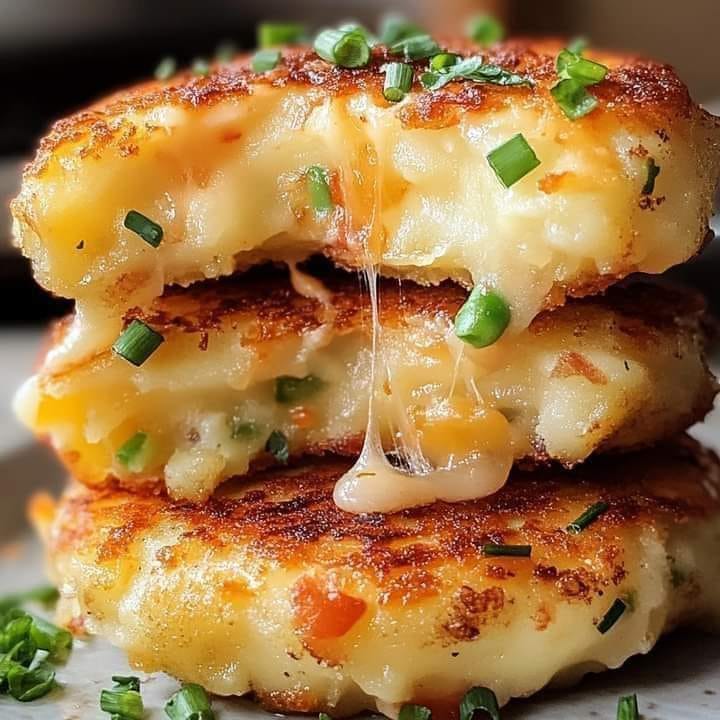
Is there anything more comforting than potatoes and melted cheese? I didn’t think so. But what if you could combine them into a hand-held, crispy, gooey pocket of pure joy? That was my mission one lazy Sunday when my family was groaning about the usual side dishes. These Cheese-Stuffed Potato Cakes were the glorious, cheese-pull-creating result. They disappeared so fast I barely got one myself! They’re like the love child of a mashed potato pancake and a mozzarella stick, and they are about to become your new favorite thing.
The Humble Potato Cake, All Grown Up
Potato cakes, or “potato patties,” have been a clever way to use up leftover mash for generations. Think of Irish boxty or Jewish latkes. My version is a deliciously decadent spin on this thrifty tradition. I took that simple, starchy base and gave it a triple-cheese upgrade and a hidden molten core. It’s a modern, fun twist that turns a humble ingredient into the star of the dinner table. They’re perfect for a fun family dinner, but fancy enough to serve to friends at your next game night.
Why You’ll Fall in Love With This Recipe
First, they’re impossibly delicious. The outside gets golden and crisp, while the inside stays fluffy and packed with cheesy flavor. That surprise pocket of melty mozzarella is pure magic. Second, they’re surprisingly easy. If you can boil and mash a potato, you can make these. The ingredients are simple pantry staples. Finally, they’re a total crowd-pleaser. Kids, adults, picky eaters—no one can resist a warm, cheesy bite.
Perfect Occasions for Potato Cake Perfection
These versatile cakes fit any event! Serve them as a hearty side with roast chicken or steak. Pile them on a platter as the ultimate party appetizer with sour cream and chive dip. They’re a brilliant brunch item next to some eggs. Got a big game on? These are a touchdown. They’re also my secret weapon for using up leftover mashed potatoes from a big holiday meal.
Gathering Your Ingredients
Here’s what you’ll need to make about 8-10 glorious cheese-stuffed potato cakes:
- 4 large potatoes, peeled, boiled, and mashed (Russets are best!)
- 1 cup grated sharp cheddar cheese
- 1/2 cup shredded mozzarella cheese (for the filling and mixing)
- 1/4 cup grated Parmesan cheese
- 1/4 cup finely chopped green onions
- 2 cloves garlic, minced
- 1/4 cup all-purpose flour
- 1 large egg
- Salt and black pepper to taste
- Olive oil (or a neutral oil) for frying
No Worries! Handy Substitution Options
Out of something? No problem! Use what you have.
- Cheese: Swap cheddar for Gouda, Monterey Jack, or a Mexican blend. Just make sure it’s a good melter!
- Potatoes: Leftover mashed potatoes work wonderfully. Just reduce or skip the added salt.
- Flour: For a gluten-free version, use a 1:1 gluten-free flour blend or almond flour.
- Green Onions: Try chives, finely diced red onion, or even a teaspoon of onion powder.
- Frying: For a lighter version, bake them at 400°F on a greased sheet for 20-25 minutes, flipping halfway.
Crafting Your Cheese-Stuffed Potato Cakes
Let’s get cooking! Put on some music and get ready for your kitchen to smell amazing.
Step 1: The Perfect Potato Base
Start with your peeled, boiled potatoes. Mash them in a large bowl until they are mostly smooth. A few small lumps are okay for texture. Let them cool for 10-15 minutes. This is important! If the potatoes are too hot, they’ll start to cook the egg when you mix it in, and we don’t want that. You should be able to comfortably stick your finger in the mash.
Step 2: The Flavorful Mix-In
To the warm (not hot) potatoes, add the grated cheddar, Parmesan, half of the mozzarella (save the rest for stuffing!), green onions, and minced garlic. Sprinkle the flour over the top, crack in the egg, and season well with salt and pepper. Now, roll up your sleeves and mix it all together with a fork or your hands. You want a cohesive, slightly sticky mixture that holds together when you pinch it. Pro tip: Do a taste test! Fry a tiny patty to check the seasoning.
Step 3: Creating the Cheesy Secret Pocket
This is the fun part. Line a tray with parchment paper. Scoop up a generous golf-ball-sized amount of the potato mixture. Flatten it in your palm into a small disc. Place a small pinch (about a teaspoon) of the reserved mozzarella right in the center. Carefully fold the potato mixture up and around the cheese, sealing it completely. Gently pat it into a cake shape, about 3/4-inch thick. Place it on the tray. Repeat! This process is oddly satisfying.
Step 4: The Golden Crispy Fry
Heat a large skillet over medium heat and add enough olive oil to generously coat the bottom. You’ll know the oil is ready when a tiny bit of potato mixture sizzles upon contact. Carefully add your potato cakes, but don’t crowd the pan. Cook in batches. Let them fry, undisturbed, for 3-4 minutes until the bottom is a deep, gorgeous golden brown. The sizzle will be music to your ears. Gently flip and cook the other side. The second side often cooks a minute faster. Chef’s tip: Resist the urge to press down with your spatula! You’ll squeeze out the fluffy goodness.
Step 5: The Draining Finale
Once both sides are crispy and brown, transfer the hot potato cakes to a plate lined with a few paper towels. This soaks up any excess oil and keeps them crispy. Let them rest for just a minute—this helps the cheese inside settle. Then, serve them immediately while they’re piping hot and the cheese pull is at its epic best!
Your Cooking Timeline at a Glance
| Prep Time: | 25 minutes |
| Cook Time: | 15 minutes (per batch) |
| Total Time: | About 40 minutes |
| Servings: | 8-10 potato cakes |
Chef’s Secret for the Ultimate Crisp
The key to an unbeatable crispy crust is a hot pan and patient frying. Don’t rush it by turning the heat up too high, or the outside will burn before the inside is warm. Medium heat allows for slow, even browning that creates that perfect crunchy shell. Also, make sure your oil is shimmering hot before the cakes go in!
A Little Spud Story
Did you know the word “spud” for a potato might come from the spade-like tool used to dig them up? Potatoes have been a global comfort food for centuries, and recipes like this show their incredible versatility. From simple mash to these cheesy masterpieces, the potato always delivers.
Equipment You’ll Need
- Large pot for boiling potatoes
- Potato masher or ricer
- Large mixing bowl
- Large skillet (non-stick or cast iron works great)
- Spatula
- Measuring cups and spoons
- Parchment paper or plate for shaped cakes
Storing Your Leftover Potato Cakes
These are best served fresh, but leftovers can be saved! Let them cool completely on a wire rack. Then, place them in a single layer in an airtight container, with parchment paper between layers if stacking. They’ll keep in the fridge for up to 3 days.
To reheat, avoid the microwave if you want to keep the crispy texture. Instead, warm them in a toaster oven, air fryer, or regular oven at 375°F for 8-10 minutes until hot and re-crisped. You can also reheat them in a dry skillet over medium-low heat.
For longer storage, you can freeze the uncooked, shaped potato cakes. Place them on a baking sheet to freeze solid, then transfer to a freezer bag. Fry directly from frozen, adding a couple extra minutes to the cooking time. This is a fantastic meal prep hack!
My Top Tips & Advice
- Dry Potatoes: After boiling, drain your potatoes well and let them steam dry in the pot for a minute. Extra water makes a soggy mix.
- Cold Hands: If the mixture is too sticky when shaping, dampen your hands with a bit of cold water.
- Don’t Over-mix: Mix just until combined. Overworking the potato can make the cakes a bit gluey.
- Frying in Batches: Keep cooked cakes warm in a 200°F oven while you finish frying the rest.
- Dipping Sauces: They’re fabulous with sour cream, ranch, garlic aioli, or even a spicy ketchup.
Presentation Ideas to Impress
- Stack them high on a rustic wooden board with sprigs of fresh herbs.
- Serve on individual plates with a dollop of herbed sour cream and a miniature salad garnish.
- For a party, spear each cake with a decorative skewer for easy grabbing.
- Place them in a napkin-lined basket for a casual, family-style feel.
6 Delicious Healthier & Fun Variations
Love the base recipe? Try these twists for a new experience every time!
- Loaded Baked Potato Cakes: Mix in cooked, crumbled bacon and a tablespoon of ranch seasoning. Top with a drizzle of light sour cream and chives after frying.
- Veggie-Packed Cakes: Fold in 1/2 cup of finely grated zucchini or carrot (squeezed dry) and use part-skim cheeses for a nutrient boost.
- Southwest Style: Add 1/2 teaspoon cumin, a diced jalapeño, and use Pepper Jack cheese. Serve with avocado crema.
- Greek-Inspired Cakes: Use feta cheese instead of cheddar, add 2 tablespoons of chopped fresh dill and mint. Dip in tzatziki sauce.
- Breakfast Potato Cakes: Stuff with a cube of cheese AND a small piece of cooked breakfast sausage. Perfect with a runny egg on top.
- Pizza Potato Cakes: Mix in a tablespoon of tomato paste and some dried oregano. Stuff with a cube of mozzarella and a slice of pepperoni.
If you’re in the mood for more cheesy, handheld goodness after these, you absolutely must try my recipe for Cheesy Garlic Chicken Wraps. They’re another weeknight hero! And for a sweet finish, don’t forget to check out our Heavenly Cherry Cupcakes or the zesty Cranberry Orange Loaf Cake. For a cozy, savory dish, nothing beats a warm bowl of our creamy Seafood Chowder. You can find more inspiration like this in our collection of global-inspired treats and savory bakes.
Common Mistakes to Avoid
Mistake 1: Using Watery or Hot Potatoes
This is the biggest culprit for soggy, falling-apart cakes. If your boiled potatoes are too wet, the mixture will be a sticky mess. If they’re too hot, they’ll cook the egg on contact, ruining the binding power. Always drain potatoes well and let them cool and dry out in the bowl for a bit before mashing and mixing. Your future crispy cakes will thank you.
Mistake 2: Skipping the Cooling Time Before Frying
You’ve shaped your beautiful cakes and you’re ready to fry. Wait! Pop the tray of shaped cakes into the fridge for 15-20 minutes first. This chills the outside, helping them hold their shape better when they hit the hot oil. It also firms up the exterior, leading to a superior crispy crust. A little patience makes a big difference.
Mistake 3: Overcrowding the Skillet
It’s tempting to cook them all at once, but don’t! Crowding the pan drops the oil temperature dramatically. Instead of frying, the cakes will steam and soak up oil, becoming greasy and pale. Give them room to breathe. Cook in batches for that perfect, even, golden-brown sear on every single cake.
Mistake 4: Underseasoning the Potato Mixture
Potatoes need salt. So does cheese. Taste your mixture before you shape it! Fry a tiny tester patty in the pan to check the flavor. Remember, the flour and potatoes are bland canvases. Season generously with salt and pepper, and don’t be shy with the garlic and onions. Well-seasoned food is what makes home cooking special. For great tips on getting the most from your ingredients, the USDA has fantastic resources on home food preparation and food safety.
Frequently Asked Questions
Can I use leftover mashed potatoes?
Absolutely! Leftover mashed potatoes are perfect for this recipe. You might need to adjust the amount of flour slightly if your mash already contains milk or butter. Start with the recipe amount, mix, and if the mixture feels too loose or wet to hold a shape, add an extra tablespoon of flour until it’s workable. This is a fantastic way to prevent food waste and create a whole new meal from yesterday’s side dish.
Can I bake these instead of frying?
Yes, you can bake them for a lighter option. Preheat your oven to 400°F (200°C). Lightly brush a baking sheet with oil or line it with parchment. Brush the tops of the potato cakes with a little oil or melted butter. Bake for 20-25 minutes, carefully flipping them halfway through, until they are golden brown and heated through. The crust won’t be *quite* as crisp as pan-frying, but they’ll still be delicious and less messy.
What’s the best cheese for stuffing?
You want a cheese that melts beautifully into a smooth, stretchy pocket. Low-moisture mozzarella is my top choice for the core because it gets so wonderfully gooey. For the cheese mixed into the potato, use flavorful varieties that also melt well, like sharp cheddar, Gouda, Monterey Jack, or Fontina. Avoid very hard, aged cheeses or super soft, creamy cheeses for the stuffing, as they don’t provide the same molten effect.
Why did my potato cakes fall apart in the pan?
This usually points to one of three issues: the mixture was too wet (from hot or watery potatoes), there wasn’t enough binding agent (egg/flour), or the oil wasn’t hot enough. Make sure your potatoes are cool and well-drained. Ensure you’ve added the full egg and flour. Finally, let the oil get properly hot before adding the cakes. A properly hot skillet will sear the outside instantly, creating a crust that holds everything together.
Can I make these ahead of time?
You have two great make-ahead options. First, you can prepare the mixture, shape the cakes, and store them covered in the fridge for up to 24 hours before frying. Second, you can fully cook them, let them cool, and refrigerate for 2-3 days. Reheat in the oven or air fryer to maintain crispness. You can also freeze the uncooked, shaped cakes for up to 3 months. Fry directly from frozen, adding a few extra minutes.
What should I serve with cheese-stuffed potato cakes?
They are incredibly versatile! Serve them as a hearty side dish with roasted meats, grilled chicken, or pan-seared fish. For a vegetarian meal, pair them with a big, crisp salad and some roasted vegetables. As an appetizer, offer them with an array of dipping sauces like garlic aioli, spicy ketchup, cool sour cream, or a tangy barbecue sauce.
Are these gluten-free?
They can be easily made gluten-free! Simply substitute the 1/4 cup of all-purpose flour with a gluten-free 1:1 baking flour blend. All other core ingredients (potatoes, cheese, egg) are naturally gluten-free. Just double-check that any pre-shredded cheeses you use are labeled gluten-free, as some contain anti-caking agents with wheat.
My cheese leaked out while frying. What happened?
A little leakage is normal, but a major cheese flood means the seal wasn’t tight enough. When you shape the cakes, make sure the cheese is fully enclosed with no thin spots or holes in the potato layer. Pinch the edges firmly. Also, ensure your oil is at the right temperature—not so hot that it violently bursts the cake open, and not so cool that it sits and weakens the seal before cooking through.
Can I use sweet potatoes instead?
Yes, but the result will be different. Sweet potato mash is often wetter and sweeter. You’ll likely need more flour to bind the mixture, and the flavor profile pairs better with cheeses like goat cheese, feta, or a smoky Gouda. It’s a delicious experiment! Just be prepared to adjust the flour amount until the mixture is moldable.
What oil is best for frying them?
Use an oil with a high smoke point and neutral flavor. Olive oil (regular, not extra virgin) works well and adds a nice flavor. Avocado oil, vegetable oil, canola oil, or light olive oil are also excellent choices. Avoid butter for frying, as it burns too easily at the temperature needed to get a good crispy crust.
The Final, Cheesy Bite
There you have it! Your guide to making the most irresistible, crispy-on-the-outside, molten-on-the-inside Cheese-Stuffed Potato Cakes. They’re simple, satisfying, and always a hit. I love how this recipe turns basic ingredients into something truly special. So grab your potatoes and cheese, get mixing, and prepare for the compliments to roll in. Happy cooking!
Equipment
- Grand bol
- Fouet
- Spatule
- Plaque à pâtisserie
- Papier sulfurisé
Ingredients
- 4 pommes de terre grandes, pelées et bouillies
- 1 tasse fromage cheddar fort
- 1/2 tasse fromage mozzarella râpé
- 1/4 tasse fromage parmesan râpé
- 1/4 tasse oignons verts hachés
- 2 clous ail émincé
- 1/4 tasse farine tout usage
- 1 œuf
- q.s. sel
- q.s. poivre noir
- q.s. huile d'olive pour la friture
Instructions
- Écrasez les pommes de terre bouillies dans un grand bol jusqu'à ce qu'elles soient presque lisses, puis laissez refroidir pendant 10 à 15 minutes.
- Ajoutez le fromage cheddar râpé, le parmesan, la moitié de la mozzarella, les oignons verts, l'ail, la farine, l'œuf, le sel et le poivre aux pommes de terre refroidies et mélangez jusqu'à obtenir une pâte homogène.
- Tapissez un plateau de papier sulfurisé et prélevez une quantité généreuse du mélange de pommes de terre, aplatissez-la et ajoutez une cuillère à café de mozzarella réservée au centre.
- Pliez le mélange de pommes de terre autour du fromage, scellez-le complètement et façonnez-le en un gâteau d'environ 2 cm d'épaisseur.
- Chauffez l'huile dans une poêle à feu moyen et faites frire les gâteaux par lots pendant 3 à 4 minutes de chaque côté jusqu'à ce qu'ils soient dorés.
- Transférez les gâteaux croustillants sur une assiette tapissée de papier absorbant et laissez reposer brièvement avant de servir chaud.
Notes
Nutrition

Hi, I’m Olivia Parker, the founder of BakingSecret.com and a lifelong lover of all things sweet and homemade. I grew up in a small town in Oregon, where the smell of fresh cookies in my family’s kitchen sparked my passion for baking. Over the years, I turned that passion into a mission: to help home bakers feel confident, inspired, and creative.
After studying food science and working in several artisan bakeries across the U.S., I decided to create a space where everyone from beginners to seasoned bakers can find reliable recipes, expert tips, and a warm, welcoming community. BakingSecret.com is my way of sharing the magic of baking with the world. When I’m not testing new recipes, you’ll find me exploring farmers’ markets, collecting vintage cookbooks, or perfecting my sourdough technique.