
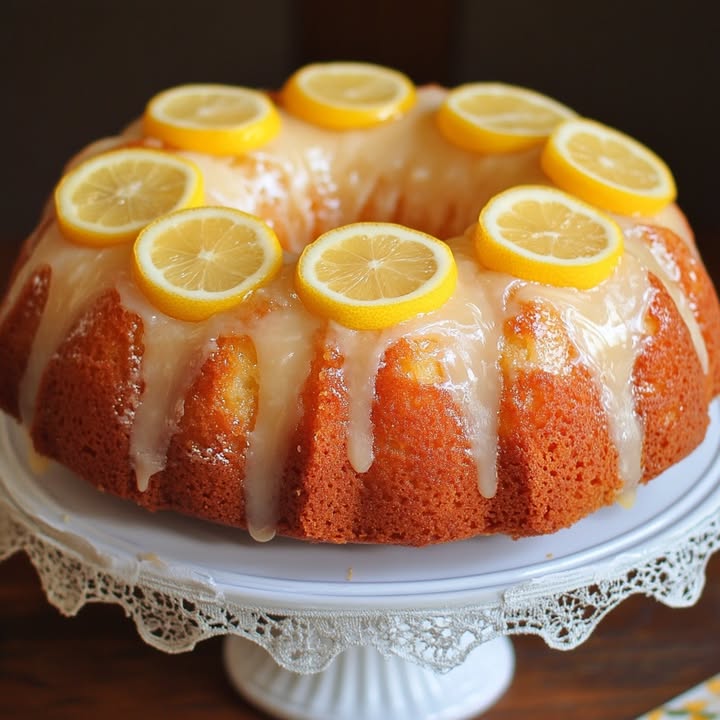
The Lemon Sour Cream Pound Cake That Might Just Steal the Show
Is there anything better than the smell of a lemon cake baking in your oven? That bright, sunny, unmistakably joyful aroma fills your whole house with happiness. I made this exact Lemon Sour Cream Pound Cake for my book club last month, and let me tell you, the compliments didn’t stop until every last crumb was gone. One friend even asked me for the recipe on the spot! It’s that good. This isn’t just any cake; it’s a perfect blend of rich, buttery pound cake tradition and a punch of fresh, zesty lemon. It’s the kind of dessert that feels both fancy and like a warm hug.
A Slice of History: The Humble Pound Cake Gets a Zesty Twist
The classic pound cake recipe is centuries old. It was famously simple: a pound each of butter, sugar, eggs, and flour. No leavening, just sheer elbow grease and hope! My, how we’ve evolved. Our modern palates crave a bit more excitement. That’s where this beauty comes in. By adding sour cream for incredible moisture and tang, plus a generous dose of fresh lemon juice and zest, we take that sturdy, beloved foundation and give it a vibrant, contemporary lift. It’s a meeting of old-world comfort and new-world flavor that, in my opinion, is simply meant to be.
Why You’ll Fall Head Over Heels for This Lemon Cream Poundcake
You’ll love this recipe because it delivers perfection without being fussy. The sour cream is the secret weapon – it guarantees a melt-in-your-mouth texture that stays moist for days. The lemon flavor isn’t just a whisper; it’s a clear, sunny note from the juice and the fragrant zest. And let’s be honest, that simple, shiny glaze dripping down the sides makes it look like it came from a professional bakery. It’s a sour cream cake that’s reliable, stunning, and always a crowd-pleaser.
When to Whip Up This Citrusy Masterpiece
This lemon pound cake is your go-to for so many occasions! It’s a star at spring luncheons and summer picnics. It’s a brilliant bright spot on a holiday dessert table. I love serving it with afternoon tea or coffee. It’s also the ultimate “just because” bake – because sometimes a Tuesday needs a little slice of sunshine. Honestly, its versatility is part of its charm.
Gathering Your Ingredients for Lemon Sour Cream Pound Cake
Quality ingredients make a big difference here, especially with such a simple recipe. Here’s what you’ll need:
- 1 cup unsalted butter, softened
- 2 cups granulated sugar
- 6 large eggs, at room temperature
- 3 cups all-purpose flour
- ¼ teaspoon baking soda
- ¼ teaspoon salt
- 1 cup sour cream (full-fat is best for texture)
- ⅓ cup fresh lemon juice (about 2 lemons)
- 1 tablespoon lemon zest
- 1 teaspoon pure vanilla extract
For the Glaze:
- 1 cup powdered sugar, sifted
- 2-3 tablespoons fresh lemon juice
- Optional: extra lemon zest for a pretty garnish
Easy Swaps: Your Lemon Pound Cake Substitution Guide
No sour cream? Plain, full-fat Greek yogurt works beautifully. Out of fresh lemons? You can use bottled lemon juice in a pinch, but the zest is key for that true lemon essence. For a different twist, try lime or orange zest and juice. If you only have salted butter, just omit the added salt in the recipe.
Baking Your Perfect Lemon Cream Poundcake: Step-by-Step
Step 1: Preheat and Prepare
Start by heating your oven to 325°F (163°C). This lower temperature is perfect for a bundt cake beauty like ours, ensuring it bakes evenly without over-browning. Generously grease every nook and cranny of a 10-inch bundt or tube pan with butter and flour, or use a good baking spray with flour. This step is non-negotiable for a clean release later! The anticipation begins as the oven warms up.
Step 2: Cream the Butter and Sugar
In a large bowl, beat the softened butter and granulated sugar together. Use an electric mixer on medium speed. You want to beat it for a good 3-5 minutes until it becomes pale yellow, fluffy, and almost creamy. This step incorporates air, which is crucial for the cake’s texture. You’ll hear the sound change from a heavy thud to a light whip. Pro tip: Your butter should be soft enough to leave a slight indentation when poked, but not greasy or melted.
Step 3: Incorporate the Eggs
Now, add the eggs one at a time. Crack an egg into the bowl, beat it in fully until it disappears into the butter mixture, then add the next. This patience ensures the emulsion holds together, preventing a curdled look. After each addition, the batter will look glossy and rich. Six eggs seem like a lot, but they build the structure and richness of a true pound cake perfection.
Step 4: Whisk the Dry Ingredients
In a separate bowl, grab your whisk. Combine the all-purpose flour, baking soda, and salt. Whisking for 30 seconds does two things: it blends them evenly, and it aerates the flour a bit. You’ll see the fine particles dance together. This little effort means you won’t get a pocket of baking soda in your finished slice. Set this bowl aside for its grand entrance.
Step 5: Combine Wet and Dry Alternately
Here’s the key to a tender crumb. Add about one-third of your flour mixture to the butter bowl. Mix on low just until it’s mostly incorporated. Then, add half of the cool sour cream. Mix again. Repeat with another third of flour, the rest of the sour cream, and finally the last of the flour. Mix just until you see no more dry streaks. The batter will be gloriously thick, smooth, and speckled with air bubbles.
Step 6: Fold in the Lemon Sunshine
This is the best part! Pour in the fresh lemon juice, sprinkle in that fragrant lemon zest, and add the vanilla extract. Use a spatula to fold everything together gently. The bright, citrusy aroma will hit you immediately – pure joy! The batter will loosen up slightly and take on a beautiful pale yellow hue from the zest. Chef’s tip: Rub the lemon zest into the sugar before you start creaming for an even more intense lemon flavor throughout.
Step 7: Bake to Golden Perfection
Scrape every bit of that fragrant batter into your prepared pan. Smooth the top gently with your spatula. Place it carefully in the center of your preheated oven. Now, the magic happens. Bake for 1 hour to 1 hour 10 minutes. The cake will rise, turn a deep golden brown, and your kitchen will smell incredible. It’s done when a long toothpick inserted near the center comes out clean or with just a few moist crumbs.
Step 8: Cool and Glaze
Patience is a virtue here. Let the cake cool in its pan on a wire rack for 15 minutes. This allows it to firm up enough to handle. Then, invert it onto the rack and let it cool completely. Once it’s fully cool, whisk your powdered sugar and lemon juice for the glaze. It should be thick but pourable. Drizzle it artfully over the crown of the cake, letting it drip down the sides naturally. Garnish with a little extra zest for a professional finish.
Your Lemon Pound Cake Timeline
This recipe is wonderfully straightforward. Plan for about 20 minutes of active prep time to measure, zest, juice, and mix. The baking time is a relaxed 60-70 minutes, perfect for doing a load of laundry or reading a few chapters of a book. The total time, including crucial cooling before glazing, is about 1 hour and 40 minutes. Trust me, the wait is worth it for the perfect slice.
The Secret to the Ultimate Moist Pound Cake
My absolute secret? Room temperature everything. Seriously! Your butter, eggs, and sour cream must all be at room temperature before you start. Cold ingredients don’t blend as smoothly, leading to a dense or uneven cake. Taking them out about an hour before you bake makes the batter come together like a dream and guarantees that iconic, fine, moist crumb we all love in a sour cream cake.
A Zesty Fact About Lemons
Did you know most of a lemon’s powerful aroma and flavor is actually in the zest, not the juice? The bright yellow outer skin holds potent essential oils. That’s why we use both in this cake. The juice provides the tangy punch, while the zest gives that perfumed, intense lemon essence that makes this cake so special. Never skip the zest!
Tools You’ll Need for This Bake
You don’t need fancy equipment. A good 10-inch bundt or tube pan is the star. You’ll also want:
- Electric hand mixer or stand mixer
- Large and medium mixing bowls
- Whisk and rubber spatula
- Zester or fine grater
- Juicer or reamer
- Wire cooling rack
- Toothpick or cake tester
How to Keep Your Lemon Pound Cake Fresh
Once the glaze is fully set, you can store this cake. The best method is to place it under a cake dome or cover it loosely with plastic wrap. It will stay supremely moist at room temperature for up to 3 days because of all that wonderful sour cream and butter.
If you need to keep it longer, you can refrigerate it for up to a week. Let it come to room temperature before serving for the best texture and flavor. The chill can firm up the butter, so a little warming time brings back its softness.
This cake also freezes beautifully for up to 3 months. Wrap the unglazed, cooled cake tightly in plastic wrap, then a layer of foil. Thaw overnight in the refrigerator, then bring to room temperature and add your fresh glaze before serving.
Top Tips for Lemon Sour Cream Pound Cake Success
- Measure your flour correctly: Spoon it into your measuring cup and level it off. Don’t scoop directly from the bag, as this packs in too much flour and leads to a dry cake.
- Don’t over-mix: Once you add the flour, mix just until combined. Over-mixing develops the gluten in the flour and can make the cake tough.
- Use fresh lemons: The flavor difference between fresh and bottled juice is night and day for this citrus bake.
- Test for doneness properly: Ovens vary. Start checking at 60 minutes. If the top is browning too fast but the center is still wet, tent it loosely with foil.
Making Your Cake Look as Good as It Tastes
- Serve a simple slice with a dollop of lightly sweetened whipped cream and a fresh berry.
- For a brunch, add a handful of fresh blueberries and a dusting of powdered sugar.
- Drizzle each plate with a little raspberry coulis before placing the cake slice on top.
- In the summer, serve with a scoop of vanilla bean ice cream or lemon sorbet.
6 Delicious Variations on This Classic
Love this base recipe? Try these twists for a new favorite!
- Lemon Blueberry: Gently fold 1 ½ cups of fresh or frozen blueberries (tossed in 1 tbsp flour) into the batter before baking. The burst of berry is divine.
- Lemon Poppy Seed: Add ¼ cup of poppy seeds to the dry ingredients for that classic crunch and look.
- Citrus Glaze: Swap the lemon juice in the glaze for orange or grapefruit juice for a nuanced, less tart finish.
- Lemon Lavender: Add 1 teaspoon of culinary dried lavender to the sugar before creaming for a subtly floral, elegant cake.
- Cream Cheese Glaze: Top with a glaze made from 4 oz softened cream cheese, 1 cup powdered sugar, and a splash of milk for a richer topping.
- Lemon Coconut: Fold 1 cup of sweetened shredded coconut into the batter and sprinkle some on top of the glaze before it sets.
If you adore show-stopping desserts, you must try our decadent Crimson Choco-Berry Rhapsody Cheesecake for a true chocolate-berry indulgence. For a taste of classic comfort, our New Orleans Bread Pudding with Bourbon Sauce is pure magic. If you’re a cheesecake fan, this swirled Strawberry Cheesecake is a stunning choice. And for a healthier treat, our flourless, no-sugar-added cookies are a fantastic guilt-free snack.
Common Mistakes to Avoid with Your Pound Cake
Mistake 1: Using Cold Ingredients
This is the #1 reason for a dense, heavy pound cake. Cold butter won’t cream properly with the sugar, and cold eggs or sour cream can cause the batter to separate or look curdled. The result is a cake that doesn’t rise well. How to avoid it: Plan ahead! Take your butter, eggs, and sour cream out of the fridge at least an hour before you start baking. Your butter should be soft to the touch but not oily.
Mistake 2: Over-Measuring the Flour
Packing flour into a measuring cup is a surefire way to add too much. Extra flour absorbs more moisture, leaving you with a dry, crumbly cake instead of a tender, moist one. How to avoid it: Always use the spoon-and-level method. Gently spoon the flour into your measuring cup until it’s heaping, then use the flat side of a knife to sweep off the excess. Never tap the cup or pack it down.
Mistake 3: Over-Mixing the Batter
Once the flour hits the liquid, gluten starts to form. Mixing too much or too vigorously develops this gluten, which gives bread its chew but gives cake a tough, rubbery texture. How to avoid it: When adding the dry ingredients, mix on the lowest speed of your mixer just until the flour disappears. It’s okay if you see a few tiny streaks; they will blend in when you fold in the lemon. Use a gentle hand.
Mistake 4: Not Greasing the Pan Well Enough
There’s nothing sadder than a beautiful cake that sticks and tears when you try to release it. Bundt pans have lots of crevices that love to trap batter. How to avoid it: Be generous! Use a pastry brush to coat every single surface of the pan with softened butter or shortening. Then, dust it with flour and tap out the excess. A baking spray with flour included is also a great, easy option.
Mistake 5: Glazing a Warm Cake
Impatience leads to a puddle! If you drizzle that beautiful lemon glaze onto a warm or even slightly warm cake, it will simply melt and slide right off, pooling at the base. How to avoid it: Let the cake cool completely on a wire rack. This can take a couple of hours. The wait ensures the glaze will set into a lovely, crackly, sweet shell on top of your moist cake.
Remember, baking is a wonderful way to create joy, and part of a healthy lifestyle is finding balance. For great ideas on incorporating treats into a balanced lifestyle, check out the tips on healthy eating patterns from dietary experts.
If you’ve caught the baking bug from this recipe (I hope you have!), you’ll find many more inspiring ideas in our full collection of cake and cupcake recipes.
Your Lemon Pound Cake Questions, Answered
Can I use a loaf pan instead of a bundt pan?
Yes, you absolutely can! This batter will fit nicely into two standard 9×5-inch loaf pans. The baking time will be slightly less, so start checking for doneness at around 45-50 minutes. A toothpick inserted in the center should come out clean. Using loaf pans is great if you want to gift one and keep one, or freeze one for later. Just remember to adjust your baking time and keep an eye on them.
Why did my cake turn out dry?
A dry cake is often the result of a few common issues. The most likely culprit is using too much flour, which happens if you scoop it directly from the bag. Over-baking is another factor. Every oven is different, so your cake might be done sooner than the recipe states. Finally, not using enough fat or moisture sources can lead to dryness—this is why the sour cream and proper creaming of butter are so vital. Make sure to measure carefully and check your cake a few minutes before the timer goes off.
Can I make this cake a day ahead?
This is actually one of the best make-ahead desserts you can choose. Pound cakes, especially those with sour cream, often taste even better the next day. The flavors have more time to meld and develop. Bake and cool the cake completely. Wrap it tightly in plastic wrap once it’s cool and store it at room temperature. Do not glaze it until the day you plan to serve it. This keeps the glaze fresh-looking and prevents it from getting sticky.
Can I freeze the Lemon Sour Cream Pound Cake?
Freezing this cake works wonderfully for long-term storage. First, ensure the cake is completely cooled. Wrap it tightly in two layers: first plastic wrap, then aluminum foil. You can freeze it with or without the glaze, but I prefer freezing it plain and adding a fresh glaze after thawing. It will keep well for up to 3 months. To thaw, place it in the refrigerator overnight, then bring it to room temperature on the counter before glazing and serving.
My cake is browning too fast on top. What should I do?
This is a common issue, especially with some newer ovens or dark-colored pans. If you notice the top turning a deep brown well before the baking time is up, simply take a piece of aluminum foil and tent it loosely over the top of the pan. Don’t wrap it tightly; just create a little dome. This will shield the top from direct heat and allow the center of the cake to continue baking without the exterior burning.
What’s the purpose of the sour cream?
Sour cream is a superstar ingredient in baking. Its fat content adds incredible richness and tenderness to the crumb. The acidity in sour cream helps to tenderize the gluten in the flour, resulting in a softer texture. It also activates the baking soda, providing a subtle lift. Most importantly, it adds a delightful, slight tang that balances the sweetness of the cake and complements the bright lemon flavor perfectly, making for a more complex and delicious sour cream cake.
Is there a buttermilk substitute I can use instead of sour cream?
While sour cream is ideal for its thickness and fat content, you can use full-fat plain Greek yogurt in an equal 1:1 swap. The texture and result will be very similar. If you only have buttermilk, you can use it, but be aware it is much thinner. The batter may be looser, and the crumb might be slightly different. For the best results, stick with sour cream or Greek yogurt for that signature moist, dense pound cake texture.
How do I get my glaze to be the perfect consistency?
The perfect glaze should be thick enough to coat the back of a spoon but thin enough to drizzle slowly. Start with 1 cup of sifted powdered sugar and add 2 tablespoons of lemon juice. Whisk until completely smooth. If it’s too thick and pasty, add more juice, just a half teaspoon at a time, until it flows. If it becomes too thin, add a little more sifted sugar. You’re aiming for a ribbon-like consistency that will cling to the cake.
Why did my cake sink in the middle?
A sunken middle usually points to the cake being underbaked in the center, or occasionally to too much leavening. The structure didn’t set fully before it was taken out of the oven. Ensure your oven temperature is accurate with an oven thermometer. Also, don’t open the oven door during the first 45 minutes of baking, as a rush of cold air can cause a collapse. Test for doneness with a toothpick in a few spots, not just one.
Can I add other flavors to this base recipe?
This lemon cream poundcake base is wonderfully adaptable. You can reduce the lemon juice to 2 tablespoons and add 1 teaspoon of almond extract for a lemon-almond combo. A teaspoon of ground cardamom or ginger in the dry ingredients would add a warm, spicy note. As mentioned in the variations, folding in berries, poppy seeds, or coconut are all fantastic ways to make this recipe your own. Get creative!
I truly hope you give this Lemon Sour Cream Pound Cake a try. It has never failed me, and I’m confident it will become a cherished recipe in your home too. It’s more than just a lemon cake; it’s a piece of edible sunshine, a reliable friend for any occasion, and a testament to how a few simple ingredients can create something extraordinary. So preheat that oven, zest those lemons, and get ready for the best slice of homemade goodness you’ve had in a long time. Happy baking!
Equipment
- Grand bol
- Fouet
- Spatule
- Moule à bundt ou à tube
- Papier sulfurisé
Ingredients
- 1 tasse beurre non salé, ramolli
- 2 tasses sucre granulé
- 6 œufs, à température ambiante
- 3 tasses farine tout usage
- 1/4 cuillère à thé bicarbonate de soude
- 1/4 cuillère à thé sel
- 1 tasse crème aigre
- 1/3 tasse jus de citron frais
- 1 cuillère à soupe zeste de citron
- 1 cuillère à thé extrait de vanille pur
Instructions
- Préchauffez votre four à 163°C (325°F) et graissez un moule à bundt ou à tube de 10 pouces.
- Battez le beurre ramolli et le sucre granulé ensemble pendant 3 à 5 minutes jusqu'à ce que le mélange soit jaune pâle et léger.
- Ajoutez les œufs un par un, en mélangeant jusqu'à ce qu'ils soient bien incorporés après chaque ajout.
- Dans un bol séparé, ajoutez la farine, le bicarbonate de soude et le sel et mélangez.
- Mélangez alternativement les ingrédients secs et la crème aigre dans le mélange de beurre, en commençant et en terminant par la farine.
- Incorporez délicatement le jus de citron frais, le zeste de citron et l'extrait de vanille à l'aide d'une spatule.
- Versez la pâte dans le moule préparé et lissez le dessus.
- Faites cuire pendant 60 à 70 minutes, ou jusqu'à ce qu'un cure-dent inséré près du centre ressorte propre.
- Laissez le gâteau refroidir dans le moule pendant 15 minutes, puis retournez-le sur une grille pour qu'il refroidisse complètement.
- Pour faire le glaçage, fouettez le sucre en poudre et le jus de citron ensemble et déposez-le sur le gâteau refroidi.
Notes
Nutrition

Hi, I’m Olivia Parker, the founder of BakingSecret.com and a lifelong lover of all things sweet and homemade. I grew up in a small town in Oregon, where the smell of fresh cookies in my family’s kitchen sparked my passion for baking. Over the years, I turned that passion into a mission: to help home bakers feel confident, inspired, and creative.
After studying food science and working in several artisan bakeries across the U.S., I decided to create a space where everyone from beginners to seasoned bakers can find reliable recipes, expert tips, and a warm, welcoming community. BakingSecret.com is my way of sharing the magic of baking with the world. When I’m not testing new recipes, you’ll find me exploring farmers’ markets, collecting vintage cookbooks, or perfecting my sourdough technique.