
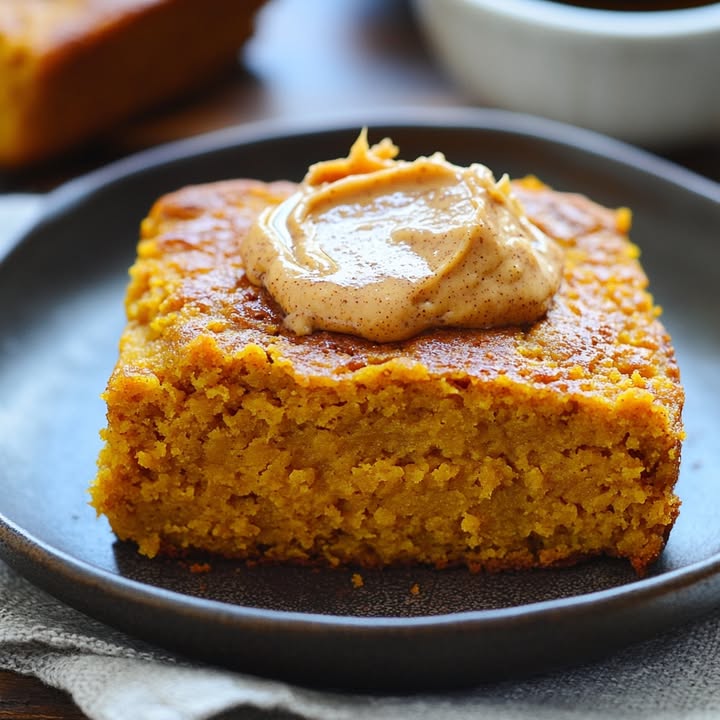
Something Sweet for Your Cornbread
You know that feeling when a classic dish just needs a little hug? That’s what happened to my cornbread. I wanted something cozy, a bit sweeter, and perfect for sharing. So, I gave it a hug with sweet potato and a kiss with cinnamon honey butter. This Sweet Potato Cornbread became an instant favorite at my table. It’s the kind of recipe that makes everyone ask, “What’s in this? It’s so good!” Let me show you how to make it.
A Little Story Behind the Bake
Cornbread is a staple, especially where I grew up. But adding sweet potato? That’s a twist I learned from a friend. She said her grandma did it to make the bread more moist and nutritious. I loved the idea. This version isn’t just a side dish. It’s a gentle blend of Southern tradition and a modern, cozy upgrade. The cinnamon honey butter is my own addition. It turns simple cornbread into a special treat that feels like a warm welcome.
Why You’ll Love This Sweet Potato Cornbread
First, the texture is dreamy. The sweet potato makes it incredibly moist without being heavy. It’s soft inside with a lovely golden crust. Second, the flavor is balanced. It’s not too sweet, letting the cornmeal shine. The cinnamon honey butter on top is the magic finish. It melts into the warm bread, creating a sweet, spiced glaze. Finally, it’s surprisingly easy. You mix a few bowls, bake, and stir some butter. The result is pure comfort food that looks and tastes amazing.
Perfect Occasions for This Cozy Bake
This recipe shines on so many occasions. Think of a fall gathering or Thanksgiving dinner. It’s a beautiful, colorful side. It’s perfect for a weekend family brunch, served with eggs and bacon. Bring it to a potluck or picnic; it travels well and always gets compliments. Honestly, any day you need a touch of homemade warmth is a good day for this Sweet Potato Cornbread.
What You’ll Need: The Ingredients
Here’s everything to gather before you start. Using fresh, simple ingredients makes all the difference.
For the Cornbread:
- 1 cup mashed cooked sweet potato
- 1 cup yellow cornmeal
- 3/4 cup all-purpose flour
- 1/4 cup brown sugar
- 1 tablespoon baking powder
- 1/2 teaspoon salt
- 1/2 teaspoon cinnamon
- 1 cup buttermilk
- 2 large eggs
- 1/4 cup unsalted butter, melted
For the Cinnamon Honey Butter:
- 1/2 cup unsalted butter, softened
- 3 tablespoons honey
- 1/2 teaspoon ground cinnamon
Ingredient Substitutions
- Sweet Potato: You can use canned sweet potato puree for speed. Or, roast a fresh potato and mash it yourself for the best flavor.
- Buttermilk: If you don’t have buttermilk, make a quick substitute. Mix 1 cup regular milk with 1 tablespoon lemon juice or white vinegar. Let it sit for 5 minutes before using.
- Cornmeal: Yellow cornmeal gives classic color and flavor. White cornmeal works just fine too.
- Honey: For the butter, maple syrup is a great alternative. It gives a deeper, autumnal flavor.
How to Make Your Sweet Potato Cornbread
Step 1: Prep Your Pan and Oven
Start by turning your oven to 400°F (200°C). This high heat is key for a nice rise and golden top. Grab your 8-inch square baking pan or a cast-iron skillet. Grease it well with butter or a little oil. A cast-iron skillet will give you an extra crispy edge, which I love. Pro tip: If using a skillet, place it in the oven as it preheats for a minute. This helps the batter start cooking immediately for a better crust.
Step 2: Mix the Dry Ingredients
In a large bowl, combine the cornmeal, flour, brown sugar, baking powder, salt, and cinnamon. Whisk them together thoroughly. You’ll see the brown sugar and cinnamon speckles mixed with the golden cornmeal. This mixing ensures the baking powder is evenly distributed. That means your cornbread will rise beautifully and evenly in the oven.
Step 3: Combine the Wet Ingredients
In another bowl, place your mashed sweet potato. It should be smooth and cool. Add the buttermilk, eggs, and melted butter. Whisk everything until it’s a smooth, creamy, orange-colored mixture. The eggs should be fully incorporated. This wet mix is what gives the bread its signature moist texture and rich color.
Step 4: Bring the Batter Together
Now, pour the beautiful wet mixture into the bowl of dry ingredients. Use a spatula or a wooden spoon to stir. Stir just until everything is combined and no dry pockets remain. Do not overmix! Overmixing can make the bread tough. The batter will be thick and lumpy, which is exactly what you want. Chef’s tip: A few lumps are fine; they promise a tender crumb.
Step 5: Bake to Golden Perfection
Pour the batter into your greased pan. Smooth the top gently with your spatula. Place the pan in your hot oven. Bake for 25 to 28 minutes. Check it by inserting a toothpick or a thin knife into the center. It should come out clean, with maybe a few moist crumbs. The top will be a lovely golden brown, and the edges will pull away slightly from the pan.
Step 6: Make the Cinnamon Honey Butter
While your cornbread bakes and fills the kitchen with a sweet, toasty smell, make the butter. In a small bowl, combine the softened butter, honey, and cinnamon. Mix with a fork or a small whisk until it’s fluffy and fully blended. The honey will swirl into the butter, creating a gorgeous, spiced spread. Set it aside until the cornbread is ready.
Step 7: Serve and Enjoy!
Let the cornbread cool in the pan for about 10 minutes. This allows it to set so it slices nicely. Then, cut it into squares or slices. Serve it warm, with a generous dollop (or slice) of the cinnamon honey butter on top. Watch the butter melt into the warm bread. That first bite is pure comfort!
Timing Your Bake
Don’t worry, this is a quick bread. Prepping takes about 15 minutes of active time. Baking takes 28 minutes. So, from start to finish, you’ll have this cozy dish ready in about 43 minutes total. It’s perfect for when you need something special without a long wait.
Why This Sweet Potato Cornbread Works So Well
The real secret here is the balance. The sweet potato adds moisture, but the cornmeal and flour keep it from being dense. The cinnamon in the bread is subtle. It pairs perfectly with the stronger cinnamon in the honey butter. This creates a layered flavor experience, not a one-note sweet bite. It’s clever and delicious.
A Little Extra Kitchen Wisdom
Want to make this even more special? Use roasted sweet potato instead of boiled. Roasting concentrates the sugars and gives a deeper, caramel-like flavor. Just bake a whole sweet potato at 400°F until soft, then peel and mash. It adds an extra dimension that your guests will notice.
What You Need in Your Kitchen
- An 8-inch square baking pan or a 8-10 inch cast-iron skillet.
- Two mixing bowls (one large, one medium).
- A whisk and a spatula or wooden spoon.
- A measuring set for cups and spoons.
- A toothpick or small knife for testing.
- A small bowl and fork for the honey butter.
Storing Your Sweet Potato Cornbread
Once cooled completely, leftover cornbread can be stored. Wrap it tightly in plastic wrap or place it in an airtight container. It will keep at room temperature for up to 2 days. The moisture from the sweet potato helps it stay soft.
For longer storage, you can refrigerate it. In the fridge, it will stay fresh for up to 5 days. Just be sure it’s wrapped well to prevent it from drying out. The honey butter should always be stored in the refrigerator in a covered container.
To enjoy it later, you can also freeze the cornbread. Wrap individual slices tightly in plastic wrap and then place them in a freezer bag. Freeze for up to 3 months. Thaw at room temperature or warm gently in the oven or microwave.
Tips for the Best Results
- Make sure your sweet potato is mashed smoothly, without big chunks.
- Don’t skip the buttermilk. Its acidity reacts with the baking powder for a better lift and tender texture.
- Let the cornbread cool slightly before slicing. This prevents it from crumbling when you cut it.
- For the butter, use softened butter, not melted. It whips better and creates a fluffy spread.
Presenting Your Beautiful Cornbread
- Serve it on a rustic wooden board or a beautiful ceramic plate.
- Place the cinnamon honey butter in a small ramekin or jar next to the bread.
- For a festive touch, sprinkle a little extra cinnamon on top of the butter or the bread slices.
- Pair it with a bowl of soup, like chili, for a complete, comforting meal.
Try These Other Delicious Variations
If you love this recipe, you might enjoy playing with these ideas:
- Spicy Kick: Add 1/2 cup of chopped jalapeños to the batter for a sweet and spicy version. It’s a fantastic twist!
- Nutty Addition: Fold in 1/2 cup of chopped pecans or walnuts for extra texture and richness.
- Cheesy Comfort: Mix 1 cup of shredded sharp cheddar cheese into the batter before baking.
- Apple Twist: Replace half the sweet potato with 1/2 cup of finely grated apple for a different autumn flavor.
- Maple Glaze: Skip the honey butter and drizzle the baked cornbread with pure maple syrup instead.
- Mini Muffins: Pour the batter into a muffin tin to make individual Sweet Potato Cornbread muffins. Bake for 18-20 minutes.
Bread Inspiration from Our Kitchen
If you’re exploring cozy bread recipes, you’ll find many wonderful ideas in our breads and muffins category. From savory jalapeño cornbread to fluffy cloud bread, there’s a bake for every mood. For instance, our Jalapeño Cornbread is perfect if you love a little heat. And if you’re looking for a unique, protein-rich option, our Fluffy Cottage Cheese Cloud Bread is a dreamy, low-carb choice. For sweet treats, don’t miss our decadent Vanilla Bean Crème Brûlée Cheesecake Cupcakes or the classic comfort of our Classic Chocolate Chip Cookies with Walnuts.
Common Mistakes to Avoid
Mistake 1: Using Undermashed or Chunky Sweet Potato
This is a common slip. If your sweet potato isn’t mashed smoothly, you’ll have uneven pockets in your bread. It can also affect the moisture distribution. Make sure your cooked sweet potato is mashed until completely smooth, almost like a puree. Use a fork, potato masher, or even a food processor for the best result. This ensures every bite is evenly moist and delicious.
Mistake 2: Overmixing the Batter
When you combine wet and dry ingredients, you might think you need a perfectly smooth batter. But for cornbread, that’s wrong. Overmixing activates the gluten in the flour too much. This leads to a tough, chewy bread instead of a tender, crumbly one. Mix just until the dry ingredients are moistened and no flour pockets remain. A few lumps are perfectly fine and actually desirable.
Mistake 3: Not Preheating the Pan (Especially Cast Iron)
If you’re using a cast-iron skillet, don’t just grease it and add batter. Place the greased skillet in the hot oven for about 5 minutes before adding the batter. This preheats the pan. The batter immediately starts cooking from the bottom, creating a fantastic crispy crust. If you skip this, you might get a softer, less defined bottom edge.
Mistake 4: Overbaking the Cornbread
Cornbread should be moist, not dry. Baking it too long is the main cause of dryness. Stick to the 25-28 minute timeframe. Check with a toothpick at 25 minutes. If it comes out clean, it’s done. The top should be golden, and the edges will just start to pull away from the pan. Remember, it continues to cook a bit as it cools in the pan.
Mistake 5: Using Cold Butter for the Honey Butter
The cinnamon honey butter should be fluffy and spreadable. If you try to mix cold, hard butter with honey, you’ll get a lumpy, uneven mess. Let your butter soften at room temperature for at least 30 minutes before mixing. Soft butter blends beautifully with the honey and cinnamon, creating a smooth, luxurious spread.
A Note on Nutrition
Sweet potatoes are a wonderful addition, not just for flavor but for nutrition too. They add vitamins and fiber to this cozy bread. For detailed nutritional information, like the protein content and other values of individual ingredients, trusted resources like the USDA FoodData Central can be helpful.
Questions You Might Have
Can I make this Sweet Potato Cornbread gluten-free?
Yes, you can! Replace the all-purpose flour with a gluten-free flour blend. Look for a blend that is meant for baking and contains a binder like xanthan gum. The texture might be slightly different, but it will still be delicious. Keep all other ingredients the same. Always check that your cornmeal is certified gluten-free, as some brands may process it in facilities that also handle wheat.
How do I cook the sweet potato for mashing?
The easiest way is to roast it. Pierce a whole sweet potato with a fork. Bake at 400°F for about 45-60 minutes until very soft. You can also peel, chop, and boil it for 15-20 minutes until tender. I prefer roasting because it deepens the flavor. Let it cool completely before peeling and mashing. You can even do this step a day ahead.
Can I use pumpkin instead of sweet potato?
You can substitute canned pumpkin puree for the mashed sweet potato. The flavor will be more earthy and less sweet. The color will also be different. The bread should still be moist and tasty. Make sure you use pure pumpkin puree, not pumpkin pie filling, which has added sugar and spices.
Why is buttermilk important in this recipe?
Buttermilk is slightly acidic. This acidity reacts with the baking powder in the dry ingredients. This reaction creates little bubbles of carbon dioxide. These bubbles help the bread rise and become light and tender. It also adds a very slight tangy flavor that balances the sweetness beautifully. If you don’t have it, the milk-and-vinegar substitute works well.
Can I make this cornbread without eggs?
Eggs provide structure and moisture. Replacing them can be tricky. You could try using a commercial egg replacer or maybe 1/4 cup of additional mashed sweet potato per egg. The bread might be denser and not rise as high. I haven’t tested a vegan version thoroughly, so results may vary if you omit the eggs.
What’s the best way to store the cinnamon honey butter?
Store the mixed cinnamon honey butter in an airtight container in the refrigerator. It will keep for up to two weeks. The butter will firm up when cold. Simply let it sit at room temperature for 15-20 minutes before you want to use it. It will become soft and spreadable again. You can also freeze it for longer storage.
Can I make this recipe as muffins?
Absolutely! This batter works great for muffins. Grease a muffin tin or use liners. Fill each cup about 2/3 full with the batter. Bake at the same temperature, 400°F, but check them earlier, around 18-20 minutes. A toothpick inserted should come out clean. Muffins are perfect for individual servings and easy sharing.
My cornbread is too crumbly. What did I do wrong?
Crumbly cornbread often comes from not enough binding agent (egg) or too much cornmeal relative to flour. Make sure you measured your flour correctly (don’t pack it into the cup). Also, ensure your eggs were properly mixed into the wet ingredients. Letting the bread cool completely in the pan also helps it set and become less crumbly when sliced.
Is it okay to use white cornmeal instead of yellow?
Yes, it’s fine. Yellow cornmeal is more common and gives that classic golden color. White cornmeal is a bit milder in flavor and will make your bread look paler. The sweet potato will still provide a lovely orange hue, so the final color will just be different. The texture and method remain exactly the same.
Can I add other spices to the cornbread batter?
Of course! A pinch of nutmeg or allspice would pair nicely with the cinnamon. You could also add a 1/4 teaspoon of ginger for a warmer spice note. Be cautious with strong spices like cloves; a tiny pinch would be enough. The beauty of this recipe is its versatility. Feel free to make it your own.
Ready to Bake Some Comfort?
I hope you feel inspired to try this Sweet Potato Cornbread with Cinnamon Honey Butter. It’s more than a recipe. It’s a way to bring a little extra warmth and sweetness to your table. The process is simple, the result is stunning, and the taste is unforgettable. It’s the kind of bake that makes people feel cared for. So gather your ingredients, preheat your oven, and get ready to enjoy a slice of pure, homemade comfort. Happy baking!
Equipment
- Grand bol
- Fouet
- Spatule
- Plaque à pâtisserie
- Papier sulfurisé
Ingredients
- 1 tasse purée de patates douces cuites
- 1 tasse semoule de maïs jaune
- 3/4 tasse farine tout usage
- 1/4 tasse sucre brun
- 1 cuil. à soupe poudre à lever
- 1/2 cuil. à café sel
- 1/2 cuil. à café cannelle
- 1 tasse babeurre
- 2 grands œufs
- 1/4 tasse beurre non salé, fondu
- 1/2 tasse beurre non salé, ramolli (pour beurre de miel)
- 3 cuil. à soupe miel (pour beurre de miel)
- 1/2 cuil. à café cannelle (pour beurre de miel)
Instructions
- Préchauffez le four à 200°C (400°F) et graissez un moule carré de 20 cm ou une poêle en fonte.
- Dans un grand bol, combinez la semoule de maïs, la farine, le sucre brun, la poudre à lever, le sel et la cannelle ; fouettez soigneusement.
- Dans un autre bol, mélangez la purée de patates douces, le babeurre, les œufs et le beurre fondu jusqu'à ce que le tout soit homogène.
- Versez le mélange humide dans les ingrédients secs et remuez jusqu'à ce que le tout soit juste combiné ; ne pas trop mélanger.
- Versez la pâte dans le moule préparé et lissez le dessus ; cuisez au four pendant 25 à 28 minutes.
- Pendant que le pain de maïs cuit, préparez le beurre de miel à la cannelle en mélangeant le beurre ramolli, le miel et la cannelle dans un petit bol jusqu'à ce qu'il soit crémeux.
- Laissez le pain de maïs refroidir dans le moule pendant environ 10 minutes, puis coupez et servez chaud avec le beurre de miel à la cannelle.
Notes
Nutrition

Hi, I’m Olivia Parker, the founder of BakingSecret.com and a lifelong lover of all things sweet and homemade. I grew up in a small town in Oregon, where the smell of fresh cookies in my family’s kitchen sparked my passion for baking. Over the years, I turned that passion into a mission: to help home bakers feel confident, inspired, and creative.
After studying food science and working in several artisan bakeries across the U.S., I decided to create a space where everyone from beginners to seasoned bakers can find reliable recipes, expert tips, and a warm, welcoming community. BakingSecret.com is my way of sharing the magic of baking with the world. When I’m not testing new recipes, you’ll find me exploring farmers’ markets, collecting vintage cookbooks, or perfecting my sourdough technique.