
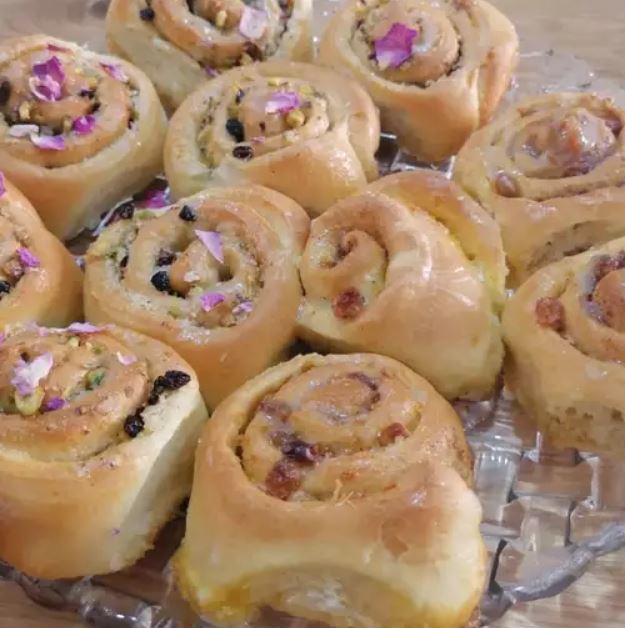
Wake Up (Or Brighten Up) The Right Way
Is there anything better than the smell of something warm and sweet baking in the oven on a slow weekend morning? My entire family perks up like sunflowers. And when that smell is tinged with bright, cheerful orange, I know I’m in for a quiet house full of happy people. These Grandma’s Orange Rolls are more than just a recipe; they’re a little jar of sunshine on your counter. That burst of citrus, paired with the richest, zippiest cream cheese frosting, is pure, unadulterated joy. It’s a hug from your grandma in pastry form. Let’s bake some happiness.
A Pinch of History in Every Roll
While I call this recipe “Grandma’s,” I have to confess—it’s not from my grandma! It’s inspired by the countless church cookbook recipes, handwritten cards, and cherished family secrets shared by grandmas everywhere. The beauty of a citrus-infused sweet roll lies in its versatility. In the past, using fresh orange zest and juice was a wonderful way to add vibrant flavor without expensive extracts. It was thrifty, and it tasted like a special occasion. My version respects that tradition while keeping the process friendly for modern, busy bakers like us. It’s a classic recipe, perfected through sharing and love.
Why These Orange Rolls Will Steal Your Heart
You’ll love this recipe because it works. It’s forgiving for new bakers and satisfying for experienced ones. The dough is soft and easy to handle. Most importantly, the flavor is spectacularly balanced. The rolls themselves are tender and fragrant, not overly sweet, which lets that zesty cream cheese frosting truly shine. They’re perfect for a lazy brunch, a welcome gift for a new neighbor, or a treat to end a family dinner. They feel fancy, but the process is wonderfully straightforward. If you’ve ever been intimidated by yeast breads, this is your perfect starting point.
The Occasions That Call for Orange Rolls
These orange sweet rolls have a way of making any moment feel more special. They’re the star of holiday breakfasts like Christmas or Easter morning. They’re a show-stopping contribution to a potluck or baby shower brunch. Honestly, they’re also a perfect “just because” treat on a rainy afternoon when everyone needs a mood boost. Pair them with a strong cup of coffee or a glass of cold milk, and you’ve created a core memory. I love making a double batch and freezing one, so I’m always ready for surprise guests or a sudden craving.
Gathering Your Sunshine Ingredients
Here’s everything you’ll need for these heavenly rolls. Gather them before you start—it makes the whole process smoother!
For the Orange Rolls Dough:
- 2 cups all-purpose flour
- 1/4 cup white sugar
- 1/2 teaspoon salt
- 1 package (2 1/4 tsp) active dry yeast
- 1/2 cup milk (whole or 2% is best)
- 1/4 cup water
- 1/4 cup unsalted butter
- 1 large egg, at room temperature
- 1 tablespoon fresh orange zest
- 1/4 cup fresh orange juice
For the Filling & Frosting:
- 1/4 cup softened butter (for spreading)
- 1/3 cup sugar mixed with 1 tsp orange zest (for filling)
- 4 oz cream cheese, softened
- 1 1/2 cups powdered sugar
- 1 tablespoon orange zest
- 1-2 tablespoons orange juice
No Panic Substitutions
Out of something? No worries! Here are some easy swaps.
- Flour: For a nuttier taste, swap half the all-purpose flour for whole wheat. The texture will be heartier but still delicious.
- Milk: Any milk you have works—dairy or unsweetened almond/oat milk.
- Fresh Citrus: In a pinch, use bottled orange juice. The flavor won’t be as bright, so add an extra teaspoon of zest if you can. You can even use lemons for a lovely lemon roll variation! I often do this when my lemon tree is overflowing.
- Cream Cheese: For a lighter frosting, Neufchâtel cheese works perfectly.
Let’s Make Some Magic: Step-by-Step
Step 1: Wake Up the Yeast
First, we need to prove our yeast is alive and ready! Warm the 1/4 cup of water until it’s pleasantly warm to the touch, like baby bathwater (about 110°F). Too hot will kill the yeast. Sprinkle in the yeast packet and give it a gentle stir. Let it sit for 5-10 minutes. You’ll know it’s ready when it looks frothy and puffy on top, like a tiny cloud. This smell is the official start of “baking day” in my house. Pro tip: If your yeast doesn’t foam, it’s likely too old. Start over with a new packet.
Step 2: Create the Dough Base
While the yeast proofs, whisk the flour, sugar, and salt in a large mixing bowl. This distributes everything evenly. In a small saucepan, gently heat the milk and 1/4 cup butter just until the butter melts. Don’t let it boil! Let this mixture cool until it’s just warm. Now, pour the foamy yeast, the warm milk mixture, the egg, orange zest, and orange juice into the dry ingredients. The kitchen will already smell amazing from the fresh zest.
Step 3: Knead and Dream
Mix everything until a shaggy dough forms. Turn it out onto a lightly floured surface. Now, use the heels of your hands to knead. Push the dough away, fold it back, give it a quarter turn, and repeat. Do this for about 5-7 minutes. You’ll feel the dough transform from sticky and rough to smooth, soft, and elastic. It’s a wonderful, meditative process. Place the dough in a greased bowl, cover it with a clean kitchen towel, and let it rest in a warm, draft-free spot.
Step 4: The First Rise (Patiently!)
This is where patience pays off. Let the dough rise for about 1 hour, or until it has doubled in size. To check, gently poke the dough with your finger. If the indentation slowly fills back in, it needs more time. If the indentation stays, it’s ready. This rest allows the yeast to work, creating those lovely air pockets that make the rolls light and fluffy. Chef’s tip: For a warm spot, I often turn my oven on for one minute, turn it OFF, and then place the covered bowl inside with the door closed.
Step 5: Shape Your Orange Rolls
Punch the dough down (this is the fun part!). Roll it out on a floured surface into a 12×9-inch rectangle. Spread the 1/4 cup of softened butter all over the surface. Sprinkle the orange sugar mixture evenly on top. Now, starting from a long side, roll the dough up tightly, like a jelly roll. Pinch the seam to seal. Using a sharp knife or unflavored dental floss, cut the log into 12 equal slices.
Step 6: The Final Rise and Bake
Place each slice, cut-side up, into a greased 9×13 inch baking pan. They should be cozy but not touching too much. Cover them again and let them rise for another 30-45 minutes until puffy. Meanwhile, preheat your oven to 375°F (190°C). When the rolls look pillowy, bake them for 20-25 minutes. They’re done when the tops are a beautiful golden brown and the kitchen smells like a citrus-scented dream.
Step 7: The Grand Finale: Frosting
While the rolls bake and cool slightly, make the frosting. Beat the softened cream cheese until smooth. Gradually add the powdered sugar, then the orange zest and just enough juice to make a thick, drizzle-able frosting. Let the rolls cool for about 10 minutes—you want them warm, not scalding hot. Then, drizzle or spread that glorious zesty cream cheese frosting over the top. The slight warmth will make it melt just a little into every nook. Serve immediately for maximum bliss.
Your Time Investment for Pure Joy
This recipe is about moments of activity and moments of waiting. Here’s your guide:
- Prep Time: 30 minutes (active, hands-on fun)
- Rising Time: 1 hour 30 minutes total (patience-building time!)
- Baking Time: 20-25 minutes (aroma-therapy time)
- Total Time: About 2 hours 30 minutes, mostly unattended
- Servings: 12 heavenly rolls
My One Chef’s Secret
My secret weapon for the most tender crumb? Let the dough rest for 10 minutes after you first mix it, before you start kneading. This is called an “autolyse.” It allows the flour to fully hydrate, making the gluten easier to develop and resulting in a softer, less tough dough. It’s a tiny step with a huge payoff.
A Little Zesty Fact
Did you know the orange zest—the colorful outer peel—holds the highest concentration of aromatic oils? That’s where the real flavor punch is! When zesting, be careful to only get the bright orange part, not the bitter white pith underneath. For the juiciest fruit, roll the orange firmly on the counter before cutting it.
Tools You’ll Need
You don’t need anything fancy!
- Large mixing bowl
- Small saucepan
- Measuring cups and spoons
- Rolling pin
- 9×13 inch baking pan
- Stand mixer with dough hook (optional, but helpful)
- Hand mixer or whisk for frosting
Keeping the Sunshine Fresh: Storage Tips
These orange rolls are best enjoyed the day they are made, fresh and warm from the oven. The frosting is luscious and the dough is at its softest peak. If you have any willpower left, cover the pan loosely with foil or transfer leftovers to an airtight container. They will stay fresh on the counter for one day.
For longer storage, place them in the refrigerator. The cool air will firm up the frosting and keep the rolls from drying out too quickly. They’ll stay tasty for up to three days this way. Let them come to room temperature or give them a quick 10-second zap in the microwave to soften them up again before serving.
Yes, you can absolutely freeze these gems for a future burst of sunshine! Freeze them unfrosted for best results. Once the baked rolls are completely cool, wrap the whole pan tightly in plastic wrap and then foil. You can also freeze individual rolls. They will keep well for up to three months. When ready to eat, thaw overnight in the fridge, warm them up in the oven, and make a fresh batch of frosting. For more on proper food storage and safety, trusting official sources is always a smart idea.
Tips for Orange Roll Perfection
- Room Temp is Key: Using room temperature eggs, milk, and cream cheese helps ingredients blend smoothly and leads to better rising.
- Don’t Rush the Rise: Wait for that full doubling in size. A proper rise is non-negotiable for fluffy rolls.
- Sharp Cuts: Use a very sharp knife or unflavored dental floss to cut the rolls. A dull knife will squish the lovely swirls.
- Frosting Control: If your frosting seems too thin, add more powdered sugar. Too thick? Add more orange juice, one teaspoon at a time.
Presentation That Wows
Make these rolls look as good as they taste!
- Place them on a beautiful rustic wood board or a vintage cake stand.
- Garnish with a few extra curls of fresh orange zest or thin orange slices.
- For a holiday touch, sprinkle a little edible gold dust over the frosted rolls.
- Serve them on individual plates with a small pot of extra frosting for dipping.
Mix It Up! 6 Delicious Variations
Love this base recipe? Try these twists!
- Cranberry Orange Rolls: Sprinkle 1/2 cup of dried cranberries over the butter and sugar filling before rolling.
- Orange Cardamom Rolls: Add 1 teaspoon of ground cardamom to the dough. The spice pairs magically with citrus.
- Vegan Orange Rolls: Use plant-based milk, butter, and cream cheese, and a “flax egg” (1 tbsp ground flax + 3 tbsp water).
- Mini Orange Rolls: Cut the log into 24 pieces and bake in muffin tins for adorable, shareable bites.
- Orange Rolls with Vanilla Bean Glaze: Skip the cream cheese and make a simple glaze with powdered sugar, milk, and the seeds of one vanilla bean.
- Savory Twist – Herb & Cheese Rolls: Omit the citrus and sugar. Fill with softened butter mixed with garlic, rosemary, and grated parmesan. Perfect with dinner!
This recipe is part of my beloved collection of homemade breads and muffins, where you can find everything from classic banana bread to savory herb focaccia.
Common Mistakes to Avoid
Mistake 1: Killing the Yeast with Hot Liquid
This is the number one flop! If your liquid (water or milk) is too hot, it will kill the yeast, and your dough won’t rise. Your rolls will be dense and heavy. The liquid should feel warm to the touch, around 105-110°F—think comfortable bath water, not scalding tea. If you’re unsure, use a kitchen thermometer. When in doubt, err on the side of slightly too cool. It will just take a bit longer to foam.
Mistake 2: Using Cold Ingredients
Pulling eggs, milk, and butter straight from the fridge slows everything down. Yeast is a living thing and likes a cozy, warm environment to work its magic. Cold ingredients chill the dough, leading to a very long, unreliable rise. Plan ahead! Take your dairy and eggs out about 30-60 minutes before you start baking. Room-temperature ingredients mix together beautifully and promote a steady, predictable rise.
Mistake 3: Not Letting the Dough Rise Enough
We are all sometimes in a hurry. But skipping the full rise time is a recipe for disappointment. If the dough hasn’t truly doubled in size during its first rise, the gluten hasn’t developed enough, and the yeast hasn’t produced sufficient gas. This results in small, tough rolls. Be patient. Use the “poke test” to be sure it’s ready. Your reward will be light, airy, heavenly rolls.
Mistake 4: Adding Frosting to Scorching Hot Rolls
The temptation is real! You pull that golden pan from the oven, and you want to frost them immediately. Resist! If you spread that creamy frosting onto piping hot rolls, it will instantly melt into a runny, messy puddle and soak into the bread. Let the rolls cool in the pan for at least 10-15 minutes. They should be warm to the touch, not hot. This allows the frosting to sit proudly on top, creating that perfect creamy, tangy layer.
Your Orange Roll Questions, Answered
Can I use instant yeast instead of active dry?
Yes, you absolutely can! Instant yeast doesn’t need to be dissolved in water first. You can mix it directly in with your dry ingredients (flour, sugar, salt). Just make sure your other liquids (milk mixture) are still warm to activate it. The rising times may be slightly shorter with instant yeast, so keep an eye on your dough and use the “doubled in size” visual cue as your guide, not just the clock. It’s a great time-saver.
My dough is too sticky to handle. What do I do?
Don’t panic and don’t add a ton more flour right away! A sticky dough often just needs a little kneading. The gluten needs time to develop, which will make the dough less tacky. Knead for the full 5-7 minutes on a lightly floured surface. If it’s still unmanageably sticky after that, add flour one tablespoon at a time, just until it becomes workable. Remember, a slightly sticky dough often leads to a more tender final product than a dry, over-floured one.
Can I make the dough ahead of time and bake later?
This is a fantastic strategy for stress-free mornings. After the first rise and shaping, cover your pan of shaped rolls tightly with plastic wrap and pop it in the refrigerator overnight (up to 12 hours). In the morning, take the pan out and let it sit on the counter for about 30-60 minutes to take the chill off and complete its final rise. Then, bake as directed. The cold retard actually develops more flavor!
Why are my orange rolls dry?
Dry rolls usually mean one of three things: over-measuring the flour, over-baking, or not storing them properly. When measuring flour, fluff it up in the bag, then spoon it lightly into your measuring cup and level it off. Don’t pack it down or scoop directly with the cup. Also, check your rolls a few minutes before the timer goes off. Ovens vary. They’re done when golden, not dark brown. Finally, store leftovers properly airtight to prevent staling.
Can I use a bread machine or stand mixer for this?
You bet! For a bread machine, add the liquid ingredients first, then the dry, with the yeast last on top. Use the “dough” setting. For a stand mixer, use the dough hook attachment on low speed once all ingredients are combined, then increase to medium for 5-7 minutes until smooth. These tools save your arms and give you perfectly kneaded dough every time. It’s how I make my favorite cinnamon swirl bread too.
What’s the best orange to use?
You want flavorful, juicy oranges. Navel oranges are widely available and work great. For a truly special treat, seek out Valencia oranges or Cara Cara oranges (which have a pinkish-red flesh and a lovely sweet-tart flavor). The key is freshness. Roll the orange firmly on the counter under your palm before cutting—this helps release the juices. And always zest before you juice; it’s much harder to do it the other way around!
How can I make these rolls less sweet?
If you prefer a more breakfast-focused, less dessert-like roll, you have options. First, reduce the sugar in the dough by half. For the filling, you can simply spread softened butter and sprinkle the orange zest without the extra sugar—the natural sweetness from the dough and frosting will still be lovely. Finally, you can make a lighter glaze with just powdered sugar and orange juice, skipping the rich cream cheese frosting altogether.
My frosting is lumpy. How do I fix it?
Lumpy frosting is almost always due to cold cream cheese. Make sure your cream cheese is truly softened at room temperature for at least an hour. Beat it alone in a bowl until it’s completely smooth and creamy before adding any sugar. If you still have a few small lumps, you can press the finished frosting through a fine-mesh sieve. To prevent it, patience with your ingredients is the secret, as I learned when perfecting my red velvet cupcakes.
Can I double this recipe?
Yes, you can double it to make 24 glorious rolls! Simply double all ingredients. You may need to let the kneading happen in two batches in your stand mixer, or be prepared for a good arm workout. Make sure you have two 9×13 pans or one very large sheet pan. The rising times might be slightly longer because of the larger mass of dough. This is perfect for a big family gathering or for gifting to friends and neighbors.
What else can I serve with orange rolls?
These rolls are a complete star on their own, but they play well with others! For a decadent brunch, pair them with crispy bacon or savory breakfast sausage to balance the sweetness. A fresh fruit salad or a green salad with a tangy vinaigrette is another great side. For a beverage, strong coffee, hot tea, or a mimosa made with the leftover orange juice are all perfect companions. They also make a wonderful dessert after a lighter meal, like soup or salad, similar to how a slice of apple crumb coffee cake finishes a dinner.
Go Bake Some Sunshine
And there you have it—the recipe for pure, citrusy joy. These Grandma’s Orange Rolls are more than just food. They’re a tradition-starter, a mood-lifter, and a guaranteed crowd-pleaser. Don’t be intimidated by the yeast or the rising time. That time is a gift, allowing you to sip your coffee and anticipate the deliciousness to come. So, zest that orange, get your hands a little floury, and fill your home with the incredible smell of baking love. I promise, the first bite of that warm, tender roll with the tangy frosting will make it all worth it. Now, go bake some sunshine for someone you love (and definitely save one for yourself!). Happy baking!
Equipment
- Grand bol
- Fouet
- Spatule
- Plaque à pâtisserie
- Papier sulfurisé
Ingredients
- 2 tasses farine tout usage
- 1/4 tasse sucre blanc
- 1/2 cuillère à café sel
- 1 paquet levure boulangère sèche
- 1/2 tasse lait
- 1/4 tasse eau
- 1/4 tasse beurre non salé
- 1 oeuf grand à température ambiante
- 1 cuillère à soupe zeste d'orange frais
- 1/4 tasse jus d'orange frais
- 1/4 tasse beurre ramolli pour étaler
- 1/3 tasse sucre mélangé avec 1 cuillère à café de zeste d'orange pour la garniture
- 4 oz fromage à la crème ramolli
- 1 1/2 tasses sucre glace
- 1 cuillère à soupe zeste d'orange
- 1-2 cuillères à soupe jus d'orange
Instructions
- Chauffez 1/4 de tasse d'eau à environ 43°C, saupoudrez la levure et laissez mousser pendant 5 à 10 minutes.
- Dans un grand bol, fouettez ensemble la farine, le sucre et le sel.
- Chauffez le lait et 1/4 de tasse de beurre jusqu'à ce que le beurre fonde ; laissez refroidir jusqu'à ce qu'il soit tiède.
- Combinez la levure mousseuse, le mélange de lait tiède, l'œuf, le zeste d'orange et le jus d'orange aux ingrédients secs et mélangez jusqu'à l'obtention d'une pâte grossière.
- Pétrissez la pâte sur une surface farinée pendant 5 à 7 minutes jusqu'à ce qu'elle soit lisse et élastique.
- Placez la pâte dans un bol graissé, couvrez d'un torchon et laissez lever pendant environ 1 heure jusqu'à ce qu'elle double de volume.
- Dégonflez la pâte et étalez-la en un rectangle de 30x23 cm. Étalez le beurre ramolli sur la surface.
- Parsemez le mélange de sucre à l'orange sur le beurre, enroulez la pâte fermement par le côté long, et coupez en 12 parts égales.
- Placez les morceaux dans un plat de cuisson graissé de 23x33 cm, couvrez, et laissez les lever encore 30 à 45 minutes.
- Préchauffez le four à 190°C et faites cuire les rouleaux pendant 20 à 25 minutes jusqu'à ce qu'ils soient dorés.
- Pendant que les rouleaux refroidissent, préparez le glaçage en battant le fromage à la crème jusqu'à ce qu'il soit lisse, puis ajoutez le sucre glace, le zeste d'orange, et le jus jusqu'à obtenir une texture crémeuse.
- Versez le glaçage sur les rouleaux tièdes et servez immédiatement.
Notes
Nutrition

Hi, I’m Olivia Parker, the founder of BakingSecret.com and a lifelong lover of all things sweet and homemade. I grew up in a small town in Oregon, where the smell of fresh cookies in my family’s kitchen sparked my passion for baking. Over the years, I turned that passion into a mission: to help home bakers feel confident, inspired, and creative.
After studying food science and working in several artisan bakeries across the U.S., I decided to create a space where everyone from beginners to seasoned bakers can find reliable recipes, expert tips, and a warm, welcoming community. BakingSecret.com is my way of sharing the magic of baking with the world. When I’m not testing new recipes, you’ll find me exploring farmers’ markets, collecting vintage cookbooks, or perfecting my sourdough technique.