
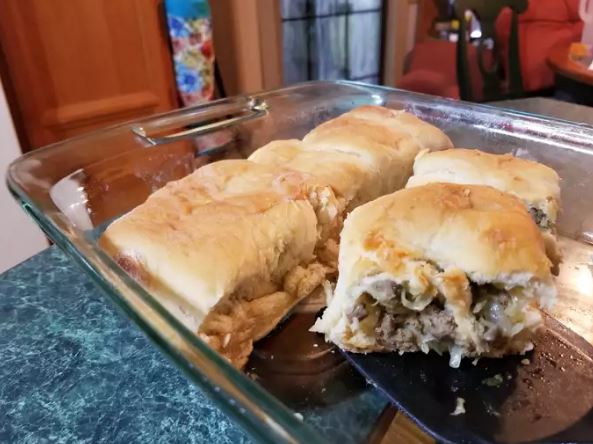
Savory Kraut Bierocks: A Warm German Hug in Every Bite
There’s a certain kind of magic in a recipe passed down through kitchens and across continents. For me, it’s the smell of baking dough and tangy sauerkraut that fills my kitchen, whisking me right back to my Oma’s cozy table. These Kraut Bierocks are more than just stuffed buns; they’re tiny, portable feasts that are pure, uncomplicated comfort. Let me show you how to make this classic German comfort food that’s perfect for busy families and hungry friends alike.
The Heartwarming History of Bierocks
These delightful pockets have quite the journey! Their roots are often traced to Eastern Europe, but they found a true home in German-Russian communities. Immigrants brought the recipe to the American Midwest, where it became a staple. Traditionally, they were a clever way to use up leftovers and create a filling, hand-held meal for field workers. Today, whether you call them bierocks, runzas, or kraut buns, they symbolize heritage and hearty eating. I love how this recipe connects us to generations of home cooks who valued flavor and simplicity.
Why You’ll Absolutely Love This Bierock Recipe
You’re going to adore this recipe for so many reasons! First, the flavor combination is unbeatable: savory beef, sweet onion, and that signature tangy kraut create a symphony in your mouth. Second, while they look impressive, they’re surprisingly simple to make, especially with a little shortcut dough. They freeze like a dream, making future-you very grateful on a hectic weeknight. Most of all, they are the ultimate crowd-pleaser. Kids, adults, picky eaters—everyone seems to reach for a second one!
Perfect Occasions for Your Homemade Bierocks
These versatile buns are fantastic for so many events! They’re a hit at game-day parties, easily replacing sloppy joes. Pack them cold for a picnic or a hiking lunch—they travel beautifully. I love making a big batch for a cozy family Sunday supper, served with a simple green salad. They’re also my secret weapon for holiday potlucks; people always ask for the recipe!
Gathering Your Bierock Ingredients
Let’s gather our simple, flavorful ingredients. Here’s what you’ll need:
- 1 pound ground beef (I like 85/15 for good flavor)
- 1 (14.5 ounce) can sauerkraut, thoroughly drained
- 1 medium onion, chopped
- 1 teaspoon salt
- 1/2 teaspoon black pepper
- 1/2 teaspoon garlic powder
- 10 frozen white bread dough rolls, thawed (this is our time-saving hero!)
Easy Ingredient Substitutions
No worries if you need to swap things out! Here are some easy fixes:
- Ground Beef: Ground pork, turkey, or chicken work great.
- Sauerkraut: Use fresh, refrigerated sauerkraut for a crisper texture.
- Bread Dough: Use homemade dinner roll dough, pizza dough, or even crescent roll dough in a pinch.
- Add-Ins: Feel free to add a handful of shredded cabbage or a pinch of caraway seeds for extra authenticity.
Crafting Your Perfect Kraut Bierocks: A Step-by-Step Guide
Step 1: Preheat and Brown the Beef
Start by preheating your oven to 350°F (175°C). This ensures it’s perfectly hot when your buns are ready to bake. While it heats, grab a large skillet. Crumble in the ground beef and cook it over medium heat. You’ll watch it turn from pink to a beautiful, rich brown. Listen to that gentle sizzle! Once cooked, carefully drain off any excess grease. This step keeps your filling from being greasy.
Step 2: Sauté the Aromatics
Now, add your chopped onion to the beef in the skillet. The steam will rise, carrying that amazing onion scent through your kitchen. Stir and cook for about 5-7 minutes. You want the onions to become soft and translucent, sweetening the entire mixture. This foundation of beef and onion is key for a deeply savory filling.
Step 3: Bring in the Tangy Kraut
Here comes the star! Stir in your well-drained sauerkraut. The pale strands will mix with the deep brown beef, creating a gorgeous marbled look. Add the salt, pepper, and garlic powder. Give it a good stir and let it cook together for another 5 minutes. This mellows the kraut’s sharpness just enough and lets all the flavors marry. Pro tip: Taste your filling now and adjust the seasoning. Set it aside to cool slightly while you work on the dough.
Step 4: Roll and Fill the Dough
Lightly flour your countertop. Take one thawed dough ball and roll it out into a circle about 6 inches across. Don’t worry about perfect circles—rustic is charming! Place a generous spoonful (about 1/4 cup) of the slightly cooled filling right in the center. Imagine you’re making a little flavorful treasure to wrap up.
Step 5: Seal and Shape Your Buns
This is the fun, hands-on part. Gently pull the edges of the dough up and over the filling, gathering them at the top. Pinch and twist the seams together firmly to create a tight seal. You’re making a plump, round bundle. If you see any thin spots or holes, pinch a little extra dough over them. Place each bun seam-side down on a parchment-lined baking sheet. They should have a little space to grow.
Step 6: The Final Rise and Bake
Cover your baking sheet with a clean kitchen towel and let the shaped bierocks rest for about 20-30 minutes. They’ll puff up slightly. This “proofing” makes the bread lighter. Then, uncover and bake for 20-25 minutes. You’re waiting for that magical transformation: a deep, golden-brown top that sounds hollow when tapped. Your kitchen will smell absolutely incredible.
Chef’s tip: For an extra-golden, shiny finish, brush the tops with an egg wash (1 egg beaten with 1 tbsp water) right before baking.
Your Kraut Bierock Timeline
Let’s break down the timing so you can plan your cooking adventure:
- Prep Time (Active): 30 minutes (for filling and shaping)
- Inactive Time (Rising): 1 hour (for thawing dough + final proofing)
- Cook Time: 25 minutes
- Total Time: Approximately 2 hours
Most of the time is hands-off, waiting for the dough to do its thing—perfect for folding laundry or helping with homework!
A Little Extra Secret from My Kitchen
My Oma’s secret was a tiny pinch of sugar added to the filling. It doesn’t make it sweet, but it perfectly balances the tang of the sauerkraut and the savoriness of the beef. Try it—it’s a game-changer for rounding out the flavors.
Fun Food Fact: The Name Game
Did you know? In some parts of Kansas and Nebraska, these are famously called “Runzas,” named after a local restaurant chain that popularized them. Whether you call them bierocks, kraut buns, or runzas, you’re in for a treat. It’s a fun reminder of how immigrant food adapts and becomes beloved local fare.
Kitchen Tools You’ll Need
You likely have everything already! Here’s your checklist:
- Large skillet
- Wooden spoon or spatula
- Baking sheet
- Parchment paper (for easy cleanup!)
- Rolling pin
- Measuring spoons
Storing Your Delicious Bierocks
Let your bierocks cool completely on a wire rack before storing. This prevents condensation from making the bottoms soggy. Once cool, they can be placed in an airtight container or a resealable bag.
In the refrigerator, they will stay fresh and tasty for up to 3 days. To reheat, I love using my toaster oven or a conventional oven at 300°F for about 10 minutes. This brings back the crispy exterior. Microwaving works in a pinch but can soften the bread.
For long-term storage, freezing is your best friend. Wrap each cooled bierock individually in plastic wrap, then place them all in a heavy-duty freezer bag. They’ll keep for up to 3 months. Thaw overnight in the fridge and then reheat in the oven. It’s like having homemade fast food ready anytime!
Handy Tips for Bierock Success
- Drain Well: Squeeze that sauerkraut dry! Too much liquid will make the dough soggy.
- Cool the Filling: A warm filling can start to cook the dough and make it hard to handle. Let it cool for 10-15 minutes.
- Seal Tightly: Take an extra second to really pinch the seams. A good seal keeps all the juicy goodness inside during baking.
- Pair them with a dollop of spicy mustard or a creamy dill sauce for dipping.
Making Your Bierocks Look Beautiful
Presentation is easy and fun! Serve them on a big wooden board or a rustic platter. Tuck some fresh parsley or dill around them for a pop of color. For a party, cut one in half to show off the beautiful filling inside. I sometimes sprinkle a little flaky sea salt on top right after they come out of the oven for a professional touch.
Mix It Up! 6 Delicious Bierock Variations
Once you master the classic, try these tasty twists:
- Cheese Lover’s: Add a half-cup of shredded Swiss or cheddar cheese to the filling before wrapping.
- The Reuben: Use corned beef instead of ground beef and add a teaspoon of Thousand Island dressing inside each bun.
- Breakfast Bierocks: Fill with scrambled eggs, cooked sausage, and a bit of cheese for an amazing on-the-go breakfast.
- Polish-Inspired: Swap the beef for cooked, chopped kielbasa sausage and add a bit of shredded cabbage.
- Vegetarian Delight: Sauté a mix of mushrooms, onions, and shredded carrots with the kraut. A spoonful of cooked lentils adds great texture.
- Pizza Pocket: Use a filling of pizza sauce, pepperoni, and mozzarella for a kid-friendly version. It’s a cross between a calzone and a bierock!
Common Mistakes to Avoid
Mistake 1: Using a Wet, Undrained Filling
This is the biggest culprit for soggy, doughy bierocks. If your sauerkraut or cooked beef mixture is too wet, that moisture steams inside the dough pocket and prevents it from baking up light and fluffy. Always drain your canned sauerkraut thoroughly in a colander. I even give it a gentle squeeze with my hands. Let your cooked meat mixture cool completely, which also allows some moisture to evaporate.
Mistake 2: Overstuffing the Dough
It’s tempting to pack in as much filling as possible, but too much pressure can cause the seams to burst open during baking. You’ll end up with leaking filling and misshapen buns. A good rule is to use about 1/4 cup of filling per 6-inch dough circle. The dough should close comfortably without being stretched paper-thin. Remember, they’re meant to be a perfect balance of bread and filling.
Mistake 3: Skipping the Final Proofing Time
After you shape your bierocks and place them on the baking sheet, don’t rush them straight into the oven! That 20-30 minute rest under a towel is crucial. This allows the gluten in the dough to relax and gives the yeast one last boost. Skipping it results in denser, tougher bread. Be patient—this short wait makes a huge difference in achieving that soft, pillowy texture we all love.
Mistake 4: Under-seasoning the Filling
The dough is fairly plain, so all the flavor needs to come from the filling inside. Seasoning just with salt and pepper can sometimes fall flat, especially once baked inside the bread. Be bold! Taste your meat and kraut mixture before you start filling. It should taste a little stronger than you’d want for eating alone. Don’t forget the garlic powder or other herbs. This ensures every bite is packed with savory goodness.
Frequently Asked Questions About Kraut Bierocks
Can I make the dough for bierocks completely from scratch?
You absolutely can, and it’s wonderfully satisfying! A basic, slightly sweetened yeast dough works perfectly. Combine warm milk, sugar, yeast, an egg, some melted butter, flour, and salt. Knead until smooth, let it rise, then proceed with the recipe. Making it from scratch gives you full control over the texture and flavor. If you’re new to yeast breads, a simple no-knead dough is a fantastic, low-effort place to start. The frozen rolls are a fantastic shortcut, but homemade dough adds a special touch.
What’s the best way to reheat bierocks so they don’t get soggy?
The oven or toaster oven is always your best bet for reviving that perfect crispy-on-the-outside, soft-on-the-inside texture. Preheat your oven to 300°F (150°C). Place the bierocks on a baking sheet and warm them for 10-15 minutes. If they were frozen, you might need 20-25 minutes from thawed. The microwave will soften the bread dramatically, so I only use it for a quick warm-up if I’m in a major hurry. For an extra-crispy crust, you can even give them a quick minute in a dry skillet on the stovetop.
Are there any good dipping sauces for kraut bierocks?
Oh, yes! While they’re fantastic plain, a dipping sauce can take them to the next level. A classic spicy brown mustard or whole-grain Dijon is a natural pairing. For something creamier, mix sour cream with a little dill, garlic powder, and a squeeze of lemon. A simple beef gravy is pure comfort food heaven. I also love a quick beer cheese sauce for a real treat. Let everyone choose their own adventure!
Can I prepare the bierock filling a day ahead?
This is a great time-saving strategy! You can absolutely cook the beef, onion, and sauerkraut mixture a day in advance. Let it cool completely, then store it covered in the refrigerator. The flavors often meld and improve overnight. When you’re ready to bake, let the cold filling sit at room temperature for 20-30 minutes while you roll out your dough. This makes assembly day so much faster and easier.
My dough isn’t stretching well and keeps snapping back. What should I do?
This usually means the gluten is too tense. Just walk away! Cover the dough ball with your kitchen towel and let it rest for 5-10 minutes. This resting period allows the gluten strands to relax, making the dough much more cooperative when you try to roll it out again. It’s a simple fix that makes the whole process smoother. Also, ensure your dough is fully thawed if using frozen rolls.
Is there a way to make a lighter or healthier version of this recipe?
There are several easy swaps. Use lean ground turkey or chicken instead of beef. You can increase the sauerkraut and decrease the meat slightly for more fiber. For the dough, look for whole-wheat frozen roll options, or use a whole wheat dough recipe. Baking them on a parchment-lined sheet instead of greasing it with butter or oil also cuts a few calories. Remember, practicing good kitchen sanitation with raw meat and fresh ingredients is part of healthy cooking, too.
How do I know for sure when the bierocks are done baking?
Use both sight and touch. They should be a deep, golden brown all over, not pale or blond. The most reliable test is to carefully lift one and tap the bottom—it should sound hollow. If you have an instant-read thermometer, the internal temperature of the bread should be at least 190°F (88°C). If the tops are browning too quickly but you doubt they’re done, loosely tent the pan with aluminum foil for the last few minutes of baking.
Can I use something other than sauerkraut?
While sauerkraut defines the classic flavor, you can experiment! Very well-drained, chopped spinach is a good substitute. For a different twist, try using a bag of coleslaw mix (shredded cabbage and carrots) sautéed until soft. You’ll lose the tangy element, so you might want to add a splash of apple cider vinegar to the filling to mimic it. The beauty of this recipe is its adaptability.
Why did my bierocks come out of the oven tasting a bit dry?
Dryness usually comes from two places: the filling or the bread. For the filling, make sure you didn’t overcook and drain all the fat from the beef; a little moisture is good. For the bread, overbaking is the common cause. Oven temperatures can vary, so start checking a few minutes before the timer goes off. Also, brushing the tops with butter or an egg wash right after baking can help lock in moisture and add flavor.
This recipe makes 10. Can I easily double or halve it?
It scales beautifully! Doubling is perfect for a big gathering or for stocking the freezer. Just use two baking sheets and rotate them in the oven halfway through baking. Halving the recipe is easy for a smaller household—just use 5 dough rolls and half the filling ingredients. The cooking time remains roughly the same. This flexibility makes it one of my most reliable bread-based recipes for any occasion.
Sharing the Comfort
And there you have it! Making Kraut Bierocks is a joyful, hands-on cooking project that ends with the best reward: a warm, savory meal shared with people you love. This recipe is a keeper because it works, it’s flexible, and it carries so much heart. I hope you enjoy making them as much as I do. Now, go grab that rolling pin, and get ready for some seriously happy eaters at your table. Happy baking!
Equipment
- Grand bol
- Fouet
- Spatule
- Plaque à pâtisserie
- Papier sulfurisé
Ingredients
- 1 livre viande de bœuf hachée 85/15 recommandé
- 1 boîte choucroute bien égouttée
- 1 moyenne oignon haché
- 1 cuillère à café sel
- 1/2 cuillère à café poivre noir
- 1/2 cuillère à café poudre d'ail
- 10 rouleaux pâte à pain blanche congelée décongelée
Instructions
- Préchauffez votre four à 175°C.
- Dans une grande poêle, émiettez et faites dorer la viande hachée à feu moyen, puis égouttez l'excès de graisse.
- Ajoutez l'oignon haché dans la poêle et faites sauter pendant 5 à 7 minutes jusqu'à ce qu'il soit tendre et translucide.
- Incorporez la choucroute égouttée, le sel, le poivre et la poudre d'ail; faites cuire pendant 5 minutes supplémentaires, puis laissez refroidir la garniture.
- Farinez légèrement votre plan de travail et étalez une boule de pâte décongelée en un cercle d'environ 15 cm de diamètre.
- Placez environ 60 ml de la garniture au centre du cercle de pâte.
- Rassemblez les bords de la pâte par-dessus la garniture et pincez-les ensemble pour sceller.
- Placez chaque pain scellé sur une plaque de cuisson tapissée de papier sulfurisé, côté joint vers le bas.
- Couvrez la plaque de cuisson avec un torchon propre et laissez les pains lever pendant 20 à 30 minutes.
- Enfournez dans le four préchauffé pendant 20 à 25 minutes jusqu'à ce qu'ils soient dorés.
Notes
Nutrition

Hi, I’m Olivia Parker, the founder of BakingSecret.com and a lifelong lover of all things sweet and homemade. I grew up in a small town in Oregon, where the smell of fresh cookies in my family’s kitchen sparked my passion for baking. Over the years, I turned that passion into a mission: to help home bakers feel confident, inspired, and creative.
After studying food science and working in several artisan bakeries across the U.S., I decided to create a space where everyone from beginners to seasoned bakers can find reliable recipes, expert tips, and a warm, welcoming community. BakingSecret.com is my way of sharing the magic of baking with the world. When I’m not testing new recipes, you’ll find me exploring farmers’ markets, collecting vintage cookbooks, or perfecting my sourdough technique.