
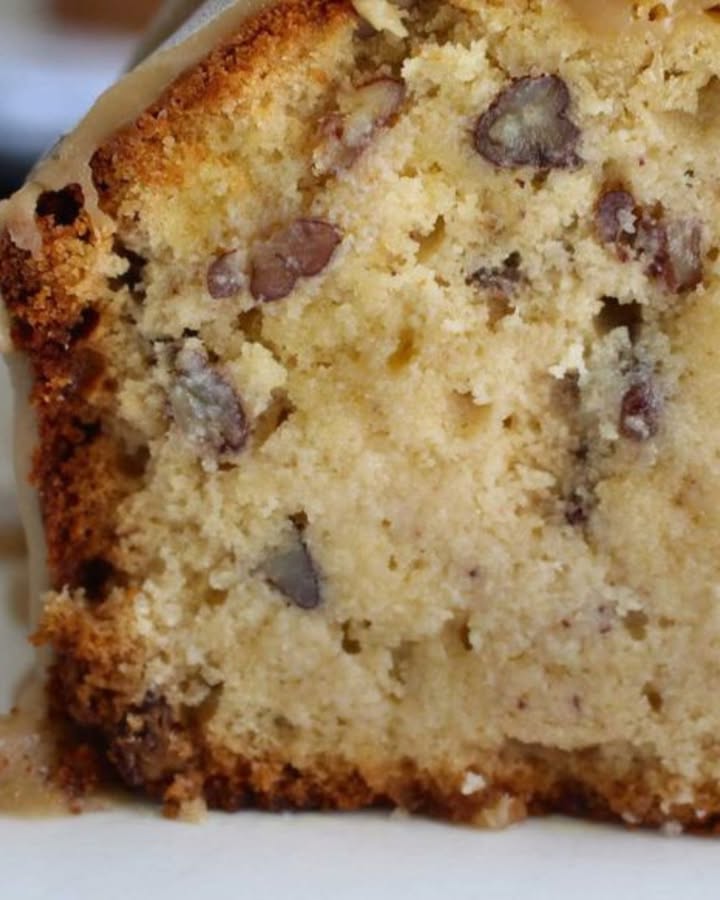
Butter Pecan Pound Cake: A Slice of Pure Joy
Is there anything cozier than your kitchen smelling like toasted nuts and brown sugar? I first made this Butter Pecan Pound Cake for a last-minute book club meeting, and let me tell you, it was gone before I even poured my second cup of coffee. This cake is my little secret weapon—a rich, buttery masterpiece that looks and tastes like you spent all day in the kitchen, but the magic is in its simple, foolproof method. It’s the kind of recipe you’ll keep coming back to, and your friends will beg you for.
A Brief and Buttery History
Pound cake has such a humble, homey past. The name comes from the old-fashioned recipe: a pound each of butter, sugar, eggs, and flour. It was the original one-bowl wonder! Our Butter Pecan Pound Cake puts a delicious Southern spin on that classic. Pecans, a true American treasure, add a wonderful toasty crunch and depth of flavor. My version uses both white and brown sugar for a deeper caramel note and a simple, decadent glaze that takes it over the top. It’s tradition, meets modern ease, meets pure deliciousness.
Why You’ll Fall in Love With This Butter Pecan Cake
You’ll love this recipe because it works every single time. The crumb is incredibly moist and tight, the flavor is deep and nutty, and that glaze? It’s liquid gold. It’s also incredibly versatile. Serve it plain, glazed, or with a scoop of vanilla ice cream. Plus, it freezes beautifully, so you can always have a slice of homemade comfort ready to go. It’s the perfect balance of impressive and utterly simple.
When to Whip Up This Sweet Treat
This Butter Pecan Pound Cake is your answer for so many occasions! It’s perfect for:
- Holiday gatherings like Thanksgiving or Christmas morning.
- Potlucks and picnics—it travels like a dream.
- A special weekend breakfast or afternoon tea with friends.
- A heartfelt “thinking of you” gift for a neighbor.
- Just because it’s Tuesday and you deserve something wonderful.
Ingredients for Your Butter Pecan Pound Cake Magic
Gathering your ingredients is the first step to baking success. Here’s what you’ll need:
For the Cake:
- 1 cup (2 sticks) unsalted butter, room temperature
- 1 cup granulated sugar
- 1 cup packed brown sugar
- 5 large eggs, room temperature
- 1 tablespoon pure vanilla extract
- 2 1/2 cups all-purpose flour
- 1 teaspoon baking powder
- 1/2 teaspoon salt
- 1/4 cup buttermilk
- 2 cups chopped pecans
For the Brown Sugar Glaze:
- 1/2 cup (1 stick) unsalted butter
- 3/4 cup packed brown sugar
- 2 tablespoons water
- 1 tablespoon pecan or vanilla extract
- 1 1/2 to 2 cups powdered sugar (adjust for thickness)
No-Problem Substitutions
Don’t worry if you’re missing an item! Here are some easy swaps:
- Buttermilk: Make your own by adding 3/4 teaspoon of white vinegar or lemon juice to 1/4 cup of regular milk. Let it sit for 5 minutes.
- Pecans: Walnuts make a great substitute for a different but equally delicious nutty flavor.
- Pecan Extract: If you can’t find it, just use an extra teaspoon of vanilla extract. The toasted pecans in the cake provide plenty of flavor.
- Loaf Pans: You can use a 10-cup Bundt pan instead. Just increase the baking time by about 10-15 minutes.
Crafting Your Butter Pecan Pound Cake: Step-by-Step
Step 1: Preheat and Prepare
Start by heating your oven to 350°F (175°C). This is crucial for even baking. While it warms, generously butter and flour two 9×5-inch loaf pans. Take a moment to smell the pecans—toasting them on a dry skillet for a few minutes until fragrant will make your entire kitchen smell amazing and boost their flavor. Let them cool before you fold them in. Pro tip: A light dusting of flour over the butter in the pan helps the cake release perfectly.
Step 2: Combine Your Dry Ingredients
In a medium bowl, whisk together the 2 1/2 cups of flour, 1 teaspoon of baking powder, and 1/2 teaspoon of salt. Whisking by hand ensures these powdery ingredients are evenly distributed without overworking them. You’ll see little clouds of flour mix with the fine grains of salt. Set this bowl aside. This simple step prevents dense spots in your finished cake.
Step 3: Cream the Butter and Sugars
In a large mixing bowl, beat the room-temperature butter with both the white and brown sugars. Use an electric mixer on medium speed for about 3-4 minutes. Watch it transform from a grainy yellow mixture into a light, fluffy, and almost pale cream. This step incorporates air, which is the secret to a tender pound cake. The smell of creamy butter and caramel-like brown sugar is pure baking therapy.
Step 4: Add Eggs and Vanilla
Add the eggs one at a time, beating well after each addition. Then pour in that glorious tablespoon of vanilla. Adding eggs slowly prevents the batter from curdling and ensures a smooth, emulsified base. The batter will become thick, glossy, and a beautiful golden color. If it looks a bit curdled, don’t panic—just add a spoonful of your flour mix to bring it back together.
Step 5: Alternate Wet and Dry
With the mixer on low speed, add about one-third of your flour mixture. Once it’s mostly incorporated, pour in the buttermilk. Then add another third of the flour, mixing gently. Repeat until everything is just combined. You should have a thick, luscious batter that falls from the beaters in heavy ribbons. Overmixing at this stage is the enemy of a tender crumb!
Step 6: Fold in the Pecans and Bake
Using a sturdy spatula, gently fold in the cooled, chopped pecans. You’ll hear a soft rustle as the nuts mix through the rich batter. Divide the batter evenly between your prepared pans. Smooth the tops with your spatula. Place them in the center of your preheated oven and let the magic happen for 55 to 60 minutes. Your house will fill with an unbelievable aroma.
Step 7: Test for Doneness and Cool
After about 55 minutes, insert a toothpick or a thin skewer into the center of the cake. It should come out with a few moist crumbs, but not wet batter. The tops will be a deep golden brown and should spring back lightly when touched. Let the cakes cool in their pans on a wire rack for 15 minutes. Then, run a knife around the edges and turn them out to cool completely. Patience here prevents a crumbly mess.
Step 8: Make the Irresistible Glaze
While the cakes cool, make the glaze. In a small saucepan over medium heat, melt the 1/2 cup of butter with the brown sugar and water. Stir constantly until it comes to a gentle boil and the sugar has fully dissolved. Let it bubble for exactly one minute—this cooks out the raw sugar taste. Remove it from the heat and stir in your extract. Then, gradually whisk in the powdered sugar until you have a smooth, pourable glaze. Drizzle it lavishly over your cooled cakes.
Chef’s tip: For an extra flavor boost, soak your baked and cooled pound cake with a simple syrup made from 1/4 cup brown sugar and 1/4 cup water, heated until the sugar dissolves. Then add the glaze. It keeps the cake incredibly moist for days.
Your Baking Timeline
Here’s a quick look at how your time will be spent:
- Prep Time: 20 minutes
- Cook Time: 60 minutes
- Cooling/Glazing Time: 1 hour
- Total Time: About 2 hours 20 minutes
Most of the time is hands-off while the cake bakes and cools, perfect for tidying up or putting your feet up!
Chef’s Secret for the Best Pound Cake
My absolute non-negotiable secret? Room temperature ingredients. I can’t stress this enough. Butter, eggs, and buttermilk all need to lose their chill. Room-temperature butter creams into a perfect fluff with the sugar. Room-temperature eggs incorporate smoothly without breaking the emulsion. This one simple step guarantees a cake with a fine, even texture instead of a dense, heavy loaf. Plan ahead and take your ingredients out about an hour before you start.
A Little Extra Something About Pecans
Did you know pecans are the only major tree nut native to North America? They were a vital food source for Native Americans long before they became a Southern baking staple. The name “pecan” comes from an Algonquin word meaning “a nut requiring a stone to crack.” Thankfully, we can buy them pre-chopped! Their rich, buttery flavor is what makes this Butter Pecan Pound Cake so uniquely delicious.
What You’ll Need to Bake It
You likely have most of this in your kitchen already!
- Two 9×5-inch loaf pans
- Electric hand mixer or stand mixer
- Large and medium mixing bowls
- Whisk and spatula
- Measuring cups and spoons
- Small saucepan (for the glaze)
- Wire cooling rack
- Toothpick or cake tester
Keeping Your Cake Fresh and Delicious
Once your glazed Butter Pecan Pound Cake has fully set, the best way to store it is at room temperature. Place it under a cake dome or in an airtight container. It will stay moist and flavorful for up to 4 days. The sugar in the glaze acts as a preservative, keeping everything delicious.
If you need to keep it longer, freezing is a fantastic option. Wrap the unglazed, fully cooled cake tightly in plastic wrap, then again in aluminum foil. You can freeze it for up to 3 months. Thaw it overnight on the counter, then make your fresh glaze to drizzle over the top. This method preserves the perfect texture.
For individual slices, separate them with parchment paper before freezing in a container. Then you can pull out just one slice whenever a craving hits! A quick 30-second zap in the microwave makes it taste like it just came out of the oven.
My Best Tips for Success
- Toast those pecans! Just 5-7 minutes in a 350°F oven or dry pan changes everything. It deepens their flavor and adds a wonderful crunch.
- Don’t open the oven door during the first 45 minutes of baking. A rush of cold air can cause the cake to fall.
- If your glaze seems too thick, add a few drops of water or milk. If it’s too thin, add a bit more powdered sugar.
- Let the cake cool completely before glazing. A warm cake will absorb the glaze and become soggy.
Pretty Presentation Ideas
Make your cake look as good as it tastes!
- Top the wet glaze with a handful of extra chopped or whole pecans for a gorgeous finish.
- Dust the platter with a light sprinkle of powdered sugar before placing the cake on it.
- Serve each slice with a dollop of freshly whipped cream or a scoop of vanilla bean ice cream.
- For a party, bake it in a decorative fluted Bundt pan for a stunning centerpiece.
Healthier & Fun Variations to Try
Love the base recipe? Here are six ways to mix it up!
- Apple Cinnamon Pecan Pound Cake: Fold in 1 cup of finely chopped apples and 2 teaspoons of cinnamon with the dry ingredients. The apple keeps it super moist.
- Brown Butter Bliss: Brown your butter for the cake and the glaze. It adds a nutty, toffee-like flavor that pairs perfectly with the pecans.
- Cream Cheese Swirl: Mix 8 oz of softened cream cheese with 1/4 cup sugar and 1 egg. Layer it with the batter in the pan and swirl with a knife.
- Chocolate Chip Pecan: Replace 1 cup of the pecans with semi-sweet chocolate chips for a classic, crowd-pleasing combo.
- Orange Zest Glaze: Add the zest of one orange to the cake batter and use orange juice instead of water in the glaze for a bright, citrus twist.
- Whole Wheat Honey Cake: Substitute 1 cup of all-purpose flour with whole wheat flour and replace the white sugar with 3/4 cup of honey. Reduce buttermilk by 2 tbsp.
Linking to More Baking Joy
If you adore this Butter Pecan Pound Cake, you might be looking for your next baking project. For another simple yet stunning dessert, my Classic Vanilla Bean Bundt Cake is always a winner. If you have extra buttermilk, why not try these fluffy Old-Fashioned Buttermilk Biscuits? And for a quick treat, my Salted Caramel Pecan Bars are pure magic. Remember, creating a healthy meal balance can include enjoying homemade treats like this cake as part of a varied diet. Don’t forget to explore all our other wonderful ideas over in the cakes and cupcakes category for endless inspiration!
Common Mistakes to Avoid
Mistake 1: Using Cold Butter and Eggs
This is the biggest culprit for a dense, heavy pound cake. Cold butter won’t cream properly with the sugar. Cold eggs can cause the batter to curdle or break. Your batter will look grainy and separated. Always plan ahead. Take your butter and eggs out of the fridge at least an hour before you start baking. The butter should be soft enough that your finger leaves a clear indent. Practical tip: In a pinch, cut butter into cubes to soften faster. Place cold eggs in a bowl of warm water for 10 minutes.
Mistake 2: Overmixing the Batter
Once you add the flour, your mixing should be gentle and minimal. Overmixing develops the gluten in the flour. This leads to a tough, chewy cake with tunnels inside, not the tender crumb you want. Mix on the lowest speed, and stop as soon as you no longer see streaks of dry flour. It’s okay if the batter is a little lumpy. Use a spatula to do the final folding of the pecans by hand.
Mistake 3: Not Toasting the Pecans
Adding raw pecans is a missed opportunity for flavor. Toasting nuts unlocks their natural oils and intensifies their taste. It gives them a deeper, richer nuttiness that permeates the whole cake. Raw pecans can taste a bit bland and sometimes chewy. Simply spread them on a baking sheet and toast at 350°F for 6-8 minutes, watching carefully so they don’t burn. Let them cool before adding to the batter.
Mistake 4: Glazing a Warm Cake
That glaze is so tempting, and you want to dig in! But pouring it over a warm cake is a recipe for a soggy mess. The heat will melt the glaze, causing it to be absorbed completely instead of forming a beautiful, shiny coat on top. It can also make the top layer of the cake unpleasantly wet. Be patient. Let your cake cool completely on a wire rack. This usually takes a full hour. The wait is worth it for that perfect finish.
Butter Pecan Pound Cake FAQ
Can I make this cake in a Bundt pan?
Absolutely! A 10-12 cup Bundt pan works perfectly for this Butter Pecan Pound Cake recipe. Make sure to grease and flour the pan very thoroughly, getting into all the nooks and crannies. The baking time will be a bit longer—start checking at around 65 minutes with a toothpick. Because it’s a larger, single cake, it may also need a slightly longer cooling time in the pan before you turn it out. The presentation is beautiful!
Why did my cake fall in the middle?
A cake falling usually points to a few issues. The most common cause is opening the oven door too early. The rush of cold air shocks the delicate rising batter. Another cause could be underbaking. If the structure isn’t set, it will collapse. Finally, check your baking powder. If it’s old, it may not provide enough lift. Always use a toothpick to test for doneness, and try to resist peeking before the 45-minute mark.
Can I freeze the glazed cake?
You can, but I don’t recommend it. The glaze can become sticky and lose its pretty appearance when thawed. For the best results, freeze the unglazed, fully cooled cake. Wrap it tightly in multiple layers. When you’re ready to serve, thaw it at room temperature while still wrapped. Then, make a fresh batch of that easy brown sugar glaze and pour it over. It will taste like you just baked it.
What can I use if I don’t have buttermilk?
No buttermilk? No problem! The easiest substitute is my “soured milk” trick. For this recipe, measure 1/4 cup of regular milk (whole or 2% work best). Add 3/4 teaspoon of white vinegar or fresh lemon juice to it. Stir and let it sit on your counter for about 5-10 minutes. It will look slightly curdled and thickened. That’s exactly what you want! Use it in the recipe just as you would buttermilk.
How do I know when the cake is done baking?
Use the trusty toothpick test. Around the 55-minute mark, insert a toothpick or a thin wooden skewer into the very center of the cake. It should come out clean or with just a few moist crumbs attached. If you see wet batter, it needs more time. Also, look at the cake. The edges will be lightly pulling away from the sides of the pan, and the top should be a rich golden brown and spring back when gently pressed.
My glaze is too thick/thin. How do I fix it?
Glaze consistency is easy to adjust! If your glaze is too thick and won’t drizzle, simply whisk in a tiny bit of water, milk, or even more pecan extract, one teaspoon at a time, until it flows nicely. If it’s too thin and runs right off the cake, whisk in more powdered sugar, a few tablespoons at a time, until it thickens up. Remember, it will thicken slightly as it cools on the cake.
Can I add other mix-ins besides pecans?
Of course! This is a great base recipe. Try folding in 1 cup of semi-sweet chocolate chips, toffee bits, or sweetened shredded coconut along with the pecans. For a fruit version, you could add 1 cup of dried cranberries or chopped peaches (pat them very dry first). Just keep the total volume of add-ins around 2 to 2 1/2 cups so the cake still bakes properly.
How long does this cake stay fresh?
Stored properly in an airtight container at room temperature, your Butter Pecan Pound Cake will stay deliciously moist for 3 to 4 days. The flavor often gets even better on the second day as everything melds together. If you live in a very humid climate, you might want to store it in the fridge after day two to keep the glaze from getting too sticky, but let slices come to room temperature before serving for the best texture.
Can I make this recipe into muffins or mini loaves?
Yes, you can! For muffins, fill lined muffin cups about 2/3 full. Bake at 350°F for 20-25 minutes. For mini loaves, the baking time will be around 35-45 minutes. Always use the toothpick test to be sure. These smaller sizes are perfect for gift-giving or portion control. You might get about 18 muffins or 4-5 mini loaves from one batch of this batter.
Is there a way to make this cake without nuts?
If you have a nut allergy or just don’t like pecans, you can absolutely leave them out. The result will be a fantastic, classic brown sugar pound cake. For a little texture, you could substitute the pecans with an equal amount of rolled oats, or just enjoy the smooth, buttery crumb on its own. The glaze will still be amazing, and you can flavor it with vanilla instead of pecan extract.
Your Next Baking Triumph Awaits
And there you have it—everything you need to create your own Butter Pecan Pound Cake Magic. This recipe is more than just a list of ingredients; it’s an invitation to create a moment of pure, shared happiness. Whether it’s for a special event or a quiet Tuesday, baking this cake is a little act of love. So preheat that oven, toast those pecans, and get ready for the compliments to roll in. Happy baking!
Equipment
- Grand bol
- Fouet
- Spatule
- Plaque à pâtisserie
- Papier sulfurisé
Ingredients
- 1 tasse beurre non salé, température ambiante
- 1 tasse sucre granulé
- 1 tasse sucre brun bien tassé
- 5 œufs, température ambiante
- 1 cuillère à soupe extrait de vanille pur
- 2.5 tasses farine tout usage
- 1 cuillère à café poudre à lever
- 0.5 cuillère à café sel
- 0.25 tasse babeurre
- 2 tasses noix de pécan hachées
- 0.5 tasse beurre non salé
- 0.75 tasse sucre brun
- 2 cuillères à soupe eau
- 1 cuillère à soupe extrait de noix de pécan ou de vanille
- 1.5 à 2 tasses de sucre glace ajuster pour l'épaisseur
Instructions
- Préchauffez votre four à 175°C et préparez deux moules à cake de 9x5 pouces en les beurrant et en les farcissant.
- Dans un bol moyen, fouettez ensemble la farine, la poudre à lever et le sel; mettez de côté.
- Dans un grand bol, crémez le beurre, le sucre granulé et le sucre brun jusqu'à ce que le mélange soit léger et crémeux.
- Ajoutez les œufs un à un et incorporez l'extrait de vanille.
- Ajoutez progressivement le mélange de farine par tiers, en alternant avec le babeurre, en mélangeant jusqu'à ce que le tout soit juste combiné.
- Incorporez délicatement les noix de pécan hachées refroidies dans la pâte.
- Divisez la pâte également entre les moules préparés, en lissant le dessus.
- Faites cuire pendant 55 à 60 minutes; vérifiez la cuisson avec un cure-dent.
- Laissez les gâteaux refroidir dans leurs moules pendant 15 minutes avant de les transférer sur une grille pour les laisser refroidir complètement.
- Pour le glaçage, faites fondre le beurre avec le sucre brun et l'eau dans une petite casserole, en portant à ébullition; retirez du feu et incorporez l'extrait et le sucre glace.
- Versez le glaçage sur les gâteaux refroidis.
Notes
Nutrition

Hi, I’m Olivia Parker, the founder of BakingSecret.com and a lifelong lover of all things sweet and homemade. I grew up in a small town in Oregon, where the smell of fresh cookies in my family’s kitchen sparked my passion for baking. Over the years, I turned that passion into a mission: to help home bakers feel confident, inspired, and creative.
After studying food science and working in several artisan bakeries across the U.S., I decided to create a space where everyone from beginners to seasoned bakers can find reliable recipes, expert tips, and a warm, welcoming community. BakingSecret.com is my way of sharing the magic of baking with the world. When I’m not testing new recipes, you’ll find me exploring farmers’ markets, collecting vintage cookbooks, or perfecting my sourdough technique.