
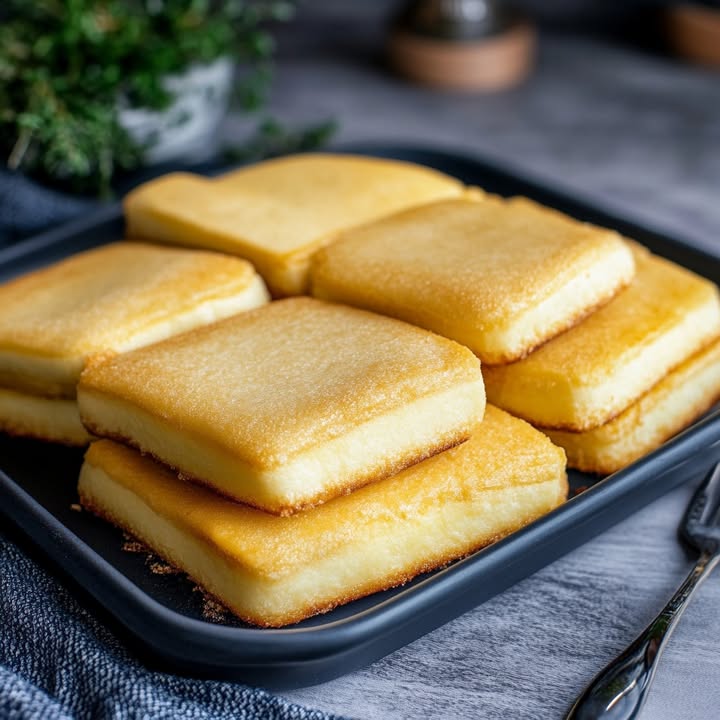
The Joy of Baking Eetsum More: Your New Favorite Treat
Is there anything better than the smell of buttery cookies baking? I think not. My kitchen becomes my happy place, especially when I’m whipping up a batch of these delightfully crumbly South African-style biscuits. I first tried an Eetsum More recipe at a friend’s braai years ago, and I was instantly hooked. I begged for the recipe and have been making my own version ever since. It’s the perfect little cookie—simple, melt-in-your-mouth, and wonderful with a cup of tea. Let’s bake some happiness together.
A Bite of History: What is Eetsum More?
The name “Eetsum More” is Afrikaans, and it literally means “eat some more.” Isn’t that just perfect? These biscuits are a staple in many South African homes. They’re known for being incredibly moreish (hence the name!) and have a texture that’s beautifully sandy and tender. Traditional recipes often use a combination of margarine and oil, which gives them that unique crumble. While my version stays true to that classic feel, I’ve found that a dash of Cremora adds a lovely, subtle richness. Whether you call them biscuits or cookies, one thing’s for sure: you’ll want to eat some more.
Why You’ll Absolutely Love This Eetsum More Recipe
This recipe is a total winner for so many reasons. First, it’s incredibly easy. You don’t need a fancy mixer or special skills. Second, the ingredients are simple pantry staples you likely already have. The result? A cookie so light and buttery, it practically dissolves on your tongue. They’re not too sweet, making them the perfect partner for your afternoon coffee. I love recipes that feel fancy but are secretly simple, and this Eetsum More biscuit recipe is exactly that.
Perfect Occasions for Your Homemade Biscuits
- Afternoon Tea: These are the star of any tea party spread.
- Lunchbox Treats: Tuck a few into lunchboxes for a sweet surprise.
- Hostess Gift: Package them prettily in a jar or tin—it’s a gift from the heart.
- Weekend Baking Project: A fun and easy activity to do with kids in the kitchen.
- Potlucks and Picnics: They travel well and are always a crowd-pleaser.
What You’ll Need: Eetsum More Ingredients
- 250g baking margarine, softened
- 1 cup icing sugar (confectioners’ sugar), sifted
- 1 cup sunflower oil
- 1 tablespoon Cremora coffee creamer
- 4 cups cake flour, sifted
No Problemo! Handy Ingredient Substitutions
Out of something? Don’t worry! Here are some easy swaps:
- Baking Margarine: You can use an equal amount of unsalted butter for a richer flavor. Just make sure it’s properly softened.
- Sunflower Oil: Any neutral-flavored oil like canola or vegetable oil works perfectly.
- Cremora: If you don’t have it, a tablespoon of milk powder is a great substitute. It adds that same creamy note.
- Cake Flour: For every cup of cake flour, you can use 1 cup minus 2 tablespoons of all-purpose flour. Just be sure to sift it well.
Let’s Get Baking: Your Step-by-Step Guide
Step 1: Mix Margarine and Sugar
Start with your very soft margarine in a large, cozy-looking bowl. Add the sifted icing sugar, which will puff up like a little cloud. Now, get creaming! Use a wooden spoon or a hand mixer to beat them together. You want a mixture that is completely smooth, pale, and fluffy. This step adds air and is the base of your cookie’s lovely texture. Pro tip: The margarine must be soft, not melted. Take it out of the fridge about an hour before you start.
Step 2: Add the Oil
Slowly pour in your cup of sunflower oil. At first, it might look a bit strange and separate. Don’t panic! Just keep mixing. As you stir, you’ll see it magically emulsify into a creamy, glossy, pale yellow mixture. This oil is the secret to the cookie’s signature tender crumble. It keeps them moist and gives that melt-in-the-mouth quality we all love.
Step 3: Stir in the Cremora
Sprinkle that tablespoon of Cremora right into the bowl. Its fine, powdery texture will blend right in. This ingredient is my little secret weapon. It adds a slight dairy richness and helps create an even more delicate crumb. Stir it through until not a single grain is visible. Your mixture should now look like a rich, velvety batter.
Step 4: Gradually Add the Flour
Here comes the flour! Add your sifted cake flour one cup at a time. After each addition, mix it in fully before adding the next. You’ll see the dough start to transform from a batter into a soft, pliable dough. By the last cup, it should pull away from the sides of the bowl. The dough will be soft, but not sticky. Chef’s tip: Sifting the flour is non-negotiable here. It prevents lumps and makes the biscuits beautifully light.
Step 5: Shape Your Cookies
Lightly flour your work surface and rolling pin. Gently roll the dough out to about 1/4-inch thickness. Now for the fun part—cutting out shapes! Use your favorite cookie cutters. I love simple circles or festive shapes if it’s near a holiday. Carefully lift the shapes onto a baking tray lined with parchment paper. They don’t spread much, so you can place them fairly close together.
Step 6: Bake to Golden Perfection
Pop the tray into your preheated oven (180°C / 350°F). Now, the magical smell begins. Watch them carefully. They’re done when the edges just start to turn a very light, golden brown. This usually takes 10-15 minutes, but all ovens are different. You want them baked, but not browned all over, to keep that sandy texture.
Step 7: Cool and Enjoy the Rewards
Once golden, take the tray out of the oven. Let the biscuits sit on the tray for 5 minutes to firm up a bit. Then, transfer them to a wire rack to cool completely. This step is crucial—it lets them crisp up properly. Now, pour yourself a cup of tea or coffee, grab a few biscuits, and enjoy the delicious, crumbly fruits of your labor. You did it!
Your Baking Timeline
- Prep Time: 20 minutes
- Cook Time: 12-15 minutes per batch
- Resting/Cooling Time: 30 minutes
- Total Time: About 1 hour 10 minutes
Chef’s Secret for the Best Texture
For the absolute perfect sandy texture, handle the dough as little as possible after adding the flour. Overworking it can develop the gluten in the flour, making the biscuits tough instead of tender. Mix just until it comes together, roll gently, and you’re golden!
A Little Extra Info: The Power of Oil in Baking
You might wonder why this recipe uses both margarine and oil. The oil is a genius touch. While margarine gives flavor and structure, the oil coats the flour proteins differently than solid fat. This inhibits gluten formation, which is exactly what gives these Eetsum More biscuits their wonderfully short, crumbly bite. It’s science that tastes delicious!
Necessary Equipment
- Large mixing bowl
- Wooden spoon or hand mixer
- Sifter or fine-mesh sieve
- Rolling pin
- Cookie cutters
- Baking trays
- Parchment paper or silicone baking mats
- Wire cooling rack
How to Store Your Eetsum More Biscuits
Once completely cool, store your biscuits in an airtight container at room temperature. A cookie tin or a glass jar with a tight seal works beautifully. They will stay fresh and delicious for up to two weeks this way. Because of their low moisture content, they are excellent keepers.
If you want to store them for longer, you can freeze the baked biscuits. Layer them between sheets of parchment paper in a freezer-safe container or bag. They can be frozen for up to 3 months. Thaw them at room temperature in their container to prevent condensation from making them soggy.
You can also freeze the unbaked dough! Wrap the dough log tightly in plastic wrap and then foil. When you’re ready to bake, let it thaw slightly in the fridge, then roll, cut, and bake as normal. This is perfect for having fresh, warm cookies anytime the mood strikes.
Tips and Advice for Baking Success
- Always sift your dry ingredients (icing sugar and flour). It makes a huge difference in texture.
- If the dough feels too soft after adding all the flour, wrap it in plastic and chill it in the fridge for 20-30 minutes before rolling. This makes it easier to handle.
- Don’t skip the cooling on a wire rack. It stops the baking process and lets steam escape, so the bottoms don’t get soggy.
- For even baking, try to make all your cookies the same thickness.
Presentation Ideas to Make Them Shine
- Dust them lightly with extra icing sugar for a snowy, elegant look.
- Drizzle with a simple glaze made from icing sugar and a tiny bit of milk or lemon juice.
- Serve them on a vintage plate or cake stand for a charming, homely feel.
- Package them in cute cellophane bags tied with ribbon for a thoughtful gift.
Healthier and Fun Alternative Recipes
Love the base recipe? Try these six yummy twists!
- Lemon Zest Eetsum More: Add the zest of two lemons to the creamed margarine and sugar for a bright, citrusy zing.
- Spiced Chai Version: Mix 2 teaspoons of chai spice blend into the flour for a warm, cozy cookie perfect for autumn.
- Chocolate-Dipped Treats: Once cooled, dip half of each biscuit in melted dark chocolate. Let set on parchment paper.
- Whole Wheat Option: Substitute half of the cake flour with whole wheat pastry flour for a nuttier flavor and extra fiber.
- Almond Eetsum More: Replace 1/2 cup of flour with finely ground almonds (almond meal) for a marzipan-like flavor.
- Savory Herb Crackers: Omit the icing sugar, add 1 tsp salt and 2 tbsp of fresh chopped herbs (like rosemary). Roll thin and bake until crisp.
While these Eetsum More biscuits are a delight, I also love baking other traditional treats. You might enjoy my recipe for classic South African Hertzoggies, or some simple Butter Cookies for another tea-time favorite. For something a bit different, these Homemade Rusks are perfect for dunking, and my Melktert is a creamy custard pie that’s always a hit.
Common Mistakes to Avoid
Mistake 1: Using Cold or Melted Margarine
This is the biggest culprit for dough issues. Cold margarine won’t cream properly with the sugar, leading to a dense cookie. Melted margarine will make the dough oily and hard to handle. Your margarine should be soft enough that you can easily press a finger into it, but it should still hold its shape. Take it out of the fridge at least an hour ahead of time.
Mistake 2: Not Sifting the Dry Ingredients
Skipping the sifter might save two minutes, but it costs you in texture. Unsifted icing sugar and flour often have little lumps. These can create pockets of dry ingredient in your dough and prevent it from mixing evenly. The result? Biscuits that are gritty or have tough spots. A quick sift ensures a perfectly smooth, sandy crumb every single time.
Mistake 3: Overbaking the Biscuits
Because we want a pale, sandy cookie, it’s easy to overbake them waiting for a deep golden color. Overbaking dries them out and makes them hard instead of tenderly crumbly. They are done when the very edges show the first hint of color and the bottoms are lightly golden. They will firm up a lot as they cool on the rack.
Mistake 4: Rolling the Dough Too Thick or Too Thin
Consistency is key. If you roll the dough too thick, the centers might stay soft and under-baked while the edges are done. Too thin, and they can burn quickly and become too crisp, losing their signature texture. Aim for a steady 1/4-inch thickness. A couple of guide sticks (like chopsticks) on either side of your dough can help you roll evenly.
Mistake 5: Adding All the Flour at Once
Dumping all four cups of flour in at once makes it very hard to mix thoroughly. You risk overworking the dough as you try to incorporate it all, which leads to tough biscuits. Adding the flour one cup at a time allows for gentle, even mixing. This ensures every bit of fat is coated properly for the best shortbread texture.
Getting the texture just right is part of the fun of baking. For other gentle cooking methods that preserve flavor and tenderness, you can learn about the technique of poaching, which is wonderful for fruits and delicate proteins.
If you loved making these, you’ll find so many more wonderful ideas in our main collection of cookie and biscuit recipes to explore for your next baking adventure.
Frequently Asked Questions
Can I use butter instead of baking margarine?
Yes, you absolutely can! Unsalted butter will work fine in this Eetsum More recipe. The flavor will be richer and more buttery, which many people love. Just make sure it is softened to the same stage as the margarine would be—soft but not melted. The texture might be *slightly* different because butter contains water and milk solids, while margarine is an oil-based spread, but the results are still delicious. It’s a great substitution if you prefer baking with real butter.
Why is my dough too sticky to roll out?
A sticky dough usually means the flour was not measured accurately, or the margarine was too soft/melty. Flour measuring is key. The best way is to spoon the flour into your measuring cup and level it off with a knife. Don’t scoop directly from the bag, as this packs the flour down and you end up with too much. If your dough is sticky, don’t add more flour right away. Just wrap it in plastic wrap and chill it in the refrigerator for 20-30 minutes. The fat will firm up, making the dough much easier to handle and roll.
Can I make these biscuits without Cremora?
Of course! If you don’t have Cremora coffee creamer, there are a couple of easy fixes. The most direct substitute is plain milk powder (full-fat or non-fat). Use one tablespoon just like the Cremora. If you don’t have milk powder either, you can simply leave it out. The biscuits will still be wonderful. The Cremora adds a touch of creamy richness and can help with browning, but it’s not a make-or-break ingredient. Your cookies will still have that fantastic sandy texture.
How long do these homemade biscuits stay fresh?
Stored correctly in an airtight container at room temperature, your Eetsum More biscuits will stay fresh and tasty for up to two weeks. They are great keepers because of their low moisture content. Make sure they are completely cool before you store them, as any warmth will create steam and make them soft. If you live in a very humid climate, you might want to eat them within a week. For longer storage, freezing is your best bet for preserving that just-baked quality.
What is the purpose of the oil in this recipe?
The sunflower oil is a magical ingredient for texture. While the margarine gives flavor and some structure, the liquid oil coats the flour proteins in a way that really limits gluten development. Gluten is what makes bread chewy, but in tender biscuits, we want as little of it as possible. The oil helps create that signature “short,” crumbly, melt-in-your-mouth quality that defines a great Eetsum More. It also helps keep the biscuits moist and tender for days.
Can I flavor these biscuits with vanilla or other extracts?
You can definitely add flavorings! A teaspoon of good vanilla extract added with the oil would be lovely. You could also try a 1/2 teaspoon of almond extract for a different twist. If you add liquid extracts, just be aware it’s a tiny bit of extra moisture. Your dough might be *minimally* softer, but it shouldn’t cause any problems. For zestier options, citrus zests (lemon, orange) are fantastic because they add flavor without extra liquid.
My biscuits spread a lot. What went wrong?
If your biscuits spread more than expected, the most likely cause is that your dough was too warm when it went into the oven. The margarine and oil soften quickly in a hot oven before the structure sets. To prevent this, after you’ve cut out your shapes on the baking tray, you can pop the entire tray into the refrigerator for 10-15 minutes before baking. This chills the fat, so the biscuits hold their shape better in the initial stage of baking. Also, double-check your oven temperature with a thermometer.
They are excellent for freezing! You have two great options. First, you can freeze the baked and cooled biscuits. Layer them in a container with parchment paper between layers to prevent sticking. They’ll keep for 2-3 months. Second, you can freeze the unbaked dough. Shape it into a log wrapped in plastic, or even roll, cut, and freeze the shapes on a tray before bagging them. Then, bake from frozen, adding a minute or two to the baking time. It’s so convenient!
This dough is quite soft and rich, which makes it perfect for roll-and-cut cookies. It might be a bit too soft and sticky for a cookie press, which usually requires a stiffer dough. If you really want to try, chill the dough thoroughly first. You might also need to add a little extra flour to get the right consistency for pressing. But honestly, for the best results with this specific recipe, sticking with the rolling pin and cutters is the way to go.
What’s the difference between cake flour and all-purpose flour here?
Cake flour has less protein than all-purpose flour. Less protein means less gluten formation, which leads to a more tender, delicate crumb—exactly what we want in a sandy biscuit. If you use all-purpose flour, the cookies will be slightly stronger and less “melt-in-your-mouth.” You can make a substitute: for every cup of cake flour, use 1 cup of all-purpose flour MINUS 2 tablespoons. Be sure to sift it well. The result will be closer to the intended texture than using plain all-purpose flour.
Your Baking Adventure Awaits
There you have it! Your guide to making perfect, crumbly, irresistible Eetsum More biscuits. This recipe is more than just a list of steps. It’s a little piece of kitchen comfort, a project filled with love, and the promise of a delicious reward. I hope you have as much fun making them as I do. Remember, baking is about the joy in the process. So put on some music, get your bowl and spoon ready, and create something wonderful to share. Happy baking
Equipment
- Grand bol
- Fouet
- Spatule
- Plaque à pâtisserie
- Papier sulfurisé
Ingredients
- 250 g margarine à pâtisserie, ramollie
- 1 tasse sucre glace, tamisé
- 1 tasse huile de tournesol
- 1 c.à.s crème de café Cremora
- 4 tasses farine à gâteau, tamisée
Instructions
- Commencez avec de la margarine ramollie, ajoutez le sucre glace tamisé et battez ensemble.
- Versez lentement l'huile de tournesol et mélangez jusqu'à ce que le mélange soit émulsionné.
- Incorporez la crème de café jusqu'à ce qu'elle soit complètement mélangée.
- Ajoutez progressivement la farine tamisée, tasse par tasse, jusqu'à ce qu'une pâte souple se forme.
- Étalez la pâte à environ 1/4 pouce d'épaisseur et découpez les formes désirées.
- Disposez les formes sur une plaque à pâtisserie tapissée de papier sulfurisé et faites cuire à 180°C (350°F) jusqu'à ce que les bords soient légèrement dorés, environ 10-15 minutes.
- Laissez les biscuits refroidir sur la plaque pendant 5 minutes, puis transférez-les sur une grille pour refroidir complètement.
Notes
Nutrition

Hi, I’m Olivia Parker, the founder of BakingSecret.com and a lifelong lover of all things sweet and homemade. I grew up in a small town in Oregon, where the smell of fresh cookies in my family’s kitchen sparked my passion for baking. Over the years, I turned that passion into a mission: to help home bakers feel confident, inspired, and creative.
After studying food science and working in several artisan bakeries across the U.S., I decided to create a space where everyone from beginners to seasoned bakers can find reliable recipes, expert tips, and a warm, welcoming community. BakingSecret.com is my way of sharing the magic of baking with the world. When I’m not testing new recipes, you’ll find me exploring farmers’ markets, collecting vintage cookbooks, or perfecting my sourdough technique.