
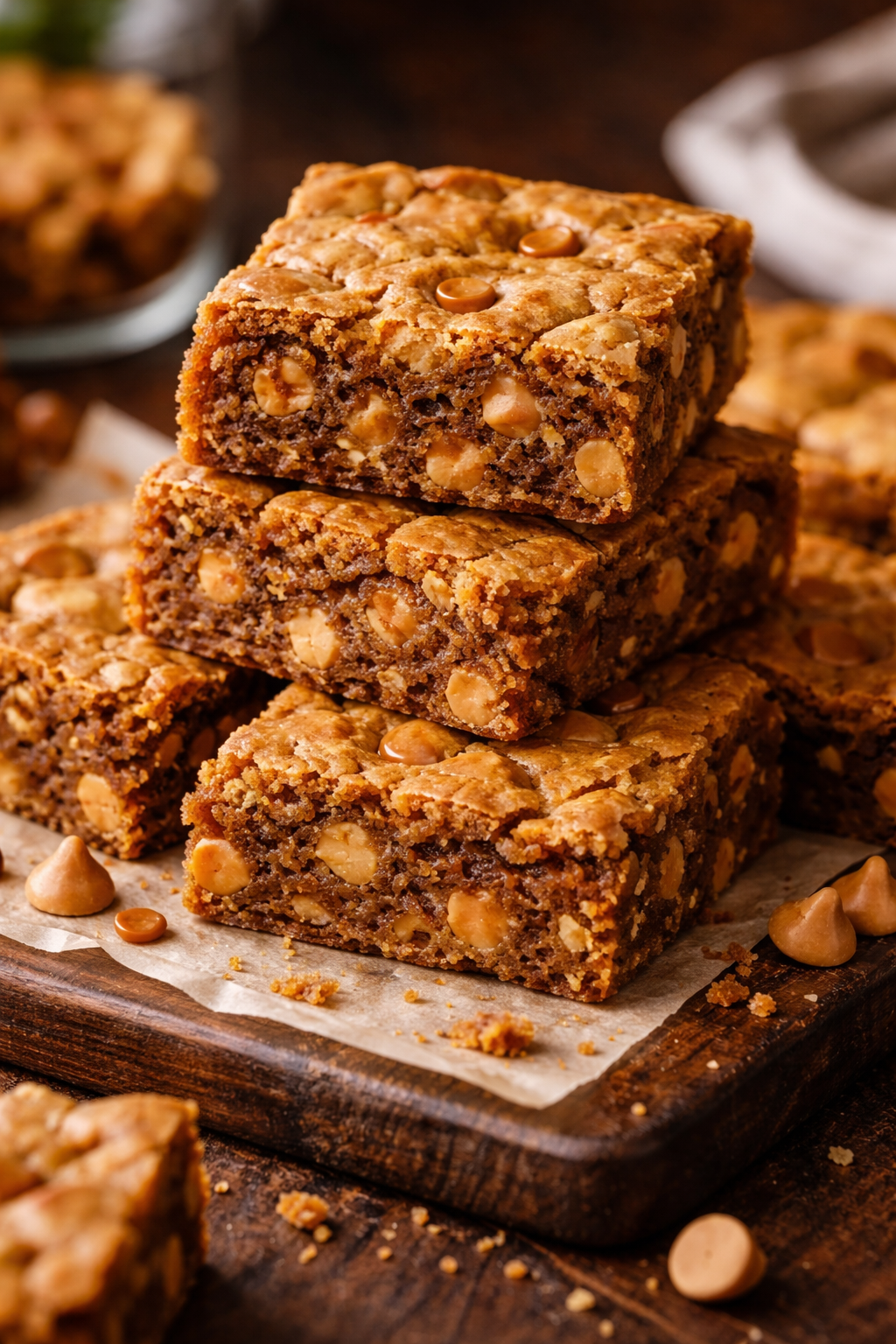
Welcome! Let’s Make Some Killer Butterscotch Brownies
I remember my grandma’s kitchen. It always smelled like sugar and butter. The first time I saw her pull a pan of golden brown squares from the oven, I was hooked. They weren’t chocolate. They were something better. They were warm, sticky, and tasted like caramel candy. That was my first taste of real butterscotch brownies. Years later, I still chase that same perfect bite. I want you to have it too. So, pull up a chair. Let’s bake something wonderful.
This is my sweet corner of the internet. We’re going to dive into the delightful world of butterscotch brownies together. I’m so excited to share my favorite recipes with you. I’ll also give you my best tips and favorite twists on this classic treat. Are you a seasoned baker? Perfect. Are you just starting out? Even better. I promise, there’s something here for everyone. Making these brownies is simpler than you think. The result is always a showstopper.
What Are Butterscotch Brownies, Anyway?
Let’s clear something up first. What makes butterscotch brownies so special? They are not your regular chocolate brownies. Not even close. Imagine your favorite chewy blondie. Now, give it a deep, rich, caramel-like flavor. That’s what we’re making. The taste is buttery and toasty, with hints of vanilla. It’s cozy and comforting. People in the UK sometimes call them “butterscotch traybakes.” The Filipino recipe version often adds a fun, crunchy layer of nuts. My version aims for one thing: that perfect, gooey butterscotch brownie center.
The magic is in a few key ingredients. They work together like old friends. You probably have most of them in your pantry right now.
- Brown Sugar: This is the star. It’s what creates that distinct butterscotch flavor. The molasses in the sugar caramelizes as it bakes. Use dark brown sugar for a deeper taste.
- Butter: Well, it’s in the name! Use real, unsalted butter. It builds the rich foundation of the brownie.
- Vanilla Extract: A good splash enhances all the other flavors. It makes the butterscotch taste even richer.
- Eggs: They bind everything together. They also help create that lovely, slightly crisp top.
- Flour: All-purpose flour gives the brownies their structure. Don’t overmix it, or they’ll get tough.
That’s really it for the base. From there, you can get creative. Some people, like the famous Ukrops bakery, add chocolate chips. I love adding a handful of coconut for chewy texture. Others swear by a Filipino recipe that uses local nuts. The basic formula is simple and forgiving. That’s why I love it.
How to Make My Gooey Butterscotch Brownies
Ready to bake? Here is my step-by-step guide to the perfect batch. I’ve made these a hundred times. I’ve learned what works and what doesn’t. Follow these steps, and you’ll get killer butterscotch brownies every single time.
Step 1: Melt the Butter and Sugar. This is the most important step. Don’t just mix them. Melt them together. In a medium saucepan, combine 1 cup of butter and 2 cups of packed dark brown sugar. Cook it over medium heat. Stir it constantly until the butter melts and the mixture is smooth. It will look like glossy, bubbling caramel. Take it off the heat and let it cool for about 10 minutes. If you add the eggs to a hot mixture, you’ll scramble them.
Step 2: Blend in the Eggs and Vanilla. Once the mix is warm, not hot, whisk in 2 large eggs and 2 teaspoons of vanilla. Whisk it really well. You want it to be completely smooth and slightly thickened.
Step 3: Add the Dry Ingredients. In a separate bowl, whisk together 2 cups of all-purpose flour, 2 teaspoons of baking powder, and 1/2 teaspoon of salt. Gently fold this into your wet mixture. I use a spatula and stop as soon as the flour disappears. A few streaks are okay. Overmixing is the enemy of a tender brownie.
Step 4: Fold in Your Extras. This is the fun part. Now you can customize. My favorite add-in is 1 cup of butterscotch chips. They give little pockets of pure flavor. You could also add:
- Chocolate chips for chocolate butterscotch brownies.
- 1 cup of shredded coconut for butterscotch brownies with coconut.
- 1 cup of chopped walnuts or pecans for crunch.
Step 5: Bake and Test. Pour the thick batter into a greased 9×13 inch pan. Spread it evenly. Bake at 350°F (175°C) for 25 to 30 minutes. Here is my big tip for that gooey texture: take them out before they look completely done. The edges will be golden and firm. The center should still look a little soft. A toothpick poked in the center should come out with a few moist crumbs, not wet batter. They will keep cooking as they cool.
My Best Tips for Perfect Texture
Want that melt-in-your-mouth, gooey center? It’s all about technique.
- Measure your flour correctly. Don’t scoop from the bag. Spoon it into your measuring cup and level it off. Too much flour makes dry, cakey brownies.
- Let the melted sugar mix cool. I said it before, but it’s worth repeating. Patience here prevents rubbery eggs.
- Use a light-colored metal pan. Dark pans can make the edges overbrown before the center is set. A glass pan might need a slightly longer bake time.
- Do not overbake. This is the number one mistake people make. Set a timer for 20 minutes and start checking. It’s better to have slightly underbaked brownies than dry ones.
Common Problems (And How to Fix Them)
Even experts have a bad bake sometimes. Here’s what might go wrong.
Problem: My brownies are too cakey and dry.
Fix: You probably overmixed the batter or overbaked. Next time, fold gently and check earlier.
Problem: The bottom burned.
Fix: Your oven rack might be too low. Bake in the center of the oven. Also, ensure you’re using the right pan size.
Problem: They’re too greasy.
Fix: This can happen if you use salted butter or don’t measure correctly. Stick to unsalted butter and proper measuring.
Problem: They fell in the middle.
Fix: This often means too much leavening (baking powder) or underbaking. Make sure your baking powder is fresh.
Remember, even “failed” brownies usually still taste great. Crumble them over ice cream. No one will complain.

Speaking of mixing things up, once you’ve mastered my gooey butterscotch brownies, the fun really begins. That simple, forgiving base is like a blank canvas waiting for your personal touch. And frankly, exploring different twists is half the joy of baking. I’ve lost count of the versions I’ve tried over the years, each one teaching me something new about how flavors can dance together. Let’s wander through some of my favorite variations and talk about the little secrets that can take your bake from good to absolutely unforgettable.
Butterscotch Brownies with a Twist: Global and Flavorful Variations
You know that cookbook your mom or grandma had in the cupboard? The one with the splattered pages and handwritten notes in the margins? For a lot of us, that was a Betty Crocker cookbook. Their butterscotch brownies recipe is a certified classic, and it’s where many home bakers, myself included, first fell in love. It’s beautifully straightforward, often using brown sugar and butterscotch chips for that double dose of flavor. It’s a no-fuss, reliable recipe that feels like coming home. It’s the perfect starting point if you’re looking for a trusted, well-loved formula.
Now, hop across the pond with me for a second. In the UK, they have a delightful habit of calling these “butterscotch traybakes,” which just sounds so charming, doesn’t it? The British version sometimes feels a bit more cakey, often using golden syrup alongside the brown sugar for an even chewier, stickier texture. It’s less about a crackly top and more about a dense, moist bite. If you’re a fan of that particular chew, try adding a tablespoon of golden syrup or light corn syrup to your melted butter and sugar mixture. It’s a game-changer.
If you want to take a tropical vacation without leaving your kitchen, you have to try butterscotch brownies with coconut. I started doing this after a trip to Hawaii, and I haven’t looked back. Fold in a heaping cup of sweetened shredded coconut into the batter. The coconut toasts up in the oven and adds this incredible chewy texture that plays so nicely against the gooey brownie. It’s like a Mounds bar and a blondie had a baby. Seriously good. And if you’re into layered bars, this flavor combo would work amazingly in a bar dessert for a crowd, maybe with a coconut base and a butterscotch topping? Hmm, now I might have to go experiment.
One of the most fascinating recipes I’ve come across is a Filipino take on butterscotch brownies. Filipino baking often incorporates local ingredients in clever ways, and their butterscotch brownies are no exception. They might use *kesong puti* (a local soft cheese) for a tangy contrast, or top the brownies with a layer of crunchy, buttery cashews or peanuts. It creates this fantastic sweet-and-salty, soft-and-crunchy situation that’s absolutely addictive. It reminds me a bit of that irresistible contrast you get in a classic peanut and caramel bar.
For those on the East Coast of the U.S., the name Ukrops butterscotch brownies might make you swoon. Ukrops was a beloved Virginia bakery, and their fudge-bottomed butterscotch pie was legendary. Their brownie version often pays homage to that by including a layer of chocolate—sometimes as chips in the batter, sometimes as a fudgy swirl. It’s a regional treasure with a cult following for a reason. It bridges two worlds beautifully.
Which brings me to my personal weakness: chocolate butterscotch brownies. Look, I love a classic, but sometimes you just need both. Stirring a cup of semi-sweet chocolate chips into your butterscotch batter creates this magical flavor where the deep cocoa notes and the buttery caramel notes just hug each other. They don’t compete; they complement. It’s a double delight, for sure. You could even take a page from a wildcard recipe like Dr. Pepper brownies and add a splash of soda to your butterscotch batter for a hint of spice and extra lift. Sounds weird, works wonderfully.
Finally, don’t sleep on the creativity of home bakers online. Places like Genius Kitchen are overflowing with innovative ideas. I’ve seen recipes there for everything from adding a sprinkle of sea salt on top to swirling in a cream cheese layer. One user swore by substituting browned butter for melted butter, and let me tell you, that nutty, toasty depth it adds is next-level. The online baking community is a goldmine for inspiration when you’re ready to play.
Your Masterclass: Tips for Perfect Butterscotch Brownies Every Time
Alright, let’s get into the nitty-gritty. You’ve picked your variation, you’re ready to bake. Here’s how to make sure nothing goes sideways.
Choosing Your Players: Ingredients matter, but you don’t need to break the bank. For butterscotch chips, I have a simple rule: taste one straight out of the bag. If it tastes waxy or fake, it’ll bake that way. Find a brand that has a rich, buttery, genuine caramel flavor. As for brown sugar, I’m a dark brown sugar evangelist for these. The extra molasses is non-negotiable for that deep flavor. And keep it soft! If your brown sugar has turned into a brick, toss a piece of bread or a few damp (not wet) paper towels in the bag overnight. It’ll soften right up.
The Texture Tango: We all want that perfect texture, but “perfect” means different things to different people. Here’s a quick cheat sheet for steering your outcome:
- For Fudgy & Gooey: This is my jam. The key is a higher fat-to-flour ratio. Don’t skimp on the butter and brown sugar. Also, underbake by just a minute or two, like we talked about. Pull them when the center still looks a little underdone.
- For Chewy & Dense: You want more structure. An extra egg white can help with chewiness. Make sure you’re using enough flour (measured correctly, of course!) and mixing just until combined.
- For Cakey & Light: If that’s your preference, you can gently increase the baking powder by ¼ teaspoon and make sure to beat the eggs into the sugar mixture really well to incorporate more air.
One technique I swear by for any texture is the “cool down.” After you melt the butter and sugar, let it cool until the bottom of the pan is just warm to the touch. This prevents the eggs from cooking, yes, but it also allows the mixture to thicken slightly, which helps create that signature shiny, crackly top as it bakes.
Keeping the Goodness Good: So you’ve baked the perfect batch. Now what? Storage is crucial for maintaining that just-baked texture.
- At Room Temp: Once completely cool, store them in an airtight container at room temperature. A piece of bread tossed in the container works miracles at keeping them soft (the brownies will steal the moisture from the bread). They’ll be great for 3-4 days this way.
- In the Fridge: I only refrigerate if my kitchen is very hot or if the brownies have a perishable add-in like cream cheese. Cold brownies lose their gooey texture and become firmer.
- In the Freezer: This is my pro move for always having a treat on hand. Wrap individual squares tightly in plastic wrap, then pop them all in a freezer bag. They’ll keep for up to 3 months. Thaw at room temperature or, my favorite, microwave one for 15 seconds for a warm, gooey, “fresh-baked” experience anytime. It’s dangerous knowledge, I know.
And here’s a random digression that just occurred to me: leftover brownies (if such a thing exists) make an insane topping for a sundae. Crumble a square over vanilla ice cream with a drizzle of caramel sauce. Or, crumble them into a bowl and mix with a little cream cheese to make a quick brownie batter-inspired dip for fruit and pretzels. Waste not, want not, right?
The bottom line is this: don’t be afraid to make these killer butterscotch brownies your own. Bake the classic, then start tweaking. Add nuts, swirl in chocolate, toss in coconut. Every time you bake a batch, you learn a little more. And honestly, even the “mistakes” are usually pretty delicious. Happy baking, friends.
Your Top Butterscotch Brownies Questions, Answered
So, you’ve read about the background, learned the secrets for that killer texture, and explored a world of variations. But I know, sometimes you just want the quick answers. My recipe notes are covered in question marks from years of tweaking and from friends texting me in a baking panic. In my experience, the real learning happens after the first batch, when the “what ifs” start popping up. So, let’s dive into your next baking adventure fully armed. Here, I’m tackling the questions I get asked the most—think of it as our little after-class chat over a plate of still-warm gooey butterscotch brownies.
Getting Crafty: Variations, Substitutions, and Next-Level Ideas
Here’s the thing about a great base recipe: it begs to be played with. One time, I ran out of butterscotch chips right in the middle of a bake. Panic? Maybe a little. But it led to one of my favorite discoveries. Let’s talk about making these killer butterscotch brownies truly your own.
Can I substitute butterscotch chips with another ingredient? Oh, absolutely. It happens to the best of us. If you can’t find them or just want to try something different, you have a few solid options. The most straightforward swap is to use an equal amount of white chocolate chips. They won’t have that distinct butterscotch flavor, but they’ll give you those wonderful melty pockets. For a flavor closer to the real deal, try toffee bits (like the ones in a Heath bar). They add an incredible crunch and buttery taste. My desperate pantry raid that day? I chopped up some soft caramel candies and tossed them in. It worked like a charm, creating these intense, gooey caramel swirls. Just note, if your substitute is very sticky, toss the pieces lightly in flour before folding them in to prevent them all sinking to the bottom.
And how can I add a twist to the traditional recipe? Beyond the big variations we talked about, my favorite micro-tweaks are about layering flavors. A few I’m obsessed with:
- The Salty-Sweet Punch: Sprinkle a few flakes of flaky sea salt over the batter right before baking. It cuts through the richness beautifully.
- The Spiced Upgrade: Add a teaspoon of cinnamon or a pinch of cayenne pepper to the dry ingredients. Sounds wild, but the warmth is magical with the caramel notes.
- The Malt Moment: Replace a quarter cup of the flour with malted milk powder. It gives a nostalgic, diner-style depth that’s so comforting.
Don’t forget about textures, either. Swirling is your friend. After pouring the batter, dollop a few tablespoons of peanut butter or salted caramel sauce on top and drag a knife through. You get a marbled masterpiece with minimal effort.
Are there any gluten-free options? You bet. I’ve made these for friends with celiac disease, and they’ve been a hit. The key is using a good 1:1 gluten-free all-purpose flour blend (the ones with xanthan gum already in them work best). I’ve had great success with brands like Bob’s Red Mill or King Arthur. Pro tip: let your gluten-free batter sit for 5-10 minutes after mixing. This gives the flours a chance to hydrate fully, which helps prevent a gritty texture. The bake time might be a tad shorter, so start checking early. And honestly, this base recipe is so flavorful, no one will guess it’s gluten-free.
The Nitty-Gritty: Perfecting the Bake & Keeping Them Fresh
This is where the rubber meets the road—or rather, where the batter meets the oven. These are the practical, gotta-know details that separate a good baker from a great one.
How do I make my butterscotch brownies extra gooey? I live for this question. Beyond the classic “underbake slightly” advice, my secret weapon is an extra egg yolk. The next time you make a batch, try using 2 whole eggs plus 1 additional yolk. The extra fat and emulsifiers in that yolk push the texture into supremely fudgy, rich territory. Also, consider using a glass or ceramic baking dish instead of metal. It heats a bit more gently and evenly, which can protect that precious gooey center.
How do I know when they are done? The toothpick test is your guide, but for brownies, it’s a specific kind of test. You’re not looking for it to come out “clean.” You want it to come out with a few moist crumbs clinging to it. If you see wet, glossy batter, they need more time. If it’s completely clean, they’re probably already overdone for that perfect, soft center. The visual cues are just as important: the edges should be pulling away from the pan slightly and look set, while the center will still look a bit soft and puffy—it will sink as it cools into that dense, dreamy texture. I always pull mine when I think, “Hmm, maybe they need two more minutes?” That’s usually the perfect time.
What’s the best way to store them? To keep them tasting just-baked, cool them completely in the pan. Then, I slice them and layer them in an airtight container with sheets of parchment paper between layers. Tossing in a single slice of bread (sounds weird, I know) works wonders. The brownies will draw moisture from the bread, staying soft for days while the bread turns to a crouton. Just replace the bread slice every other day. For short-term, room temp is king—the fridge will dry them out and harden the butter. Speaking of butter and ingredients, keeping your pantry staples fresh is part of the game. It’s a good habit to check dates on things like baking powder, and for general tips on ingredient storage, I sometimes peek at resources on basic kitchen food safety—it’s not just about meat and dairy!
Can I freeze them, and if so, how? Freezing is my #1 trick for always having a treat on hand, and for preventing myself from eating the whole pan in two days. It’s simple: wrap each cooled brownie square tightly in plastic wrap, then pop them all into a heavy-duty freezer bag. Squeeze out all the air. They’ll keep beautifully for up to 3 months. To thaw, just let a square sit on the counter for an hour. Or, for the ultimate indulgence, microwave a frozen square for 15-20 seconds. It’s like having a fresh, warm gooey butterscotch brownie on demand. Dangerous, I tell you.
By the way, if you’ve fallen in love with bar desserts like I have, there’s a whole universe out there to explore. I’m always adding new treats to my repertoire, and you can find more inspiration in my collection of dessert bar and brownie recipes when you’re ready for your next project.
At the end of the day, my biggest hope is that you feel confident enough to make this recipe your own. Baking should be a joy, a little creative escape. Whether you stick to the classic Betty Crocker butterscotch brownies foundation or invent a Filipino-inspired version with local nuts, the process is yours. So, preheat that oven, and trust your instincts. The best batch you’ll ever make is the one you bake next.
FAQs: Quick Answers to Your Butterscotch Brownie Queries
1. What makes butterscotch brownies different from regular brownies?
The core difference is flavor and color. Regular brownies are chocolate-based, while butterscotch brownies get their signature taste from brown sugar and butter, which caramelize to create a rich, toffee-like flavor. They’re essentially a type of blondie, focusing on buttery caramel notes instead of cocoa.
2. I don’t have dark brown sugar. Can I use light brown sugar?
You can, but the flavor will be milder. Dark brown sugar has more molasses, which gives butterscotch brownies their deep, almost hauntingly good caramel taste. If you only have light brown sugar, adding a tablespoon of molasses or maple syrup to the wet ingredients can help approximate that depth.
3. Why did my brownies turn out cakey instead of fudgy?
This usually boils down to two things: overmixing or overbaking. Once you add the flour, mix just until the streaks disappear. Overmixing develops gluten, leading to a cakey structure. Also, pulling them from the oven a few minutes earlier, when the center is still slightly soft, is crucial for fudginess.
4. Can I make butterscotch brownies without eggs?
You can experiment with egg substitutes, though the texture will change. For a dense, fudgy result, try using a “flax egg” (1 tbsp ground flaxseed mixed with 3 tbsp water per egg). For a lighter texture, unsweetened applesauce (¼ cup per egg) can work. The binding and rising will be different, so expect a more dense, chewy outcome.
5. My butterscotch chips all sank to the bottom. How do I prevent that?
Toss them in a light coating of flour before folding them into the batter. This little trick helps suspend them throughout the bake. Also, make sure your batter isn’t too thin; if it seems runny, a tablespoon or two of extra flour can help provide more structure to hold the chips.
6. What pan size is best, and can I double the recipe?
A 9×13-inch metal pan is the standard and gives you the perfect thickness. Doubling is tricky because it’s hard to get the center to bake evenly in one giant pan. If you need a larger batch, it’s better to make two separate batches and bake them in two 9×13 pans. For a thicker, more fudgy brownie, you can use a 9×9 pan, but you’ll need to increase the bake time significantly.
7. How can I tell if my baking powder is still good?
It loses potency over time! To test it, pour ½ cup of hot water over ¼ teaspoon of baking powder. If it bubbles vigorously immediately, it’s good. If the reaction is weak or slow, it’s time for a new can. Fresh leavening is key for the right rise and texture.
8. Is it better to use salted or unsalted butter?
I always recommend unsalted butter. It lets you control the exact amount of salt in the recipe. Different brands of salted butter have varying salt levels, which can throw off the balance of your sweet-and-salty masterpiece. Stick with unsalted and add the salt yourself for consistent results.
9. Can I add a frosting or glaze to butterscotch brownies?
Absolutely, and it’s delicious! A simple browned butter glaze (confectioners’ sugar, a splash of milk, and browned butter) is heaven. Or, for something quicker, a drizzle of salted caramel sauce right before serving takes them over the top. Just make sure the brownies are completely cool before you frost, or it’ll melt into a puddle.
10. What’s the origin of the name “butterscotch”?
It’s a fun bit of food history! The “scotch” part likely has nothing to do with Scotland. Historians think it may come from the verb “to scotch,” meaning to score or cut. The candy was traditionally scored or cut into pieces before it fully hardened. So, it’s essentially “butter candy that’s cut.”
Equipment
- Medium saucepan
- Mixing bowls
- Whisk
- Spatula
- 9x13 inch baking pan
Ingredients
- 1 cup unsalted butter
- 2 cups packed dark brown sugar
- 2 large eggs
- 2 teaspoons vanilla extract
- 2 cups all-purpose flour
- 2 teaspoons baking powder
- 1/2 teaspoon salt
- 1 cup butterscotch chips optional
- 1 cup shredded coconut optional
- 1 cup chopped walnuts or pecans optional
- 1 cup chocolate chips optional
Instructions
- Melt the butter and brown sugar over medium heat in a medium saucepan, stirring constantly until smooth. Remove from heat and let cool for about 10 minutes.
- Blend in the eggs and vanilla extract into the cooled mixture, whisking until smooth and slightly thickened.
- In a separate bowl, whisk together flour, baking powder, and salt. Gently fold this into the wet mixture until just combined.
- Fold in any extras like butterscotch chips, coconut, or nuts of your choice.
- Pour the batter into a greased 9x13 inch pan and spread evenly. Bake at 350°F (175°C) for 25-30 minutes, checking for a soft center with a toothpick test before removing.
Notes
Nutrition

Hello! I’m Sarah Mitchell, and I’m passionate about bringing creativity and innovation to baking. My love for baking started in high school when I first tried my hand at decorating cupcakes for a class project. What began as a fun hobby quickly became a full-time passion. I’ve spent the past decade working in bakeries and dessert shops, honing my skills in everything from simple cookies to intricate wedding cakes.
After working in some of the top bakeries across the country, I realized that baking was about more than just following recipes — it was about infusing your personality into each creation. At BakingSecret.com, I love creating recipes that push boundaries while staying true to the heart of classic baking. I specialize in creating delicious and visually stunning pastries that will wow your guests.
When I’m not baking, I enjoy teaching baking classes, trying out new cake decoration techniques, and traveling to find inspiration in global dessert traditions. I’m so excited to share my tips and tricks with you to help elevate your baking game!