
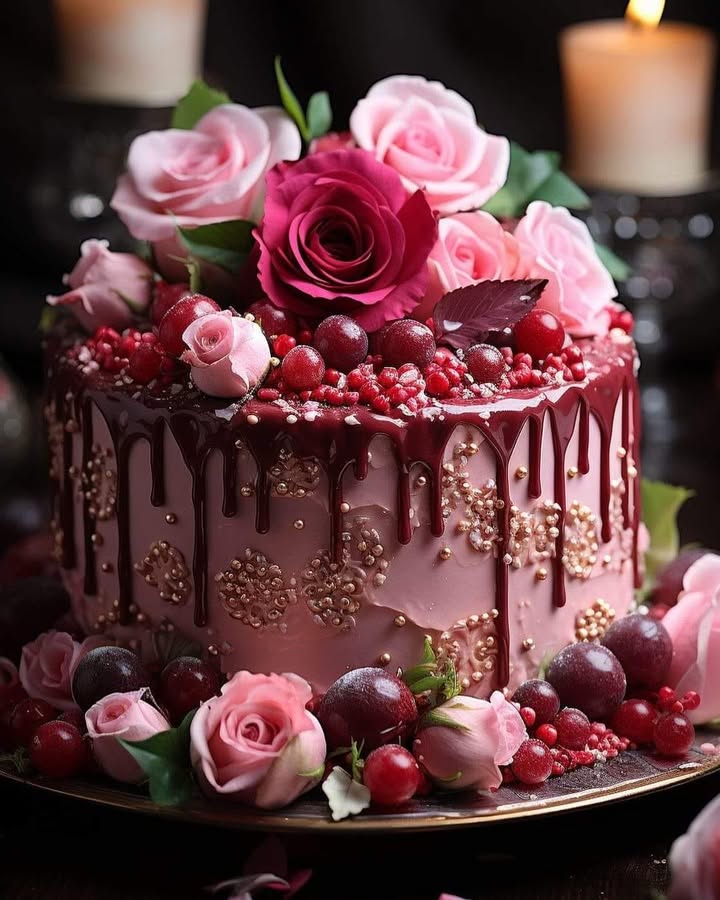
The “Cake Lovers” Loaf: A One-Pan Wonder
You know the feeling. You want cake. But you don’t want to fuss with layers, frostings, or complicated techniques. You want something warm, comforting, and ready to share fast. That’s exactly why I created this “Cake Lovers” loaf. It’s my family’s favorite mid-week treat, born from a chaotic Tuesday evening when my kids begged for cake and I had exactly one hour before soccer practice. This recipe is our happy compromise.
Where Did This Cake Lovers’ Dream Come From?
This isn’t a traditional recipe with a long history. It’s a modern mash-up for busy people who love cake. I took inspiration from classic pound cake and simple coffee cakes. The goal was a single, dense, moist loaf packed with flavor. I tested it three times! The first was too dry, the second too sweet. The third version, with a tweak in butter and a dash of sour cream, was perfect. It’s now the cake I make for casual visits, book clubs, and “just because” days.
Why You’ll Absolutely Love This Simple Cake
This cake recipe is a true crowd-pleaser. It is incredibly moist and rich, yet simpler than most layer cakes. The texture is dense and satisfying, like a brownie but lighter. It’s also incredibly versatile. You can add chocolate chips, nuts, or a swirl of fruit. Best part? It uses one bowl and one pan. Cleanup is a dream. This is the ultimate cake for lovers of easy baking.
Perfect Occasions for This Cake Lovers’ Treat
This loaf cake shines at simple, cozy gatherings. Here are my top picks:
- Weekend breakfast with a cup of coffee.
- After-school snack for hungry kids.
- A quick dessert for last-minute guests.
- Potluck contributions (it travels perfectly!).
- A sweet thank-you gift for a neighbor.
Ingredients for Your Cake Lovers’ Loaf
- 1 ½ cups all-purpose flour
- 1 cup granulated sugar
- ½ cup unsalted butter, softened
- ½ cup sour cream
- 2 large eggs
- 1 teaspoon vanilla extract
- ½ teaspoon baking soda
- ½ teaspoon baking powder
- ¼ teaspoon salt
Simple Substitution Options
Don’t stress if you’re missing an ingredient! Here are easy swaps:
- Sour cream: Use plain yogurt or buttermilk.
- Unsalted butter: Salted butter works, just omit the added salt.
- All-purpose flour: A gluten-free blend can be used 1:1.
- Granulated sugar: Brown sugar adds a deeper, molasses flavor.
Making Your Cake Lovers’ Dream: Step-by-Step
Step 1: Combine the Wet Ingredients
Start with your softened butter and sugar in a large mixing bowl. Cream them together with a hand mixer or a sturdy spoon. Watch the mixture turn pale and fluffy. This is key for a light texture. Then, add the eggs one at a time. Mix until each is fully incorporated. The batter will become smooth and glossy. Now, stir in the vanilla extract and sour cream. The sour cream adds a wonderful tang and promises incredible moisture. Pro tip: Ensure your butter is truly soft, not melted. This makes creaming much easier.
Step 2: Gently Add the Dry Ingredients
In a separate bowl, whisk together your flour, baking soda, baking powder, and salt. This distributes the leavening agents evenly. Now, add this dry mixture to your wet batter. Fold it in gently with a spatula. Stop mixing just when no flour streaks remain. Over-mixing is the enemy of tender cake! The batter will be thick, creamy, and drool-worthy. Chef’s tip: For extra flavor, try folding in a cup of blueberries or chocolate chips at this stage.
Step 3: Bake to Golden Perfection
Prepare a standard 9×5 inch loaf pan. Grease it well or line it with parchment paper. Pour your beautiful batter into the pan. Spread it evenly with your spatula. Place it in a preheated 350°F (175°C) oven. Bake for 50-60 minutes. Your kitchen will fill with a warm, sweet aroma. Check for doneness by inserting a skewer into the center. It should come out with just a few moist crumbs, not wet batter. The top will be a lovely golden brown.
Step 4: The Crucial Resting Period
When your cake is done, take it out of the oven. Let it cool in the pan for about 20 minutes. This allows the structure to set. Otherwise, it might crumble. Then, carefully transfer it to a wire rack. Let it cool completely before slicing. I know waiting is hard! But this patience ensures perfect, neat slices. The cooled cake will be firm yet soft to the touch.
Timing Your Cake Adventure
- Prep Time: 15 minutes
- Cooking Time: 55 minutes
- Resting/Cooling Time: 1 hour
- Total Time: About 2 hours 10 minutes
My Chef’s Secret for Cake Lovers
My secret is a tiny splash of almond extract. Add about ½ teaspoon along with the vanilla. It gives the cake a subtle, nutty depth that people always ask about. They can’t quite place the flavor, but they love it. It makes this simple cake taste “special” without extra work.
A Little Extra Cake Info
The sour cream in this recipe isn’t just for moisture. Its acidity reacts with the baking soda. This creates tiny bubbles in the batter. These bubbles make the cake rise gently and become incredibly tender. It’s a science trick that feels like magic!
Necessary Equipment
- 9×5 inch loaf pan
- Large mixing bowl
- Hand mixer or sturdy whisk
- Measuring cups and spoons
- Wire cooling rack
- Spatula
How to Store Your Cake Lovers’ Loaf
Once completely cooled, you can store the cake. For short-term storage, keep it at room temperature. Place it in an airtight container or wrap it tightly in plastic wrap. It will stay moist and delicious for up to 3 days. This is perfect for enjoying over a few days.
For longer storage, refrigeration is a good option. Wrap the cake well and place it in the fridge. It can last up to a week. The cold might slightly firm the texture. Simply let a slice sit at room temperature for a few minutes before eating. It will soften up nicely.
You can also freeze this cake for future joy. Wrap the whole loaf or individual slices tightly in plastic wrap. Then place them in a freezer bag. It can be frozen for up to 3 months. Thaw in the refrigerator overnight or at room temperature for a few hours.
Tips and Advice for the Best Cake
- Always preheat your oven. A steady temperature from the start is vital.
- Use room temperature eggs and sour cream. They blend more smoothly.
- Don’t open the oven door too often while baking. This causes temperature drops.
- If the top browns too quickly, tent it loosely with aluminum foil.
Presentation Tips to Make it Special
- Serve warm slices with a dollop of whipped cream.
- Dust the top with powdered sugar just before serving.
- Add a side of fresh berries for a colorful plate.
- For a party, slice it and arrange on a platter with other simple cake and cupcake ideas.
Healthier Alternative Recipes for Cake Lovers
Love cake but want lighter options? Try these twists on the classic:
- Apple Spice Cake Lovers’ Loaf: Replace ½ cup sugar with mashed banana. Add 1 tsp cinnamon and ½ cup diced apples.
- Chocolate Chip Cake Lovers’ Delight: Reduce sugar to ¾ cup. Add ½ cup dark chocolate chips to the batter.
- Lemon Zest Cake Lovers’ Version: Use lemon zest instead of vanilla. It’s bright and refreshing.
- Whole Wheat Cake Lovers’ Treat: Substitute half the flour with whole wheat flour. It adds a nutty flavor.
- Protein-Packed Cake Lovers’ Snack: Add ¼ cup of oat flour. It boosts fiber without changing taste much.
- Sugar-Free Cake Lovers’ Option: Use a monk fruit sweetener blend instead of granulated sugar.
If you enjoy this dense, moist loaf, you might also adore our Classic Banana Bread for another one-pan wonder. For a richer chocolate experience, our Fudgy Brownie Cake is a must-try. When you need a festive option, this loaf method is similar to our Pumpkin Spice Loaf. And for a true celebration cake, the techniques here build skills for our Ultimate Vanilla Layer Cake.
Common Mistakes to Avoid for Cake Lovers
Mistake 1: Using Cold Ingredients
This is a common oversight. Using cold butter, eggs, or sour cream makes creaming difficult. The batter won’t become smooth and homogeneous. This can lead to a dense, uneven cake. Always let your refrigerated ingredients sit on the counter for 30 minutes before starting. Room-temperature ingredients blend beautifully and create a better texture.
Mistake 2: Over-Mixing the Batter
Once you add the flour, mix just until combined. Over-mixing activates the gluten in the flour too much. This makes the cake tough and chewy, not soft and tender. Stop as soon as you see no dry flour patches. A few small lumps are okay. They will disappear during baking.
Mistake 3>Incorrect Oven Temperature
Baking at the wrong temperature ruins your cake. Too hot, and the cake burns outside while staying raw inside. Too cool, and it doesn’t rise properly, becoming sunken and gummy. Always use an oven thermometer to verify your oven’s true temperature. Preheat fully before putting the pan in. Pro tip: Avoid opening the oven door frequently. It causes sudden temperature drops.
Mistake 4: Skipping the Cooling Step
We all want to slice into a warm cake. But cutting too soon is a disaster. The cake’s structure is still setting from the heat. Slicing immediately causes it to crumble and fall apart. Let it cool in the pan, then on a rack. Wait until it’s just warm or room temperature. Then you’ll get perfect, clean slices.
For other dishes where gentle, slow cooking is key, like certain meat preparations, the method of braising uses similar principles of patience and controlled temperature to achieve perfect tenderness.
Frequently Asked Questions for Cake Lovers
Can I make this cake lovers’ recipe without a mixer?
Absolutely! You can make this cake completely by hand. Use a sturdy wooden spoon or silicone spatula to cream the butter and sugar. It will take a bit more effort and time, about 5-7 minutes of vigorous stirring. Make sure your butter is very soft to help the process. For mixing in the eggs and dry ingredients, a spatula and a folding motion work perfectly. The result will be just as delicious.
Why did my cake sink in the middle after baking?
A sunken cake center usually points to a few issues. The most common cause is under-baking. The structure hasn’t set fully in the middle. Another cause could be too much leavening agent, like baking soda. Accurate measuring is crucial. Also, opening the oven door too early can cause a temperature shock. Make sure to bake until a tester comes out clean. Check your oven’s true temperature with a thermometer.
Can I freeze the cake lovers’ loaf?
Yes, this cake freezes very well. Make sure it is completely cooled first. Wrap the whole loaf or individual slices tightly in plastic wrap. Then, place them in a airtight freezer bag or container. It can be frozen for up to three months. To thaw, place it in the refrigerator overnight or leave it at room temperature for a few hours. The texture and flavor remain excellent.
What can I use instead of sour cream?
Sour cream is a key ingredient for moisture and tang. But you have great alternatives. Plain full-fat yogurt is the closest substitute. Buttermilk also works wonderfully. In a pinch, you can even use milk mixed with a tablespoon of lemon juice or vinegar. Let that mixture sit for 5 minutes before using. Each option will give a slightly different nuance, but the cake will still be moist and tasty.
How do I know when the cake is done baking?
The best test is the skewer or toothpick test. Insert a clean skewer into the center of the cake. Pull it out. It should have a few moist crumbs clinging to it, but no wet, gooey batter. Also, the top should be golden brown. The edges will look slightly pulled away from the pan sides. The cake should also spring back lightly when you gently press the center with your finger.
Can I add fruits or nuts to this batter?
You can definitely add fruits or nuts. It’s a great way to customize your cake. Fold in up to 1 cup of additions like blueberries, chopped strawberries, raspberries, chocolate chips, or chopped walnuts. Do this at the very end, after mixing in the dry ingredients. Be gentle to avoid crushing delicate fruits. The added ingredients might slightly increase baking time by 5-10 minutes.
My cake is too dry. What went wrong?
A dry cake often results from over-baking. Even a few extra minutes can sap moisture. Another cause is measuring flour incorrectly. Spoon flour into the measuring cup, then level it. Don’t scoop directly from the bag. Scooping packs too much flour. Also, ensure you’re using full-fat sour cream or yogurt. Low-fat versions have less moisture. Finally, check your oven temperature with a thermometer.
Is this cake lovers’ recipe suitable for cupcakes?
This recipe can be adapted for cupcakes. The batter is thick, so it will work. Fill lined muffin cups about ⅔ full. Bake at the same temperature, 350°F, but for only 18-22 minutes. Check for doneness with a toothpick. They will be delightful little individual cakes. You might get about 12-14 cupcakes from this batch of batter.
Can I reduce the sugar in this cake?
You can reduce the sugar slightly, but be careful. Sugar adds sweetness, moisture, and structure. Reducing it by up to ¼ cup (using ¾ cup total) should work. The cake will be less sweet and slightly less moist. For a bigger reduction, consider using a sugar substitute designed for baking. Follow the substitute’s conversion guidelines to keep the right texture.
Why is my cake tough and not soft?
A tough cake texture usually comes from over-mixing. Once flour is added, mix just until combined. Over-mixing develops gluten, making cake chewy. Also, using cold ingredients can create a uneven mix, leading to toughness. Always use room-temperature eggs, sour cream, and butter. Finally, check your flour measurement. Too much flour makes cake dry and tough.
Final Thoughts on This Cake Lovers’ Recipe
This Cake Lovers’ Loaf is more than just a recipe. It’s my go-to for spreading a little sweetness without big effort. It fills the kitchen with a warm, welcoming smell. It brings smiles to my family’s faces. I hope it becomes your simple, reliable treat too. It proves that being a cake lover doesn’t require complicated baking. Sometimes, the best cakes come from one bowl, one pan, and a whole lot of love. Happy baking!
Equipment
- Grand bol
- Fouet
- Spatule
- Plaque à pâtisserie
- Papier sulfurisé
Ingredients
- 1.5 tasse farine tout usage
- 1 tasse sucre granulé
- 0.5 tasse beurre non salé, ramolli
- 0.5 tasse crème aigre
- 2 grands œufs
- 1 cuil. à café extrait de vanille
- 0.5 cuil. à café bicarbonate de soude
- 0.5 cuil. à café poudre à lever
- 0.25 cuil. à café sel
Instructions
- Dans un grand bol, crémez le beurre ramolli et le sucre jusqu'à ce que le mélange soit pâle et mousseux.
- Ajoutez les œufs un par un, en mélangeant jusqu'à ce qu'ils soient bien incorporés, puis incorporez l'extrait de vanille et la crème aigre.
- Dans un autre bol, fouettez la farine, le bicarbonate de soude, la poudre à lever et le sel.
- Incorporez délicatement le mélange de secs au mélange humide jusqu'à ce qu'il n'y ait plus de traces de farine.
- Versez la pâte dans un moule à pain de 9x5 po préalablement graissé ou chemisé et étalez-la uniformément.
- Faites cuire au four à 350°F (175°C) pendant 50-60 minutes ou jusqu'à ce qu'un skewer en ressorte avec quelques miettes humides.
- Refroidissez le gâteau dans le moule pendant environ 20 minutes, puis transférez-le sur une grille pour le laisser refroidir complètement.
Notes
Nutrition

Hi, I’m Olivia Parker, the founder of BakingSecret.com and a lifelong lover of all things sweet and homemade. I grew up in a small town in Oregon, where the smell of fresh cookies in my family’s kitchen sparked my passion for baking. Over the years, I turned that passion into a mission: to help home bakers feel confident, inspired, and creative.
After studying food science and working in several artisan bakeries across the U.S., I decided to create a space where everyone from beginners to seasoned bakers can find reliable recipes, expert tips, and a warm, welcoming community. BakingSecret.com is my way of sharing the magic of baking with the world. When I’m not testing new recipes, you’ll find me exploring farmers’ markets, collecting vintage cookbooks, or perfecting my sourdough technique.